
Subject
Haystack
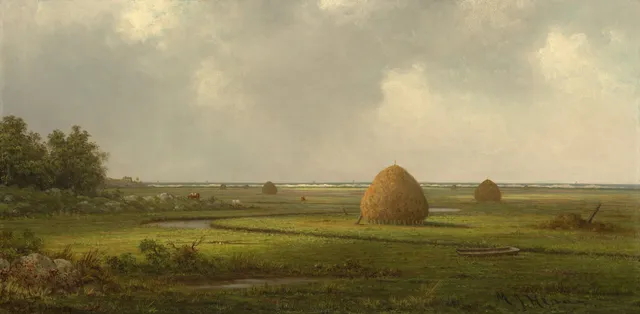
Haystack is a subject in art. The gallery holds 25 works in this subject in art, including works by Thomas Cole, Camille Pissarro and Claude Monet.
The haystack is a type of construction which is a feature typical of the calid European countries. It consists of a central wooden pole with stacked hay layers around it, forming a heap for later transfer to the barn.
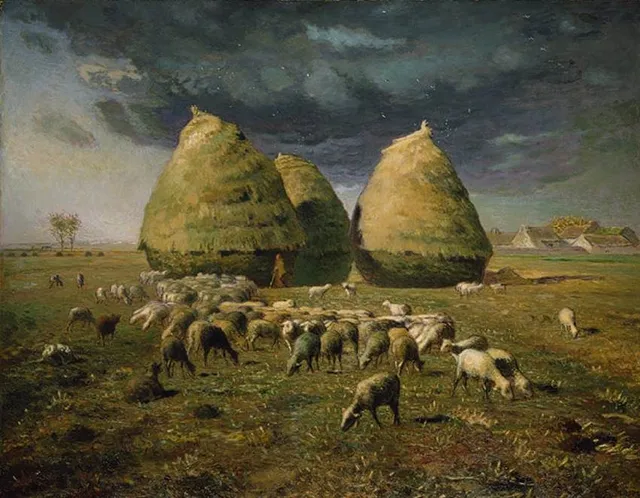
Key artists

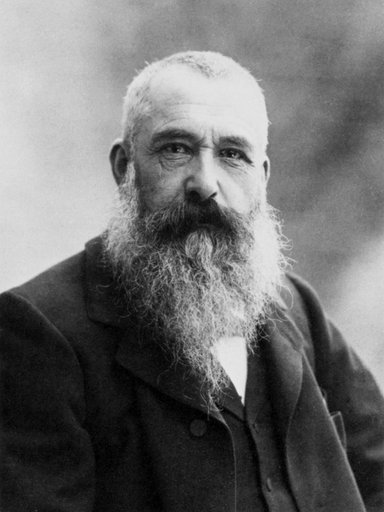

Overview
The haystack is a traditional agricultural construction consisting of a central wooden pole with stacked hay layers arranged around it, forming a conical heap for temporary storage and later transfer to the barn. Found particularly in warmer European countries, haystacks served as essential structures for drying, curing, and preserving hay, straw, and cereal sheaves before the advent of mechanized farming. In art, the haystack recurs as a motif that bridges the divide between human labor and the natural landscape, offering artists a means to explore rural life, seasonal cycles, atmospheric conditions, and the interplay of light upon organic forms. The subject appears in 27 works in the collection, spanning a range of artistic approaches from the Hudson River School to French Impressionism and American regionalism.
Iconography & meaning
The haystack carries multiple layers of meaning in visual art. As an icon of agricultural labor, it signifies the cyclical rhythms of rural life and the human transformation of nature into sustenance. Its conical form and golden hues evoke harvest, abundance, and the passage of seasons, particularly autumn. The haystack also functions as a vehicle for exploring light and atmosphere, its textured surface capturing and reflecting changing conditions of sun, shadow, and weather. In some contexts, it suggests transience and the fragility of human endeavor against natural forces, especially given the real danger of spontaneous combustion in improperly dried hay. The motif can additionally carry pastoral idealism or social commentary, depending on the artist's treatment and period context. The German term Dieme and related regional variants such as Schober, Birlig, and Heinze reflect the cultural specificity of these structures across European folk traditions.
Legacy
The haystack's afterlife in art extends beyond its direct representation. Monet's concentrated exploration of the motif established a paradigm for serial painting that influenced subsequent generations of artists investigating perceptual experience through repetition and variation. The motif's decline in actual agricultural practice, as traditional haystacks were supplanted by mechanized baling from the mid-twentieth century, transformed their appearance in art from contemporary reality to nostalgic or documentary subject. In the collection, the persistence of haystacks across works from varied national schools and stylistic approaches testifies to their enduring utility as a nexus of formal, thematic, and cultural concerns. The structures themselves, once ubiquitous features of European and American rural landscapes, have become increasingly rare, making their artistic preservation significant for understanding both agricultural history and the evolution of landscape painting. The collection's sustained engagement with the motif offers a concentrated case study in how a humble agricultural structure became an instrument for exploring some of the central preoccupations of modern art: light, labor, land, and the passage of time.
Works
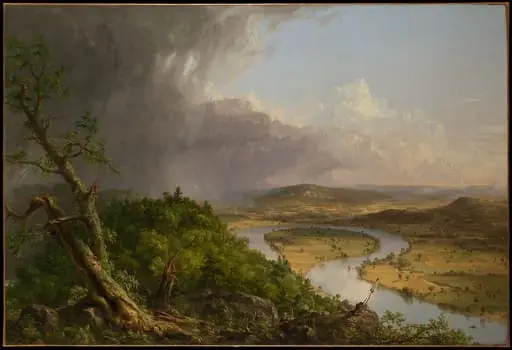 View from Mount Holyoke, Northampton, Massachusetts, after a Thunderstorm—The Oxbow
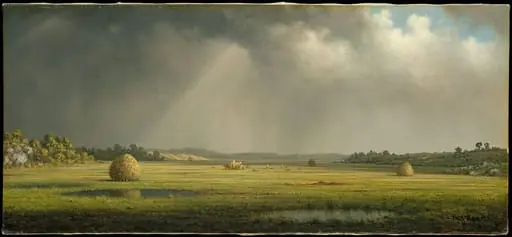 Newburyport Meadows
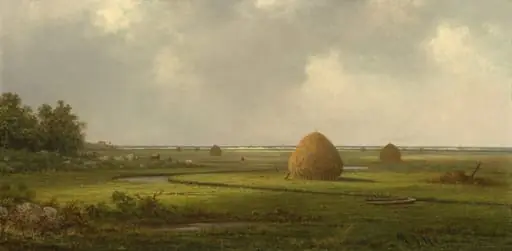 View of Marshfield
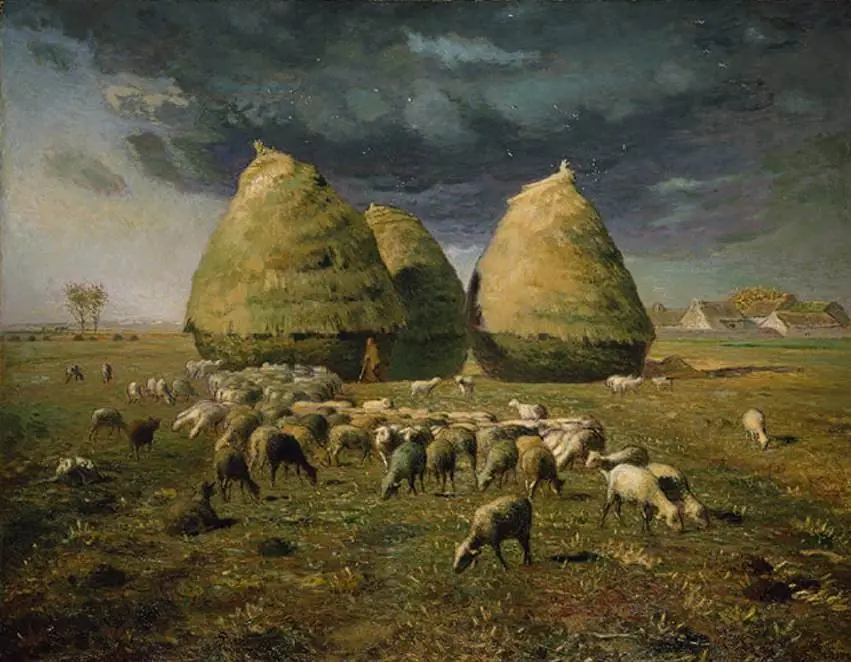 Haystacks: Autumn
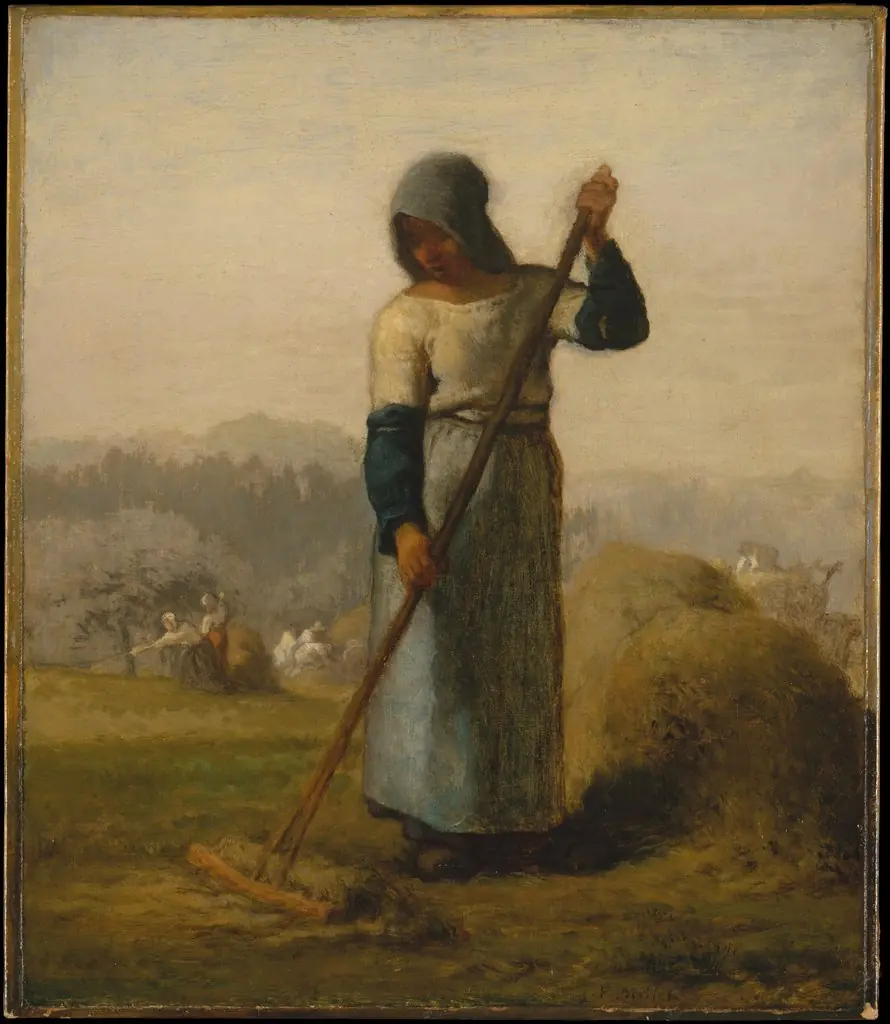 Woman with a Rake
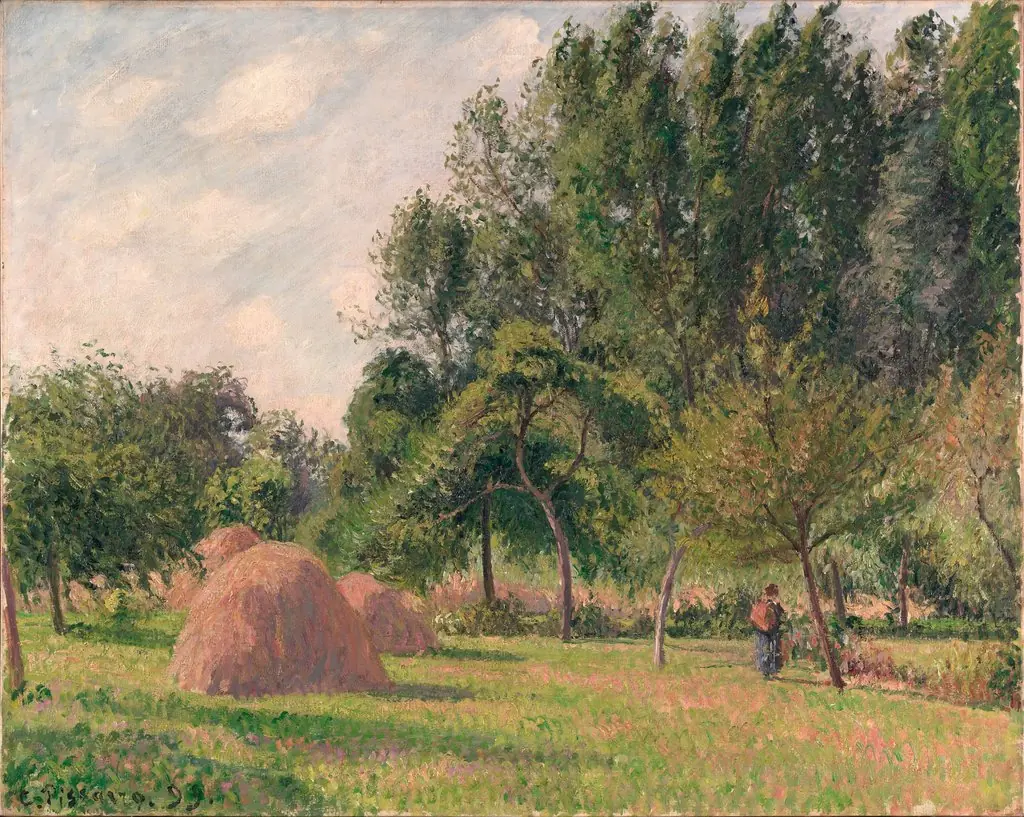 Haystacks, Morning, Éragny
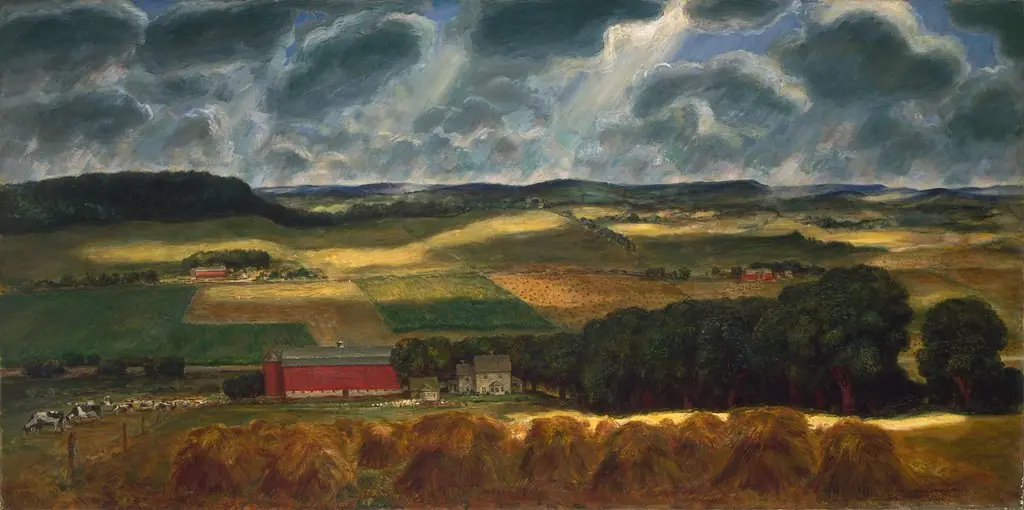 Wisconsin Landscape
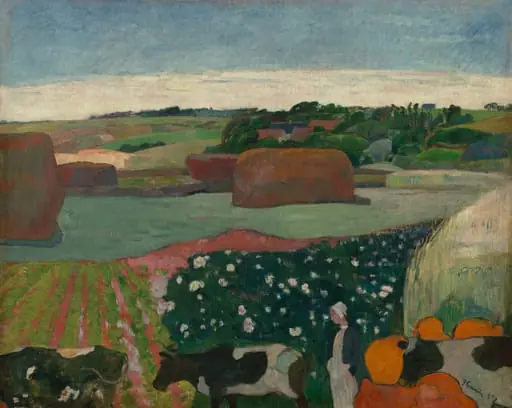 Haystacks in Brittany
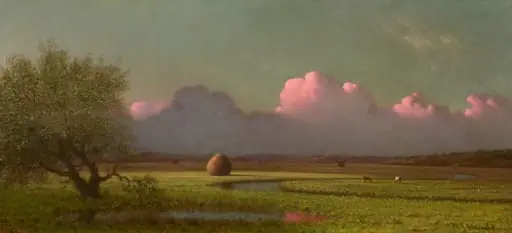 Sunlight and Shadow: The Newbury Marshes
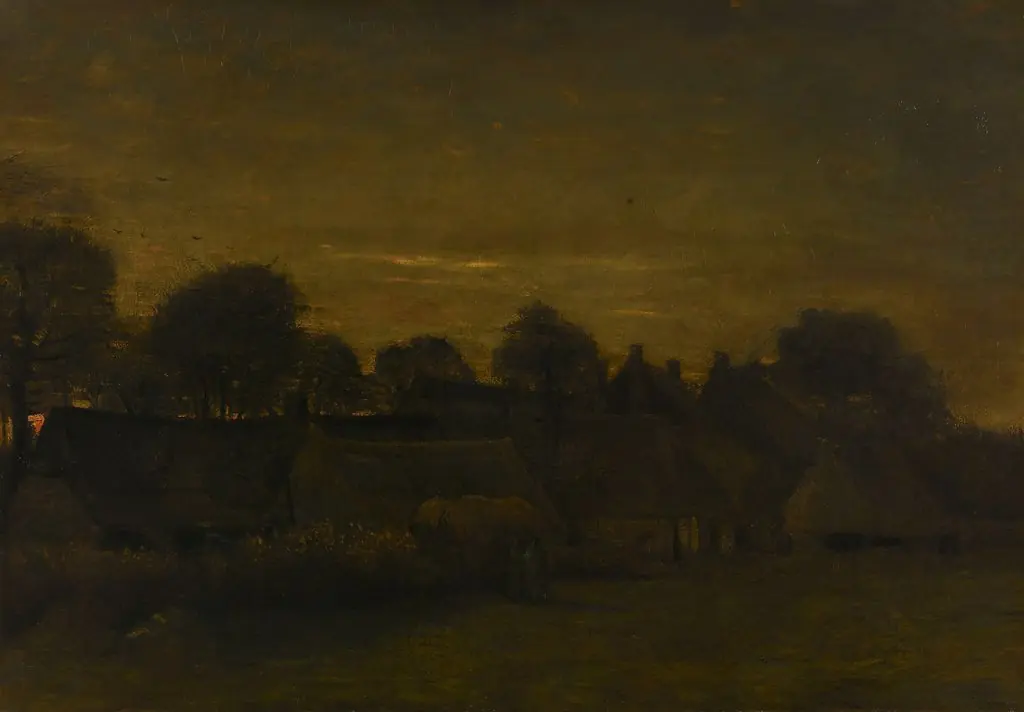 Farming Village at Twilight
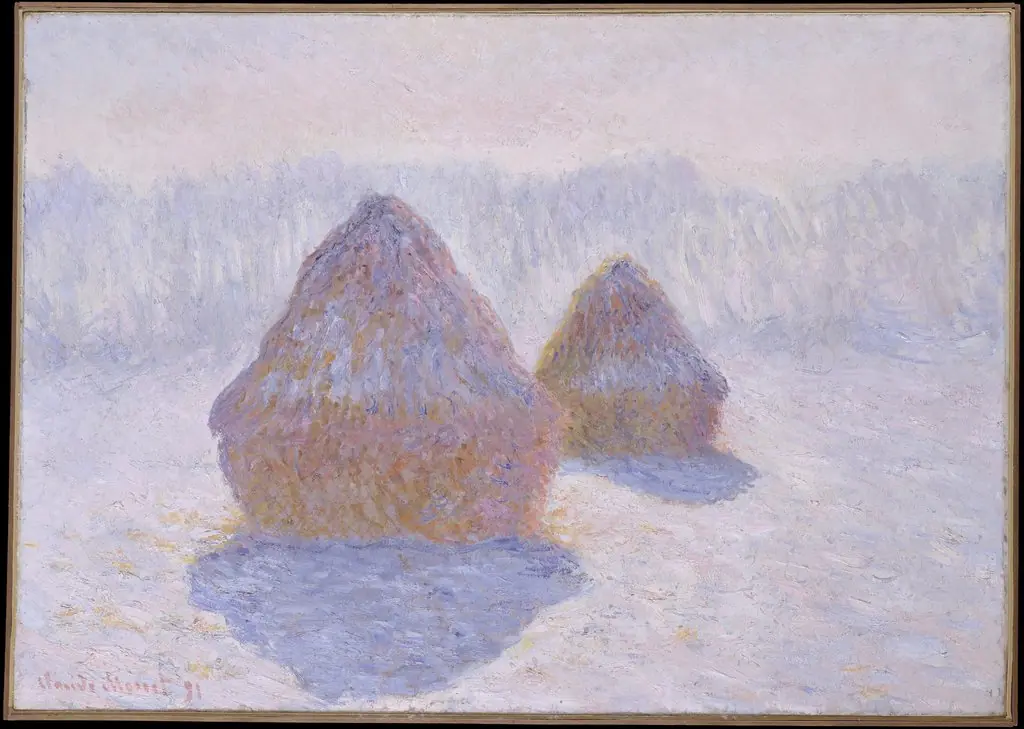 Haystacks (Effect of Snow and Sun)
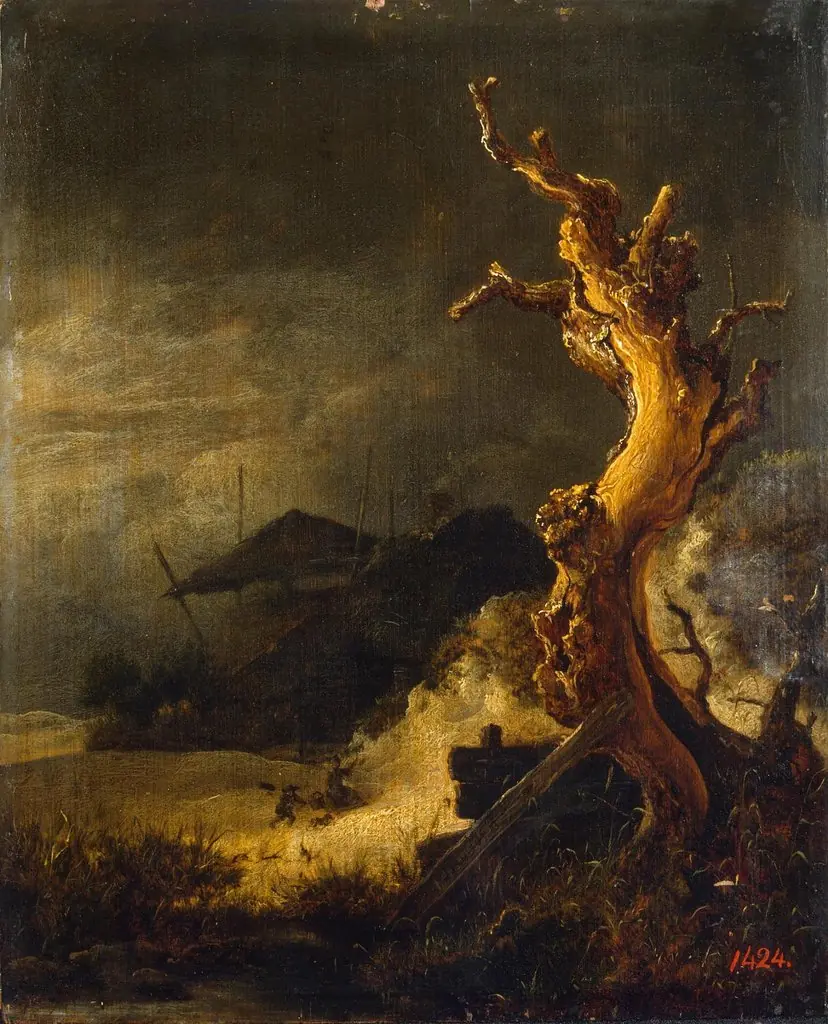 Winter Landscape with a Dead Tree
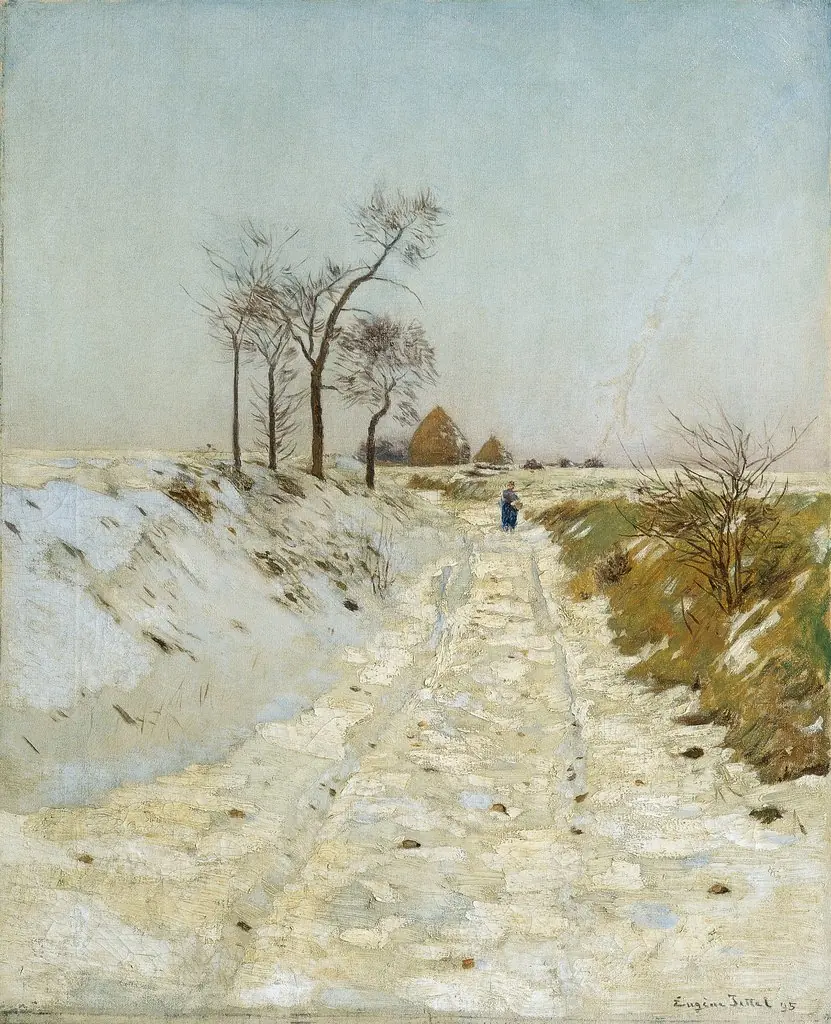 Hohlweg im Winter
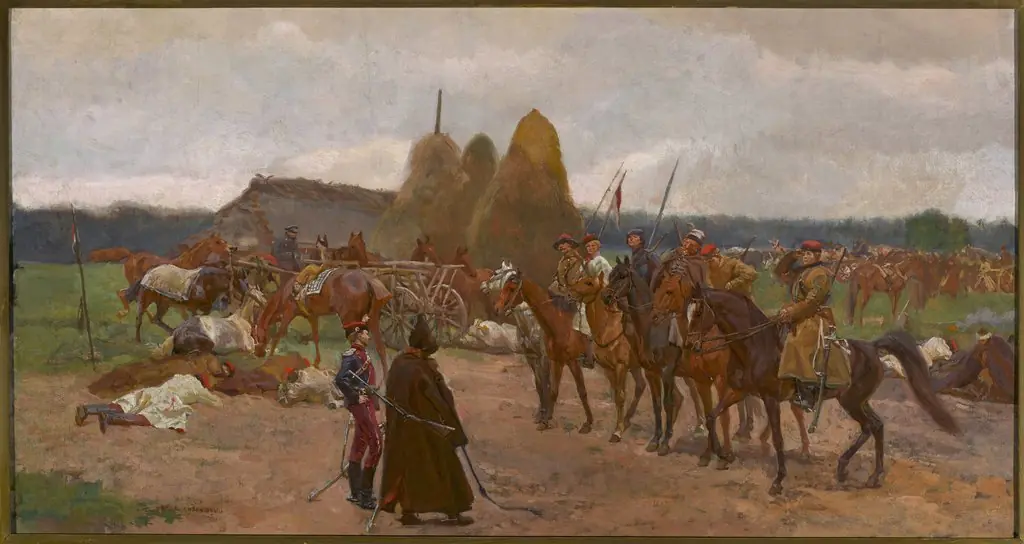 Insurrection episode
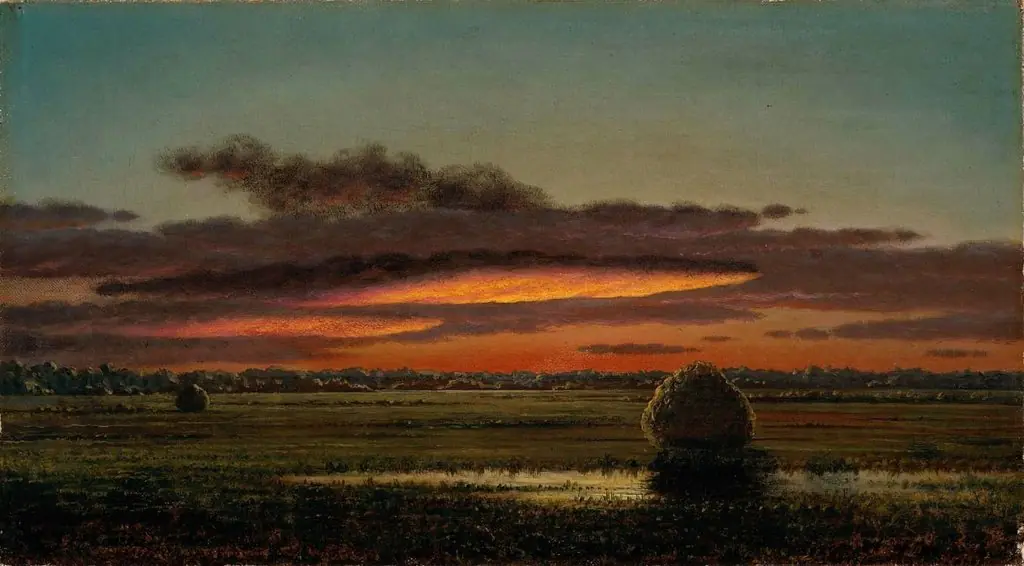 Sunset over the Marshes
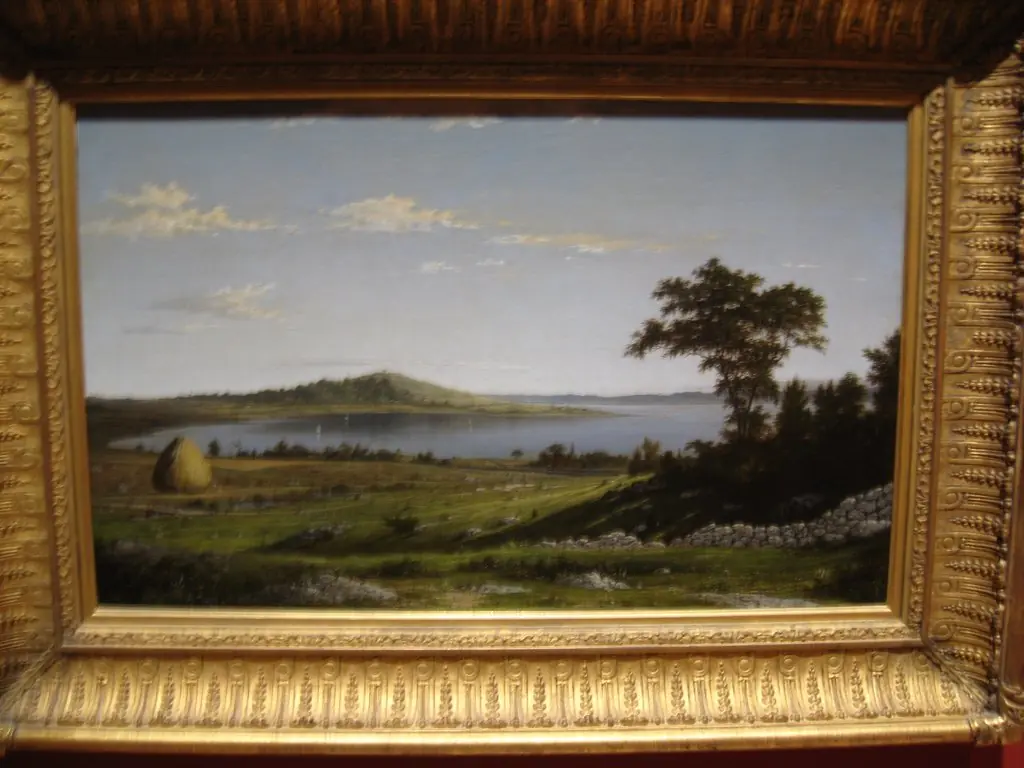 Rhode Island Shore
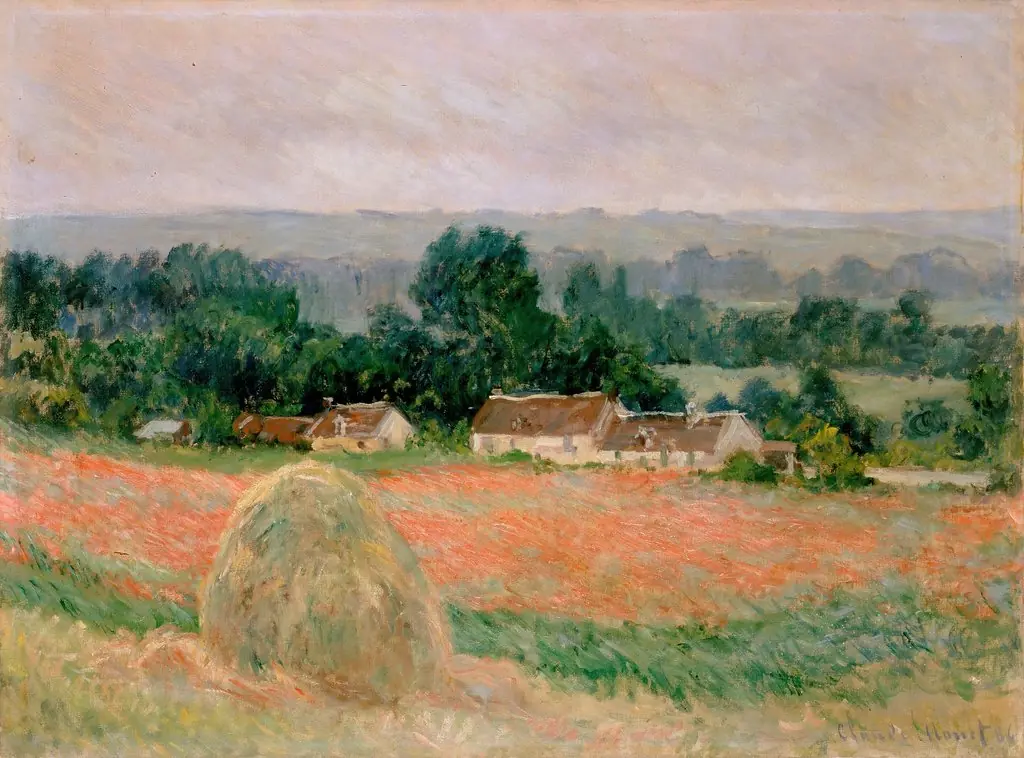 Haystack at Giverny
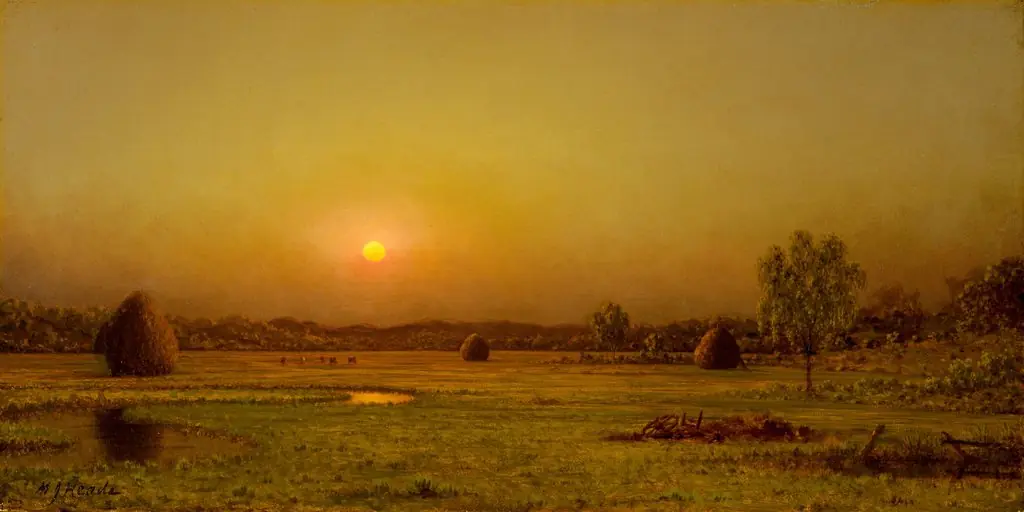 Marsh Sunset, Newburyport, Massachusetts
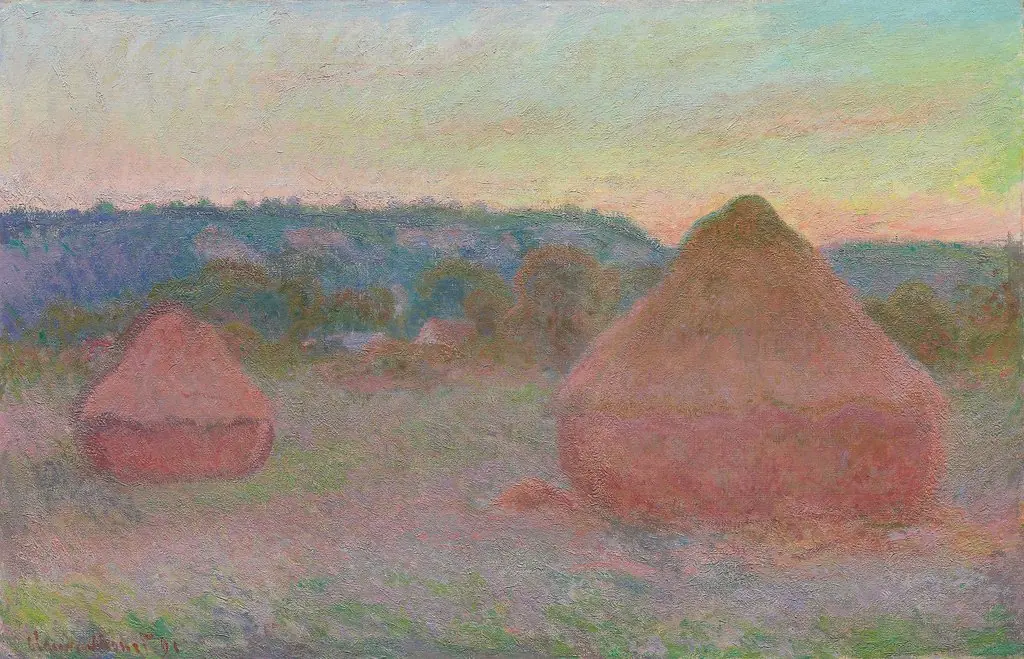 Stacks of Wheat (End of Day, Autumn)
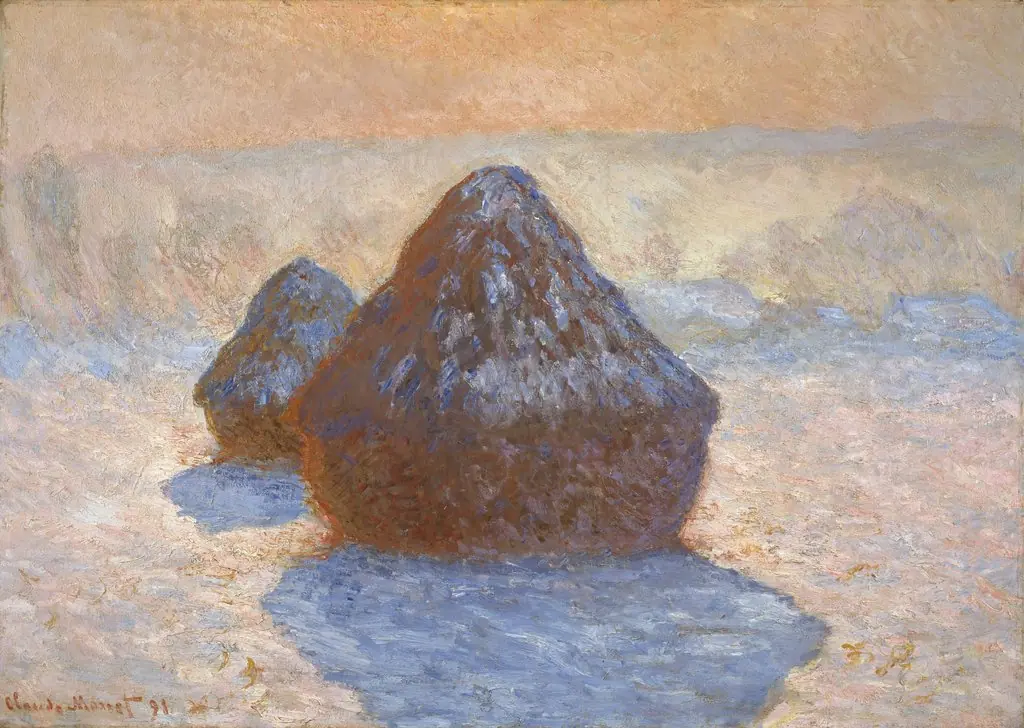 Haystacks: Snow Effect
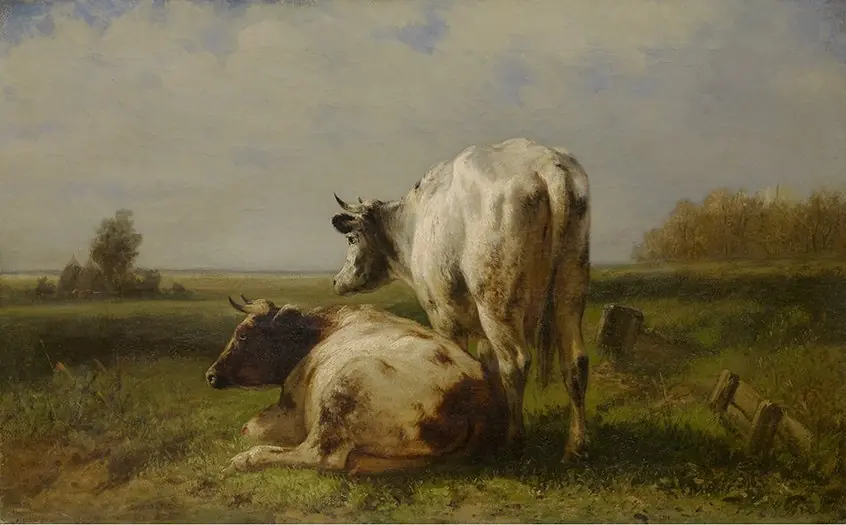 Koeien in de weide
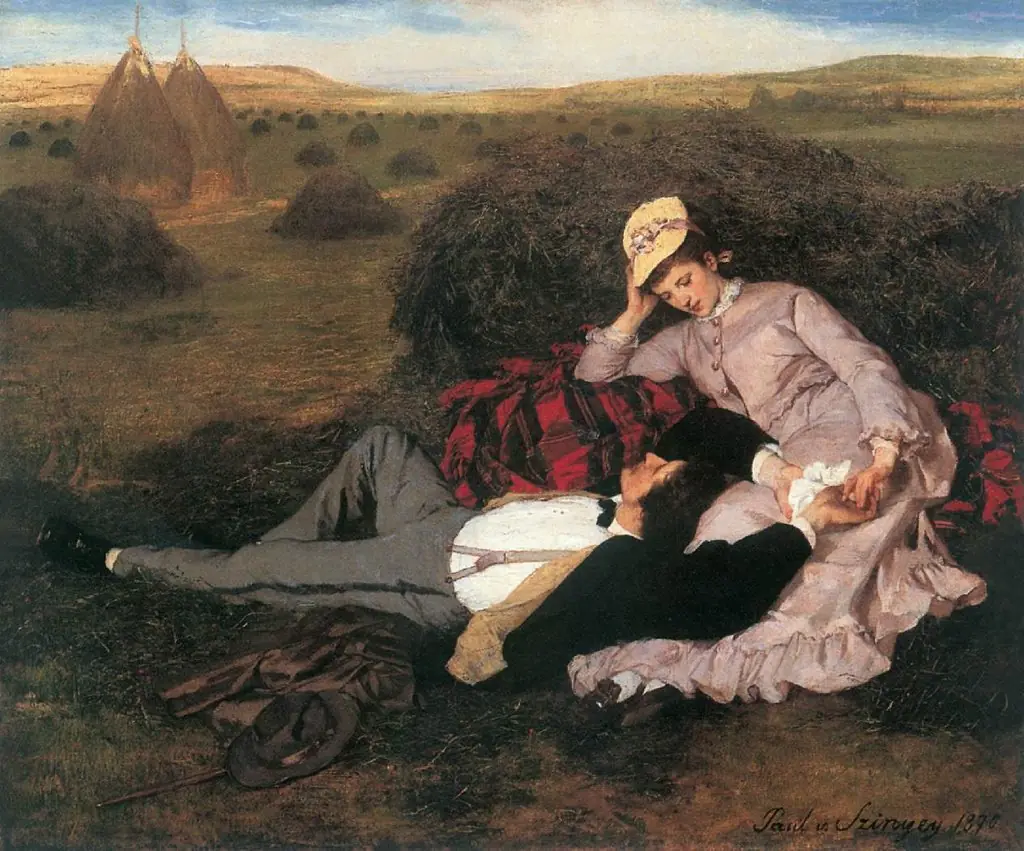 Lovers
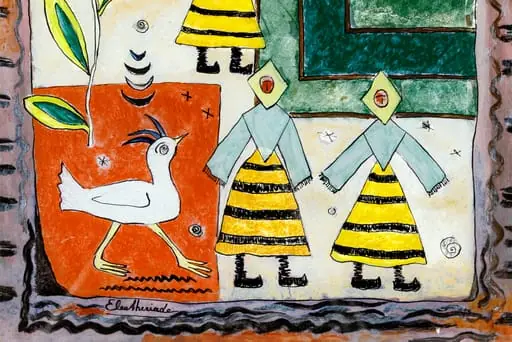 PANOU DECORATIV
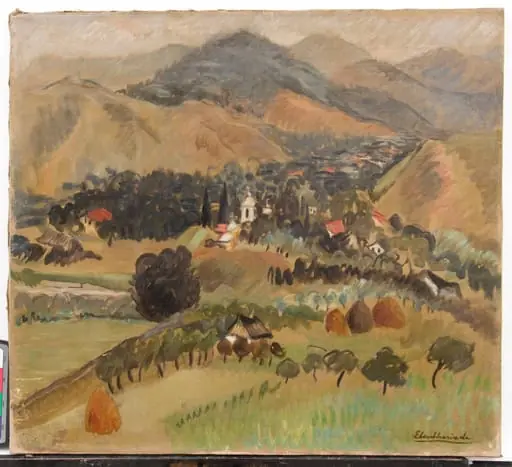 Alunișul
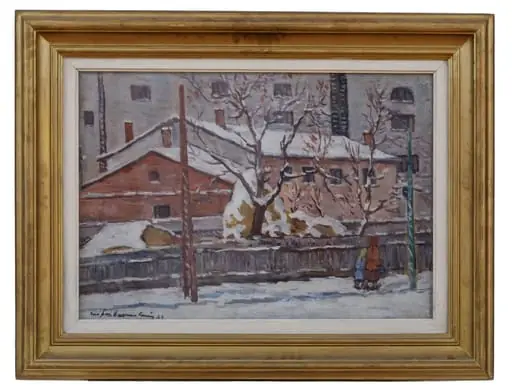 Peisaj de iarnă
Frequently asked questions
What is Haystack?
Haystack is a subject in art. The haystack is a type of construction which is a feature typical of the calid European countries.
How many Haystack works does Artifact World Gallery have?
Artifact World Gallery holds 25 public-domain Haystack works, all free to view and download.
Who are the key Haystack artists?
Key Haystack artists in the collection include Thomas Cole, Camille Pissarro and Claude Monet.
Where can I see Haystack works?
Haystack works in the collection are held by Metropolitan Museum of Art, National Gallery of Art and Hermitage Museum.