Artwork
Bridge
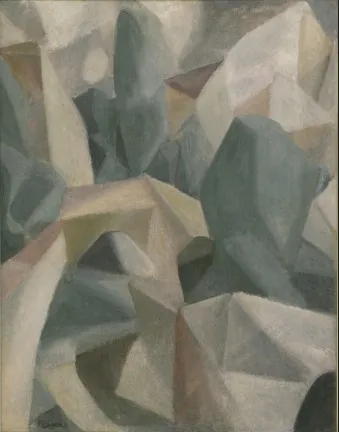
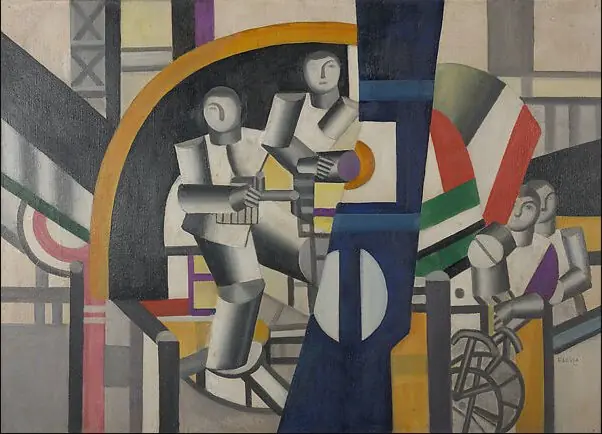
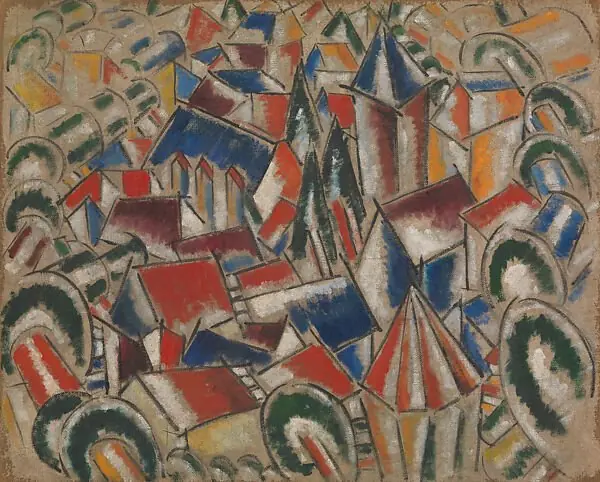
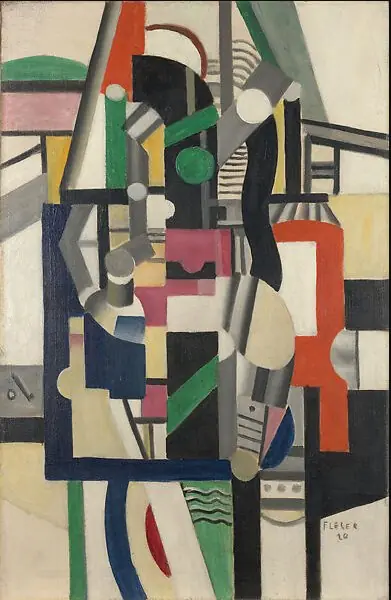
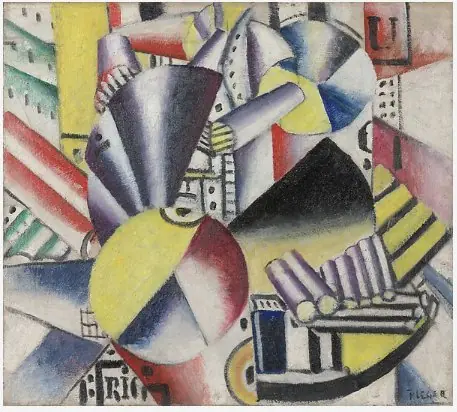
Bridge is an oil painting by the Cubism Analytic artist Fernand Léger. It dates from 1908 and is held in the collection of the Museum of Modern Art.
About this work
Overview
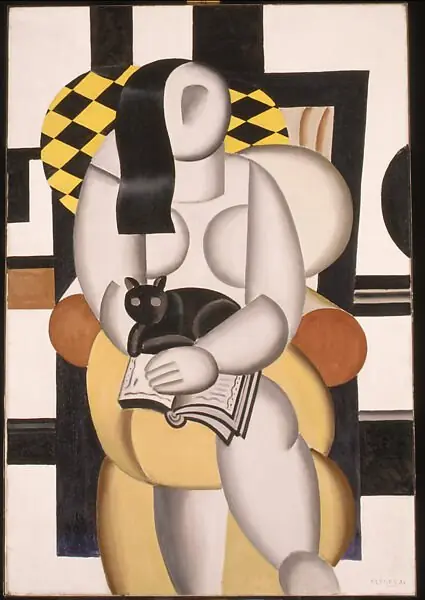
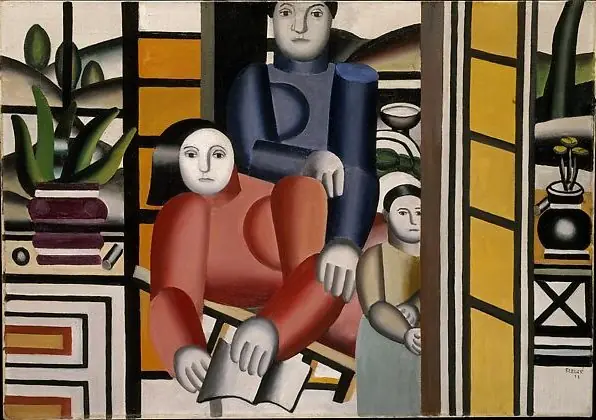
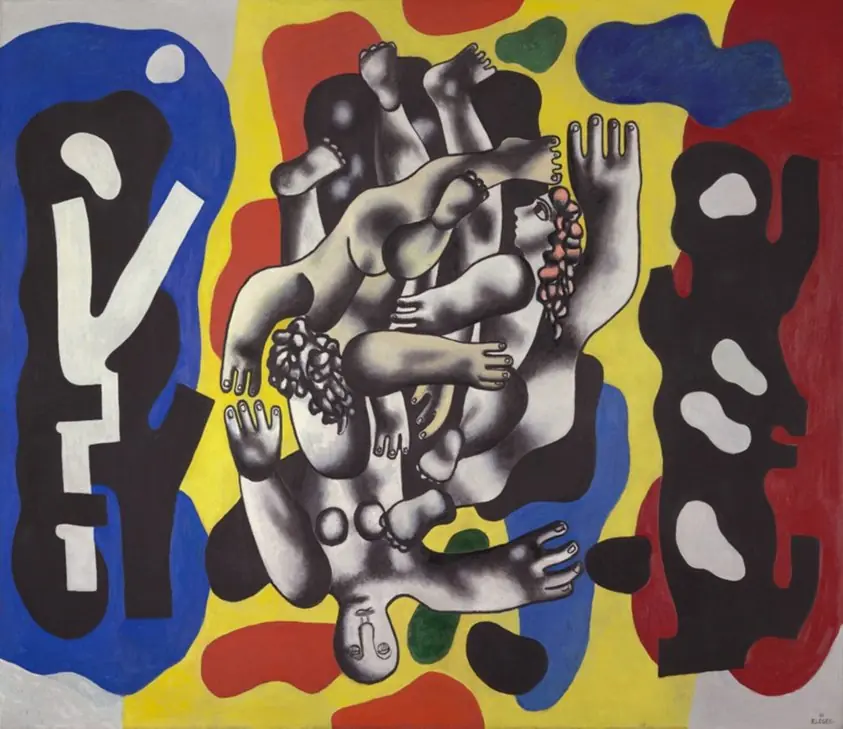
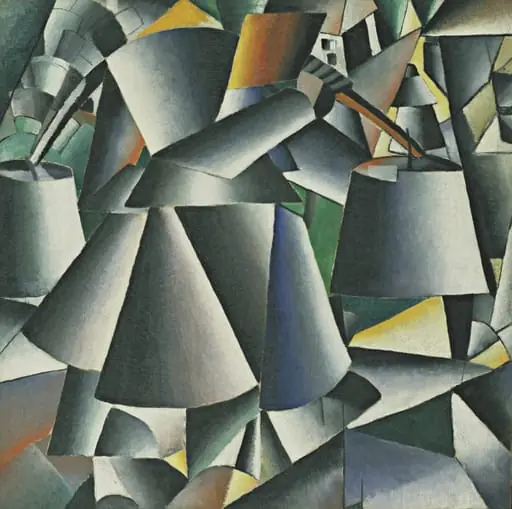
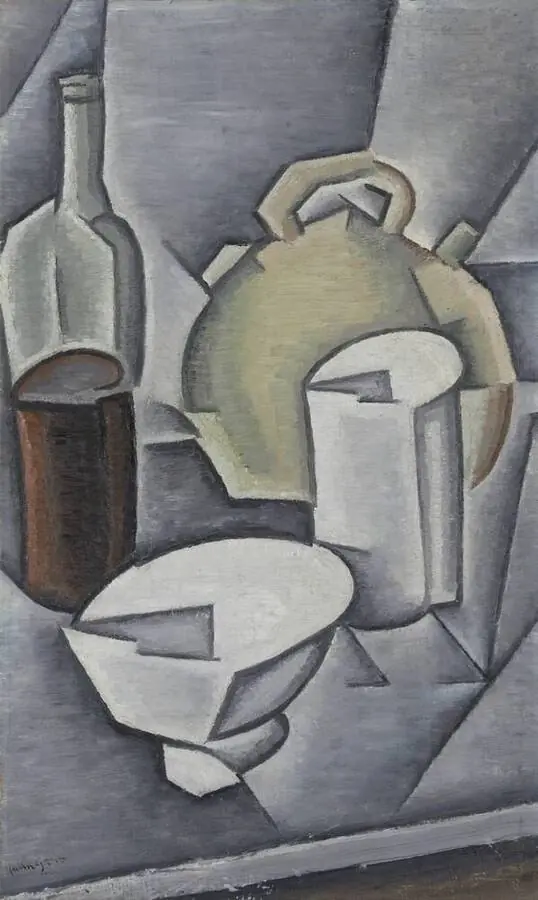
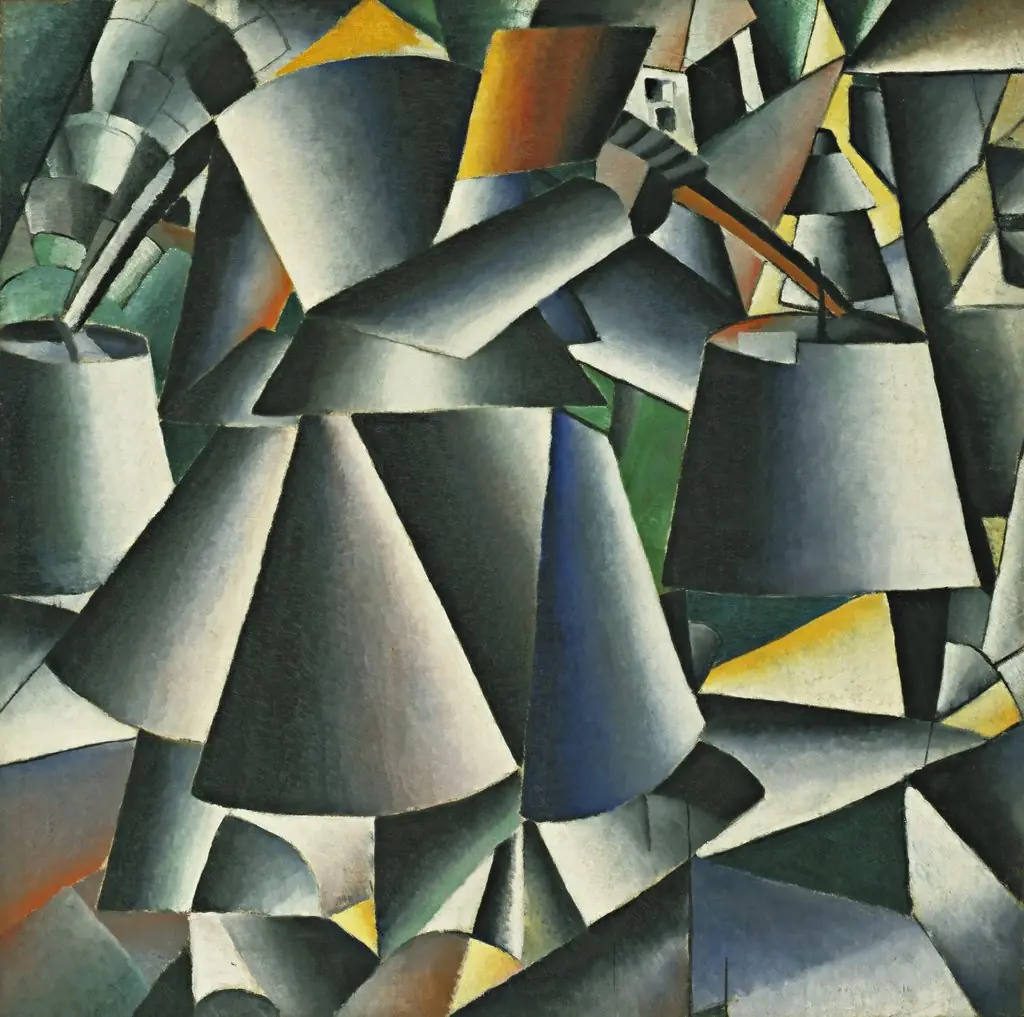
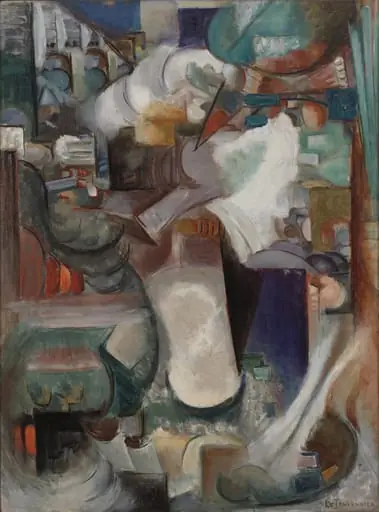
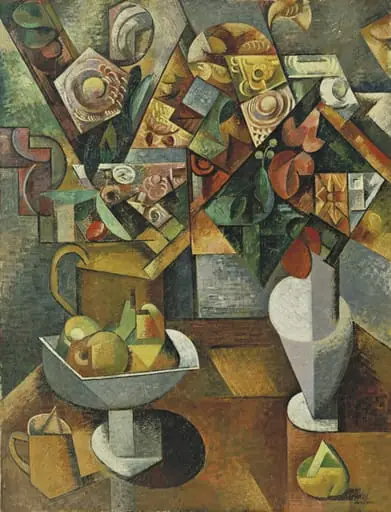
Created in 1908, Bridge is an early abstract work by French artist Fernand Léger. Executed in oil on canvas, the painting resides in the collection of the Museum of Modern Art. Its composition consists of interlocking geometric forms rendered in muted tones, offering a study in balance and visual tension.
Subject & Meaning
The canvas presents an arrangement of angular shapes in shades of gray, brown, and green that suggest a structural network rather than a literal bridge. The overlapping forms generate a sense of movement, inviting viewers to consider the interplay of space and form as a visual metaphor for connection and transition.
Technique & Style
Léger employs a limited palette and sharp-edged geometry, using variations in light and dark values to produce depth within the flat surface. The oil medium allows for smooth transitions between tones, while the crisp delineation of each shape underscores the artist’s interest in mechanistic abstraction that would later define his mature style.
History & Provenance
Painted at the outset of Léger’s shift toward non‑representational art, Bridge entered the Museum of Modern Art’s holdings during the mid‑20th century, reflecting the institution’s commitment to early modernist experiments. Its acquisition marks an early recognition of Léger’s contribution to the development of abstract visual language.
Context
The work emerges at a time when European artists were exploring the reduction of forms to basic geometric elements, influenced by Cubism and emerging industrial aesthetics. Léger’s approach in Bridge anticipates his later fascination with the machine age, positioning the piece within a broader dialogue on the relationship between art and modern technology.
Artist & collection
Artist
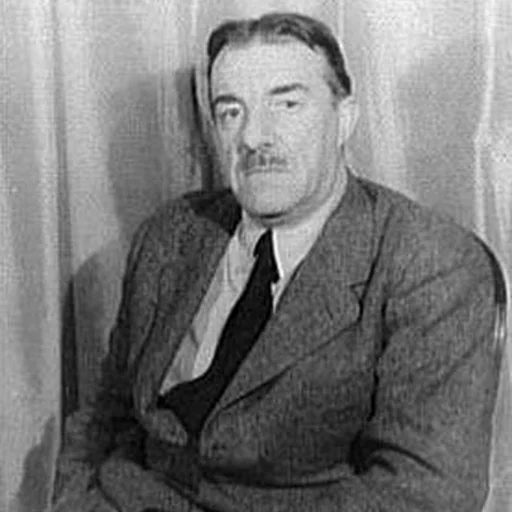
Joseph Fernand Henri Léger was a French painter, sculptor, and filmmaker. In his early works he created a personal form of cubism which he gradually modified into a more figurative, populist style. His boldly simplified…