Artwork
The daughters of Danaus
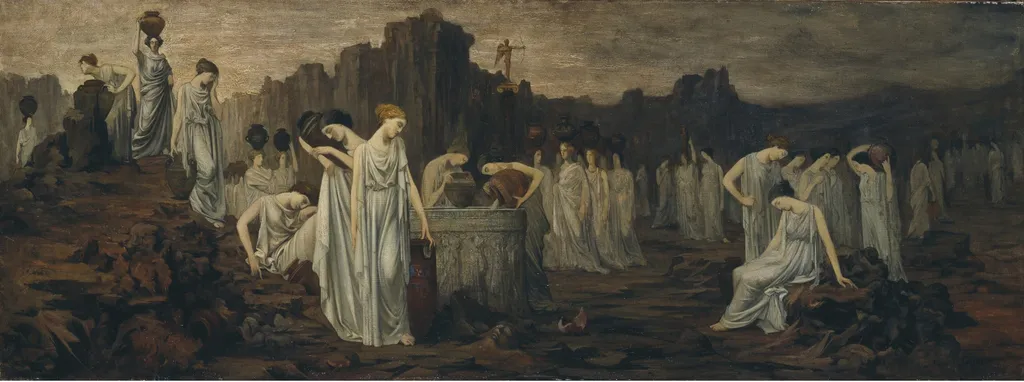
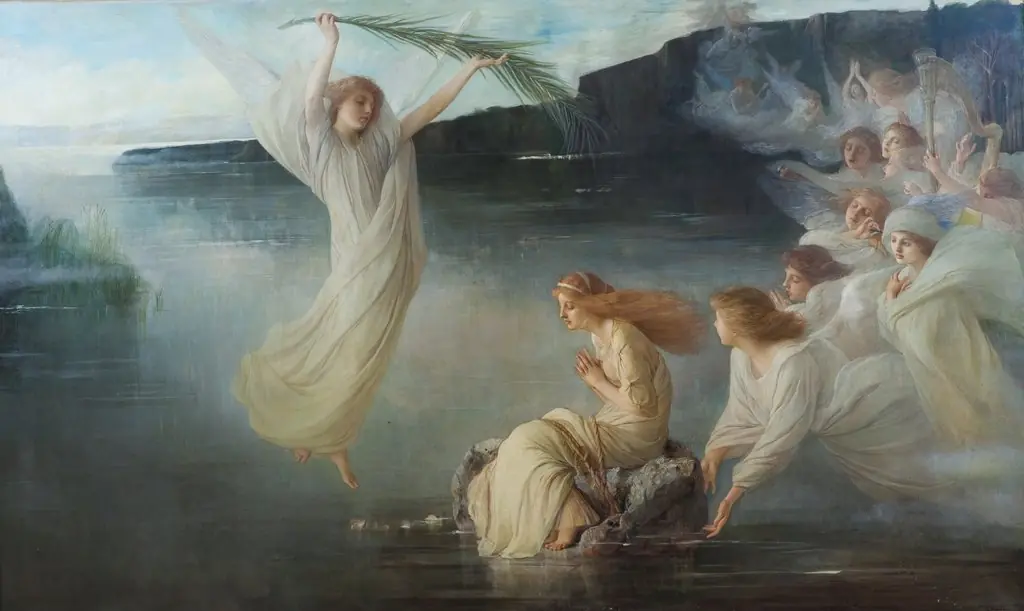
The daughters of Danaus is an oil painting by the Post-Impressionist artist Fernand Sabatté. It dates from 1900 and is held in the collection of the National Gallery of Victoria.
About this work
Overview
A French artist known for architectural subjects and portraiture, Sabatté turned here to mythological narrative.
Fernand Sabatté painted The Daughters of Danaus in 1900 using oil on canvas. A French artist known for architectural subjects and portraiture, Sabatté turned here to mythological narrative. The work is part of the National Gallery of Victoria’s collection and reflects his engagement with symbolic themes during the early 20th century, aligning loosely with Post-Impressionist sensibilities in its structured composition and emotional tone.
Subject & Meaning
The painting illustrates the mythological daughters of Danaus, condemned to eternally fill a basin with leaking jugs as punishment. Sabatté depicts them in quiet, ritualistic motion, kneeling, standing, or seated, each absorbed in their task. Their serene expressions and unified gestures suggest resignation rather than torment, transforming a tale of divine retribution into a meditation on duty and endurance.
Technique & Style
Sabatté employed muted, earth-toned backgrounds to isolate the figures in white drapery, enhancing their sculptural presence. The brushwork is deliberate, with soft transitions between light and shadow, avoiding Impressionist spontaneity. Forms are simplified yet solid, emphasizing volume and stillness. The composition’s symmetry and restrained palette reflect a move toward symbolic order over atmospheric effect.
History & Provenance
Created in 1900, the painting entered the National Gallery of Victoria’s collection in the 20th century, though its early ownership history is not widely documented. Sabatté’s later work during World War I involved restoring damaged religious architecture in the zone rouge, suggesting a lifelong engagement with cultural preservation that may inform the solemn gravity of this earlier piece.
Context
At the turn of the century, mythological themes remained popular among artists seeking moral or psychological depth beyond realism. Sabatté’s choice of the Danaids reflects a broader European interest in classical narratives as vehicles for introspection. His approach, less dramatic than Symbolist peers, aligns with quieter, more contemplative currents in French art of the period.
Legacy
While not among Sabatté’s most widely exhibited works, The Daughters of Danaus exemplifies his ability to merge classical subject matter with restrained modern sensibility. It stands as a quiet testament to his interest in human endurance and ritual, offering a counterpoint to the more flamboyant mythological treatments of his contemporaries.
Artist & collection

Artist
Fernand Sabatté was a French painter and sculptor who is best known for his architectural painting and portrait work, as well as salvaging church monuments and bombed out churches in the zone rouge during World War I.

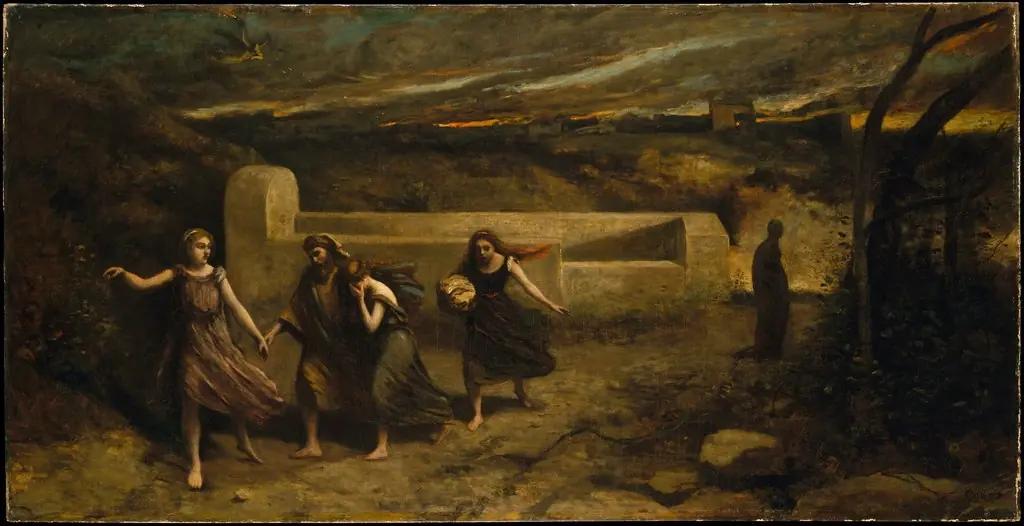
- The Burning of Sodom
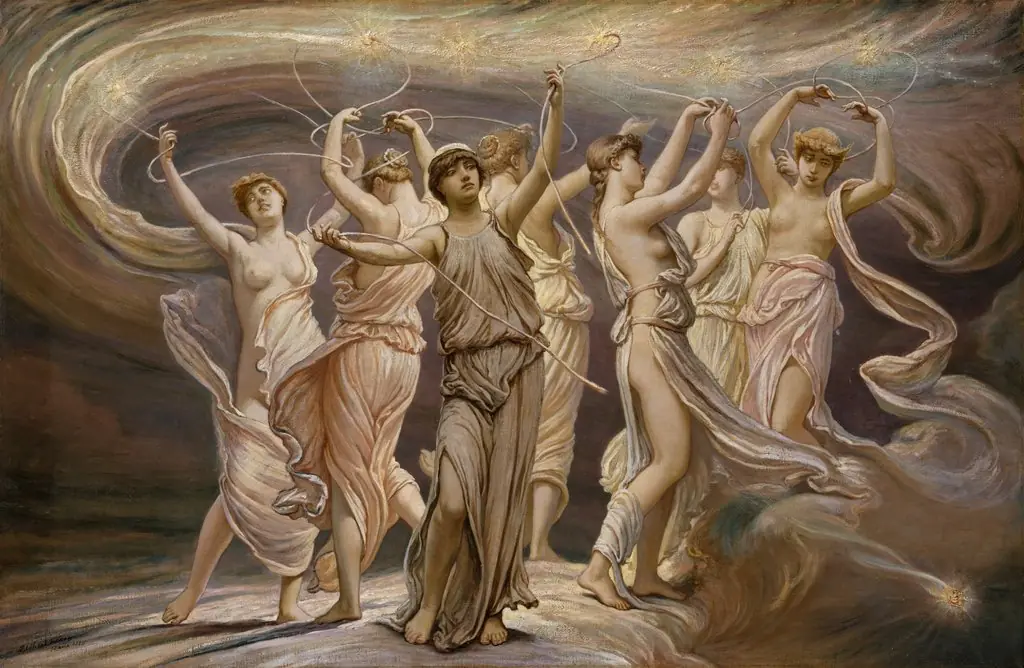 The Pleiades
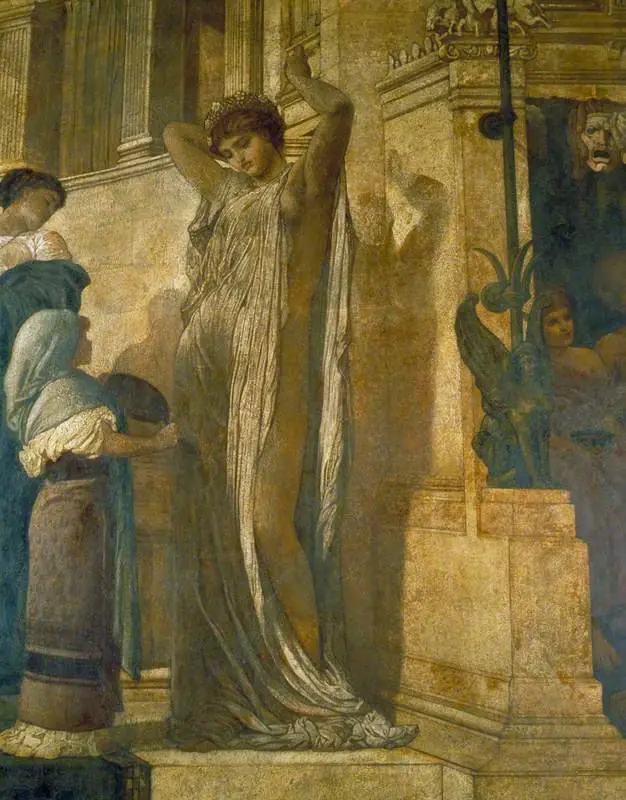 The Arts of Industry as Applied to Peace (sketch for a wall painting in the Victoria and Albert Museum)
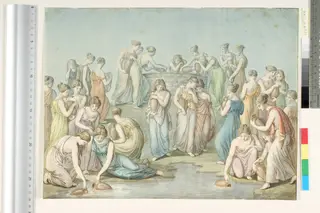 Danaidernes straf
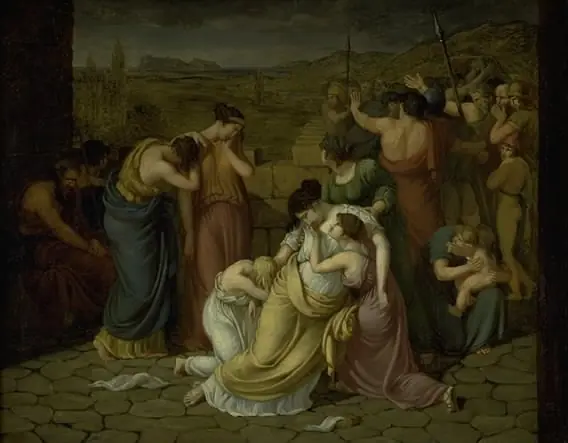 Andromache in Despair at the Sight of Hector's Body
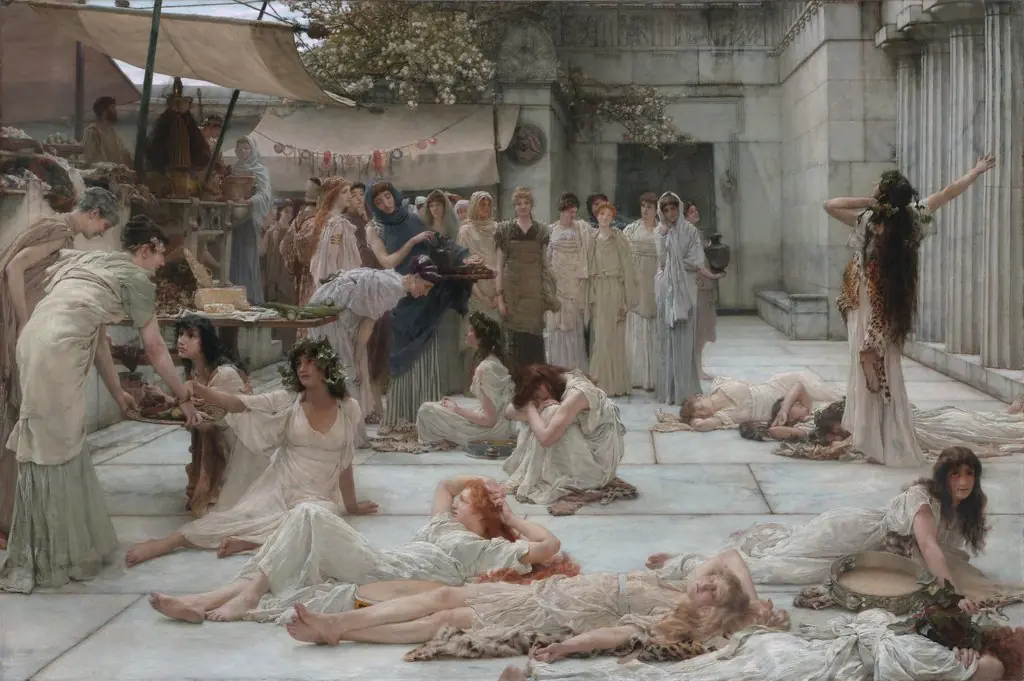 The women of Amphissa
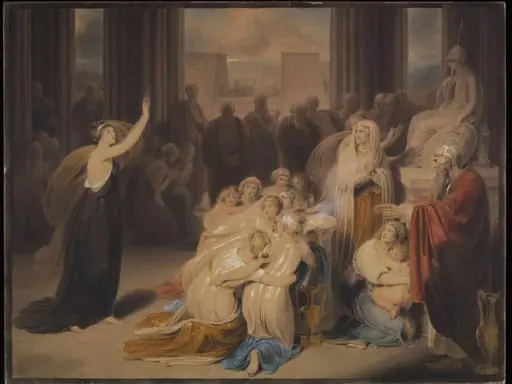 Cassandra in the Temple of Minerva
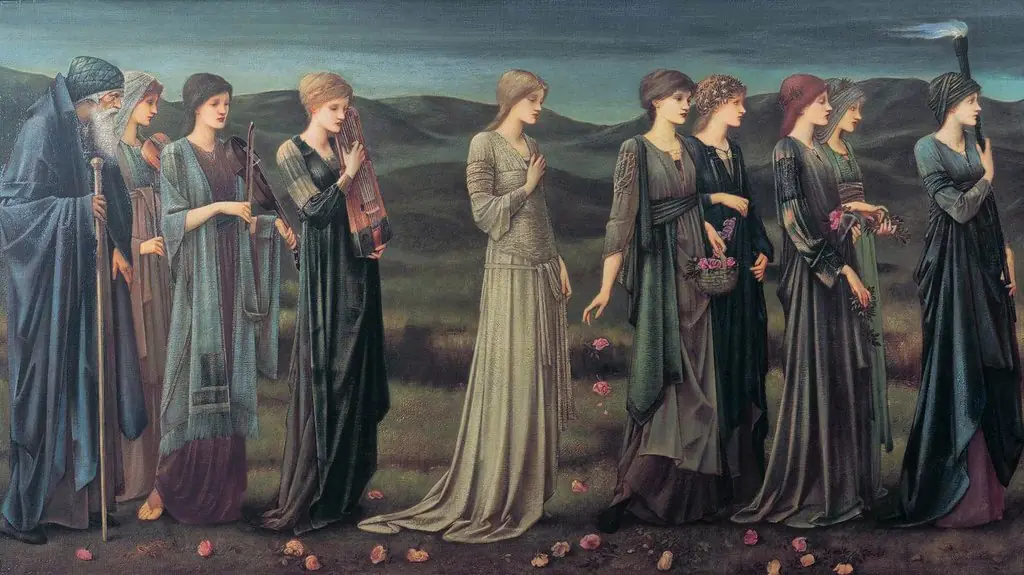 Psyche's wedding
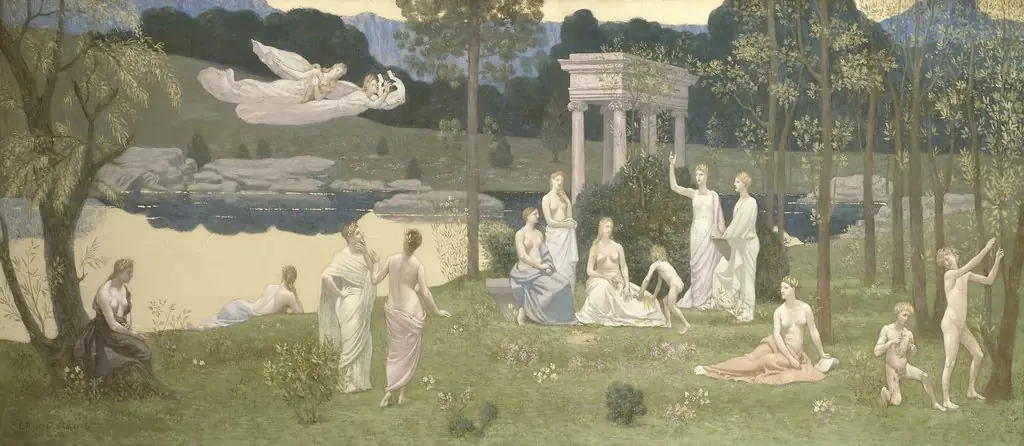 The Sacred Grove, Beloved of the Arts and the Muses
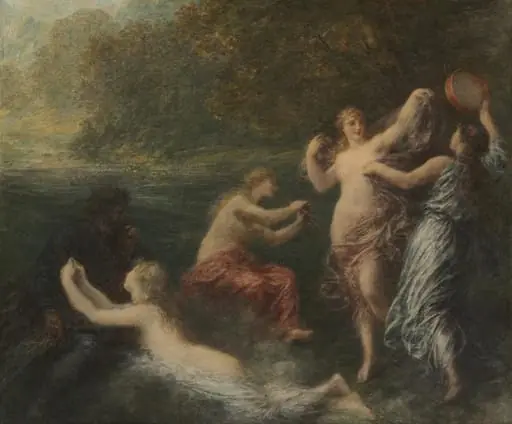 Tannhäuser
 The Feast of Peleus
 El martirio de santa Cristina