Artwork
The Pleiades
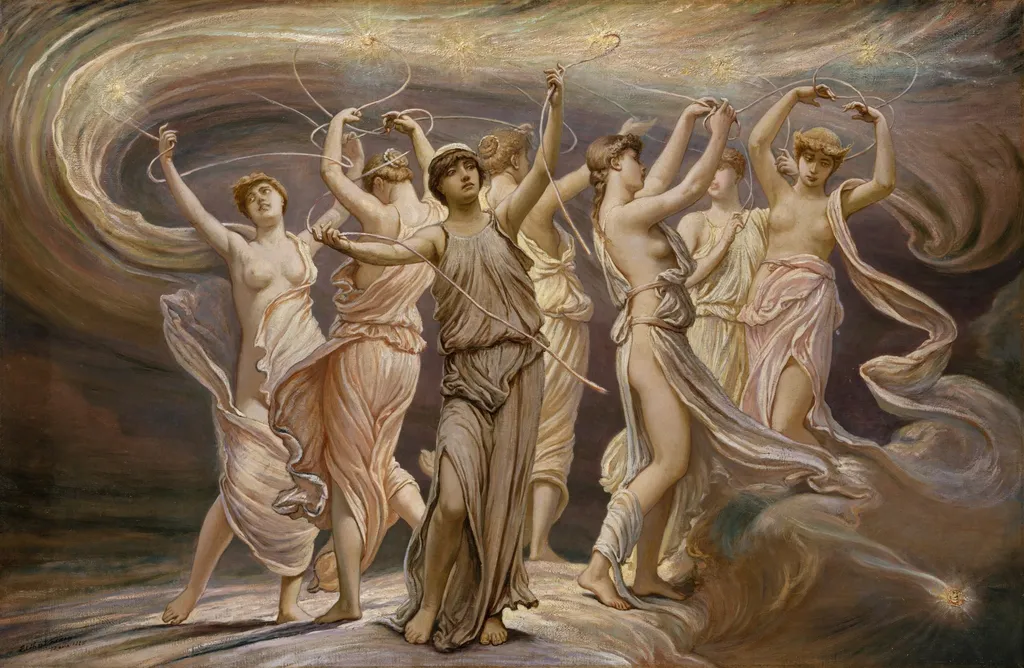
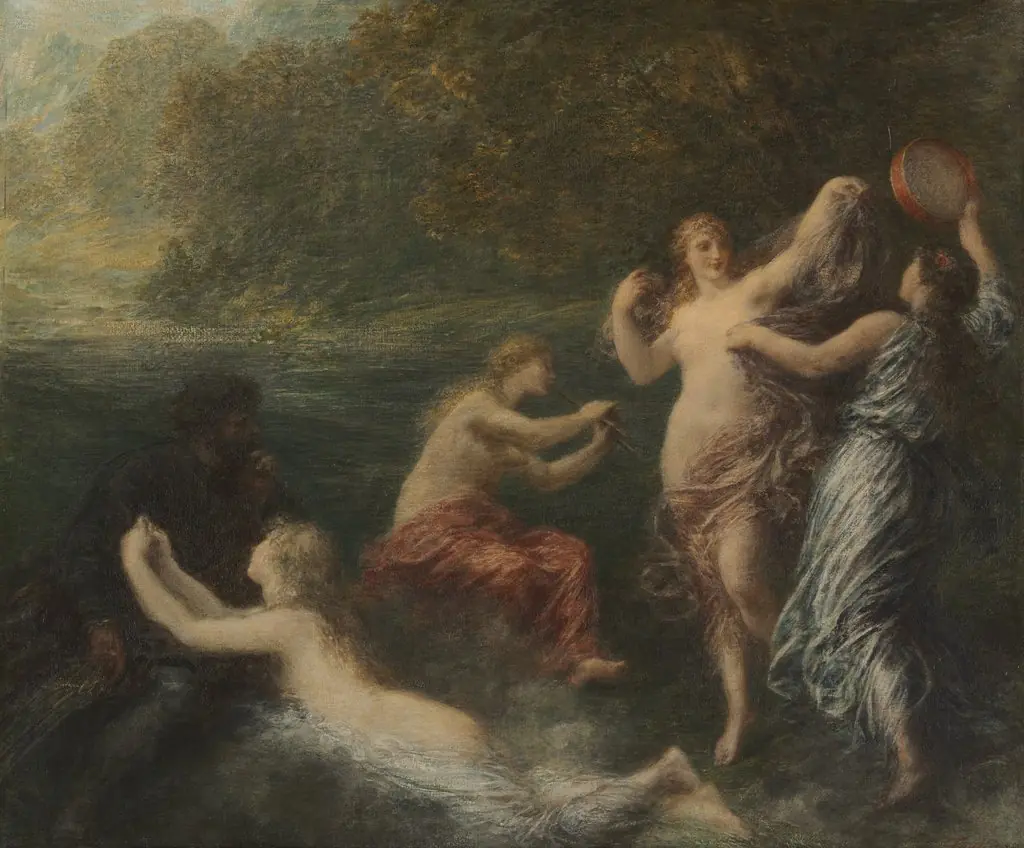
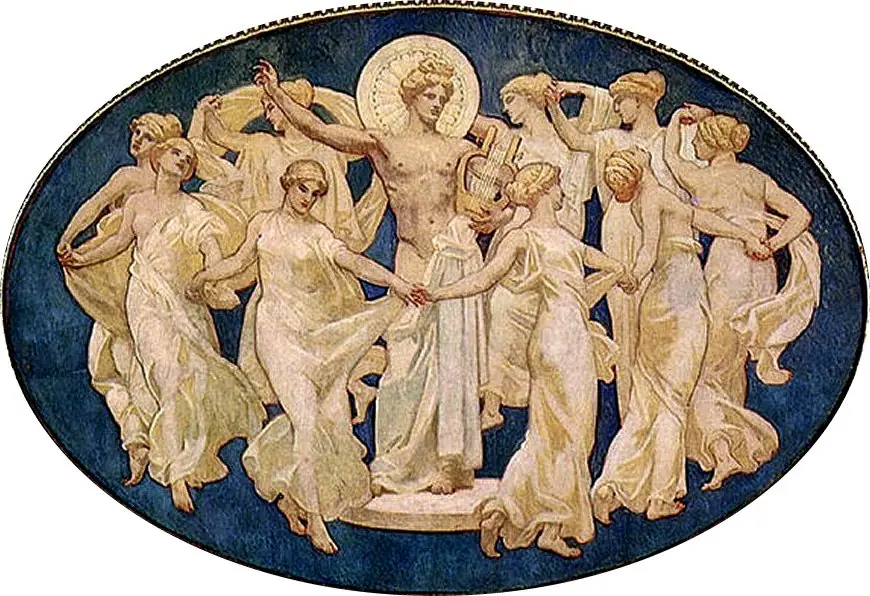
The Pleiades is an oil painting by the Post-Impressionist artist Elihu Vedder. It dates from 1893 and is held in the collection of the Metropolitan Museum of Art.
About this work
Technique & Style
Subtle glazing contributes to the atmospheric depth, while the pale palette and diffuse illumination emphasize the ethereal quality of the scene.
Executed in oil on canvas in 1893, The Pleiades employs a fluid handling of paint to render the mythological figures with a soft, luminous modeling of light and shadow.
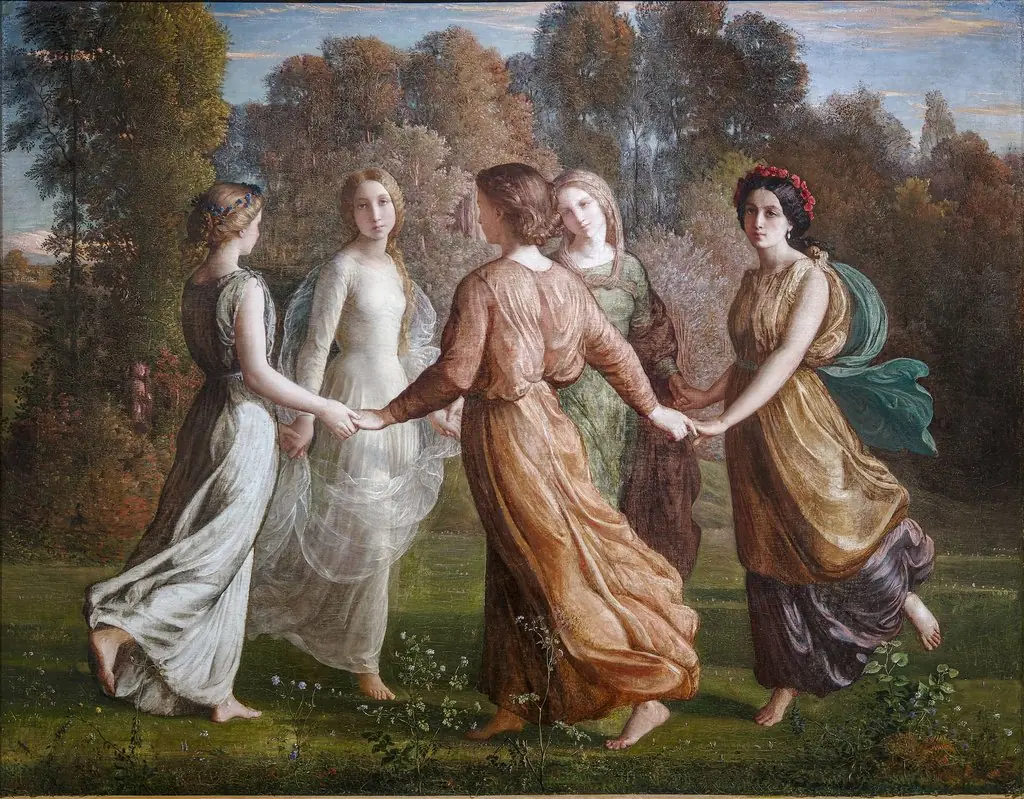
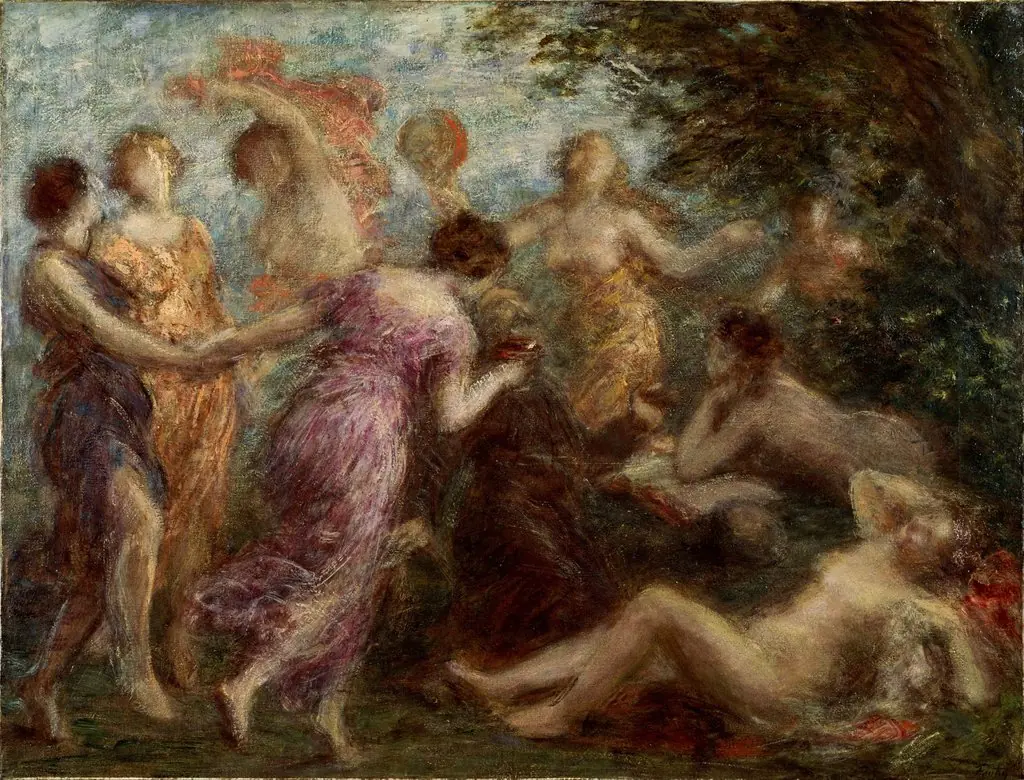
The composition features attenuated, rhythmic outlines that guide the viewer's eye across the group of dancing nudes, evoking a dreamlike continuity rather than rigid anatomy. Subtle glazing contributes to the atmospheric depth, while the pale palette and diffuse illumination emphasize the ethereal quality of the scene.
History & Provenance
The Pleiades is an oil-on-canvas painting created by Elihu Vedder in 1893, measuring 61.3 cm in height by 95.6 cm in width and depicting a scene of dance featuring nude figures. It is held by the Metropolitan Museum of Art, New York, where it is inventoried as 11.145. No documented commission or earlier private ownership is recorded in the available sources.
Context
Created by Elihu Vedder in 1893, The Pleiades is an oil-on-canvas painting depicting nude figures engaged in dance. The work is part of the permanent collection at the Metropolitan Museum of Art, where it is recognized for its mythological subject matter and symbolic imagery typical of Vedder's Symbolist approach. As an example of late nineteenth-century American Symbolism, the painting reflects the artist's interest in classical themes and mystical narratives, positioning it within the broader context of European-influenced American art of the period.
Overview
Elihu Vedder's 1893 oil painting, The Pleiades, depicts a group of dancing figures. This work, created by the American symbolist, is housed in the collection of The Metropolitan Museum of Art. It showcases his distinctive approach to figurative art, combining classical forms with an ethereal quality, and represents a notable example of his artistic output from the late 19th century.
Subject & Meaning
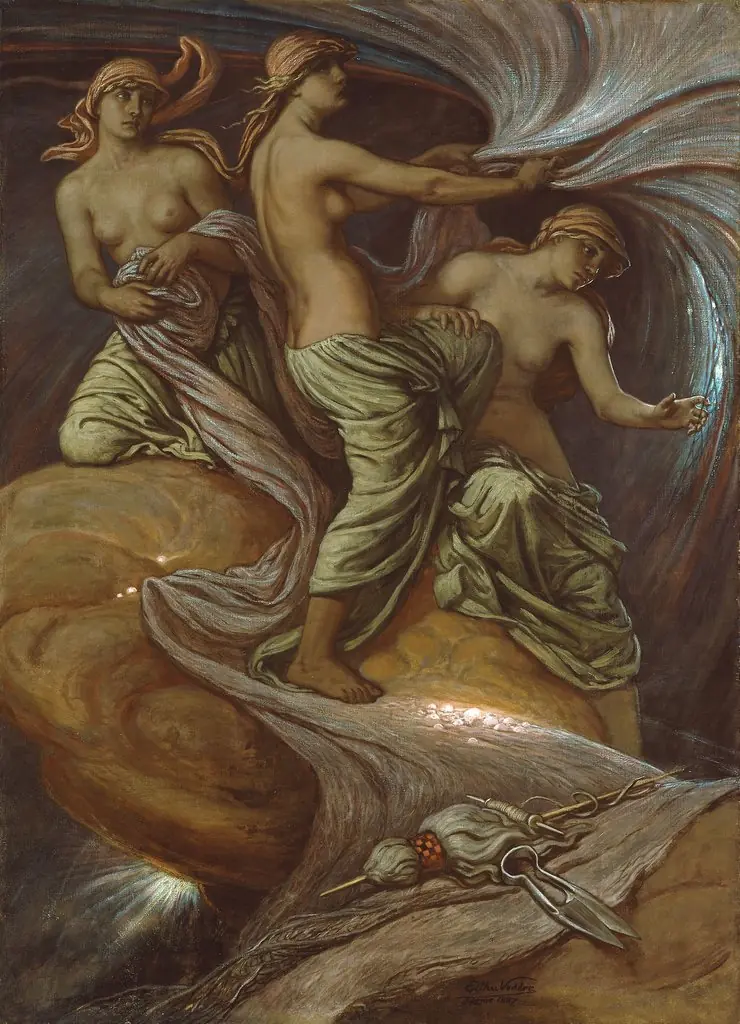
The painting features five women, their bodies partially draped, engaged in a synchronized dance. With arms uplifted, they collectively hold a delicate web of strings, which visually links them as a unified entity. Their expressions remain serene amidst their dynamic poses, suggesting a ritualistic or celestial movement.
The title, The Pleiades, alludes to the star cluster, imbuing the scene with a sense of cosmic connection and mythical grace.
Own this work as a print
Artist & collection
Artist
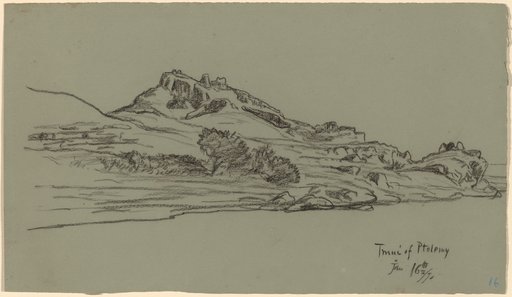
Elihu Vedder (26 February 1836 – 29 January 1923) was an American symbolist painter, book illustrator and poet from New York City.

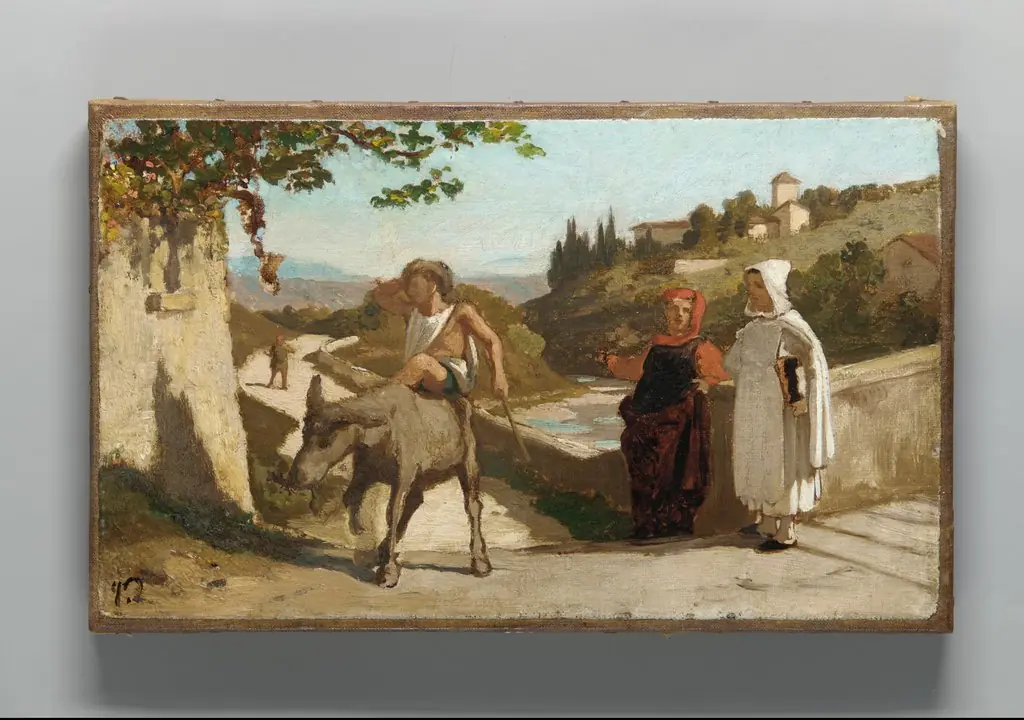 The Fable of the Miller, His Son, and the Donkey
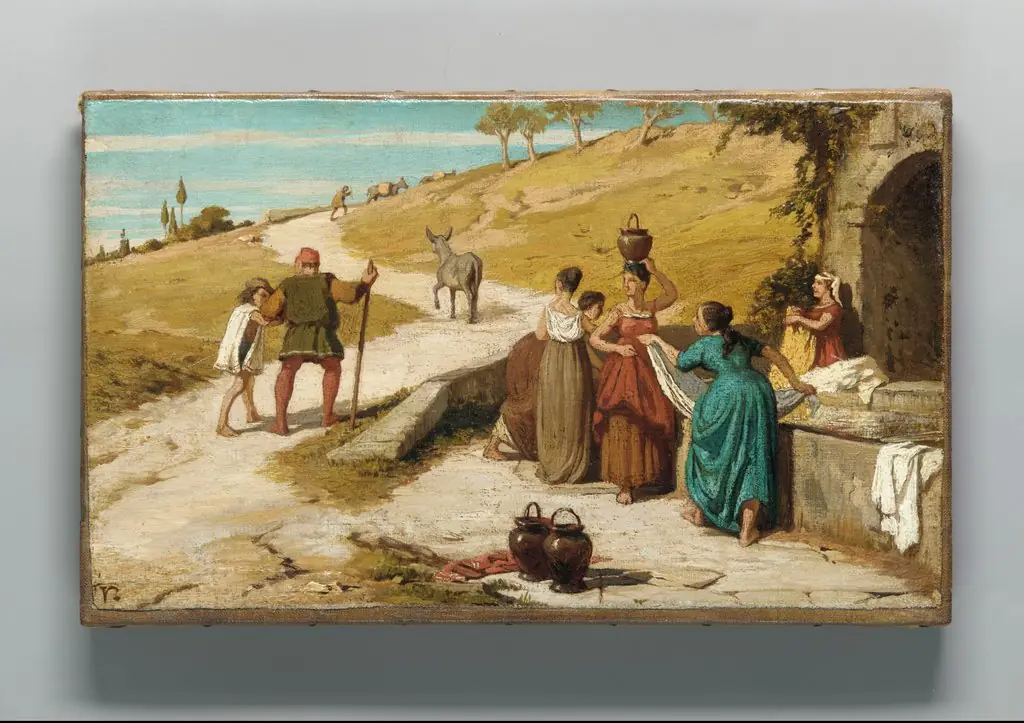 The Fable of the Miller, His Son, and the Donkey
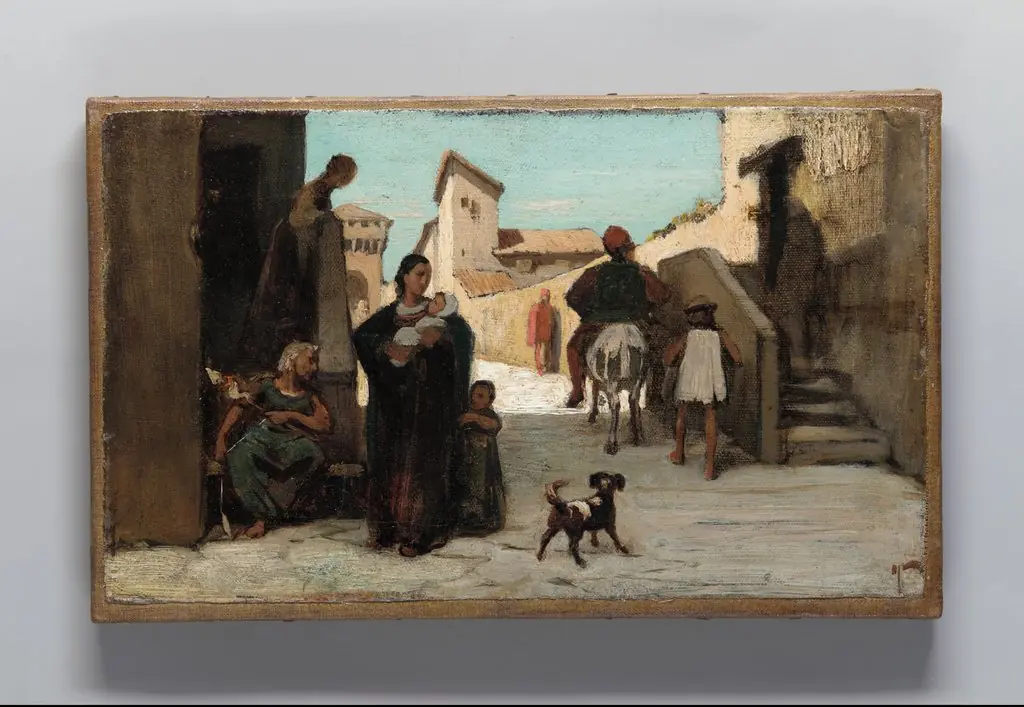 The Fable of the Miller, His Son, and the Donkey
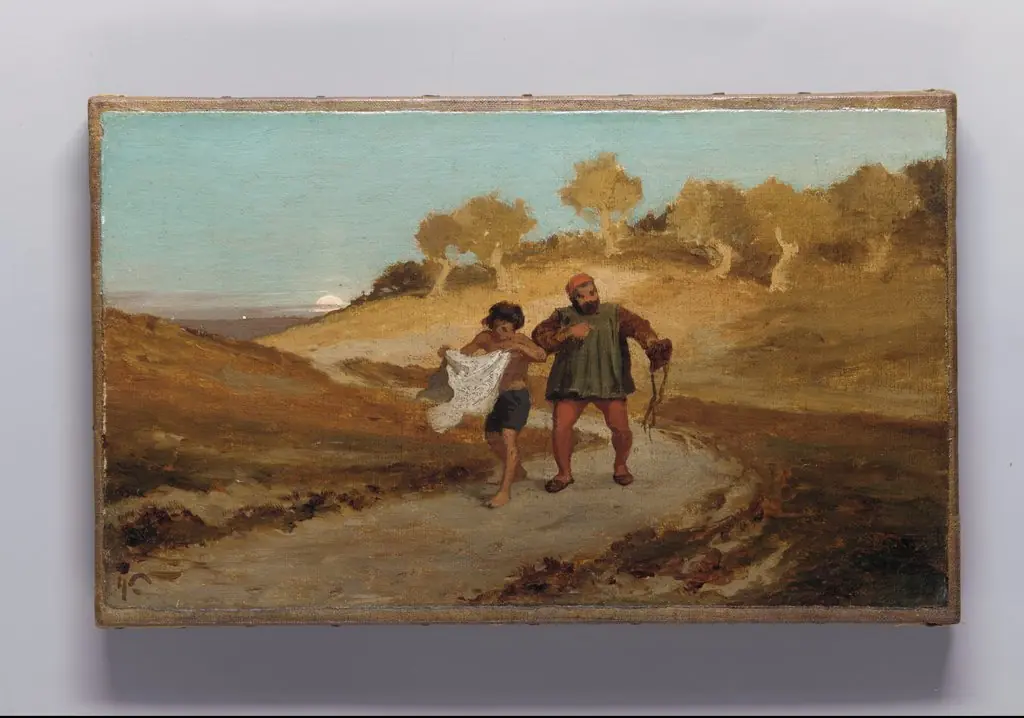 The Fable of the Miller, His Son, and the Donkey
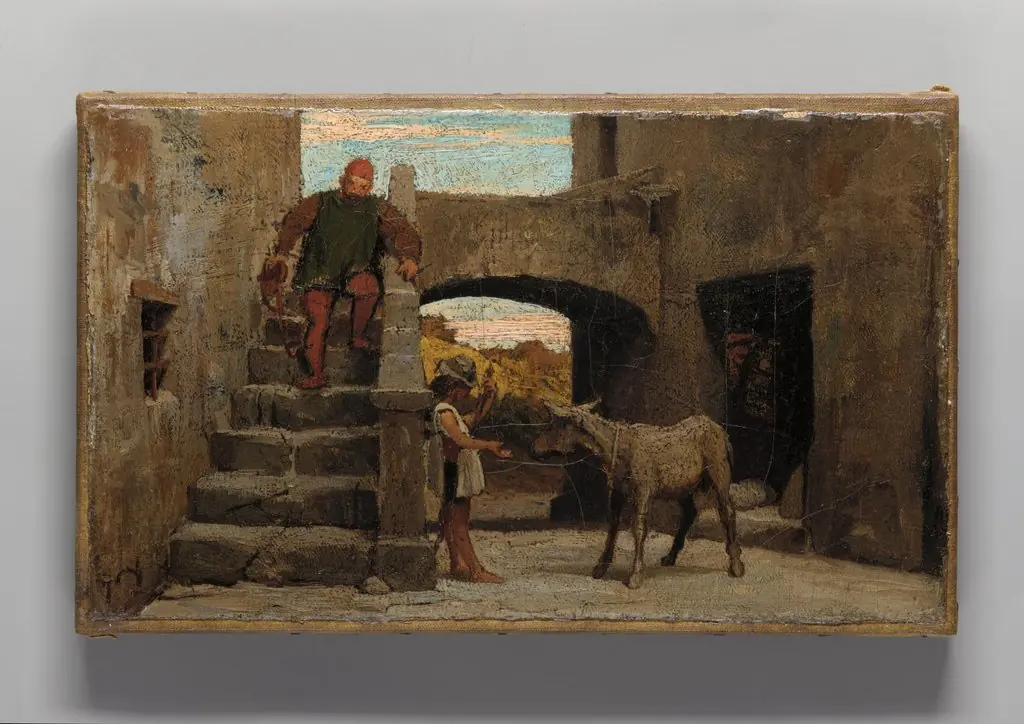 The Fable of the Miller, His Son, and the Donkey
 The African Sentinel
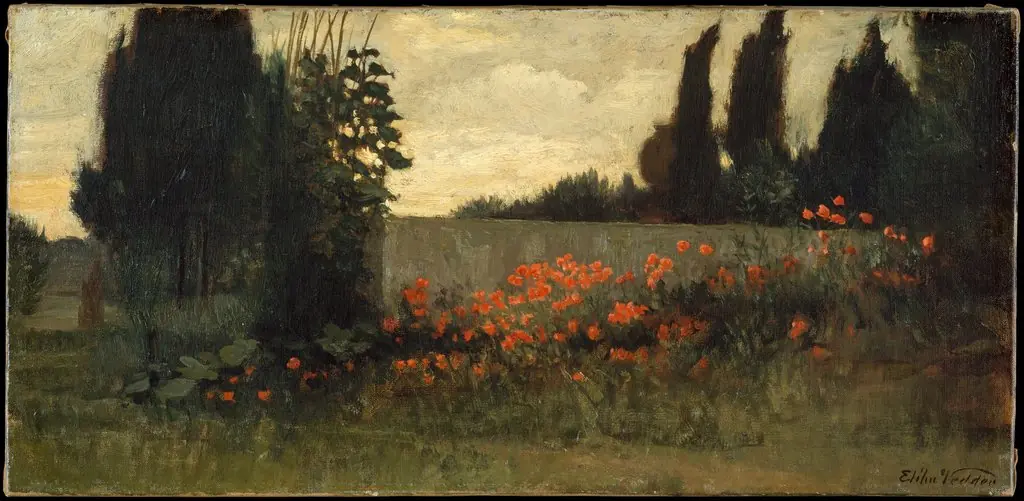 Cypress and Poppies
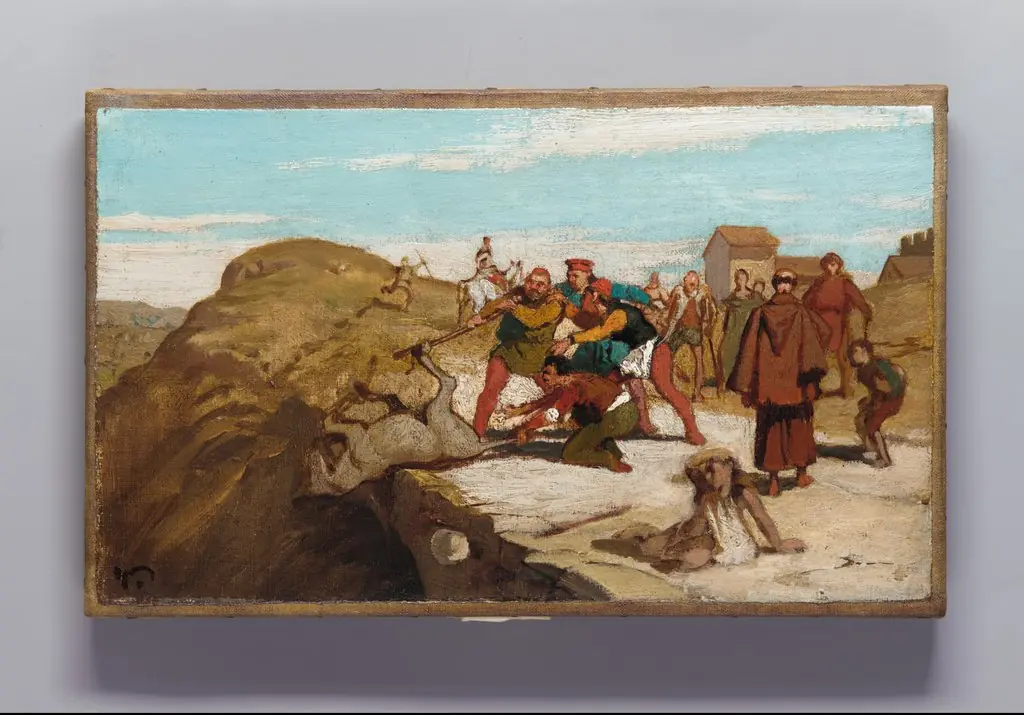 The Fable of the Miller, His Son, and the Donkey