Artwork
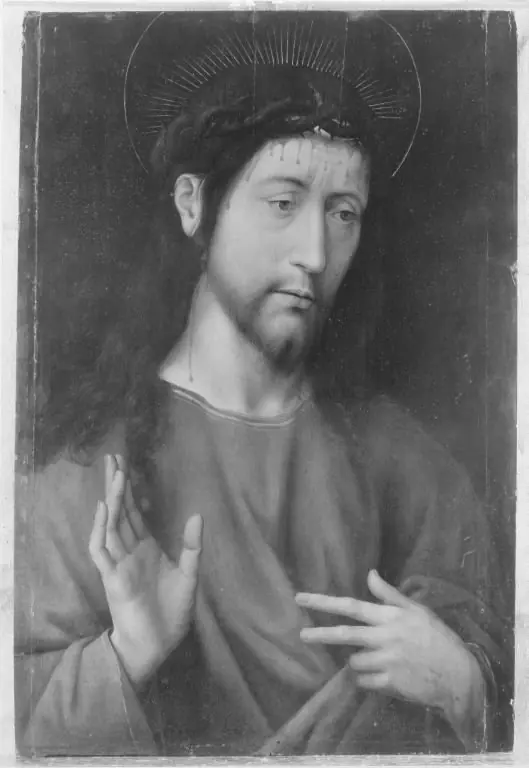
The Eucharistic Christ
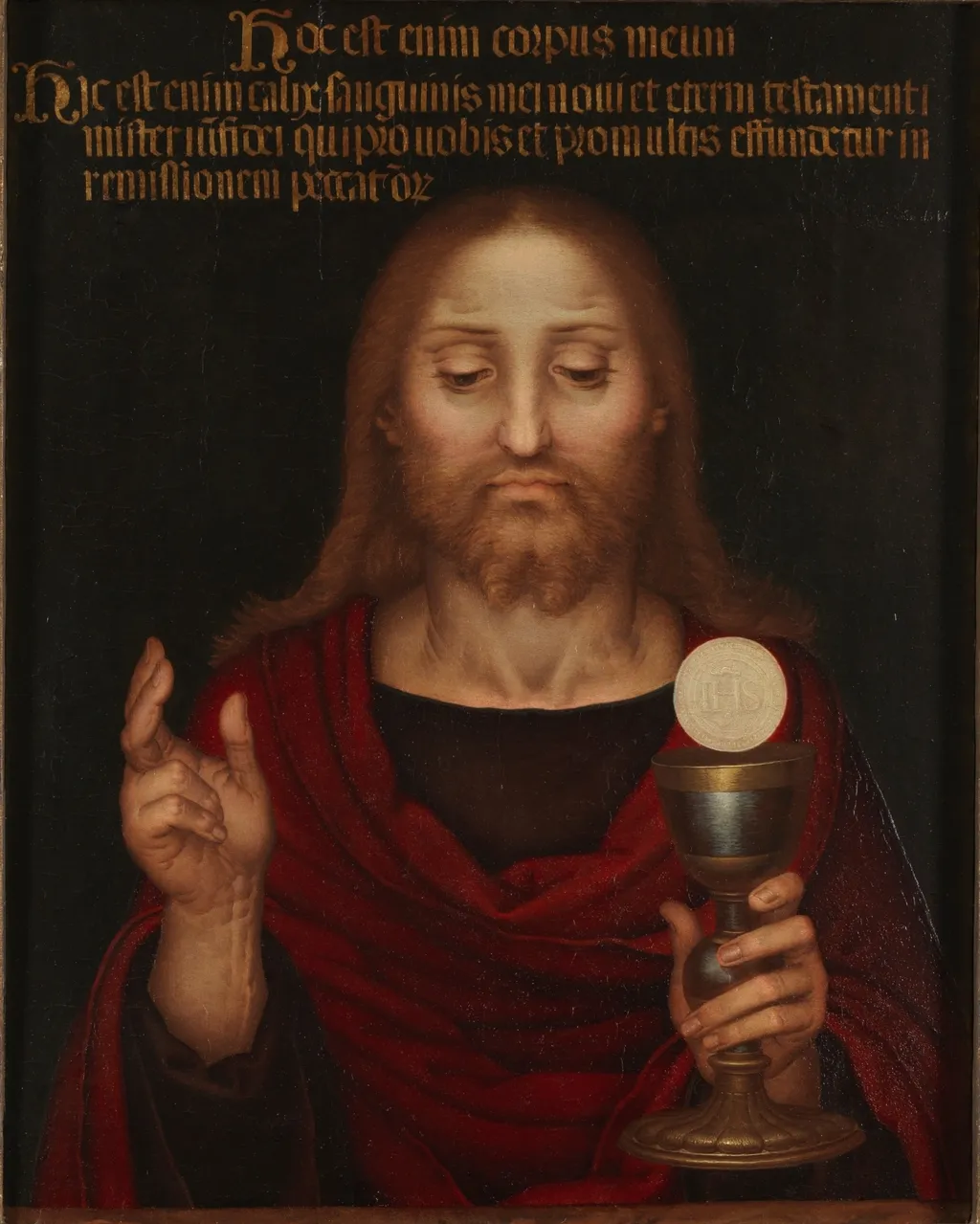
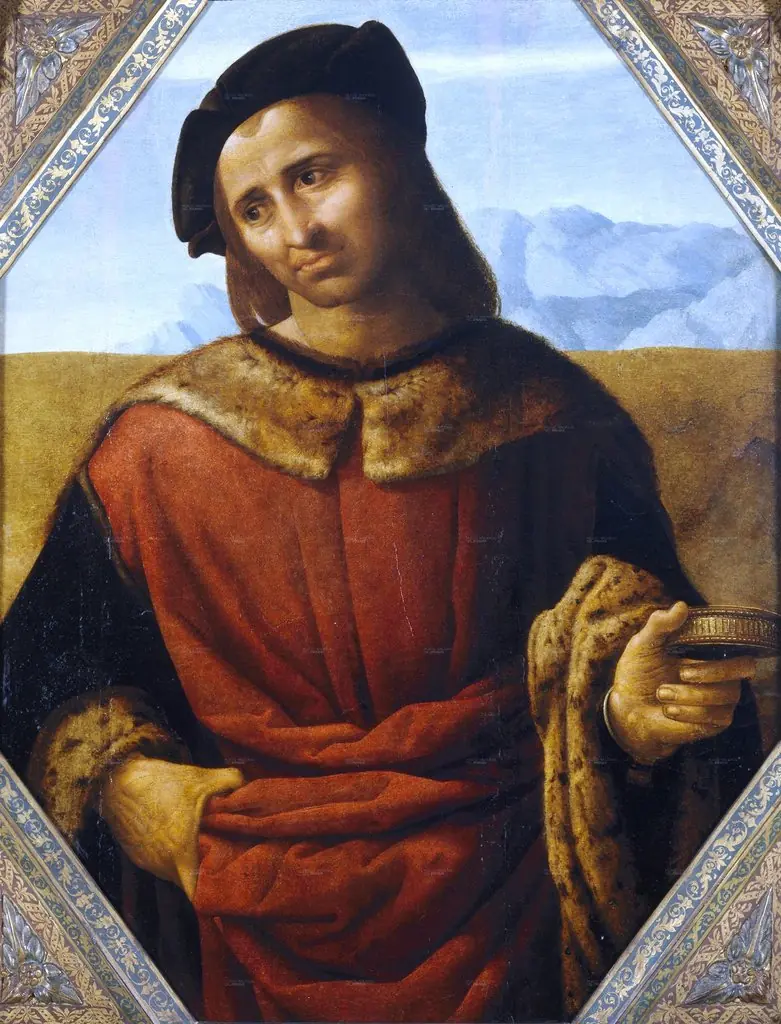
The Eucharistic Christ is an oil painting by the Mannerist artist Fernando Yáñez de la Almedina. It dates from 1520 and is held in the collection of the Museo del Prado.
About this work
Subject & Meaning
This iconography aligns with contemporary Spanish Counter-Reformation practices that used symbolic objects to convey doctrinal teachings.
The painting shows a chalice, symbolizing the Eucharist and the sacrificial nature of Christ's presence in the sacrament. It represents the doctrine of transubstantiation, emphasizing the sacredness of the communion ritual within Catholic theology. The work belongs to the religious art genre, reflecting Counter-Reformation emphases on visual devotion to the mystery of the Eucharist.
The subject is the Eucharistic Christ, depicted through the chalice as a visual metaphor for the body and blood of Christ. This iconography aligns with contemporary Spanish Counter-Reformation practices that used symbolic objects to convey doctrinal teachings. The composition underscores the sacred moment of communion, inviting contemplation of Christ's sacrificial role.
The painting is executed in oil on panel and is housed in the Museo del Prado, where it forms part of the museum's collection of Spanish Renaissance religious works.
Technique & Style
The Eucharistic Christ is an oil painting executed on a panel support by Fernando Yáñez de la Almedina. Created in 1520, the work measures 67.5 cm in height and 54.2 cm in width. As a religious composition, the piece depicts a chalice, reflecting its spiritual subject matter.
The medium of oil paint applied to wood panel was a standard technique for the period, allowing for the detailed rendering characteristic of the artist's style.
History & Provenance
The Eucharistic Christ is an oil painting on panel created by the Spanish artist Fernando Yáñez de la Almedina. While some records suggest a creation date of 1550, authoritative entity data establishes the work's inception in 1520. The painting depicts a chalice, aligning with its religious genre and title.
Today, the artwork is held in the collection of the Museo del Prado in Madrid, where it remains part of the institution's holdings. No specific details regarding the original commission, early ownership history, or the chain of custody prior to its arrival at the museum are provided in the available sources.
The Eucharistic Christ is held in the collection of the Museo del Prado in Madrid. The painting, created by Fernando Yáñez de la Almedina around 1520, is part of the museum's permanent religious art holdings. While the specific inventory or accession number is not provided in the available records, the work is documented as an oil-on-panel piece within the Prado's collection. No specific exhibition history or past display dates are recorded in the provided sources.
Overview
The Eucharistic Christ is a 1520 oil painting by Spanish artist Fernando Yáñez de la Almedina, associated with the Mannerist movement. The work is characterized by its depiction of a central religious figure set against a dark background, with meticulous attention to detail in key elements.
Context
Yáñez's work was influenced by his morisco background and his collaboration with Hernando de los Llanos in Spain after his Italian sojourn. The Eucharistic Christ embodies the transitional stylistic elements of the early Renaissance to Mannerism in Spain.
Legacy
While specific lasting impacts of The Eucharistic Christ on subsequent art movements are not broadly highlighted, it remains a notable example of Mannerist painting in Spain, reflecting the artistic exchanges between Italy and Spain during the Renaissance.
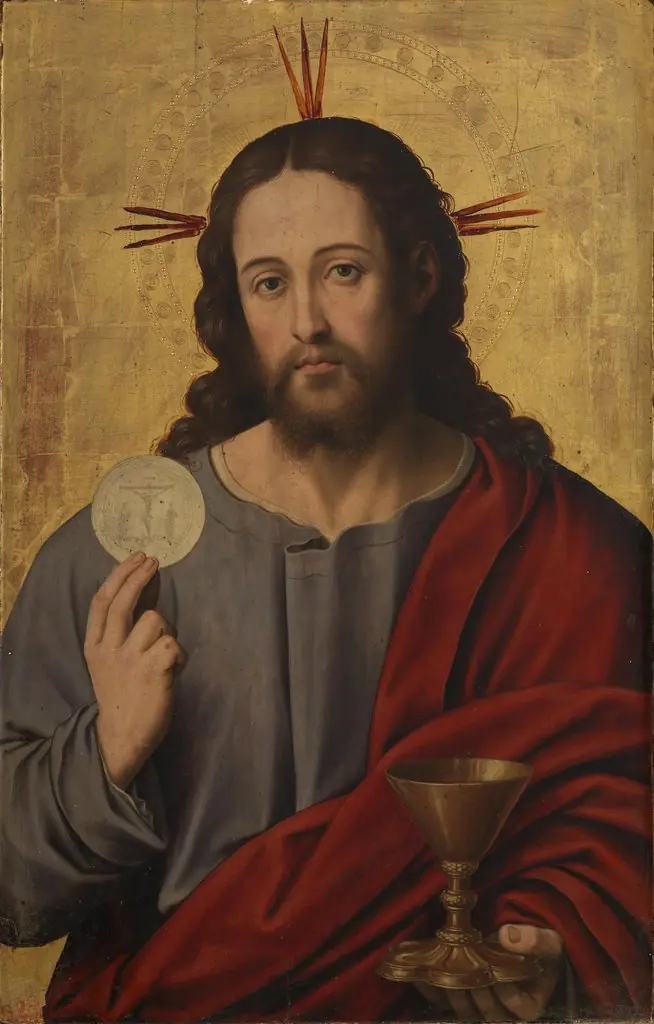
Own this work as a print
Artist & collection

Artist
Fernando (or Hernando) Yáñez de la Almedina, born in Almedina, Spain in c. 1475 and died in Valencia, Kingdom of Spain in 1536, was a Spanish painter. He was one of the most important early Renaissance painters in…

 Blessing Christ
 Christ as Salvator Mundi
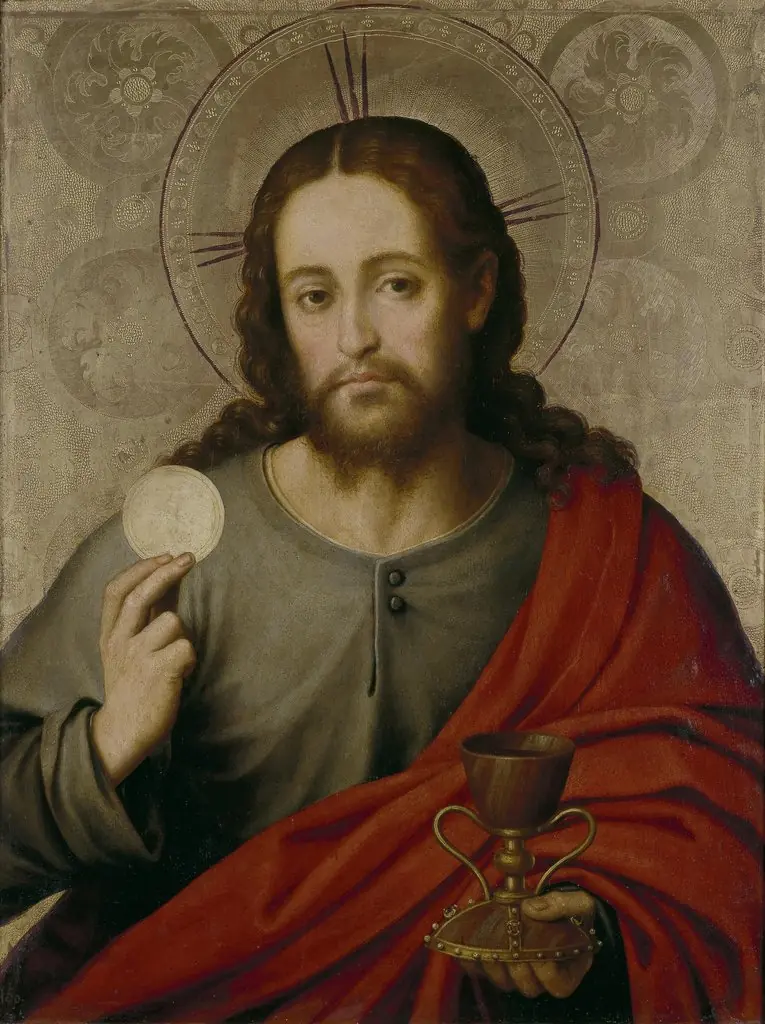 Christ the Saviour
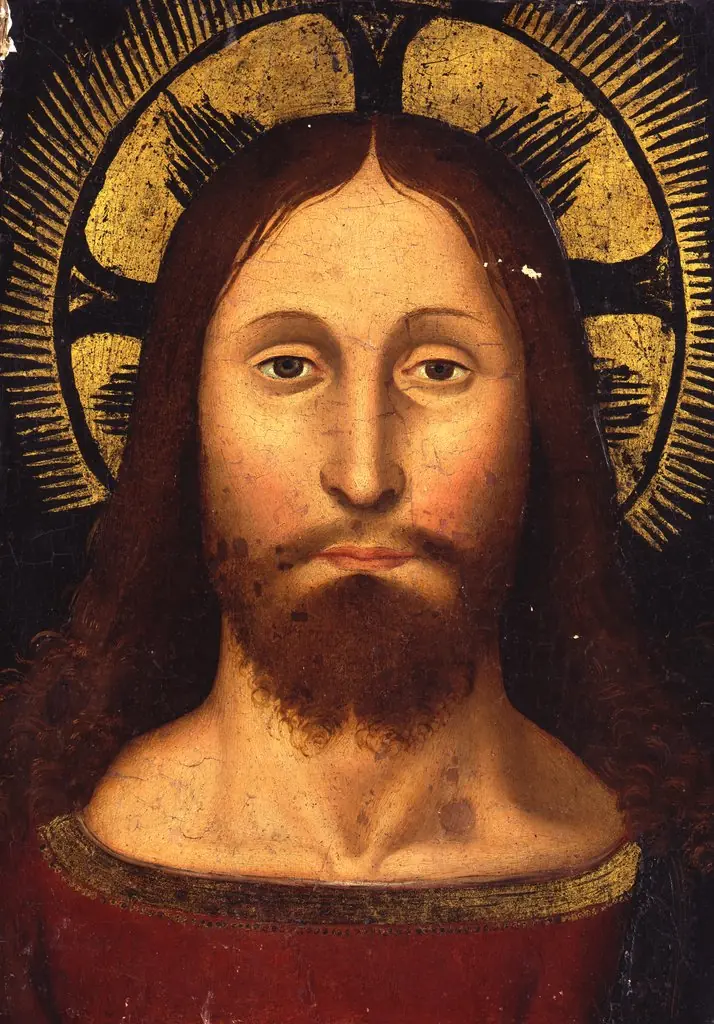 The Sacred Face of Christ (Vera Icon)
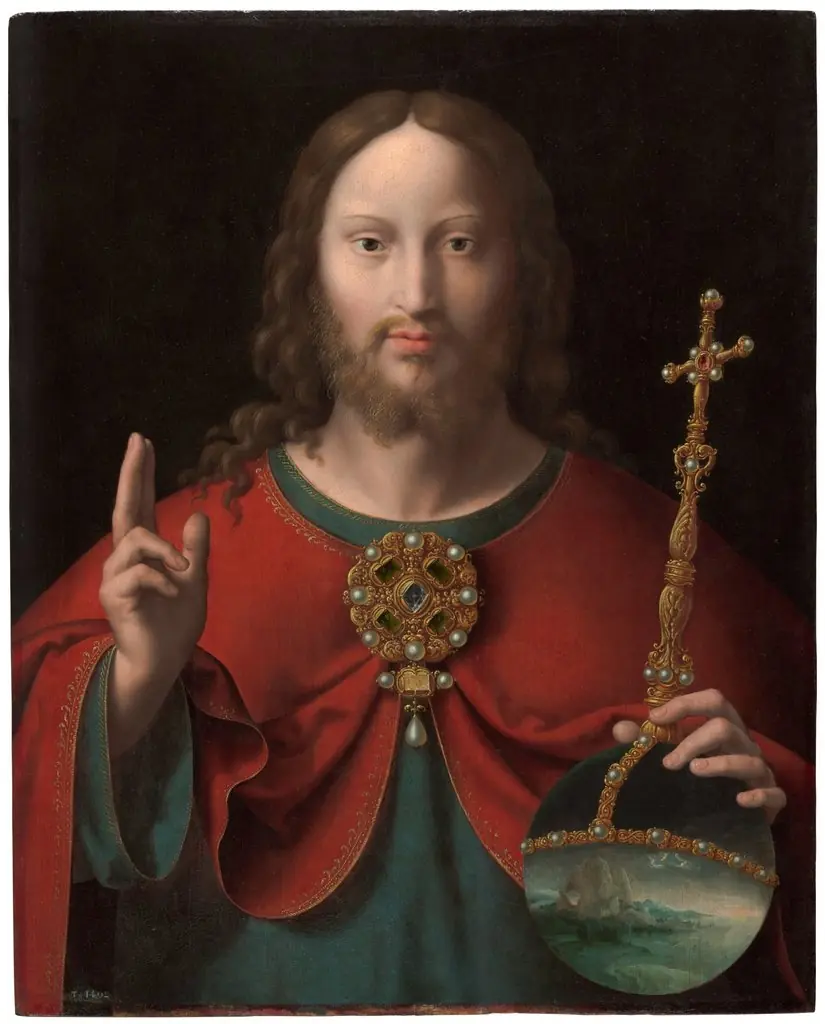 Christ the Saviour
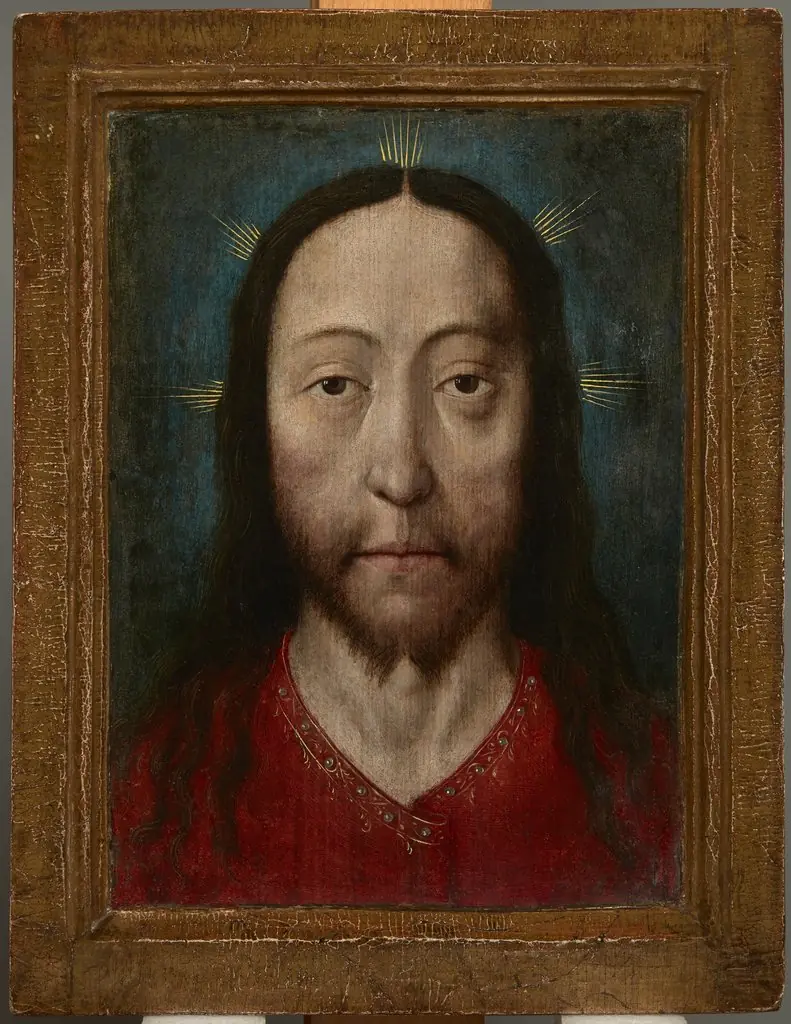 Christ – Salvator Mundi
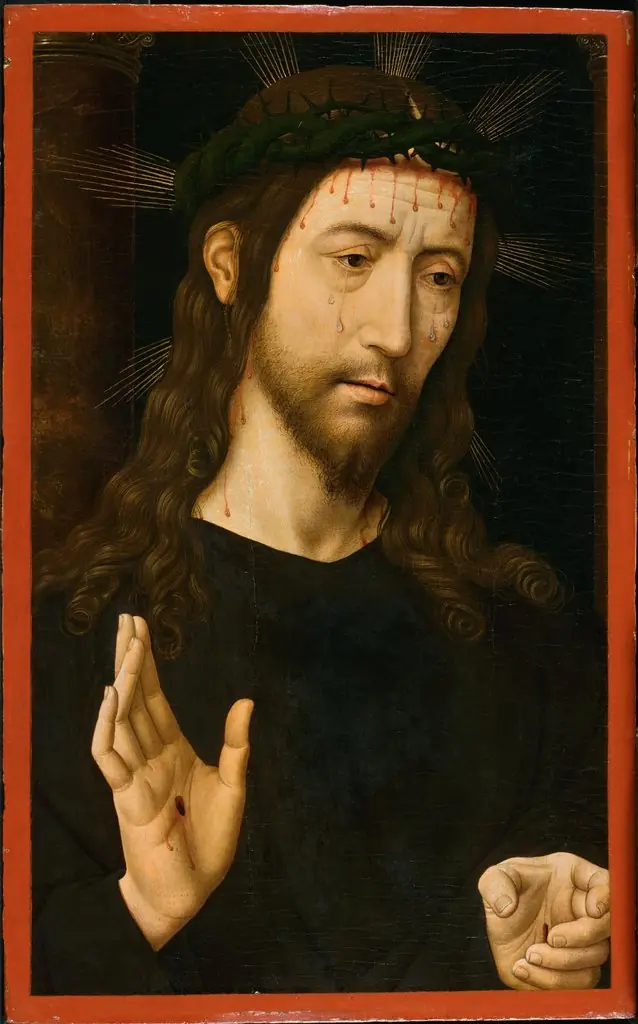 The Man of Sorrows (Christ Crowned with Thorns)
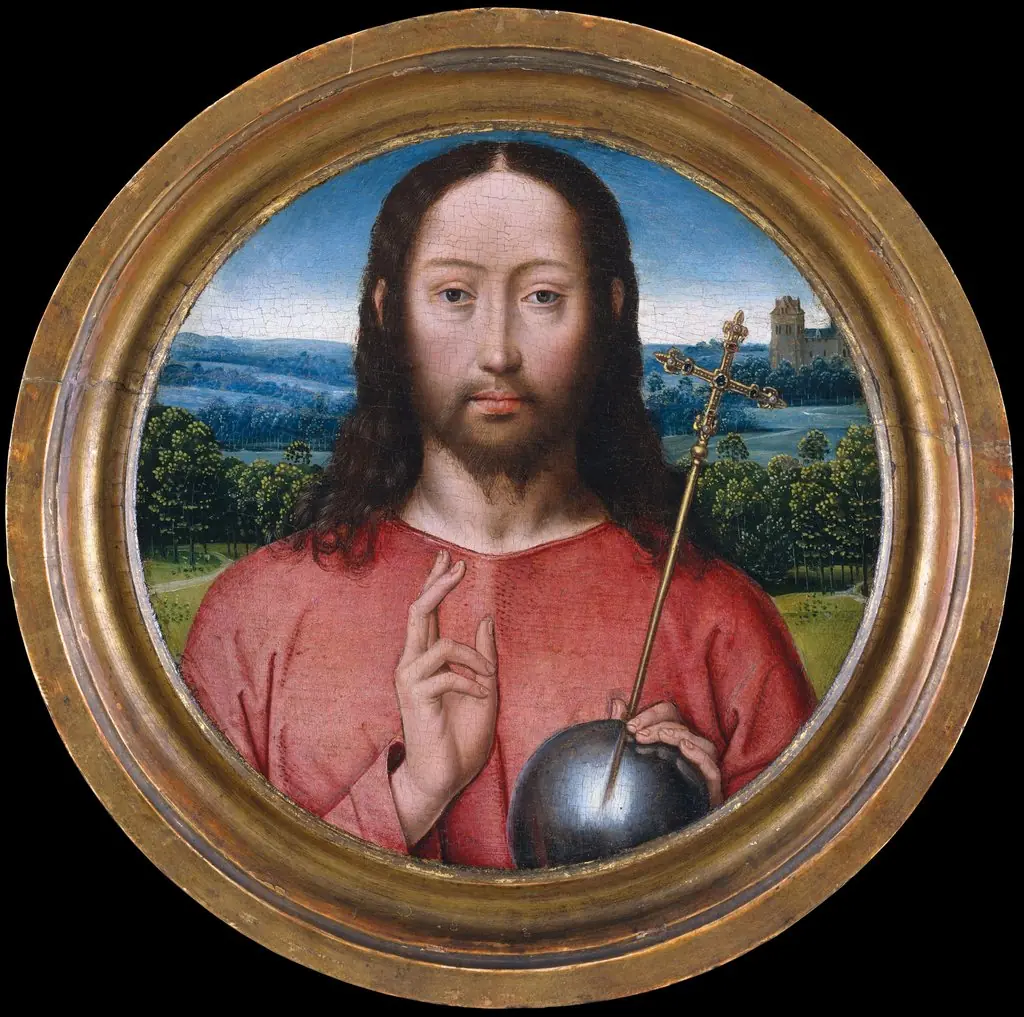 Salvator Mundi
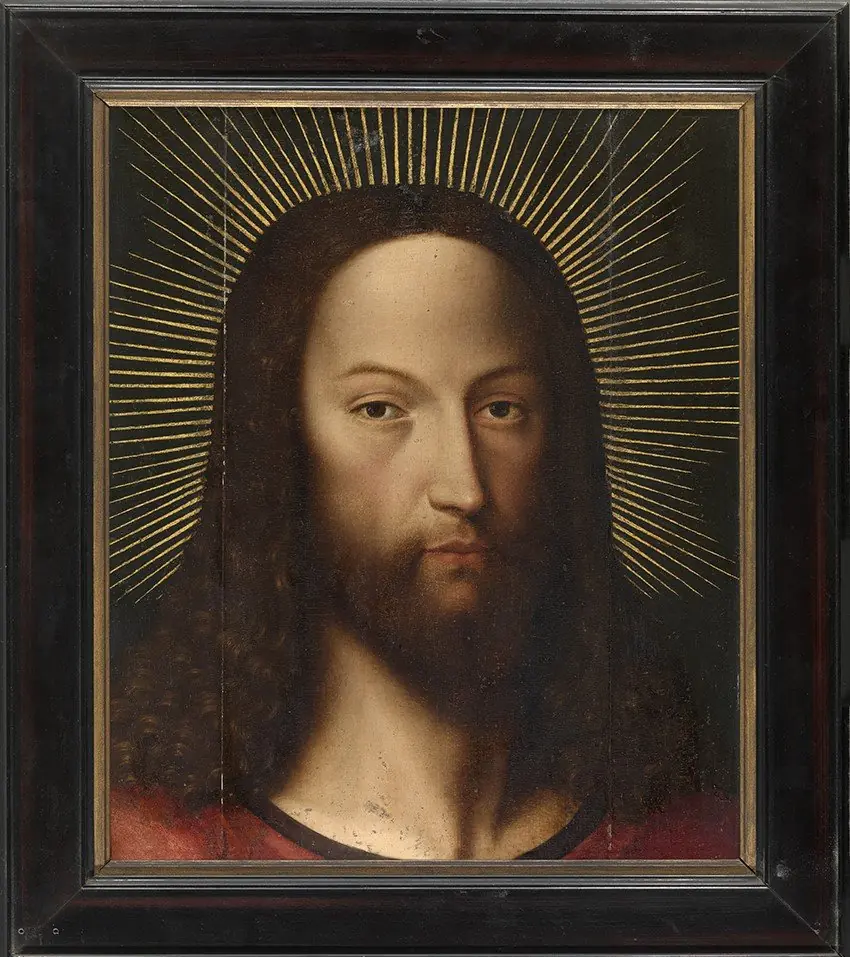 Glorified Christ
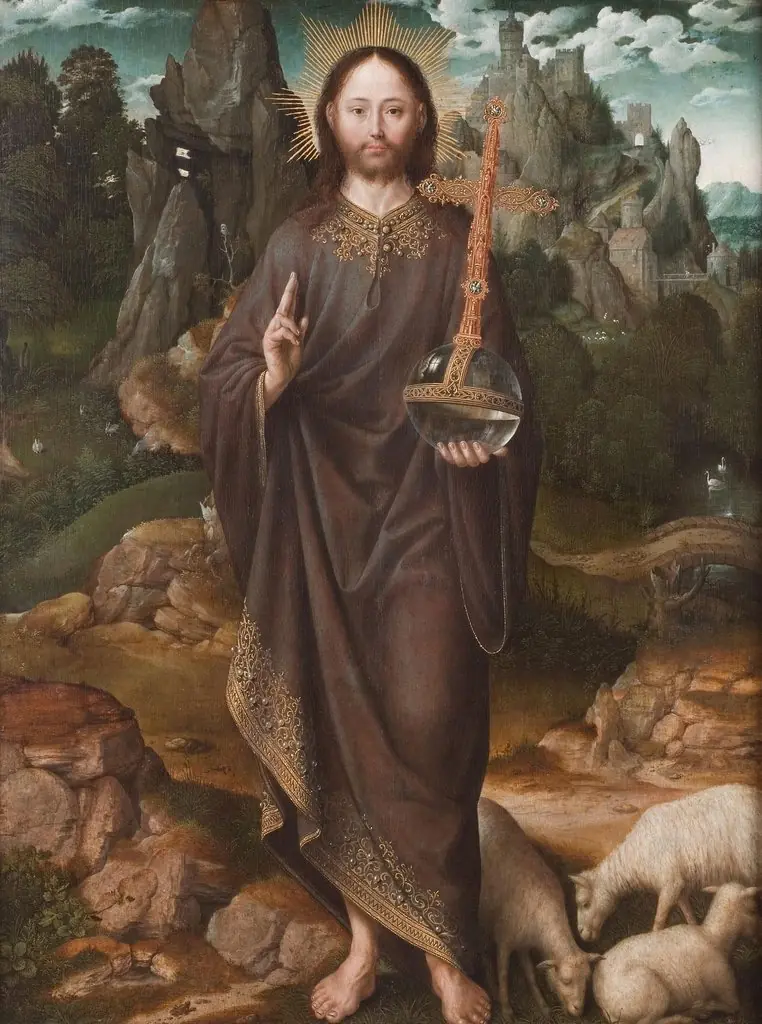 Salvator Mundi in a Landscape
 Christus mit der Dornenkrone (Nachfolger)
- Christ the Saviour with the Eucharist