Artwork
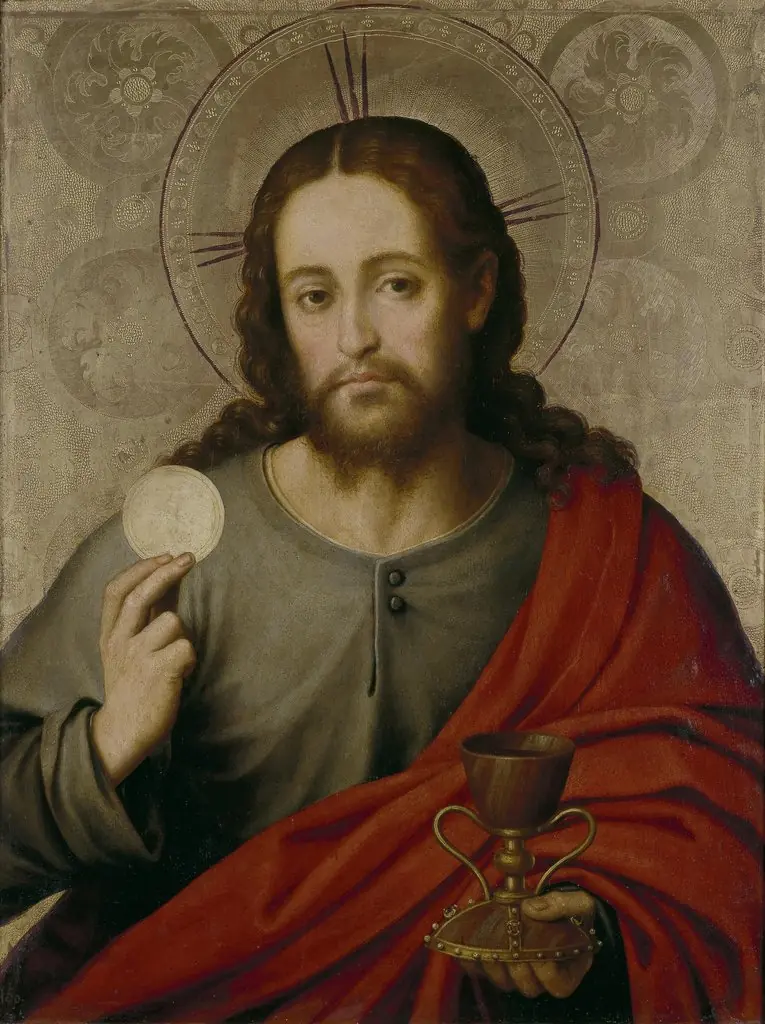
Christ the Saviour with the Eucharist
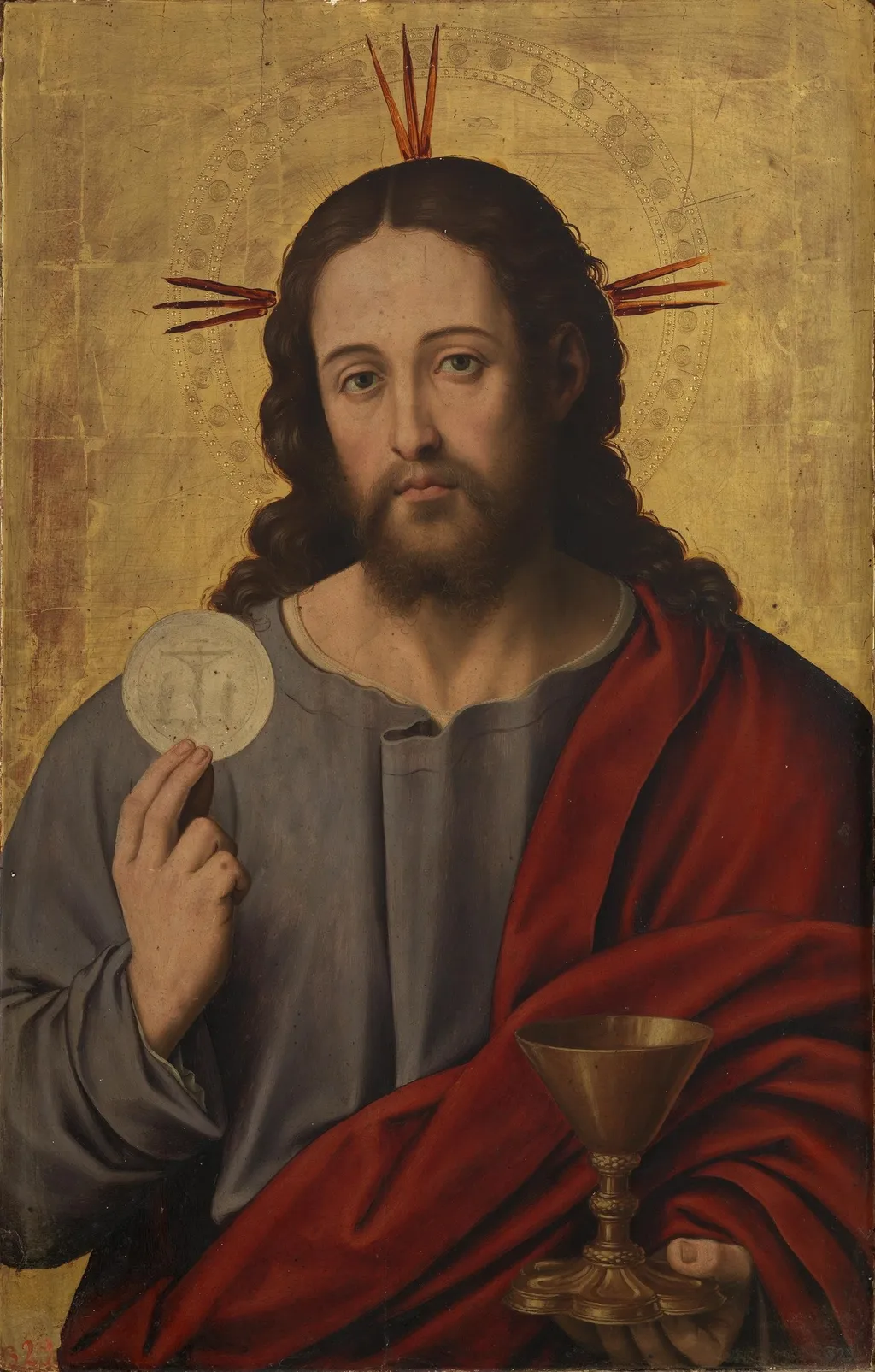
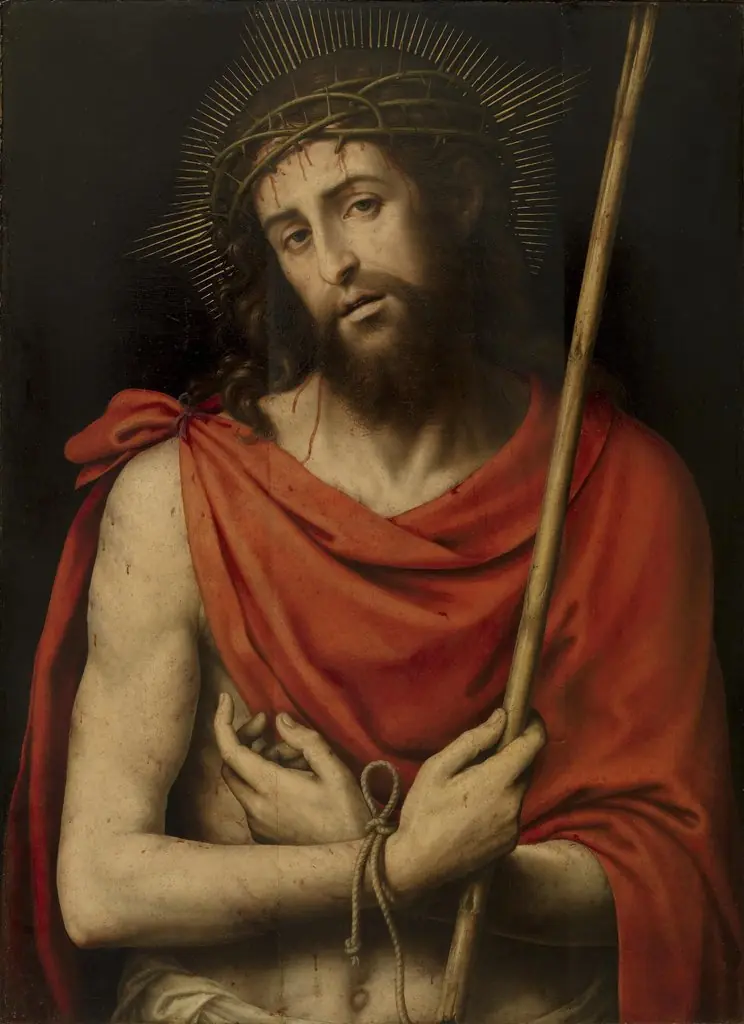
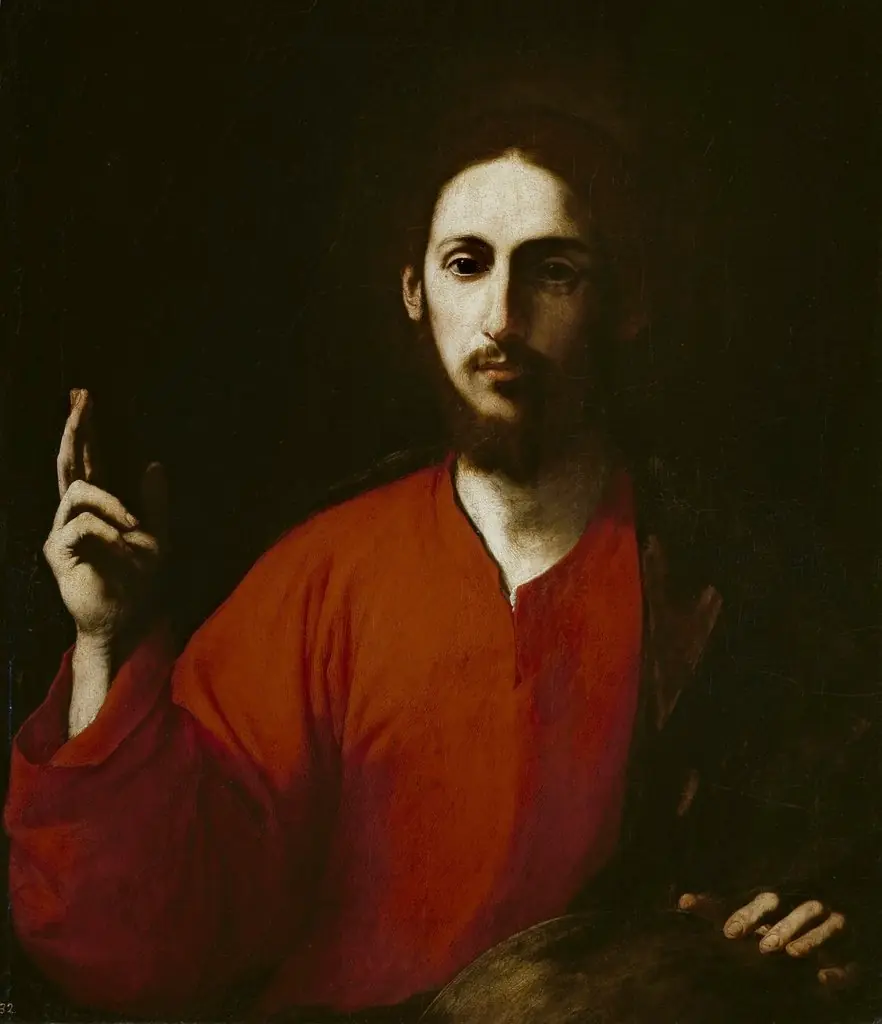
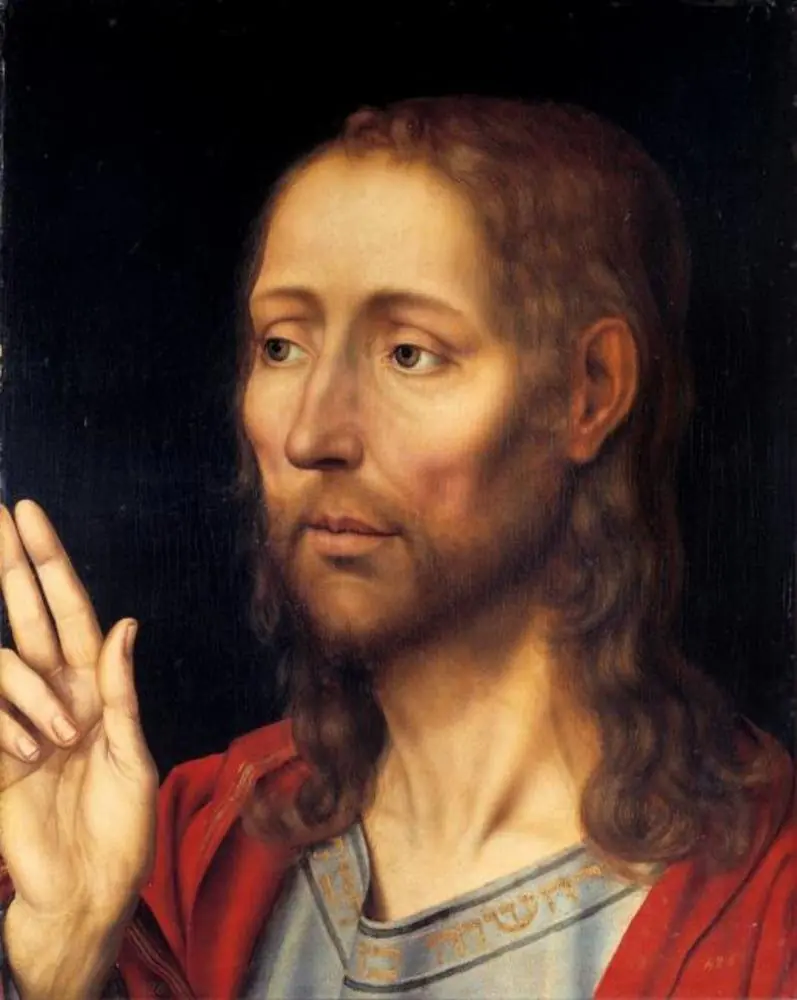
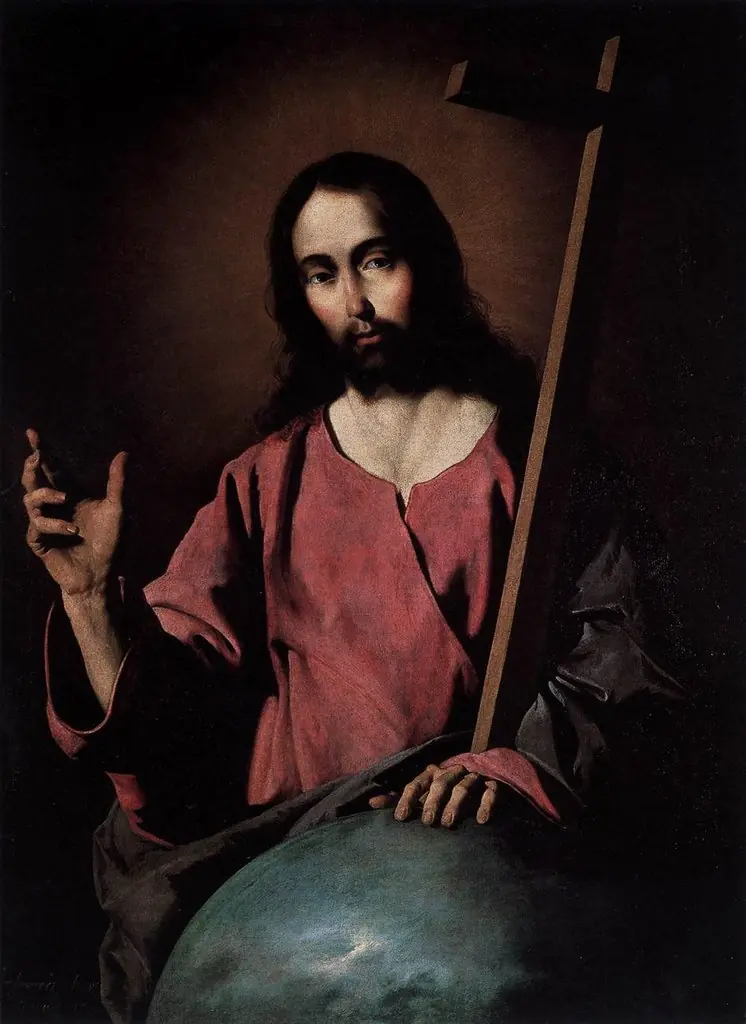
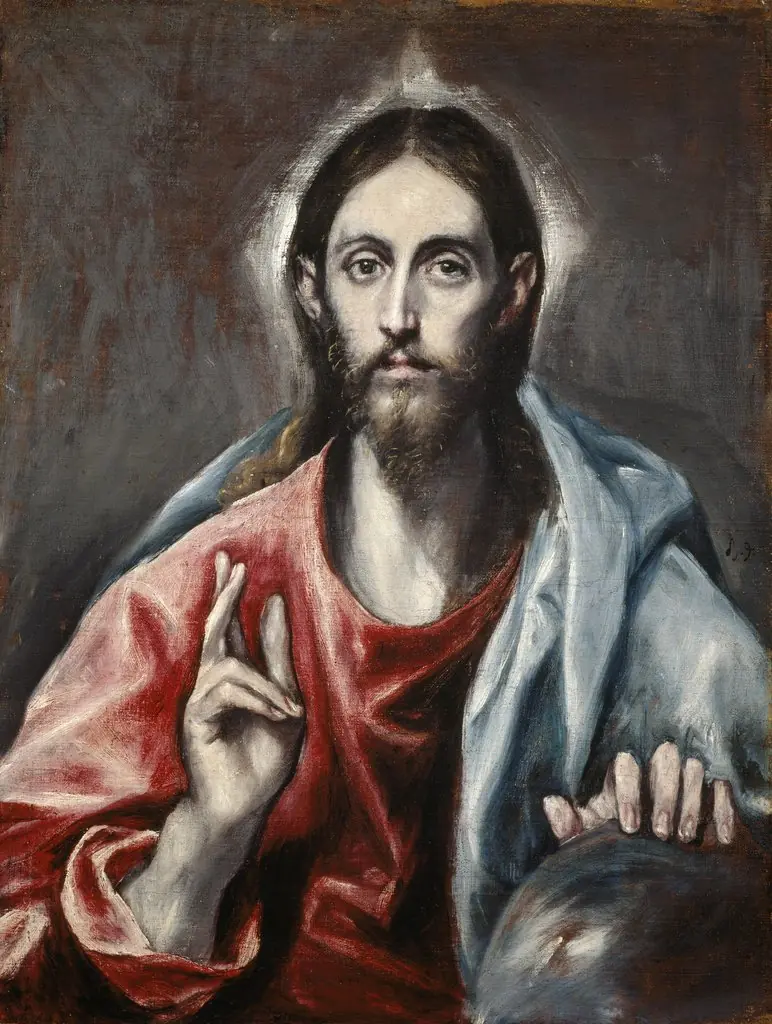
Christ the Saviour with the Eucharist is an oil painting by the Early Baroque Italian artist Juan de Juanes. It dates from 1545 and is held in the collection of the Museo del Prado.
About this work
Subject & Meaning
The work portrays Christ as the Saviour holding the Eucharist, a visual reference to the chalice that symbolizes the sacrament of communion.
The work portrays Christ as the Saviour holding the Eucharist, a visual reference to the chalice that symbolizes the sacrament of communion. The chalice and the act of presenting it are conventional iconographic elements in Spanish Counter‑Reformation art that convey the doctrine of transubstantiation and the sacrificial nature of the Mass. By emphasizing the Eucharistic gesture, the painting underscores the theological affirmation of the real presence of Christ in the host, a central theme of the period’s religious art.
Juan de Juanes created the piece in 1545, employing oil on panel, and it originally entered the collection of Ferdinand VII before being housed in the Museo del Prado at the Royal Palace of Aranjuez.
The composition’s dimensions (73 cm in height and 40 cm in width) frame the sacred narrative within a modest, intimate space that invites contemplation of the liturgical significance of the Eucharist.
Technique & Style
The work is an oil painting executed on wooden panel, typical of mid-16th century Spanish religious art. It depicts Christ holding the Eucharistic chalice, rendered in a composition that emphasizes devotional clarity and luminous coloration characteristic of the School of Valencia. The handling of light and drapery reflects a blend of Gothic tradition with emerging Renaissance naturalism, while the formal balance of figures underscores its liturgical function. The painting's surface condition remains largely intact, though minor craquelure is visible across the panel.
History & Provenance
Christ the Saviour with the Eucharist is a religious panel painting in oil by Juan de Juanes, dated to 1545. The work was held by Ferdinand VII of Spain, and it is now in the collection of the Museo del Prado. A related record also places the painting at the Royal Palace of Aranjuez. The panel measures 73 cm in height by 40 cm in width.
The work is held at the Museo del Prado, where it is inventoried as a painting by Juan de Juanes dated 1545. It entered the museum’s holdings as part of the Spanish royal collection and is associated with the Royal Palace of Aranjuez.
No exhibition history is reported in the cited sources.
Overview
Created in 1545, Christ the Saviour with the Eucharist is an oil painting by the Valencian artist Juan de Juanes, born Vicente Juan Masip. Executed during the later Renaissance, the work now belongs to the collection of the Museo del Prado. It presents a solitary figure of Christ holding liturgical symbols, set against a gold ground that shows signs of wear.
Context
Juan de Juanes worked at a time when Valencian art was absorbing influences from Italy, especially the emerging Baroque sensibility. His oeuvre often combined devotional subjects with a clear, narrative style. This work exemplifies his engagement with Counter‑Reformation iconography, using the Eucharistic symbols to reinforce Catholic doctrine amid the religious upheavals of the era.
Own this work as a print
Artist & collection
Artist
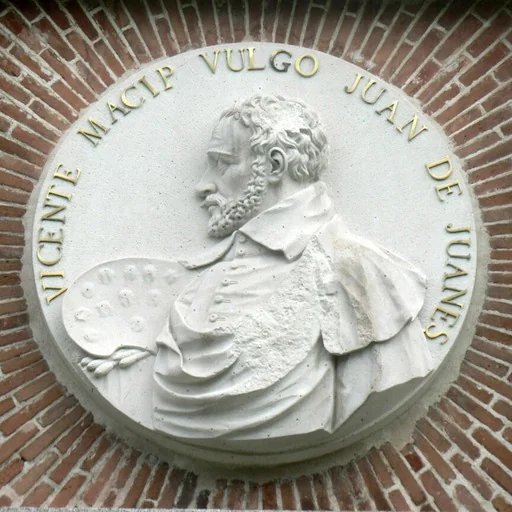
Vicente Juan Masip (also known as Joan de Joanes) (1507 – 1579) was a Spanish painter of the Renaissance period.