Artwork
Christ the Saviour
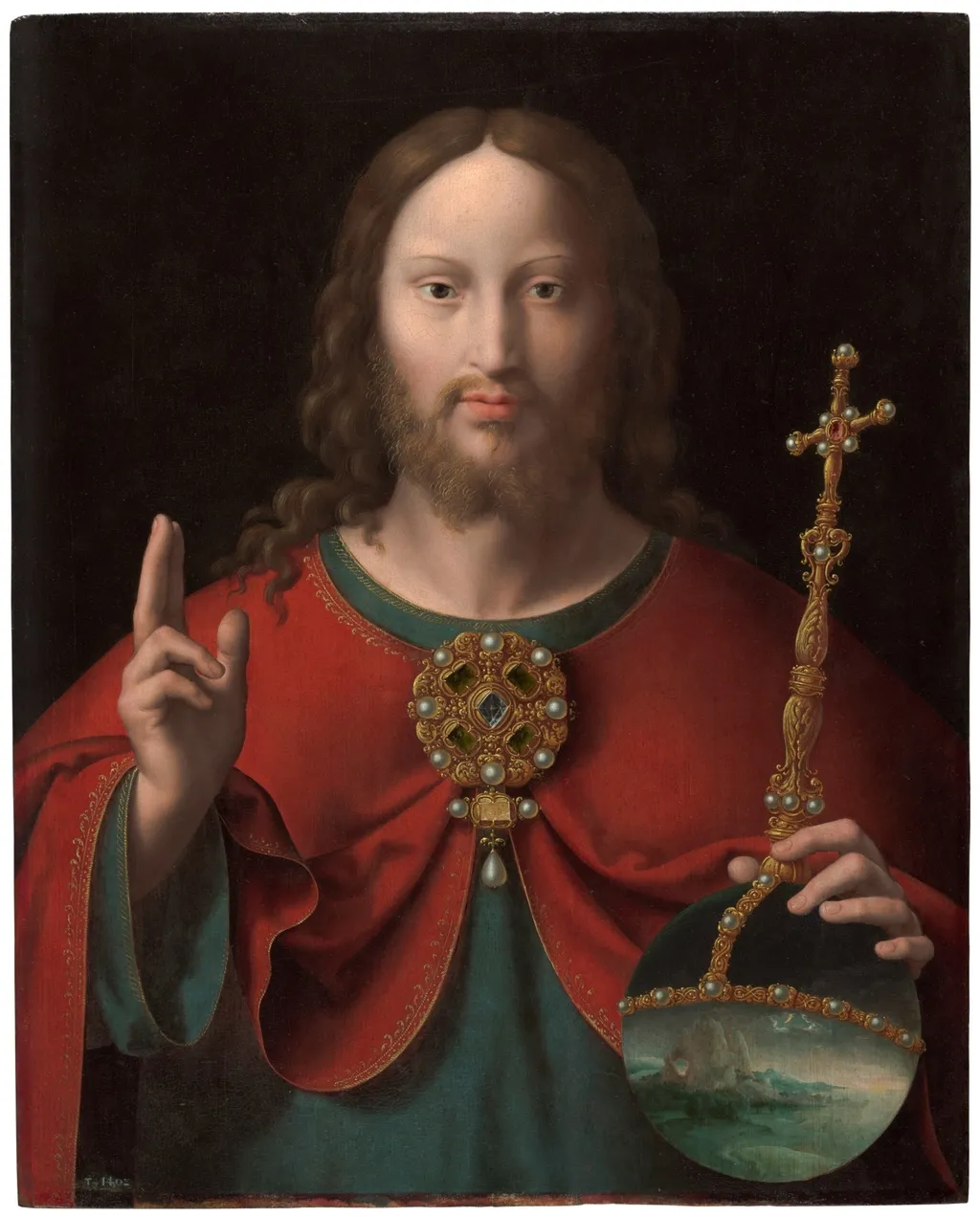
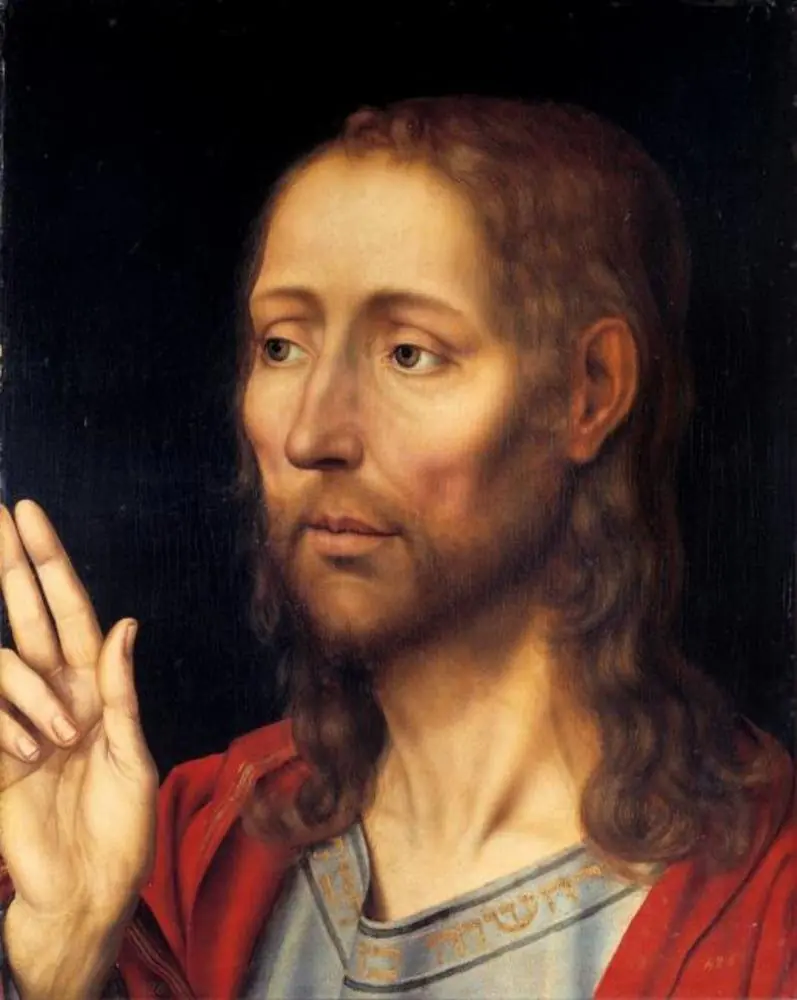
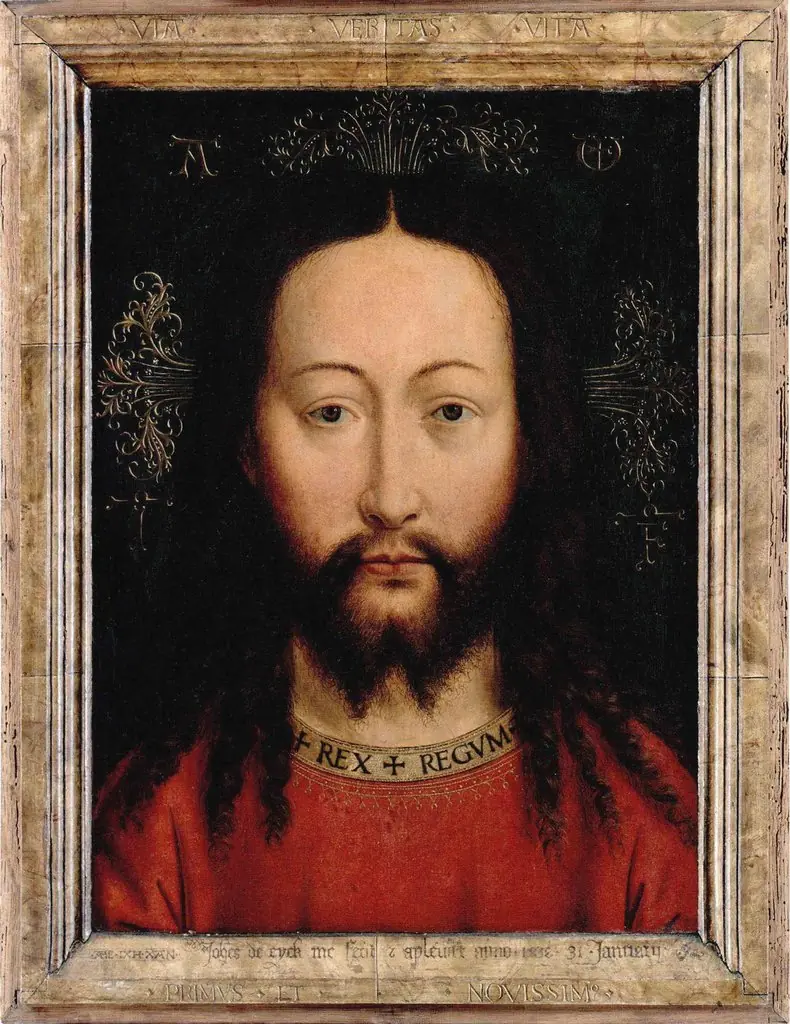
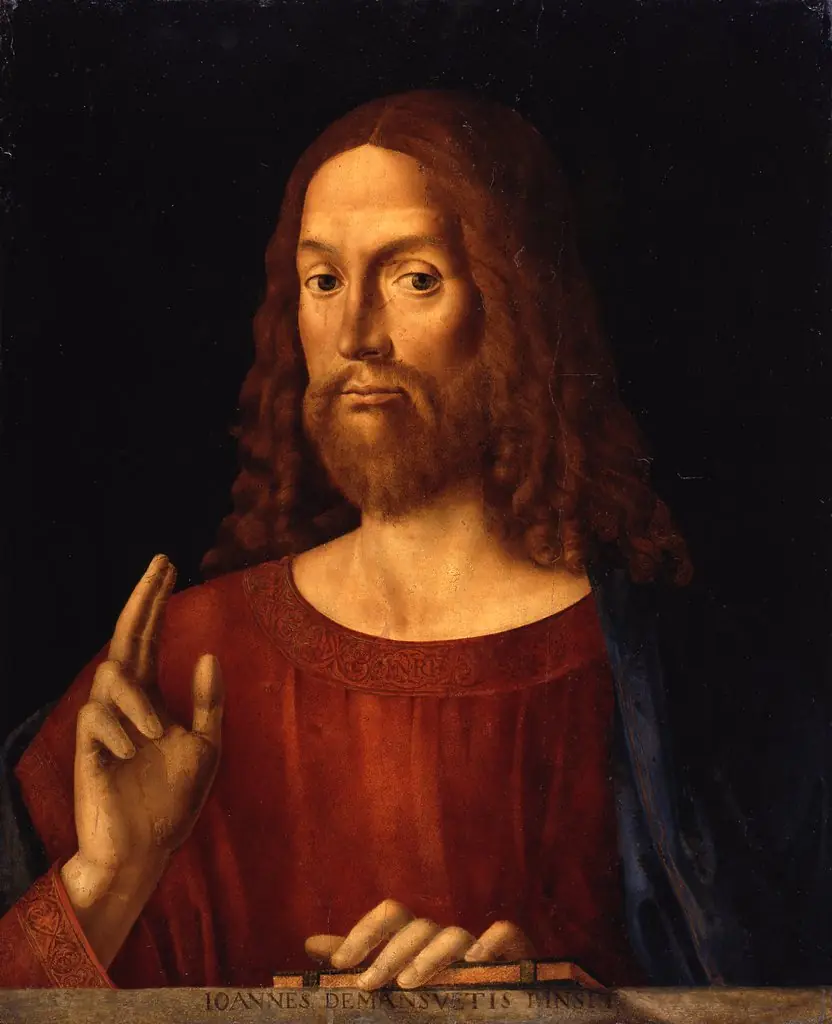
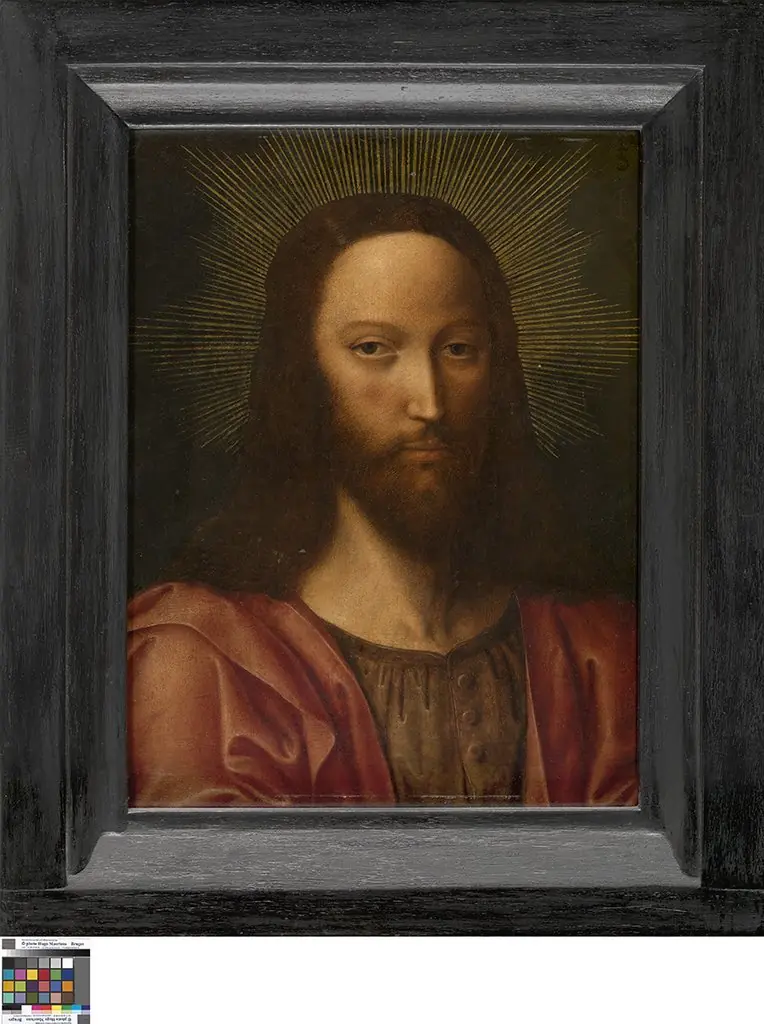
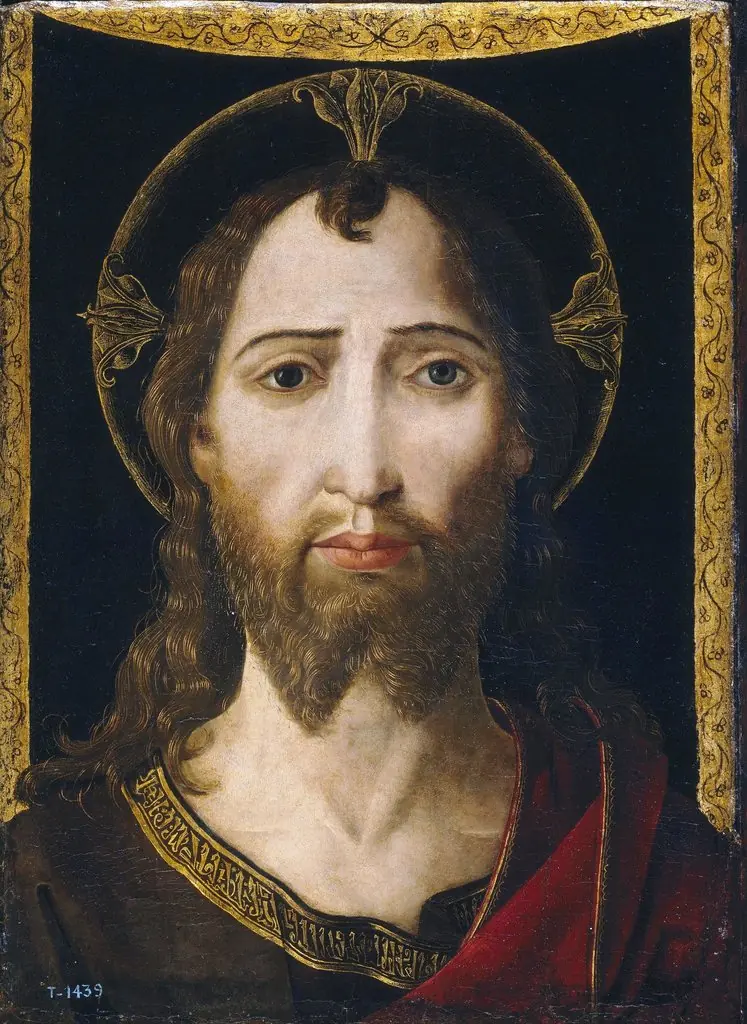
Christ the Saviour is an unspecified painting by the Mannerist artist Joos van Cleve. It dates from 1530 and is held in the collection of the Museo del Prado.
About this work
Subject & Meaning
Christ the Saviour is a religious painting by Joos van Cleve, dated 1530, that depicts Christ bearing a cross.
Christ the Saviour is a religious painting by Joos van Cleve, dated 1530, that depicts Christ bearing a cross. According to the iconographic record, the work shows a gemstone alongside the cross, suggesting a symbolic pairing of the Passion instrument with a precious jewel, a motif commonly read in Northern Renaissance devotional imagery as a reference to the redemptive value of Christ's sacrifice, with the gemstone evoking purity, divinity, or the heavenly Jerusalem.
As a religious genre work held by the Museo del Prado, the painting fits within the tradition of Christ the Saviour (Salvator Mundi) imagery, presenting Christ as the savior of humanity through his crucifixion. The combination of cross and gemstone reinforces the painting's devotional purpose, inviting contemplation of salvation and the spiritual riches granted through Christ's death.
History & Provenance
The painting Christ the Saviour was created by the Flemish artist Joos van Cleve. Historical records and cataloging data establish the work's inception in the year 1530. Classified as a religious genre piece, the artwork has entered the collection of the Museo del Prado, where it is currently housed.
The piece depicts Christ alongside symbolic elements including a cross and gemstones. While the specific circumstances of its original commission and the detailed chain of ownership prior to its museum acquisition are not provided in the available documentation, its attribution to van Cleve and its dating to the early sixteenth century remain consistent across sources.
The painting Christ the Saviour by Joos van Cleve is held in the collection of the Museo del Prado in Madrid. Created in 1530, the work measures 60 cm in height and 47 cm in width. The available sources confirm its location within the museum but do not provide a specific inventory or accession number. Furthermore, no details regarding the exhibition history of this piece are included in the provided records.
Overview
Created circa 1530 by Joos van Cleve, a prominent Antwerp painter, Christ the Saviour is an oil work now held in the Museo del Prado, Madrid. The composition shows a bearded figure in a red robe and teal shirt, grasping an elaborately jeweled cross in his right hand while raising his left index finger. A reflective circular object in his left hand mirrors a kneeling supplicant, reinforcing the devotional tone.
Technique & Style
Van Cleve combines the precise detailing of Early Netherlandish painting with the emerging Mannerist sensibility of the early 16th century. Fine brushwork renders the textures of hair, fabric, and gemstones, while the elongated pose and exaggerated hand gestures reflect the period’s stylistic shift toward elegance and artificiality.
Context
Christ the Saviour exemplifies the type of devotional imagery commissioned by both ecclesiastical and secular patrons in the Low Countries. Its luxurious iconography, particularly the gem‑encrusted cross, reflects the period’s taste for opulent religious objects, while the work contributes to our understanding of van Cleve’s role in bridging Northern realism and Italianate Mannerism.
Own this work as a print
Artist & collection
Artist
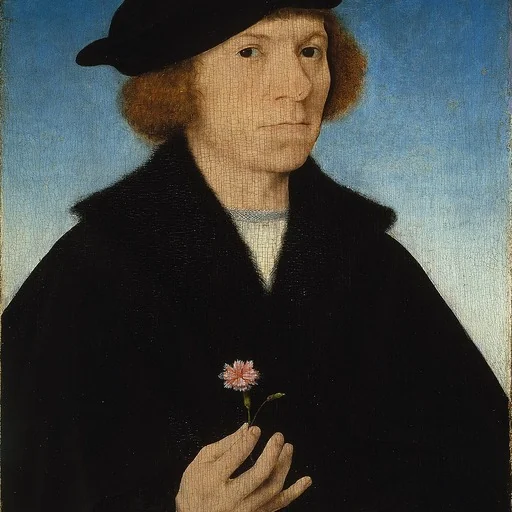
Joos van Cleve (; also Joos van der Beke; c. 1485–1490 – 1540/1541) was a leading painter active in Antwerp from his arrival there around 1511 until his death in 1540 or 1541. Within Dutch and Flemish Renaissance…