Artwork
Mucius Scaevola
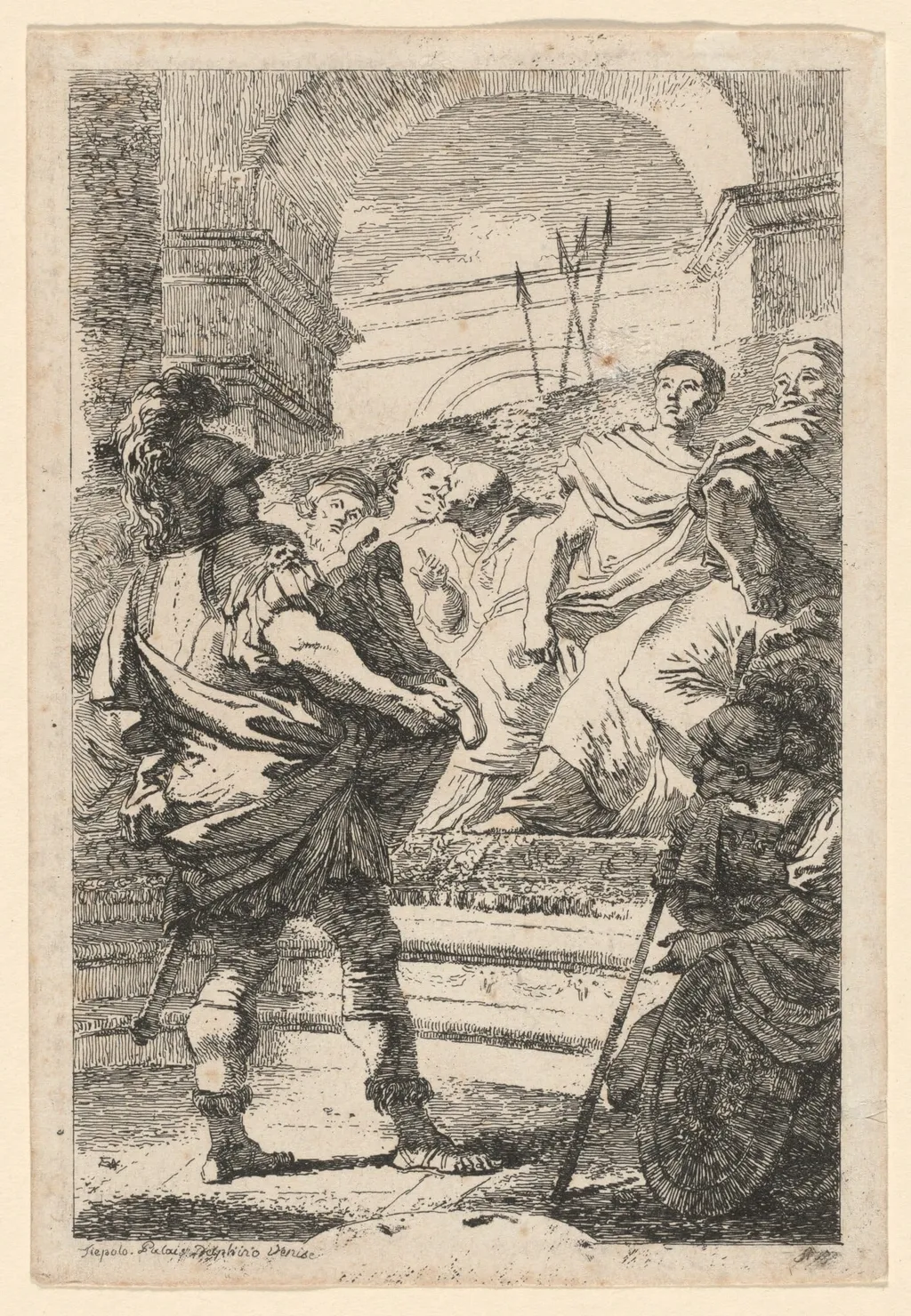
Mucius Scaevola is an ink print by the Romanticist artist Jean Honoré Fragonard. It dates from 1764 and is held in the collection of the National Gallery of Art.
- Inscription
- Inscribed:lower left in plate: Tiepolo Palais Delphino Venise; lower right in plate: frago [partially scraped away?]; by later hand, lower left verso in graphite: P837 / 173-89-060
About this work
Overview
Executed in black and white on laid paper, the work utilizes strong chiaroscuro and delicate line work to convey dramatic tension and emotional intensity.
Jean Honoré Fragonard's 1764 etching, Mucius Scaevola, depicts the legendary Roman hero Gaius Mucius demonstrating his resolve to the Etruscan king Lars Porsena. The composition centers on Mucius, who holds his right hand over a brazier, his expression stoic despite the pain. To his right, Porsena leans forward in shock, while a woman and child observe the scene from the background.
A ship navigating a stormy sea appears in the distance, adding atmospheric depth and narrative context. Executed in black and white on laid paper, the work utilizes strong chiaroscuro and delicate line work to convey dramatic tension and emotional intensity. Created during Fragonard's early career, shortly after his return from Rome, this print reflects his engagement with classical history and his mastery of the etching medium.
The piece stands as a significant example of 18th-century French printmaking, showcasing the artist's ability to translate historical narrative into a visually compelling graphic format.
Subject & Meaning
The work references the Roman legend of Gaius Mucius Scaevola, who proved his loyalty by immersing his hand in fire without flinching. Fragonard captures the moment of self‑inflicted trial, emphasizing stoic resolve against adversity. The surrounding onlookers, an alarmed peer, a concerned woman, and a child, serve to amplify the moral gravity of the act.
Technique & Style
Executed as an etching on laid paper, the image relies on fine line work and deep cross‑hatching to model light and shadow. Fragonard’s manipulation of tonal gradations creates a palpable sense of heat from the flames and motion from the storm‑ridden ship, while the stark contrast underscores the emotional urgency of the figures.
History & Provenance
Created in 1764, the print reflects Fragonard’s early engagement with historical and literary subjects before his later focus on Rococo genre scenes. Though specific ownership records are sparse, the piece has been catalogued among Fragonard’s prints in several 19th‑century collections, indicating its circulation among connoisseurs of French printmaking.
![The Challenge [right]](https://artifactworldgallery.com/img/gabriel-de-saint-aubin--the-challenge-right--75162e00e6876b27-w320.webp)
Own this work as a print
Artist & collection

Artist
Jean-Honoré Fragonard was born on 5 April 1732 in Grasse, the son of a glover, and moved with his family to Paris in 1738.

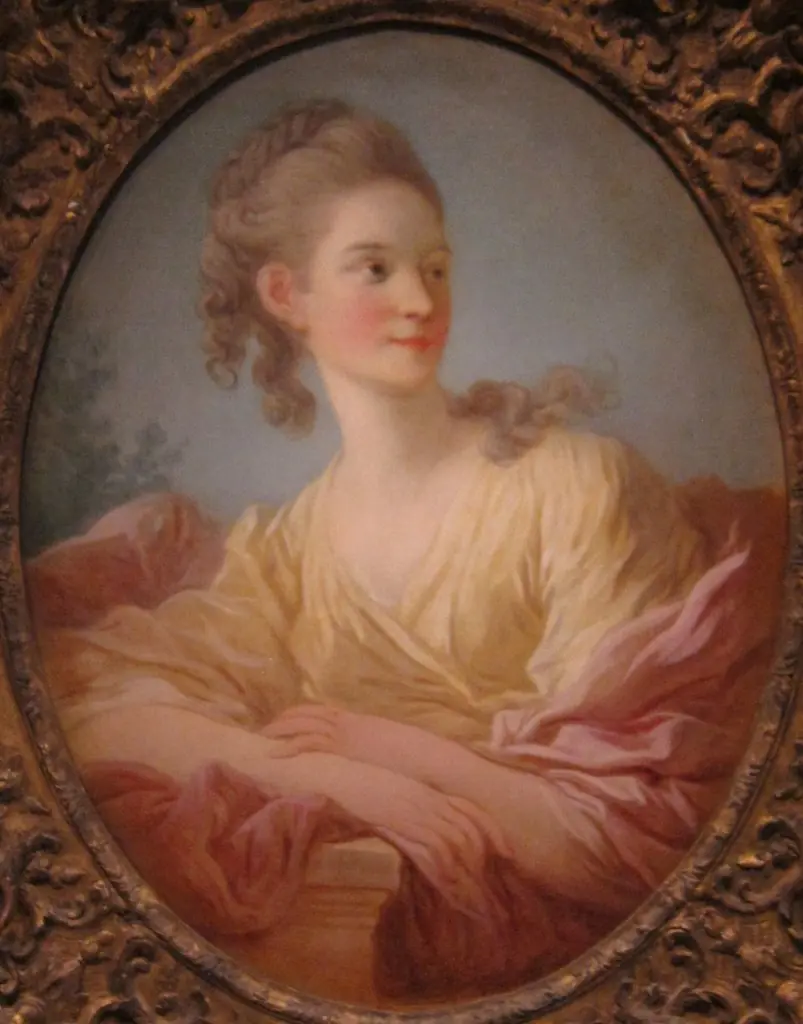
- The Challenge [right]
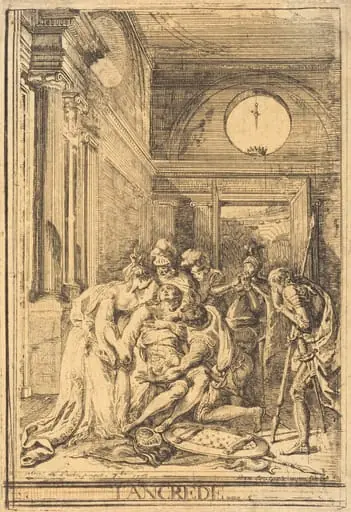 The Death of Tancred
![The Death of Tancred [left], by Gabriel de Saint-Aubin](https://artifactworldgallery.com/img/gabriel-de-saint-aubin--the-death-of-tancred-left--c0a4b5e0d77d5ed0-w320.webp) The Death of Tancred [left]
The Death of Tancred [left]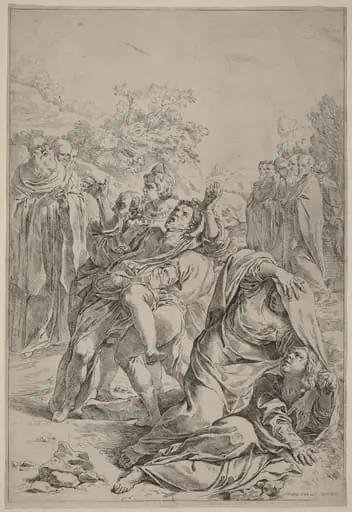 Saint Benedict Healing the Possessed
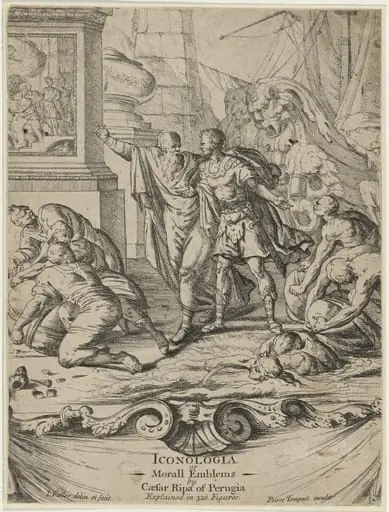 Iconologia or Morall Emblems by Caesar Ripa
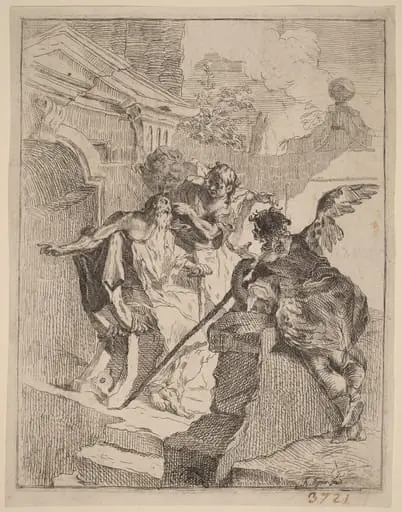 Tobias Healing His Father
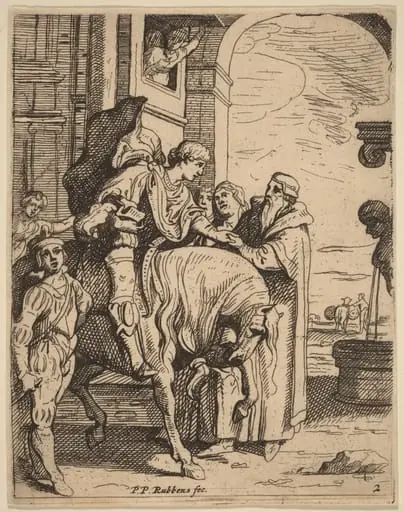 The Prodigal Son Bids Farewell to His Father
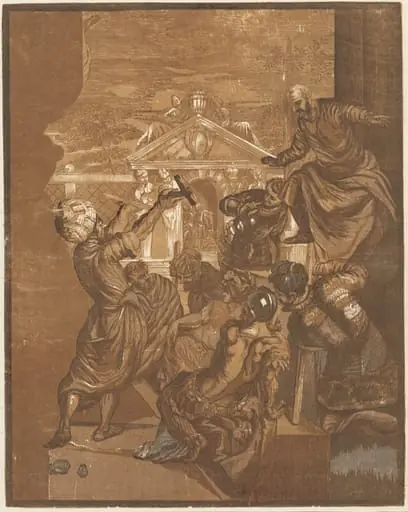 The Miracle of Saint Mark (right side)
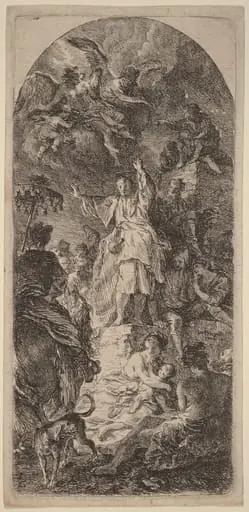 Saint James Major Preaching
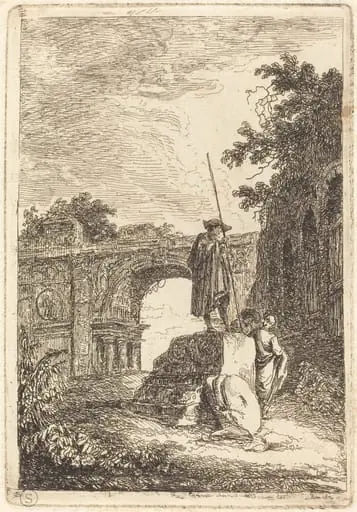 The Triumphal Arch
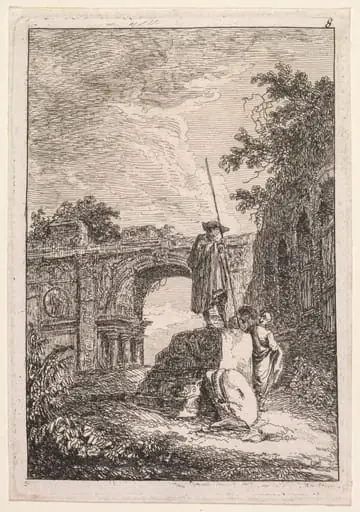 Les Soirées de Rome: L'Arc de triomphe
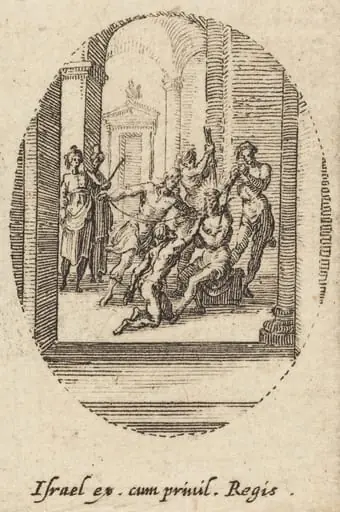 Crowning with Thorns