Artwork
The Love Letter
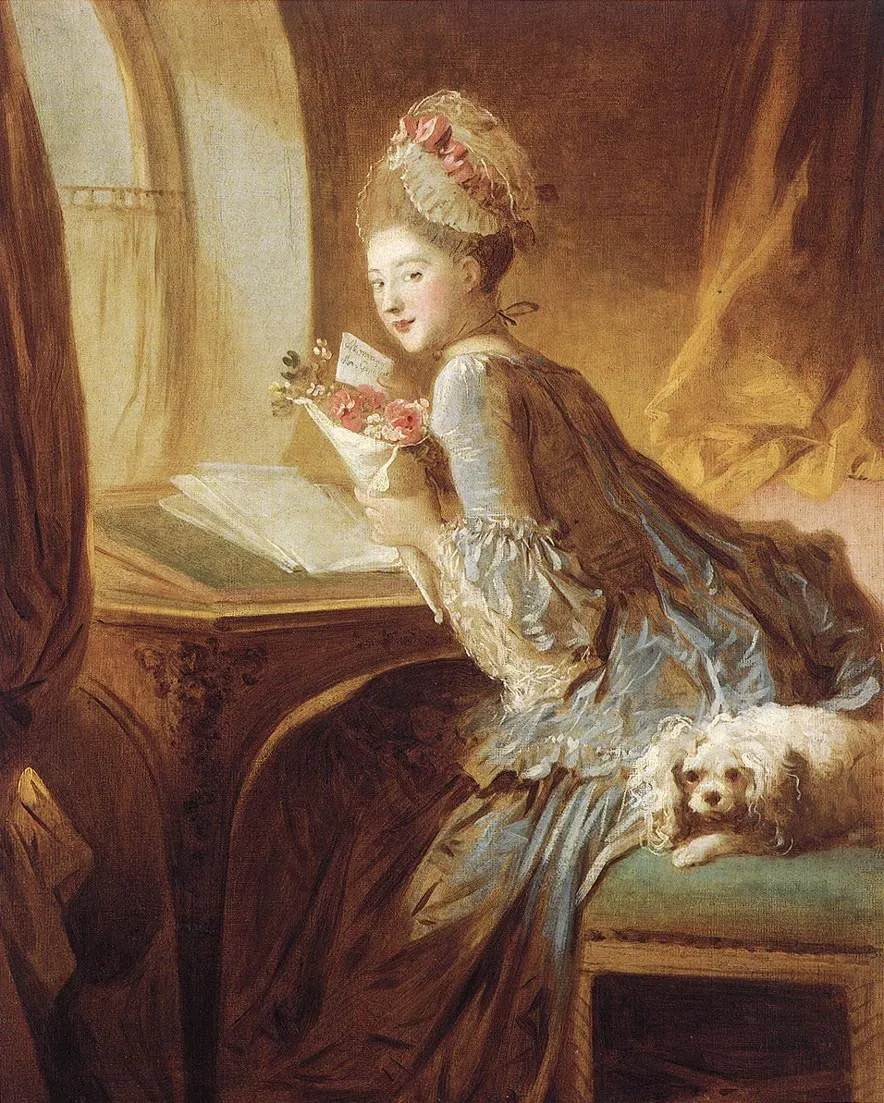
The Love Letter is an oil painting by the Rococo painting artist Jean Honoré Fragonard. It dates from 1770 and is held in the collection of the Metropolitan Museum of Art.
About this work
A young woman in a powdered cap glances over her shoulder, a bouquet and folded letter in her hands, her small dog nearby. Jean Honoré Fragonard painted it around 1770, leaving patches of brown underpainting bare to push the golden light onto her face. Scholars have never read the inscription she holds, and her identity is unknown.
Subject & Meaning
Sunlight streaming through a window highlights the woman’s cap, face, and blue silk dress, adding a sense of fleeting, sentimental reverie.
The painting depicts a young woman who has just received a bouquet of flowers and a love letter, which she reads with an uneasy, complicitous gaze directed at the viewer. The inclusion of a small dog at her side, a traditional emblem of fidelity, and the scattered flowers and ribbon underscore themes of romantic secrecy and devotion. The work belongs to the Rococo genre scene tradition, treating the classic subject of a love letter in an intimate, private moment.
Sunlight streaming through a window highlights the woman’s cap, face, and blue silk dress, adding a sense of fleeting, sentimental reverie. The letter, bouquet, and the woman’s glance together symbolize the excitement and vulnerability of clandestine affection.
Technique & Style
Executed in oil on canvas, this Rococo genre scene measures 83.2 × 67 cm. Fragonard’s handling is characterized by rapid, sketch-like brushstrokes applied with the tip of the brush, which effectively capture sunlight filtering through a window and falling on the young woman’s cap, powdered face, bouquet, and blue silk dress. The loose, fluid technique emphasizes the spontaneous and intimate mood of the moment, typical of the artist’s mature style. The support is canvas, and the paint layer appears to have been applied in a direct, alla-prima manner, though no specific condition reports are detailed in the sources.
History & Provenance
Painted by Jean-Honoré Fragonard, the work is dated to around 1770–1775, with sources offering both 1770 and a circa 1775 dating. The oil-on-canvas painting was formerly owned by Jules Bache and is now held in the collection of the Metropolitan Museum of Art in New York. No specific commission or detailed creation narrative is recorded in the available sources.
Context
Jean-Honoré Fragonard's The Love Letter (c. 1770–1775) is a Rococo genre scene that exemplifies the artist's penchant for intimate, playful subjects. Painted in oil on canvas, the work depicts a young woman who, having just received a bouquet and a letter, casts a furtive, complicit glance at the viewer while her small dog looks on guard. The rapid, light-infused brushstrokes and the blue silk dress typify Fragonard's lively style.
Formerly owned by collector Jules Bache, the painting entered the Metropolitan Museum of Art's collection, where it is recognized as a classic embodiment of 18th-century French amorous intrigue. Scholarly dating ranges from 1770 to around 1775, reflecting the ambiguity surrounding the artist's exact chronology.
Overview
Jean Honoré Fragonard's oil painting The Love Letter, created around the early 1770s, captures a young woman seated indoors, turning to engage the viewer with a subtle smile. She holds a small letter and a bouquet, while a dog rests at her side. Classified as a genre scene rather than a portrait, the work is notable for its deliberate, sketch-like execution, which enhances the luminosity of its central figure.
Artist & collection

Artist
Jean-Honoré Fragonard was born on 5 April 1732 in Grasse, the son of a glover, and moved with his family to Paris in 1738.

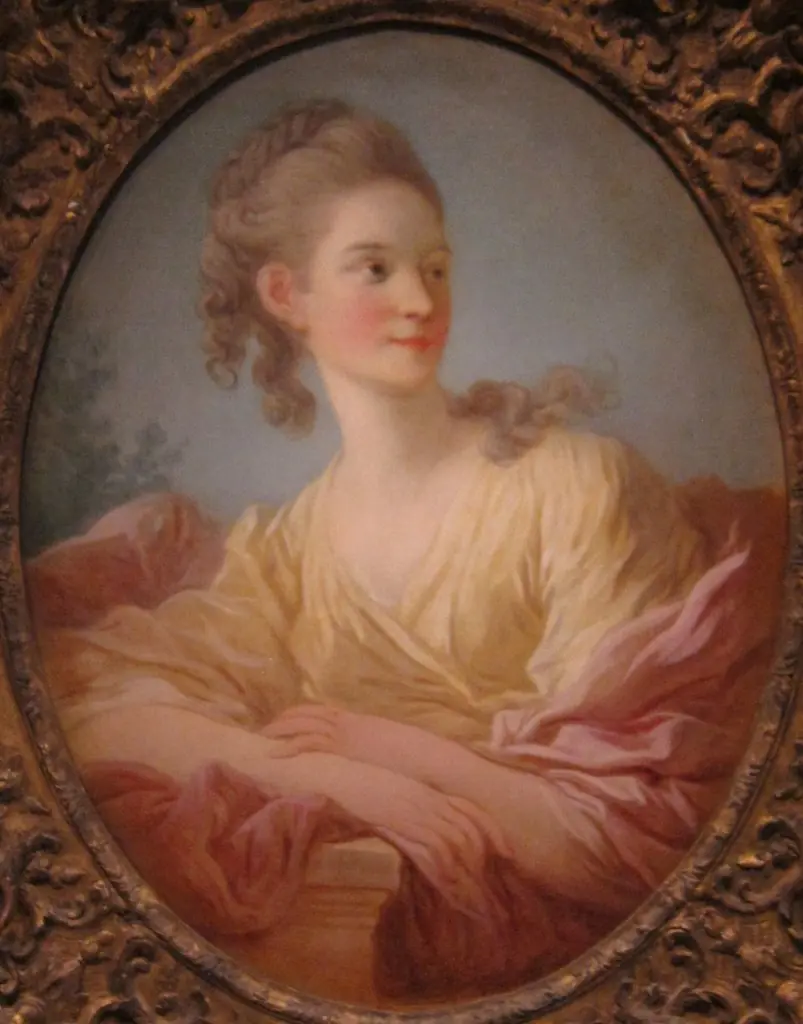
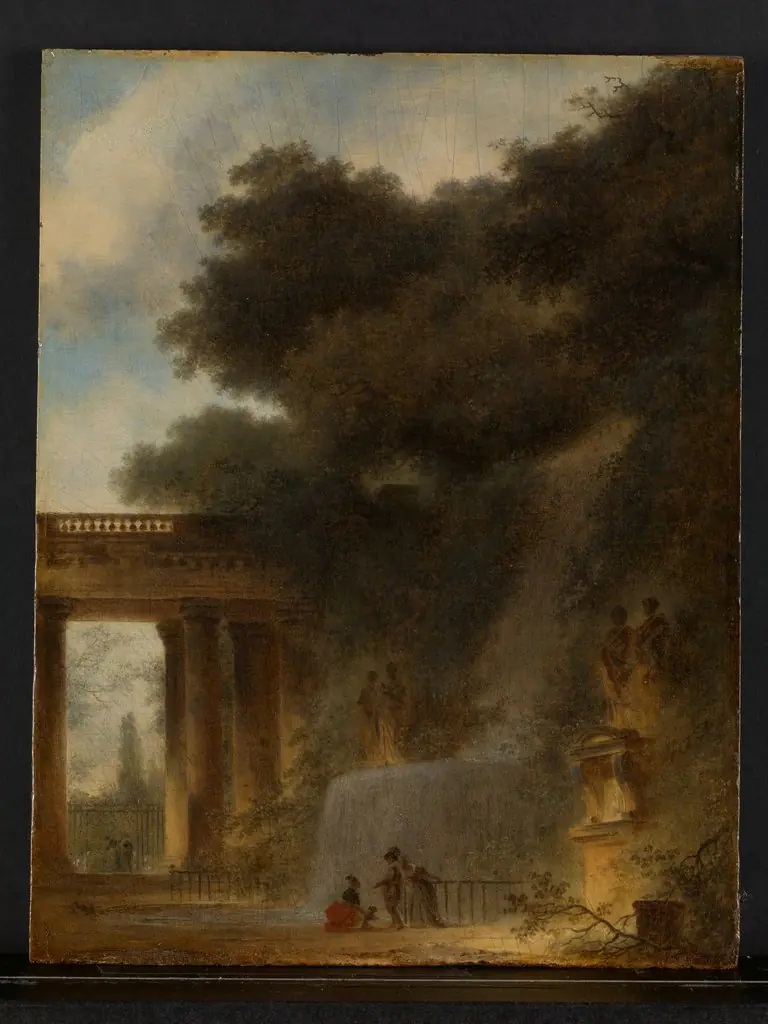
- Marie-Joséphine-Louise de Savoie, Countess of Provence
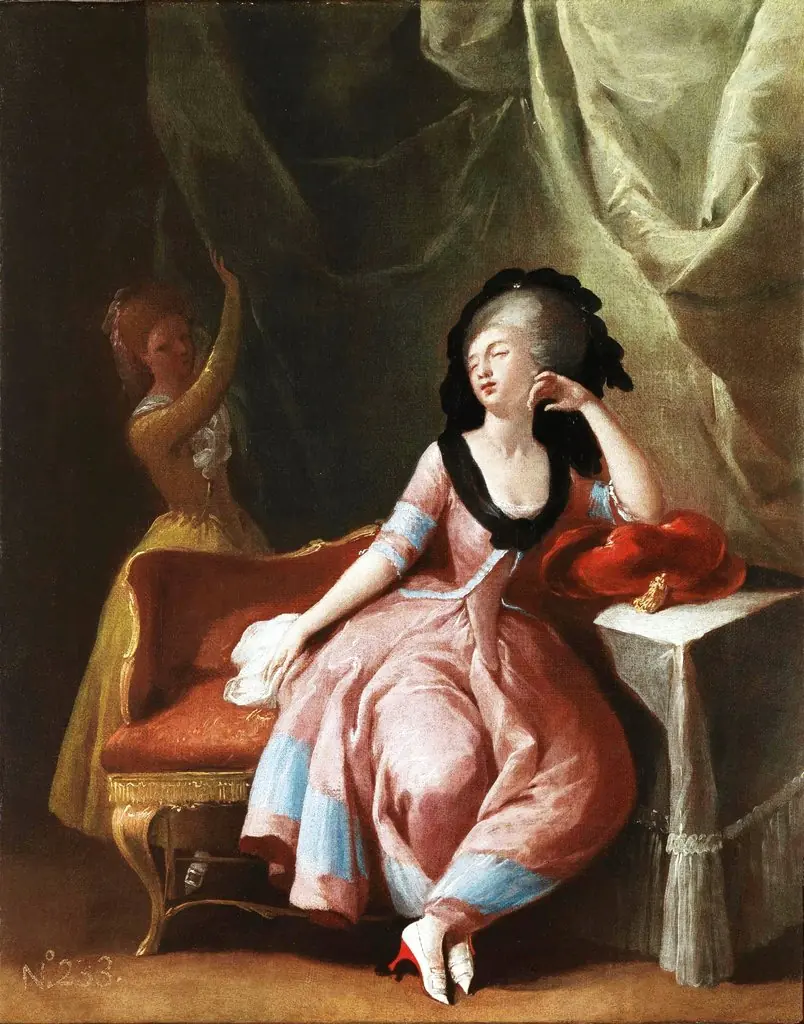 Seated Woman
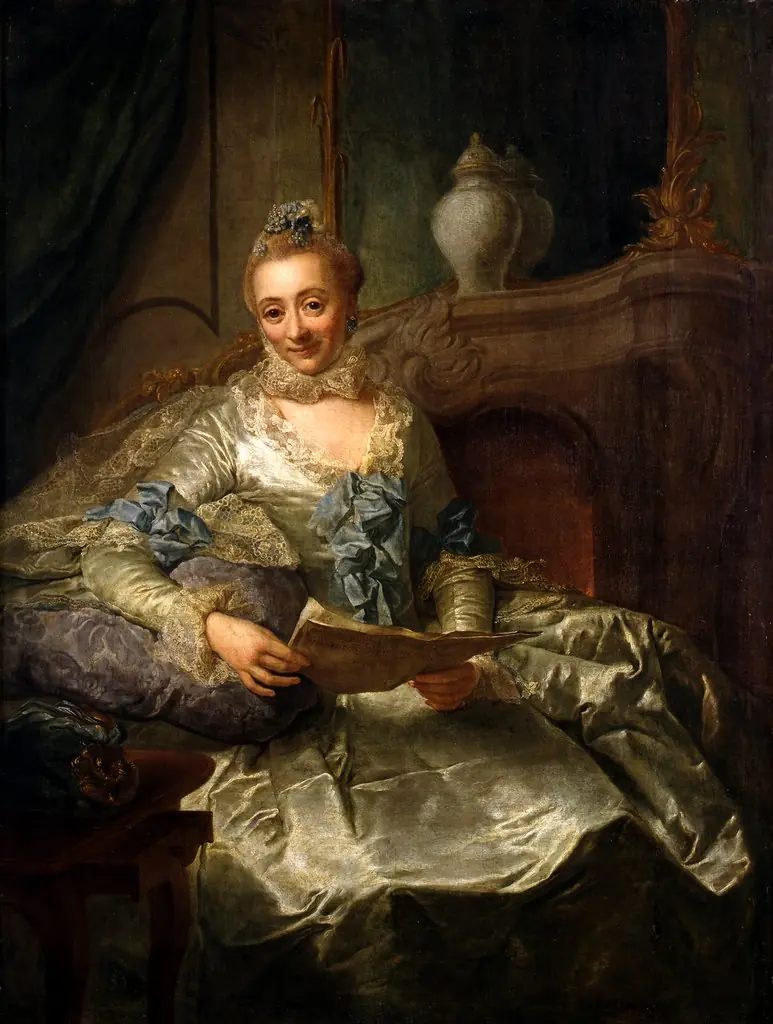 Chamber Councilor Sophie Elisabeth Giese, born von Schwerin
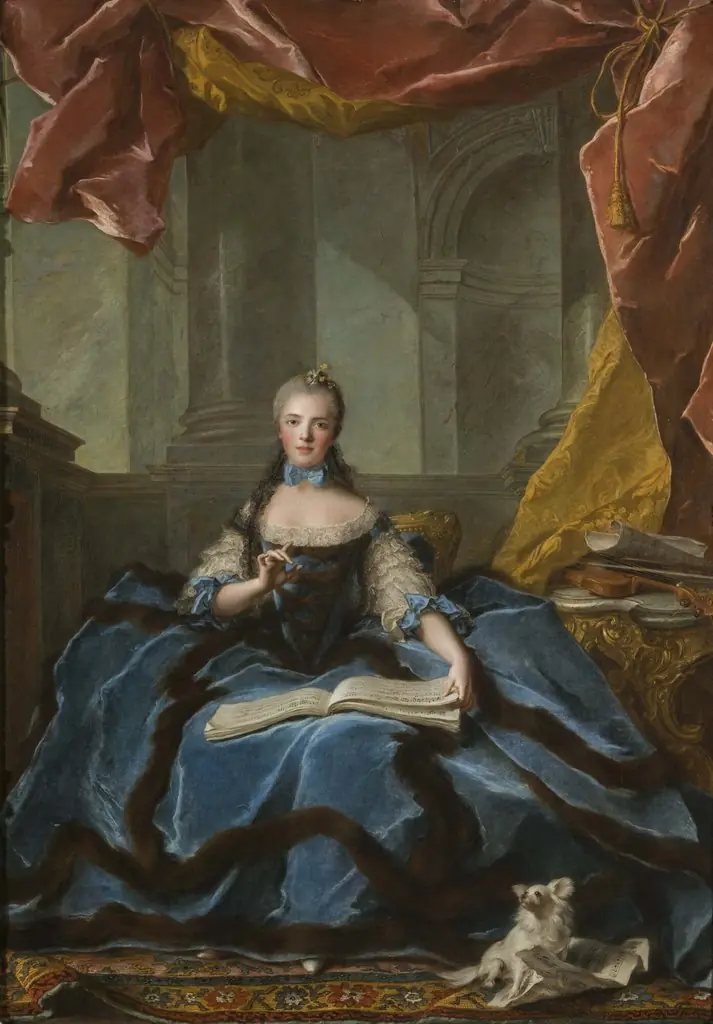 Marie-Adélaïde of France, known as Madame Adélaïde
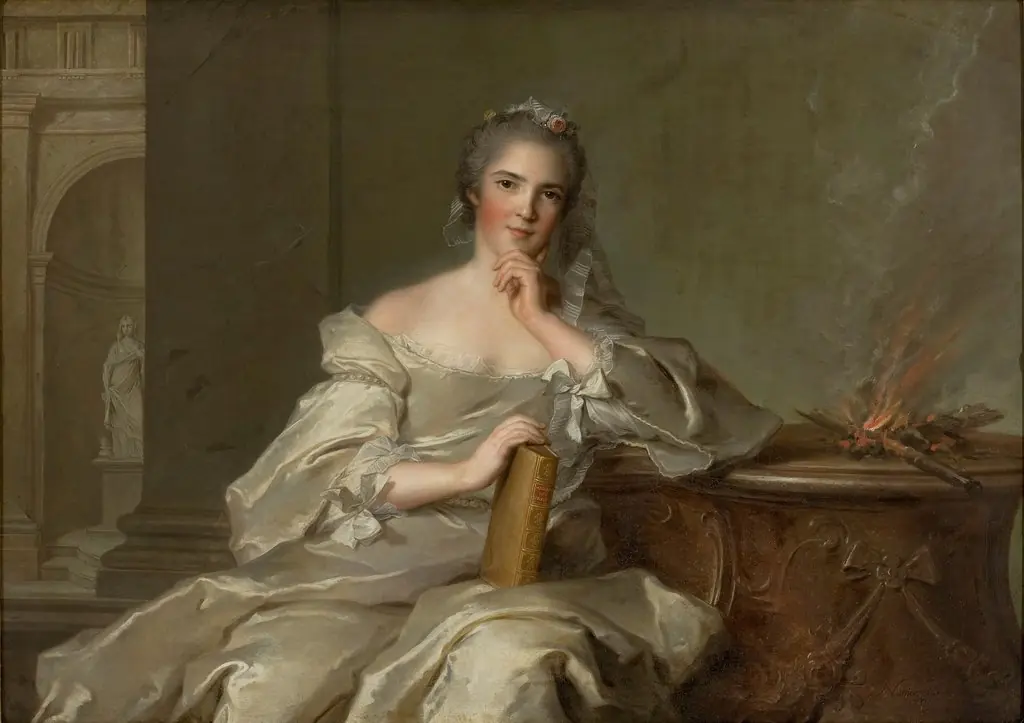 Princess Anne-Henriette of France - The Fire
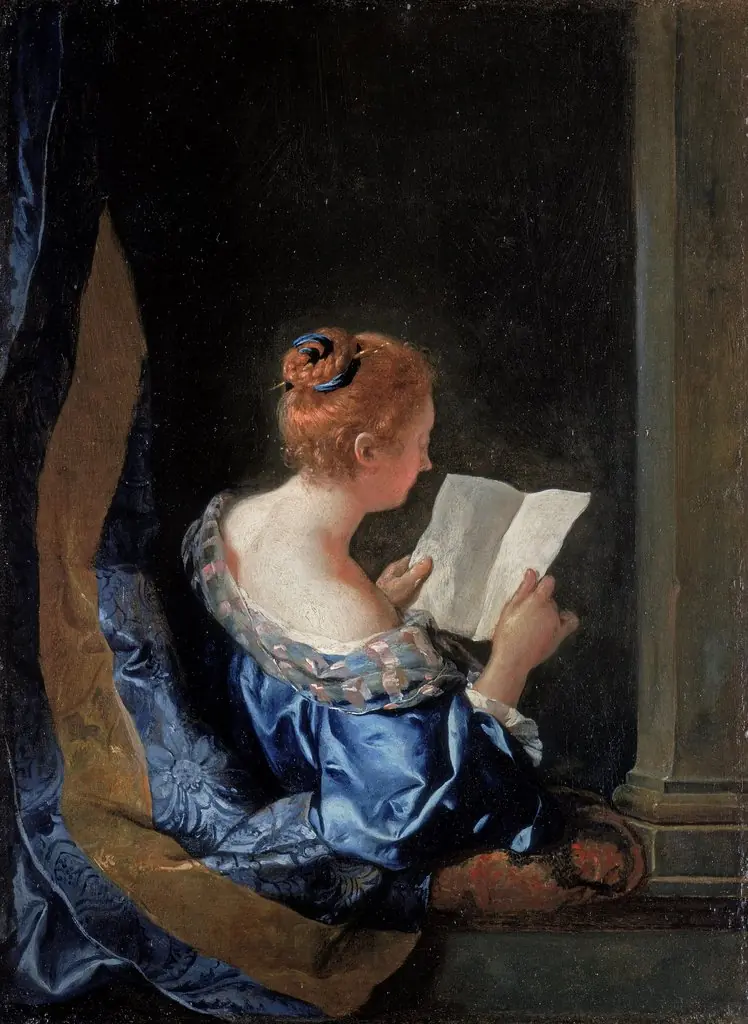 Woman Reading a letter
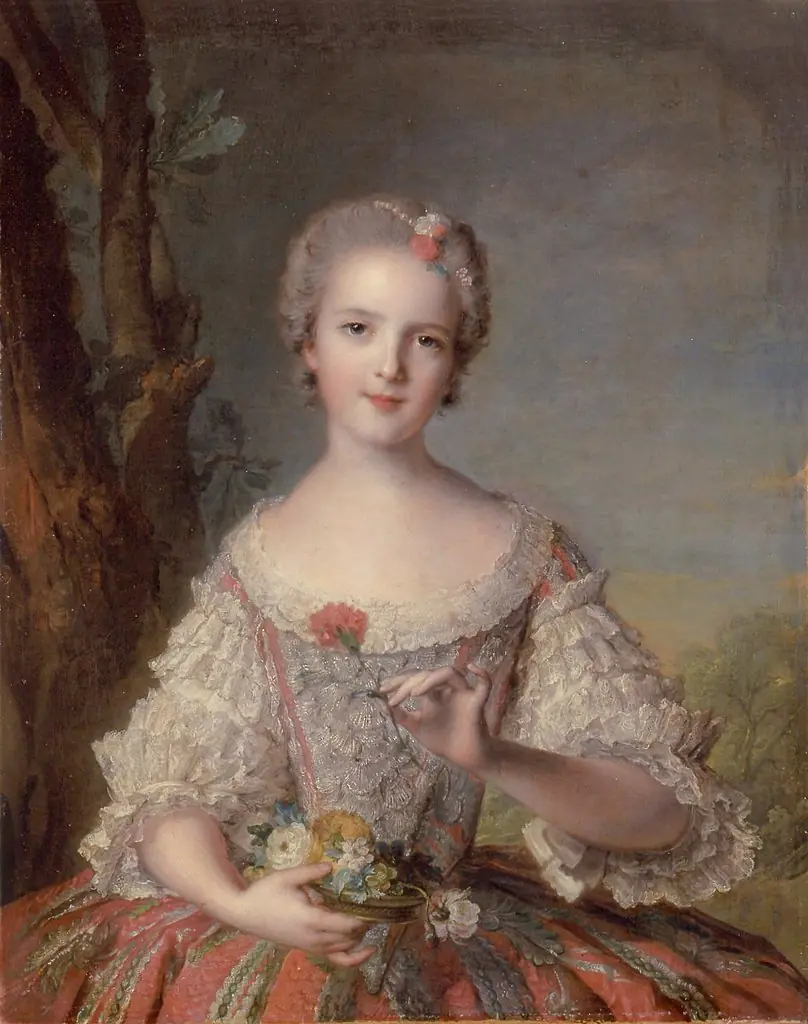 Madame Louise of France
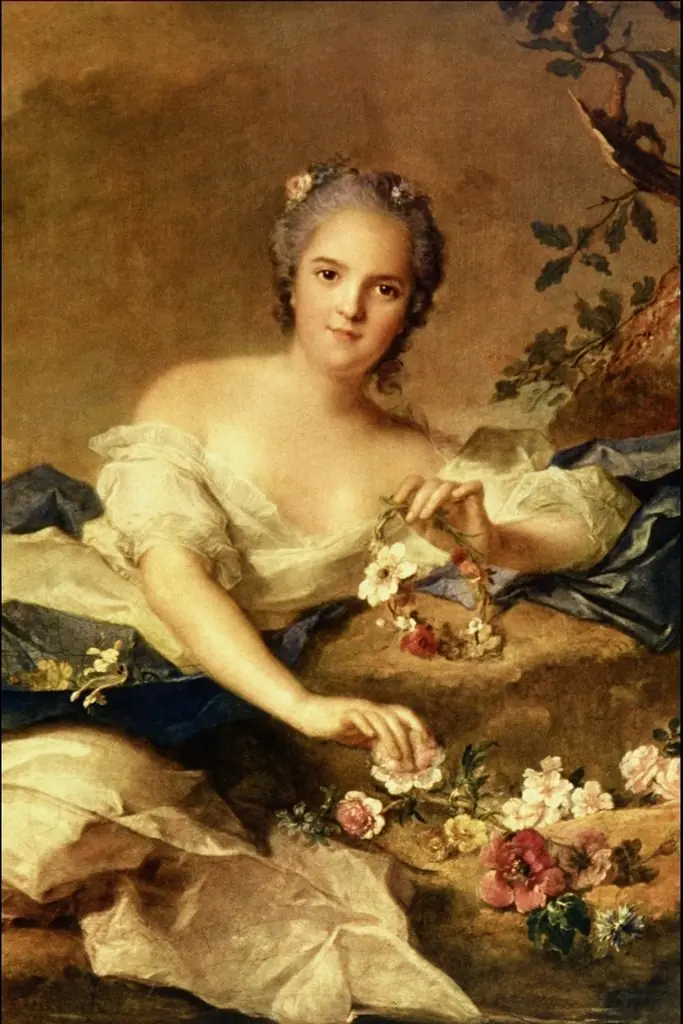 Henriette of France as Flora
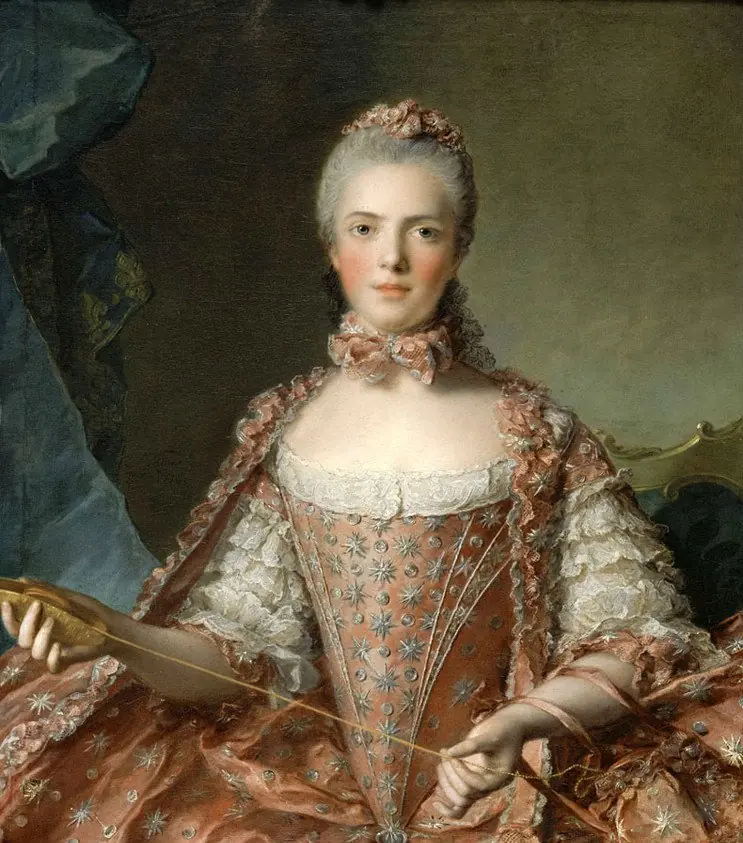 Adélaïde of France Tying Knots
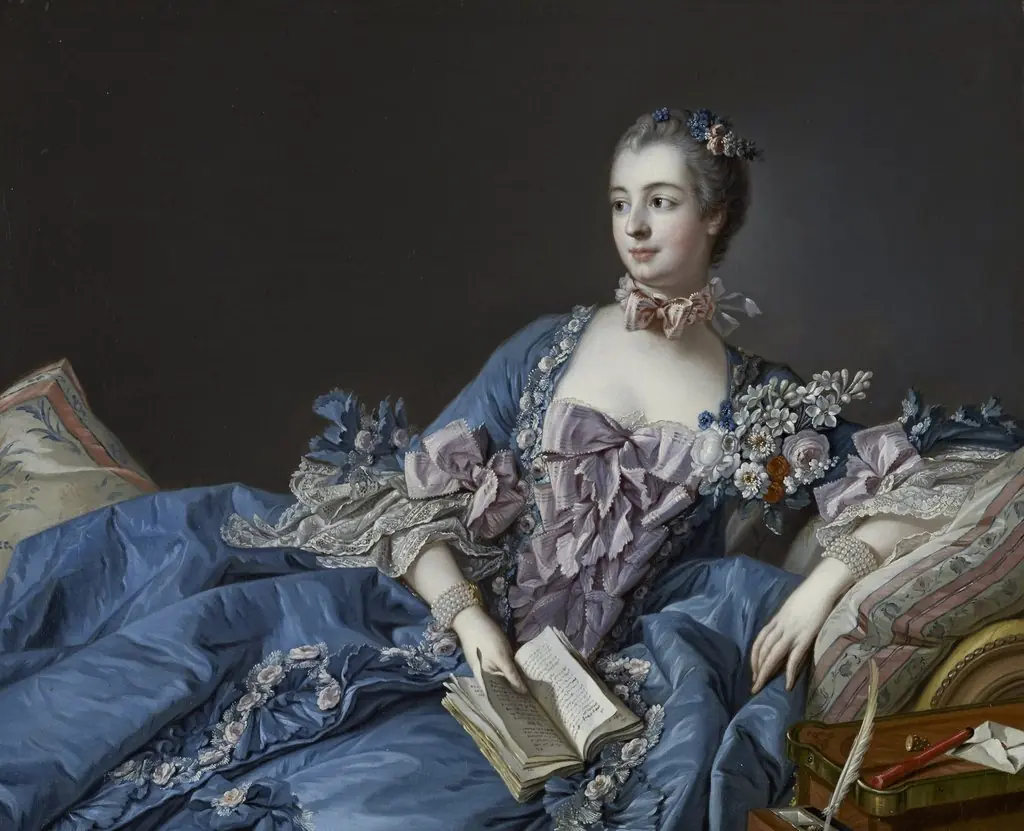 Madame de Pompadour
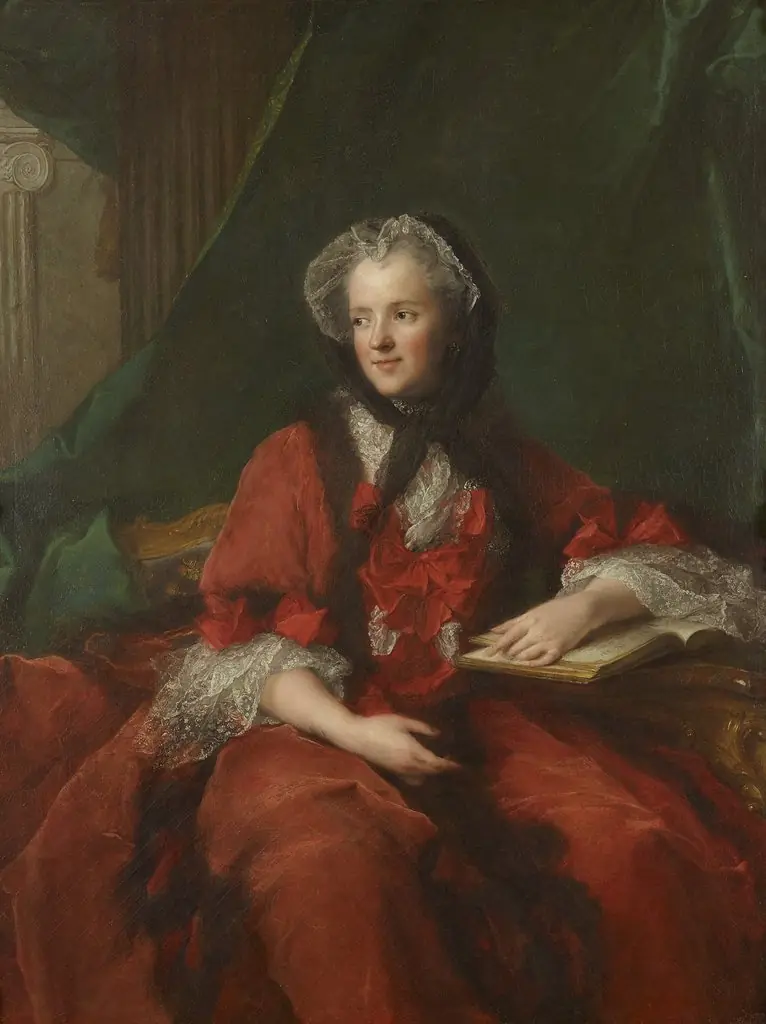 Portrait of Marie Leszczyńska
 María de las Nieves Micaela Fourdinier, the Painter's Wife