Artwork
Paradise
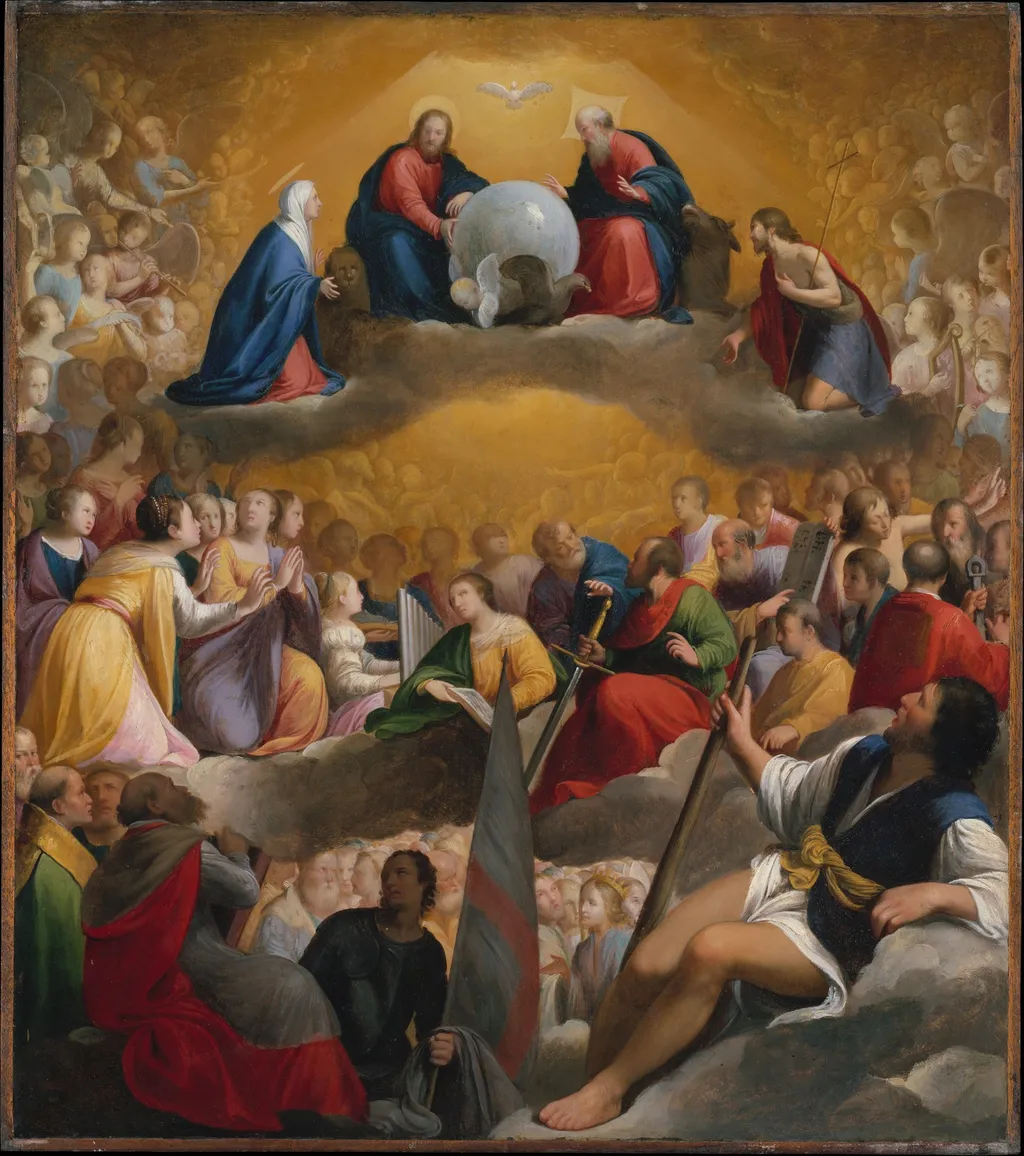
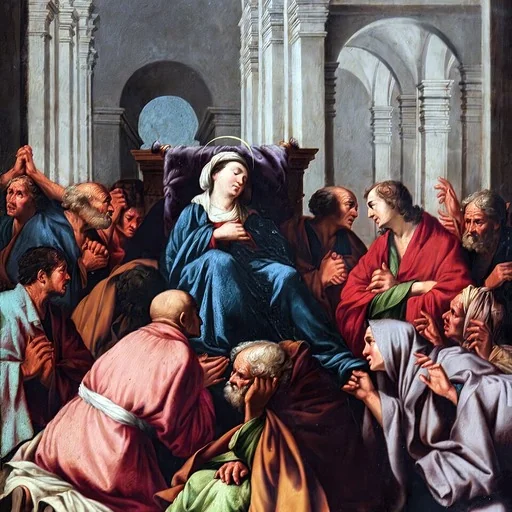
Paradise is an oil painting by the Early Baroque Italian artist Carlo Saraceni. It dates from 1600 and is held in the collection of the Metropolitan Museum of Art.
About this work
Subject & Meaning
Carlo Saraceni's 1598 copper painting, titled Paradise, operates within the genre of religious art yet presents a complex iconographic program.
Carlo Saraceni's 1598 copper painting, titled Paradise, operates within the genre of religious art yet presents a complex iconographic program. While the title suggests a depiction of heaven, the work's main subject is identified as the Fall of Man. The composition incorporates specific holy figures, including Jesus Christ, the Virgin Mary, John the Baptist, and Saint George.
This juxtaposition of the primordial sin with revered saints and divine figures creates a layered theological narrative, likely contrasting humanity's loss of innocence with the promise of redemption through the depicted sacred personages.
History & Provenance
Paradise is a religious painting executed by Carlo Saraceni in 1598. The work was created on a copper support using oil paint. Its primary subject matter depicts the fall of man, featuring figures including Jesus Christ, Mary, John the Baptist, and Saint George.
The painting is currently held in the collection of the Metropolitan Museum of Art. While the specific commission details and the full chain of ownership prior to its museum acquisition are not detailed in the available records, the work's creation date is firmly established as 1598. The physical dimensions of the copper panel are recorded as 53 centimeters in height and 46.7 centimeters in width.
Carlo Saraceni's painting Paradise, created in 1598, is held in the collection of the Metropolitan Museum of Art in New York. Executed in oil on copper, the work measures 53 centimeters in height and 46.7 centimeters in width. The piece depicts religious subjects including Jesus Christ, Mary, John the Baptist, and Saint George, with the fall of man as its main theme.
While the artwork is confirmed to be part of the museum's permanent holdings, the provided sources do not specify a unique inventory or accession number, nor do they list any specific exhibition history for the work. The painting remains a significant example of early 17th-century religious art within the institution's collection.
Context
Carlo Saraceni's Paradise, executed in 1598 on copper, occupies a significant position within the corpus of early Baroque religious art. The work, currently held by the Metropolitan Museum of Art, synthesizes the artist's engagement with the Counter-Reformation through its depiction of the Fall of Man alongside figures such as Jesus Christ, Mary, John the Baptist, and Saint George. By utilizing copper as a support, Saraceni employed a medium favored for its capacity to render fine detail and vibrant luminosity, a technical choice that aligns with late sixteenth-century Venetian and Roman trends in small-scale devotional painting.
The painting's specific iconography and date place it within Saraceni's formative period, reflecting the broader artistic shift toward emotional immediacy and precise narrative clarity characteristic of the era's religious discourse.
Legacy
Carlo Saraceni’s 1598 oil on copper painting Paradise, originally intended for private devotion, entered the Metropolitan Museum of Art’s collection and is classified as religious art, underscoring its enduring scholarly relevance. The composition portrays John the Baptist, Saint George, Jesus Christ, and Mary, reflecting Counter‑Reformation themes of divine narrative. Its dimensions (53 × 46.7 cm) and material emphasize the technical sophistication of the period.
Inclusion in a premier museum has facilitated continued study of the work’s stylistic influence on later religious imagery, securing its reputation as a notable example of early Baroque sacred painting.
Overview
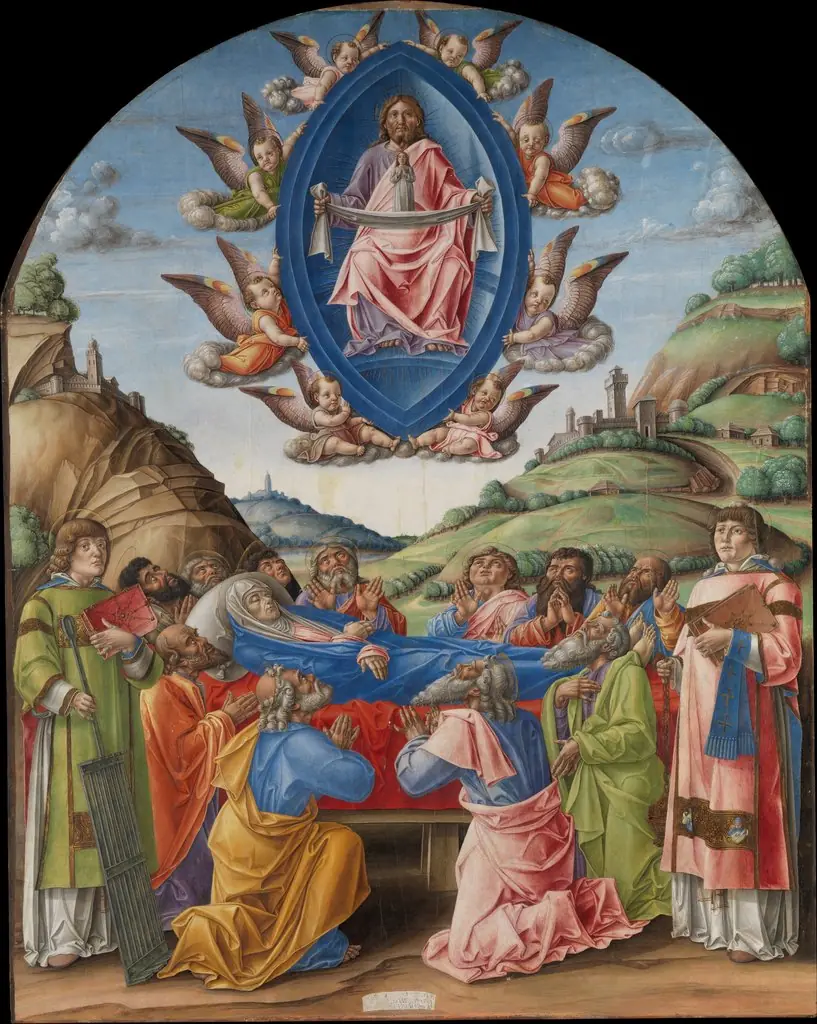
Carlo Saraceni, an Italian painter active during the late 16th and early 17th centuries, completed Paradise in 1600. This early Baroque religious painting, executed on copper, is a significant example of his work. It depicts a celestial gathering of key religious figures, characteristic of the period's devotional art. The artwork is currently housed in the collection of The Metropolitan Museum of Art.
Technique & Style
Saraceni employed a dramatic use of light and shadow to define the forms within Paradise. This technique, known as chiaroscuro, creates strong contrasts that highlight specific figures and draw the viewer's attention to the central narrative. Faces emerge from the darkness with striking clarity, while others recede into shadow, lending depth and emotional intensity to the crowded heavenly scene. This approach is characteristic of the early Baroque style.
Own this work as a print
Artist & collection
Artist
Carlo Saraceni (1579 – 16 June 1620) was an Italian early-Baroque painter, whose reputation as a "first-class painter of the second rank" was improved with the publication of a modern monograph in 1968.