Artwork
Felipe de Borbón duque de Parma
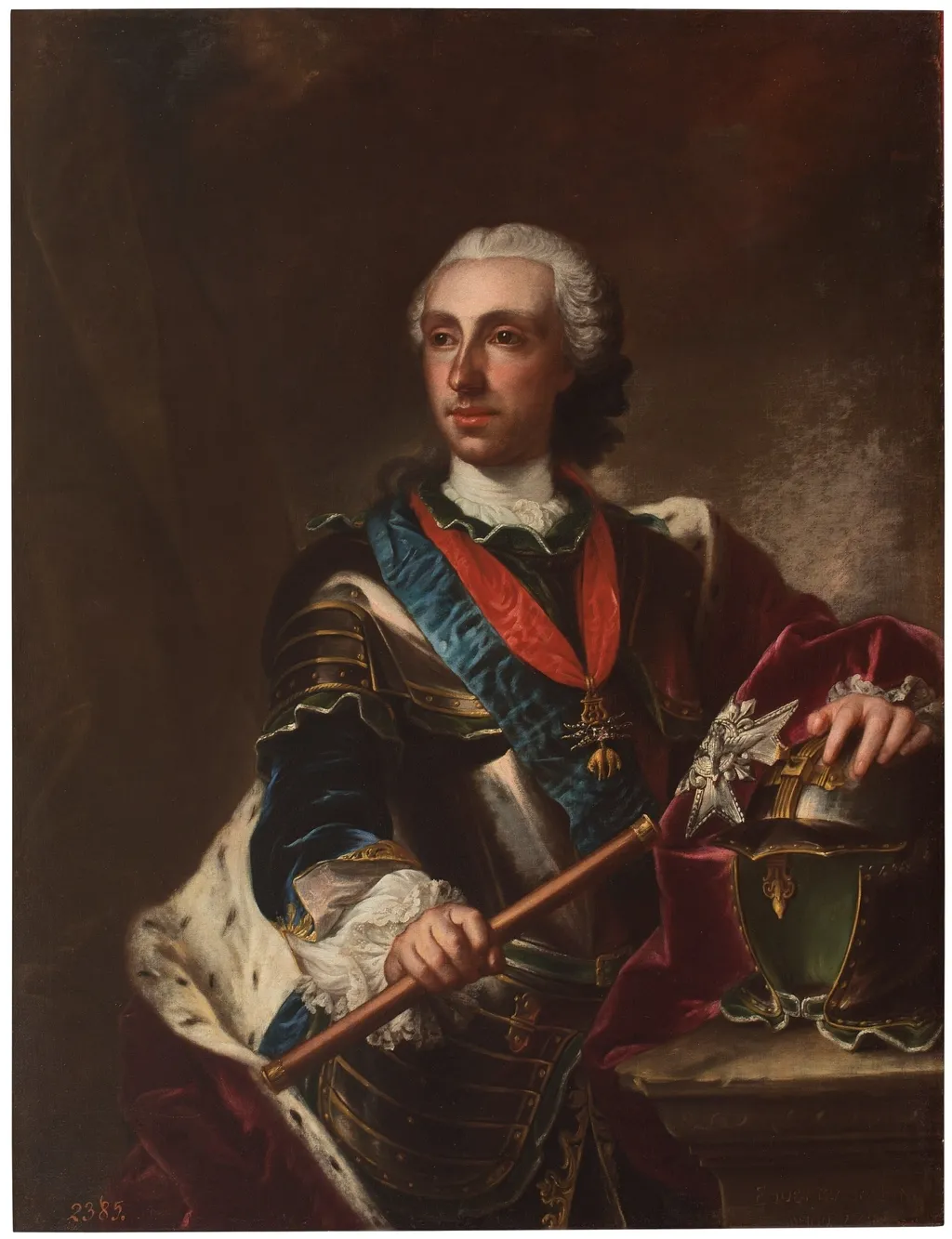
Felipe de Borbón duque de Parma is an oil painting by the Rococo painting artist Francesco Carlo Rusca. It dates from 1745 and is held in the collection of the Museo del Prado.
About this work
Subject & Meaning
Together, these elements construct an image of Felipe not merely as a nobleman, but as a legitimate ruler endowed with martial strength and dynastic prestige.
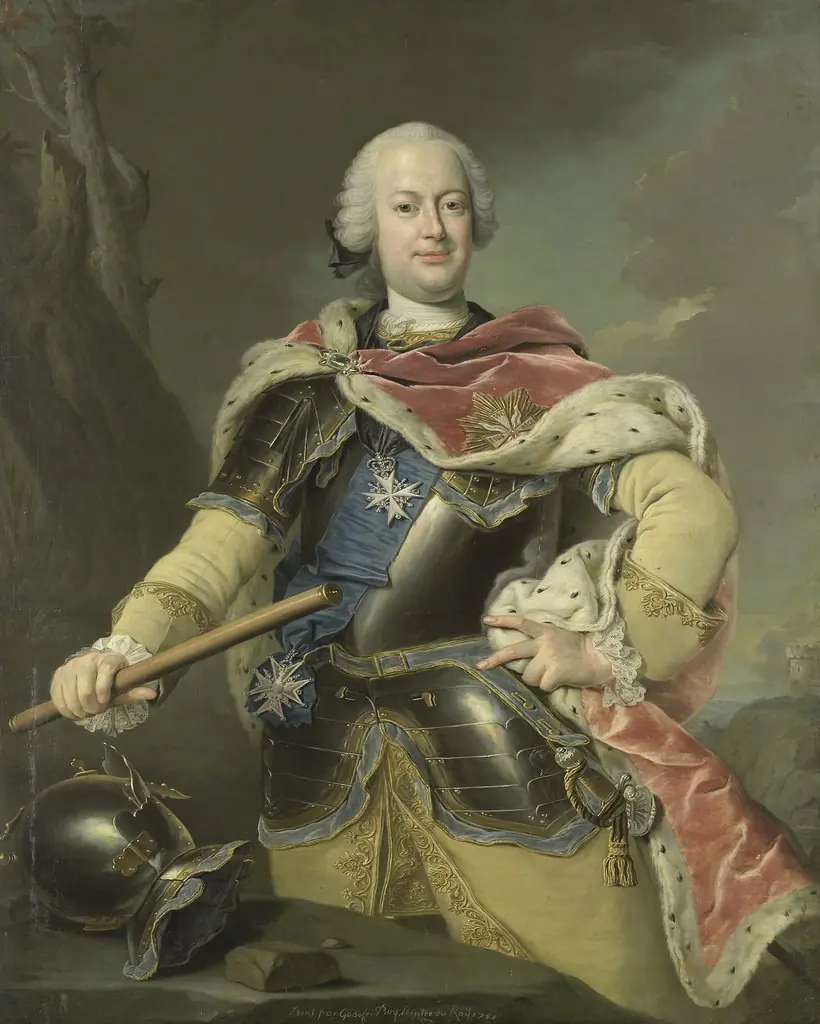
Painted in 1745 by Francesco Carlo Rusca, this portrait depicts Felipe de Borbón, the Duke of Parma. The iconography centers on symbols of royal authority and chivalric honor. The subject is shown wearing body armor, signifying his military role or status as a commander.
Draped over the armor is the collar of the Order of the Golden Fleece, a prestigious chivalric order, emphasizing his high noble standing. He also holds a sceptre, a traditional emblem of sovereign power and governance. Together, these elements construct an image of Felipe not merely as a nobleman, but as a legitimate ruler endowed with martial strength and dynastic prestige.
Technique & Style
The portrait is executed in oil paint on canvas, a standard medium for mid-eighteenth-century European portraiture. According to the Wikidata record, the work measures 118 cm in height by 90 cm in width, giving it a vertical, half- to three-quarter-length format suited to a formal state portrait.
Stylistically, the painting employs the iconographic conventions of dynastic portraiture, depicting the sitter with attributes of rank and sovereignty: body armor, the Golden Fleece, and a sceptre. These regalia function as visual signifiers of the subject's status as a member of the House of Bourbon-Parma, rendered in a manner consistent with Francesco Carlo Rusca's courtly practice. The combination of martial armor with symbols of chivalric and sovereign authority reflects the formal, ceremonial mode typical of Bourbon court imagery of the period.
Overview
Felipe de Borbón duque de Parma is an oil painting created in 1745 by Francesco Carlo Rusca, an itinerant Italian-Swiss portraitist. The work is characterized by its association with the Rococo movement and is part of the Museo del Prado's collection.
History & Provenance
Created in 1745, the painting's history prior to its acquisition by the Museo del Prado is not detailed here. It is currently part of the museum's permanent collection.
Context
As a Rococo portrait, Felipe de Borbón duque de Parma reflects the era's emphasis on elegance, symbolic detail, and the portrayal of aristocratic subjects in lavish settings, albeit here simplified to focus on the duke.
Own this work as a print
Artist & collection
Artist
Francesco Carlo Rusca, or Carlo Francesco Rusca, also known as Ritter von Rusca (1 January 1693 – 11 May 1769) was an itinerant Italian-Swiss painter, best known for his portraits.

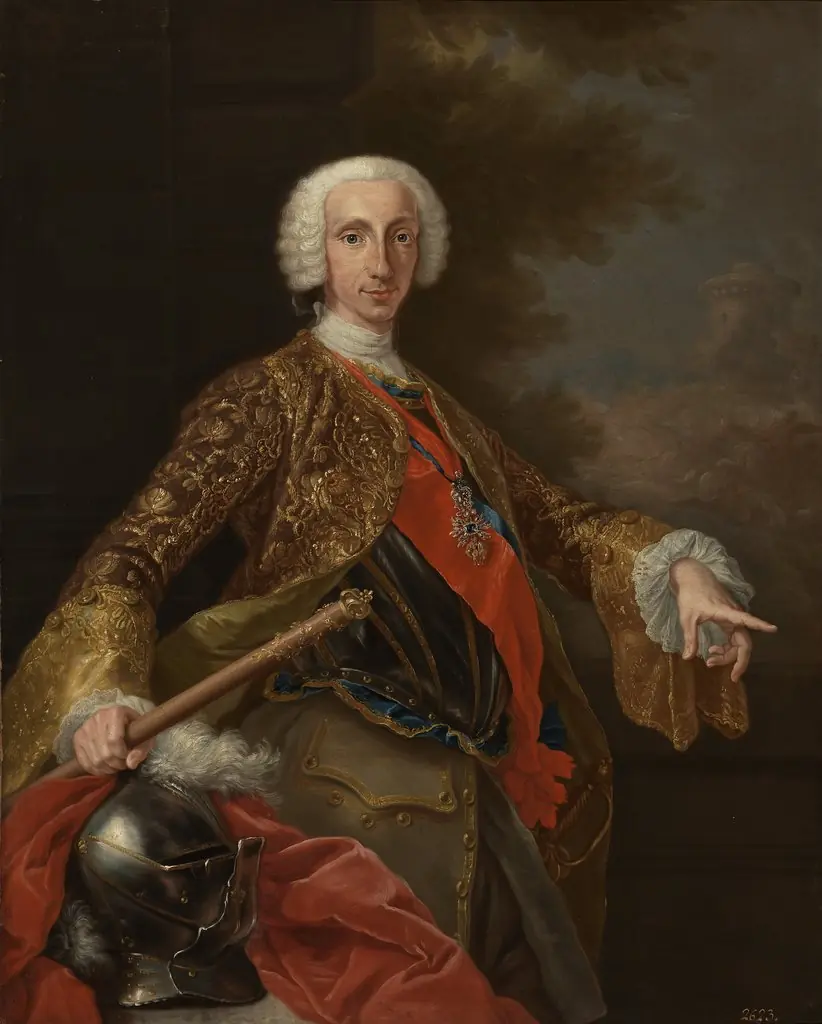
- Carlos de Borbón rey de las Dos Sicilias
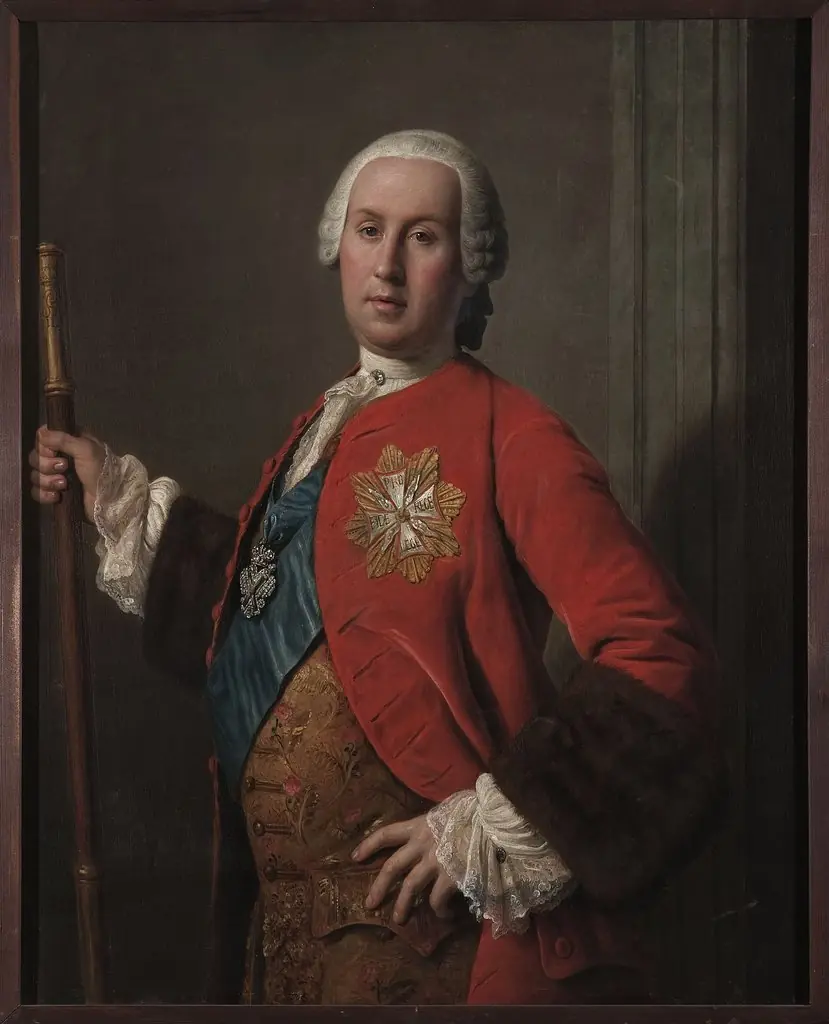 Portrait of Jerzy August Mniszech (1715–1778), his own coat of arms
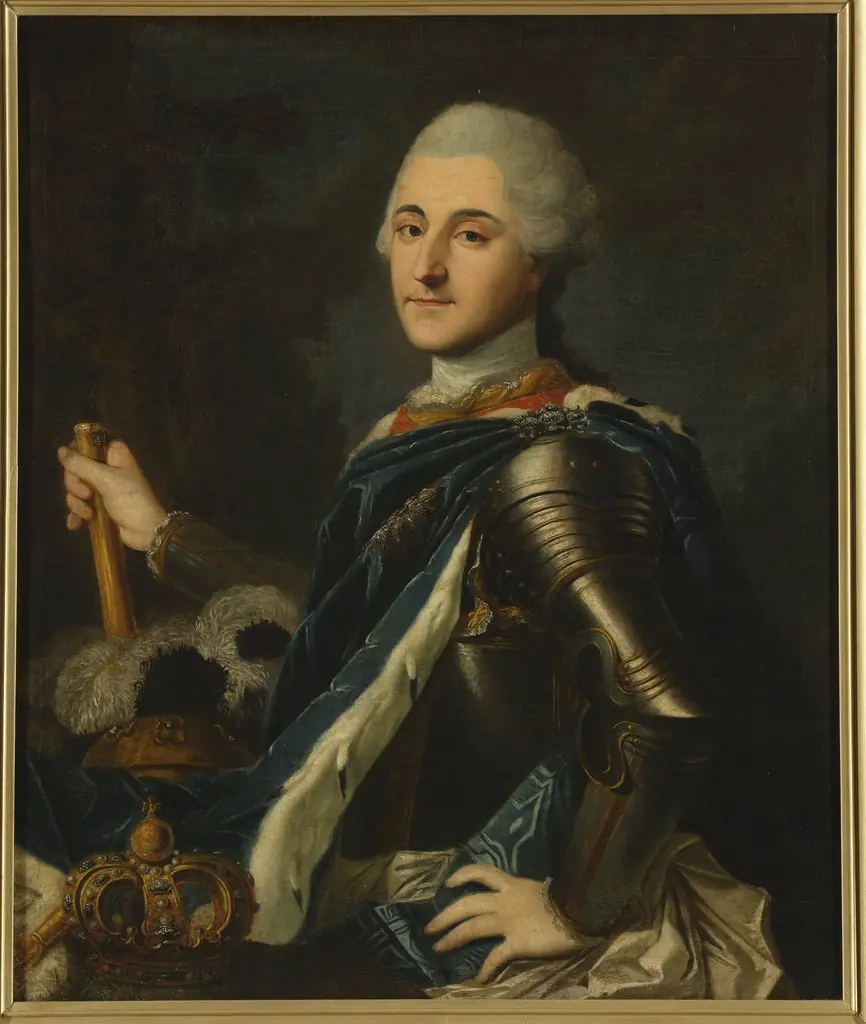 Portrait of king Stanisław August in armour
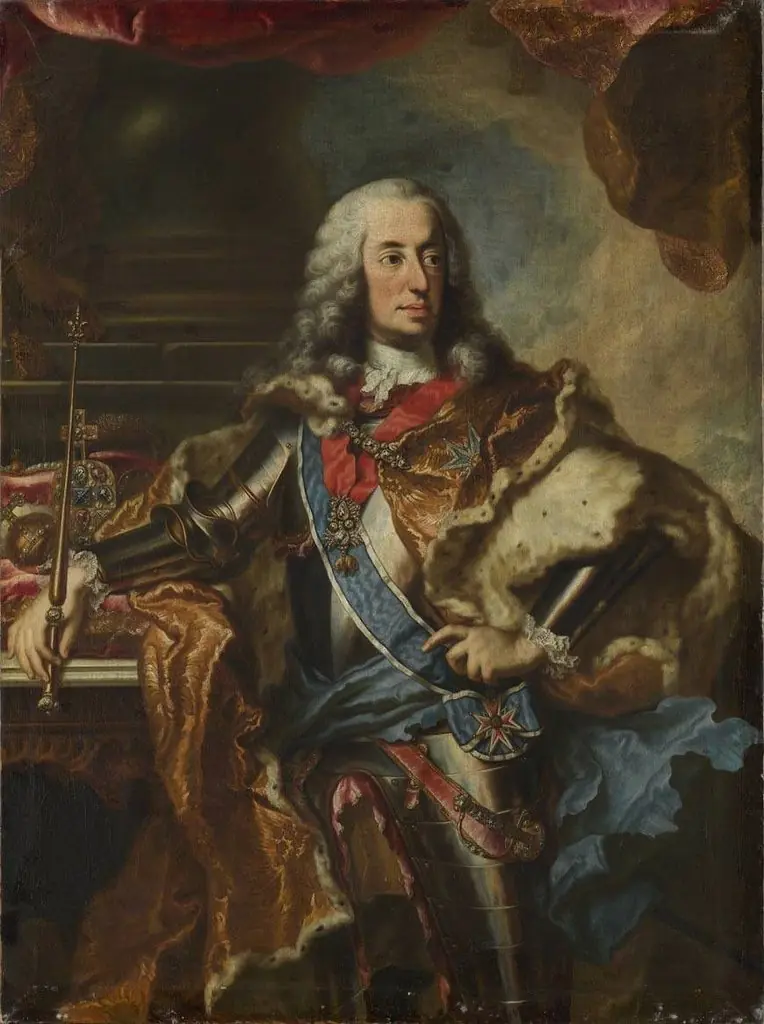 Kurfürst Karl Albrecht als Kaiser Karl VII. (1697-1745)
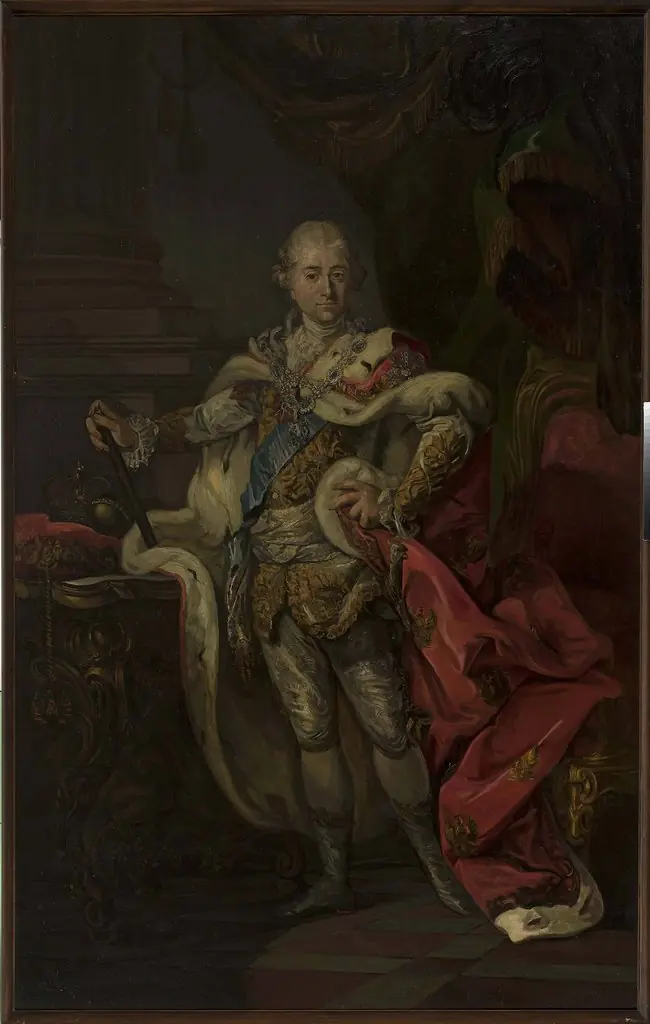 Portrait of Stanisław August in the coronation costume
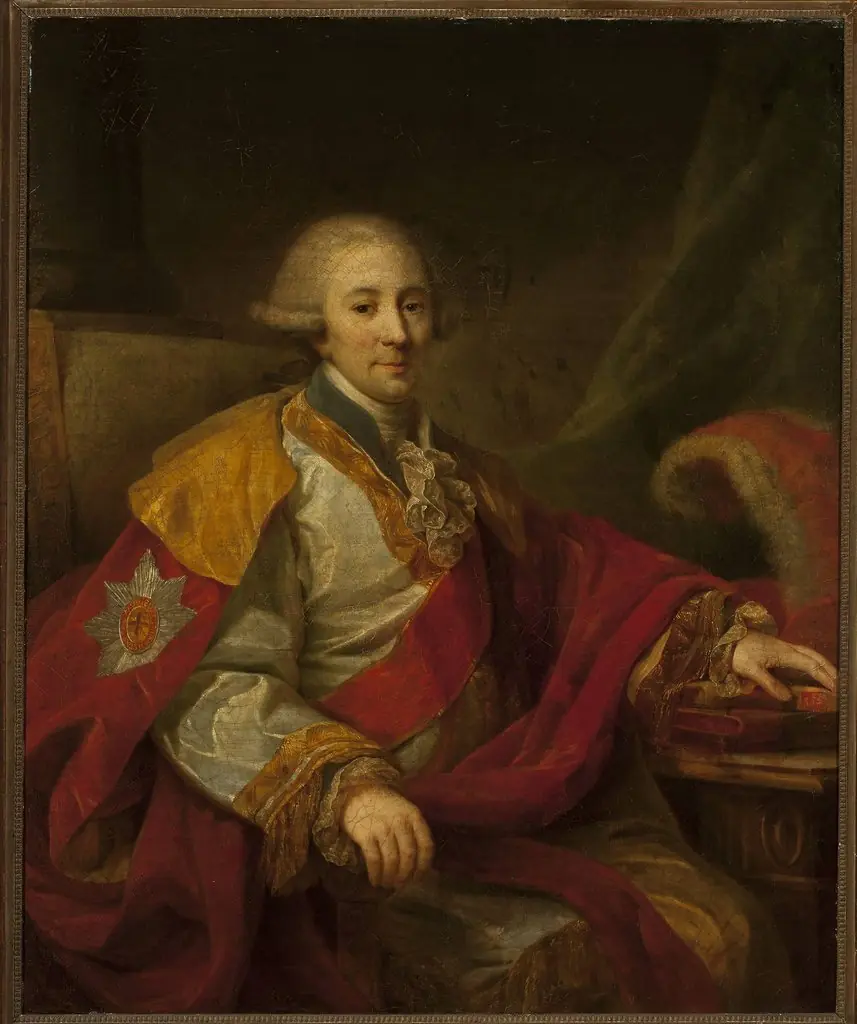 Portrait of a dignitary
 Bildnis des Kurfürsten Karl Theodor von Pfalz-Bayern (Werkstatt)
 Portrait of Frederick II, King of Prussia
 Bildnis von Christian IV., Herzog von Pfalz-Zweibrücken (1722-1775)
 Portrait of Kyrylo Rozumovsky
 Valtakunnanneuvos Ulrik Scheffer
 Friedrich Christian (1722-63), Elector of Saxony and King of Poland