Artwork
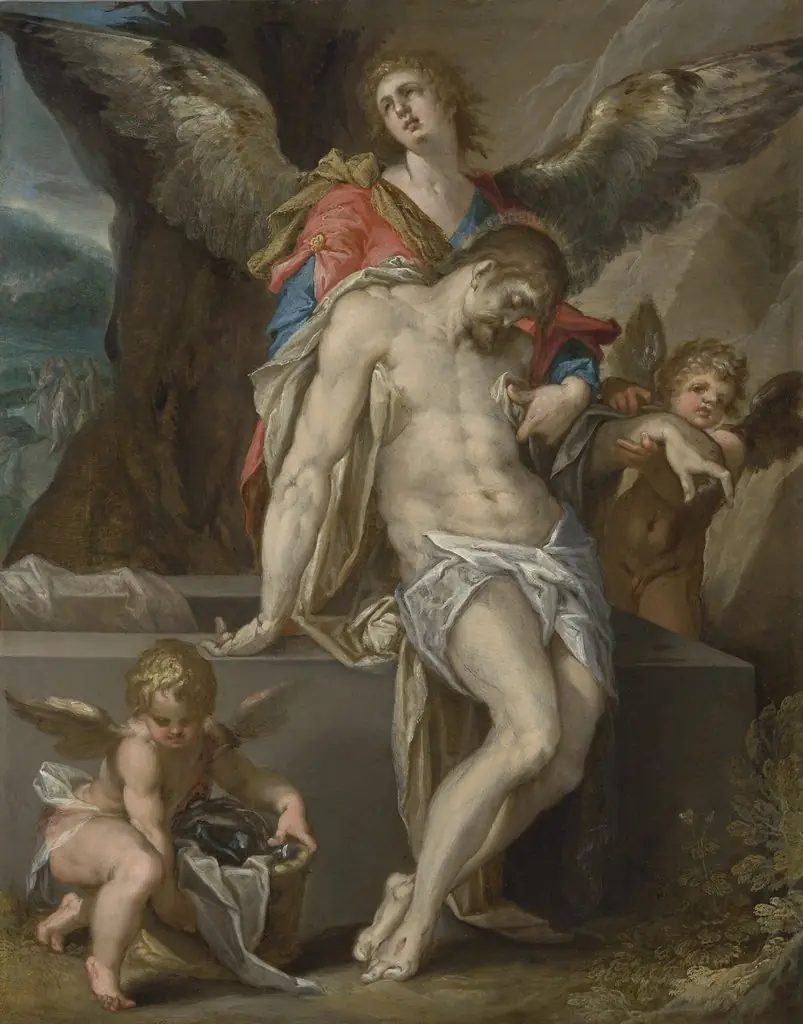
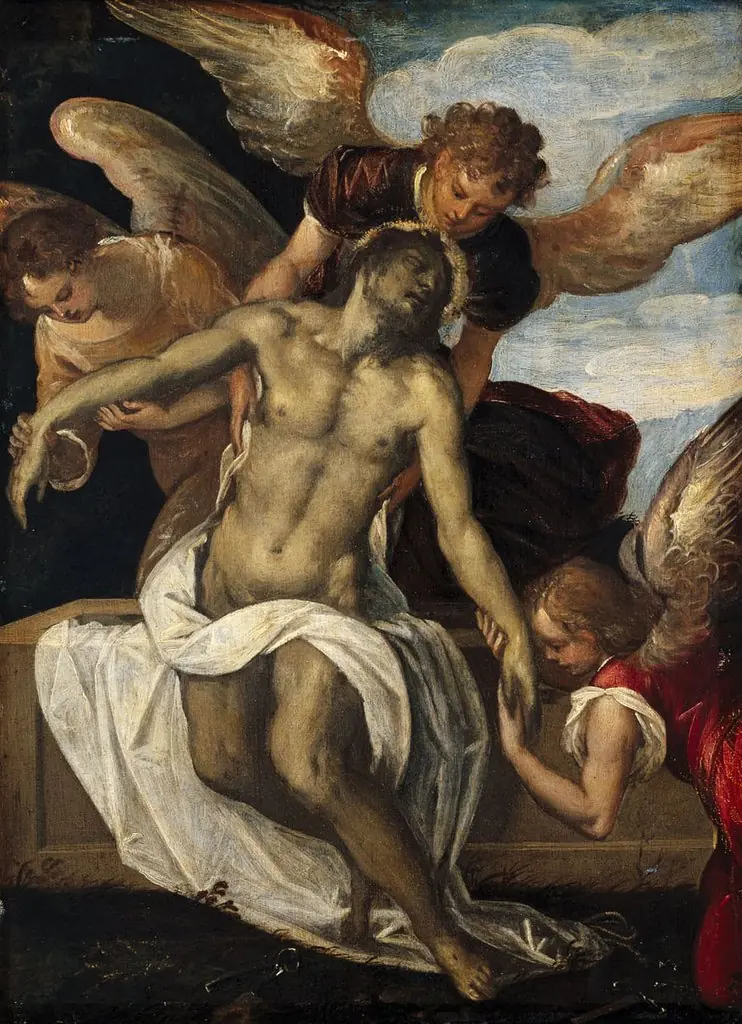
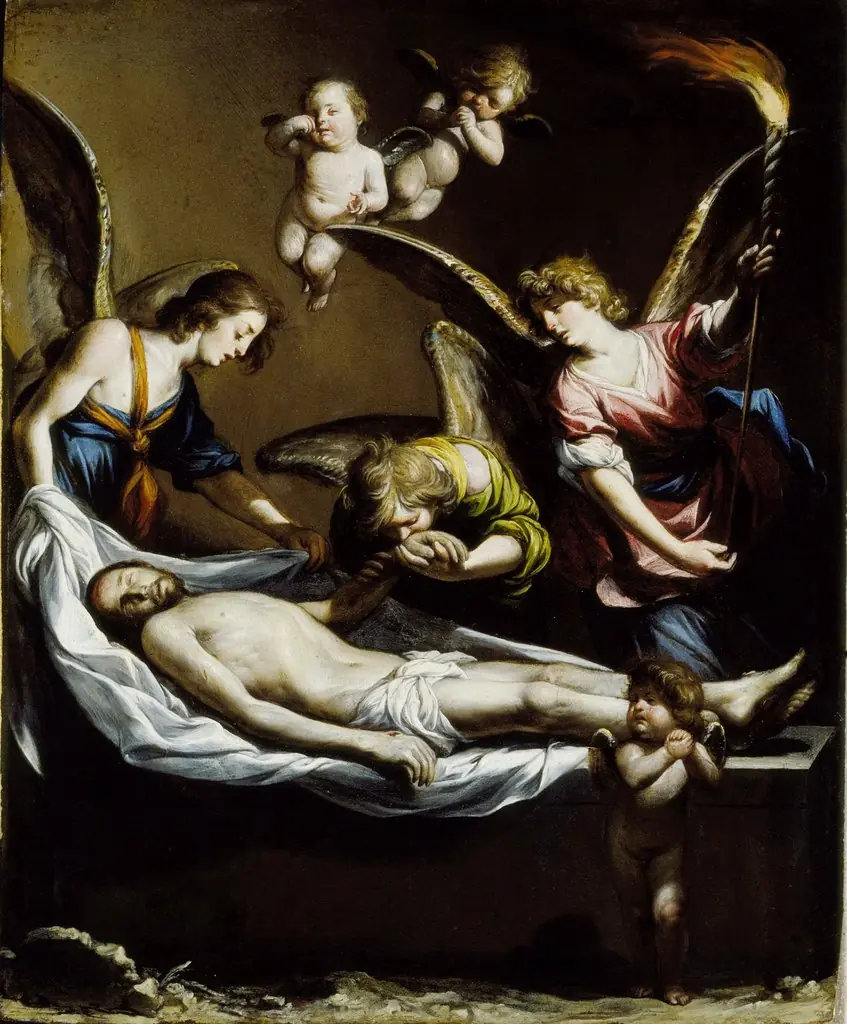
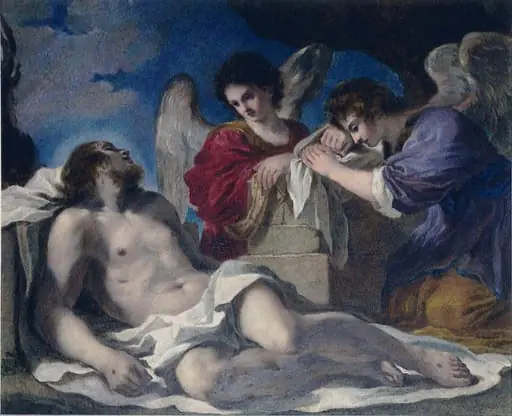
Body of Christ, held by angels
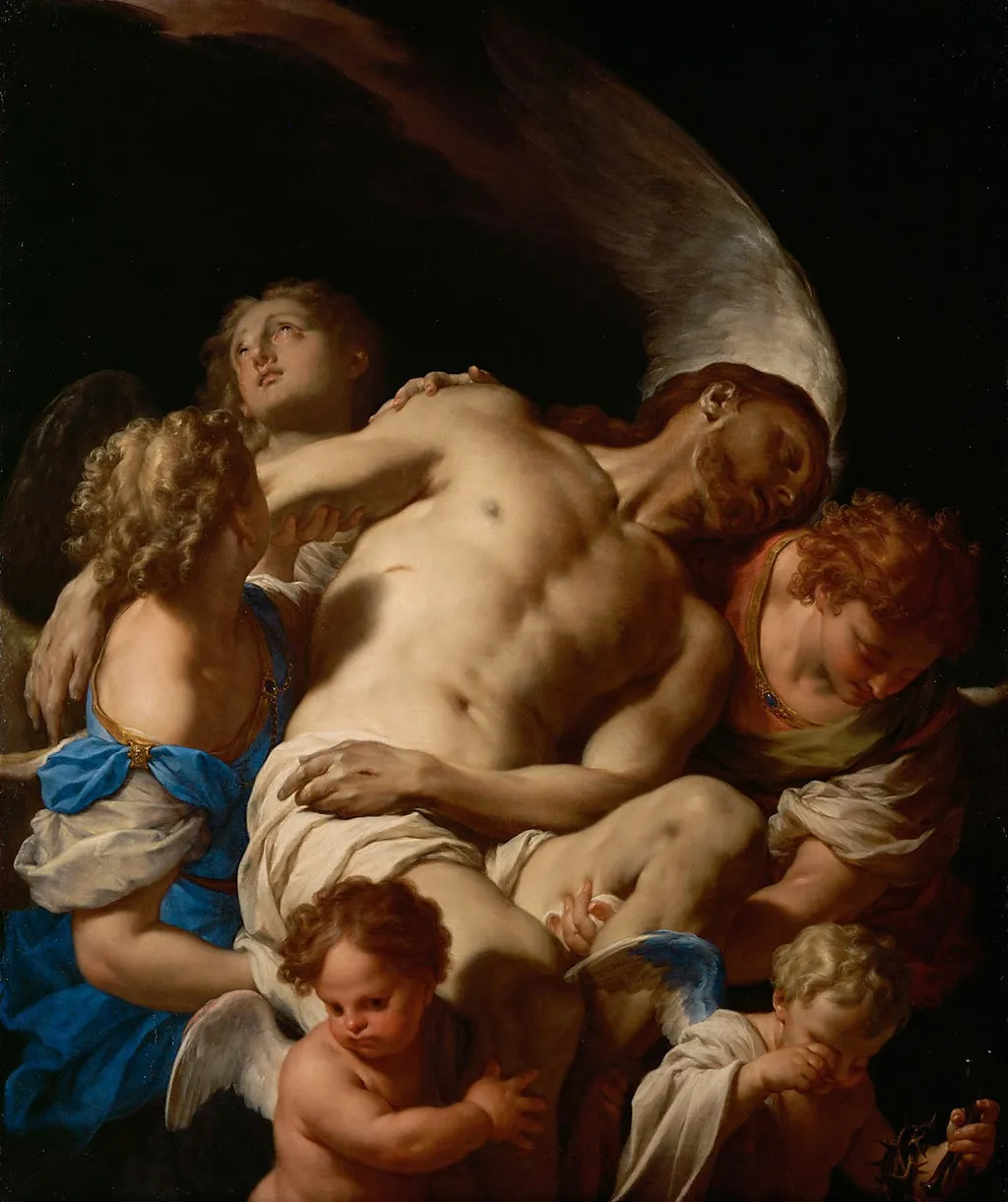
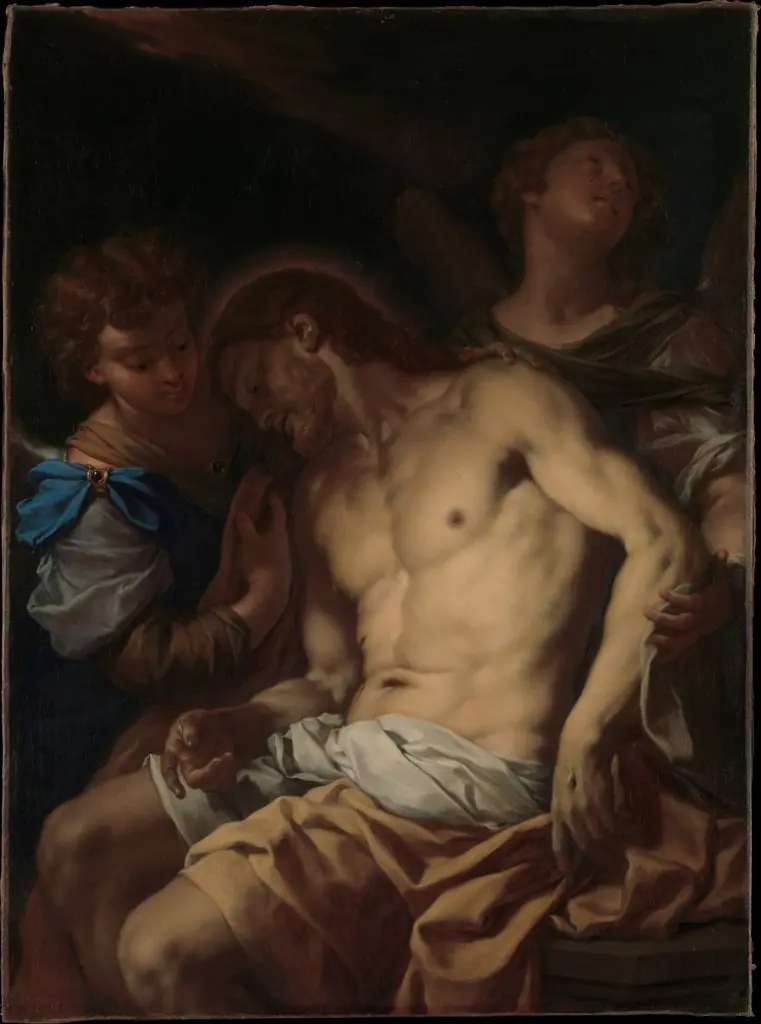
Body of Christ, held by angels is an unspecified painting by the High Baroque Italian artist Francesco Trevisani. It dates from 1707 and is held in the collection of the Kunsthistorisches Museum.
About this work
Subject & Meaning
The composition, held within a Kunsthistorisches Museum collection, serves as a devotional image characteristic of early 18th-century religious expression.
The painting depicts the dead body of Jesus Christ being supported by angels, a scene rooted in religious art traditions. Created by Francesco Trevisani in 1707, the work focuses on the sorrowful aftermath of the Crucifixion, presenting the lifeless figure of Christ as the central subject. This iconography emphasizes themes of sacrifice, mourning, and divine love, inviting the viewer to contemplate the Passion.
The composition, held within a Kunsthistorisches Museum collection, serves as a devotional image characteristic of early 18th-century religious expression.
History & Provenance
The work titled Body of Christ, held by angels was created in 1707 by Francesco Trevisani. It was painted for the high altar of the church of San Francesco a Ripa in Rome before being transferred to the Kunsthistorisches Museum in Vienna, where it remains in the collection today. The painting measures 139 cm in height and 124 cm in width.
The work is part of the collection of the Kunsthistorisches Museum, where it is recorded under its inventory number. It was created by Francesco Trevisani in 1707 and has been displayed in exhibitions at the museum focusing on 18th‑century religious painting.
Context
Francesco Trevisani painted this religious work in 1707, depicting the Body of Christ being borne by angels. It belongs to his mature period, characterized by a blend of Roman Baroque dynamism and Venetian coloristic sensibility, reflecting the transitional style of early 18th-century Roman painting. The composition shows Christ’s limp, lifeless body suspended among cherubic angels, a theme tied to devotional meditation on the Passion.
Trevisani, active in Rome and later in Vienna, synthesized the dramatic naturalism of artists like Carlo Maratta with a lighter, more ethereal palette, positioning him within the Roman school’s evolving narrative tradition. The work is part of the permanent collection at the Kunsthistorisches Museum in Vienna, where it remains on display.
Overview
Created in 1707 by the Italian painter Francesco Trevisani, Body of Christ, held by angels is an oil painting now part of the Kunsthistorisches Museum’s collection. Executed during the transition from the high Baroque to the early Rococo, the work presents a solemn religious scene in which the lifeless figure of Christ is supported by four celestial beings.
Technique & Style
Trevisani employs a pronounced chiaroscuro, allowing a soft, luminous glow to illuminate the flesh and drapery against a deep, muted background. The delicate handling of light creates a subtle modelling of forms, while the figures are rendered with the refined, balanced composition typical of the late Baroque, hinting at the emerging Rococo elegance in the gentle poses and flowing garments.
Artist & collection
Artist
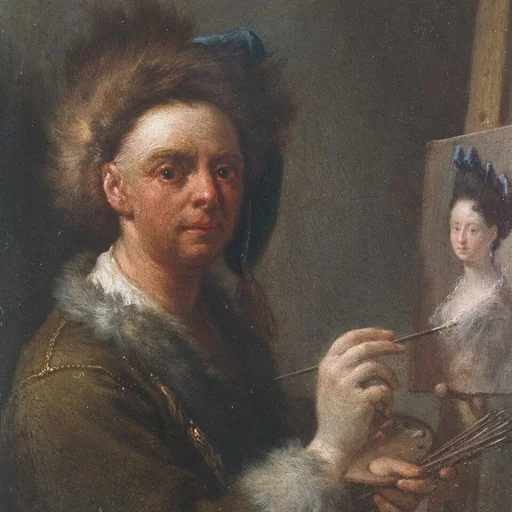
Francesco Trevisani (April 9, 1656 – July 30, 1746) was an Italian painter, active in the period called either early Rococo or late Baroque (barochetto).

- Dead Christ Supported by Angels
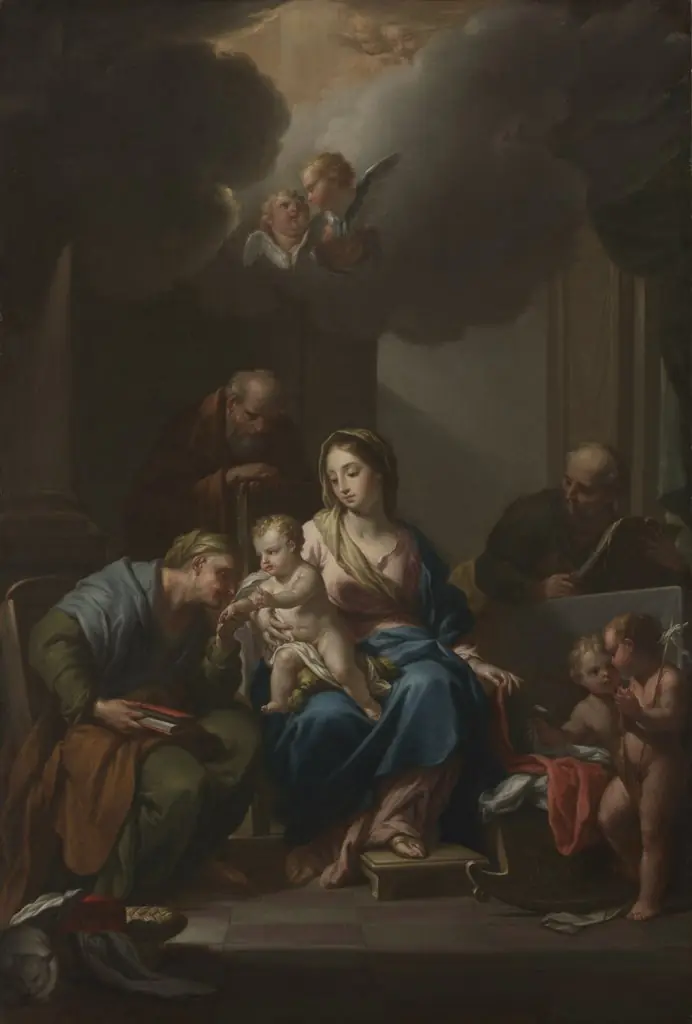 Presentation Sketch for "The Holy Family with Saints Anne, Joachim, and John the Baptist" (for Santa Maria in Via Lata, Roma)
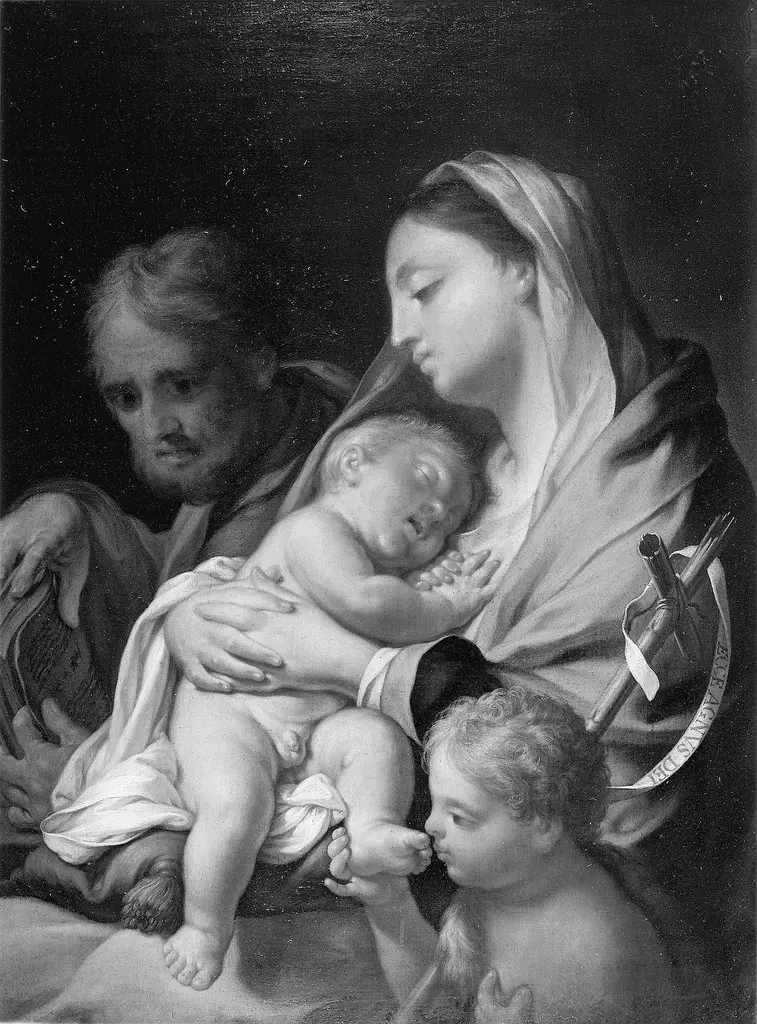 Holy Family with the Infant St. John
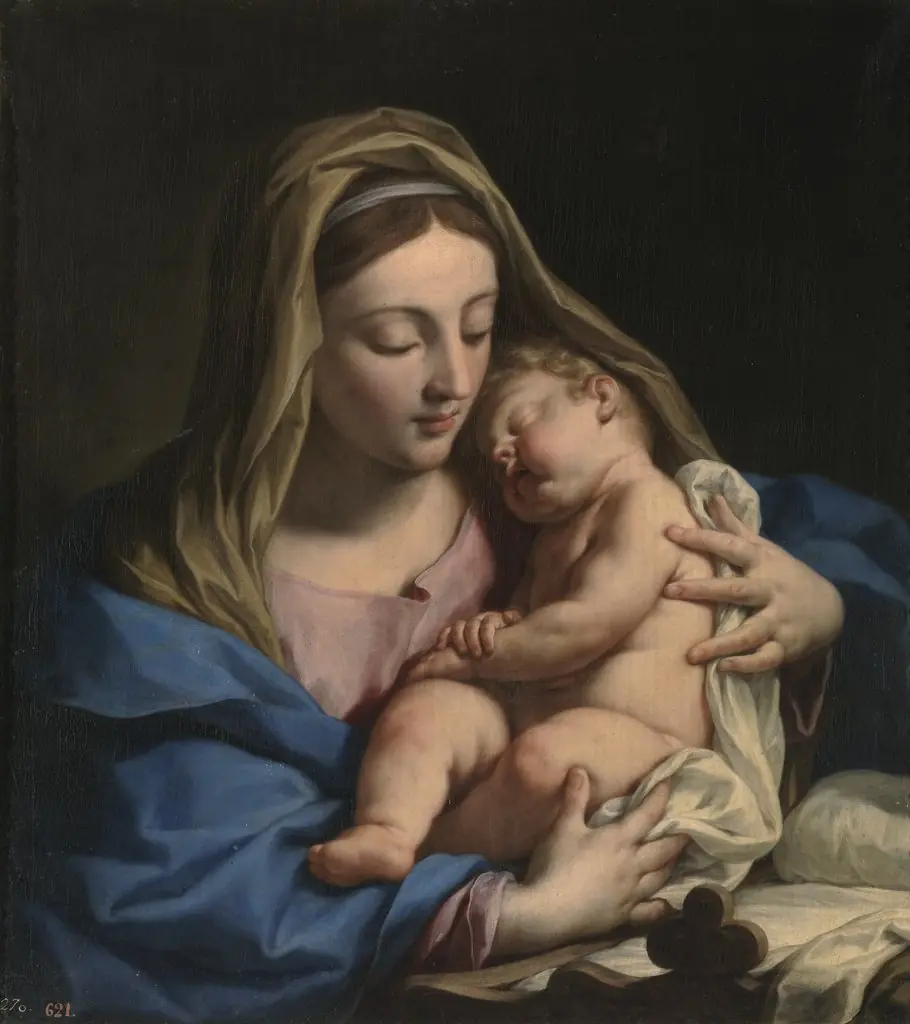 The Virgin and Child
 Hl. Sebastian
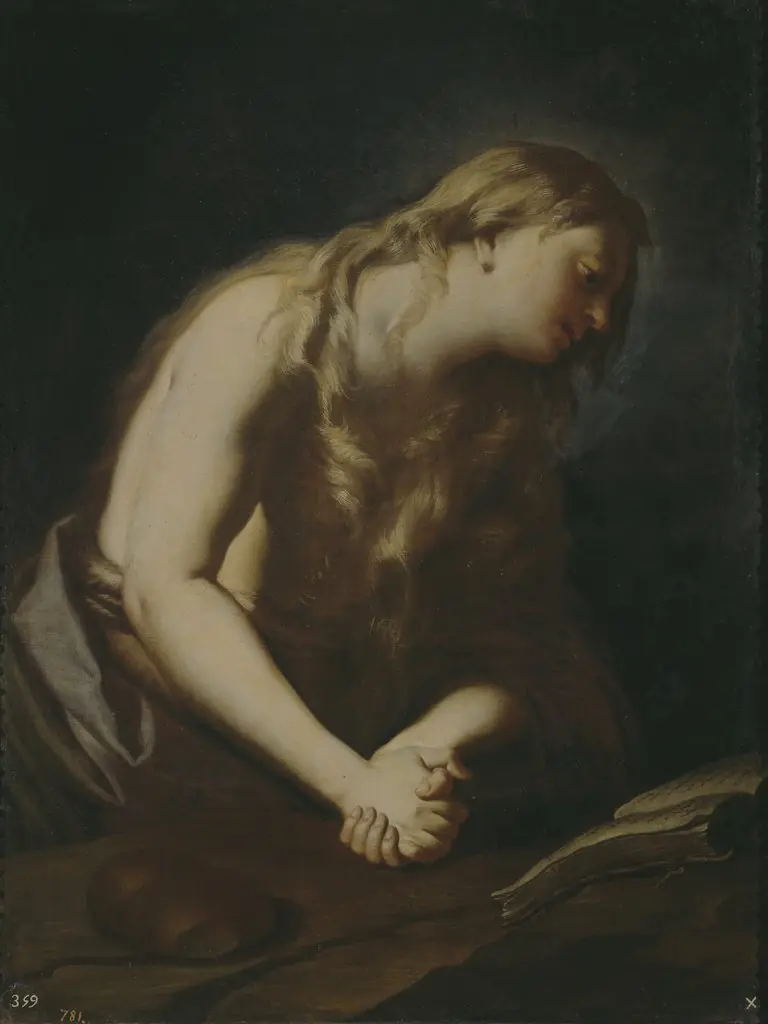 Penitent Magdalen
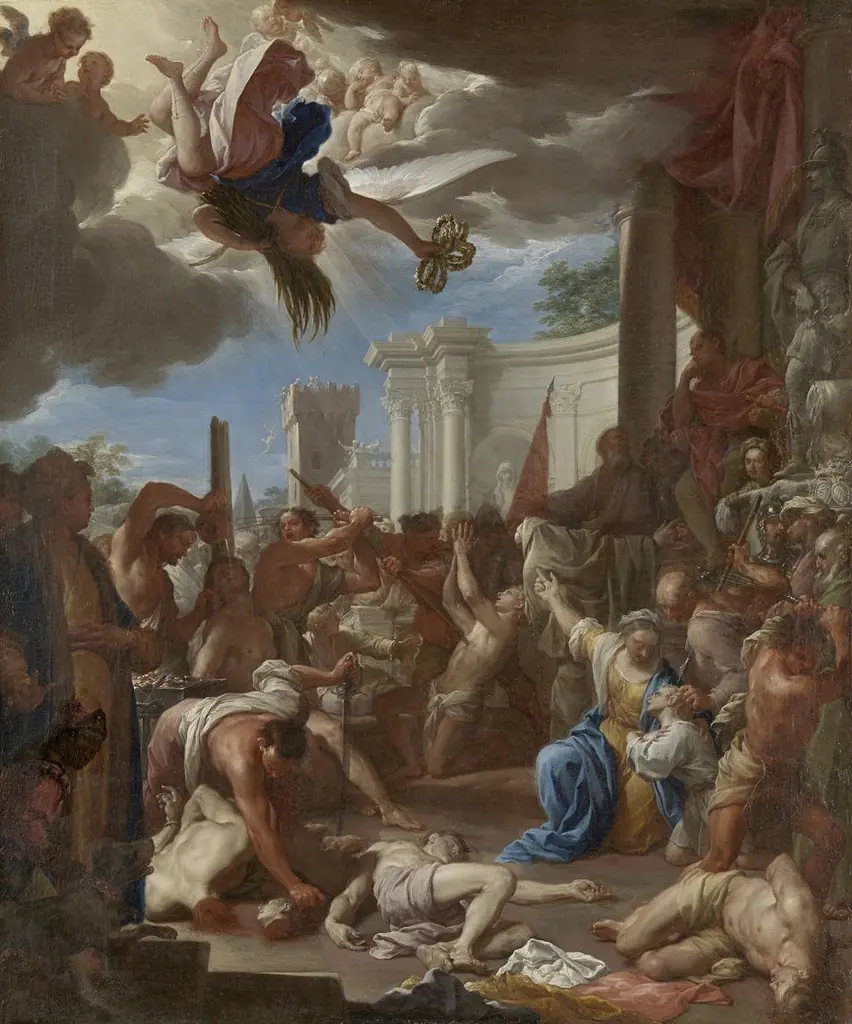 The Martyrdom of the Seven Sons of Saint Felicity
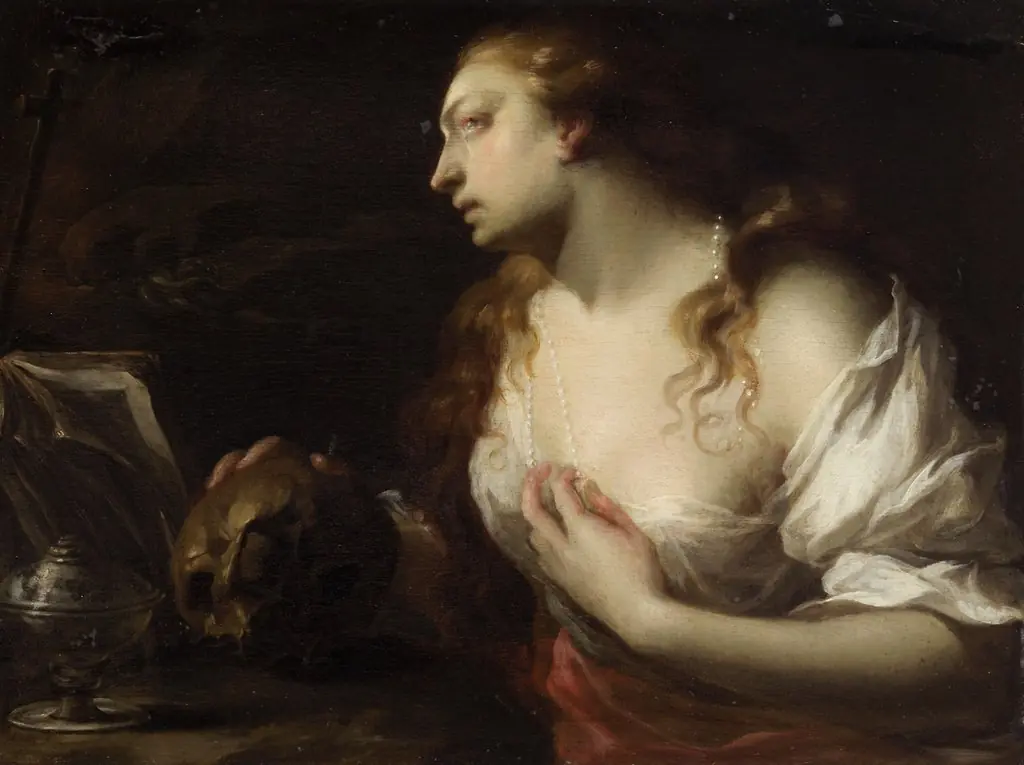 Penitent Mary Magdalene