Artwork
The Martyrdom of the Seven Sons of Saint Felicity
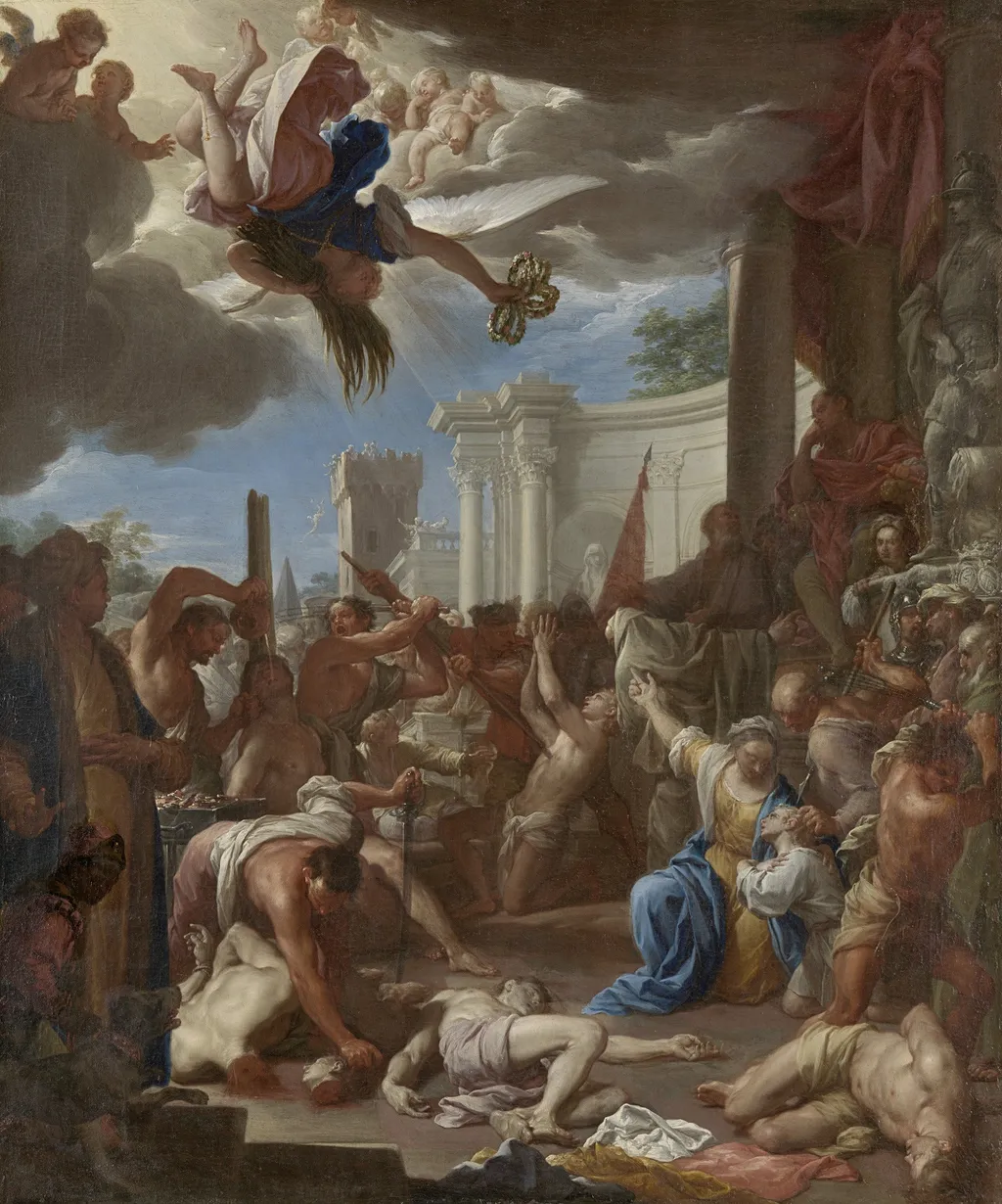
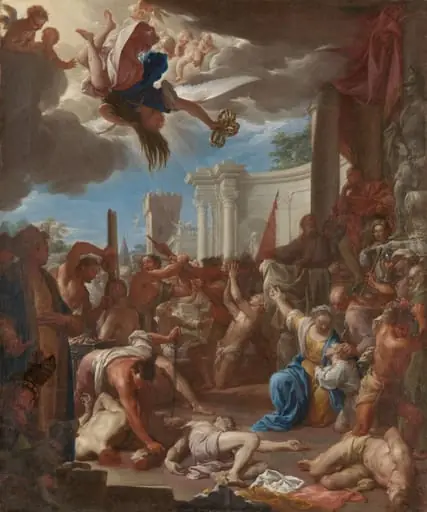
The Martyrdom of the Seven Sons of Saint Felicity is an oil painting by the High Baroque Italian artist Francesco Trevisani. It dates from 1709 and is held in the collection of the Rijksmuseum.
About this work
Technique & Style
The brushwork reveals Trevisani's refined technique and careful handling of light and shadow, contributing to the narrative clarity of the scene.
The work was executed in oil paint on canvas in 1709. It measures 75 cm in height by 62.6 cm in width. The composition depicts the martyrdom of seven sons of Saint Felicity with dramatic chiaroscuro and a balanced arrangement of figures characteristic of early 18th-century religious painting.
The brushwork reveals Trevisani's refined technique and careful handling of light and shadow, contributing to the narrative clarity of the scene.
History & Provenance
The painting titled The Martyrdom of the Seven Sons of Saint Felicity was created by the Italian artist Francesco Trevisani in 1709. Executed in oil on canvas, the work measures 75 cm in height and 62.6 cm in width. The piece is classified as a religious genre painting.
It currently resides in the collection of the Rijksmuseum, where it is held as part of their permanent holdings. No specific details regarding the original commission or the intermediate ownership history between its creation in the early eighteenth century and its acquisition by the museum are provided in the available records.
Context
The Martyrdom of the Seven Sons of Saint Felicity is a 1709 oil painting by Francesco Trevisani depicting a hagiographic scene of seven martyred brothers. Executed in oil on canvas (75 cm × 62.6 cm), the work exemplifies late Baroque religious painting in the Roman tradition and reflects Trevisani's prominence as a Venetian-born artist active in Rome, known for devotional subjects blending dynamism with devotional clarity. It is held in the Rijksmuseum collection, underscoring its significance within European religious art narratives.
Overview
Francesco Trevisani’s 1709 oil painting, The Martyrdom of the Seven Sons of Saint Felicity, presents a turbulent biblical tableau rendered in the late‑Baroque idiom. The composition is anchored by a grieving woman kneeling beside a fallen figure, while a crowd of anguished men reacts around her. Above the turmoil, a serene winged presence hovers, holding a cross‑shaped emblem, creating a stark contrast between earthly suffering and celestial calm.
Subject & Meaning
The work visualises the legendary martyrdom of Saint Felicity’s seven sons, a story of steadfast faith under persecution. The central female figure, traditionally identified as Saint Felicity, embodies maternal sorrow, while the surrounding men illustrate the violent climax of the narrative. The angelic figure, untouched by the chaos, suggests divine witness and the promise of salvation beyond the immediate tragedy.
Own this work as a print
Artist & collection
Artist
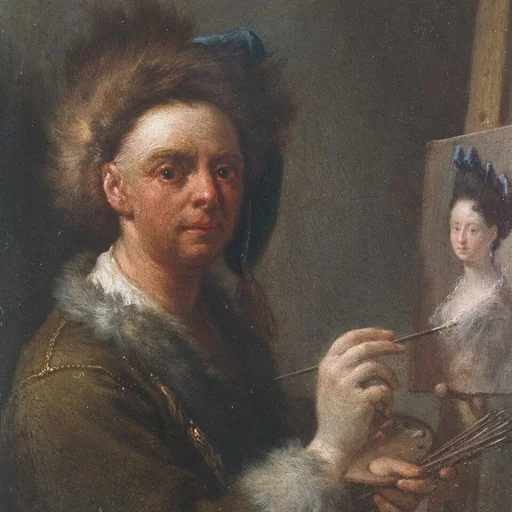
Francesco Trevisani (April 9, 1656 – July 30, 1746) was an Italian painter, active in the period called either early Rococo or late Baroque (barochetto).

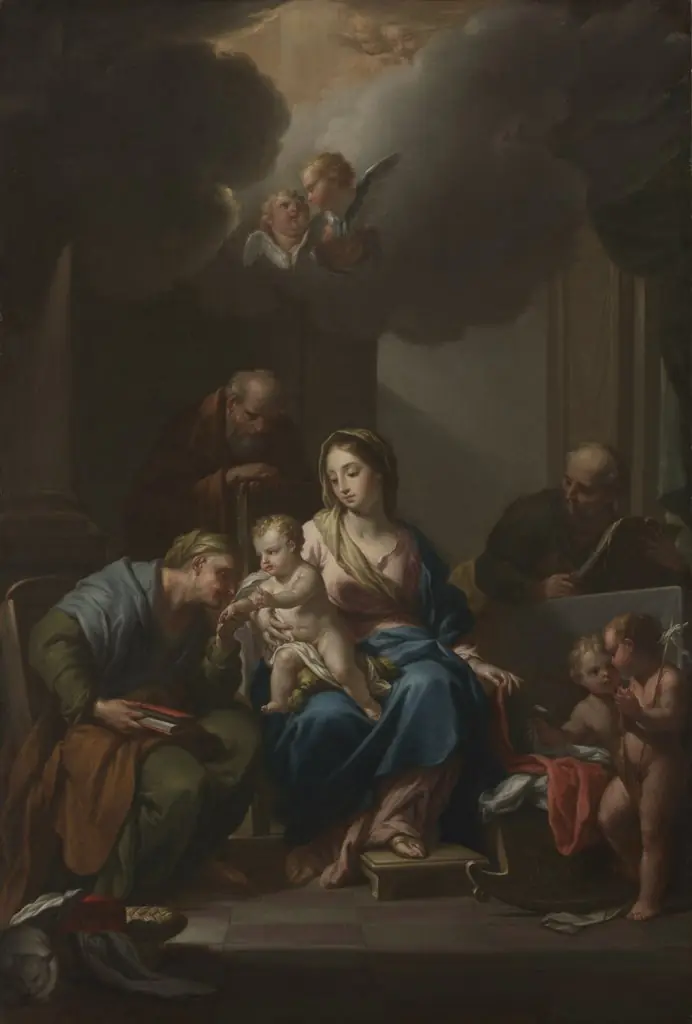
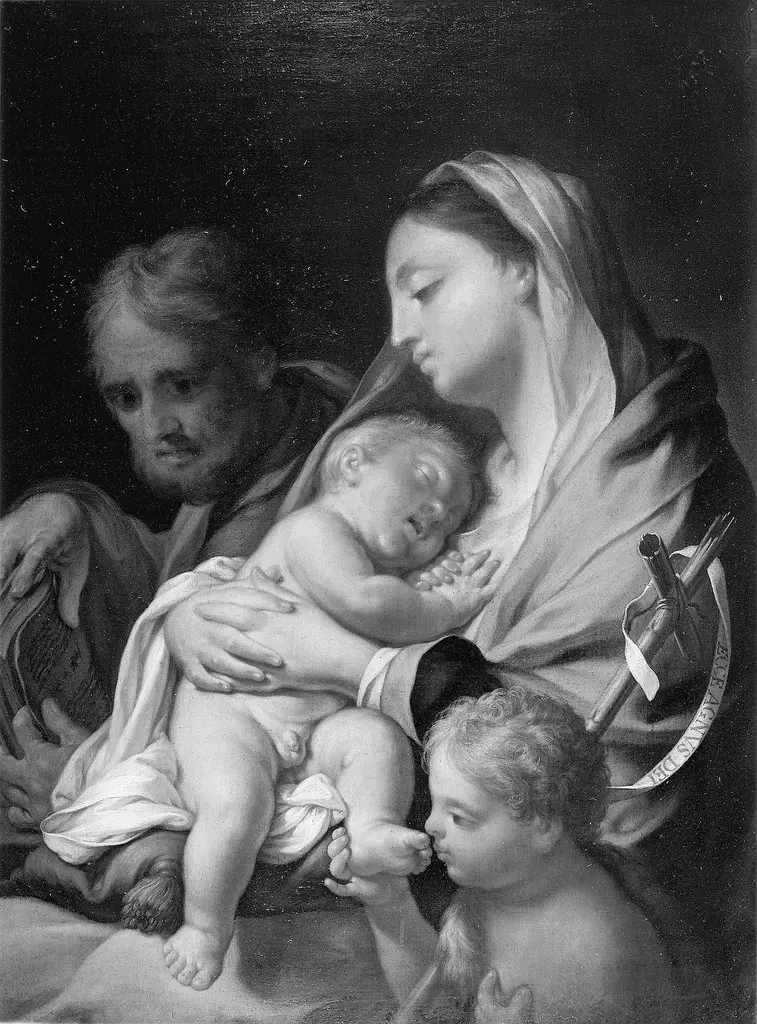
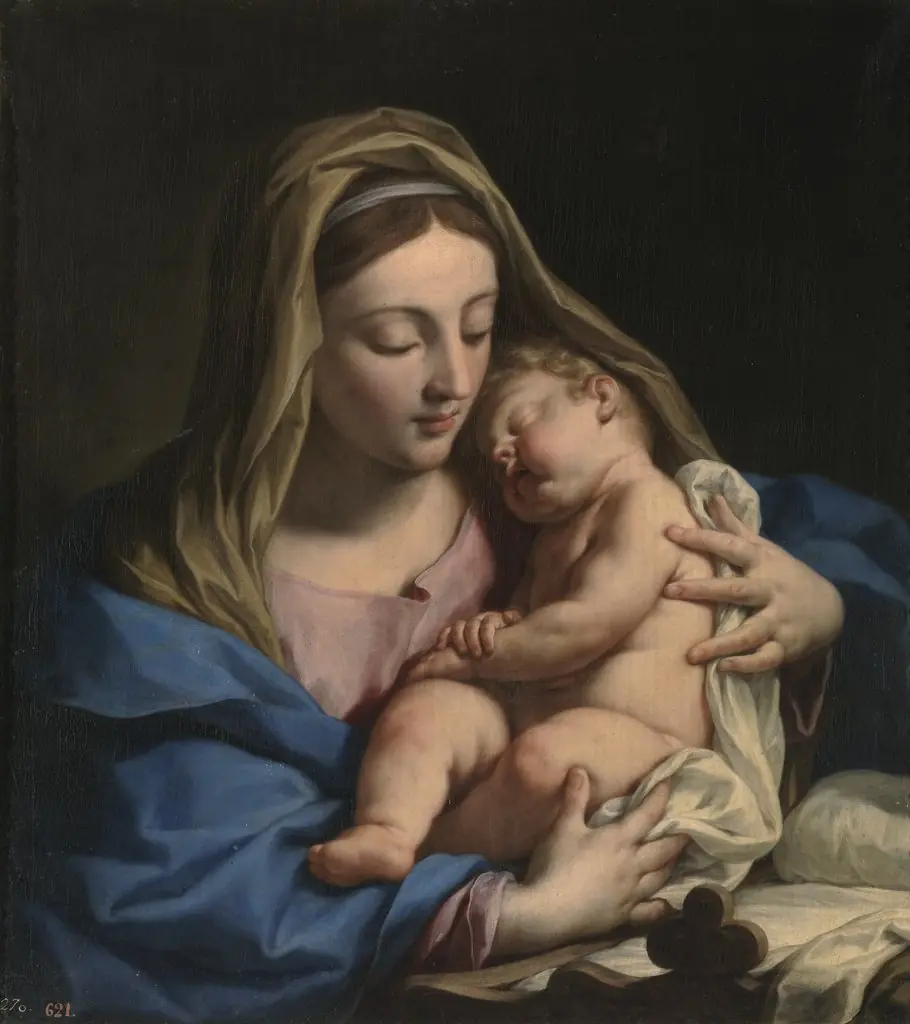
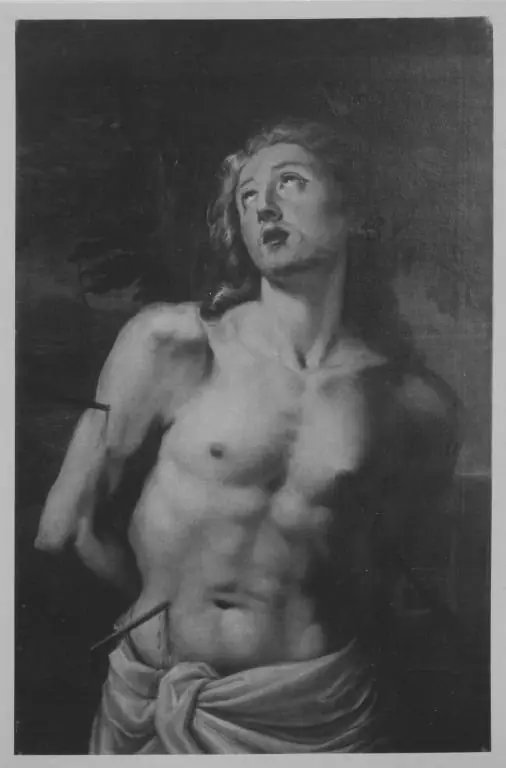
 Het martelaarschap van de zeven broers, de zonen van de heilige Felicitas
 Martirio di san Vitale
 Transfer of the Ark of the Covenant by David
 Christ in the Praetorium
 Martyrium des Hl. Georg
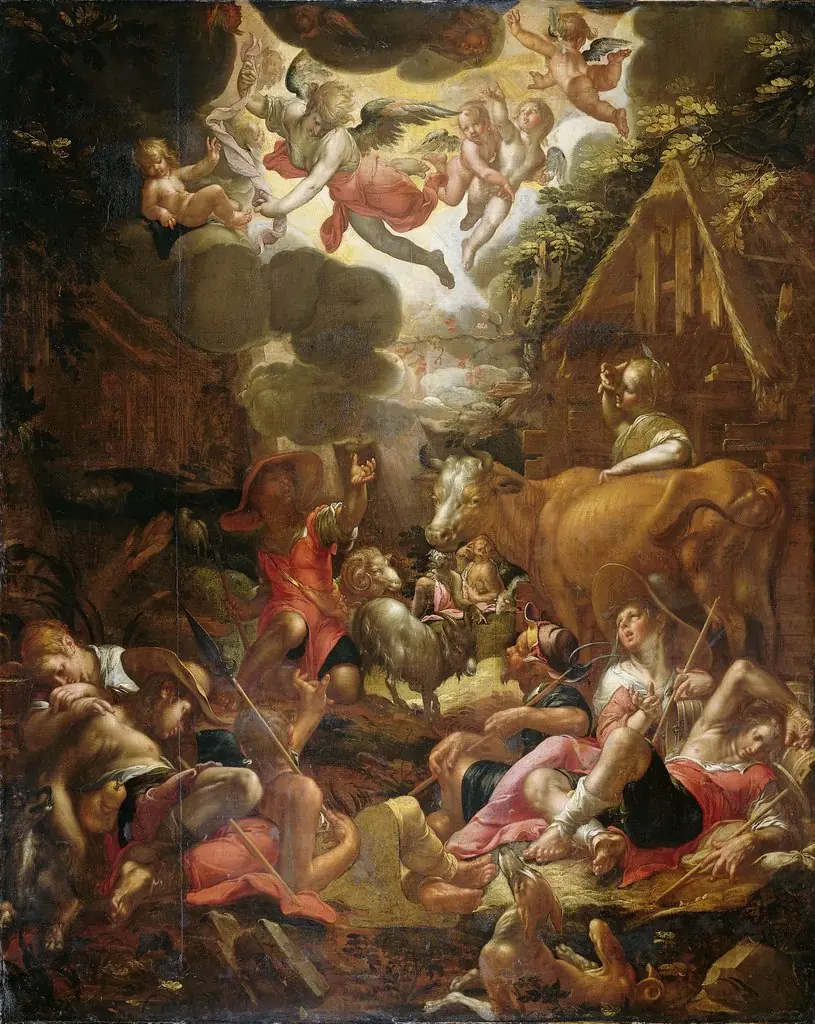 Annunciation to the Shepherds
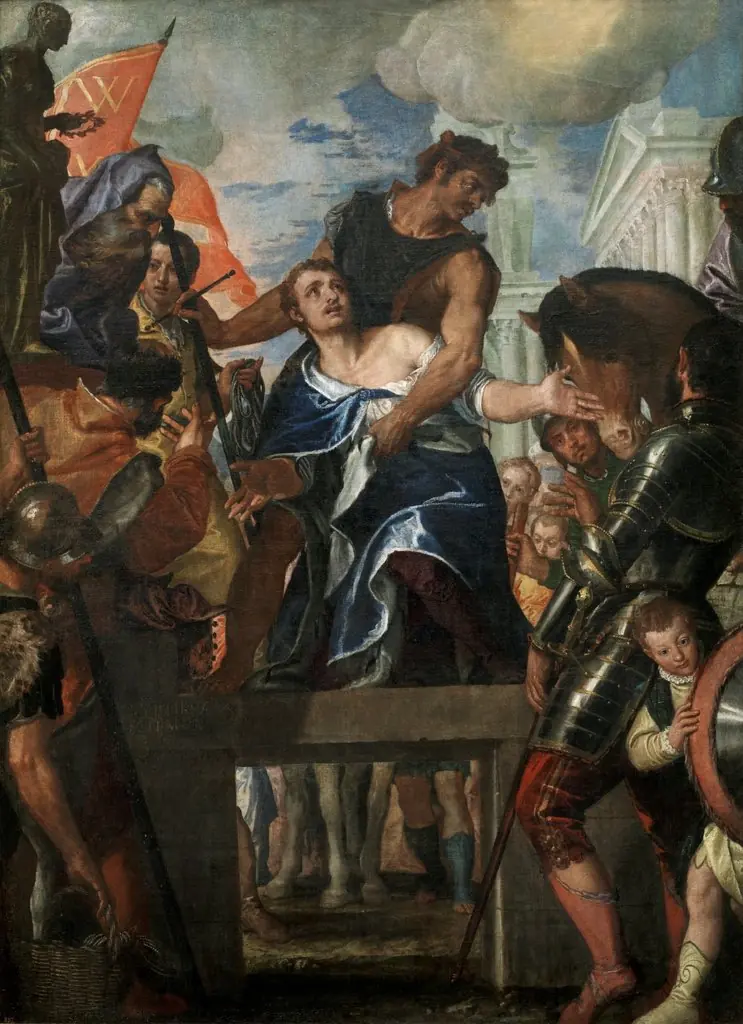 The Martyrdom of Saint Mennas
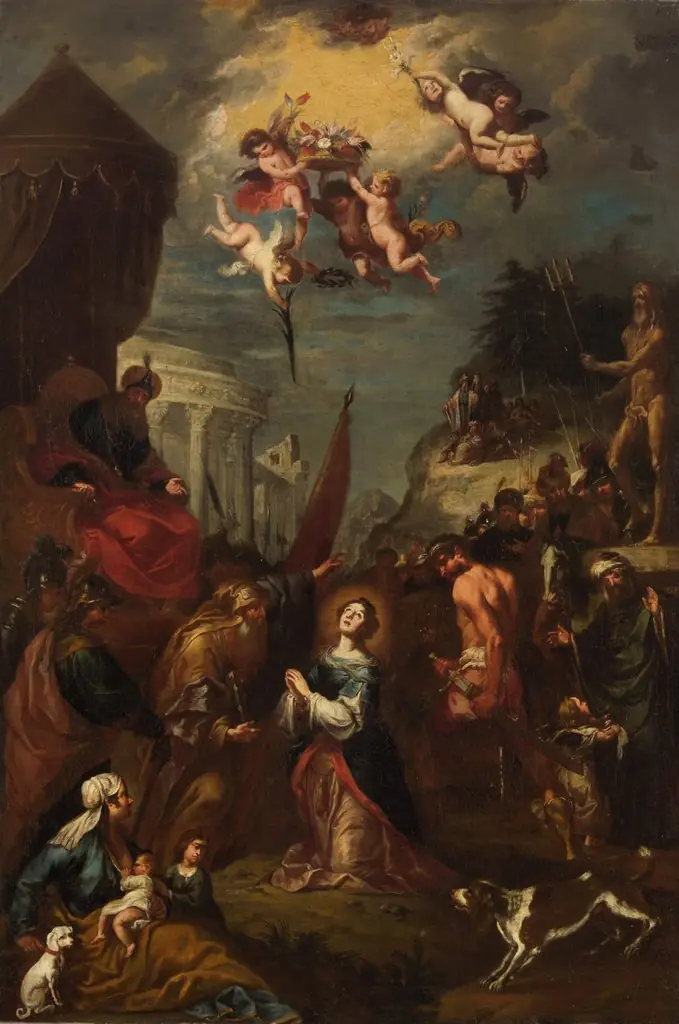 Marter der Hl. Dorothea
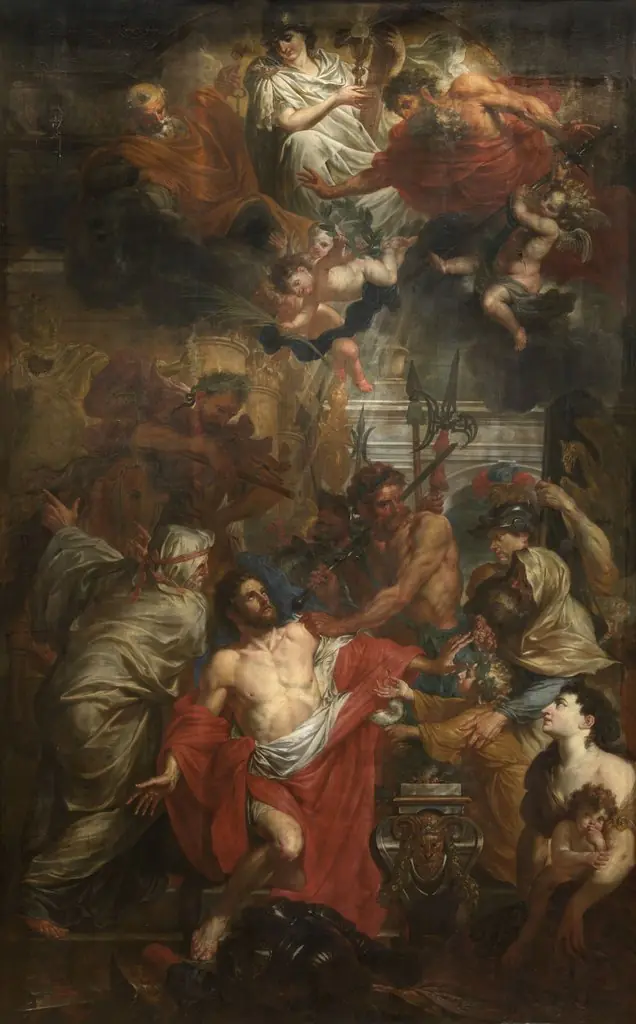 The Martyrdom of Saint George
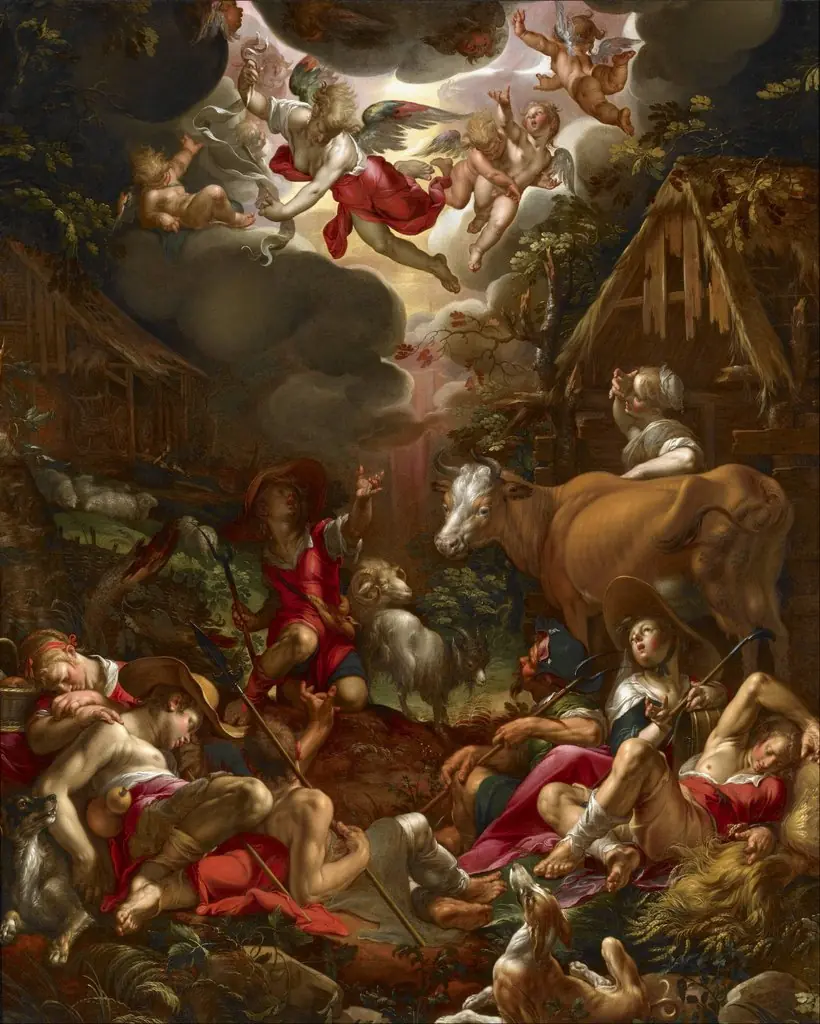 The Annunciation to the Shepherds
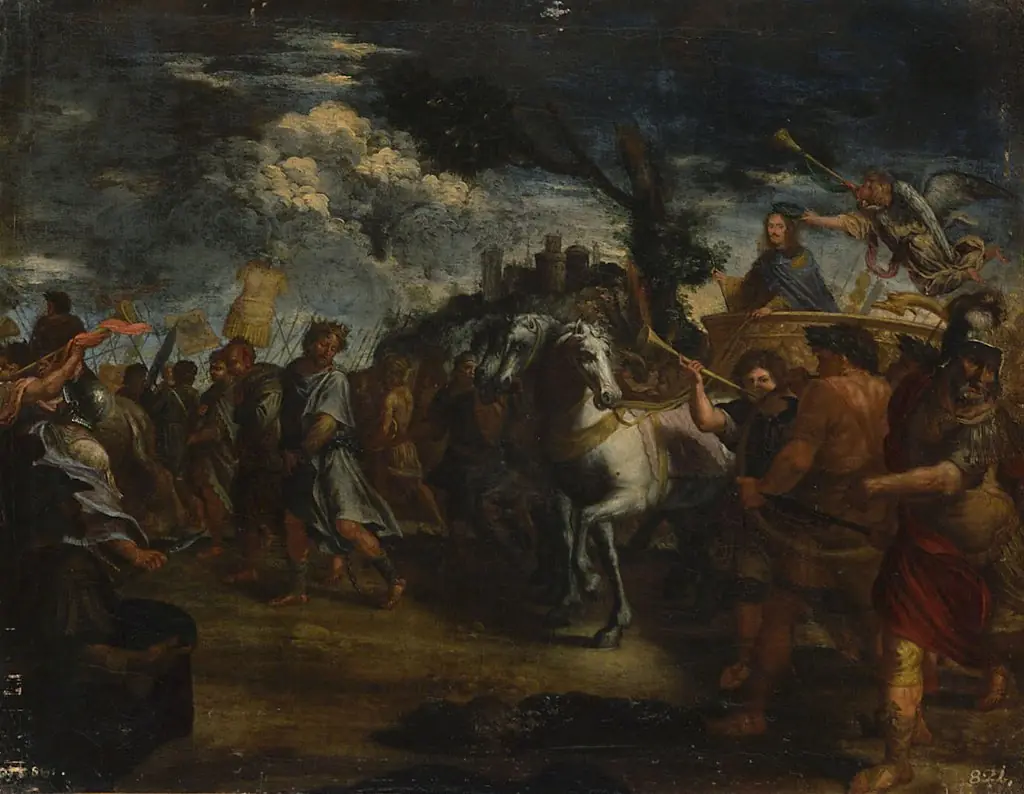 Triumphzug des Erzherzogs Leopold Wilhelm
- The Martyrdom of St Catherine of Alexandria