Artwork
Holy Family in a Landscape
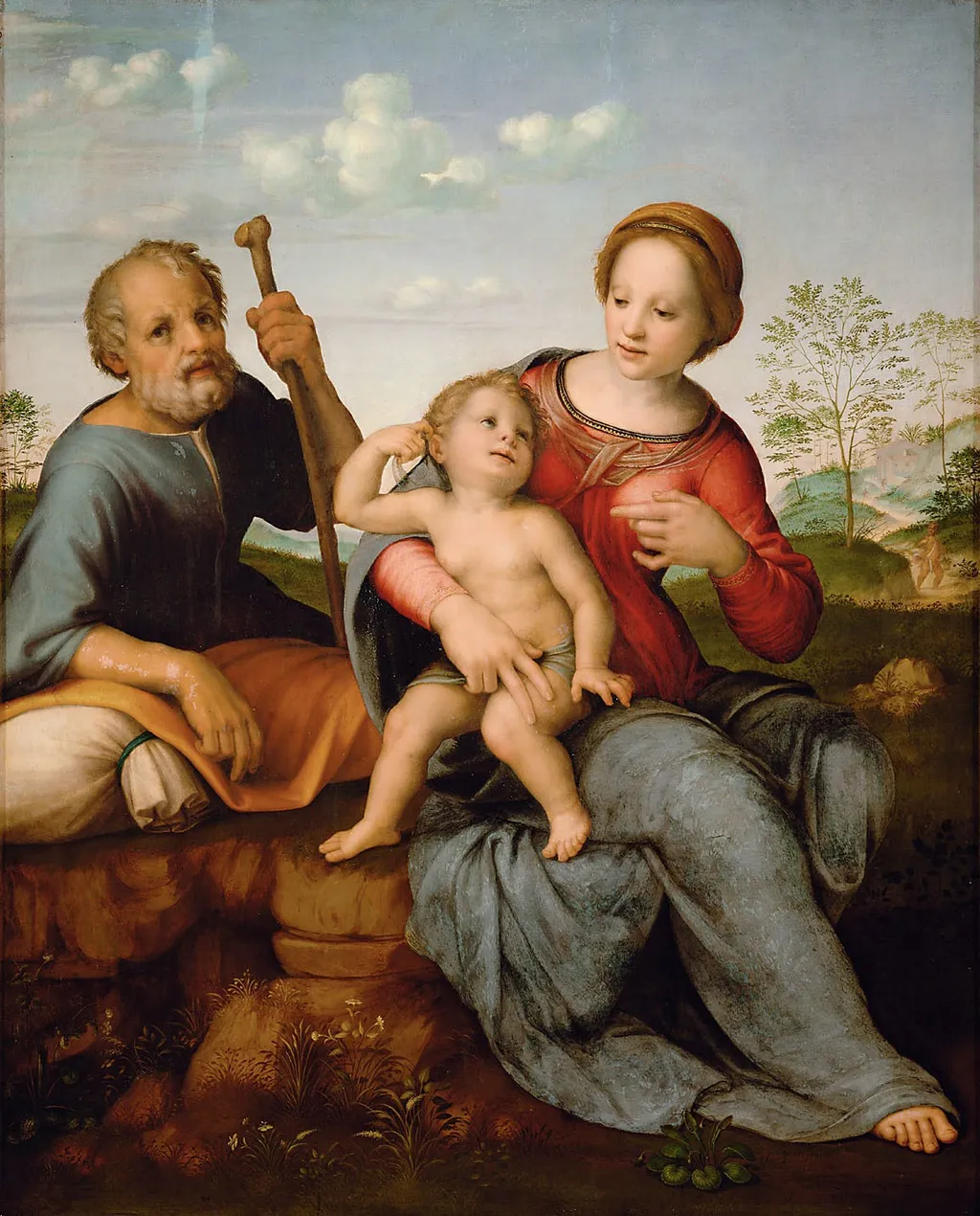
Holy Family in a Landscape is a wood painting by the High Renaissance artist Franciabigio. It dates from 1520 and is held in the collection of the Kunsthistorisches Museum.
About this work
Subject & Meaning
By placing these sacred figures against a landscape background, the work integrates the domestic intimacy of the family unit with the natural world.
Executed in 1520, this panel presents the Holy Family as its central religious subject. The composition features the Virgin Mary, Saint Joseph, and the Christ Child situated within an outdoor setting. By placing these sacred figures against a landscape background, the work integrates the domestic intimacy of the family unit with the natural world.
This arrangement reflects a tradition in religious art where the environment serves not merely as scenery but as a contextual frame for the divine narrative, emphasizing the humanity of the figures while maintaining their spiritual significance.
Technique & Style
The painting is executed on poplar wood, a support commonly used in early sixteenth-century Florentine workshops. Handling reflects the mature High Renaissance idiom: figures are modeled with subtle chiaroscuro and placed within a spacious, atmospheric landscape that recedes through calibrated aerial perspective. Joseph and the Christ Child occupy a foreground plane, while Mary is positioned slightly behind, creating a balanced, pyramidal composition.
The landscape’s softly modulated greens and blues suggest an idealized Tuscan setting rather than a specific locale. No technical examination report is cited, so no condition assessment can be supplied.
Overview
Created in 1520 by the Florentine painter Franciabigio, this panel painting on poplar wood presents a modestly sized depiction of the Holy Family set within a gently rolling landscape. The work exemplifies the balanced composition and calm atmosphere characteristic of the High Renaissance, and it is currently part of the collection of the Kunsthistorisches Museum in Vienna.
History & Provenance
The panel was likely commissioned for a private devotional setting in early 16th‑century Florence. It entered the imperial collections of the Habsburgs in the 18th century and was later transferred to the Kunsthistorisches Museum, where it has remained on public display since the museum’s foundation.
Context
Franciabigio worked alongside contemporaries such as Andrea del Sarto and was influenced by the compositional clarity of Leonardo and the coloristic sensibility of Raphael. This work reflects the period’s interest in integrating sacred subjects into harmonious, idealized natural environments, a hallmark of the Florentine High Renaissance.
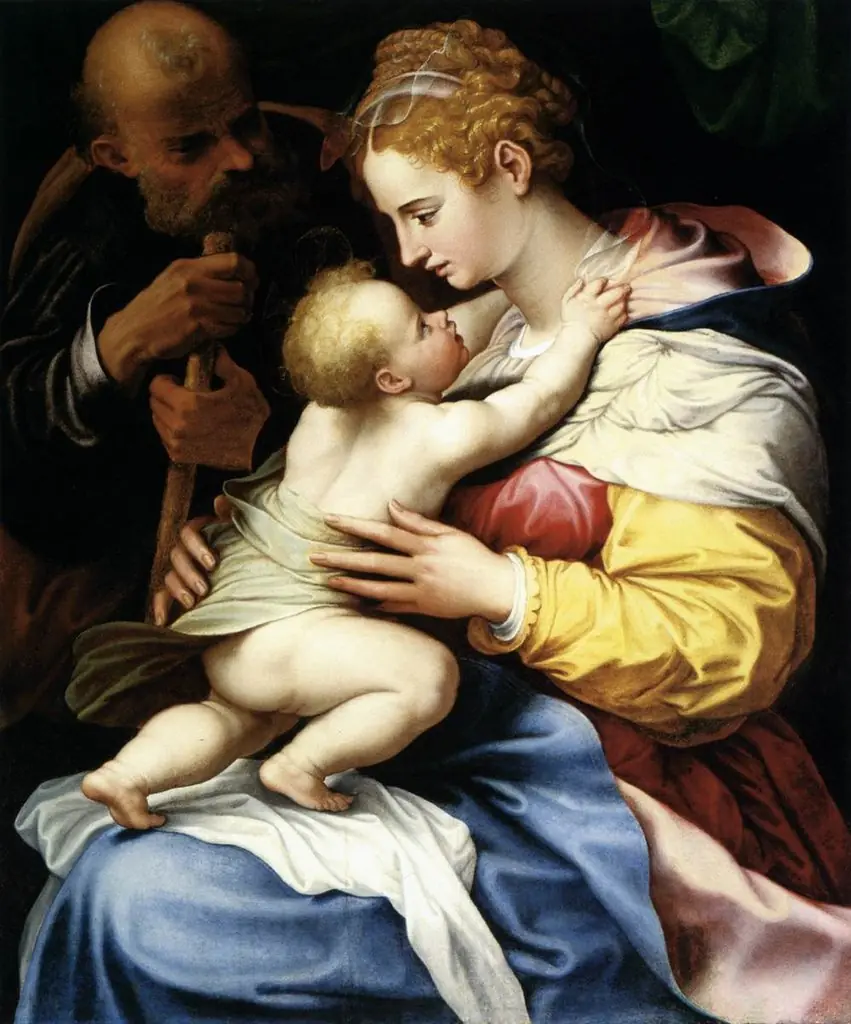
Artist & collection
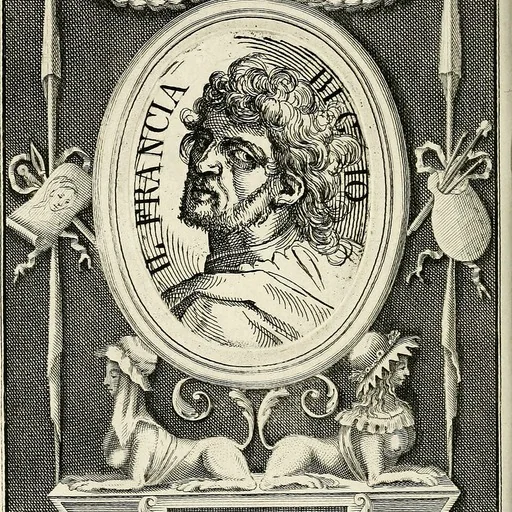
Artist
Franciabigio (1482 – 24 January 1525) was an Italian painter of the Florentine Renaissance. His true name may have been Francesco di Cristofano; he is also referred to as either Marcantonio Franciabigio or Francia Bigio.

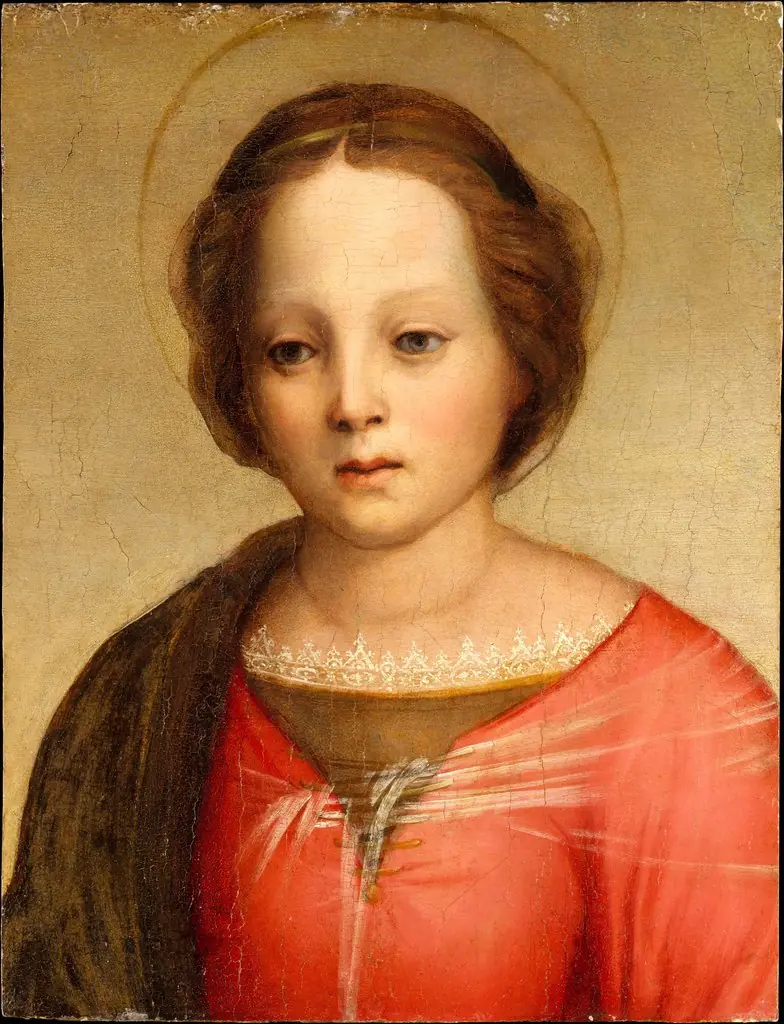
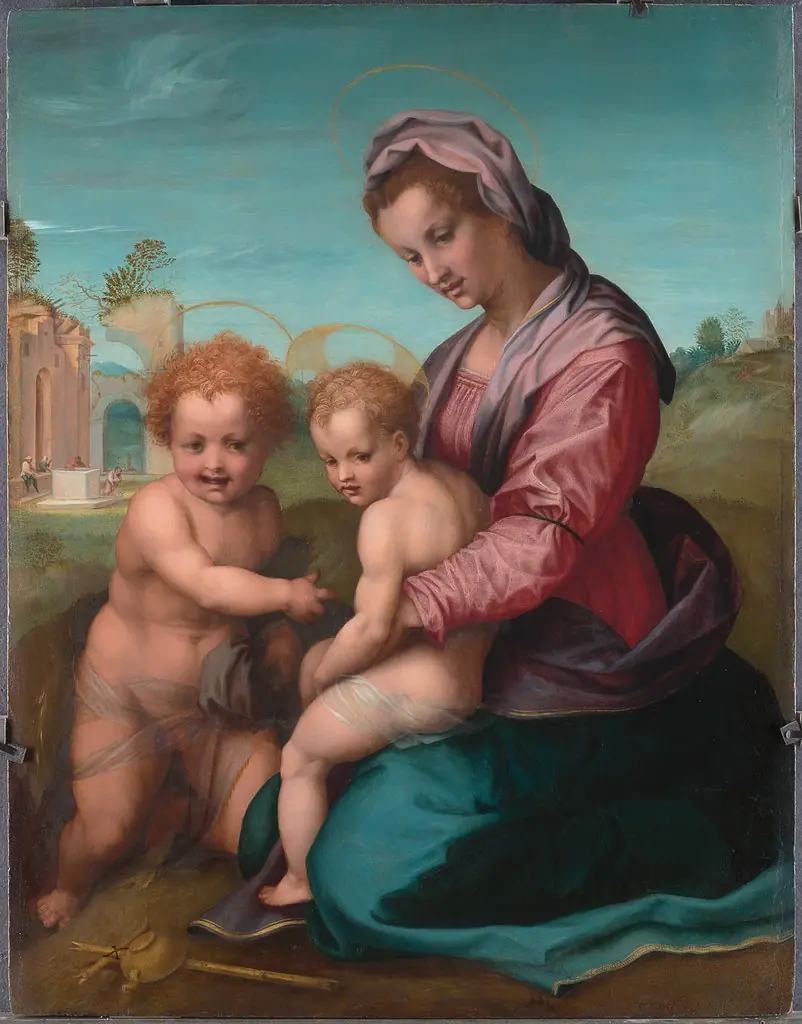
- The Holy Family
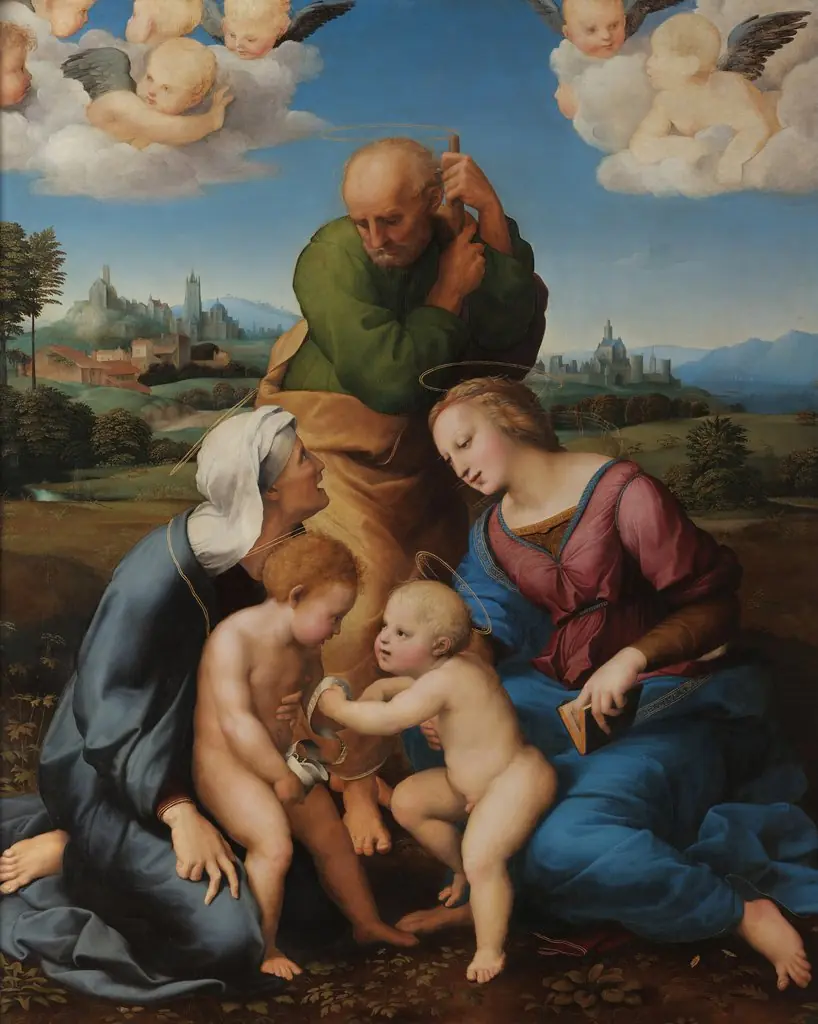 Canigiani Holy Family
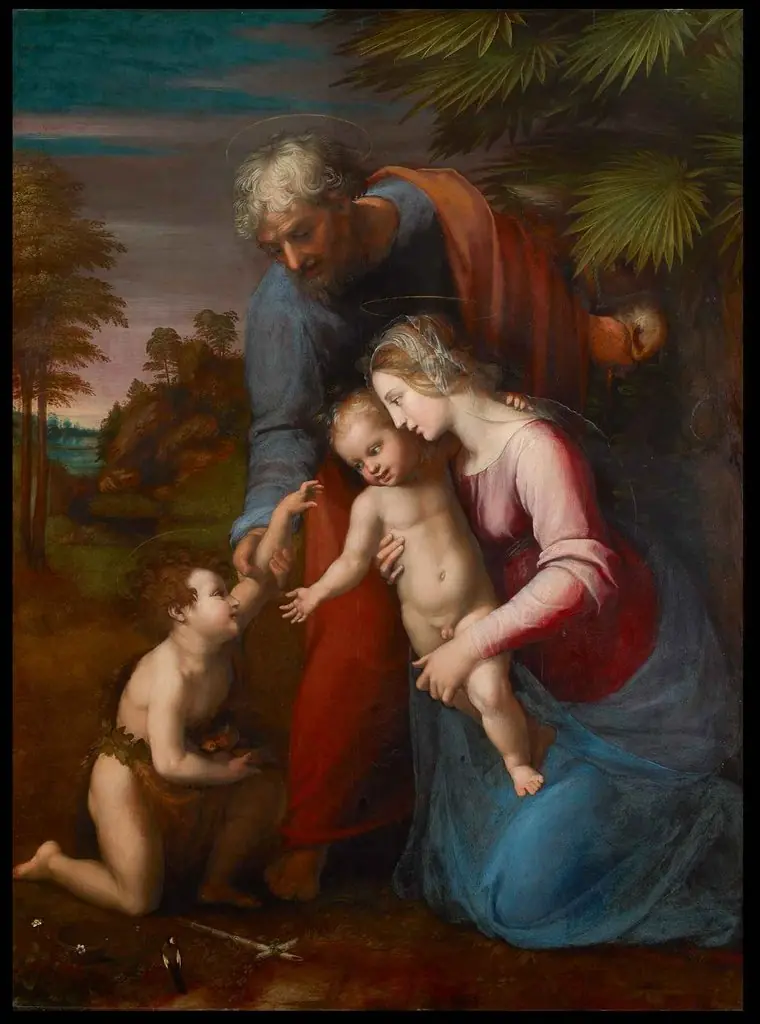 The Holy Family with Saint John the Baptist
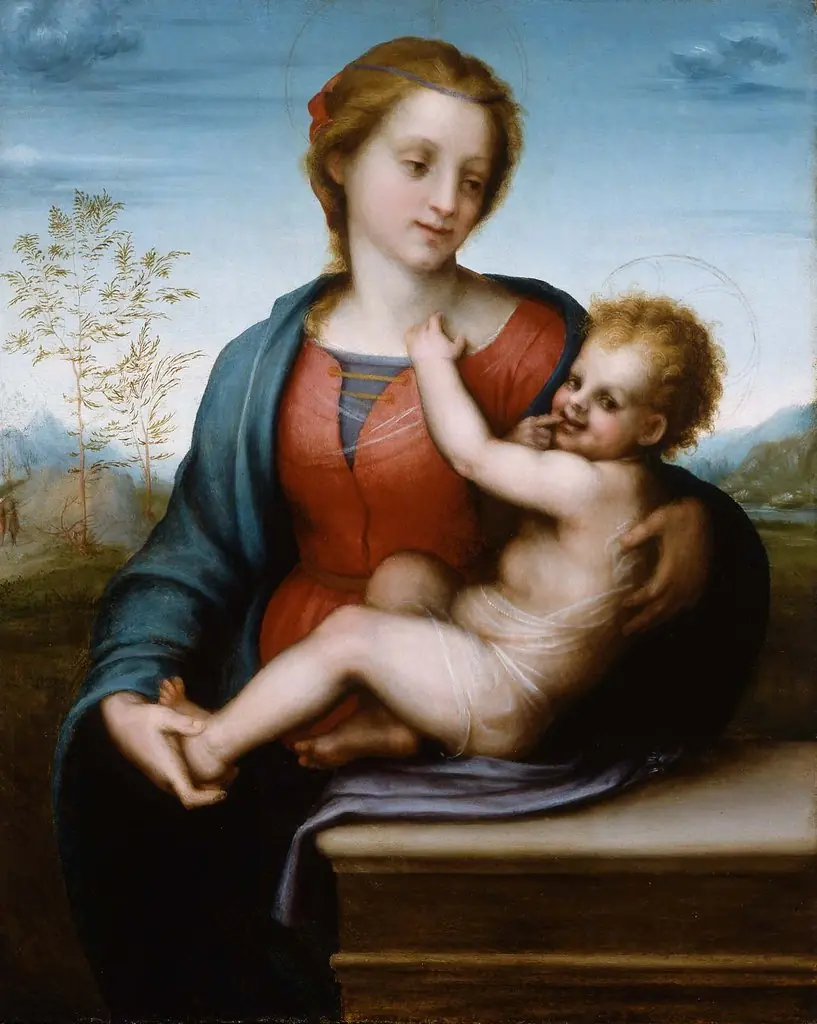 Virgin and Child
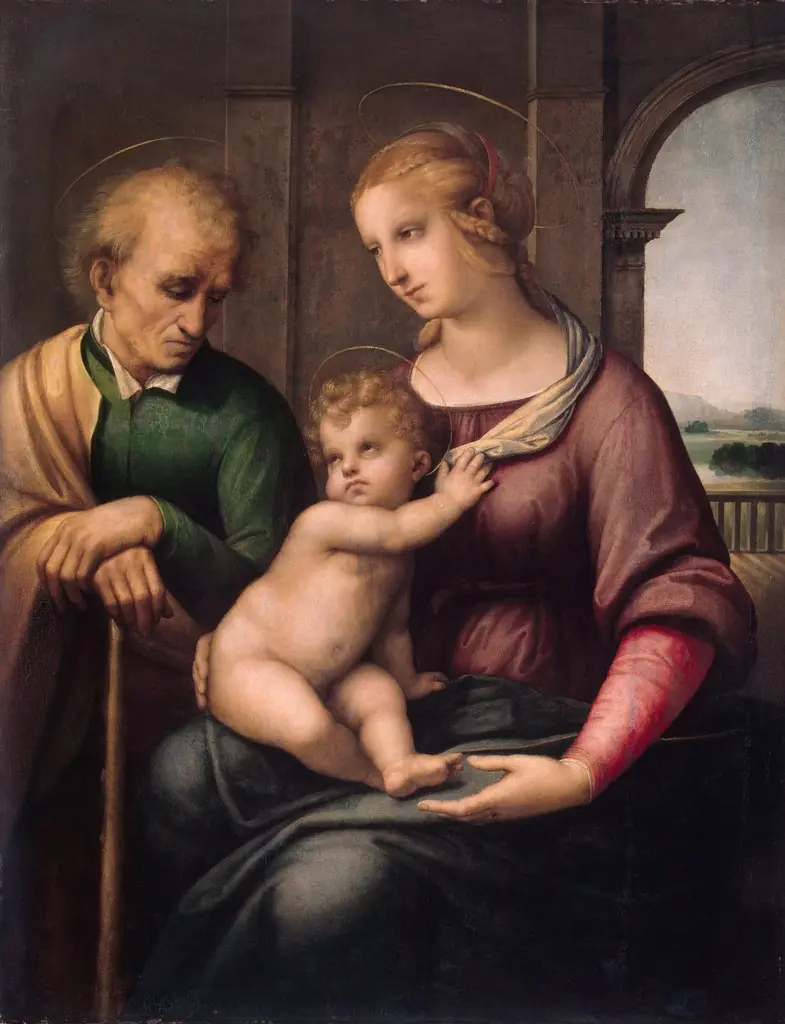 Madonna with Beardless Saint Joseph
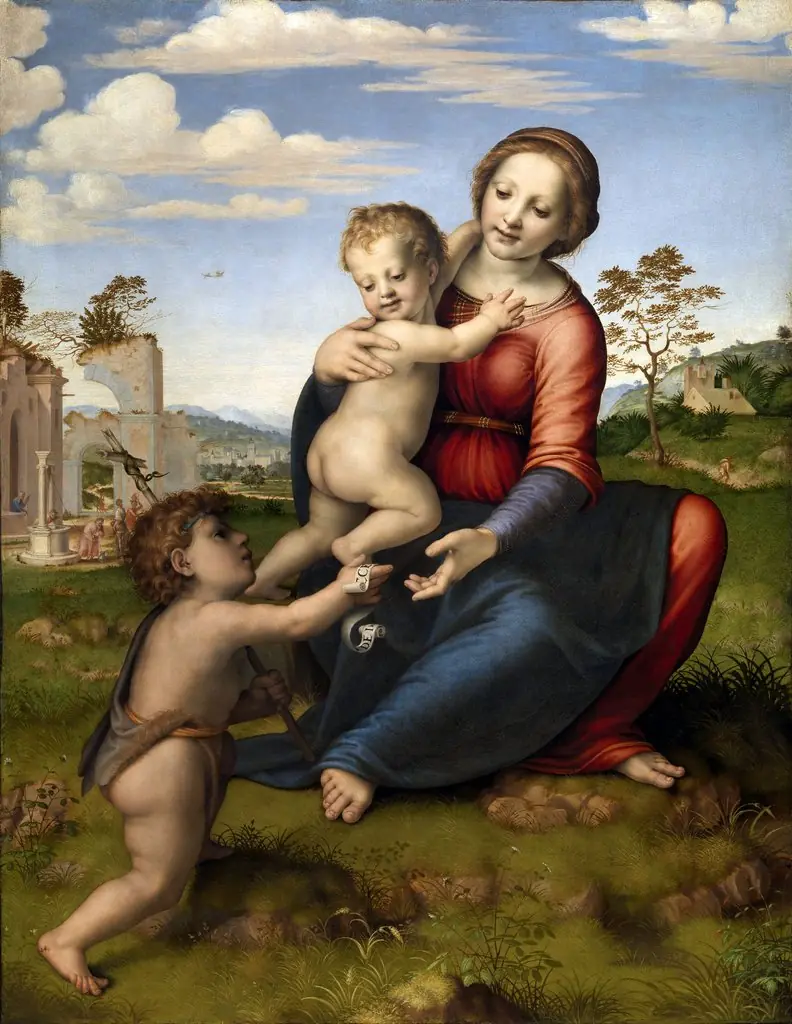 Madonna of the Well or Madonna and Child with the young St. John the Baptist
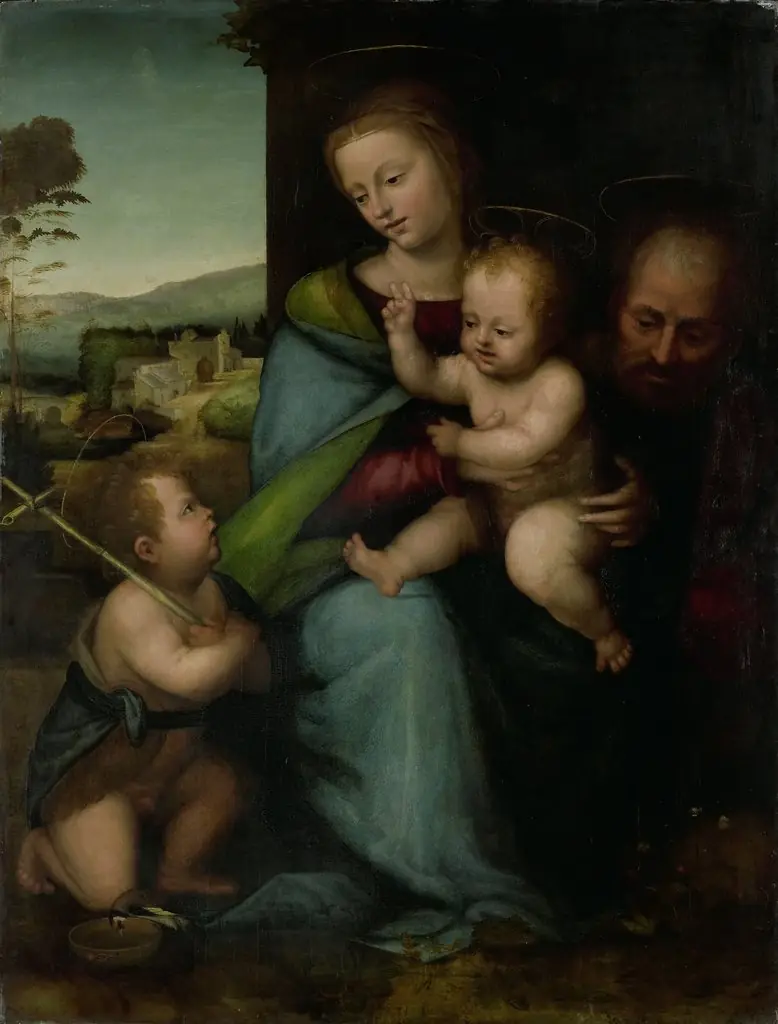 The Holy Family with the Infant John the Baptist
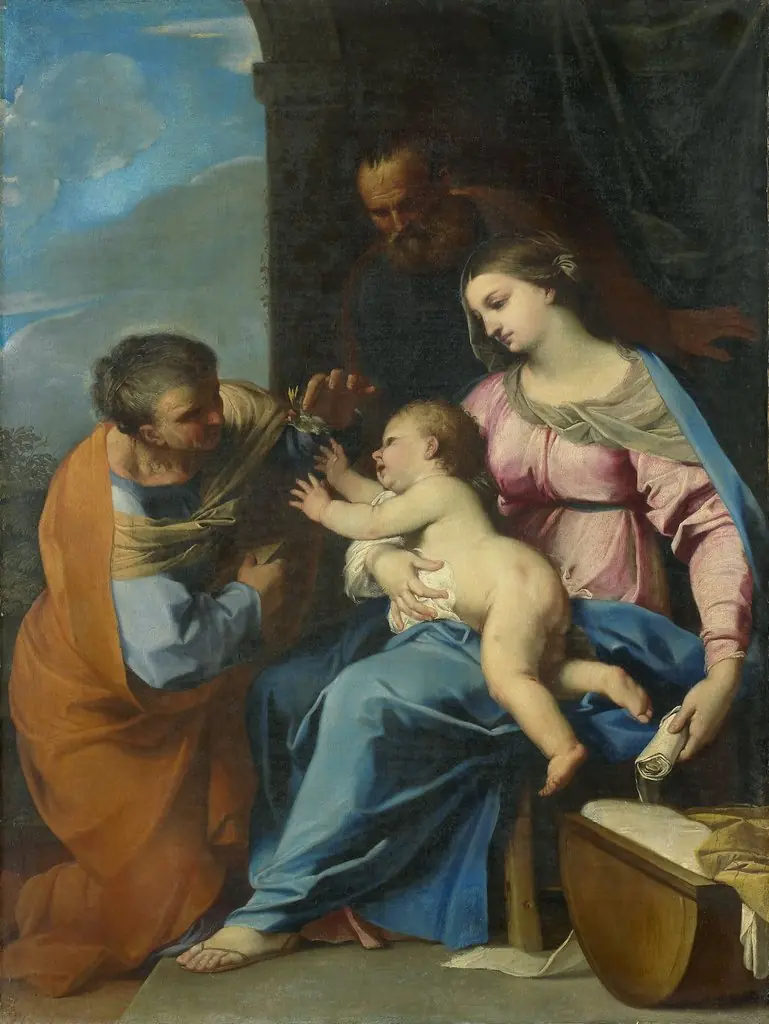 Holy Family
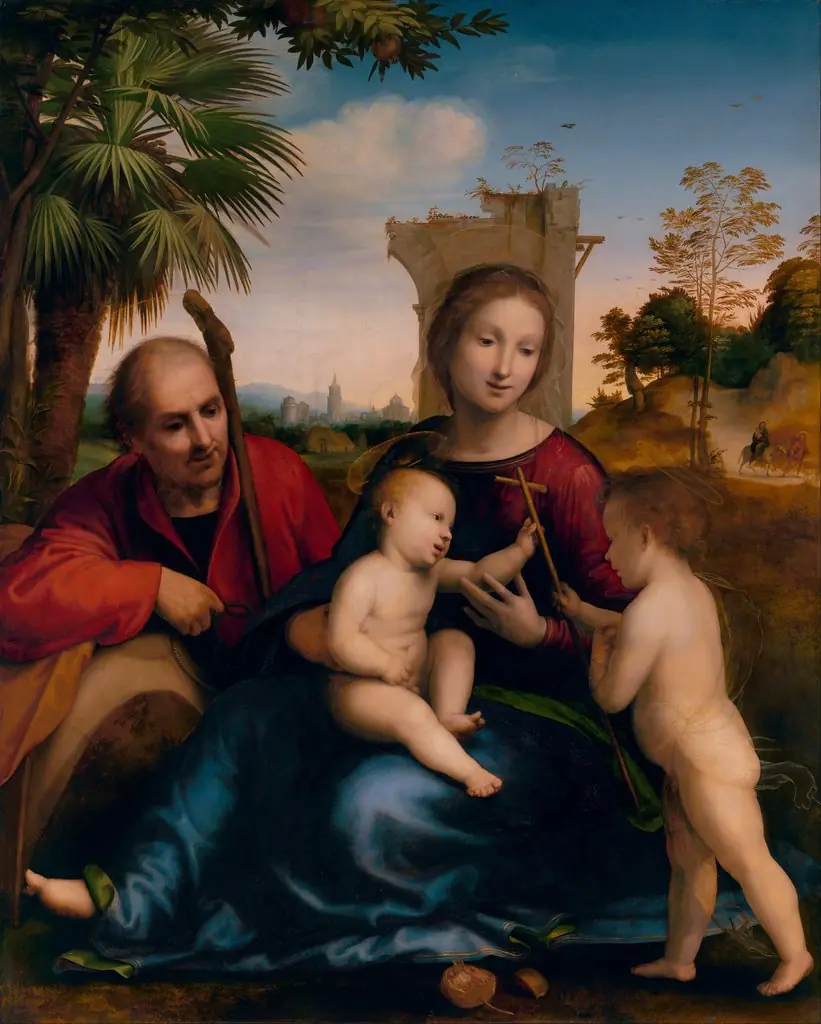 The Rest on the Flight into Egypt with St. John the Baptist
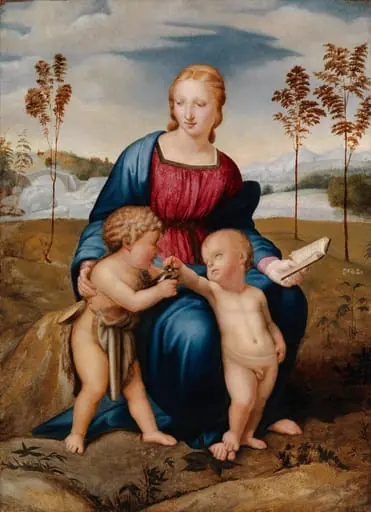 Madonna del Cardellino, kopio Rafaelin (Raffaello Sanzio) mukaan
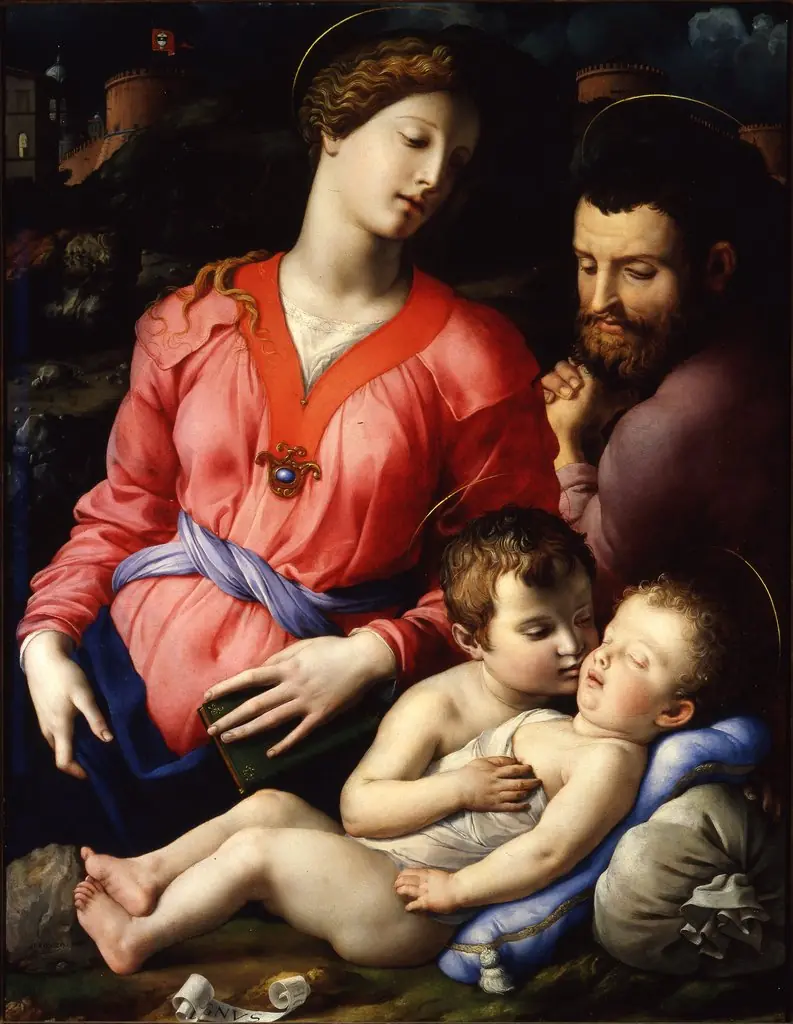 Panciatichi Holy Family
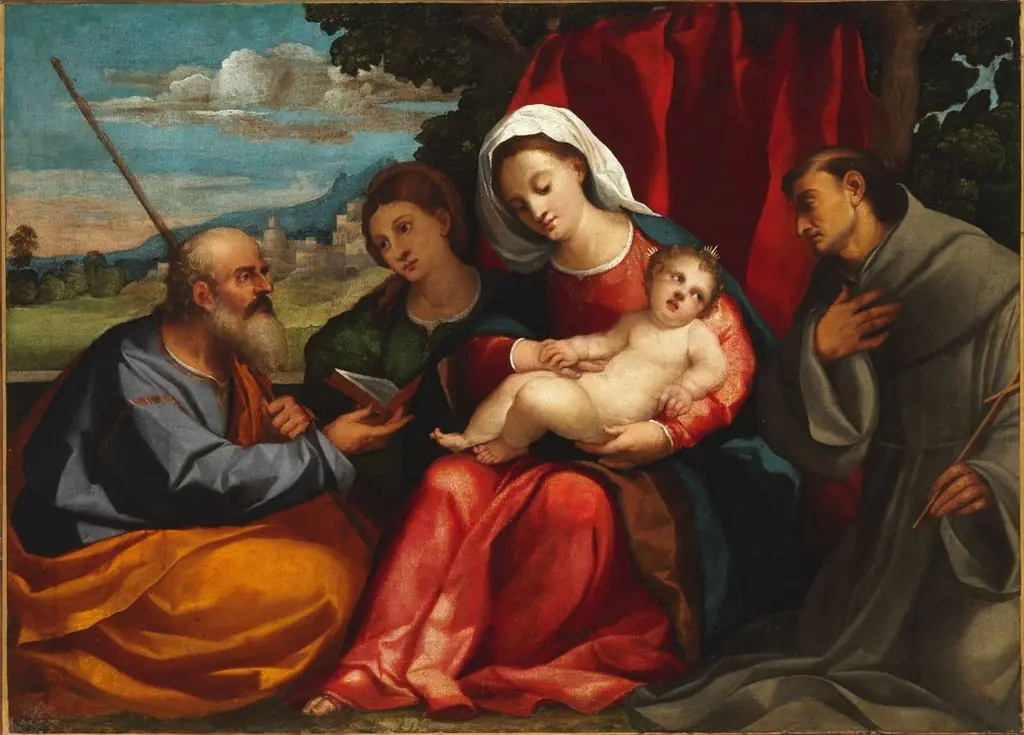 The Holy Family with a Female Saint and Saint Francis of Assisi