Artwork
Charles III in Hunting Dress
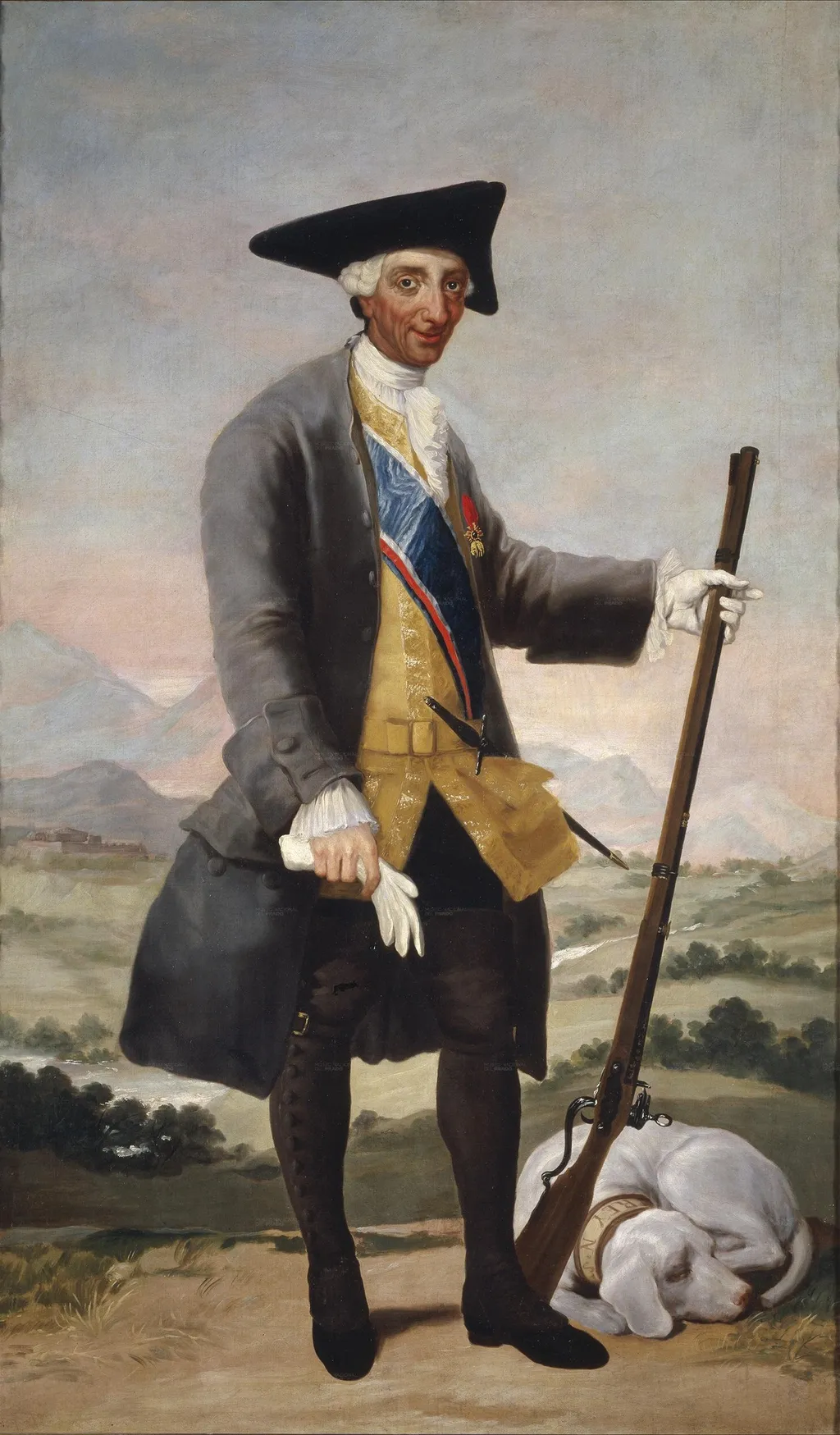
Charles III in Hunting Dress is an oil painting by the Rococo painting artist Francisco de Goya. It dates from 1794 and is held in the collection of the Museo del Prado. This oil painting, completed in 1794 by the Spanish artist Francisco Goya, presents a portrait of King Charles III.
About this work
Subject & Meaning
He wears a long grey coat, white shirt with pleated cuffs and cravat, long yellow waistcoat with matching belt, powdered wig, and black tricorn hat.
The painting portrays King Charles III of Spain (1716–1788) in hunting attire within the royal hunting grounds of the Sierra de Guadarrama, likely near El Escorial or the Pardo Palace. He wears a long grey coat, white shirt with pleated cuffs and cravat, long yellow waistcoat with matching belt, powdered wig, and black tricorn hat.
Three sashes cross his chest: the blue ribbon of the Order of Charles III, the red ribbon of the Order of the Holy Spirit, and the blue ribbon of the Order of Saint Januarius, with the Golden Fleece pinned to his breast as grand master. A large white mastiff sleeps peacefully at his feet, its collar inscribed "REY Nº S.ºR" (Our King).
Hunting was the king's consuming passion, occupying several hours nearly every day; he believed the physical activity would spare him the madness that afflicted his father Philip V and brother Ferdinand VI. Goya presents him as a benevolent man, his skin tanned and weathered, with his face as the composition's focal point brought close to the viewer as though he were not a monarch. The firm grip on his firearm serves as a metaphor for governmental stability and the endurance of the monarchy, while the sleeping dog symbolizes the peace and loyalty of the people under nearly thirty years of his reign.
The motif of a monarch with a hunting dog traces from Titian through Velázquez to Goya, who knew Velázquez's hunting portraits of the Philip IV family and copied them in 1778. Goya's brighter palette of blues and pinks echoes his tapestry-cartoon designs for the Royal Tapestry Factory, and the composition reflects the Enlightenment-era shift of hunting from martial preparation to leisure, emphasized by the king's resting weapon.
History & Provenance
Francisco Goya executed this oil painting around 1794, likely relying on memory or earlier court portraits by artists such as Anton Raphael Mengs, since no documented sittings with King Charles III occurred between their 1779 meeting and the monarch's death in 1788. The work's original commissioning purpose remains unrecorded, though it may have been intended for display alongside Velázquez's royal hunting portraits.
The version held by the Museo del Prado, Madrid, carries accession number P00744. It was recorded in 1814 in the royal collection's inventory and transferred from the Palacio del Buen Retiro to the Prado in 1847. It left the museum for deposit at the Museo de Lérida in 1915, then to the Museo de Historia de Madrid in 1929, and returned to the Prado in 1942, where it remains.
Context
Painted around 1794, Charles III in Hunting Dress reflects Francisco Goya's standing as a leading portraitist of the Madrid court. The work synthesizes the king's personal passion for hunting with Enlightenment ideals, portraying the monarch not as a distant ruler but as a man of intelligence and stability. Goya's composition deliberately references the hunting portraits of Diego Velázquez, whom the artist considered his master, yet distinguishes itself through a brighter, tapestry-like palette and a relaxed, non-militaristic stance.
This shift reflects a broader historical transition where royal hunting evolved from war preparation to leisure. The painting's quality, particularly in rendering textile textures, demonstrates Goya's command as a portraitist, though the existence of five versions has generated ongoing scholarly debate regarding which are original works by the master and which are later copies.
Legacy
The legacy of Charles III in Hunting Dress is defined by its role in Francisco Goya's court reputation and its deliberate dialogue with the works of Diego Velázquez. Goya adopted Velázquez's compositional motifs, specifically the monarch accompanied by a hunting dog, to align his work with the Spanish royal tradition while reflecting the Enlightenment-era shift of hunting from a martial preparation to a leisure activity. The painting's quality, particularly its precise rendering of fabric textures, signaled Goya's success as a portraitist.
The work's significance is further evidenced by the existence of five known versions, though experts dispute which are originals and which are copies. The primary version held by the Museo del Prado has a complex provenance, moving from the Royal Collection to the Prado in 1847, spending decades in regional museums in Lérida and Madrid, and finally returning to the Prado in 1942.
Overview
This oil painting, completed in 1794 by the Spanish artist Francisco Goya, presents a portrait of King Charles III. The monarch is depicted in hunting attire, a common subject for royal portraits that combined formality with a sense of personal leisure. The work exemplifies the Rococo movement prevalent in late 18th-century European art and is now part of the collection at the Museo del Prado.
Technique & Style
Goya utilized oil paint to render this full-length portrait, capturing the textures of the king's gray coat, blue and gold vest, and black hat. The background features rolling hills and mountains, providing a sense of depth and setting. The painting's aesthetic qualities, including its refined detail and the depiction of a noble subject in a somewhat idealized setting, align it with the prevailing Rococo style of the period.
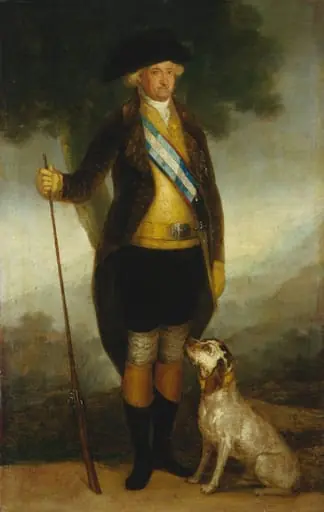
Artist & collection
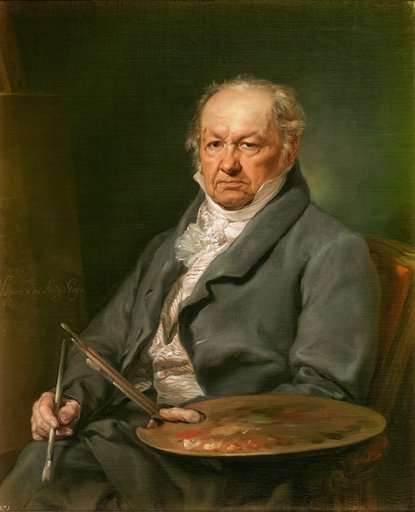
Artist
Francisco José de Goya y Lucientes was a Spanish romantic painter and printmaker.

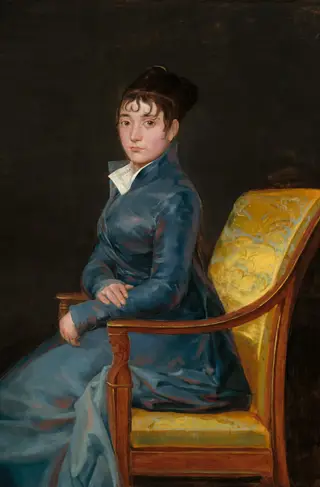
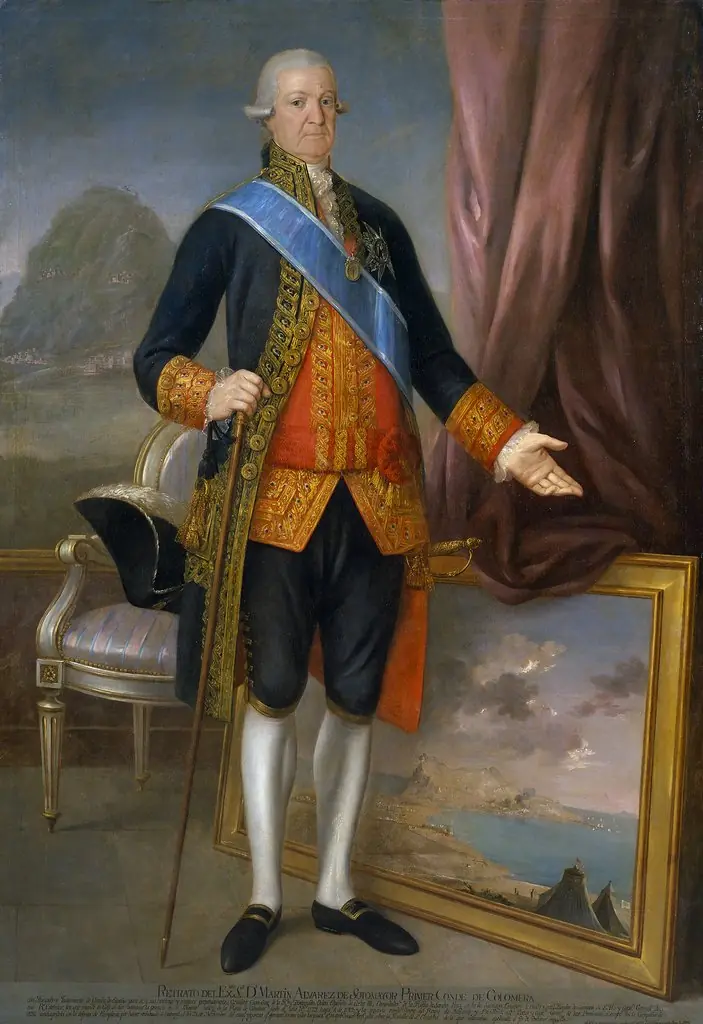 Martín Antonio Álvarez de Sotomayor y Soto-Flores, Count of Colomera
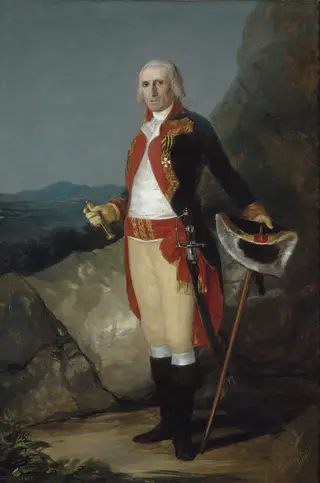 General José de Urrutia
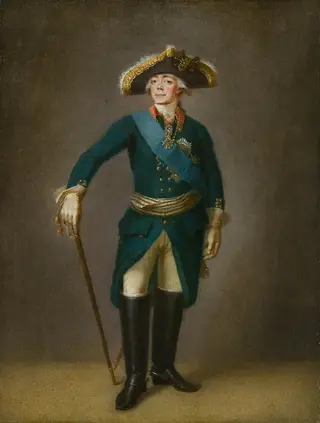 Portrait of Emperor Paul I
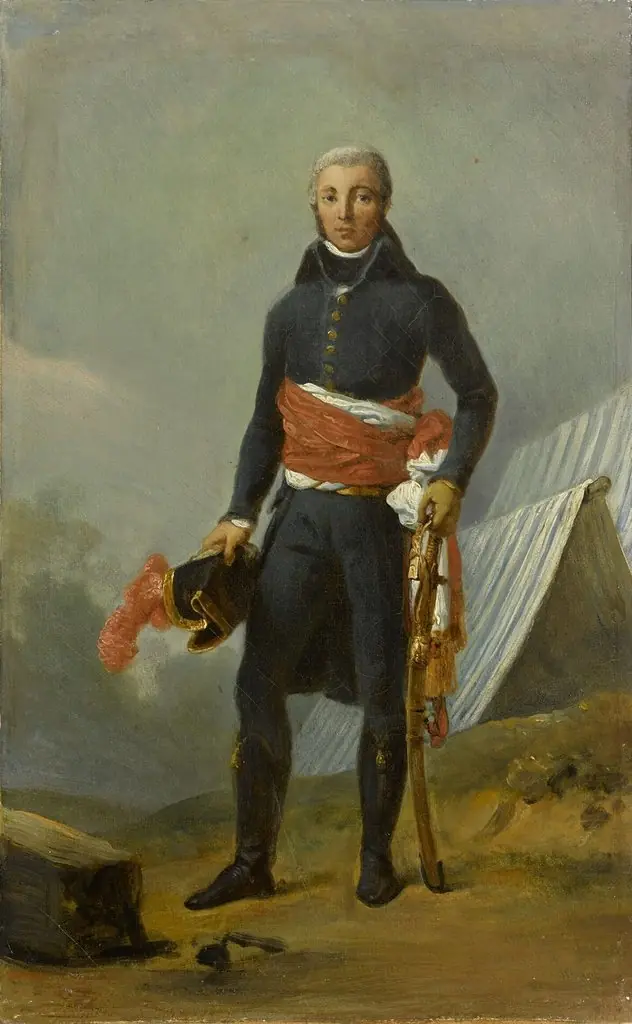 General Jean Victor Moreau (1764-1813)
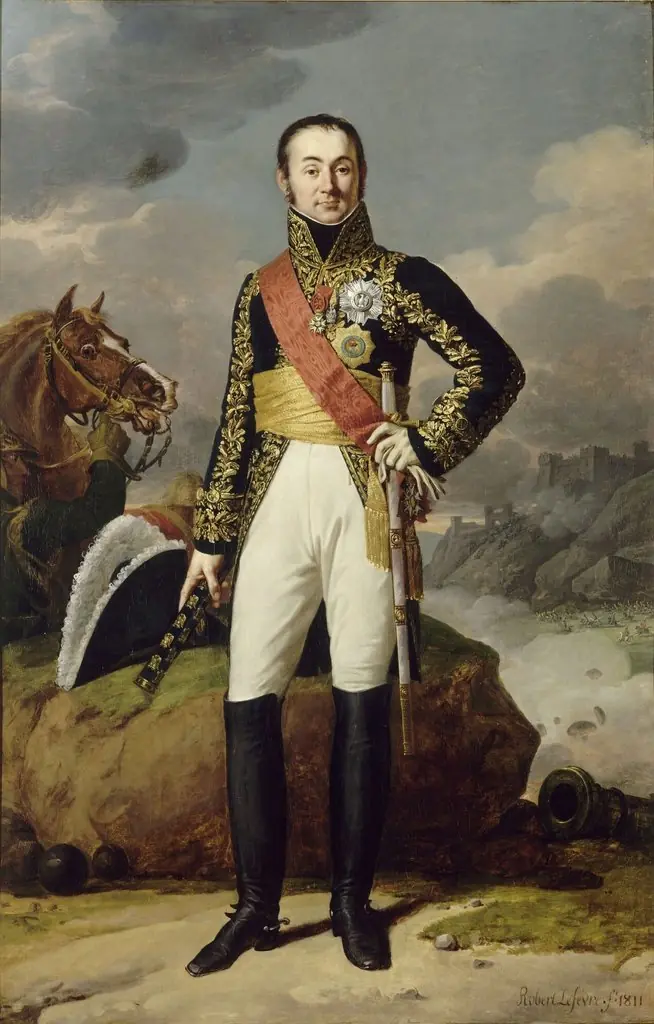 Nicolas-Charles Oudinot, Duke of Reggio, Marshal of France (1767-1847)
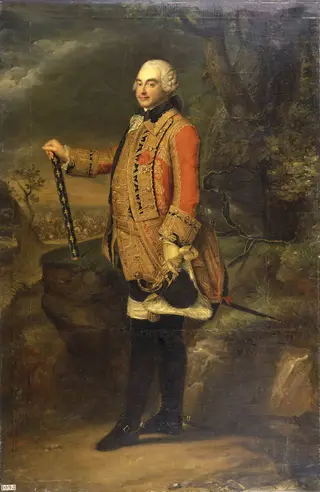 Portrait of Charles de Rohan, Prince of Soubise
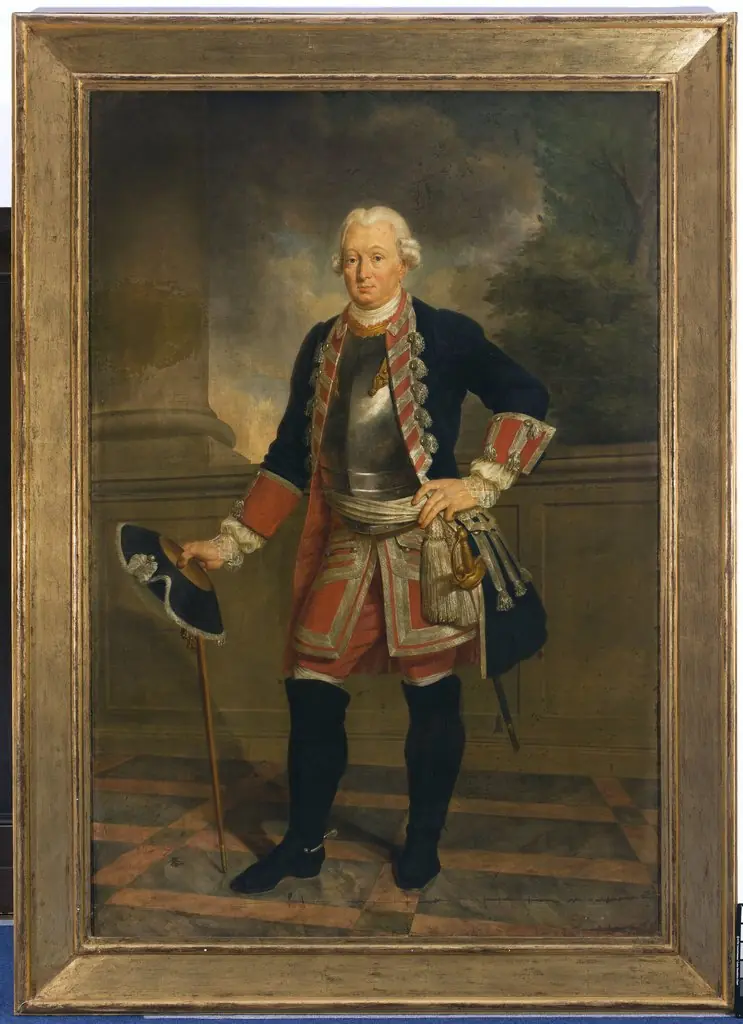 Portrait of Michał Krasiński (1712–1784), marshal general of Bar Confederation
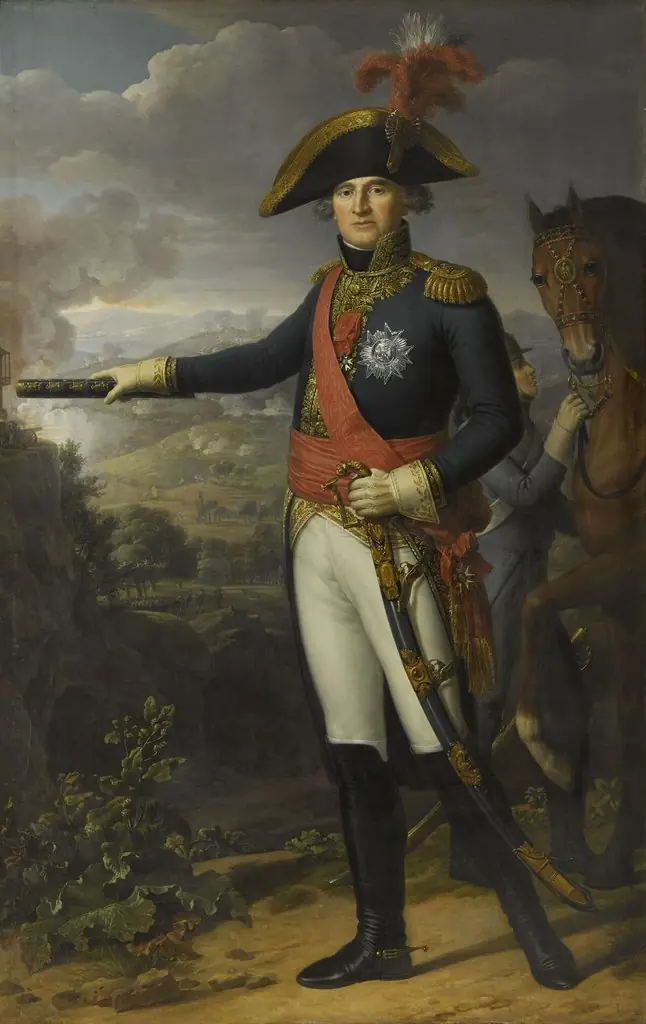 Jean Mathieu Philibert Serurier (1742-1819)
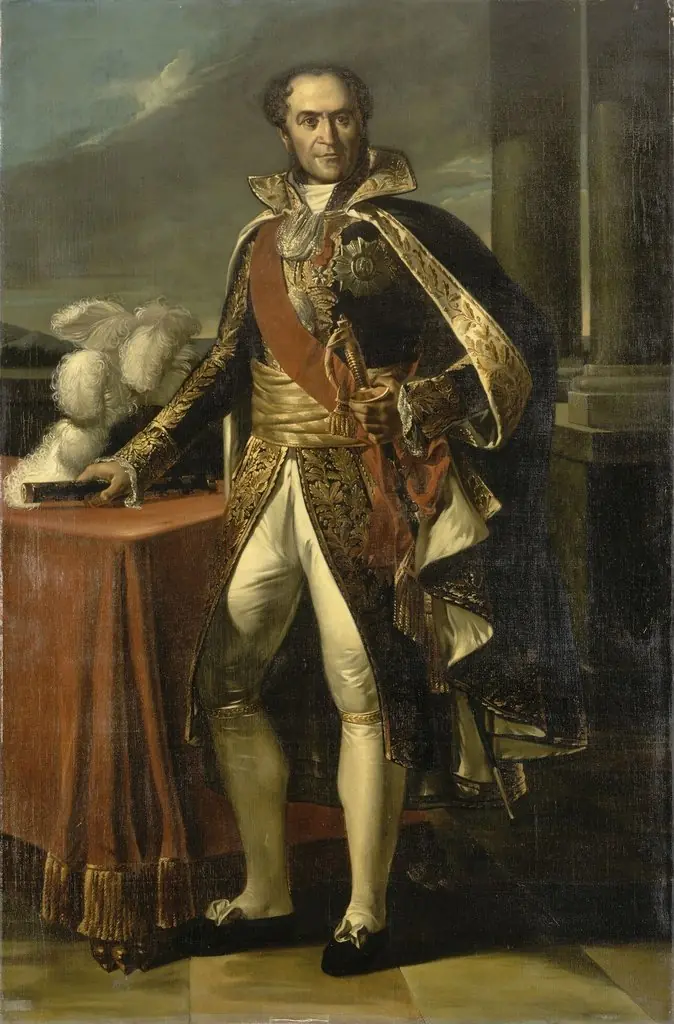 Guillaume-Marie-Anne, maréchal Brune
 Dominique-Catherine, marquis Pérignon, maréchal de France (1754-1818)