Artwork
General José de Urrutia
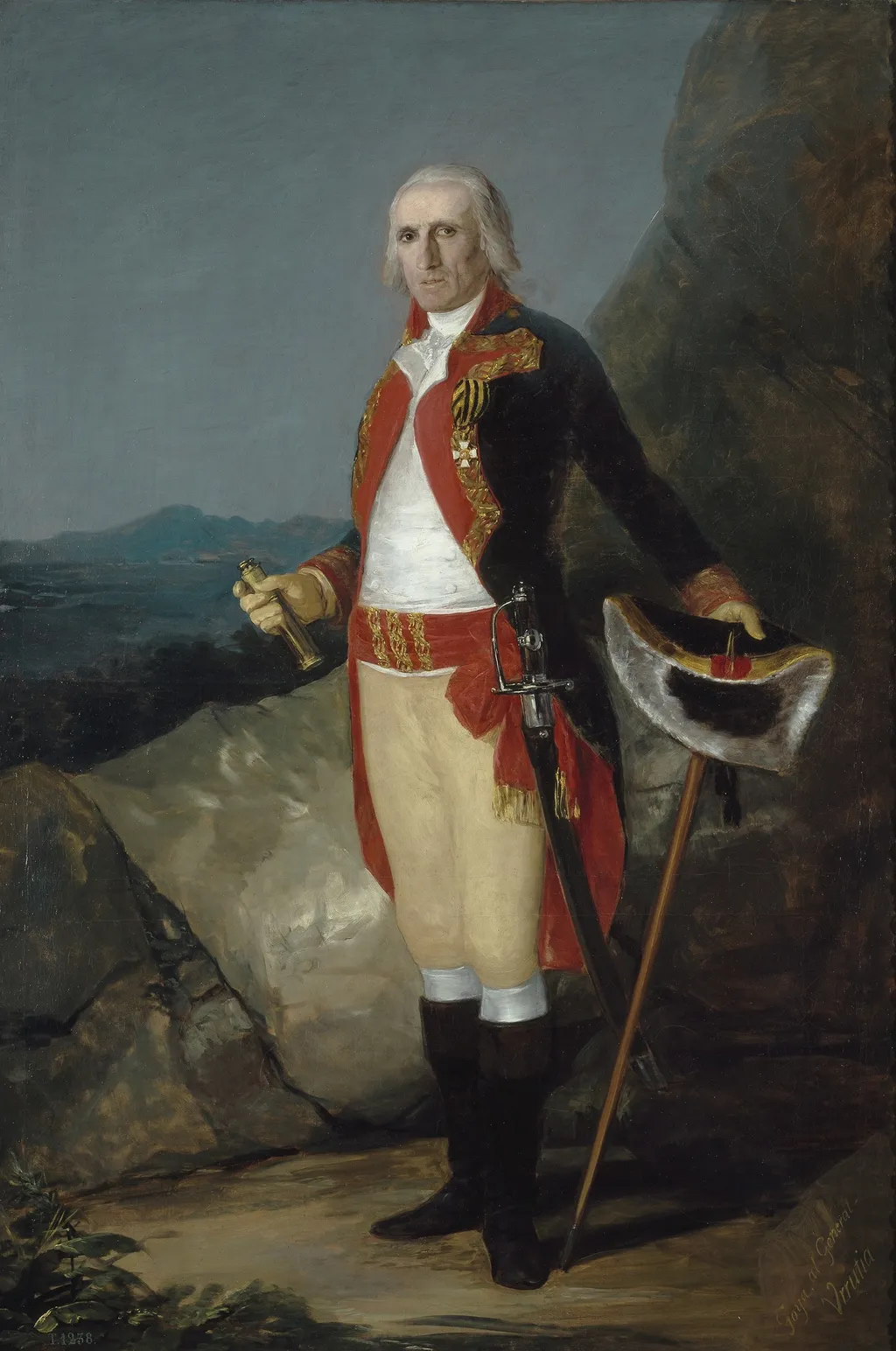
General José de Urrutia is an oil painting by the Spanish Baroque Tenebrist artist Francisco de Goya. It dates from 1800 and is held in the collection of the Museo del Prado.
About this work
Subject & Meaning
The portrait shows General José de Urrutia in his military uniform, holding a saber and a spotting scope, symbols of his command and strategic vigilance. The composition emphasizes his authority and the disciplined order he represented within the Spanish army. These attributes convey the subject's role as a distinguished military leader during the late 18th century.
Technique & Style
The work is an oil on canvas portrait measuring 199.5 cm by 134.5 cm, painted in 1798. Goya renders the figure with a restrained palette and precise brushwork that emphasizes the sitter's authority and the crisp rendering of his uniform and accessories.
History & Provenance
No specific inventory or accession number is provided in the available sources, nor is there any record of its exhibition history.
The portrait of General José de Urrutia was commissioned by the sitter himself and painted by Francisco Goya in 1798. It was created as an oil on canvas work measuring 199.5 cm by 134.5 cm and was intended as a formal representation of the military officer. After its completion the painting entered the collection of the Museo del Prado in Madrid, where it remains on public view.
The work was first recorded in the museum’s inventory in the early twentieth century and has been part of the institution’s permanent displays since at least 1935.
The portrait of General José de Urrutia is held in the collection of the Museo del Prado. Painted by Francisco Goya in 1798, the work is an oil on canvas measuring 199.5 cm in height and 134.5 cm in width. The painting depicts the general holding a saber and a spotting scope.
No specific inventory or accession number is provided in the available sources, nor is there any record of its exhibition history.
Context
The work is housed in the Museo del Prado and was created by Francisco Goya in 1798. It portrays José de Urrutia, who served as Inspector General of the Royal Artillery and later as General of the Army. The painting’s depiction of military authority reflects Enlightenment-era ideals of discipline and meritocracy, situating it within Goya’s early portraiture before his later shift toward darker themes. Scholarship emphasizes its technical precision and its role in documenting late 18th-century Spanish aristocratic and military culture.
Legacy
The portrait of General José de Urrutia, painted by Francisco Goya in 1798, has been widely studied as a key example of late 18th‑century Spanish portraiture. Its composition and psychological depth have influenced subsequent military portraiture, particularly in the way authority is rendered through lighting and detail. The work remains a highlight of the Museo del Prado’s collection, where it is displayed in the dedicated portrait gallery, reinforcing Goya’s reputation as a master of realism and narrative nuance.
Scholars cite the painting when examining the transition from Rococo to Neoclassical aesthetics in Spanish art, underscoring its role in shaping visual discourse around leadership and national identity.
Overview
Executed in 1800, this oil portrait by Francisco Goya presents General José de Urrutia in a poised stance, his right hand holding a spotting scope and a saber hanging at his side. The figure stands before a rugged, rocky backdrop, dressed in a red‑black military coat with gold trim, a white shirt and tan trousers, his left hand resting on a hat.
Own this work as a print
Artist & collection
Artist
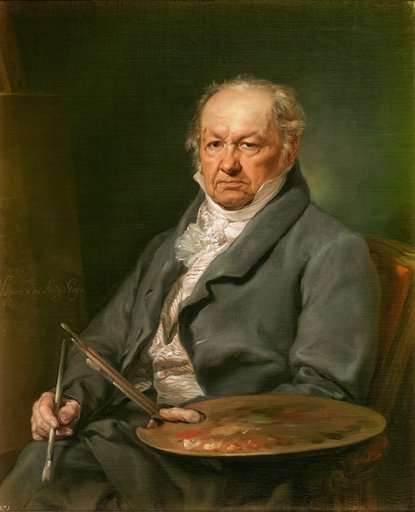
Francisco José de Goya y Lucientes was a Spanish romantic painter and printmaker.

 General Jean Victor Moreau (1764-1813)
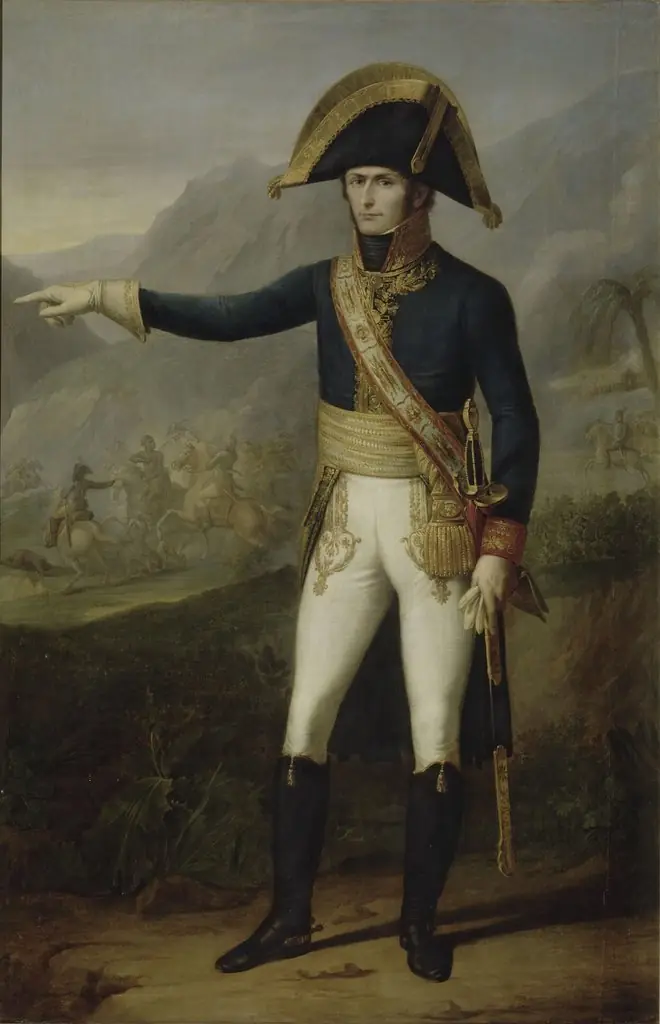 Charles-Emmanuel Leclerc, general-in-chief of the army of Saint-Domingue (1772-1802)
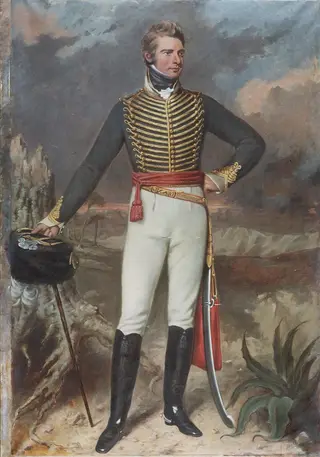 Henry Seymour
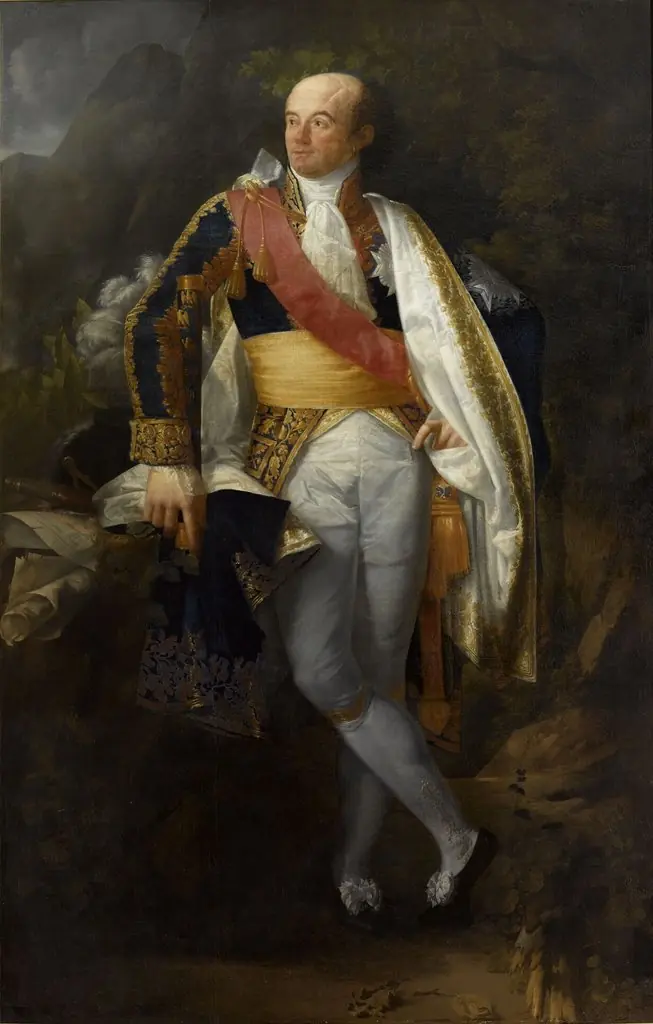 Dominique-Catherine, marquis Pérignon, maréchal de France (1754-1818)
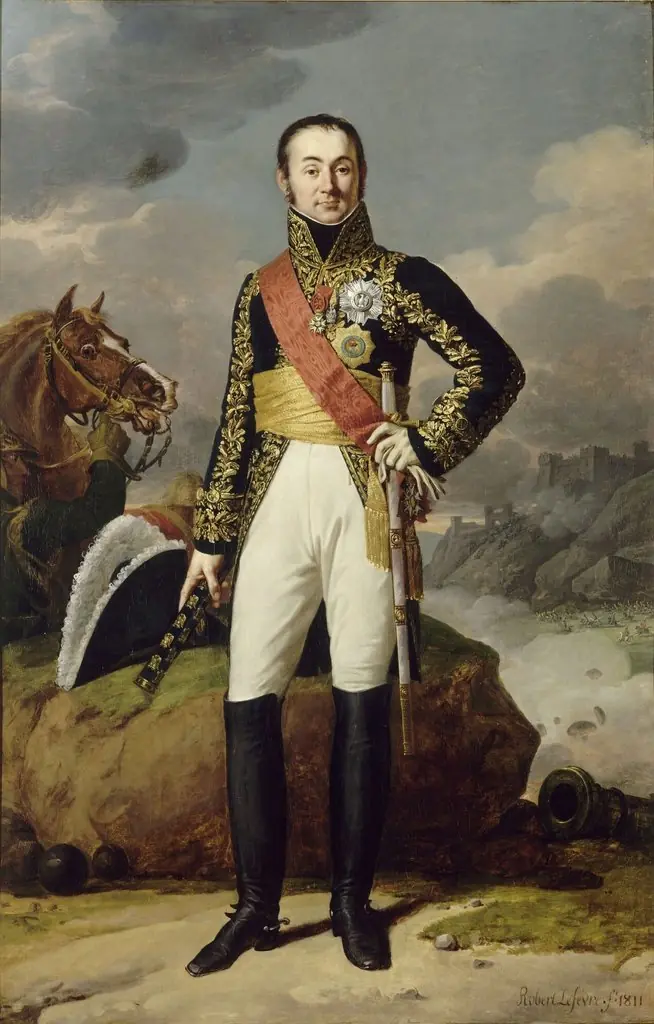 Nicolas-Charles Oudinot, Duke of Reggio, Marshal of France (1767-1847)
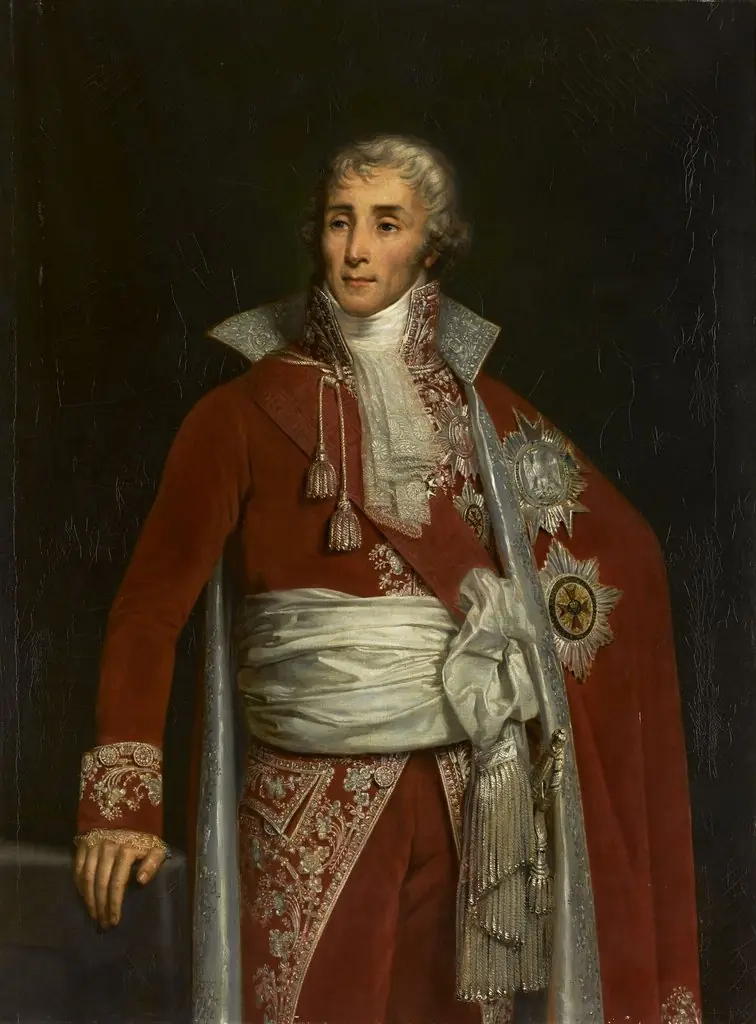 Joseph Fouché, Duke of Otranto
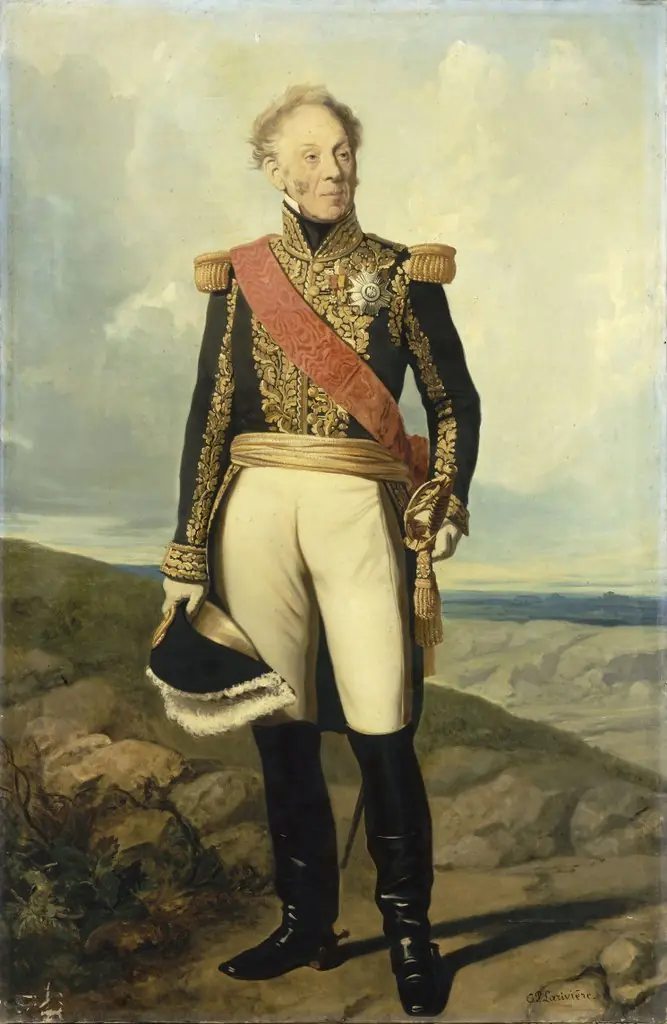 Porträt des Rémi Joseph Isidore Exelmans, Marechal De France (1775-1852)
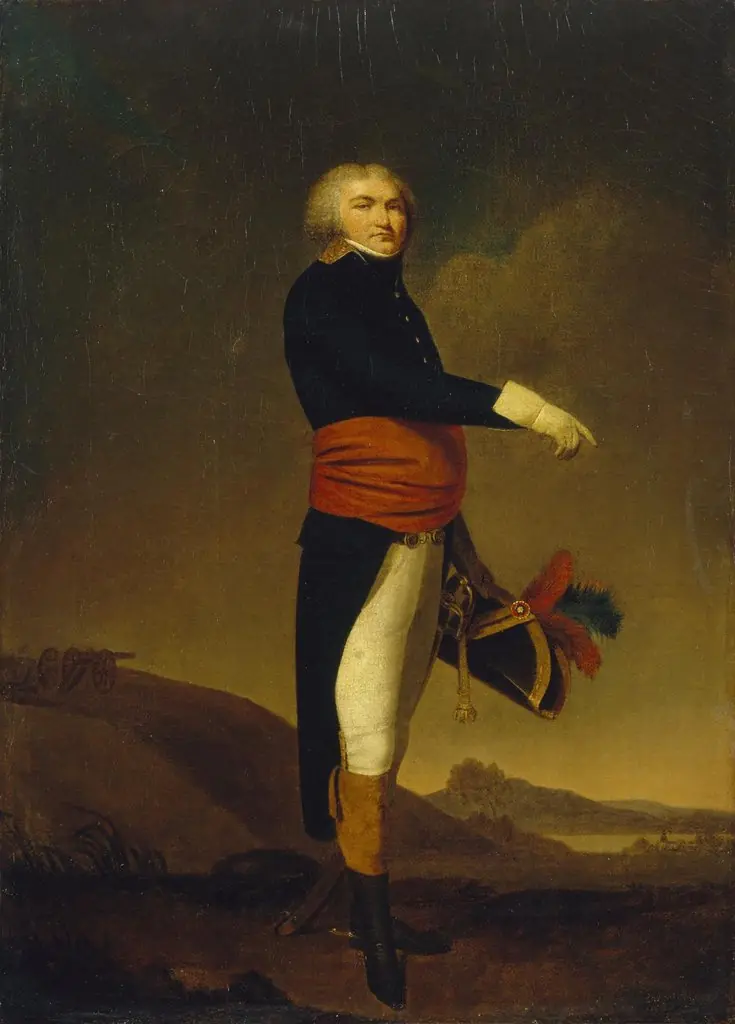 Portrait of General J.-B. Kleber
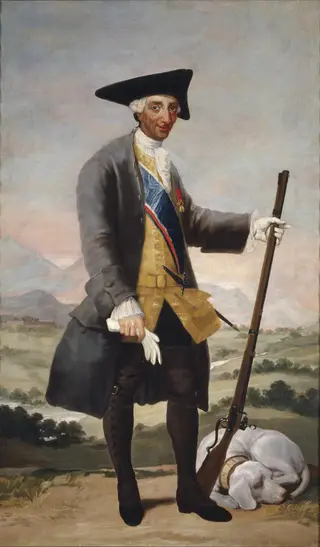 Charles III in Hunting Dress
 Miguel de la Torre y Pando conde de Torre Pando