Artwork
Portrait of Emperor Paul I
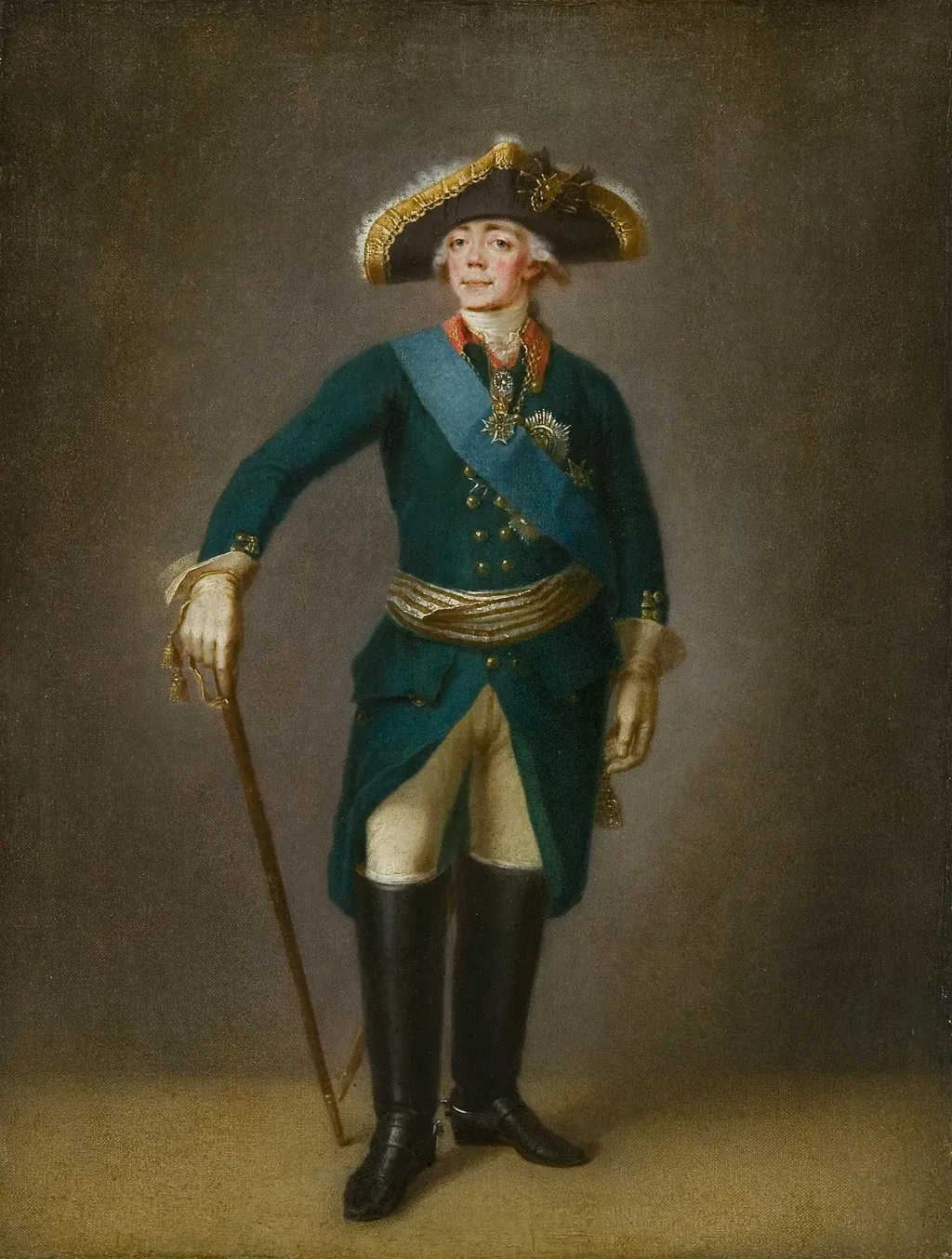
Portrait of Emperor Paul I is an oil painting by the Rococo painting artist Unknown. It dates from 1750 and is held in the collection of the Hermitage Museum.
About this work
Overview
The Portrait of Emperor Paul I is an oil-on-canvas painting by an unknown artist, dated to 1750, depicting Paul I of Russia in full-length ceremonial dress.
The Portrait of Emperor Paul I is an oil-on-canvas painting by an unknown artist, dated to 1750, depicting Paul I of Russia in full-length ceremonial dress. Measuring 54 by 41 centimetres, the work is held in the collection of the Hermitage Museum in Saint Petersburg. Though modest in scale, the portrait occupies a significant place among Russian imperial imagery of the late eighteenth century, offering a formal record of a monarch whose brief reign and violent death have made him one of the most debated figures in Russian history.
Subject & Meaning
The painting depicts Paul I of Russia (1754-1801), son of Peter III and Catherine the Great, who reigned from 1796 until his assassination in 1801. The portrait presents him in the full regalia of imperial authority: a dark teal military coat with brass buttons, red collar, and gold epaulettes, a blue sash across his chest, and multiple star-shaped orders at his breast. A striped gold and white sash wraps his waist, while cream breeches and tall black boots complete the uniform. The large tricorn hat, trimmed with gold braid and white fur, and the powdered hair visible beneath it, signal adherence to contemporary aristocratic fashion. His right hand, gloved in white, rests upon a long cane or baton; his left hand holds a tasseled object. The absence of the Order of Malta, which Paul received in 1798, may suggest the portrait predates that honour, though the 1750 date given in corpus records would place the work decades before his reign, indicating possible later execution or a revised dating. The overall effect is one of controlled ceremonial power, emphasising military discipline and dynastic legitimacy rather than individual psychology.
Technique & Style
Executed in oil on canvas, the painting displays smooth, controlled brushwork with particular attention to the varied textures of fabric, metal, and leather. Soft, even frontal illumination casts minimal shadows, producing a polished, refined surface typical of late eighteenth-century Russian court portraiture. The figure stands against a plain, muted brown-gray background upon a flat, warm tan floor without distinguishing features, focusing all attention on the sitter and his elaborate costume. This compositional restraint, combined with meticulous rendering of decorative details, aligns the work with the ceremonial portrait tradition favoured by European artists at the Russian court, rather than the more psychologically penetrating approach developed by Russian painters such as Dmitry Levitsky in the 1790s.
History & Provenance
The circumstances of the portrait's commission remain unknown. The date of 1750 given in corpus records is problematic, as Paul was born in 1754; the work likely dates to the 1790s, a period when Paul, as Grand Prince and later Emperor, was frequently portrayed by leading court artists. The painting entered the collection of the Hermitage Museum, where it remains today. It has been digitised and made available through the Google Cultural Institute, indicating its status within the museum's publicly accessible holdings. No detailed exhibition history prior to its modern museum presence is recorded in the available sources.
Context
Paul I's life and reign were shaped by extraordinary familial and political tensions. Taken from his mother Catherine immediately after birth and raised largely apart from her, he spent decades as heir apparent, excluded from governance and alienated from the court. He married twice, first to Natalia Alexeevna (Wilhelmina of Hesse-Darmstadt) in 1773, then to Maria Feodorovna (Sophia Dorothea of Württemberg) in 1776, and withdrew to the Gatchina estate from 1783. His accession in 1796 brought rapid reform: the Establishment of the Imperial Family established male primogeniture, local government was restructured, noble privileges were curtailed, and military organisation was remodelled along Prussian lines. His foreign policy swung between alliance and enmity with France, Britain, and other European powers. The portrait belongs to a period of intense imperial image-making, when Paul was depicted by artists including Louis Caravaque, Pietro Rotari, Alexander Roslin, Vigilius Eriksen, and Jean-Louis Voille, as well as by Russian painters Vladimir Borovikovsky and Stepan Shchukin. Dmitry Levitsky, perhaps the most psychologically acute portraitist of the era, also portrayed Paul, though his works emphasised interior character rather than ceremonial grandeur. The unknown artist of the Hermitage portrait worked firmly within the European tradition of formal state portraiture, producing an image of institutional authority rather than personal revelation.
Legacy
Paul I's assassination in March 1801, in the Mikhailovsky Castle he had built as a fortress-palace, cast a long shadow over his historical reputation. Contemporary and later accounts often portrayed him as an eccentric, even tyrannical figure, the 'Russian Hamlet' doomed by his own nature and circumstances. Alexander Pushkin's reference to the castle as 'the empty monument of the tyrant' in his Ode to Liberty fixed this image in Russian literary culture. Yet recent scholarship has sought rehabilitation, recognising achievements in administrative and military reform, and his protection of the Knights of Malta, which made Saint Petersburg the effective capital of that order. The Hermitage portrait, with its emphasis on ceremonial legitimacy and military order, now serves as a visual document against which more psychologically complex later images, particularly those by Levitsky, Borovikovsky, and Shchukin, may be measured. Its very anonymity as a work by an unknown artist underscores the collective nature of imperial representation, in which individual artistic identity was often subordinated to the demands of state ideology.
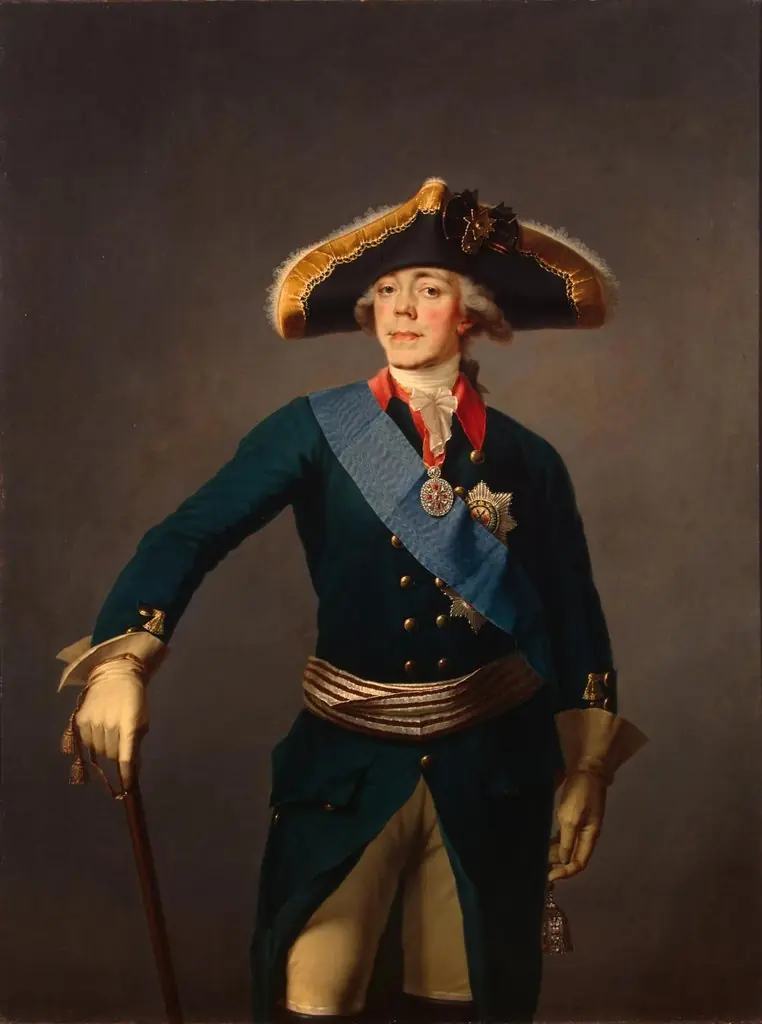
Artist & collection









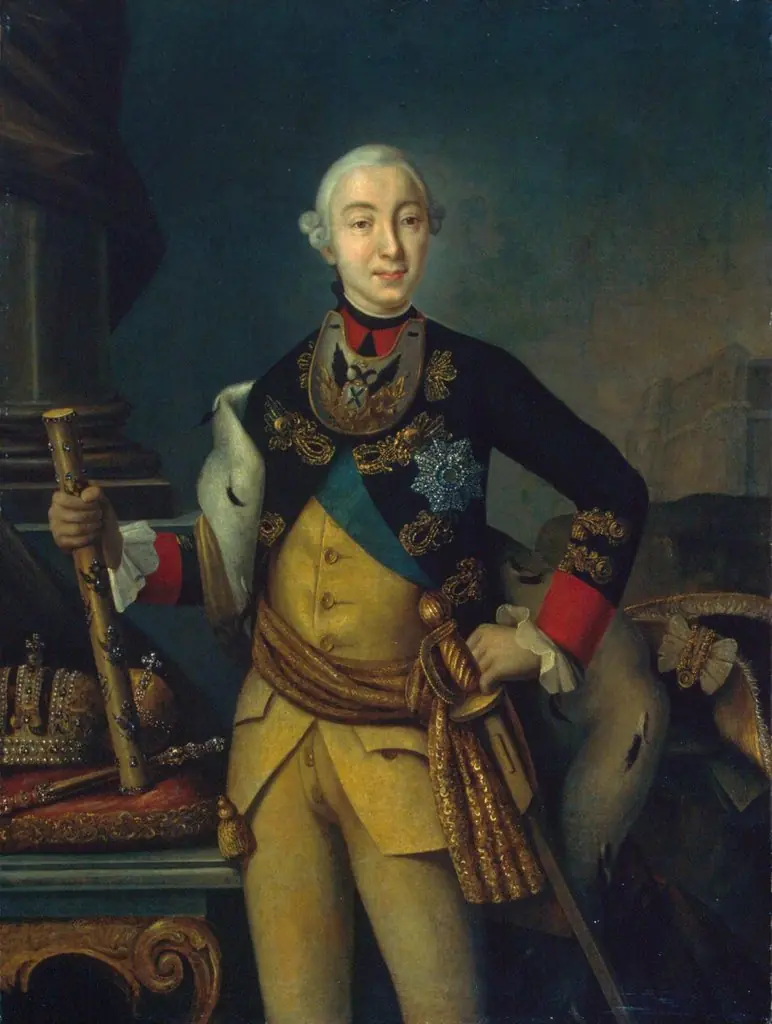 Portrait of Emperor Peter III
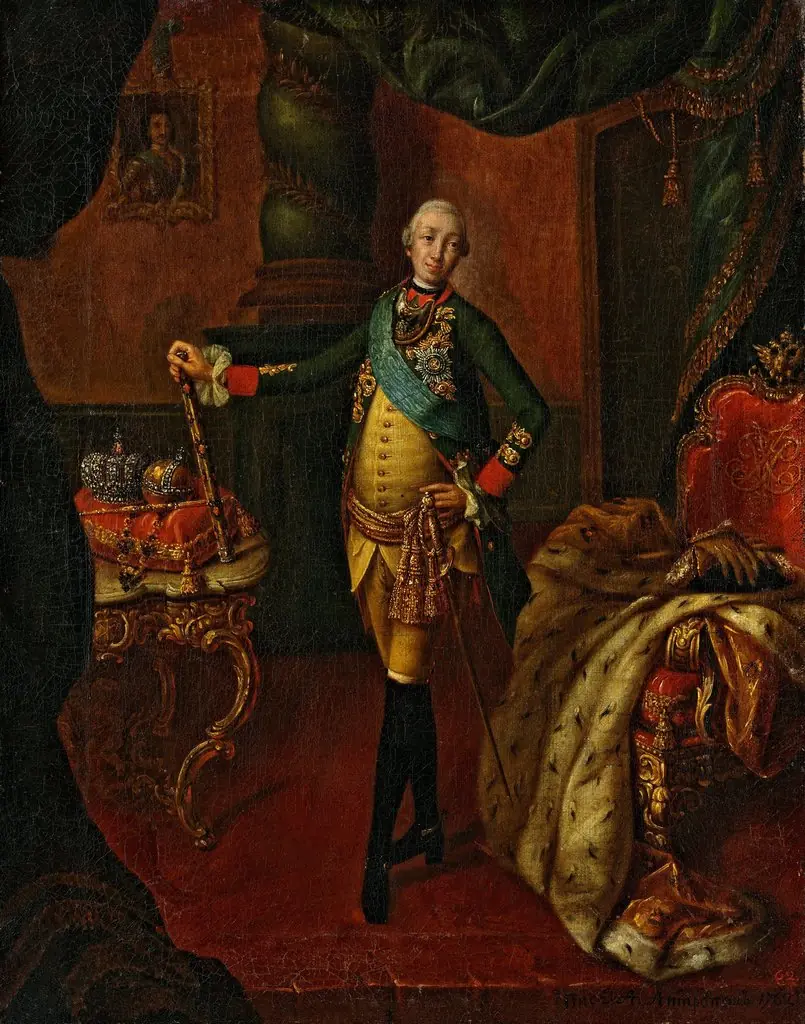 Portrait of Peter III
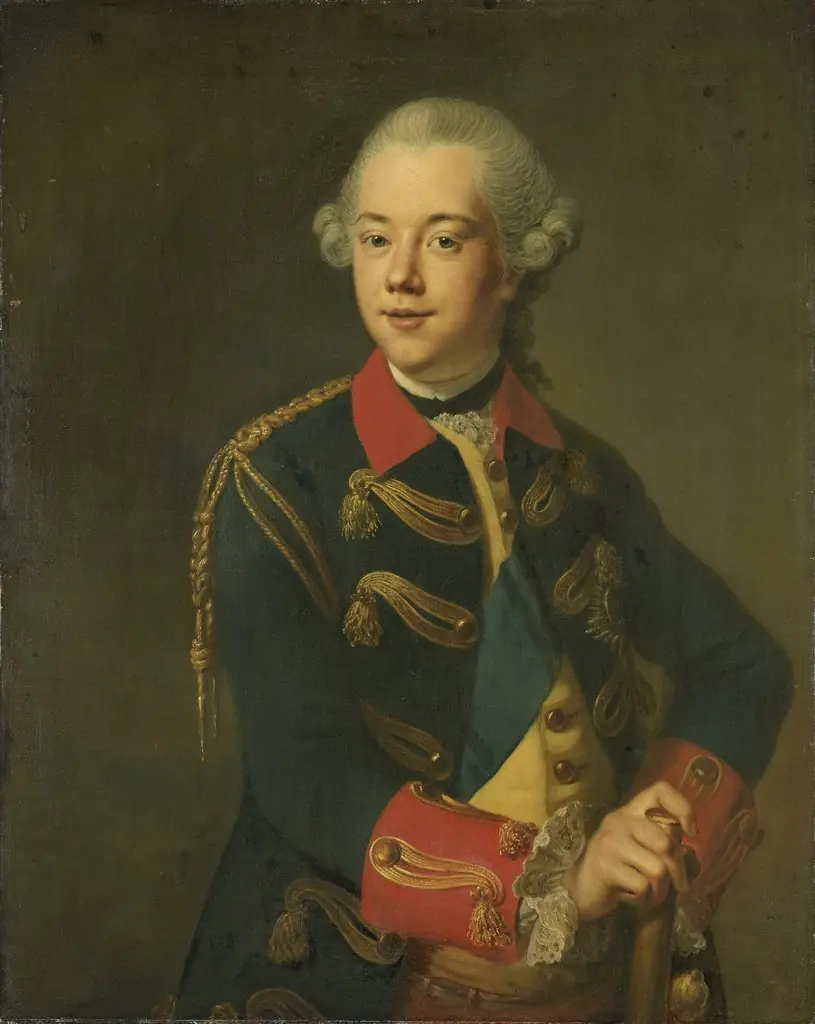 Portrait of William V, Prince of Orange-Nassau
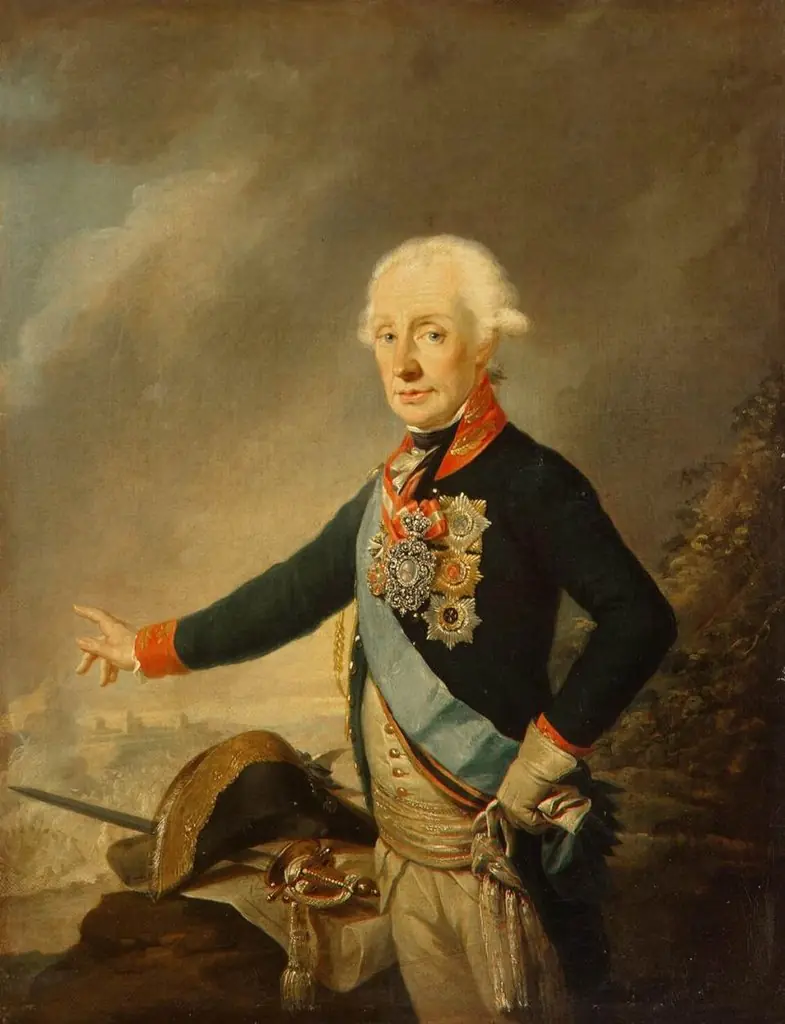 Portrait of Count Alexander Suvorov
 Portrait of William V, Prince of Orange-Nassau
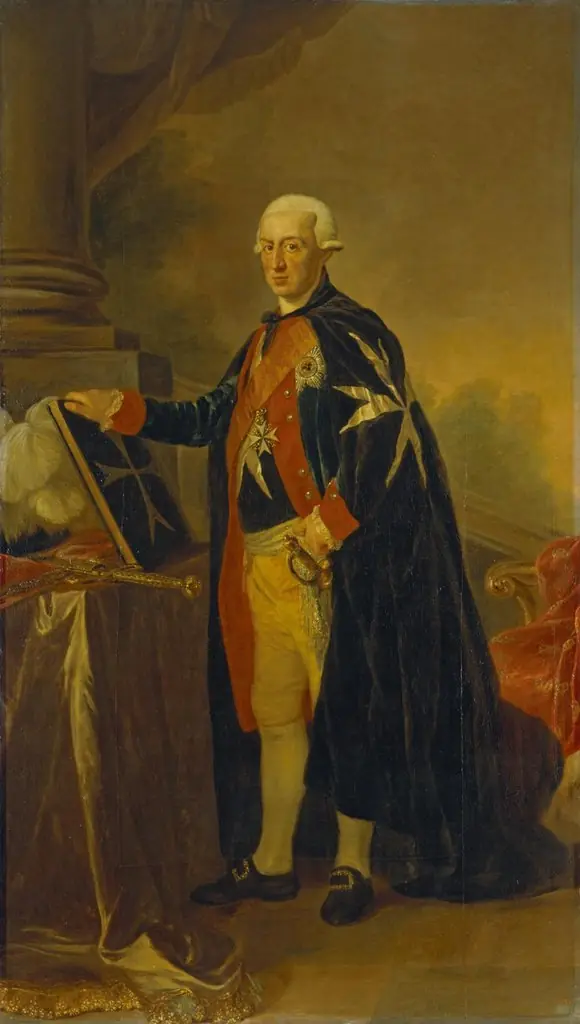 Portrait of Prince Augustus Ferdinand of Prussia
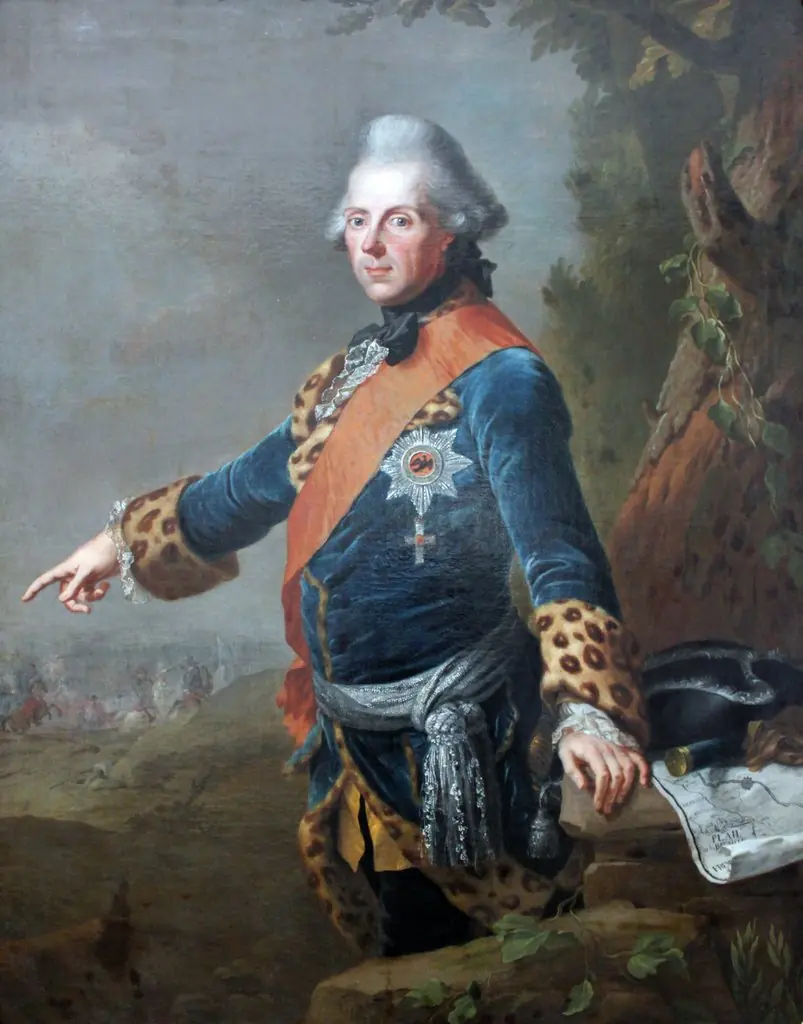 Prince Henry of Prussia (1726-1802)
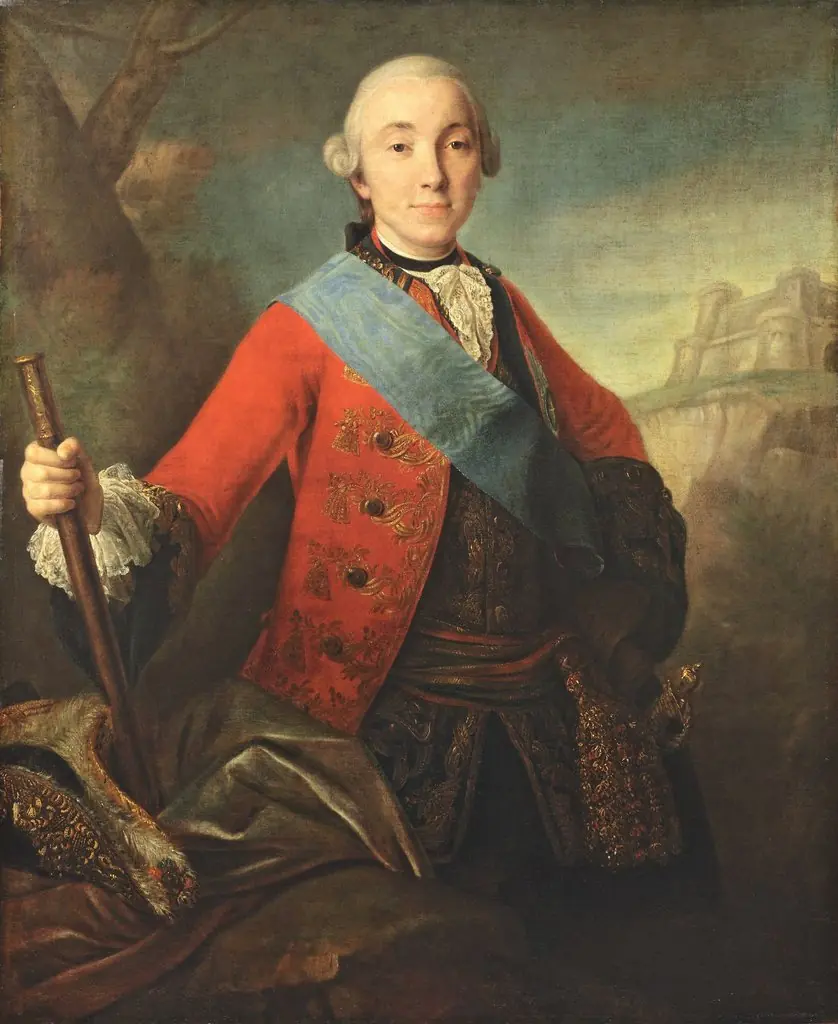 Портрет великого князя Петра Федоровича
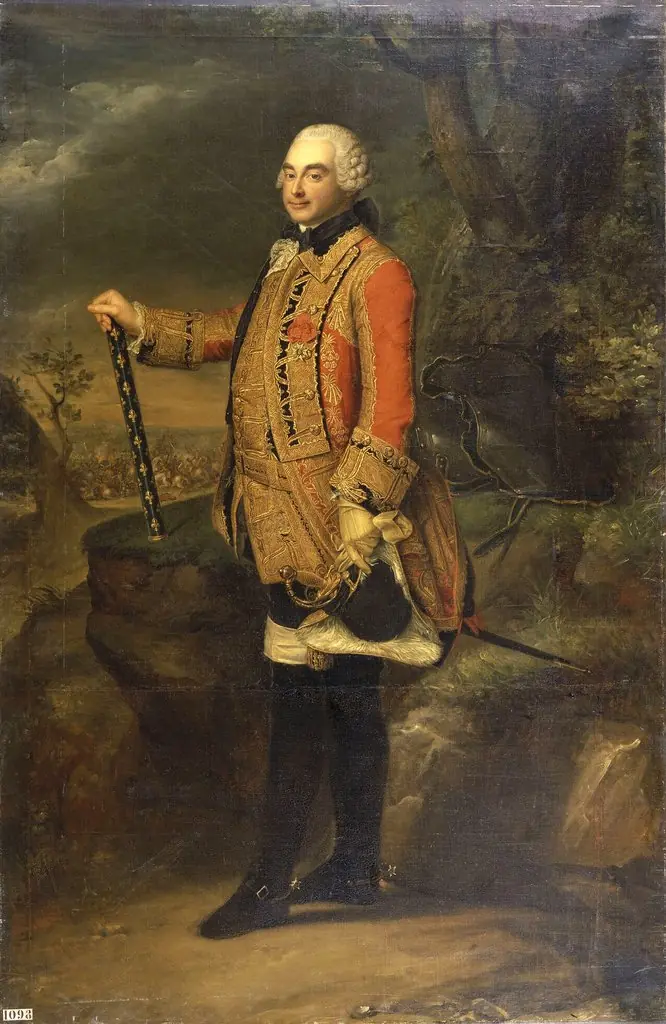 Portrait of Charles de Rohan, Prince of Soubise