Artwork
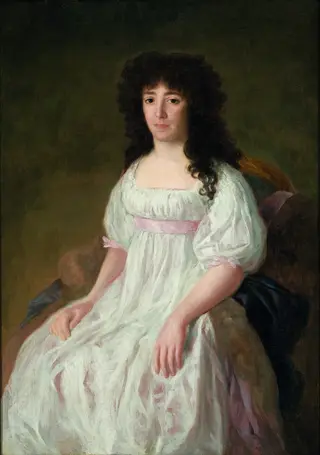
María Antonia Gonzaga, Dowager Marchioness of Villafranca
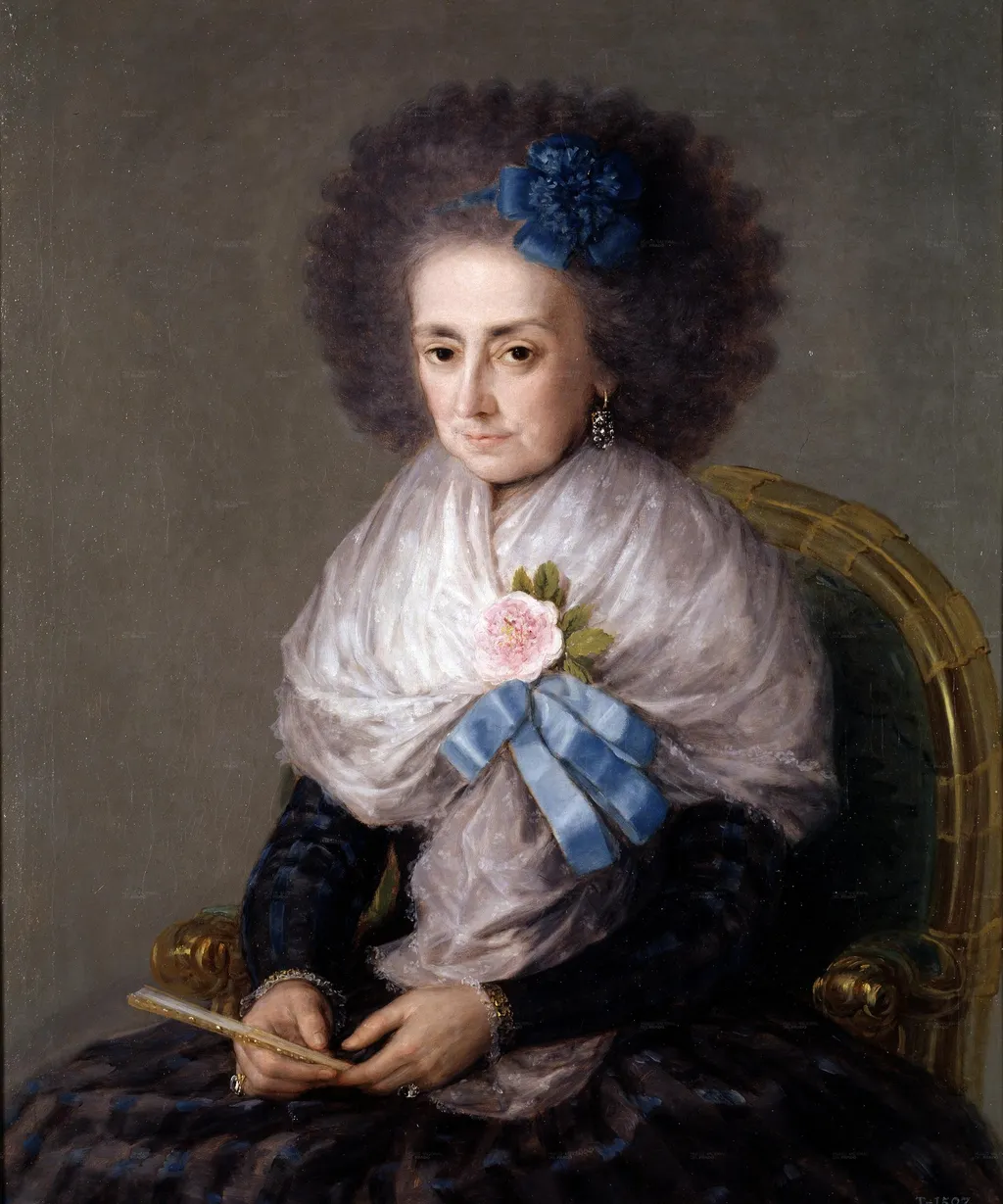
María Antonia Gonzaga, Dowager Marchioness of Villafranca is an oil painting by the Spanish Baroque Tenebrist artist Francisco de Goya. It dates from 1798 and is held in the collection of the Museo del Prado. Francisco Goya executed this oil portrait in 1798, portraying María Antonia Gonzaga, the Dowager Marchioness of Villafranca.
About this work
Subject & Meaning
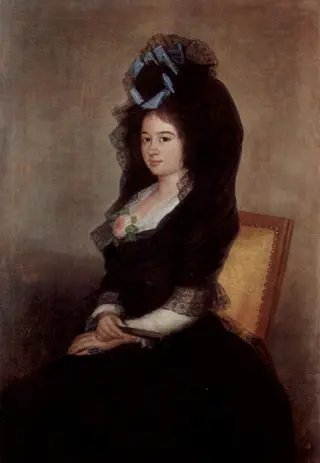
The portrait shows María Antonia Gonzaga, Dowager Marchioness of Villafranca, rendered in oil on canvas in 1795. She holds a hand fan and wears a gemstone, symbols that reflect aristocratic status and personal taste. The work is part of the Museo del Prado collection and exemplifies Goya's skill in capturing elite subjects with psychological nuance.
Technique & Style
The handling of the medium and the overall formal qualities reflect Goya's approach to late eighteenth-century elite portraiture.
Francisco Goya executed this 1795 portrait using oil paint on canvas. The work measures 87 by 72 centimeters and operates within the genre of portraiture. Stylistically, the composition incorporates specific descriptive details, depicting the subject holding a hand fan and adorned with gemstones, which anchor the figure in her aristocratic status.
The handling of the medium and the overall formal qualities reflect Goya's approach to late eighteenth-century elite portraiture.
History & Provenance
The portrait of María Antonia Gonzaga, Dowager Marchioness of Villafranca, was produced by Francisco Goya in 1795, executed in oil paint on canvas.
The work is held in the collection of the Museo del Prado, where it remains located. Beyond its dating and current institutional custody, the sources do not document a prior ownership chain, a commissioning patron, or earlier provenance stages for the painting.
No additional creation history, such as preparatory studies, sitter sessions, or transfer of ownership between collections, is recorded in the available material.
The portrait of María Antonia Gonzaga, Dowager Marchioness of Villafranca, is held in the collection of the Museo del Prado in Madrid. The work, created by Francisco Goya in 1795, is an oil painting on canvas measuring 87 cm in height and 72 cm in width. While the source confirms its current location and physical dimensions, no specific inventory or accession number is provided in the available records. Additionally, the provided sources do not document any exhibition history for this specific painting.
Legacy
The portrait of María Antonia Gonzaga, Dowager Marchioness of Villafranca, painted by Francisco Goya in 1795, remains a notable example of late 18th-century Spanish portraiture within the Museo del Prado collection. Its depiction of aristocratic status through symbolic elements such as the hand fan and gemstone has been referenced in studies of Goya’s exploration of social hierarchy and female patronage, contributing to broader scholarship on courtly identity in the Spanish Enlightenment. The work’s technical execution in oil on canvas, measuring 87 by 72 centimeters, continues to inform conservation assessments of Goya’s early portrait style.
Overview
Francisco Goya executed this oil portrait in 1798, portraying María Antonia Gonzaga, the Dowager Marchioness of Villafranca. The canvas measures a modest size and is now part of the Museo del Prado’s holdings. The composition centers the sitter in a simple interior, emphasizing her aristocratic bearing through dress and accessories rather than elaborate background scenery.
Own this work as a print
Artist & collection
Artist
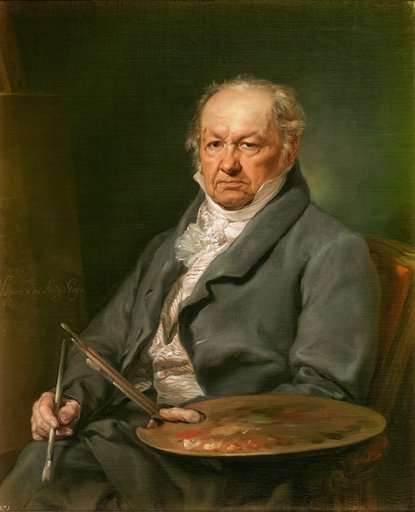
Francisco José de Goya y Lucientes was a Spanish romantic painter and printmaker.

- María Pilar de la Cerda y Marín de Resende, Duchess of Nájera
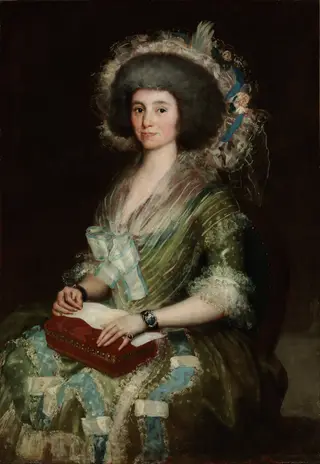 Portrait of Senora Ceán Bermudez
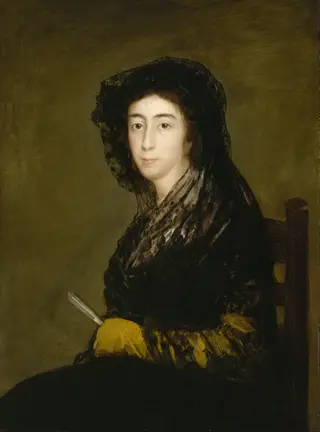 Dona Amalia Bonells de Costa
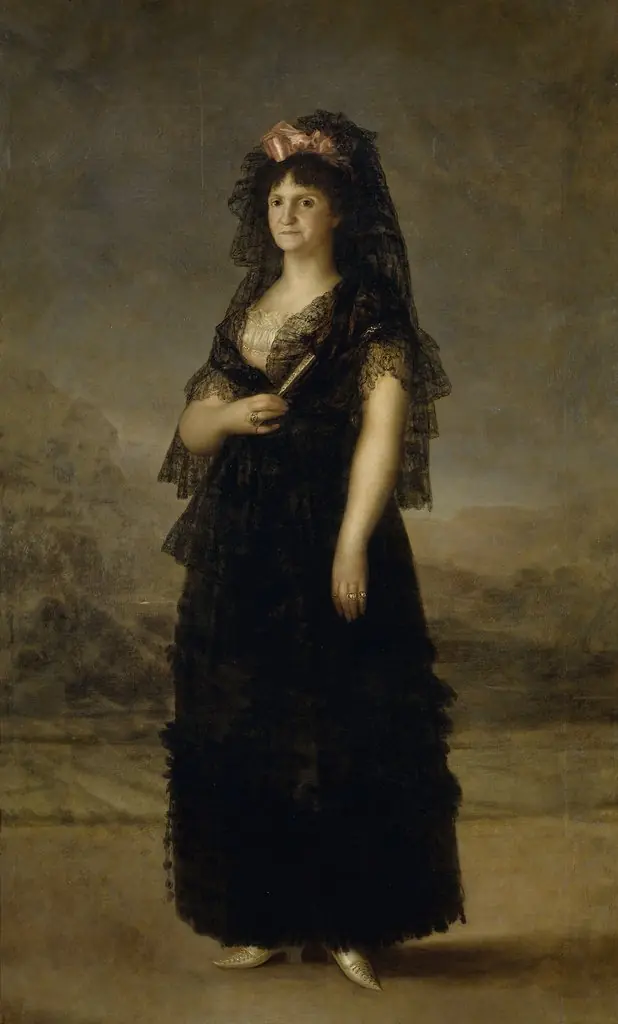 Queen María Luisa in a Mantilla
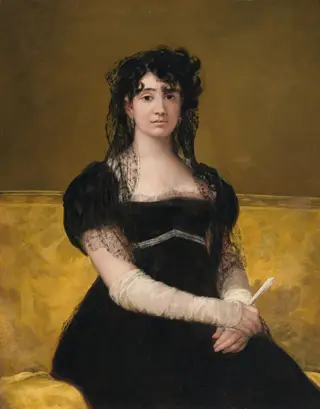 Portrait of Doña Antonia Zárate
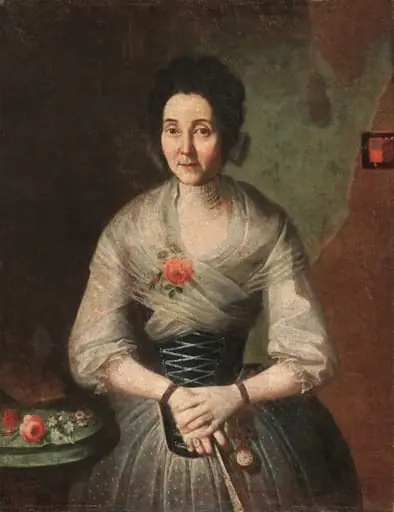 Soția medicului Pataki Samuel II (Szatmari Papp Sára) (În RI: Pataki Sámuelné Szatmari Papp Sára)
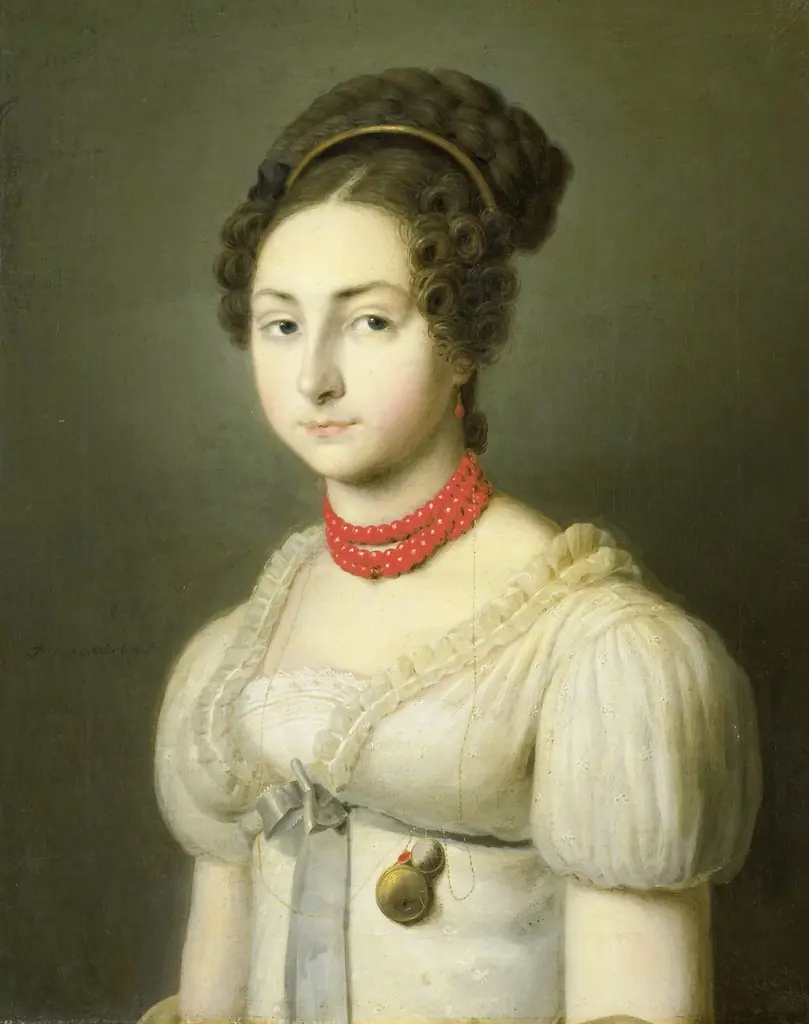 Portrait of Jacoba van Wessem, Wife of Lord Stumphius, Burgomaster of Beverwijk
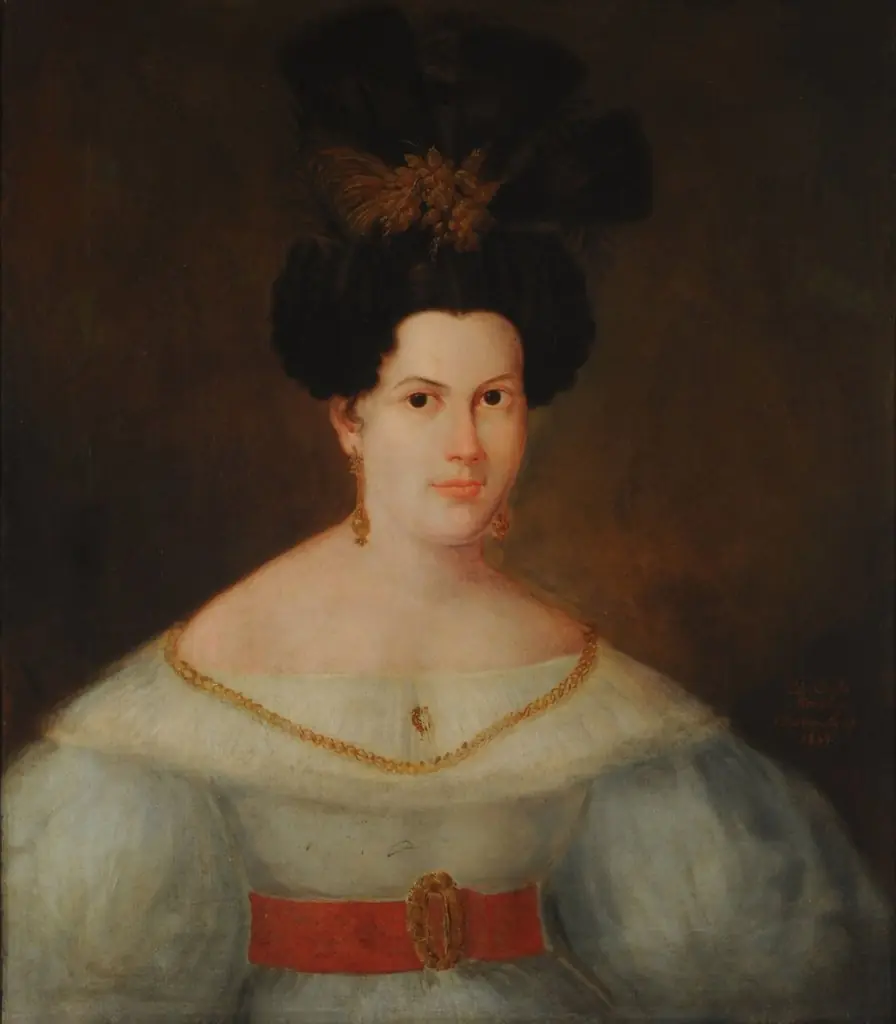 Portrait of Doña Macedonia Escardo
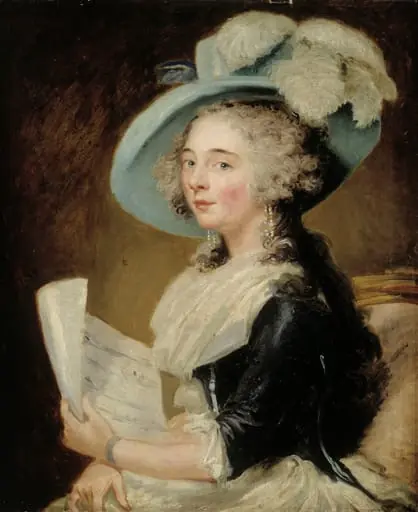 Englantilainen laulajatar
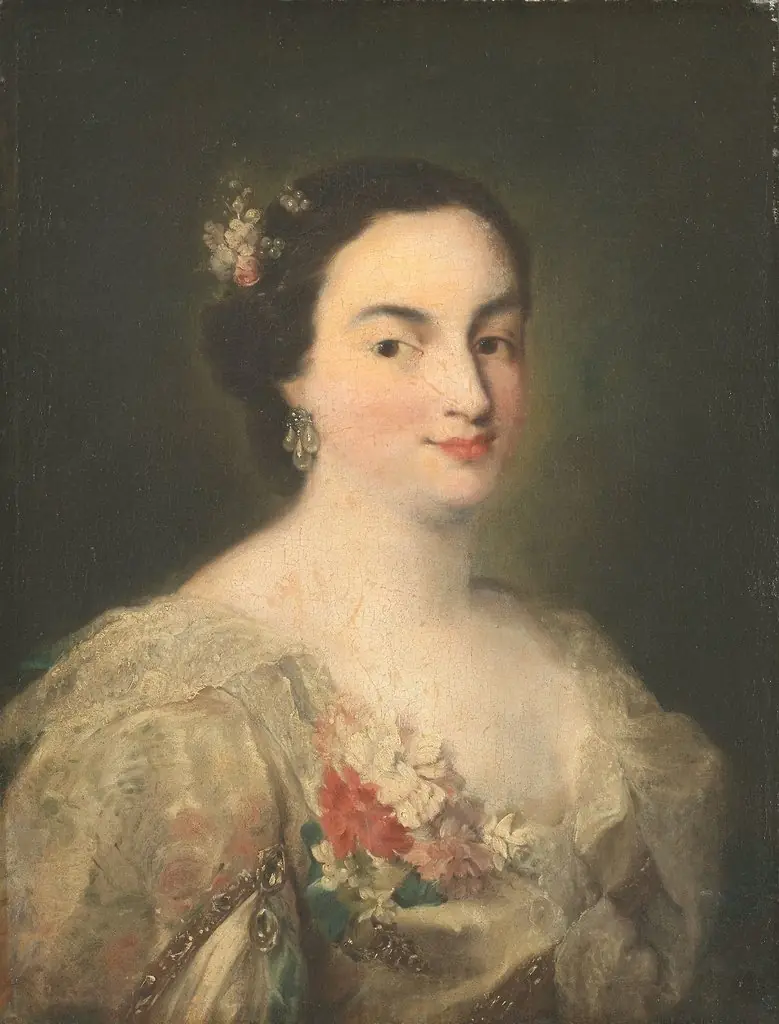 Portrait of a Young Woman
 The Countess of Casa Flores