Artwork
Portrait of a Monk
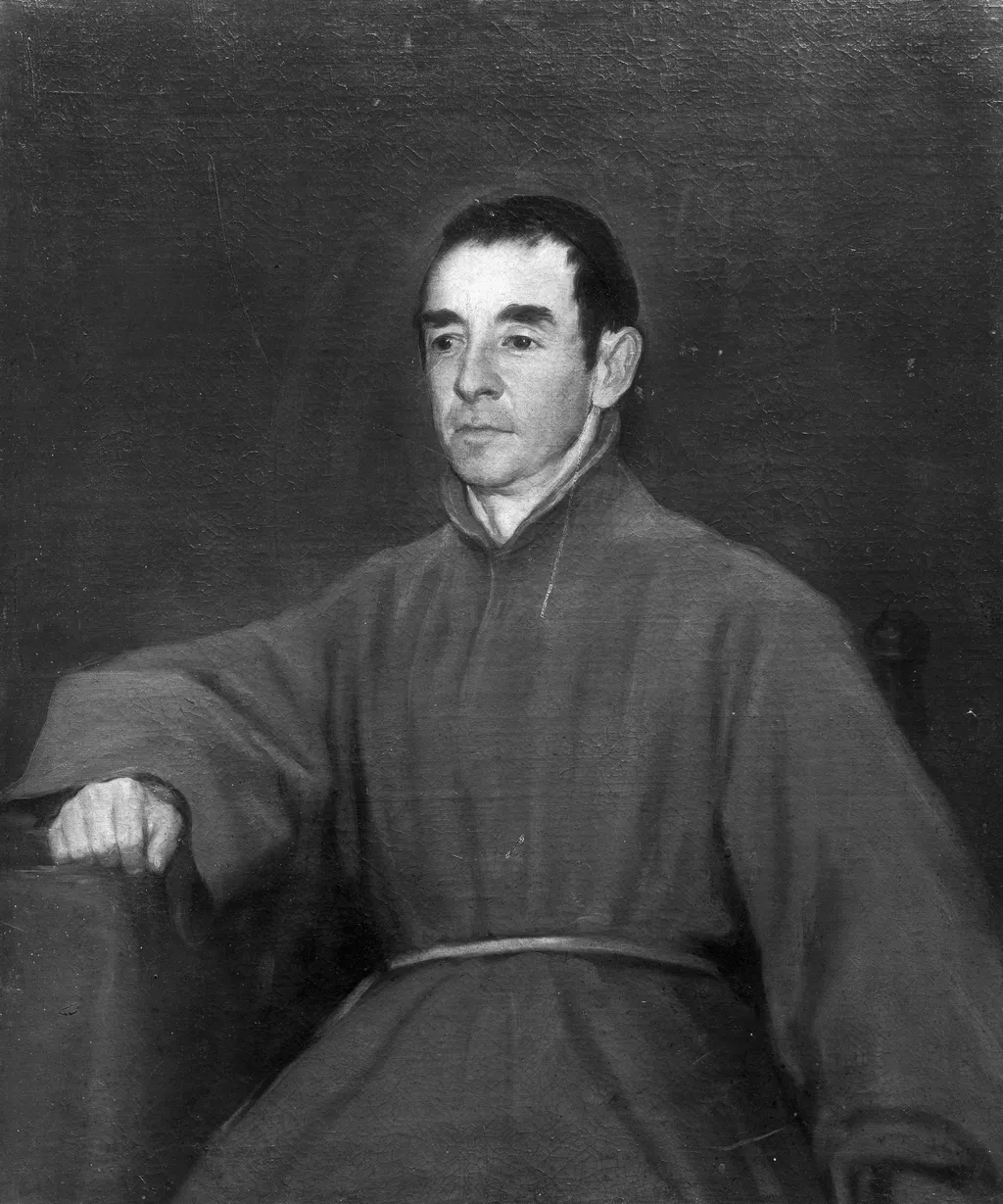
Portrait of a Monk is a paint painting by Francisco de Goya. It dates from 1803 and is held in the collection of the Gemäldegalerie Berlin. Painted in 1803, this portrait by Francisco Goya depicts a monk in quiet contemplation.
About this work
Overview
Executed in oil on canvas, it belongs to a series of intimate character studies Goya produced during his later years in Spain.
Painted in 1803, this portrait by Francisco Goya depicts a monk in quiet contemplation. Executed in oil on canvas, it belongs to a series of intimate character studies Goya produced during his later years in Spain. The work reflects his shift from courtly commissions toward more psychologically nuanced subjects.
It is now part of the Gemäldegalerie Berlin’s collection, where it remains a quiet example of his mature style.
Subject & Meaning
The subject is a member of the clergy, dressed in a simple monastic robe, seated with one arm resting on a surface. His direct gaze invites engagement without confrontation, suggesting introspection rather than piety. Goya avoids overt religious symbolism, focusing instead on the man’s demeanor, serious yet softened by a subtle warmth in his eyes. The portrait conveys individuality, not stereotype, hinting at inner life beyond institutional role.
Technique & Style
Goya employs chiaroscuro to model the monk’s face and robe with sharp contrasts between light and shadow, lending volume and emotional weight. The fabric’s folds are rendered with loose, confident brushwork that suggests texture without overdetailing. The dark, undefined background isolates the figure, enhancing focus on his expression and posture. The handling of paint is both economical and expressive, balancing realism with psychological depth.
History & Provenance
Created during Goya’s time in Madrid, the painting likely originated as a private commission or personal study. It entered the Gemäldegalerie Berlin’s collection in the 19th century, possibly through the acquisition of works from Spanish collections dispersed after political upheavals. Its documented history is modest, but its presence in a major European museum underscores its recognition among scholars of Goya’s later output.
Context
Painted during a period of social unrest and religious reform in Spain, the portrait reflects Goya’s growing interest in ordinary individuals rather than aristocratic patrons. While many of his contemporaries idealized religious figures, Goya portrayed them with unvarnished humanity. This work aligns with his broader movement away from courtly conventions toward a more personal, critical realism.
Legacy
The portrait exemplifies Goya’s influence on later realist and expressionist traditions. His ability to convey psychological complexity through minimal means prefigured the introspective portraiture of 19th-century artists like Manet and Degas. Though not widely exhibited, the work remains a touchstone for understanding how Goya transformed the genre of portraiture into a vehicle for quiet, enduring human observation.
Own this work as a print
Artist & collection
Artist
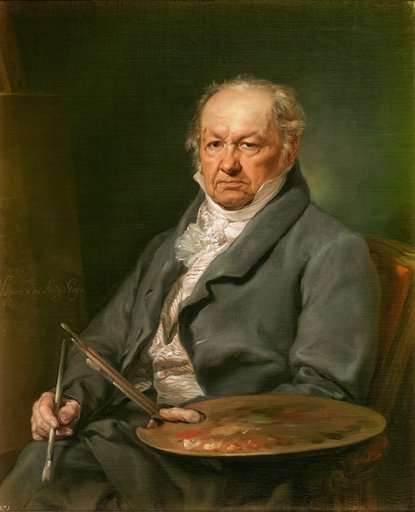
Francisco José de Goya y Lucientes was a Spanish romantic painter and printmaker.

 Bishop Rese
 Tatăl marelui vornic Constantin (Câță) Niculescu
 Bildnis des Abtes Magnus Pachinger von Benediktbeuern
 Parch. Robert Williams, Y Wernddu
 Francisco Antonio González
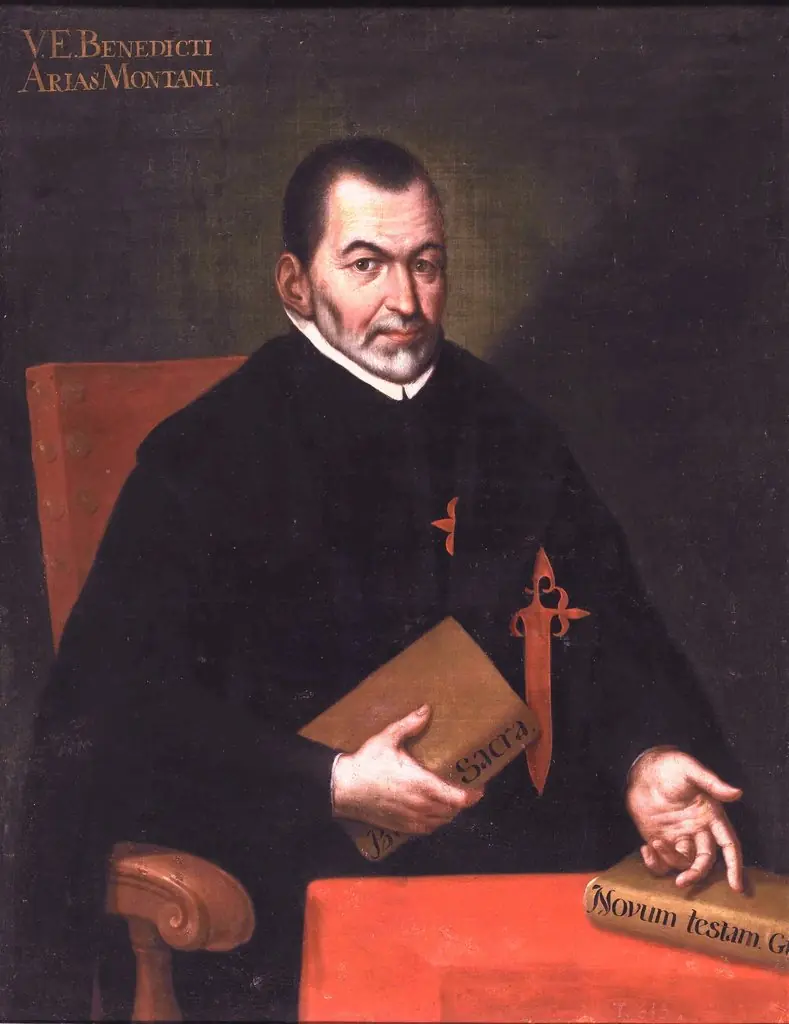 Benito Arias Montano
 Autoportret
 Rev. Morgan Howells
 Vicarul apostolic Ștefan Ștefanovici Roska
 Captain Folger of Nantucket
 Portrait of Cardinal Borghese
- Portrait of an Abbot