Artwork
Portrait of Maria Josefa of Spain
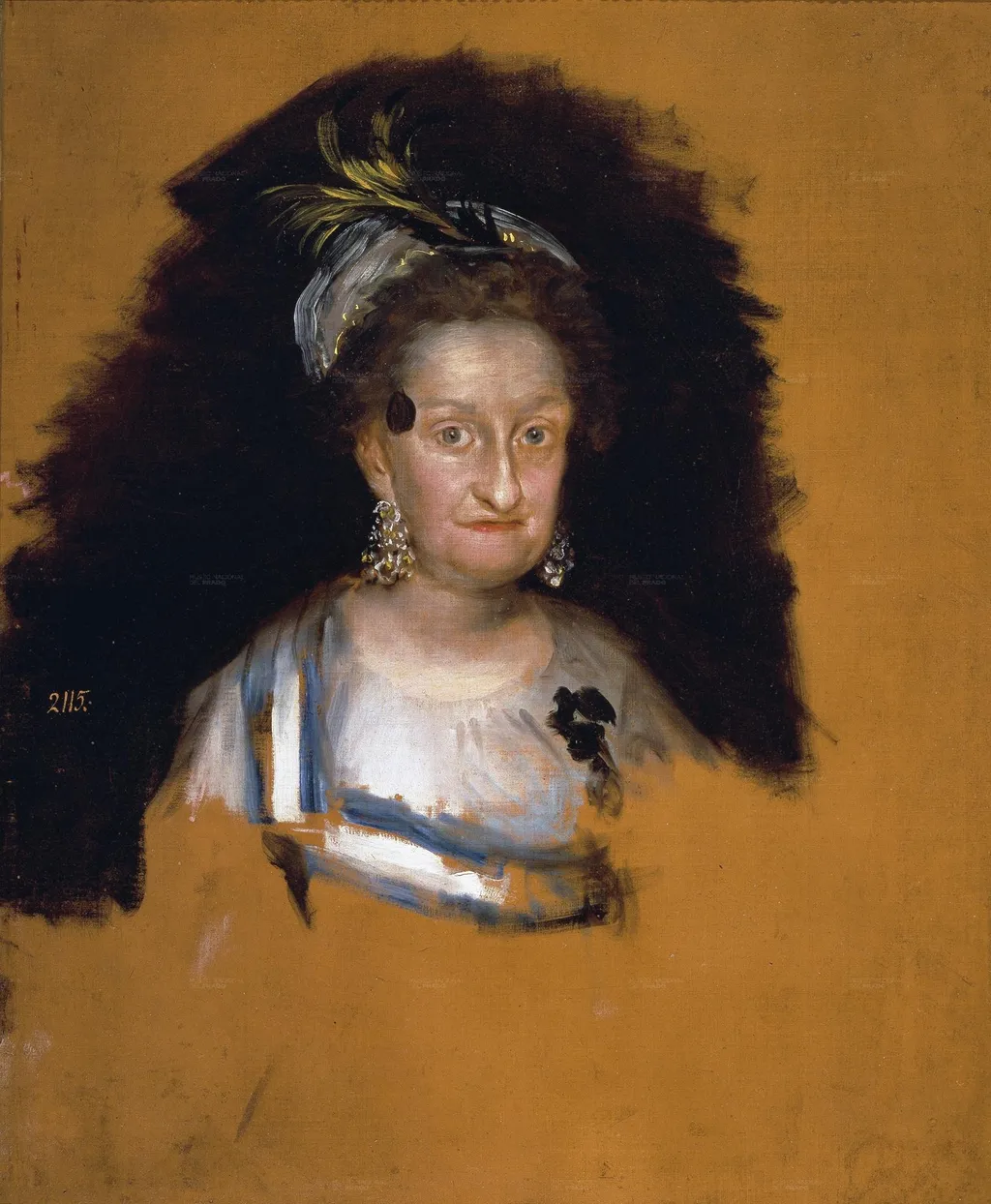
Portrait of Maria Josefa of Spain is an oil painting by Francisco de Goya. It dates from 1800 and is held in the collection of the Museo del Prado.
About this work
Subject & Meaning
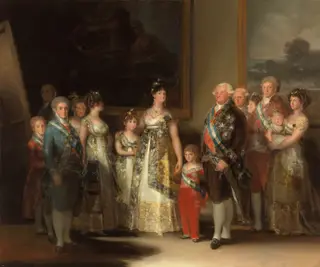
The work served as a preparatory sketch for Goya's group portrait of the royal family.
The painting portrays María Josefa of Bourbon and Saxony (1744-1801), an Infanta of Spain and daughter of Charles III, who was born in Gaeta when her father still reigned as King of Naples. She never married, despite a proposed union with her uncle, the Infante Don Luis. The work served as a preparatory sketch for Goya's group portrait of the royal family. Goya endows the sitter with marked intensity and attention to facial expression, building the features in delicate, precise strokes against a darker composition set on an illuminated background. María Josefa wears the sash of the Order of the Noble Ladies of Queen María Luisa, large diamond earrings, and a black ribbon on her chest marking the insignia of the Order of the Starry Cross, an honor reserved for ladies of the Spanish royal family. A "bird-of-paradise" plume adorns her head, signaling French influence on contemporary Spanish fashion, while a patch at her temple reflects an accessory already considered outdated and used only for medicinal purposes.
Technique & Style
La técnica empleada es la pintura al óleo sobre lienzo, con una capa de imprimación roja que sirve como fondo y rasgos faciales construidos en un solo tono antes de añadir matices de color. El artista utiliza pinceladas rápidas y enérgicas para definir la composición, mientras que los detalles del rostro se dibujan con trazos delicados y precisos, reflejando una gran atención a la expresión facial. La figura está adornada con la banda de la Orden de las Damas Nobles de la Reina María Luisa, pendientes de brillantes y una pluma que alude a la moda francesa de la época, aunque este elemento ya estaba desusado y se usaba principalmente con fines médicos. La obra muestra una composición oscura sobre un fondo iluminado, combinando un fondo iluminado con una ejecución vigorosa del pincel, y se caracteriza por la intensidad y el cuidado con que Goya retrata la expresión de la infanta.
La pieza forma parte de los diez estudios al natural realizados en el Palacio de Aranjuez durante el verano de 1800, destinados a preparar el retrato colectivo de la familia de Carlos IV. En esta versión, la infanta aparece a la izquierda y lleva un rubí negro que pertenece al insignia de la Orden de la Cruz Estrellada, símbolo exclusivo de las damas de la familia real española. La pluma en su cabeza, conocida como "la pluma del Paraíso", evidencia la influencia francesa en la moda española contemporánea.
History & Provenance
Francisco Goya painted the Portrait of Maria Josefa of Spain in the summer of 1800 at the Royal Palace of Aranjuez. The work was created as a preparatory sketch for the group portrait La Familie de Charles IV. At the request of Queen Maria Luisa of Parma, Goya painted individual studies from life of each royal family member to avoid the tedium of prolonged group sittings.
Originating from the royal collections, the painting was located at the Royal Palace of Madrid in 1814. It entered the Museo del Prado before 1834, appearing in the inventory of the Royal Museum that year, and was first cited in the museum's official catalogue in 1872. Ferdinand VII of Spain is recorded as a former owner of the artwork.
The portrait originates from the Spanish royal collections and was documented at the Royal Palace of Madrid in 1814. It entered the Museo del Prado prior to 1834, appearing in that year's inventory of the Royal Museum, though some records indicate its presence before 1857 when it was first cited in the institution's official catalog.
Painted in 1800 as one of ten natural studies executed by Goya at the Palace of Aranjuez, the work served as a preparatory sketch for The Family of Charles IV. The separate sittings were arranged at the request of Queen Maria Luisa of Parma to avoid lengthy group sessions. The painting remains part of the Museo del Prado's holdings.
Context
The critical reception and scholarship on Portrait of Maria Josefa of Spain emphasize its role as a preparatory study for Goya's La Familia de Carlos IV, painted in 1800 at the Palacio de Aranjuez. Scholars note the series of ten naturalistic sketches commissioned by Queen María Luisa de Parma, which allowed individual royal family members to be portrayed separately, avoiding lengthy group sittings. These sketches share technical traits such as a red imprimatura and facial features rendered in a single tonal layer before color nuances are added. The work depicts Infanta María Josefa, daughter of Charles III of Spain and Maria Amalia of Saxony, born in Gaeta during her father's reign as King of Naples. She never married despite being proposed as a bride to her uncle, Infante Luis. Contemporary analyses highlight Goya's intense focus on facial expression and detail, particularly in rendering the Infanta's features, attire including the Order of the Queen's insignia and diamond earrings, and symbolic elements like the 'plume d'oiseau du Paradis' reflecting French fashion influence. The painting's composition features a dark figure against a lit background, executed with swift, energetic brushstrokes, though the face was carefully delineated. Provenance traces from royal collections to the Palacio Real de Madrid by 1814, inclusion in the Museo del Prado inventory by 1834, and first official cataloging in 1872. Art historical context places it within Goya's late 18th-century Spanish portraiture, intersecting with works like La Familia de Carlos IV and influencing later scholarly editions such as Manuela Mena Marqués' 2006 study.
Own this work as a print
Artist & collection
Artist
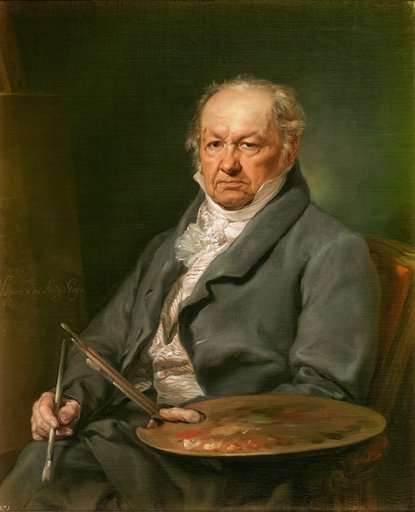
Francisco José de Goya y Lucientes was a Spanish romantic painter and printmaker.

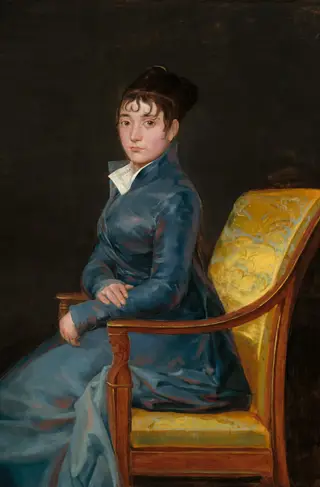
- Queen of Spain Maria Louisa, née Bourbon-Parma
 Portrait of a Lady
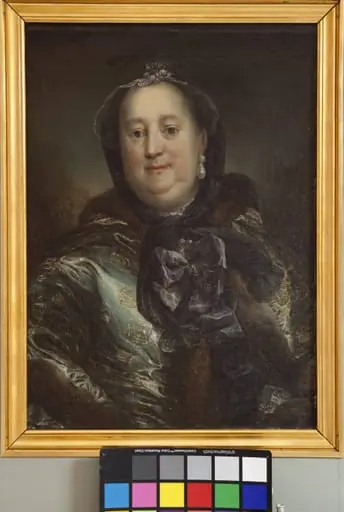 Portræt af hertuginde Antoinette Amalie af Braunschweig-Wolfenbüttel
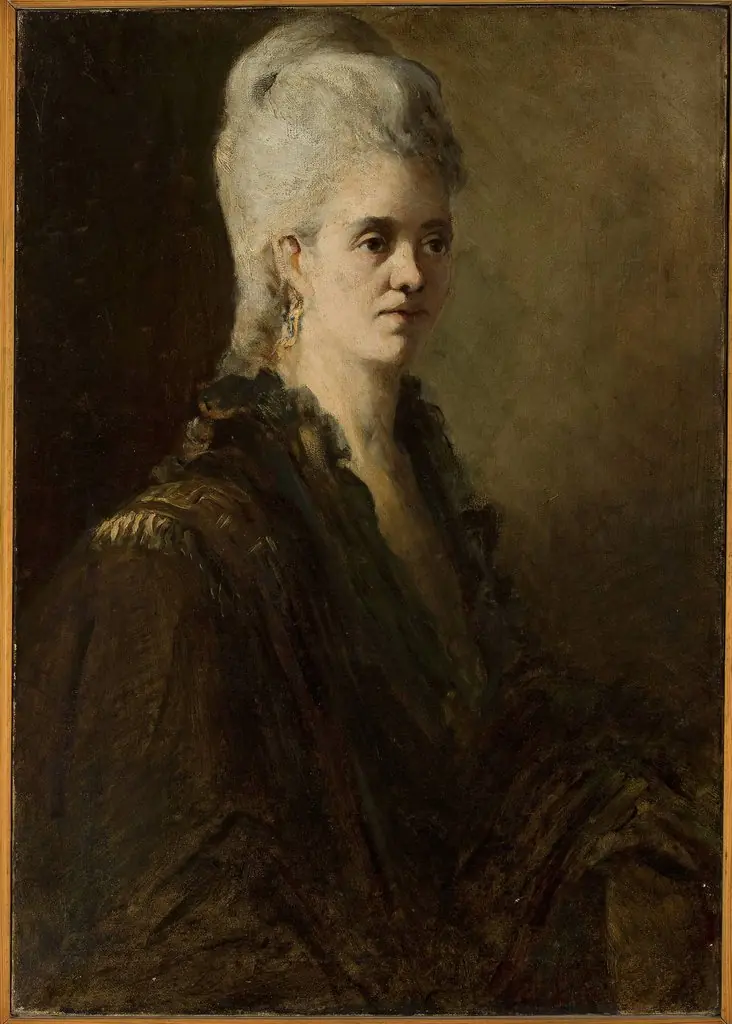 Portrait of a woman – Mrs. Zarewicz (?)
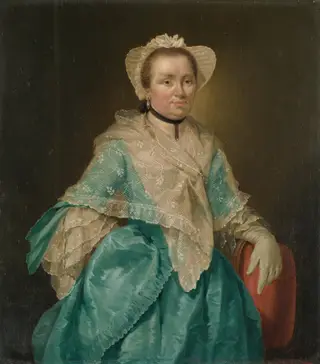 Portrait of Elisabeth Troost (1730-1790)
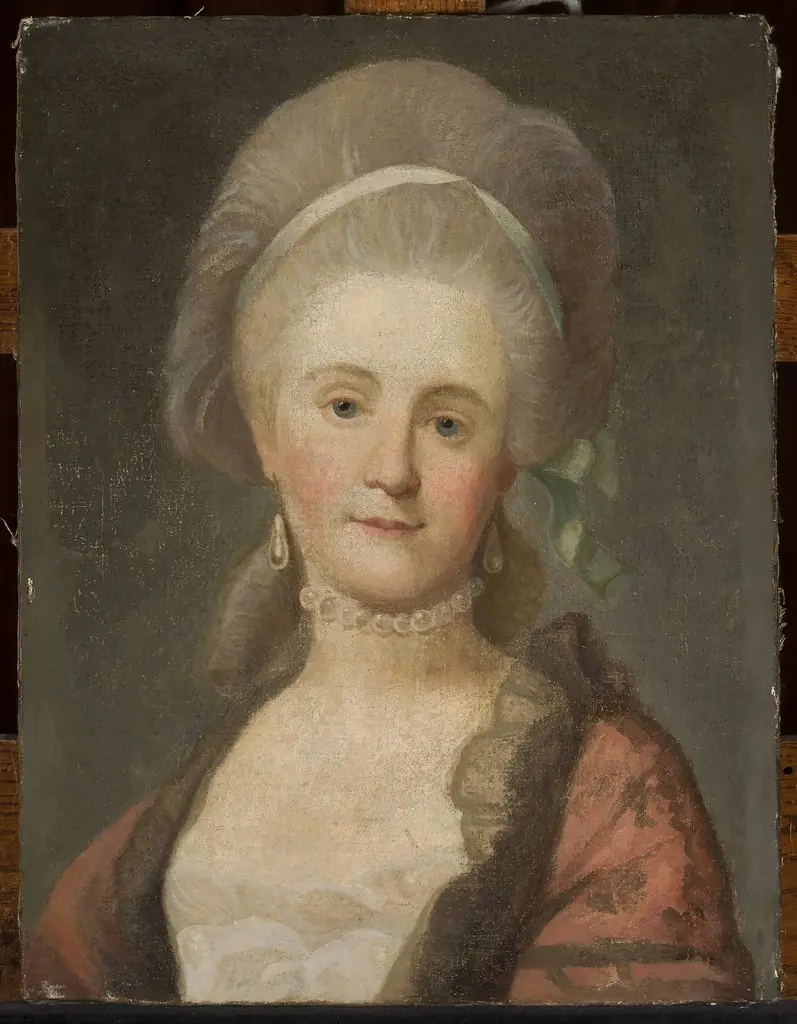 Portrait of Anna Szaniawska née Scypion (?–1795)
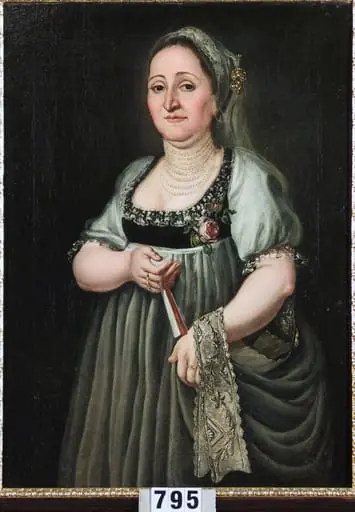 Soția măcelarului sibian Georg Hinzmann
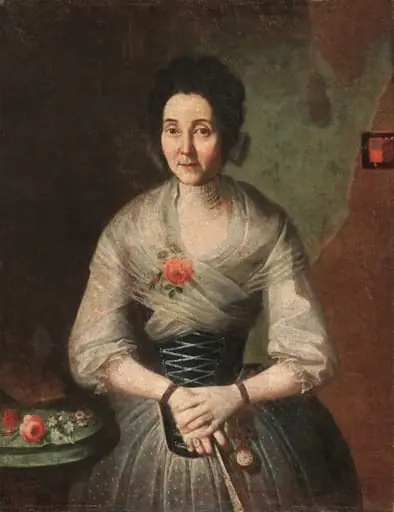 Soția medicului Pataki Samuel II (Szatmari Papp Sára) (În RI: Pataki Sámuelné Szatmari Papp Sára)
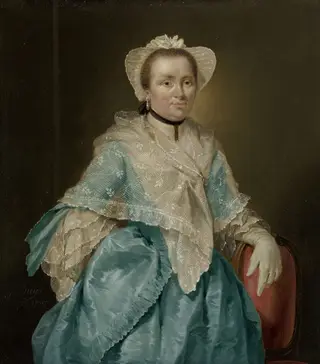 Portrait of Elisabeth Troost (1730-1790)
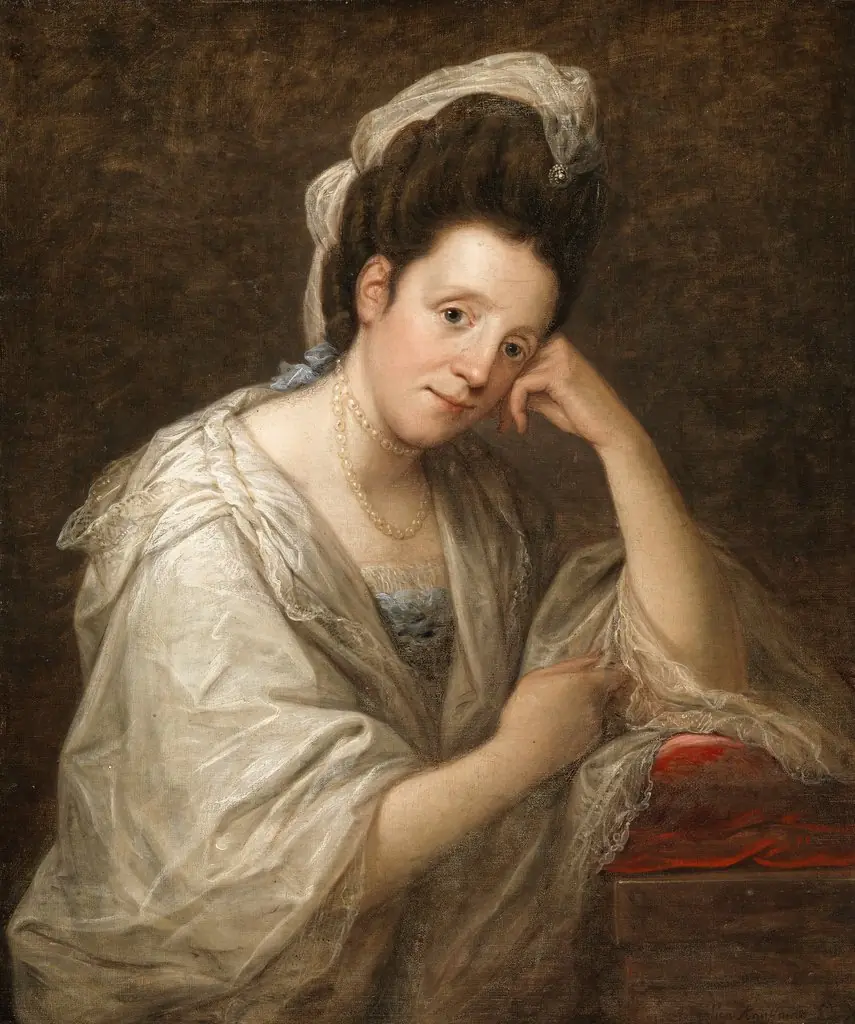 Portrait of Mrs Helen (Dorothea Daniel) (d.1806)
 Äbtissin Auguste Dorothea von Braunschweig-Wolfenbüttel
 Juliana Elisabet König