Artwork
Portrait of the Infante Carlos María Isidro of Spain
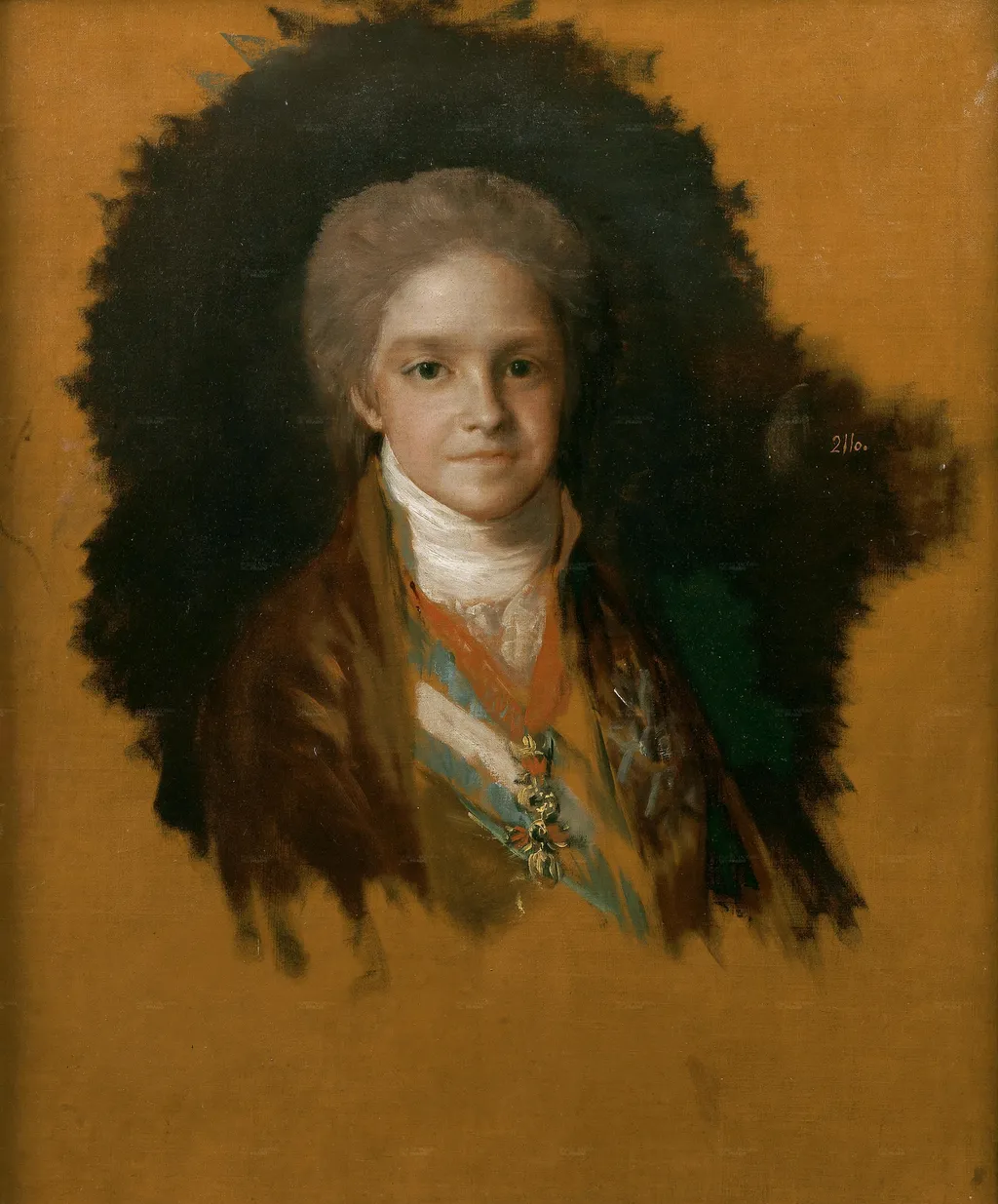
Portrait of the Infante Carlos María Isidro of Spain is an oil painting by Francisco de Goya. It dates from 1800 and is held in the collection of the Museo del Prado. Francisco Goya executed this oil portrait in 1800, presenting the Spanish Infante Carlos María Isidro.
About this work
They’re wearing a white cravat with green and orange stripes, a dark jacket, and a gold pin on their chest.
This painting shows a person in a dark brown fur collar, standing against a plain orange background. They’re wearing a white cravat with green and orange stripes, a dark jacket, and a gold pin on their chest. Their hair is pulled back, and they have a calm, direct expression.
The gold pin is likely a medal or order of some kind. Goya painted this portrait around 1800.
Next, look up the Order of Charles III, 1795–1820 in Western fashion to see what that pin might represent.
Subject & Meaning
This 1800 oil sketch depicts Infante Carlos María Isidro of Spain, son of Charles IV and Maria Luisa of Parma. Painted as a preparatory study for The Family of Charles IV, the work captures the subject in a high-collared shirt with a lace jabot and a brown coat. The Infante is adorned with the red sash of the Order of the Golden Fleece, alongside the ribbons of the Order of Charles III and the Order of Saint Januarius, signaling his royal status and chivalric affiliations.
Unlike the final official portrait, which presents a more diffuse and frozen image, this study reveals the sitter's psychological complexity with vibrant, loose brushwork. Goya renders Carlos with dark eyes, a small nose, and distinct lips, conveying an alert and sincere character rather than an idealized one. The painting serves as a candid record of the future Carlist pretender before his image was softened for the dynastic group portrait.
Technique & Style
Executed in oil paint on canvas, the work is a preparatory sketch painted from life by Francisco Goya at the Royal Palace of Aranjuez during the summer of 1800. All the sketches in this series share a defining technical feature: a reddish ground preparation, with the facial features and principal masses initially constructed in a single tone before planes and proportions were defined and color nuances added.
Goya demonstrates a mastery of loose, vibrant brushwork laid over this reddish priming. The sitter is rendered bust-length, wearing a high-collared shirt, lace jabot, and brown casaque, with the red sash of the Order of the Golden Fleece and the ribbons of the Order of Charles III and the Order of Saint Januarius. The brushwork captures both physical traits, dark eyes, a small nose, a thin upper lip above a fuller lower one, and a lively, sincere psychological presence, qualities that would be softened and idealized in the final family portrait.
History & Provenance
Portrait of the Infante Carlos María Isidro of Spain was painted by Francisco Goya in 1800 as a preparatory sketch for La Familia de Carlos IV. It was created during the summer of 1800 at the Royal Palace of Aranjuez, commissioned by Queen María Luisa de Bourbon-Parma to allow each royal family member to be portrait separately, avoiding prolonged group sittings. The work entered the Royal Palace of Madrid collection in 1814 and was incorporated into the Museo del Prado before 1834, appearing in the museum's 1834 royal inventory and later in the first official Prado catalogue in 1872.
The painting is executed in oil on canvas with a red underpainting and single-tone facial modeling, featuring the infant wearing the Order of the Golden Fleece, Order of Charles III, and Order of Saint Januarius. Technical analysis notes characteristic brushwork with loose, vibrant strokes over a reddish preparation. Subsequent changes in the final version resulted in a more diffuse image and frozen facial expression compared to the sketch's lively characterization.
Portrait of the Infante Carlos María Isidro of Spain is held in the Museo del Prado in Madrid, where it is listed under inventory number P00968. It entered the museum before 1834 and was first recorded in the institution’s official catalogue in 1872. The work was painted by Francisco Goya in 1800 as a preparatory sketch for La Familia de Charles IV and was originally part of the royal collection, having been located in the Royal Palace of Madrid in 1814.
Context
The work was created in the summer of 1800 at Aranjuez Palace as one of ten life studies Goya painted for a larger composition, commissioned by Queen María Luisa of Parma, allowing each royal family member to be posed separately rather than all together for extended sessions The painting shows the infant wearing the red Toisón de Oro collar, the ribbon of the Order of Charles III, and the Order of Saint Januarius, symbols of his religious and traditionalist identity that positioned him as the first Carlist claimant to the Spanish throne after Ferdinand VII's death Technically, the piece exemplifies Goya's preparatory method: a red underpainting, facial features rendered in a single tonal block, and loose, vibrant brushwork applied over a reddish ground before subtle color nuances are added Scholarship emphasizes its exceptional quality in capturing both physical and psychological traits, dark eyes, a small nose, and a thin upper lip paired with a fuller lower lip, while distinguishing the lively, sincere character of this study from the more diffused and frozen facial expression of the final portrait, which reflects the infant's complex relationship with his brother Ferdinand The composition thus functions as a persuasive, non-idealized study that anticipates the definitive work's altered psychological depth and compositional diffusion
Overview
Francisco Goya executed this oil portrait in 1800, presenting the Spanish Infante Carlos María Isidro. The work measures a modest size and is part of the Museo del Prado’s permanent collection. It captures the young prince in a formal pose, his gaze directed outward, set against a flat orange field that isolates the figure from any surrounding narrative.
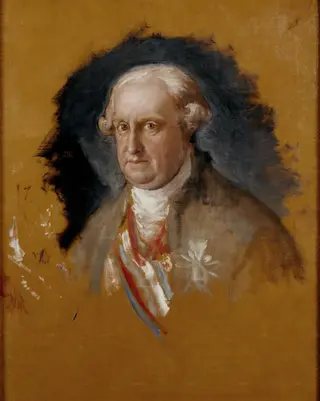
Own this work as a print
Artist & collection
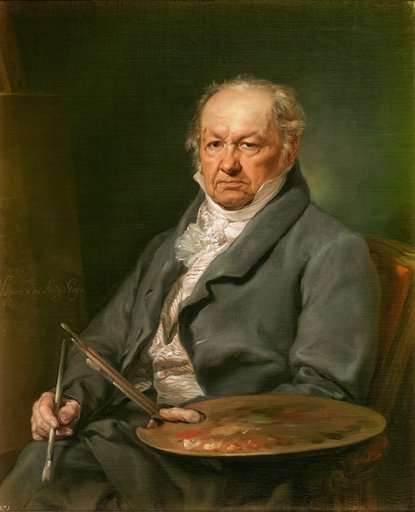
Artist
Francisco José de Goya y Lucientes was a Spanish romantic painter and printmaker.

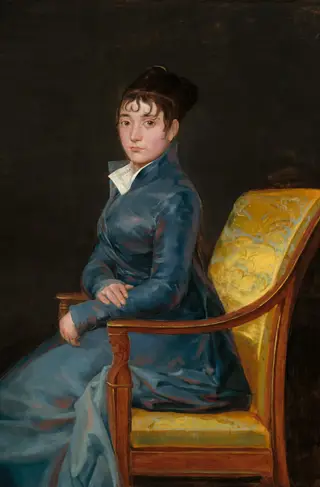
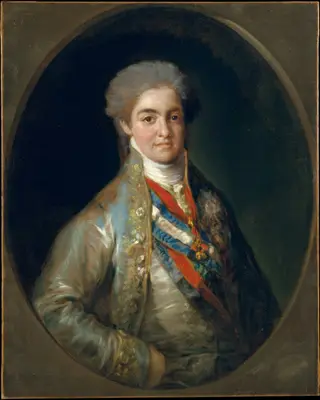 Ferdinand VII (1784–1833), Prince of Asturias
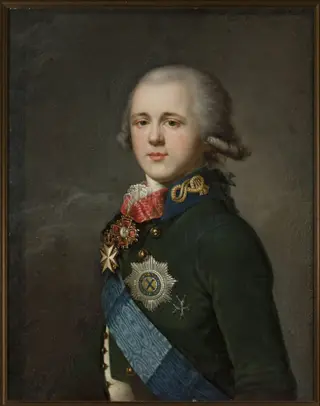 Portrait of Tsar Alexander I
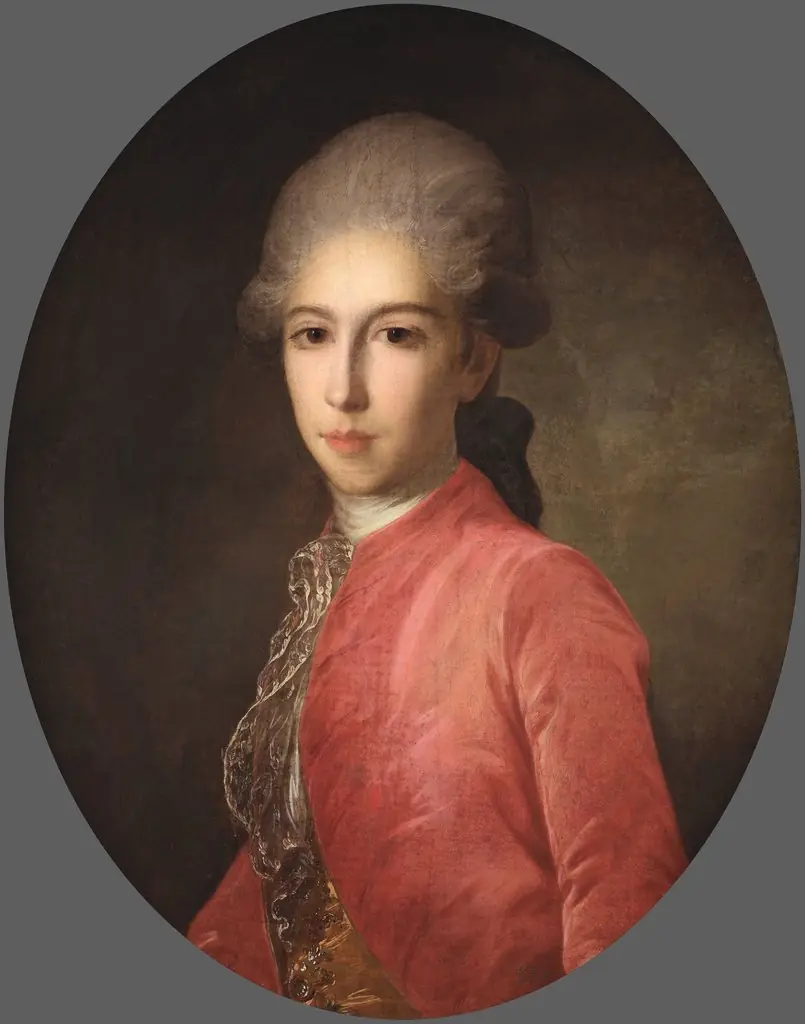 Портрет князя Ивана Ивановича Барятинского в юности
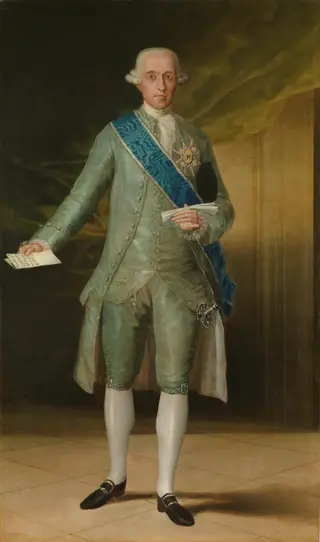 José Moñino y Redondo, count de Floridablanca
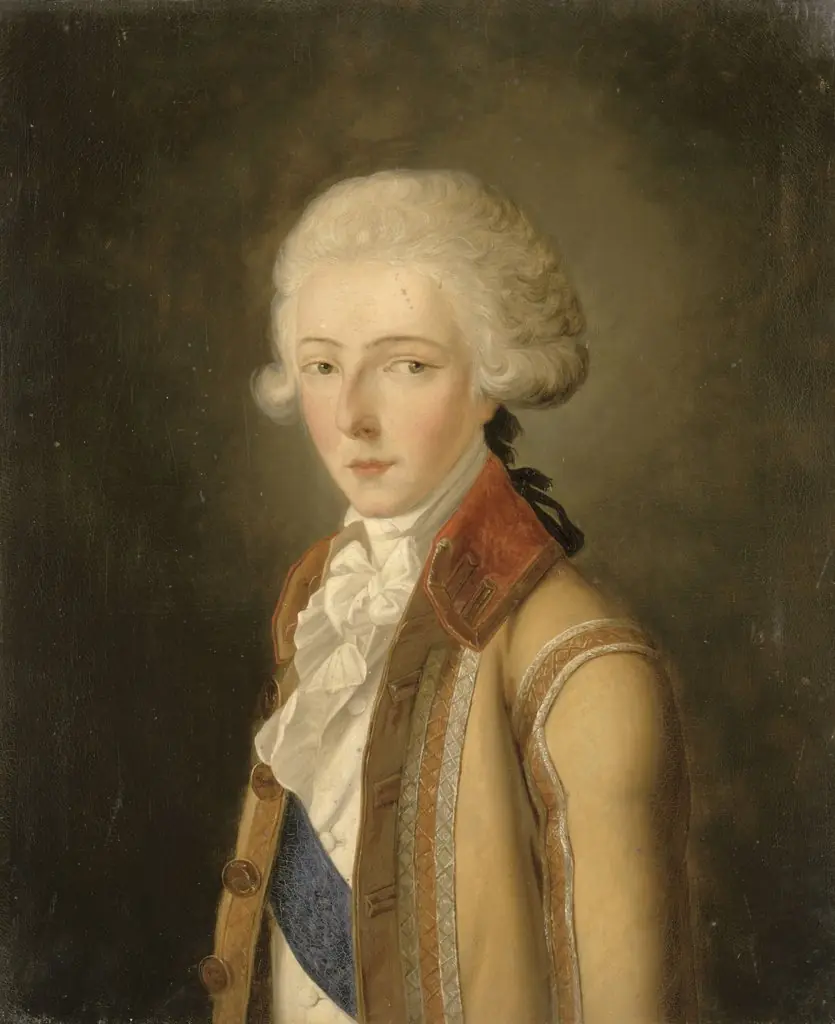 Louis Antoine de Bourbon, Duke of Enghien (1772—1804)
 Portrait of King Stanislaus Augustus Poniatowski
 Ferdinando I of Parma
 Don Antonio Noriega
 Portrait of José Antonio Marqués de Caballero
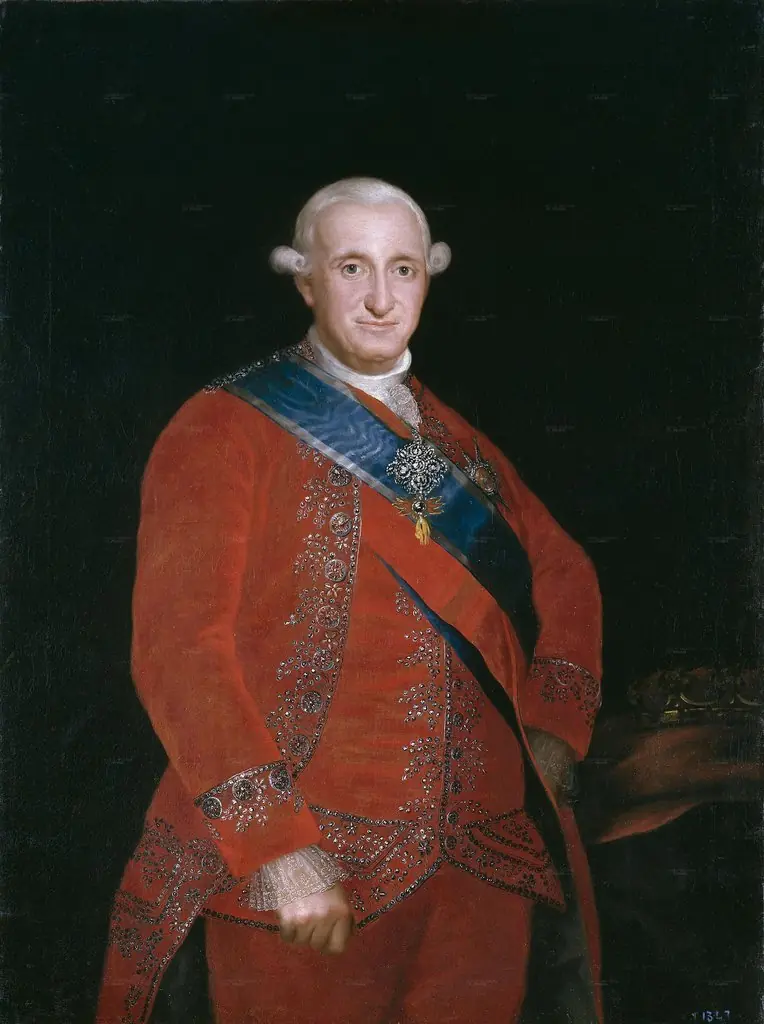 Charles IV, King of Spain