Artwork
Portrait of Infante Antonio Pascual of Spain (1755-1817)
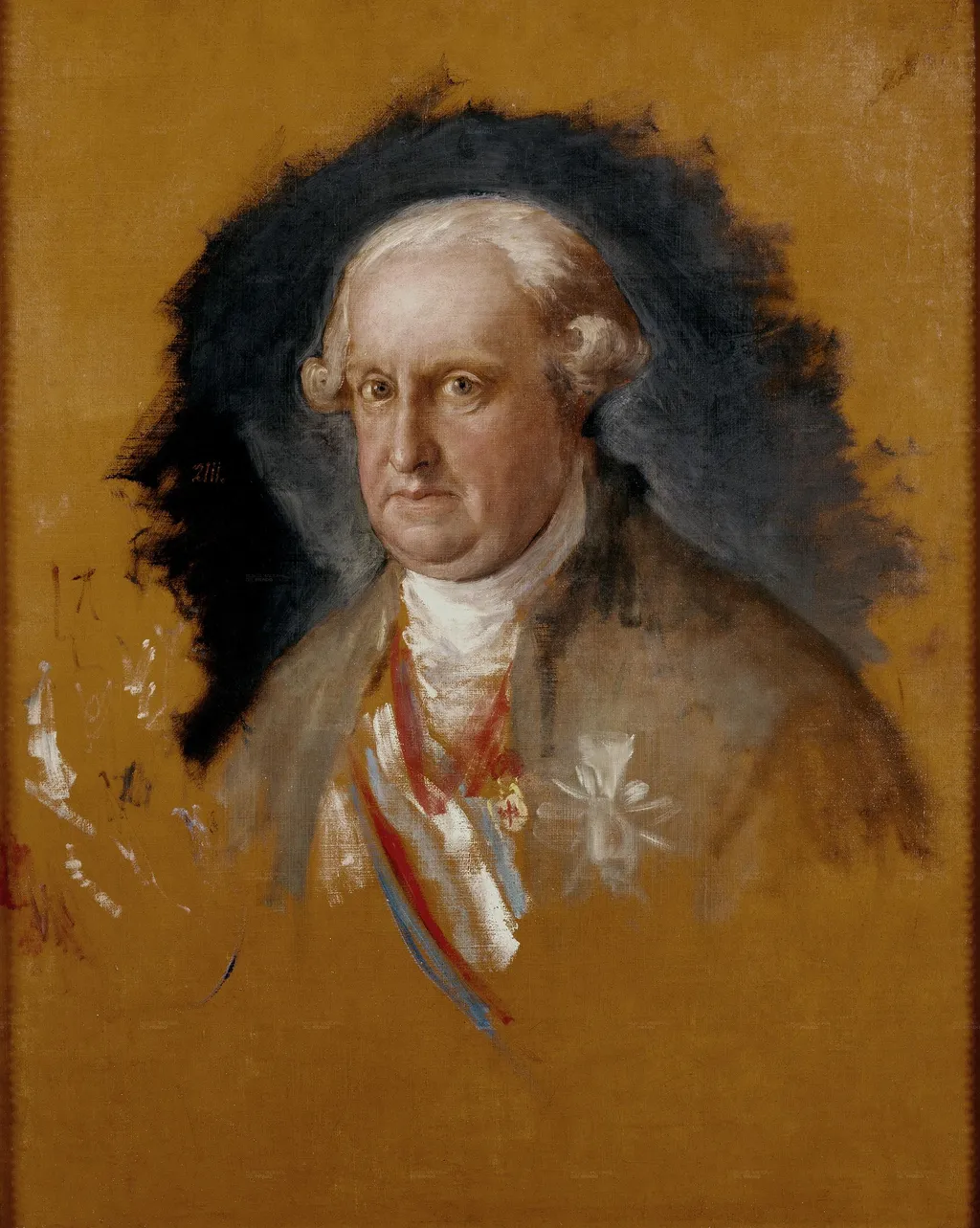
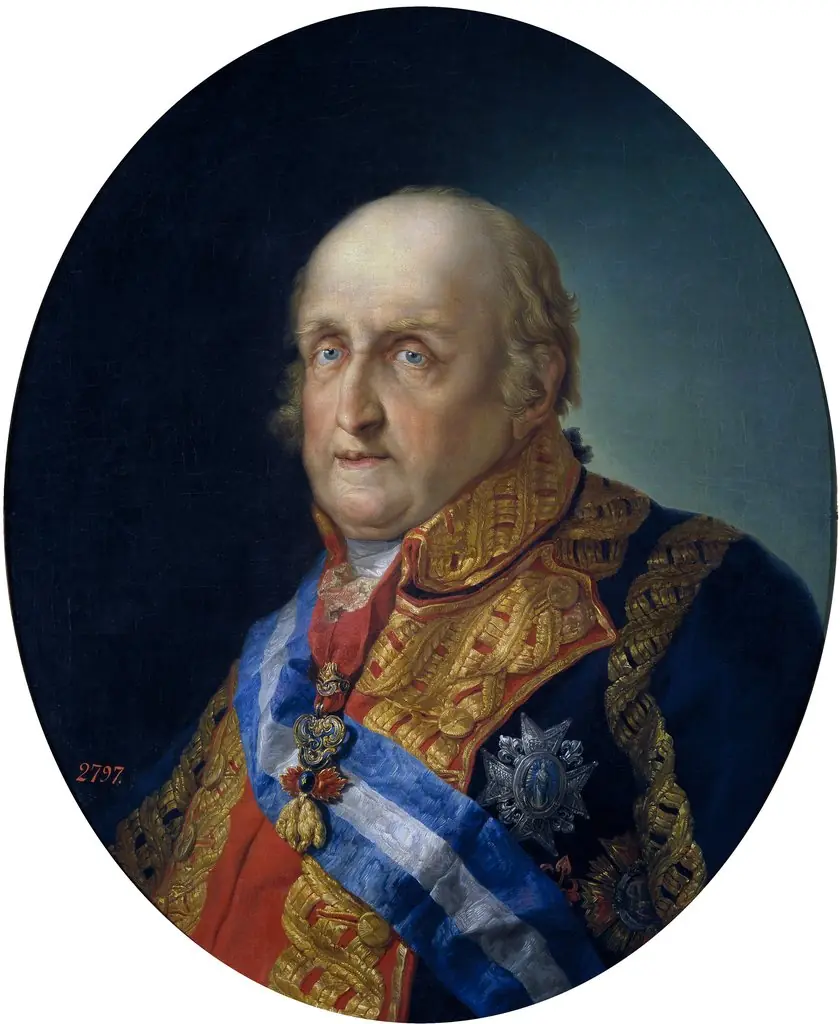
Portrait of Infante Antonio Pascual of Spain (1755-1817) is an oil painting by Francisco de Goya. It dates from 1800 and is held in the collection of the Museo del Prado. Executed in 1800, this oil portrait by Francisco Goya presents the Spanish Infante Antonio Pascual.
About this work
This portrait shows a man with a serious expression, dressed in a dark coat and a white cravat.
This portrait shows a man with a serious expression, dressed in a dark coat and a white cravat. His curly wig is dark, and he wears a decorative sash with a star pin. The background is a plain, warm brown color, keeping focus on his face.
The star pin he wears is part of a real award called the Order of Charles III. It was given to important people in Spain during that time.
Next, look up Order of Charles III, 1795–1820 in Western fashion.
Subject & Meaning
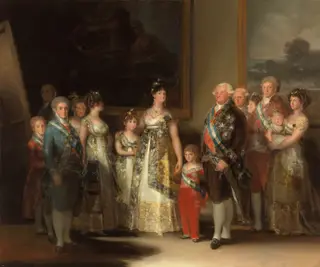
The painting depicts Infante Antonio Pascual of Spain, a Spanish royal figure and son of Charles III and Maria Amalia of Saxony, who played a political role during his father's absence in 1808. He is identified by his membership in elite orders including the Order of the Golden Fleece, the Order of Charles III, and the Order of Saint Januarius, which are visible in the portrait. This work serves as a preparatory sketch for Goya's larger painting La Familia de Charles IV, reflecting the royal family's ceremonial presentation and individual status within the Spanish monarchy.
Technique & Style
Executed in 1800 as an oil-on-canvas preparatory sketch for The Family of Charles IV, this portrait was painted during the summer at the Royal Palace of Aranjuez. The work exhibits a distinctive technical approach common to Goya's series of royal studies: it utilizes a red ground primer and constructs facial features and main masses in a single tone before adding color nuances to define planes and proportions. Stylistically, the painting captures the subject in 1795–1820 Western fashion, depicting Infante Antonio Pascual adorned with the red sash of the Order of the Golden Fleece, the ribbon of the Order of Charles III, and the insignia of the Order of Saint Januarius. The composition measures 72.5 cm in height and 59.3 cm in width.
History & Provenance
The portrait was painted by Francisco Goya in 1800 as an oil-on-canvas preparatory sketch for the larger composition La Familia de Carlos IV. It is one of ten studies from life executed at the Royal Palace of Aranjuez during the summer of 1800, produced at the wish of Queen María Luisa de Parma so that each member of the royal family could be portrayed individually rather than sit for prolonged joint sessions.
The work originated in the Spanish royal collections. It was located at the Royal Palace of Madrid in 1814 and entered the Museo del Prado before 1834, appearing in the Royal Museum's inventory that year. It was first cited in the museum's official catalogue in 1872.
Wikidata records the painting as formerly owned by Ferdinand VII of Spain and held in the Museo del Prado.
The sitting depicts Infante Antonio Pascual wearing the insignia of the Order of the Golden Fleece, the sash of the Order of Charles III, and the Order of Saint Januarius.
The painting is currently held by the Museo del Prado in Madrid, where it has been part of the collection since at least 1834. It originated from the Spanish royal collections and was located at the Royal Palace of Madrid in 1814 before its transfer to the museum. The work first appeared in the official catalog of the Royal Museum in 1834, though one source notes a mention in an official catalog by 1857.
There is no specific exhibition history detailed in the provided sources beyond its permanent inclusion in the Prado's holdings.
Context
Created in the summer of 1800 at the Royal Palace of Aranjuez, this work serves as a preparatory oil sketch for the larger group composition known as The Family of Charles IV. Commissioned by Queen María Luisa of Parma, the painting was one of ten individual studies executed to spare the royal family from prolonged collective sittings. The piece exemplifies Goya's specific technique for these preparatory works, characterized by a red ground primer and monochromatic facial features that are later refined with color nuances to establish proportions.
As a foundational study for his most celebrated royal portrait, the sketch documents the Infante wearing the insignia of the Order of the Golden Fleece, the Order of Charles III, and the Order of Saint Januarius. This approach allowed the artist to finalize the complex arrangement of figures before the final execution, securing the work's significance within Goya's late career and the canon of Spanish royal portraiture.
Legacy
The portrait of Infante Antonio Pascual of Spain (1755-1817) established a lasting influence on royal portraiture through its technical innovations and historical significance. Goya's use of a red underpainting and single-tone facial modeling, as noted in, became characteristic of his preparatory sketches for La Familia de Charles IV. The work's depiction of the Infante's military honors, including the Order of the Golden Fleece and Order of Charles III, reinforced his political stature during the turbulent Napoleonic era, as described in. Its provenance from the royal collections to the Museo del Prado, documented in both Spanish and French Wikipedia entries, cemented its reputation as a key piece in understanding Goya's relationship with the Spanish monarchy.
The painting's role as a study for the larger family portrait, rather than a standalone work, shaped later interpretations of Goya's process, influencing scholars like Gassier and Wilson-Bareau who analyzed its technical and historical context.
Overview
Executed in 1800, this oil portrait by Francisco Goya presents the Spanish Infante Antonio Pascual. The composition centers the sitter against a muted brown backdrop, emphasizing his solemn gaze. Attired in a dark coat with a white cravat and a curled wig, he displays the insignia of two royal orders, marking his high rank within the Spanish court.
Own this work as a print
Artist & collection
Artist
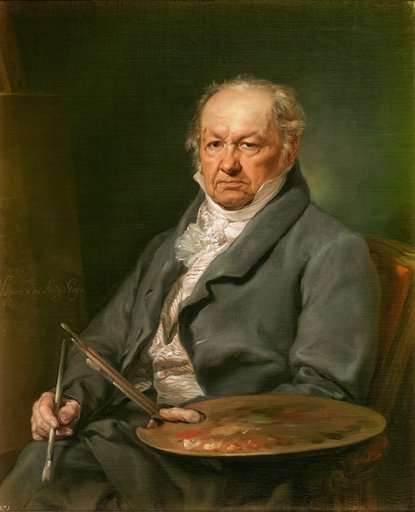
Francisco José de Goya y Lucientes was a Spanish romantic painter and printmaker.

 El infante Antonio Pascual de Borbón
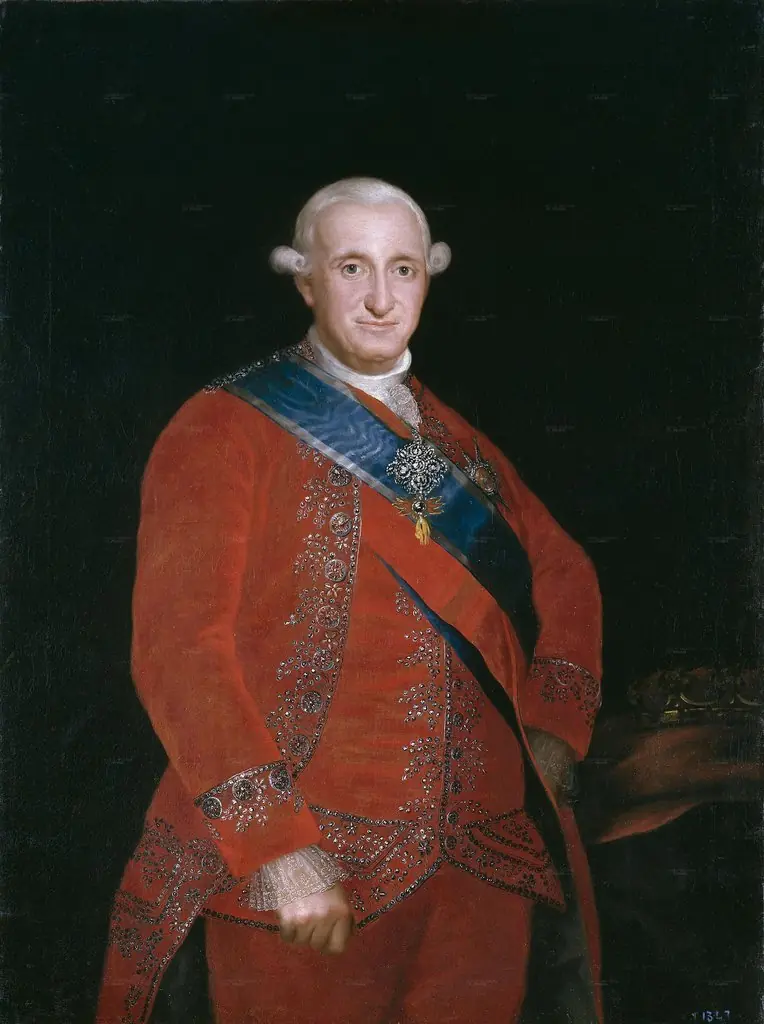 Charles IV, King of Spain
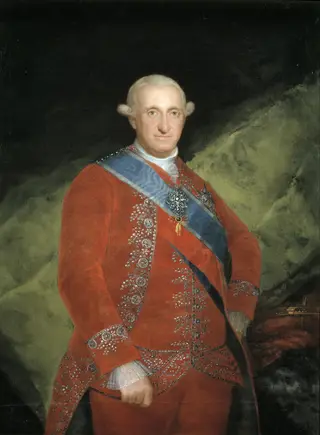 Charles IV in Red
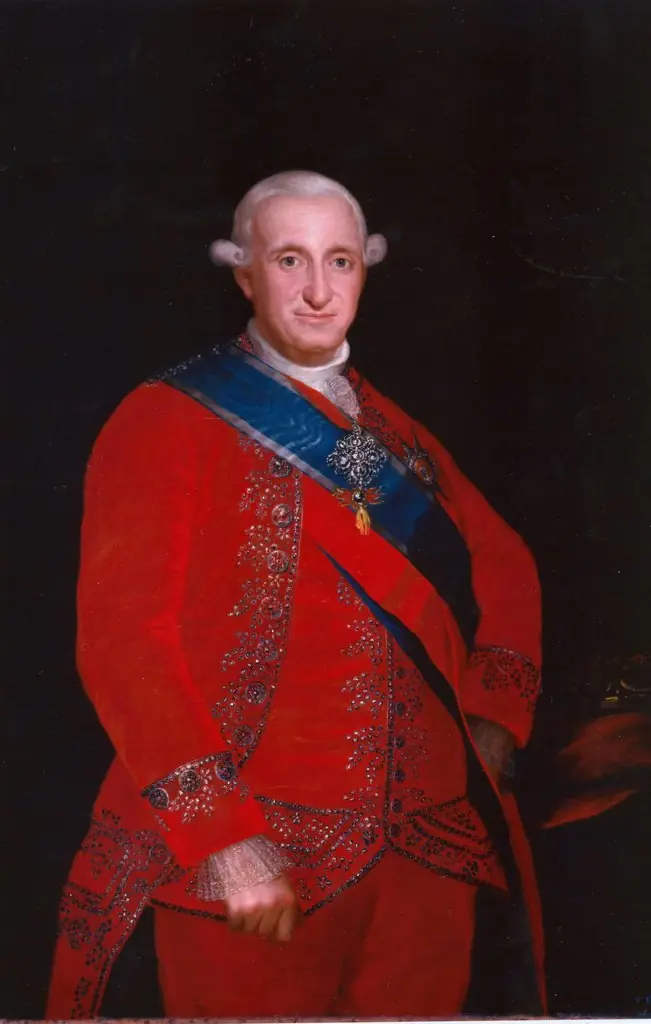 Charles IV
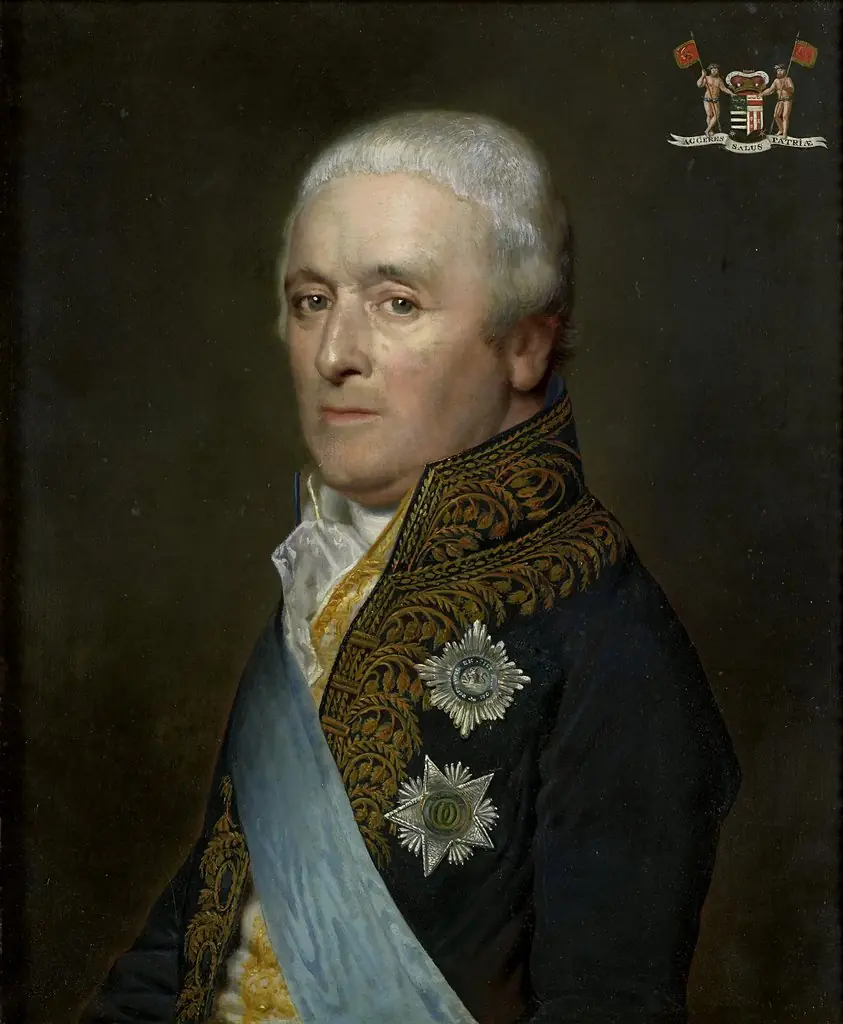 Portrait of Adriaen Pieter Twent, Count of Rosenburg, Minister of Public Works, Minister of the Interior, Chamberlain of King Louis Napoleon
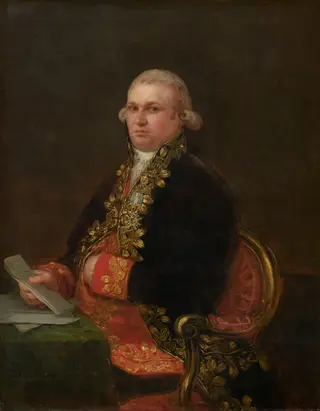 Don Antonio Noriega
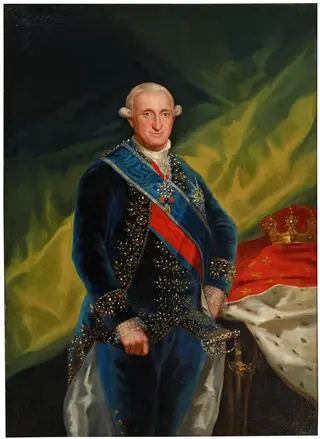 Portrait of King Charles IV
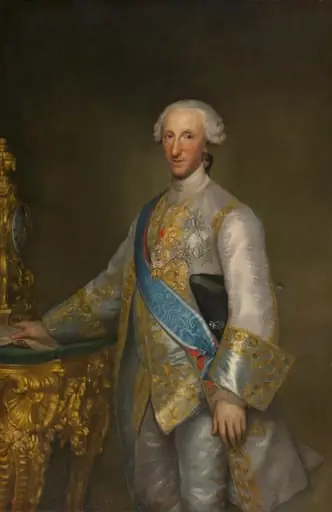 Portrait of Infante Don Luis de Borbon
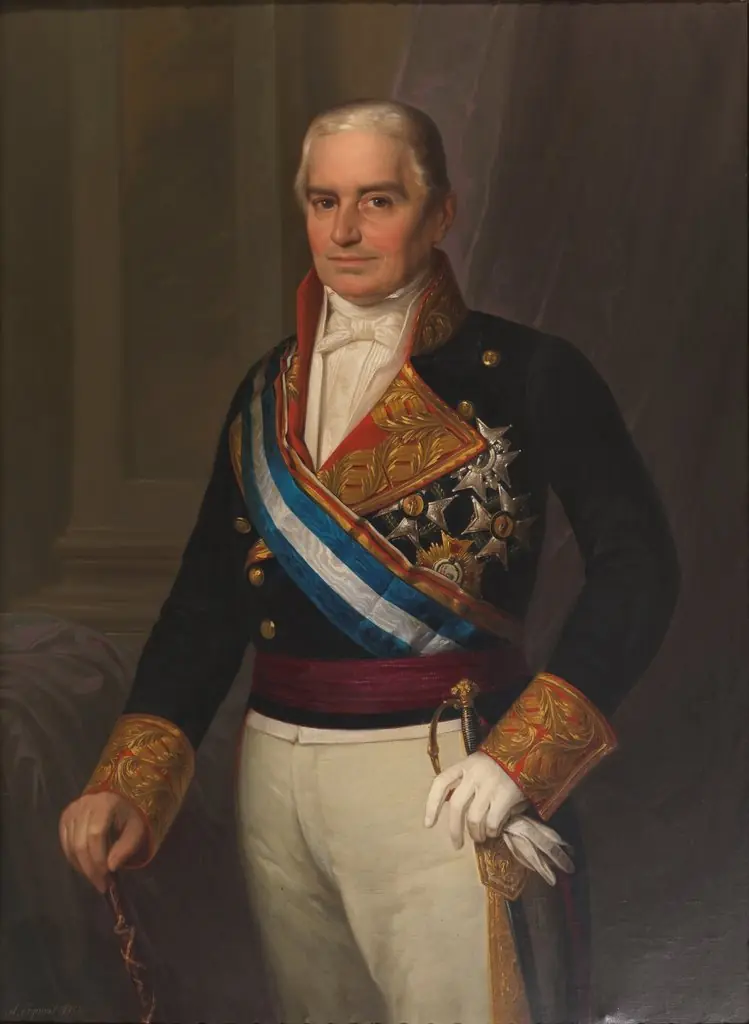 Miguel de la Torre y Pando conde de Torre Pando
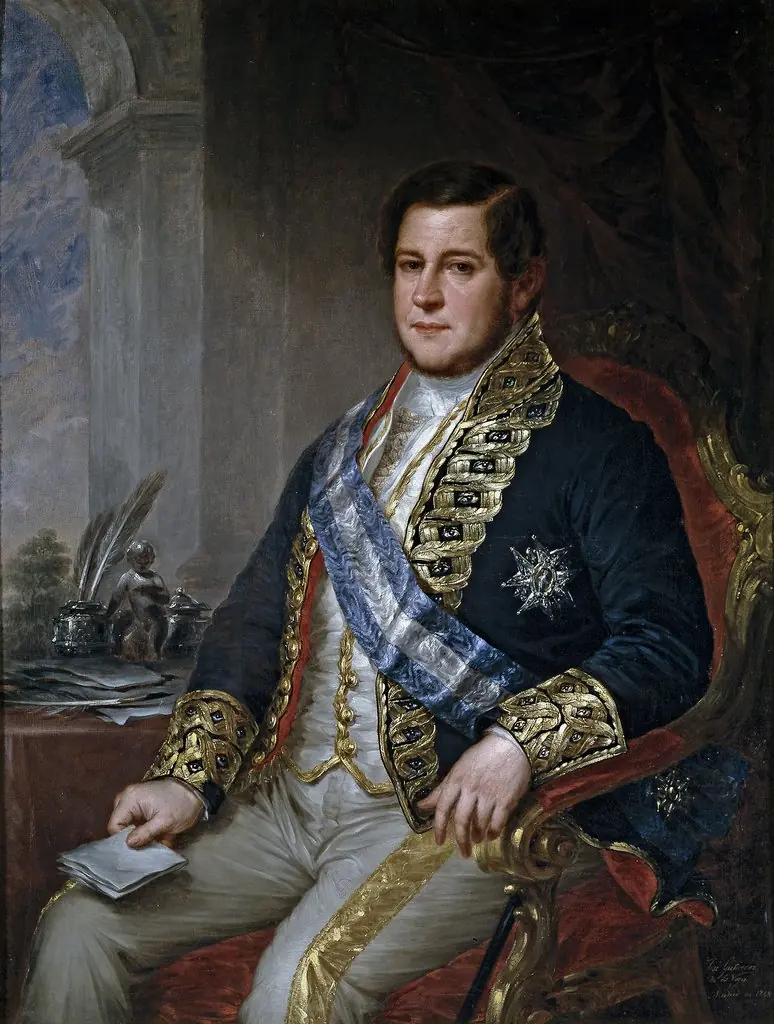 Juan Bravo Murillo ministro de Comercio Instrucción y Obras Públicas