Artwork
Don Antonio Noriega
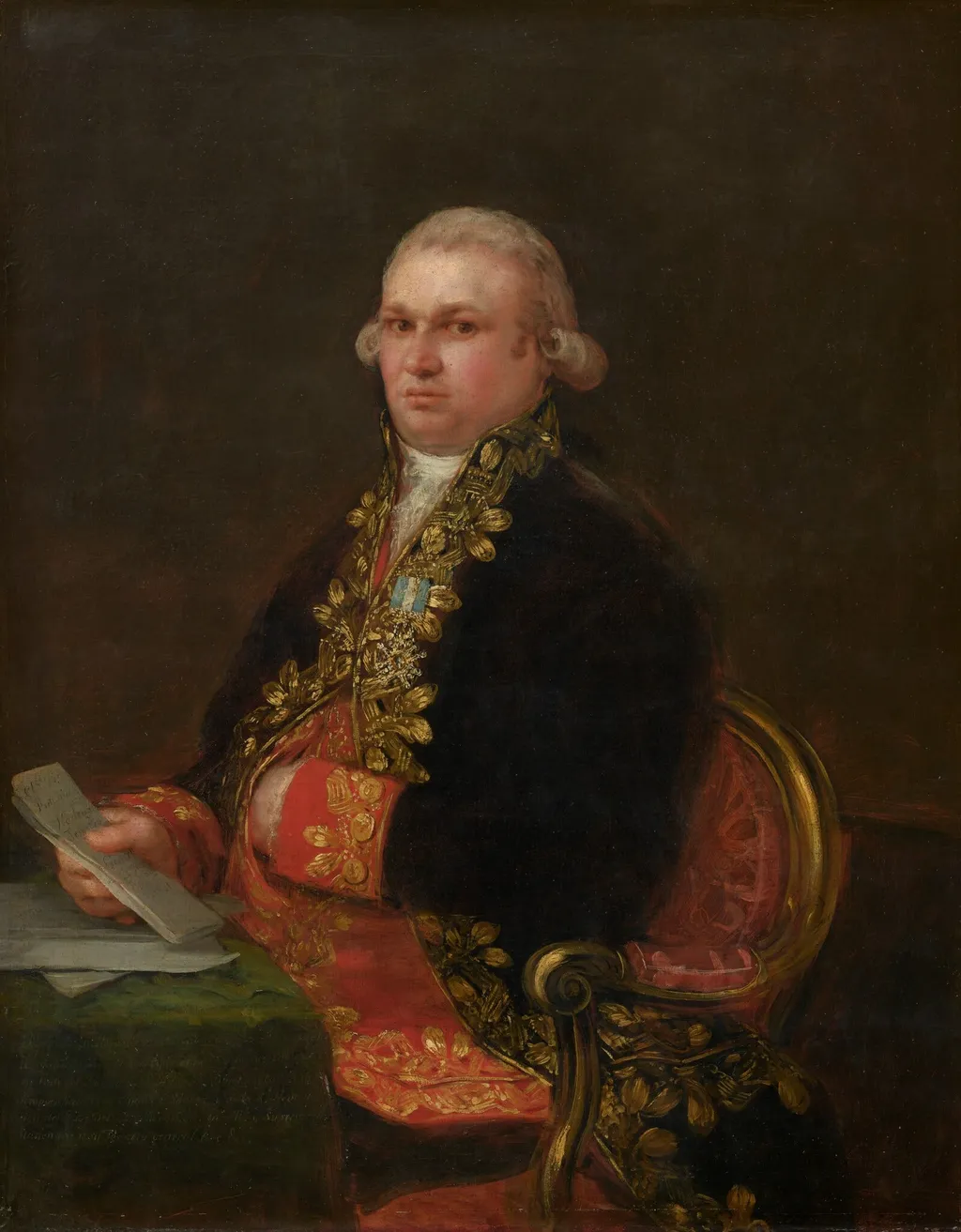
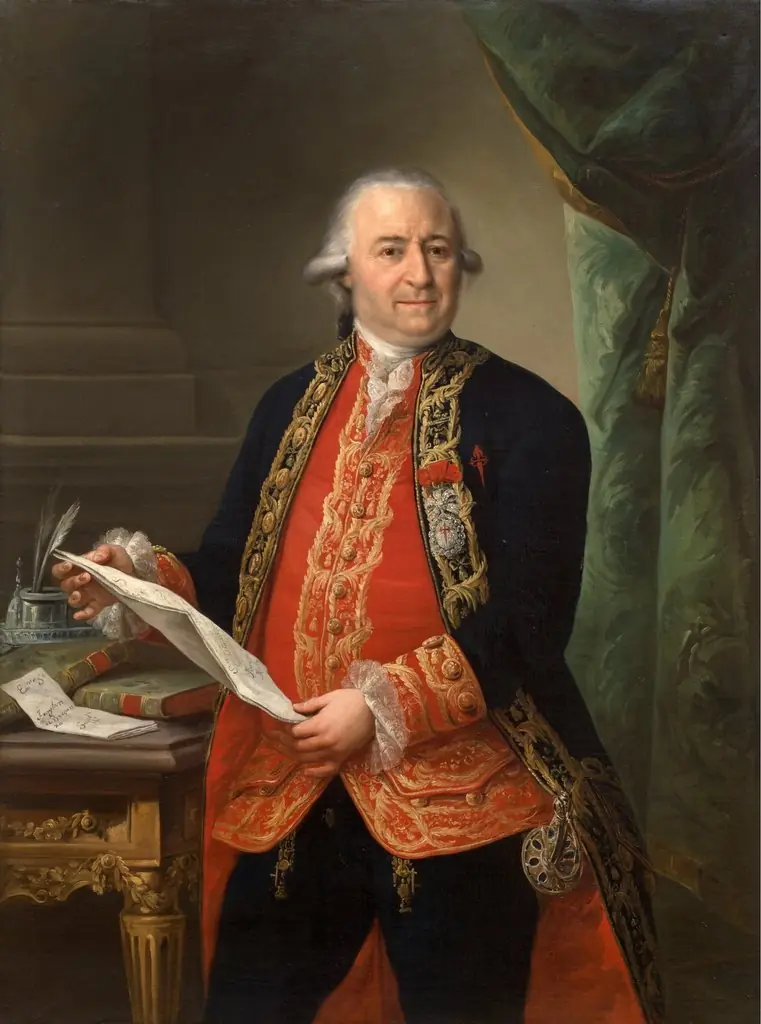
Don Antonio Noriega is an oil painting by the Early Baroque Italian artist Francisco de Goya. It dates from 1801 and is held in the collection of the National Gallery of Art.
- Inscription
- Inscribed:on paper held in sitter's hand: El Sor Dn / Antonio / Noriega / Tesorero / General / F. Goya / 1801; lower left on tablecloth: Dn Antonio Noriega de [Ba]da caballero y Regidor de la / Rly.distinguida Orden Espanola de don. C. III; Diputado / en Corte del Principe de Asturias. Director genl de las / Temporalidades de España e Indias y de la Rl Negocia / cion del Giro: Del Consejo de s.m. en el Rly Supremo del / Hacienda y su Tesorero General etc. etc. (D[o]n Antonio de [Ba]da knight and Councillor of the Royal and distinguished Spanish Order of Don C[arlos] III; Delegate in the Court of the Prince of Asturias. Director general of the Revenues of Spain and the Indies and of the Royal Bank of the Exchange: Of the Council of His Majesty...
About this work
Antonio Noriega de Bada sits and looks straight out, richly dressed and serious. Francisco Goya worked every part of the figure with a sharp, lifelike precision. Oil on canvas, 1801.
Subject & Meaning
No additional symbolic layers or complex meanings beyond the representation of the named individual are indicated in the available documentation.
The work depicts Antonio Noriega de Bada, a specific individual identified as the main subject of this 1801 portrait by Francisco Goya. As a formal oil-on-canvas portrait, the painting's primary function is the representation of this sitter, capturing his likeness during the early nineteenth century. The iconography is defined by the conventions of portraiture, focusing on the physical presence and status of Noriega de Bada rather than allegorical or narrative symbolism.
The artwork serves as a historical record of the sitter, preserving his image within the context of Goya's portraiture practice. No additional symbolic layers or complex meanings beyond the representation of the named individual are indicated in the available documentation.
Technique & Style
The portrait is executed in oil paint on a linen canvas support, measuring 102.6 cm in height and 80.9 cm in width. Goya employs a restrained yet incisive handling of the medium, using fluid, layered brushwork to model the sitter’s features with subtle tonal transitions rather than overt linear definition. The composition is arranged in a three-quarter view, positioning the figure slightly to the left of center against a neutral, dark background that directs focus to the subject.
The formal qualities emphasize psychological presence through carefully observed physiognomic details, sharp cheekbones, a prominent nose, and a direct, penetrating gaze, while the restrained palette of earth tones and blacks conveys sobriety and gravitas. The handling suggests the influence of Velázquez in its atmospheric treatment of form through light and shadow, though Goya’s approach remains distinctly modern in its psychological intensity.
History & Provenance
Painted in 1801 by Francisco Goya as an oil on canvas portrait, the work entered the collection of Freiherr Ferdinand Eduard von Stumm, German ambassador to Madrid from 1887 to 1892, who acquired it from a Madrid private collector during his posting; after Stumm’s death the painting was sold at Günther Deneke Auktionhaus in Berlin on 4 October 1932 (lot 19) and subsequently handled by Wildenstein & Co. in Paris and New York; it was sold again in 1955 to the Samuel H. Kress Foundation, which later gifted it to the National Gallery of Art in 1961.
Don Antonio Noriega has been in the collection of the National Gallery of Art in Washington, D.C., since 1961, when it was given by the Samuel H. Kress Foundation as part of the Samuel H. Kress Collection. The foundation had acquired the painting in 1955 through the New York and Paris firm Wildenstein & Co. Prior to that, it appeared at the estate sale of Freiherr Ferdinand Eduard von Stumm at the Günther Deneke Auktionhaus in Berlin on 4 October 1932 (lot 87).
Stumm had purchased the work from a private collector in Madrid during his tenure as ambassador of the German Empire to the Spanish court between 1887 and 1892.
Overview
This oil-on-canvas portrait, created in 1801 by the Spanish artist Francisco Goya, presents Don Antonio Noriega de Bada. Goya, whose full name was Francisco José de Goya y Lucientes, was a prolific painter, draftsman, and printmaker active during the late eighteenth and early nineteenth centuries. This work exemplifies his engagement with portraiture, a significant genre within his extensive artistic output.
Context
This portrait of Don Antonio Noriega de Bada was produced during a period of significant historical change, which frequently informed Goya’s wider artistic practice. As a versatile artist working across painting, drawing, and printmaking, Goya often reflected the social and political transformations of his era. This specific commission forms part of his extensive body of work created amidst an evolving European landscape.
Own this work as a print
Artist & collection
Artist
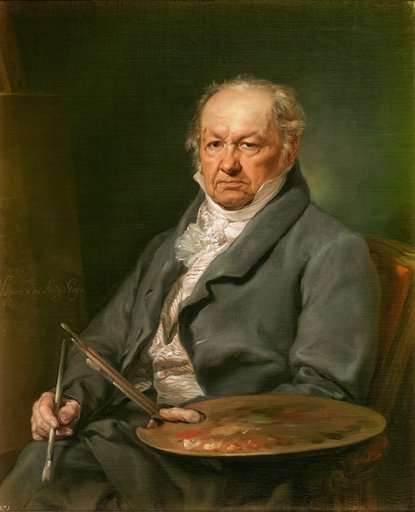
Francisco José de Goya y Lucientes was a Spanish romantic painter and printmaker.

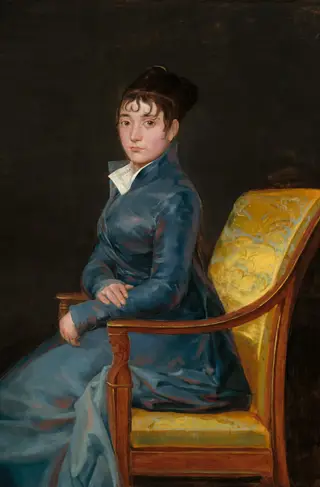
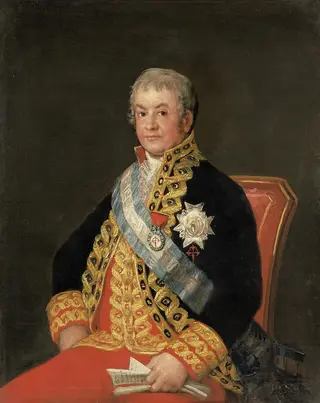
- Portrait of José Antonio Marqués de Caballero
 D Pedro López de Lerena, I Count of Lerena
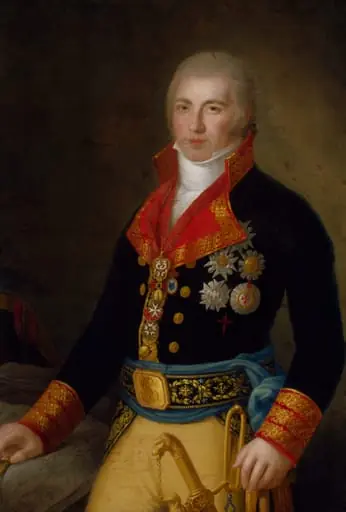 Manuel Godoy
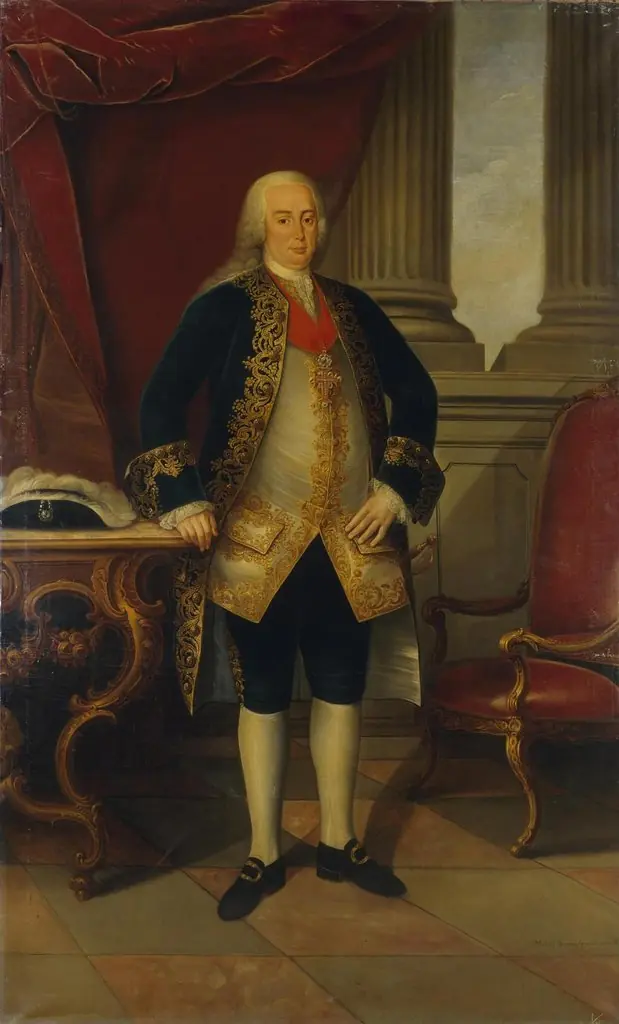 Portrait of Pedro, Prince of Brazil (1717-1786)
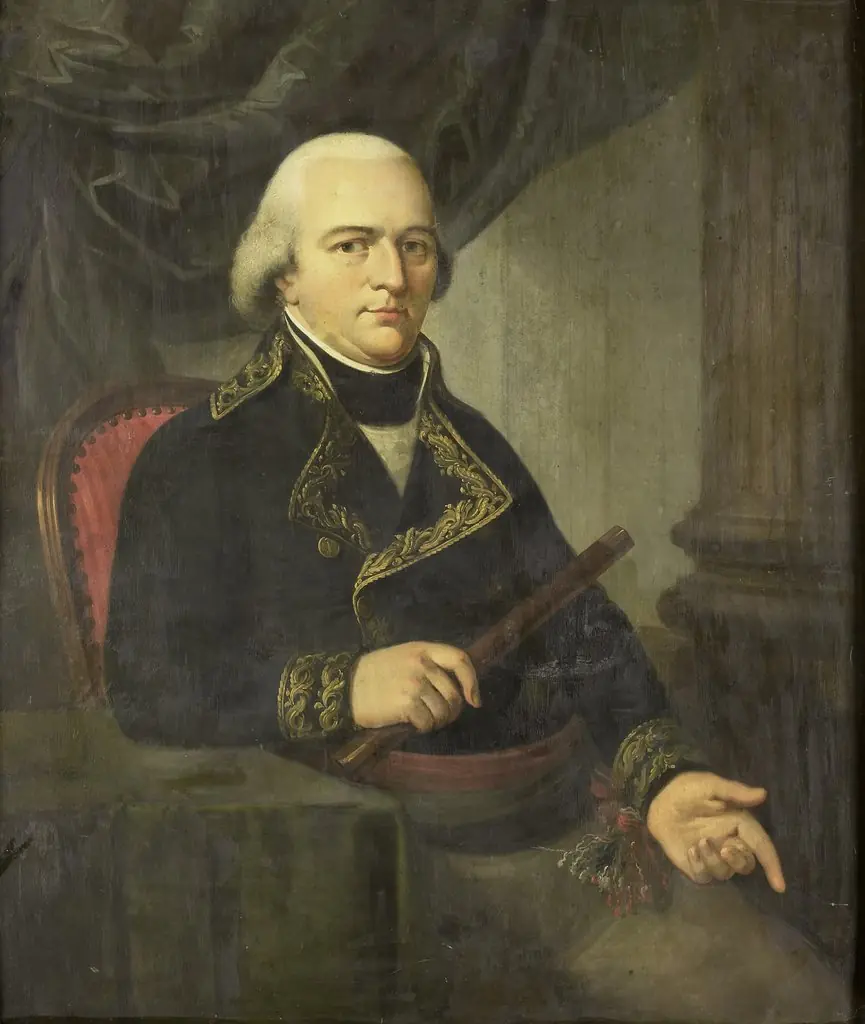 Portrait of Pieter Gerardus van Overstraten, Governor-General of the Dutch East Indies
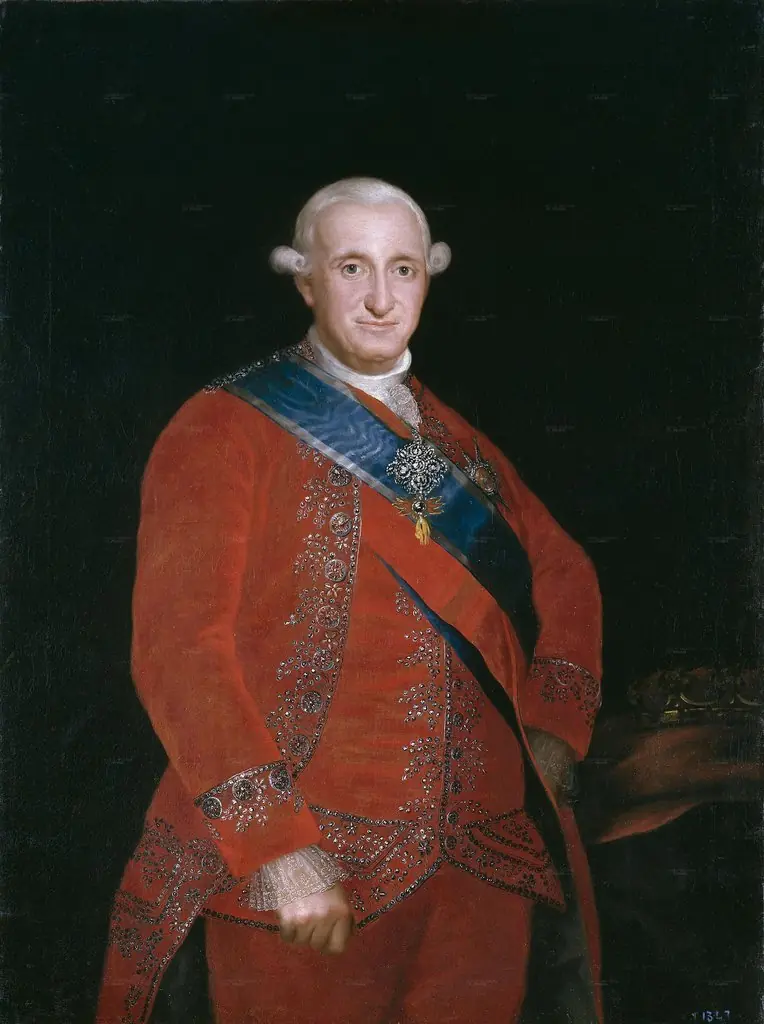 Charles IV, King of Spain
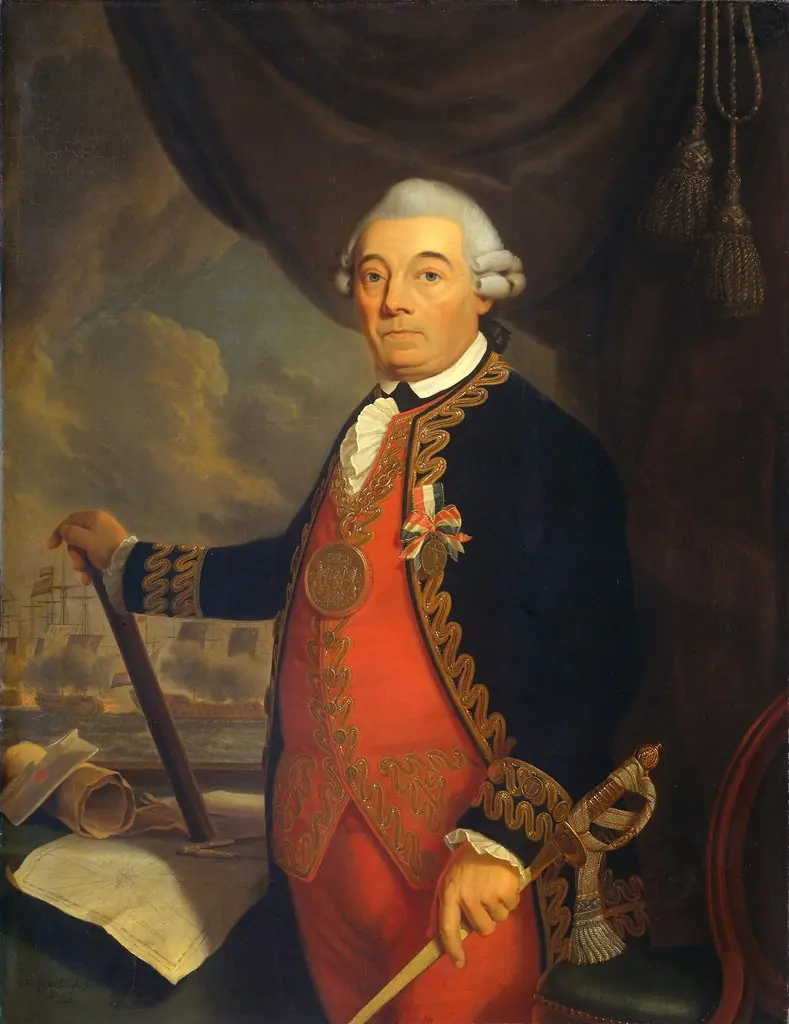 Portrait of Johan Arnold Zoutman
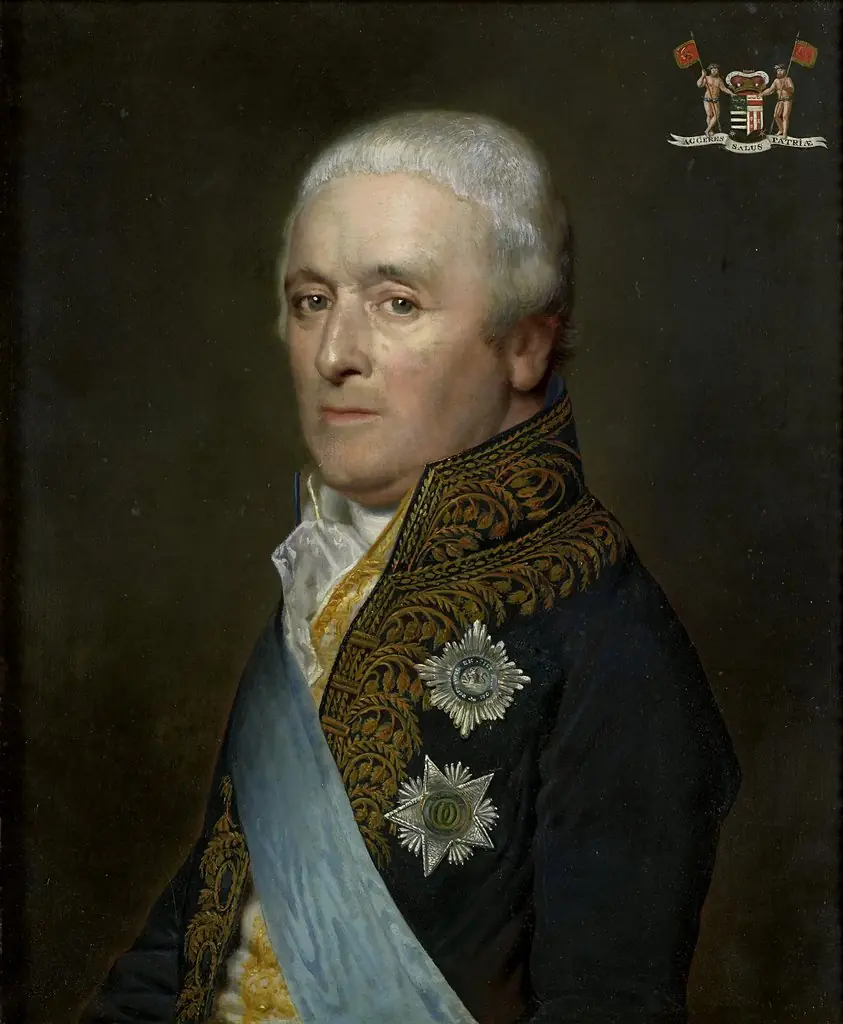 Portrait of Adriaen Pieter Twent, Count of Rosenburg, Minister of Public Works, Minister of the Interior, Chamberlain of King Louis Napoleon
 The Marquis d'Ossun
 Portretul lui Ferdinand de Bourbon, duce de Parma
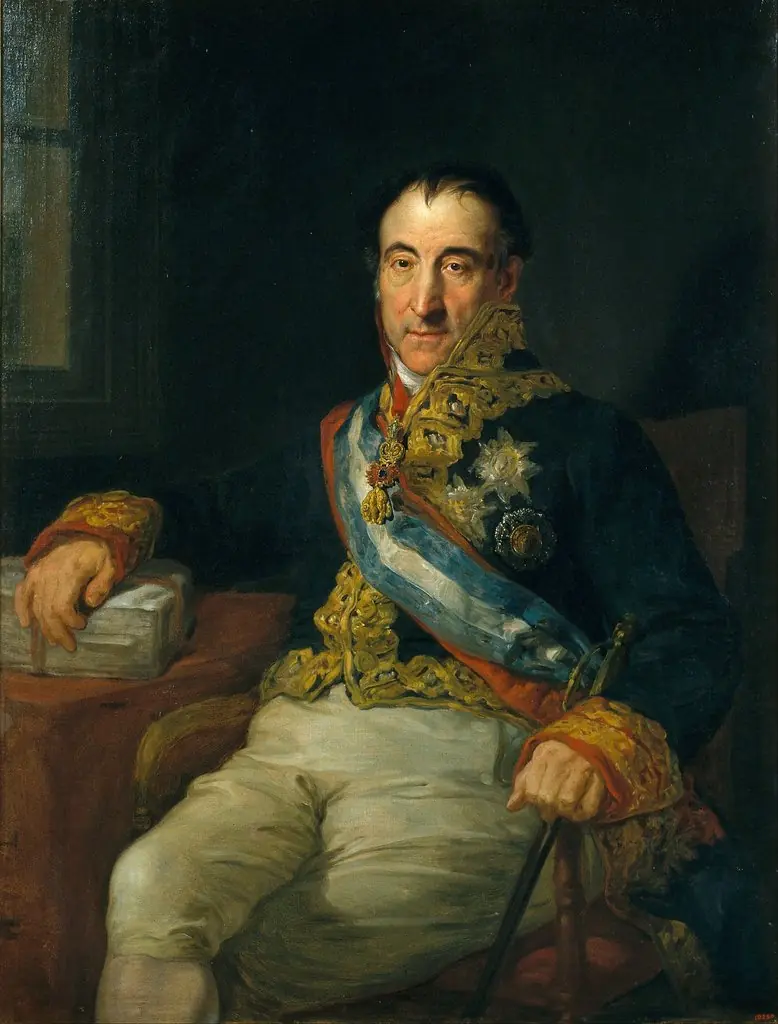 Portrait of the Marquis of Labrador, Spanish Ambassador to the Congress of Vienna of 1915
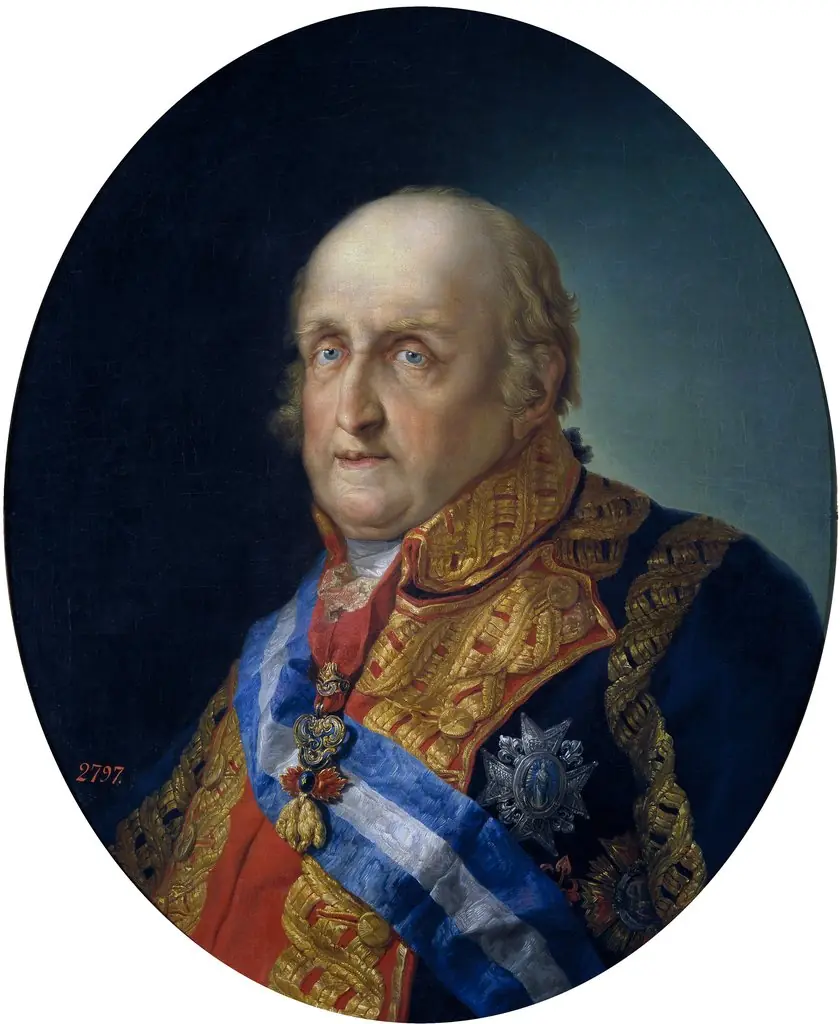 El infante Antonio Pascual de Borbón