Artwork
The infante Francisco de Paula
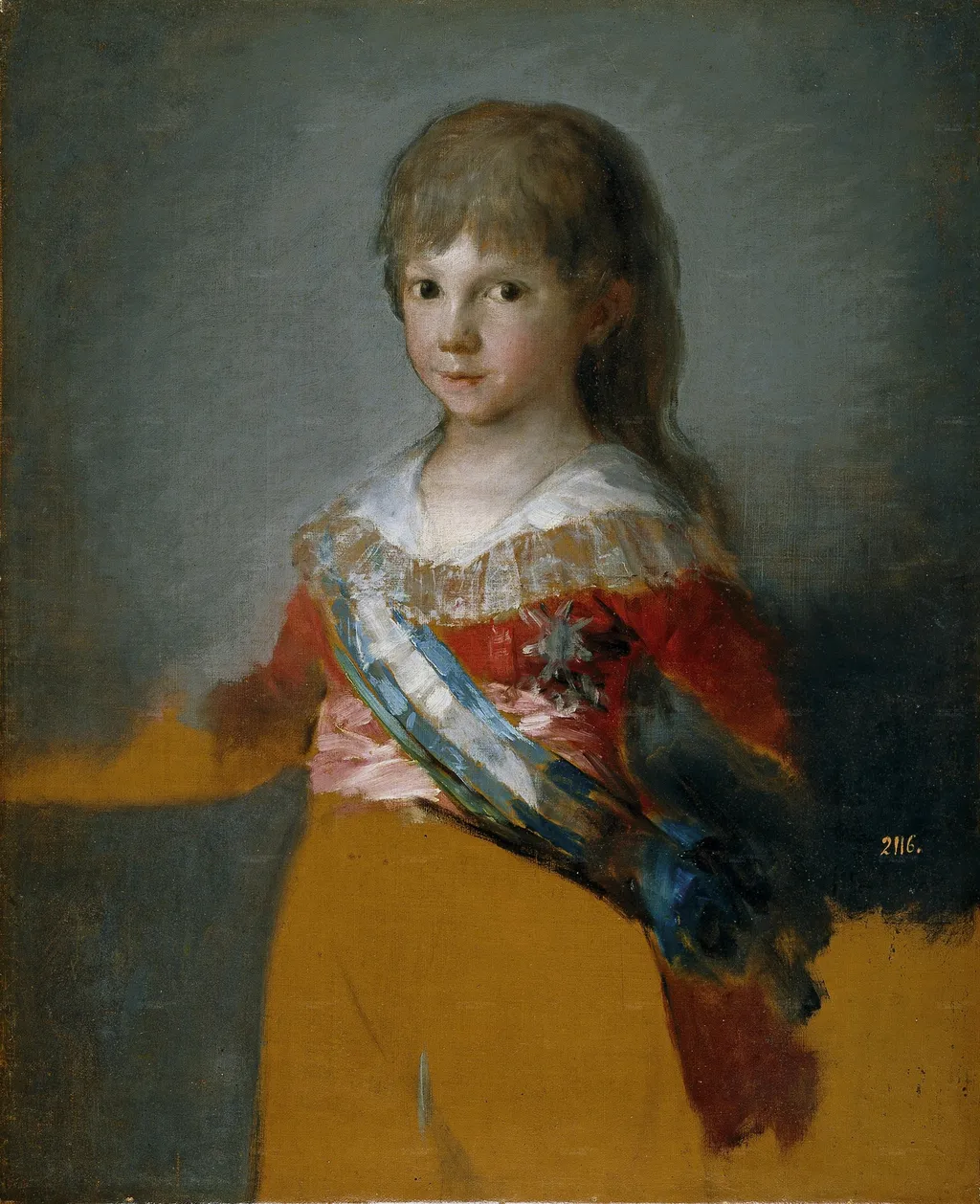
The infante Francisco de Paula is an oil painting by Francisco de Goya. It dates from 1800 and is held in the collection of the Museo del Prado. Francisco Goya’s portrait, executed on canvas around 1800, presents the young Infante Francisco de Paula.
About this work
Subject & Meaning
The subject is distinguished by the sash and breastplate of the Order of Charles III, signifying his royal status and dynastic importance.
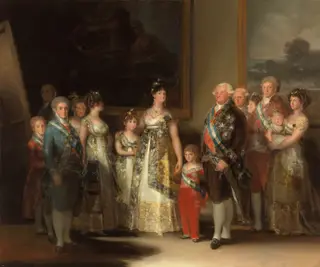
The work depicts Infante Francisco de Paula of Bourbon, the youngest son of King Charles IV and Queen Maria Luisa of Parma. Painted in 1800 as a preparatory study for the larger group portrait *The Family of Charles IV*, the image captures the child with a pure, tender expression characterized by a timid yet curious and lively gaze. The subject is distinguished by the sash and breastplate of the Order of Charles III, signifying his royal status and dynastic importance. While the painting serves a formal function within the royal commission, it also reflects the specific physical likeness of the infant, who would later become the father of King Francis of Asís and an ancestor of the modern Spanish royal family.
History & Provenance
Commissioned by Queen María Luisa de Parma in the summer of 1800, this portrait served as one of ten preparatory oil sketches for Goya’s *La Familia de Carlos IV*. Executed at the Royal Palace of Aranjuez, it allowed each royal sitter, including the infante Francisco de Paula, to pose individually, avoiding prolonged group sessions. The work remained in the royal collections and was inventoried at the Royal Palace of Madrid in 1814. By 1834, it had entered the Museo del Prado, appearing in the institution’s official catalogue by 1872. The painting is held by the Museo del Prado in Madrid, having originated from the Spanish royal collections. It was located at the Royal Palace of Madrid in 1814 before entering the museum's collection prior to 1834, as confirmed by its inclusion in that year's inventory of the Royal Museum. The work was subsequently listed in the museum's official catalog for the first time in 1872. While the sources confirm its long-term residence in the Prado and its royal provenance, no specific exhibition history or temporary loan records are detailed in the provided documentation.
Context
The portrait belongs to a suite of ten preparatory studies Goya painted from life at the Royal Palace of Aranjuez in the summer of 1800. Queen Maria Luisa of Parma commissioned these individual sketches so that the royal family would not have to endure lengthy group sittings for the large *Family of Charles IV* composition. Among this series, the portrait of the infante is considered the most finished.
Scholarship notes that all the sketches share a red ground layer and facial features built up in a single tone, with color nuances added once the planes and proportions were established. The infante wears the sash and cross of the Order of Charles III, a detail confirmed across sources. The work entered the royal collections and was documented at the Royal Palace of Madrid in 1814 before its incorporation into the Museo del Prado.
Own this work as a print
Artist & collection
Artist
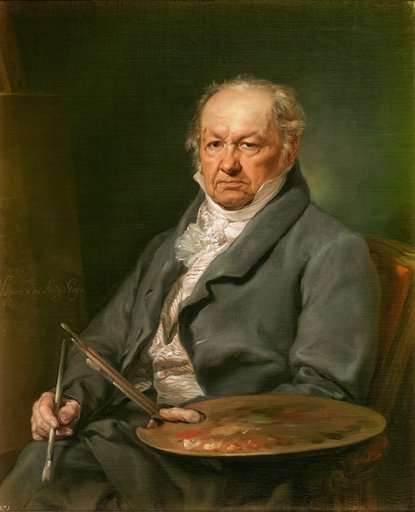
Francisco José de Goya y Lucientes was a Spanish romantic painter and printmaker.

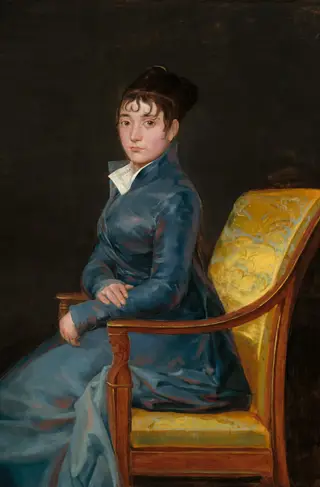
- Portrait of the Infante Carlos María Isidro of Spain
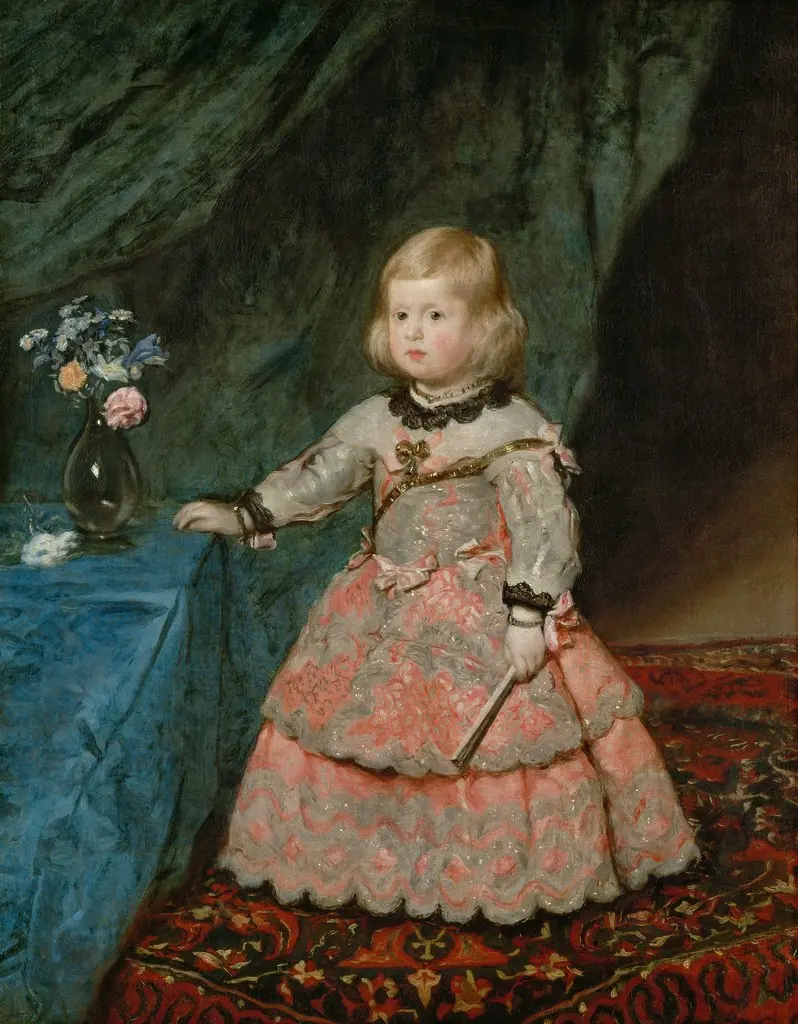 Infanta Margarita Teresa
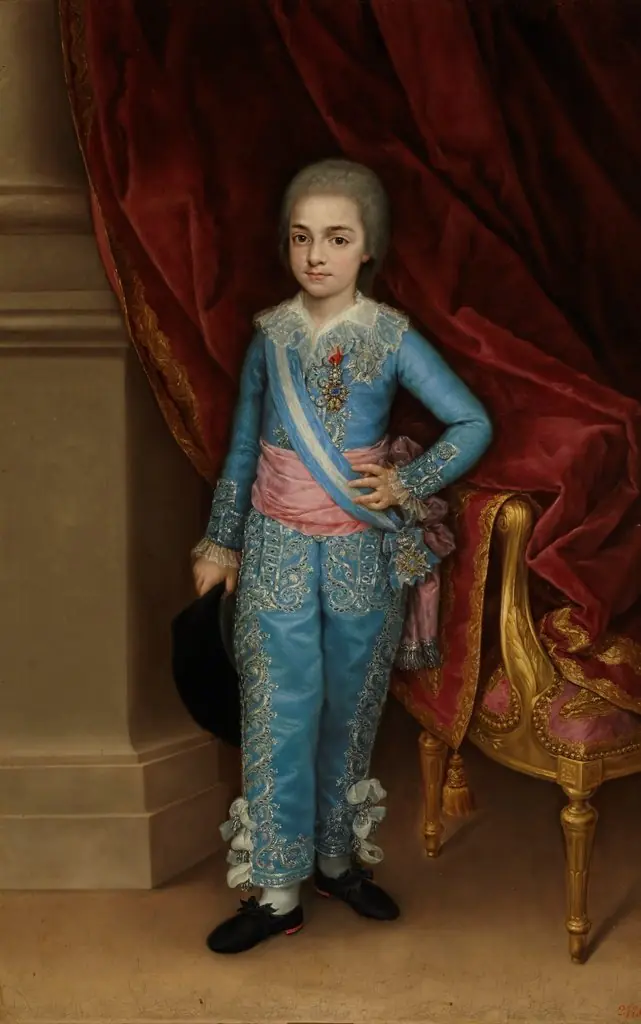 Ferdinand VII as a Boy
 Infanta Margarita Teresa (1651-1673)
 Louis-Joseph-Xavier de France, Duke of Burgundy (1751–1761), son of Louis, Dauphin of France
 Retrato de niña con rosas
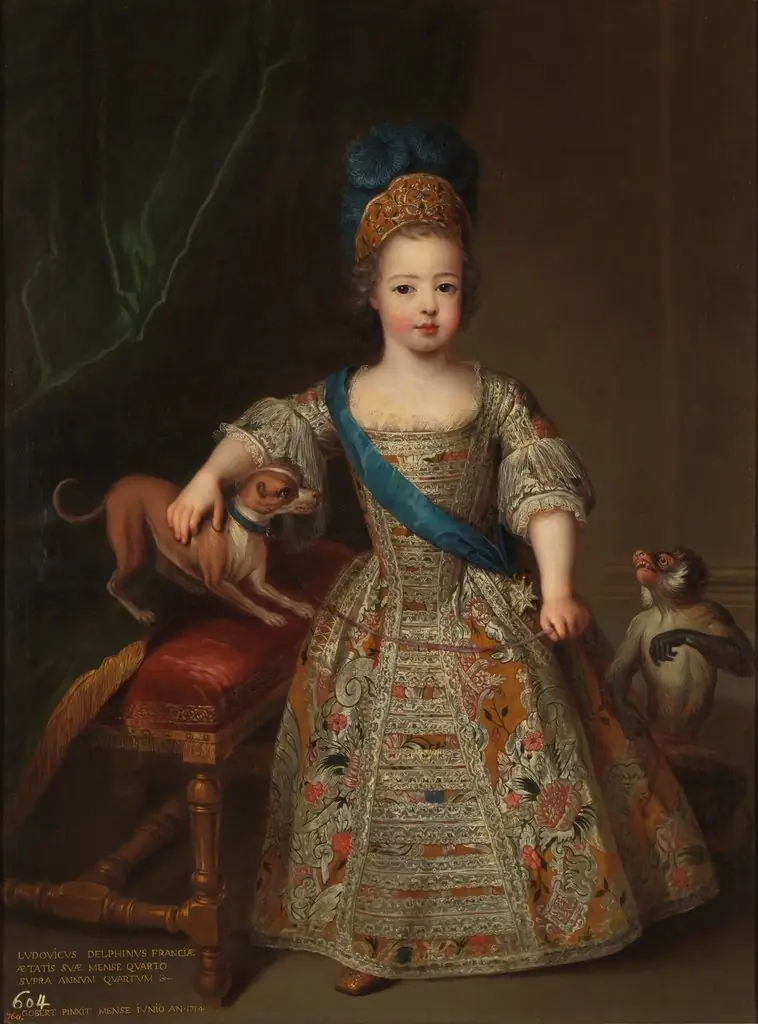 The Young Louis XV
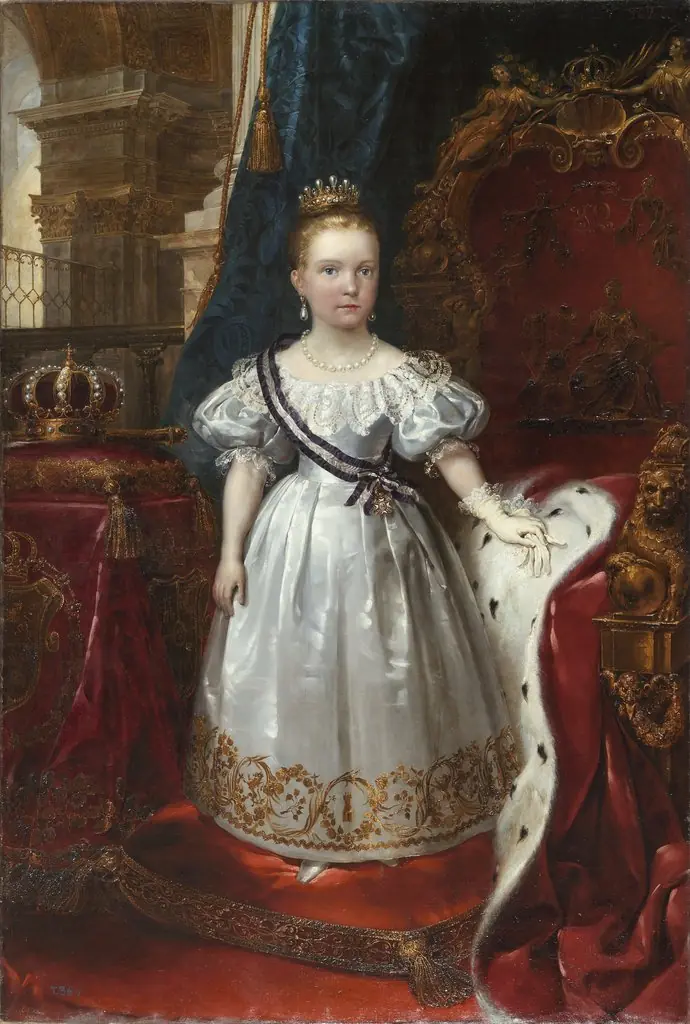 Isabel II, niña
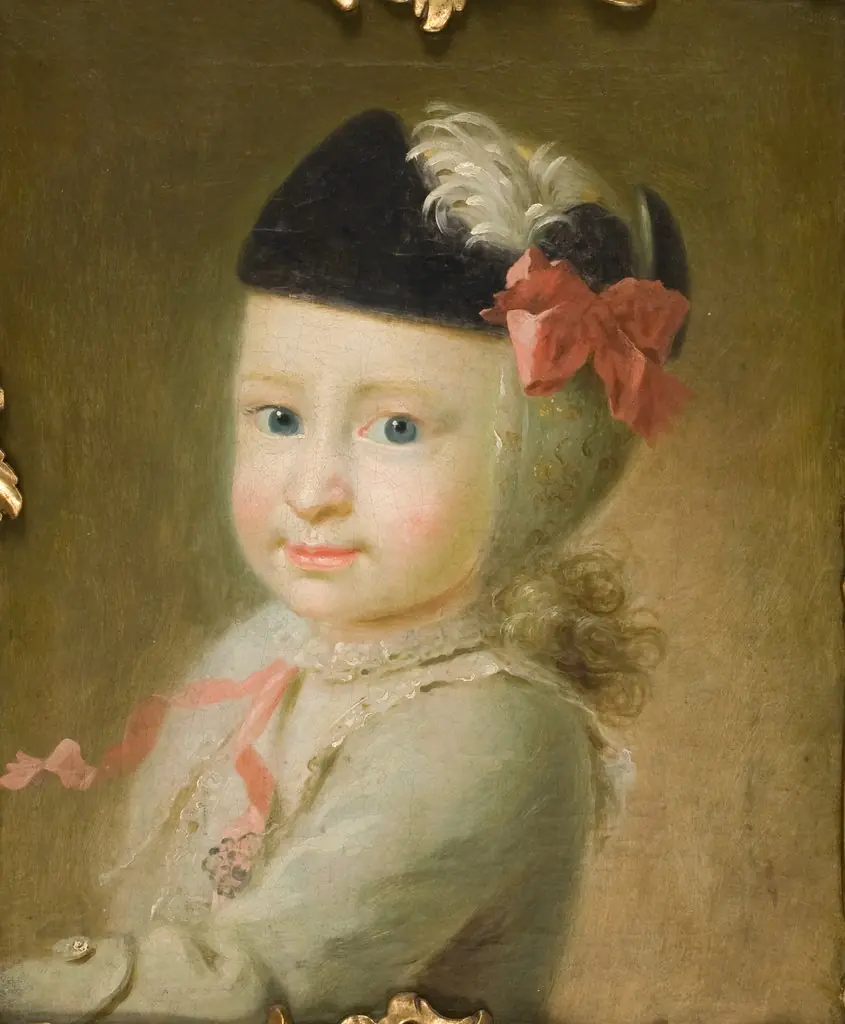 Portrait of Carl Christian Laurentius Birch
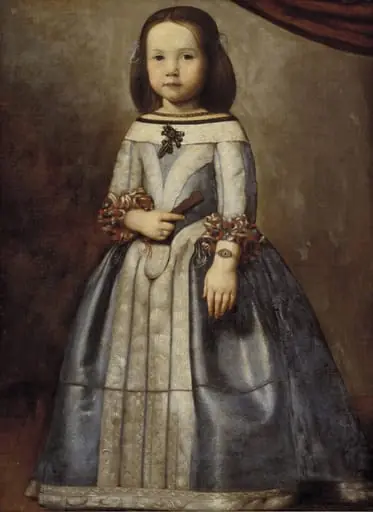 Portrait of Laura Chigi
 Portrait of Laura Chigi
 Ferdinand VII (1784–1833), Prince of Asturias