Artwork
Saint John the Baptist
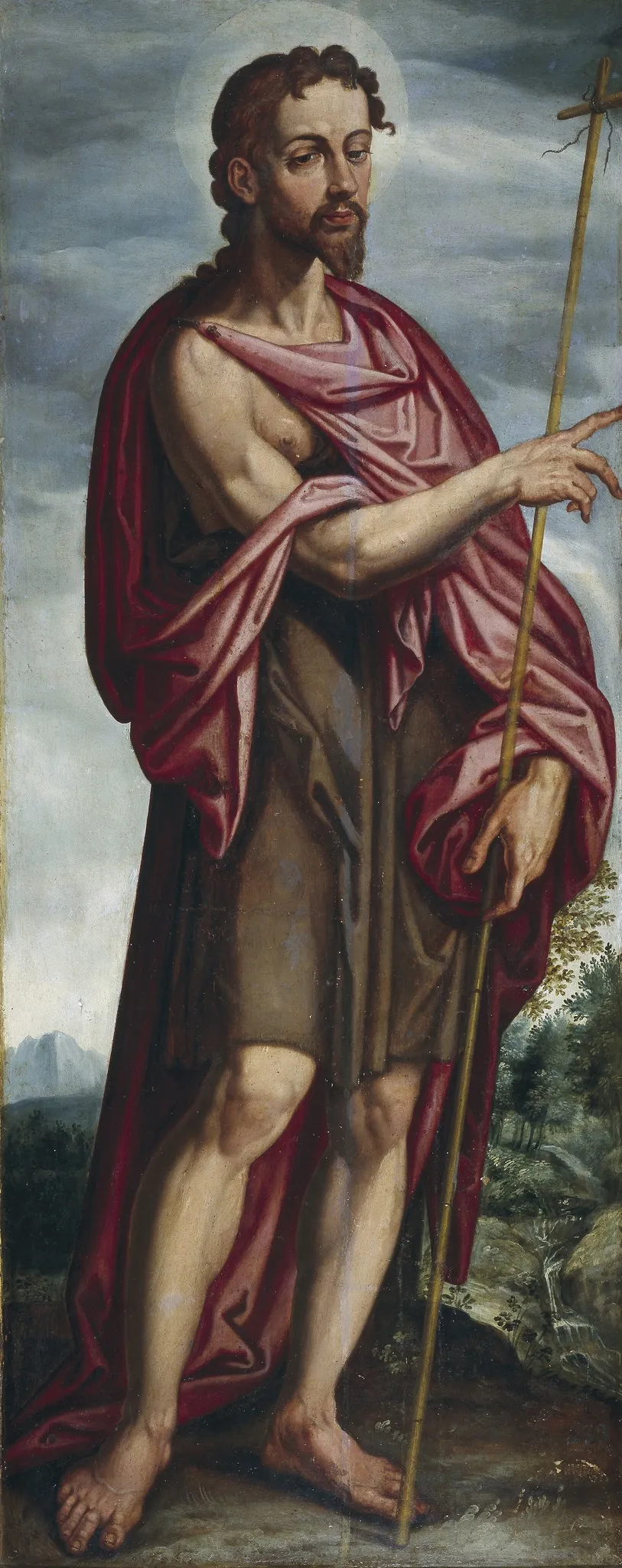
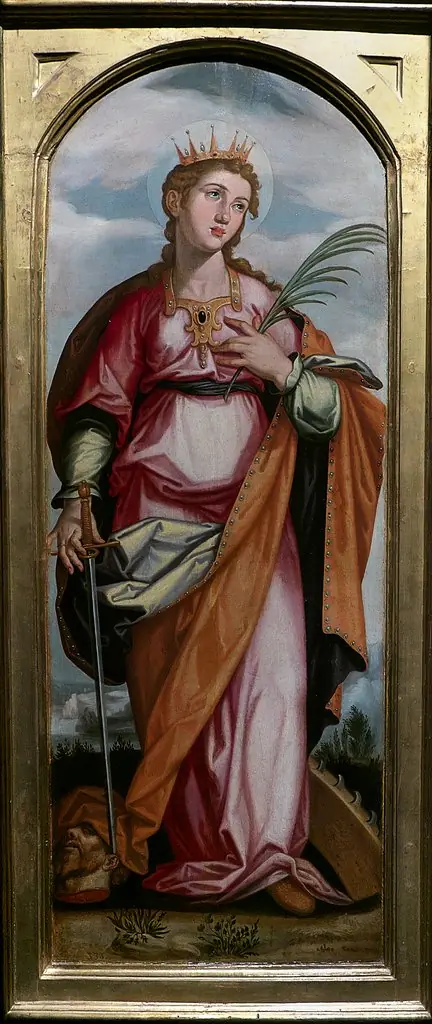
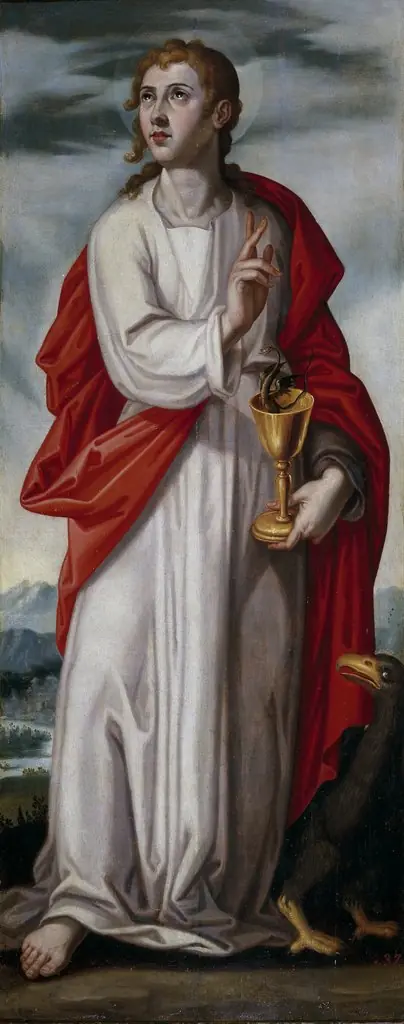
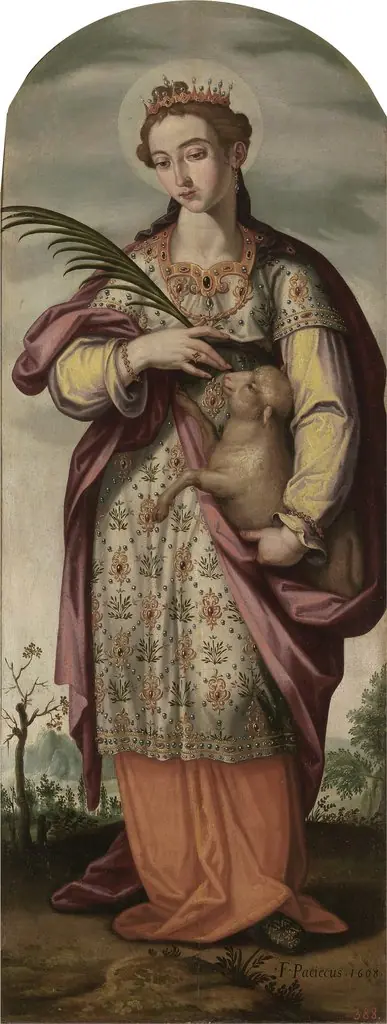
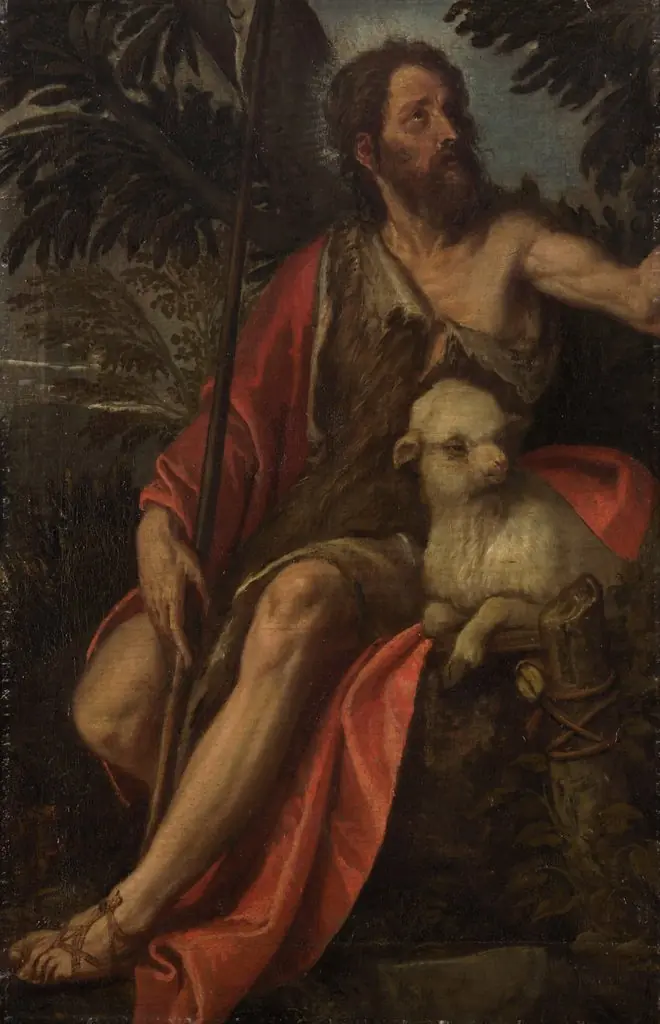
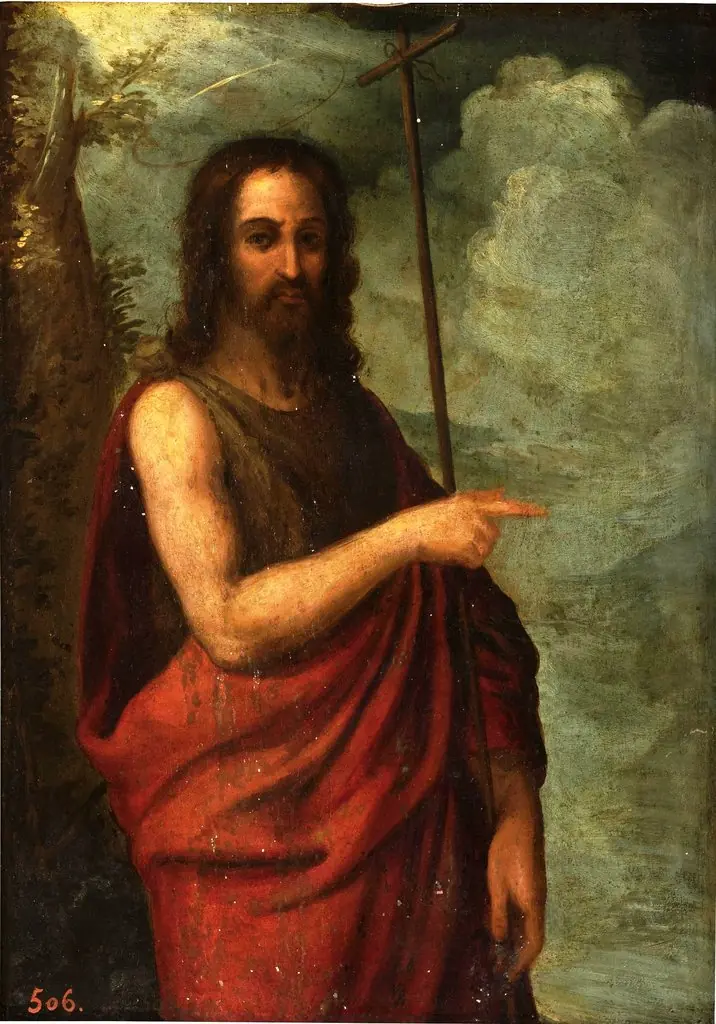
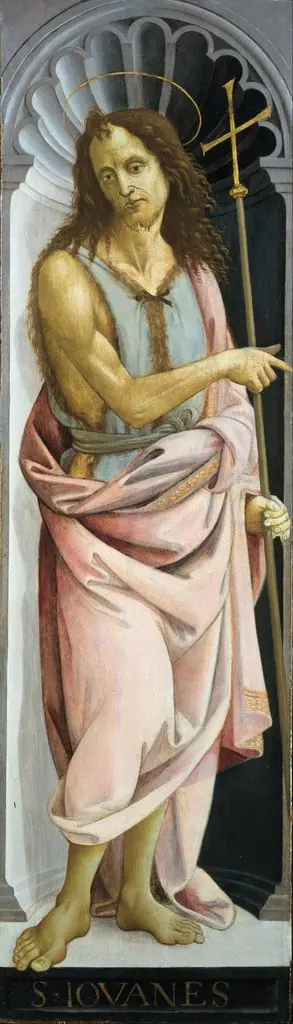
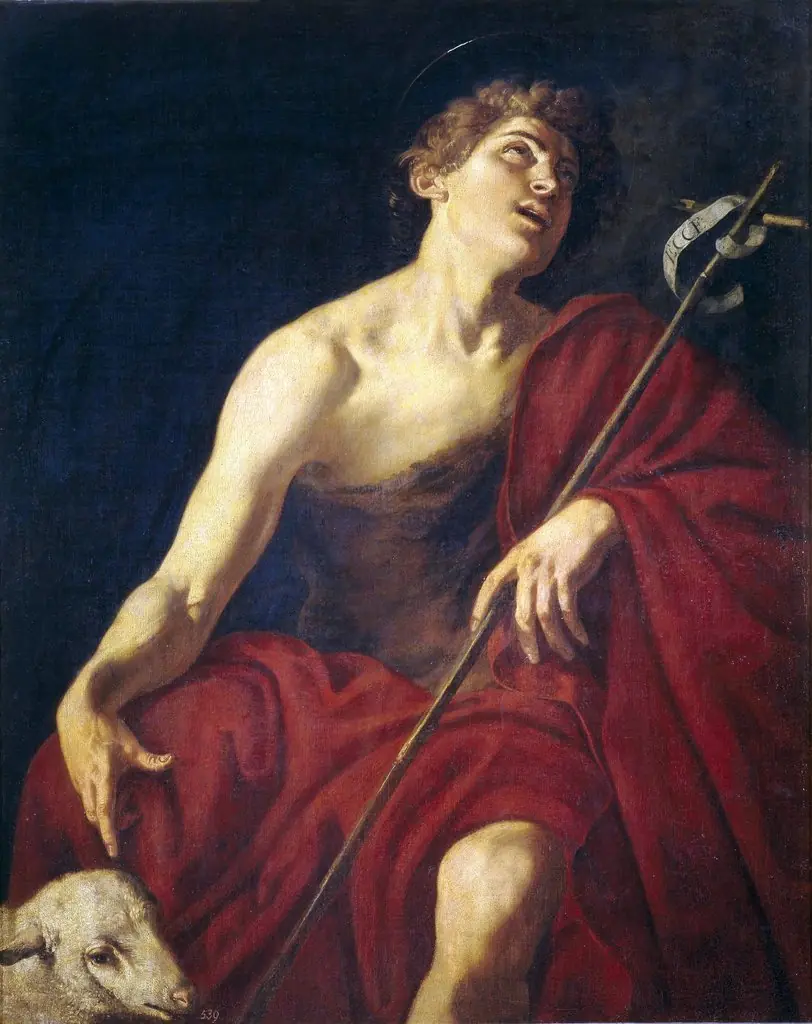
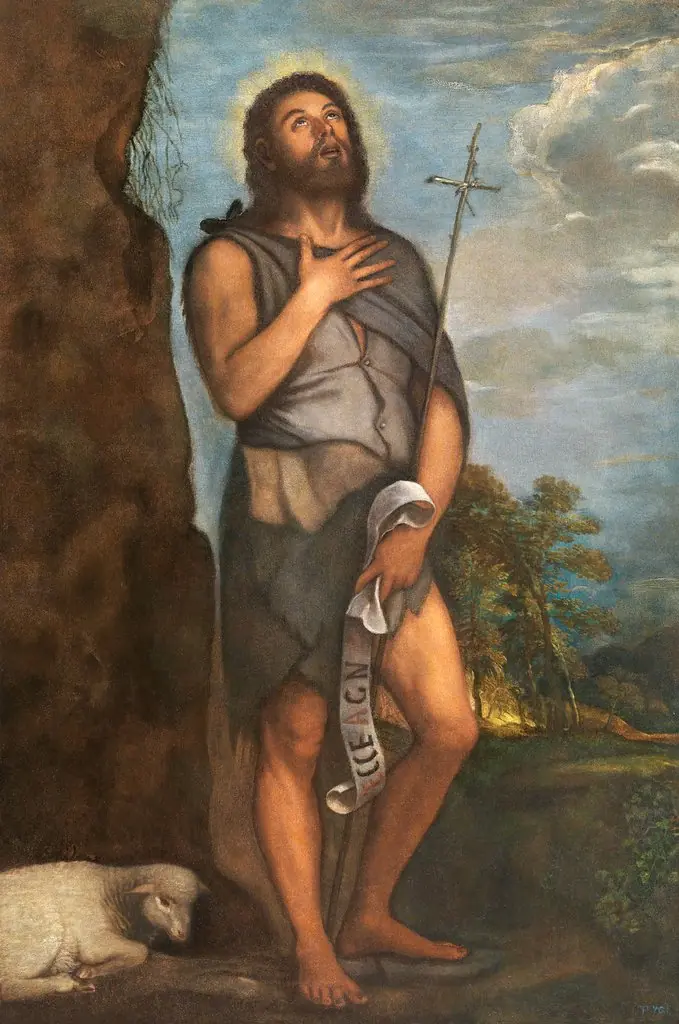
Saint John the Baptist is an oil painting by the Early Baroque Italian artist Francisco Pacheco. It dates from 1608 and is held in the collection of the Museo del Prado.
About this work
Subject & Meaning
As a religious piece, the artwork serves to represent the saint, aligning with traditional iconographic themes associated with his life and role.
The work depicts Saint John the Baptist as its primary subject, categorized within the genre of religious art. Created in 1608 by Francisco Pacheco, the painting presents the biblical figure as the central focus of the composition. As a religious piece, the artwork serves to represent the saint, aligning with traditional iconographic themes associated with his life and role. The depiction is executed in oil paint on a panel support.
Technique & Style
Executed in 1608, this religious painting by Francisco Pacheco utilizes oil paint applied to a wooden panel support. The work measures 99 cm in height and 45 cm in width. As a depiction of John the Baptist, the piece adheres to the conventions of religious art from the period, characterized by its specific material composition and vertical format.
History & Provenance
Saint John the Baptist by Francisco Pacheco is held by the Museo del Prado. According to the Wikidata record for the work, its collection is listed as the Museo del Prado, with the location field referencing the institution's identifier. No specific inventory or accession number is provided in the available sources, and no exhibition history is documented for this panel in the material supplied.
Overview
Francisco Pacheco’s oil painting Saint John the Baptist dates from 1608. Executed in the early Baroque idiom, the work portrays the biblical figure in a solitary pose against a muted landscape. It is part of the permanent collection of the Museo del Prado in Madrid, where it is displayed among other Spanish religious works of the period.
Context
Pacheco, also known for his treatise on painting and his mentorship of Diego Velázquez, worked within the broader currents of Counter‑Reformation art. His depiction of Saint John aligns with contemporary expectations for didactic, emotionally resonant imagery intended to inspire devotion among viewers, while also demonstrating the influence of Italian Baroque techniques that he absorbed during his travels.
Artist & collection
Artist
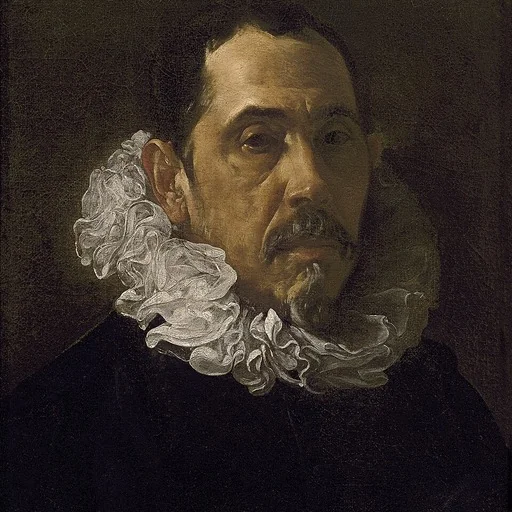
Francisco Pérez del Río (bap. 3 November 1564 – 27 November 1644), known by his pseudonym Francisco Pacheco, was a Spanish painter, best known as the teacher of Alonso Cano and Diego Velázquez, as well as the latter's…