Artwork
Saint John the Baptist
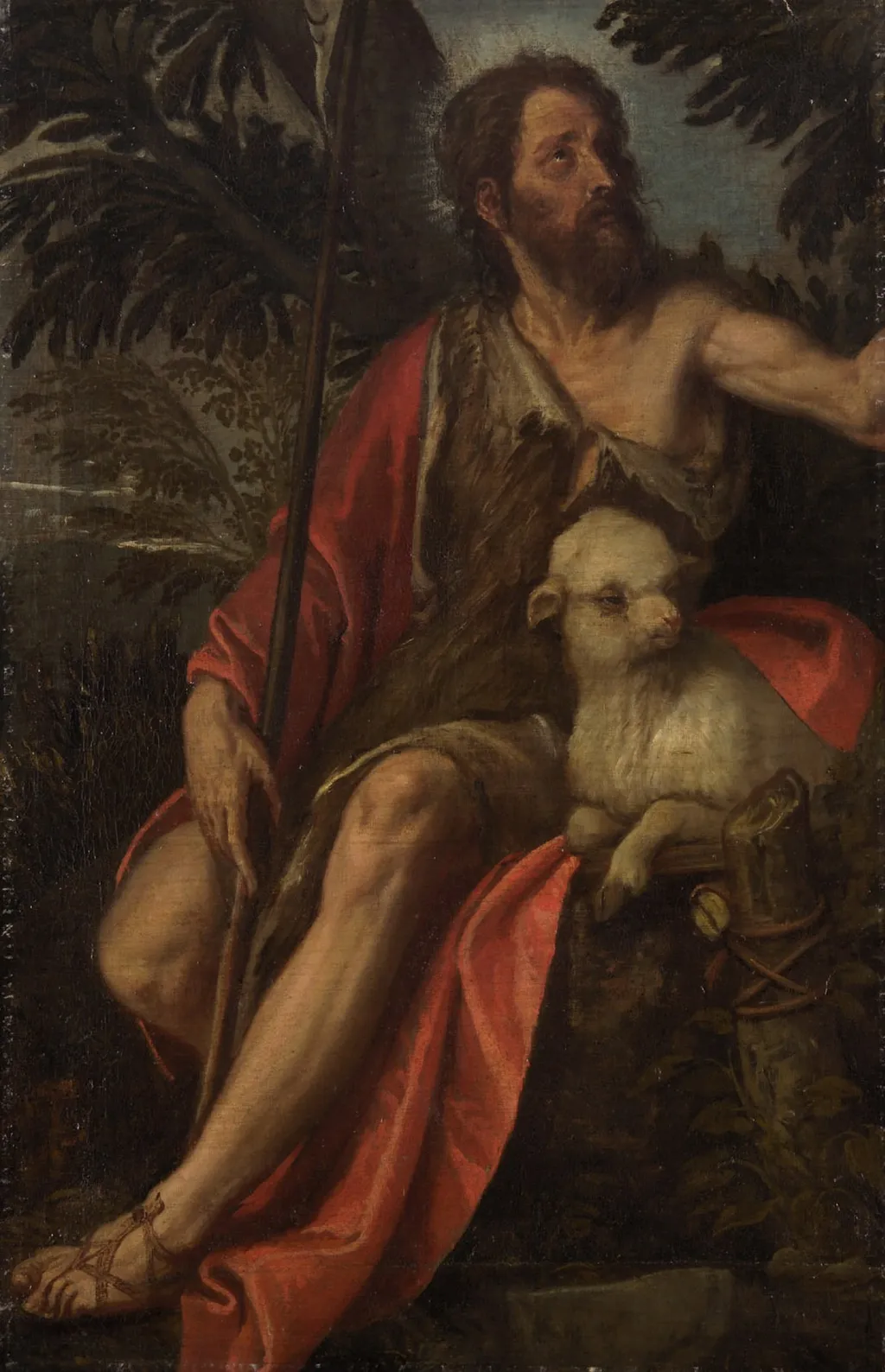
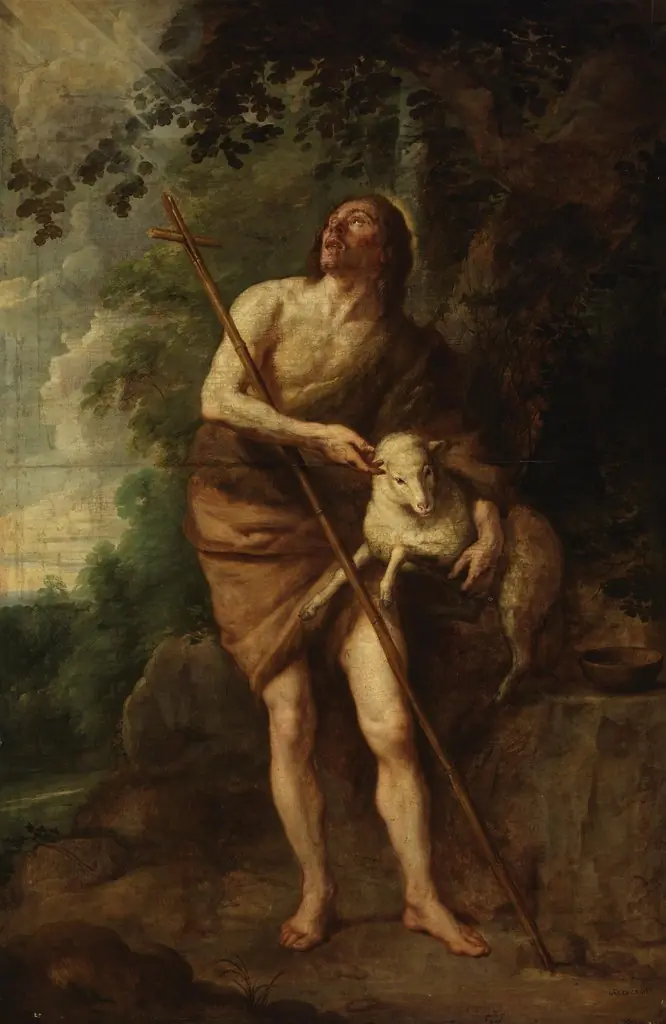
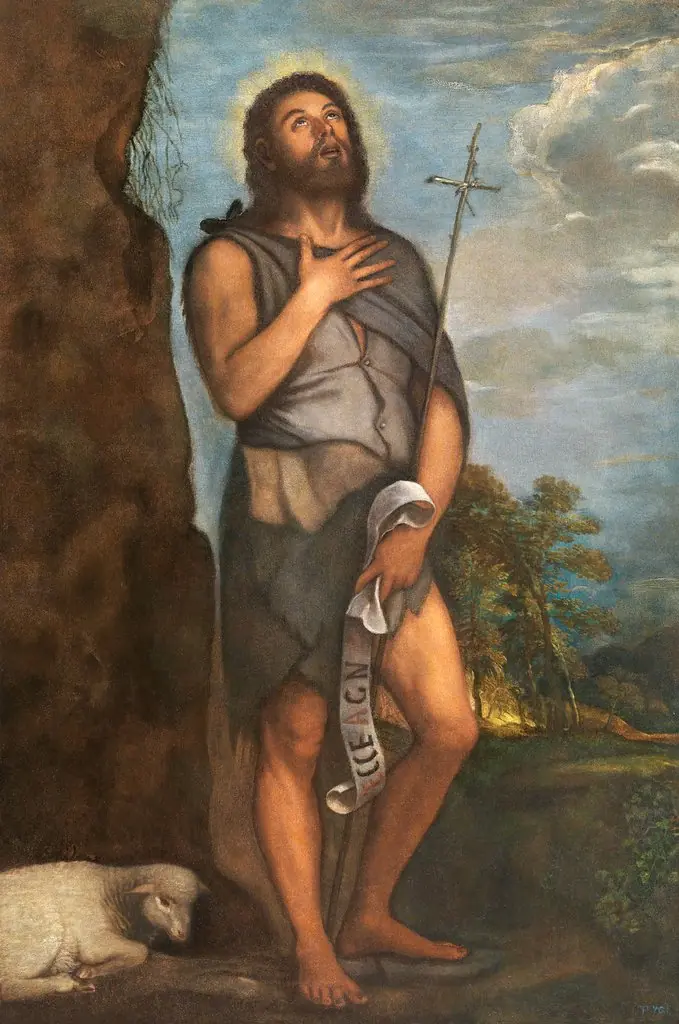
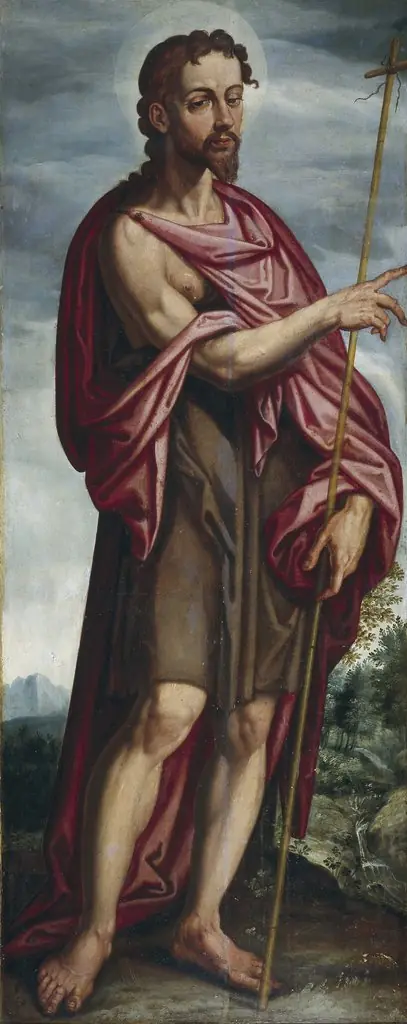
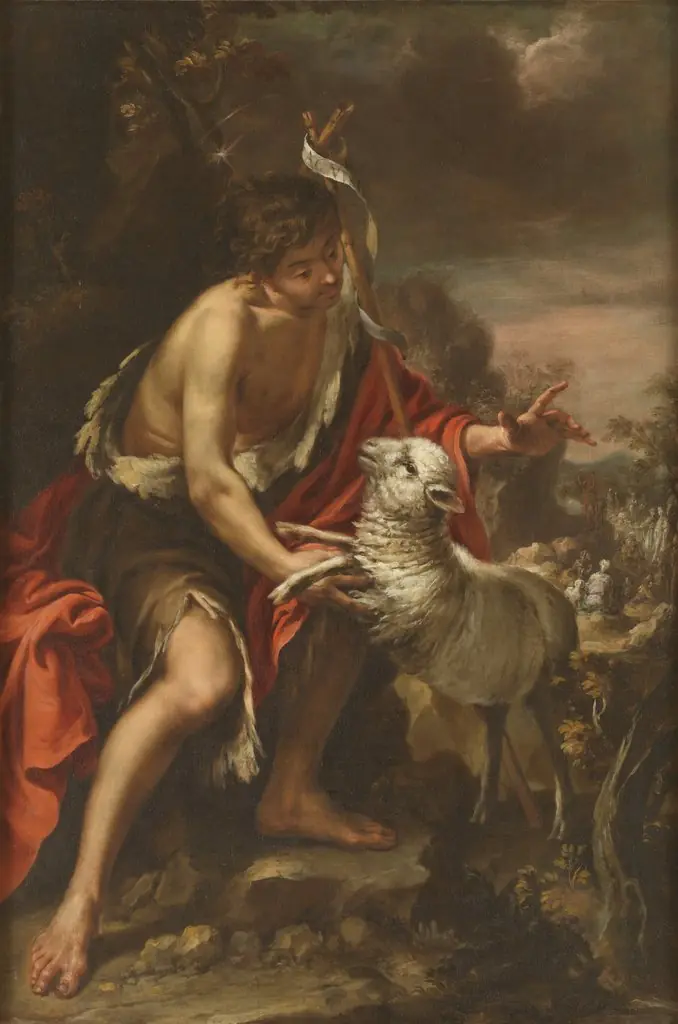
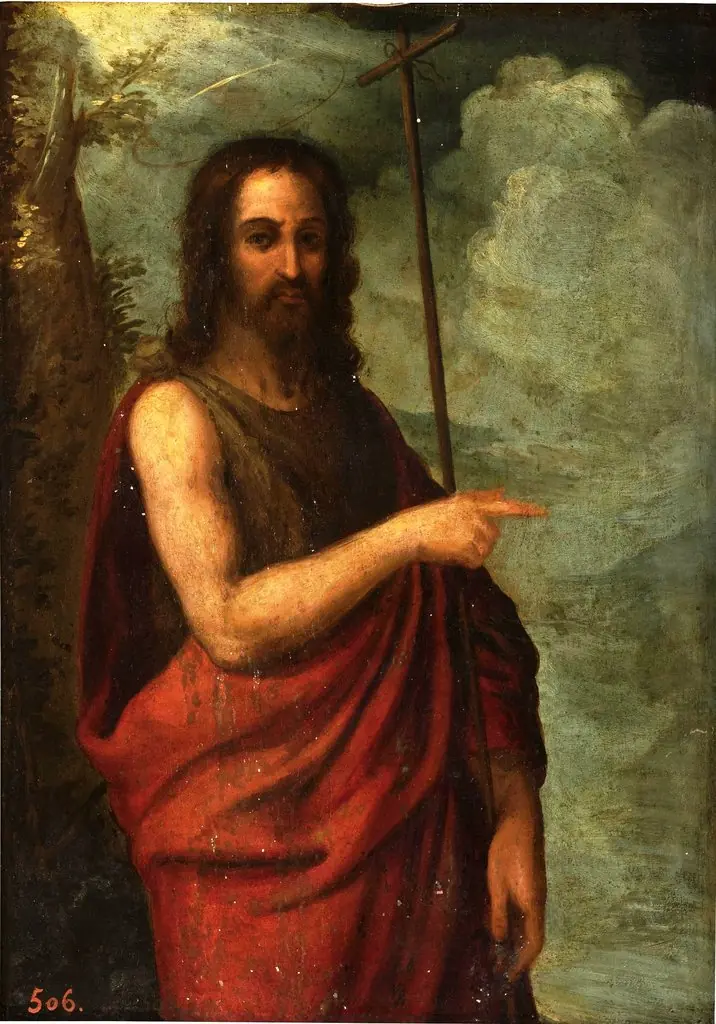
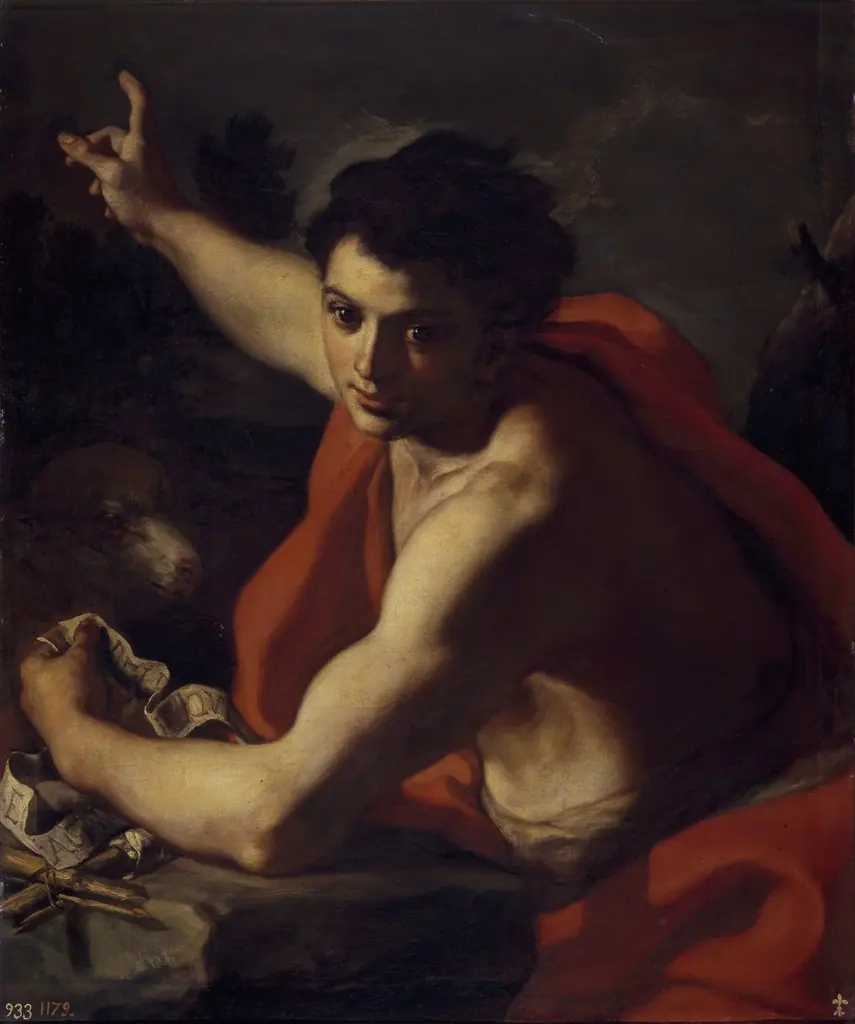
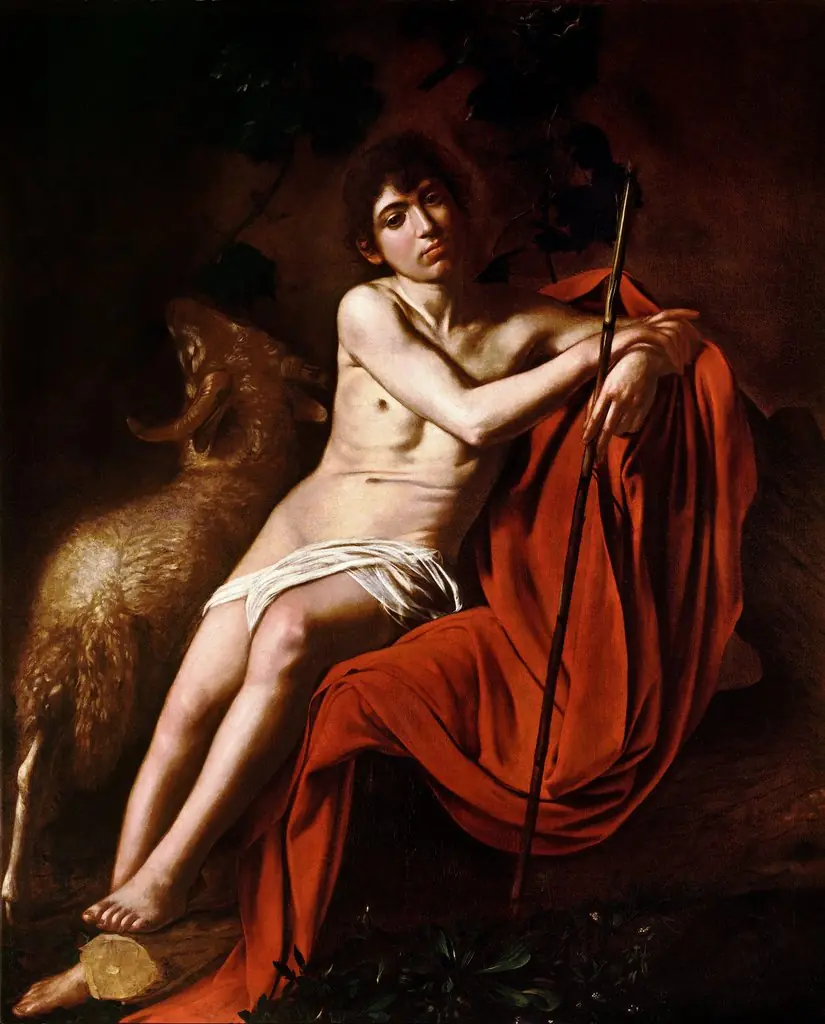
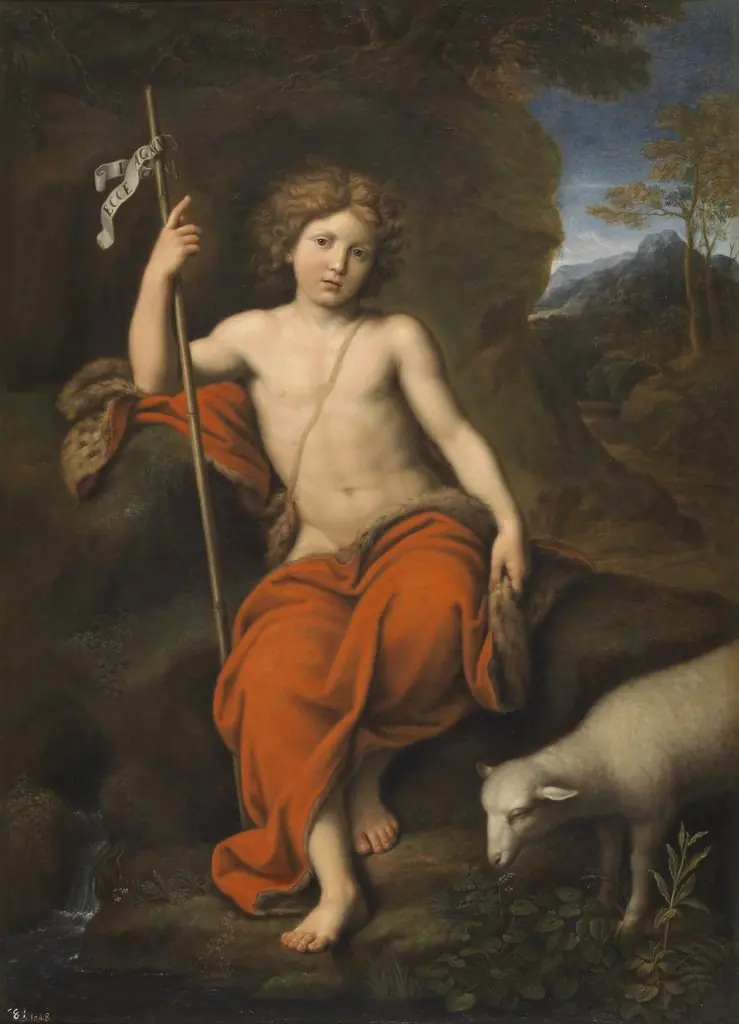
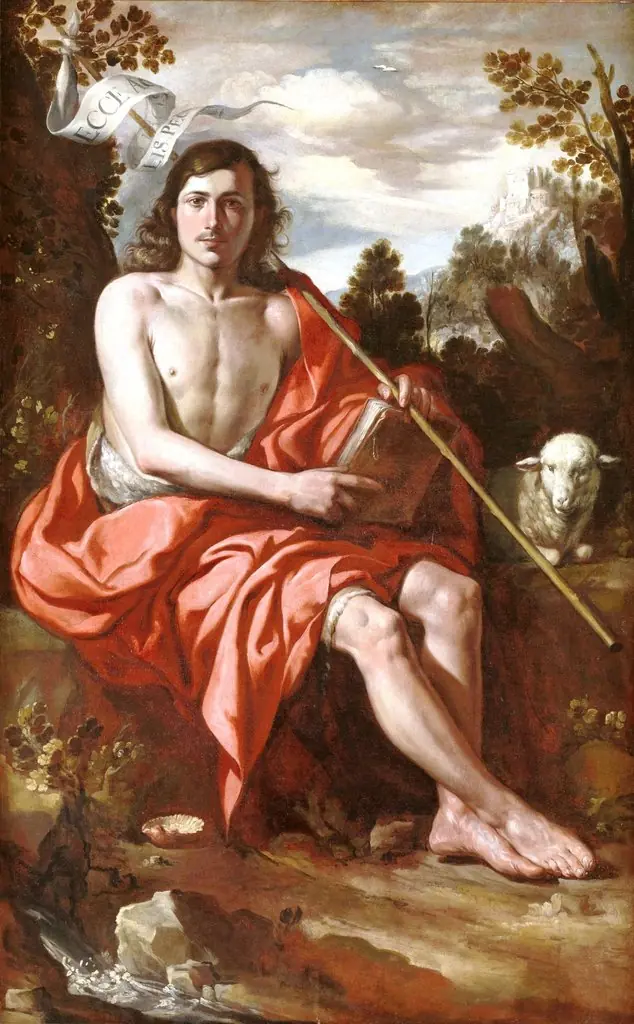
Saint John the Baptist is an oil painting by the Mannerist artist Paolo Veronese. It is held in the collection of the Kunsthistorisches Museum. Created circa 1590, this oil painting portrays a solitary figure seated on a rocky outcrop, accompanied by a lamb.
About this work
Subject & Meaning
Paolo Veronese's 1580 oil painting depicts John the Baptist as the central religious figure, specifically portraying the saint in a wilderness setting.
Paolo Veronese's 1580 oil painting depicts John the Baptist as the central religious figure, specifically portraying the saint in a wilderness setting. The composition includes a lamb alongside the man, a traditional iconographic element symbolizing Christ as the Lamb of God, whom John is known to have heralded. This imagery reinforces the work's function as a piece of religious art, focusing on the biblical narrative of the prophet's life in isolation.
The presence of these specific attributes identifies the subject clearly within the context of Christian theology and hagiography.
Technique & Style
Paolo Veronese executed Saint John the Baptist in 1580 using oil paint on a support measuring 89 cm in height and 58 cm in width. The work is classified as a religious painting that depicts the titular saint in a wilderness setting alongside a lamb. As an oil painting from the late 16th century, the piece reflects the artist's handling of the medium to portray the figure of John the Baptist. The painting is currently held in the collection of the Kunsthistorisches Museum.
History & Provenance
Saint John the Baptist is an oil painting by Paolo Veronese dated to 1580. The work was owned by Archduke Leopold Wilhelm of Austria before entering the collection of the Kunsthistorisches Museum, where it is currently held. Its subject is John the Baptist in the wilderness, depicted as a man with a lamb.
The painting measures 89 cm in height by 58 cm in width. No additional details regarding its commission, intermediate ownership, or early creation history are documented in the available sources.
Paolo Veronese's painting Saint John the Baptist, dated 1580, is held in the collection of the Kunsthistorisches Museum in Vienna. The work, which depicts the biblical figure with a lamb, was previously owned by Archduke Leopold Wilhelm of Austria before entering the museum's holdings. Specific inventory or accession numbers for the piece are not provided in the available records.
Context
Veronese's Saint John the Baptist, painted in 1580, exemplifies the mature phase of Venetian Renaissance religious art, where complex compositions and luminous coloration defined Counter-Reformation aesthetics. The work's depiction of the Baptist in the wilderness, holding a lamb amidst a richly detailed landscape, reflects both the devotional emphasis of the period and Veronese's mastery of narrative through visual symbolism. Its provenance through Archduke Leopold Wilhelm of Austria underscores the patronage networks linking Habsburg collectors to major European art centers, while its current display at the Kunsthistorisches Museum provides contemporary audiences with direct engagement with this pivotal example of 16th-century Venetian devotional painting.
Legacy
Veronese's depiction of Saint John the Baptist in the wilderness influenced Baroque interpretations of the prophet, particularly through its compositional treatment of solitude and divine symbolism. The work remained in the collection of Archduke Leopold Wilhelm of Austria before entering the Kunsthistorisches Museum, where it shaped scholarly assessments of Veronese's role in Venetian Counter-Reformation art. Its representation of the lamb as a motif of sacrificial foreshadowing informed later analyses of iconographic continuity in sacred imagery.
Overview
Created circa 1590, this oil painting portrays a solitary figure seated on a rocky outcrop, accompanied by a lamb. The composition is rendered in the luminous palette typical of late‑sixteenth‑century Venetian art, with a backdrop of foliage and a clear sky that frames the central scene. The work is part of the permanent collection of the Kunsthistorisches Museum in Vienna.
Artist & collection
Artist
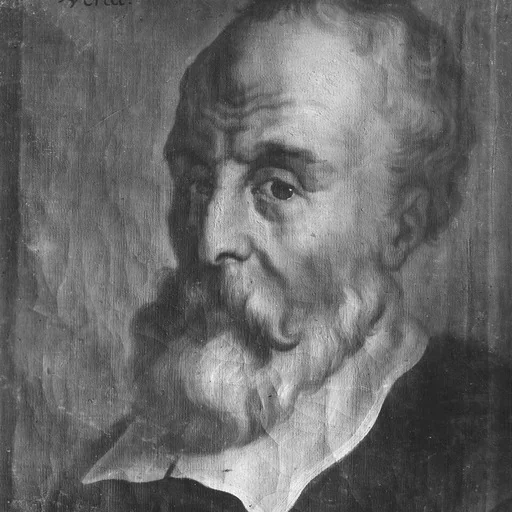
Paolo Caliari (1528 – 19 April 1588), known as Paolo Veronese ( VERR-ə-NAY-zay, -zee, US also -see; Italian: ), was an Italian Renaissance painter based in Venice, known for extremely large history paintings of…