Artwork
Scarborough
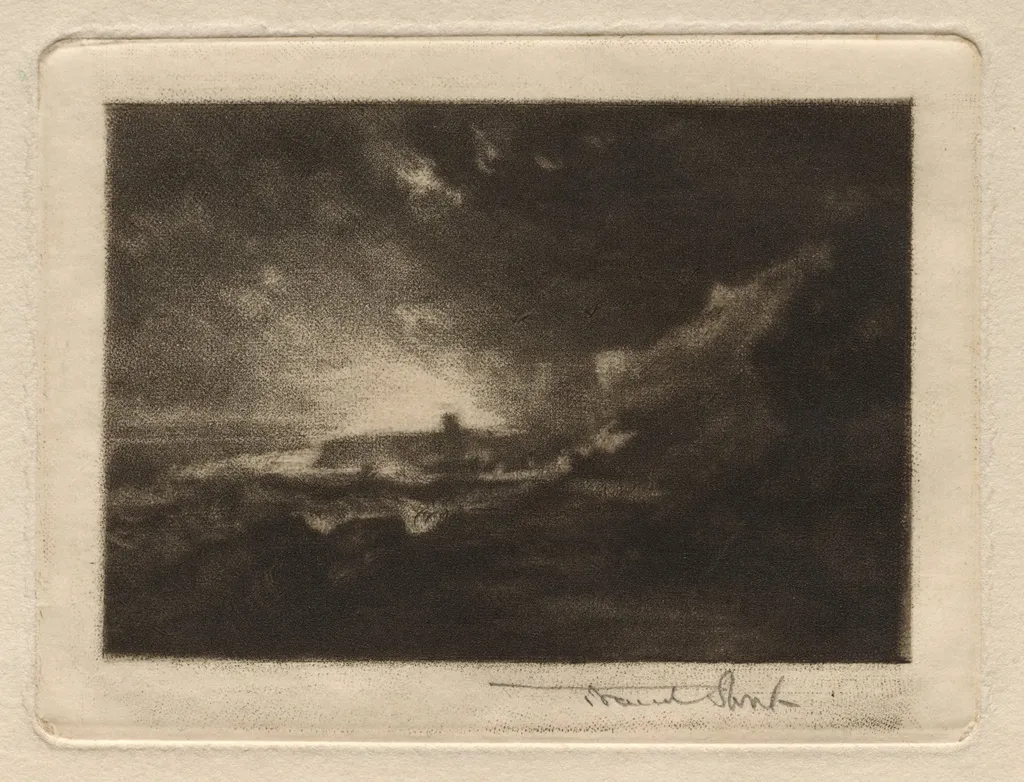
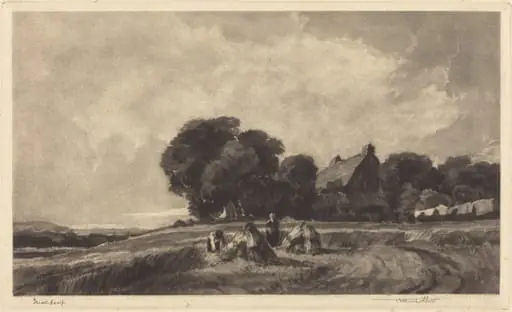
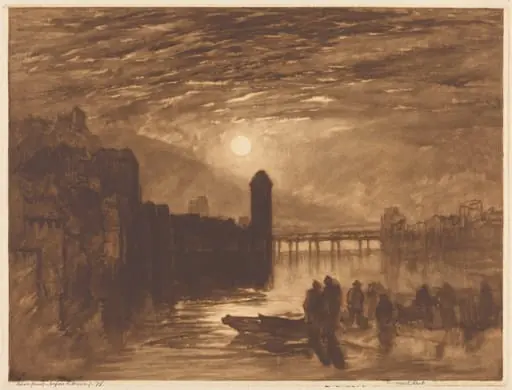
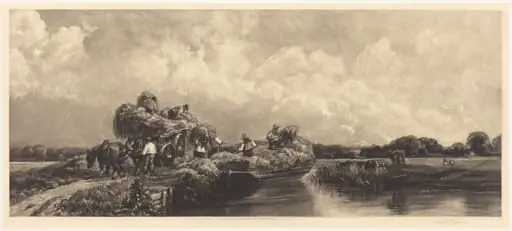
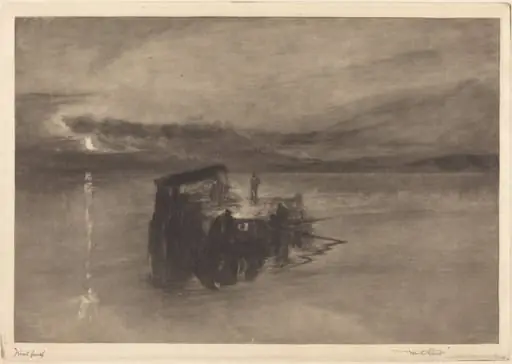
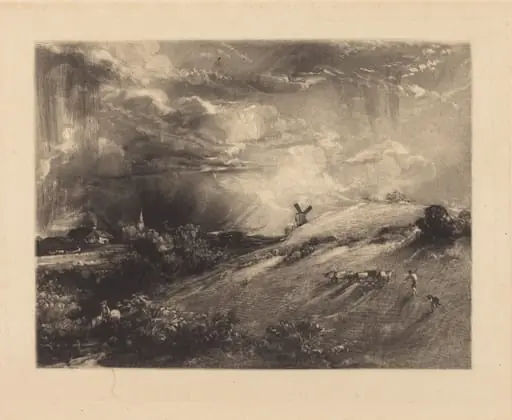
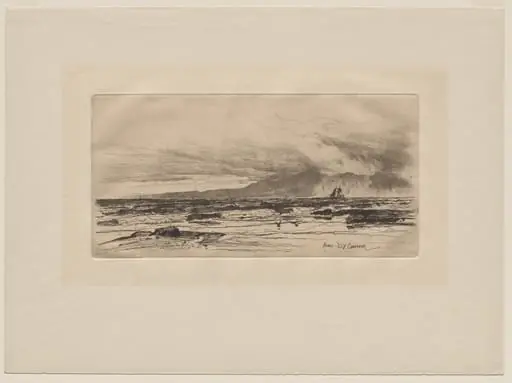
Scarborough is a print by the Impressionist artist Frank Short. It dates from 1884 and is held in the collection of the Cleveland Museum of Art.
- Accession no.
- 2014.244
- Credit line
- Bequest of John Bonebrake
About this work
Overview
Frank Short, a British printmaker and educator, produced Scarborough in 1884 as part of his broader engagement with traditional printmaking methods.
Frank Short, a British printmaker and educator, produced Scarborough in 1884 as part of his broader engagement with traditional printmaking methods. The work is held in the collection of the Cleveland Museum of Art and exemplifies his mastery of mezzotint and aquatint. Short’s technical innovations helped sustain the relevance of intaglio printing in the late 19th century, bridging 18th-century traditions with emerging modern sensibilities.
Subject & Meaning
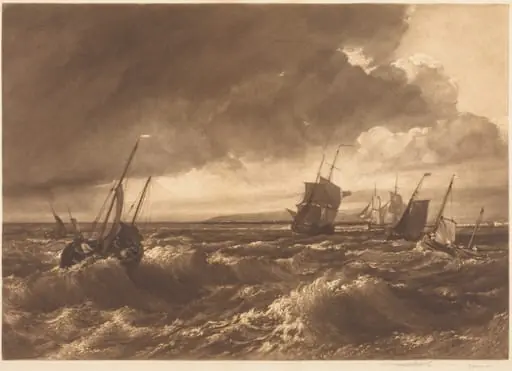
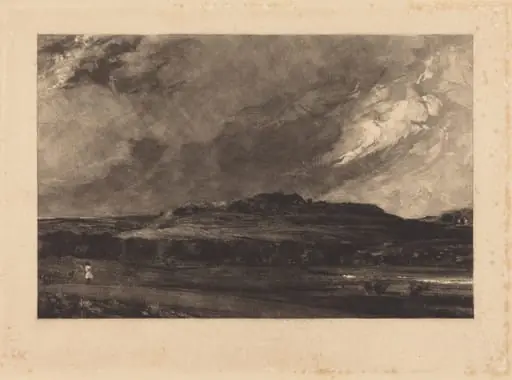
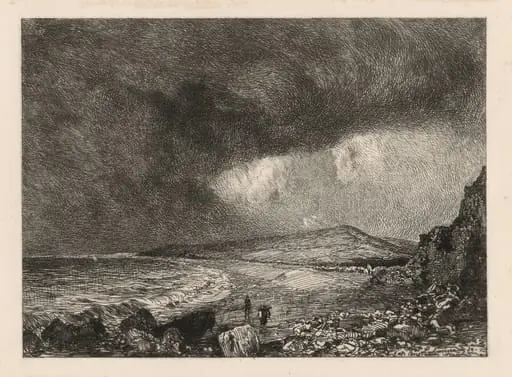
The print portrays a quiet coastal landscape at dusk near Scarborough, England. A solitary structure stands on a rocky outcrop, surrounded by sparse vegetation and turbulent water. The absence of human figures and the subdued lighting evoke a sense of solitude and transience. The scene reflects a contemplative engagement with nature, emphasizing atmosphere over narrative detail.
Technique & Style
Short employed mezzotint and aquatint to achieve subtle tonal gradations, creating a hazy, atmospheric effect. Soft, blended lines and muted contrasts mimic the diffused light of twilight, blurring boundaries between land, sea, and sky. The technique prioritizes mood over precision, aligning with contemporary interests in light and texture, though it predates the full development of Impressionist aesthetics in print.
History & Provenance
Created in 1884, Scarborough entered the Cleveland Museum of Art’s collection as part of its growing holdings in British graphic arts. Short’s reputation as a technical innovator and educator ensured the work’s preservation and study. His leadership roles in professional societies helped institutionalize printmaking as a serious artistic discipline in Britain during the late 19th and early 20th centuries.
Context
In the 1880s, British artists were re-examining printmaking as a medium for personal expression, moving beyond reproductive functions. Short’s work emerged alongside broader interest in tonal experimentation and landscape observation. While not strictly Impressionist, his focus on transient light and atmospheric effect resonated with contemporary shifts in visual culture across Europe.
Legacy
Short’s technical refinements in mezzotint and aquatint influenced subsequent generations of printmakers. His leadership in professional organizations helped elevate printmaking’s status in academic and museum circles. Scarborough remains a representative example of his quiet, tonal approach, a bridge between Romantic landscape traditions and the more experimental printmaking of the early 20th century.
Own this work as a print
Artist & collection

Artist
Sir Francis Job Short PPRE (19 June 1857 – 22 April 1945) was a British printmaker and teacher of printmaking.