Subject
Horizon
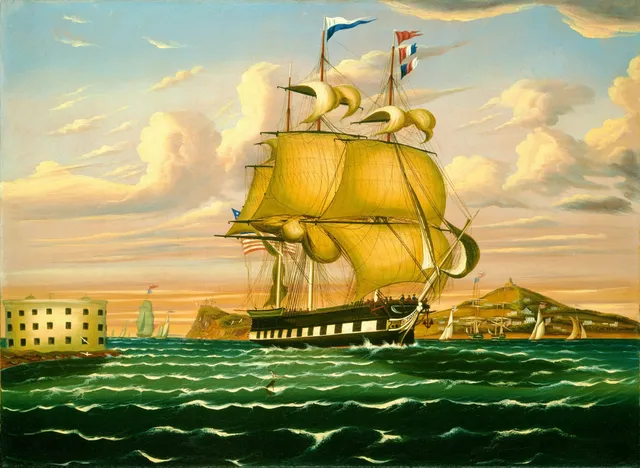
Horizon is a subject in art. The gallery holds 27 works in this subject in art, including works by Thomas Chambers, Alfred Thompson Bricher and George Loring Brown.
Most commonly, the horizon is the border between the surface of a celestial body and its sky when viewed from the perspective of an observer on or above the surface of the celestial body. This concept is further refined as -
The true or geometric horizon, which an observer would see if there was no alteration from refraction or from obstruction by intervening objects.
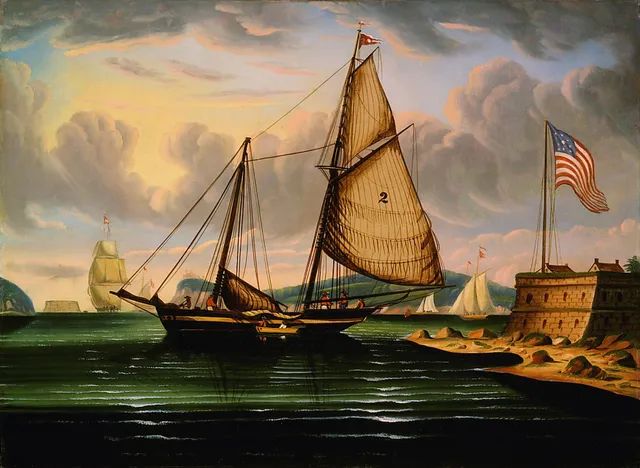
Key artists



Overview
The horizon is the apparent line that separates the earth from the sky, viewed from the perspective of an observer on or above the surface. Deriving from the Greek horízōn kýklos, meaning separating circle, the concept encompasses several distinct definitions based on observation and geometry. The true or geometric horizon represents the boundary an observer would see without atmospheric refraction or intervening objects, assuming a perfectly spherical celestial body. In practice, observers see the refracted or apparent horizon, altered by atmospheric refraction which can make distant objects appear higher or lower than their actual position. When terrain, vegetation, or human constructs obscure this boundary, it becomes the visible horizon. In perspective drawing, the horizon line defines the point of view from which a scene is presented, corresponding to the observer's eye level and serving as the locus for vanishing points.
Iconography & meaning
As a visual and conceptual motif, the horizon carries profound spatial and phenomenological significance. It functions as the ultimate boundary of human perception, demarcating the known and visible world from the inaccessible beyond. In maritime contexts, the horizon, historically called the Kimm, holds vital practical and symbolic weight. Sailors consult the horizon for navigation and situational awareness, as it is the point where land, ships, or storms first appear, breaking the monotony of the open ocean. Elevation expands this boundary, a phenomenon traditionally termed abaissement or dip, wherein a higher vantage point physically lowers the visible horizon and broadens the observer's field of perception. Thus, the horizon symbolizes both limitation and expansion, representing the physical limits of a current viewpoint while promising the existence of more distant realms just beyond the visible threshold.
Across movements & periods
The treatment of the horizon has evolved alongside developments in optical science, navigation, and artistic perspective. Historically, the visible sea horizon served as the closest observable approximation of the true geometric horizon, a relationship crucial for early navigation. During periods of maritime expansion, understanding the horizon's dip and the effects of terrestrial refraction became essential for calculating latitude and distance at sea. In the visual arts, the understanding of the horizon shifted from a natural boundary to a mathematical construct with the formalization of linear perspective. The horizon line became the imaginary horizontal plane dictating the spatial geometry of a composition, anchoring the vanishing lines that converge at the observer's eye level. This mathematical rationalization transformed the horizon from an observed environmental limit into a foundational tool for constructing pictorial space.
Legacy
The concept of the horizon has transcended its geographical and artistic origins to influence modern physics and cosmology. In relativistic physics, the term denotes an event horizon, the boundary surrounding a black hole beyond which no information or light can escape. Theorists like Stephen Hawking have modeled spacetime from the perspective of an observer as a cone, where the horizon represents the surface of that cone, limiting the information that can reach the observer due to the speed of light. This cosmological adaptation mirrors the terrestrial horizon's fundamental role as a limit of perception. Whether as a line on a canvas, a navigational reference for maritime exploration, or a boundary in spacetime, the horizon remains a central conceptual framework for defining the limits and possibilities of observation.
Works
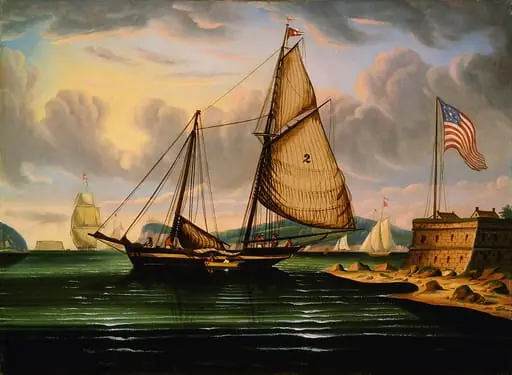 New York Harbor with Pilot Boat "George Washington"
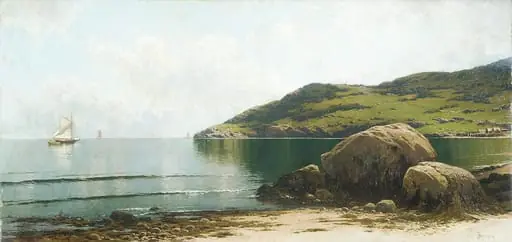 Marine Landscape
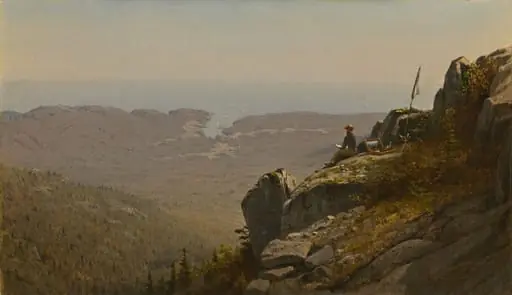 The Artist Sketching at Mount Desert, Maine
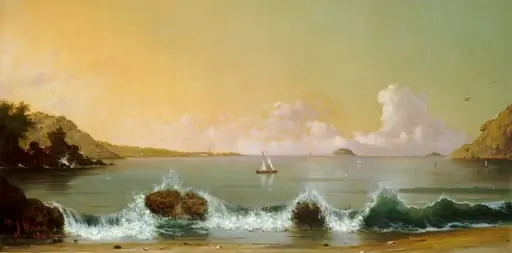 Rio de Janeiro Bay
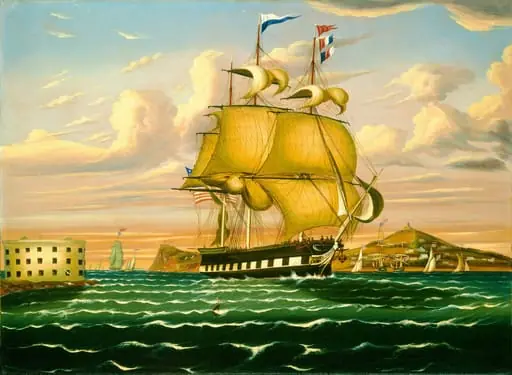 Packet Ship Passing Castle Williams, New York Harbor
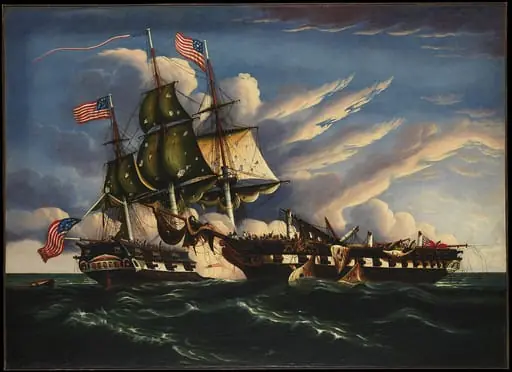 The Constitution and the Guerriere
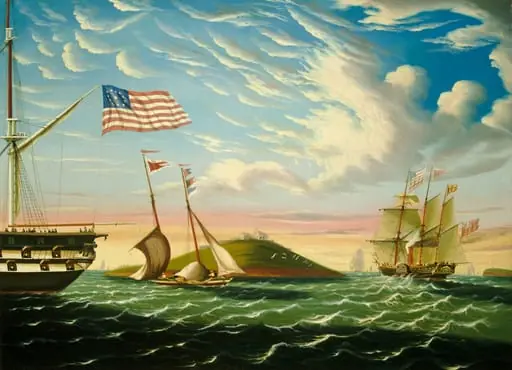 Boston Harbor
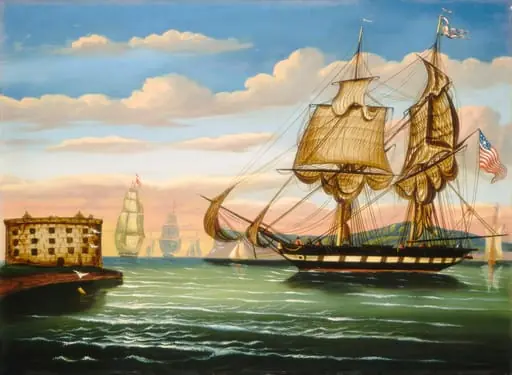 Bay of New York, Sunset
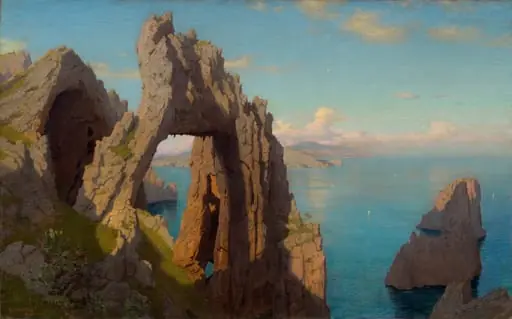 Natural Arch at Capri
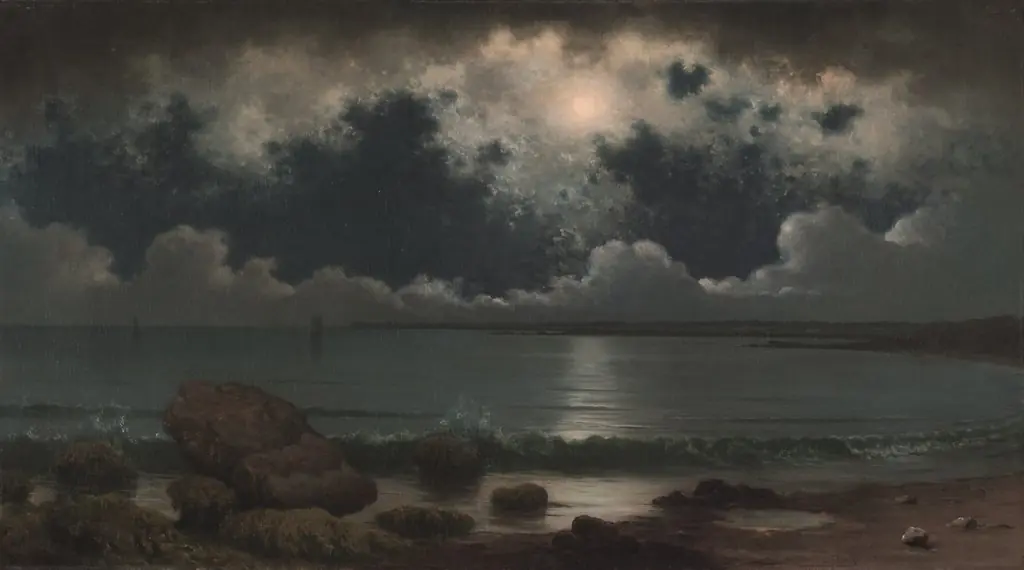 Point Judith, Rhode Island
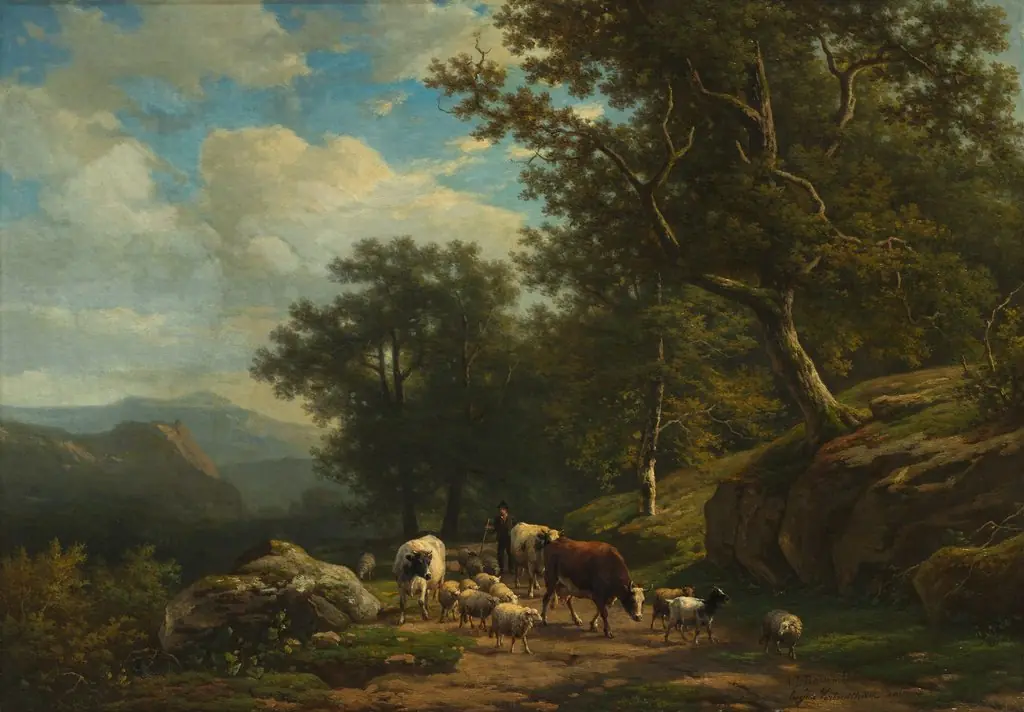 Landscape with a Peasant and His Flock
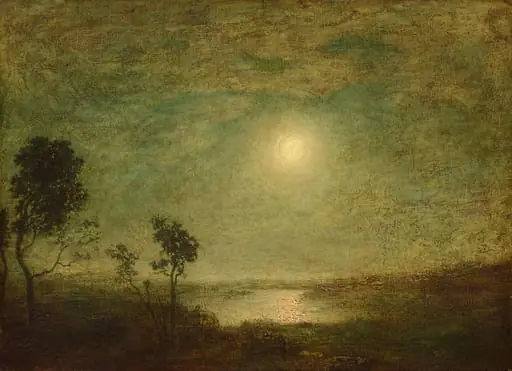 Moonlight
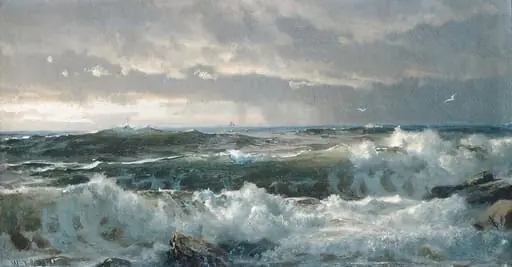 Surf on Rocks
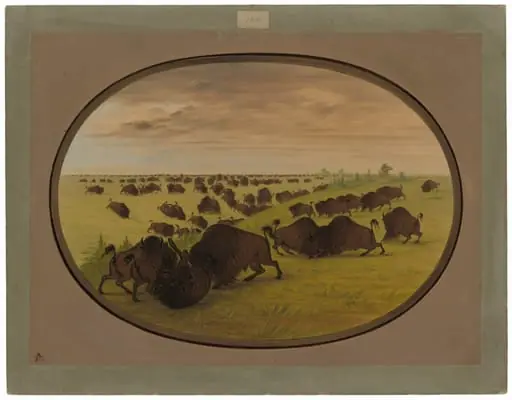 Bulls Fighting
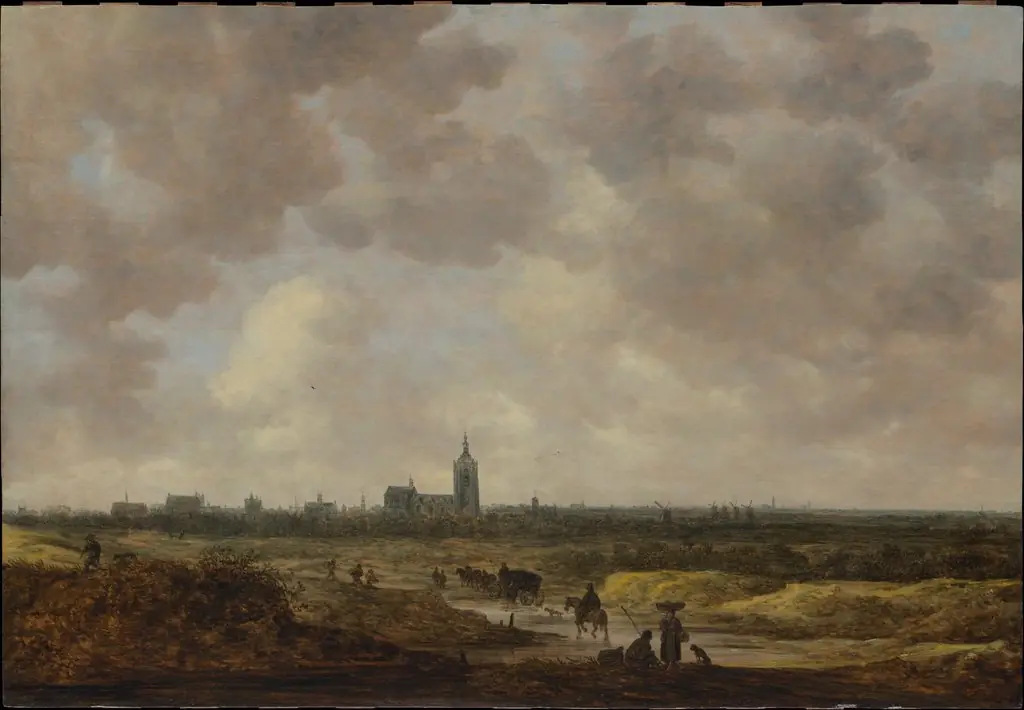 A View of The Hague from the Northwest
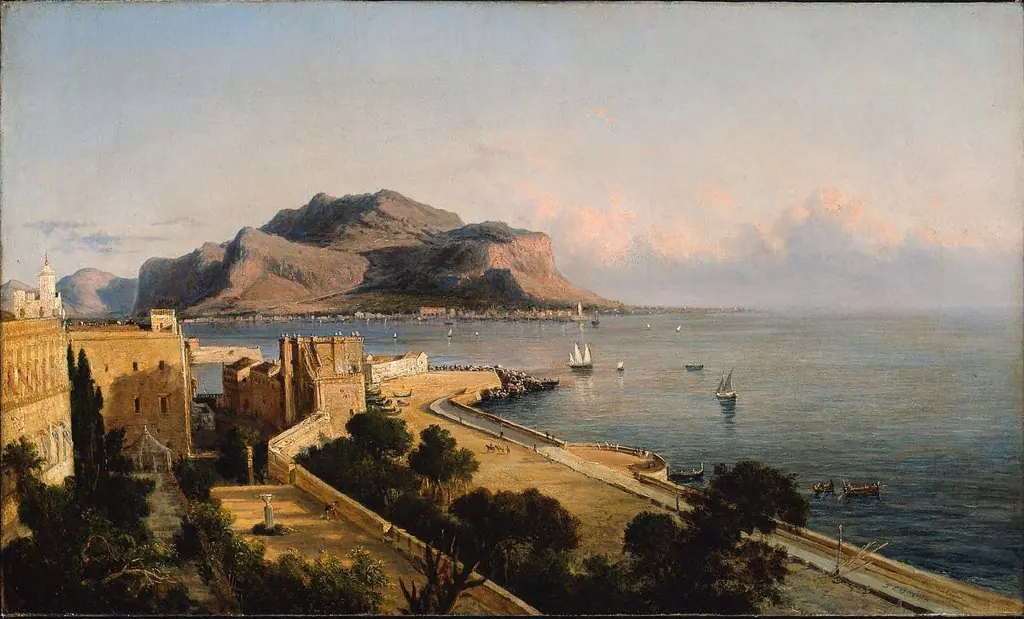 Monte Pellegrino at Palermo, Italy
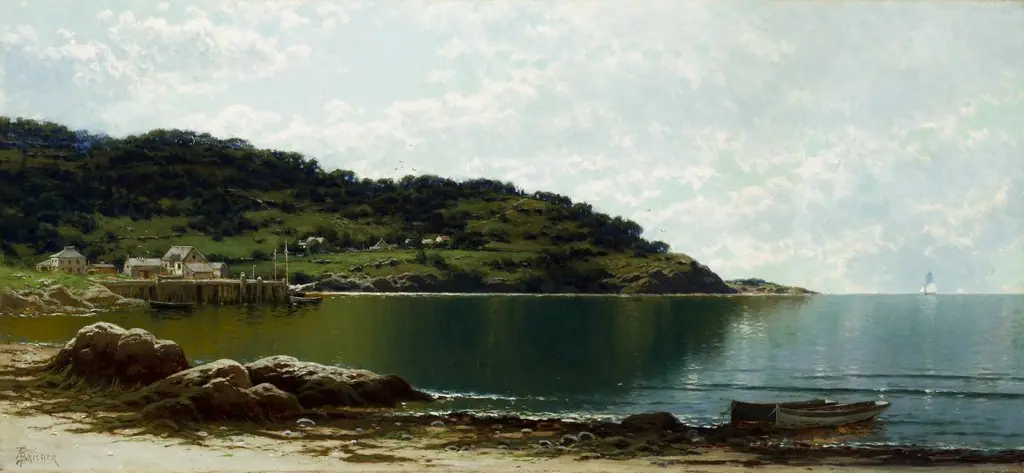 Along the Maine Coast
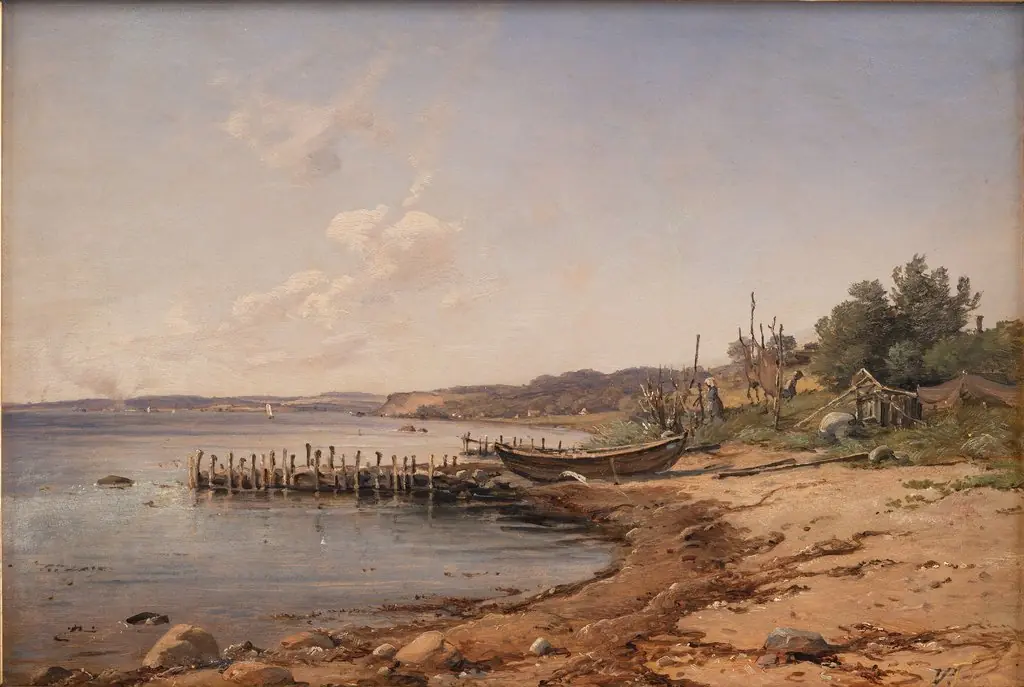 A Beach by the Sound
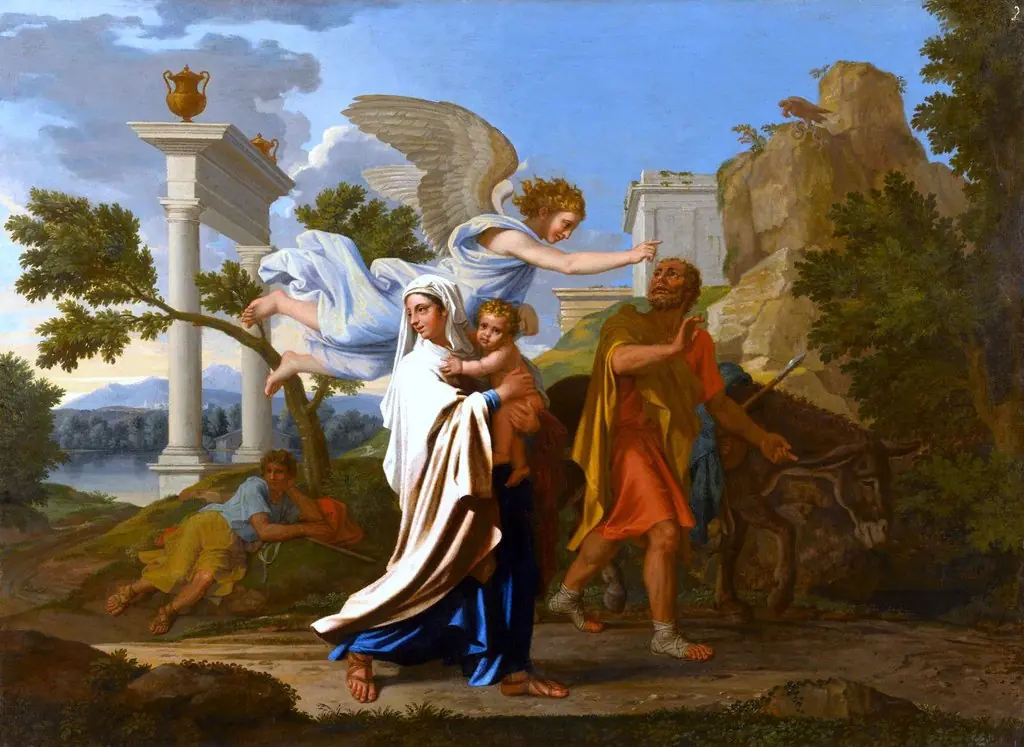 The Flight into Egypt
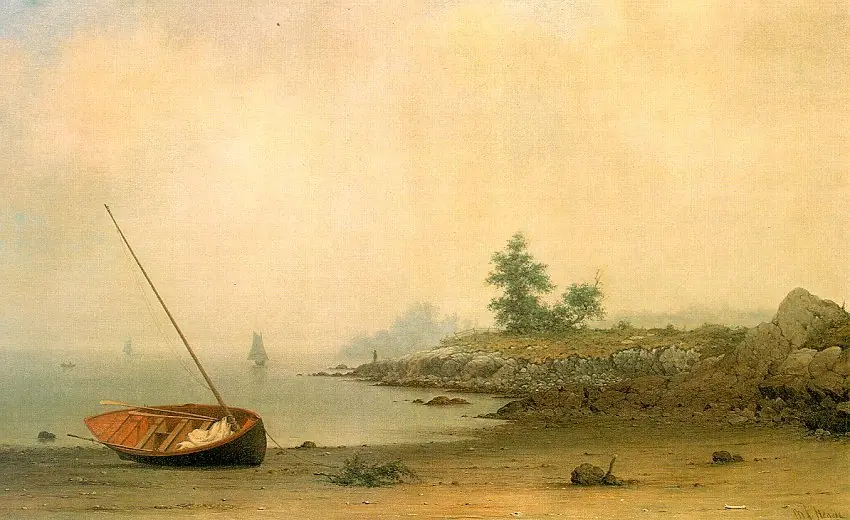 The Stranded Boat
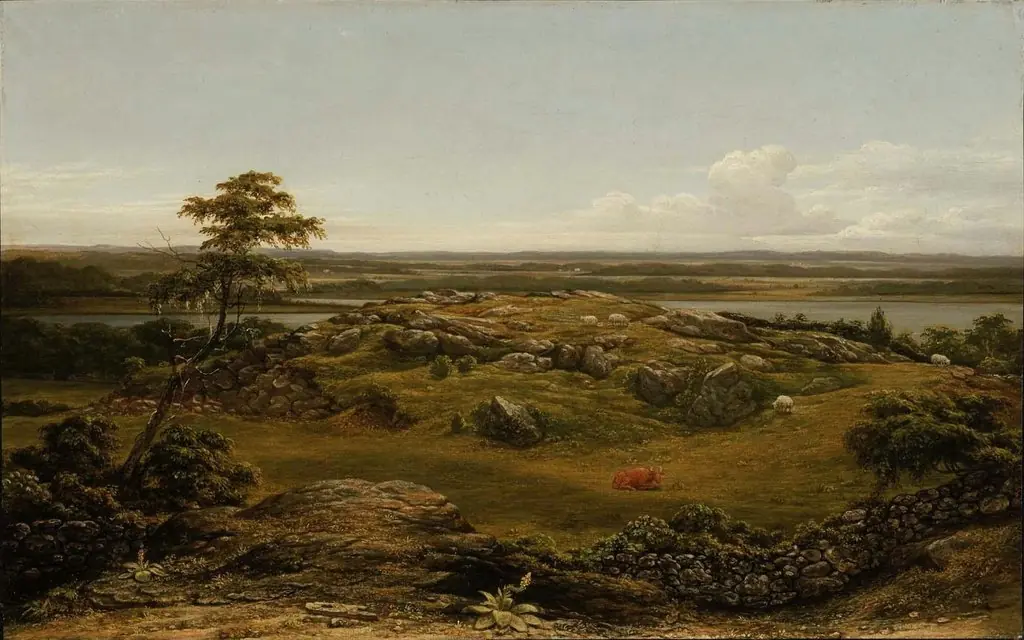 Rocks in New England
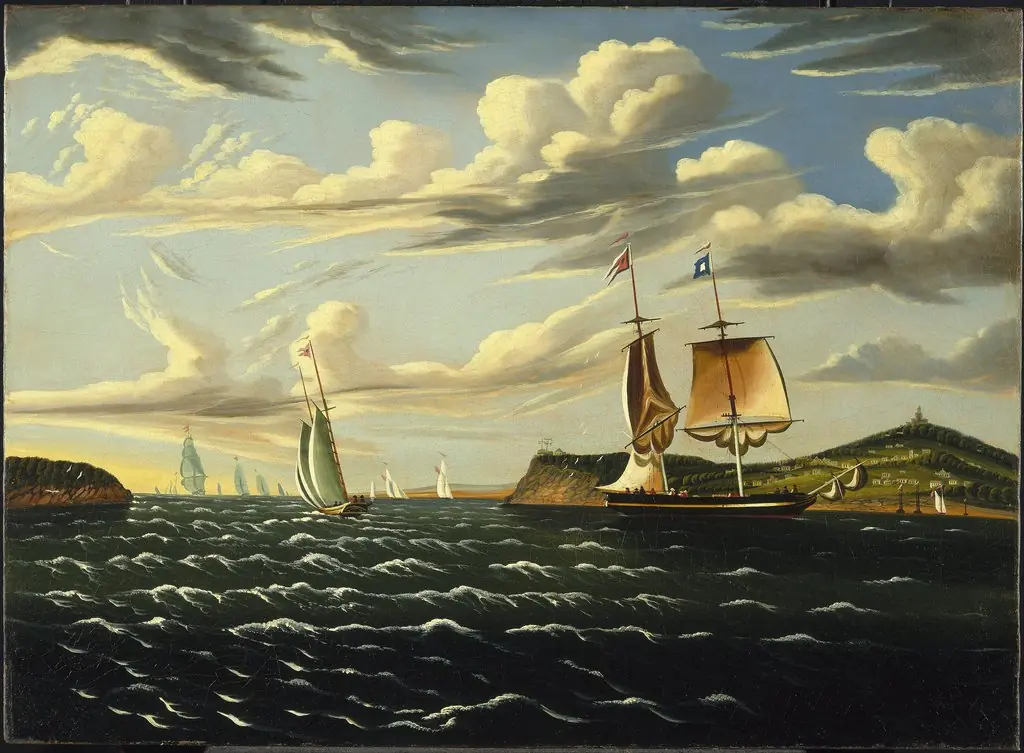 Staten Island and the Narrows
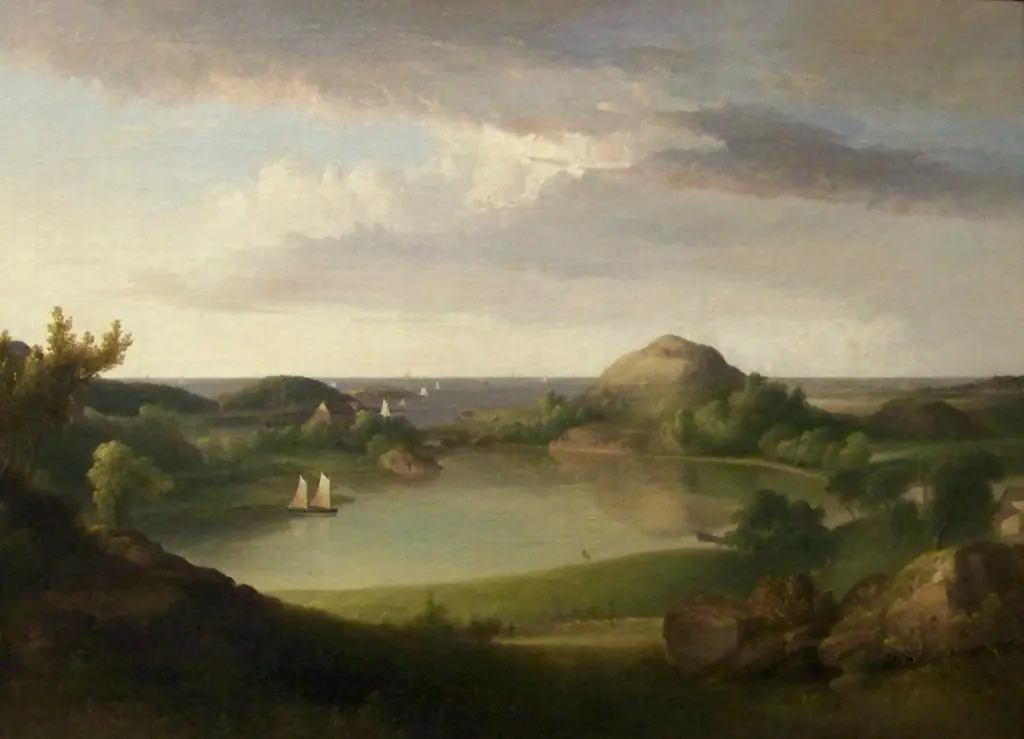 Harbor Landscape
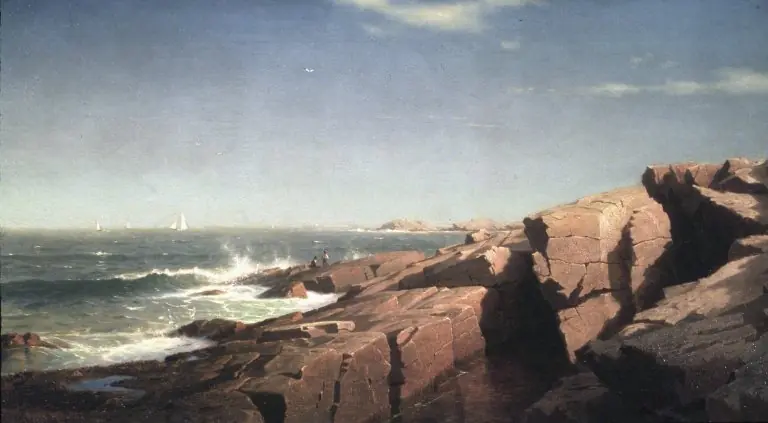 Rocks at Nahant
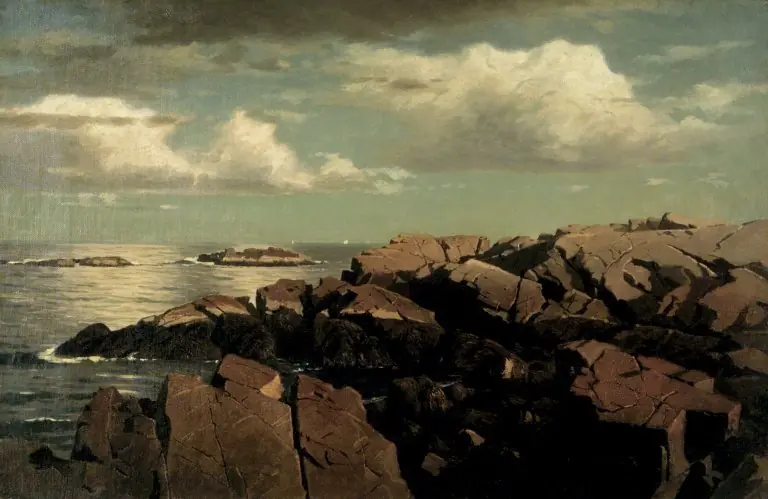 After a Shower, Nahant, Massachusetts
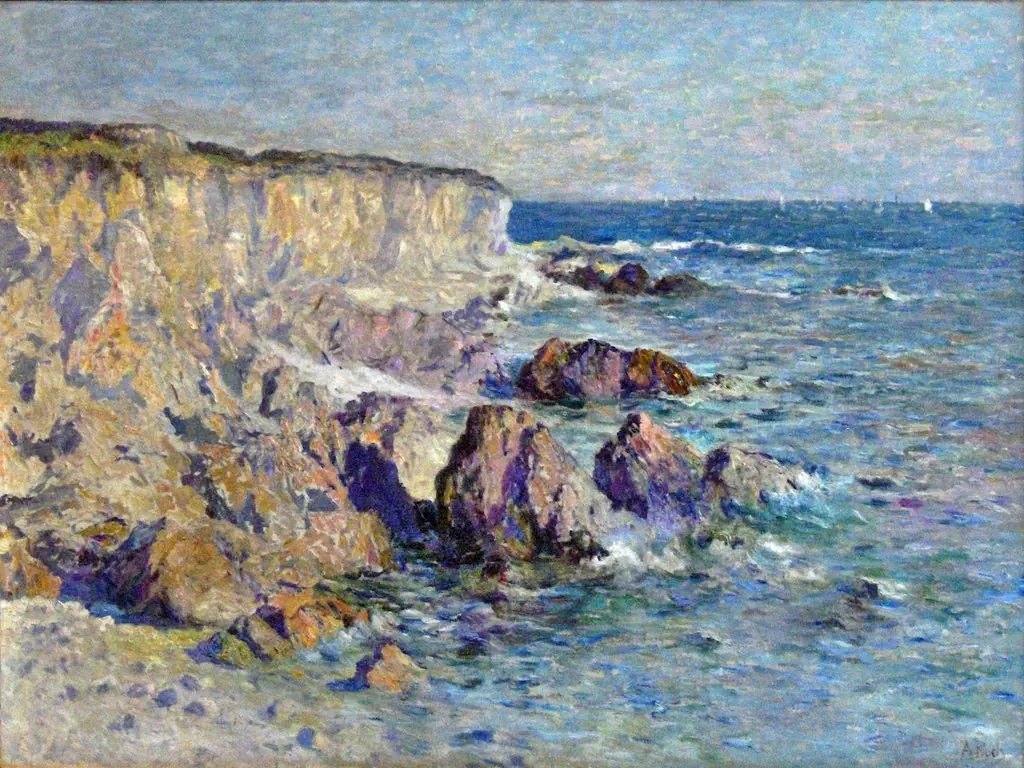 The Shores of Brittany
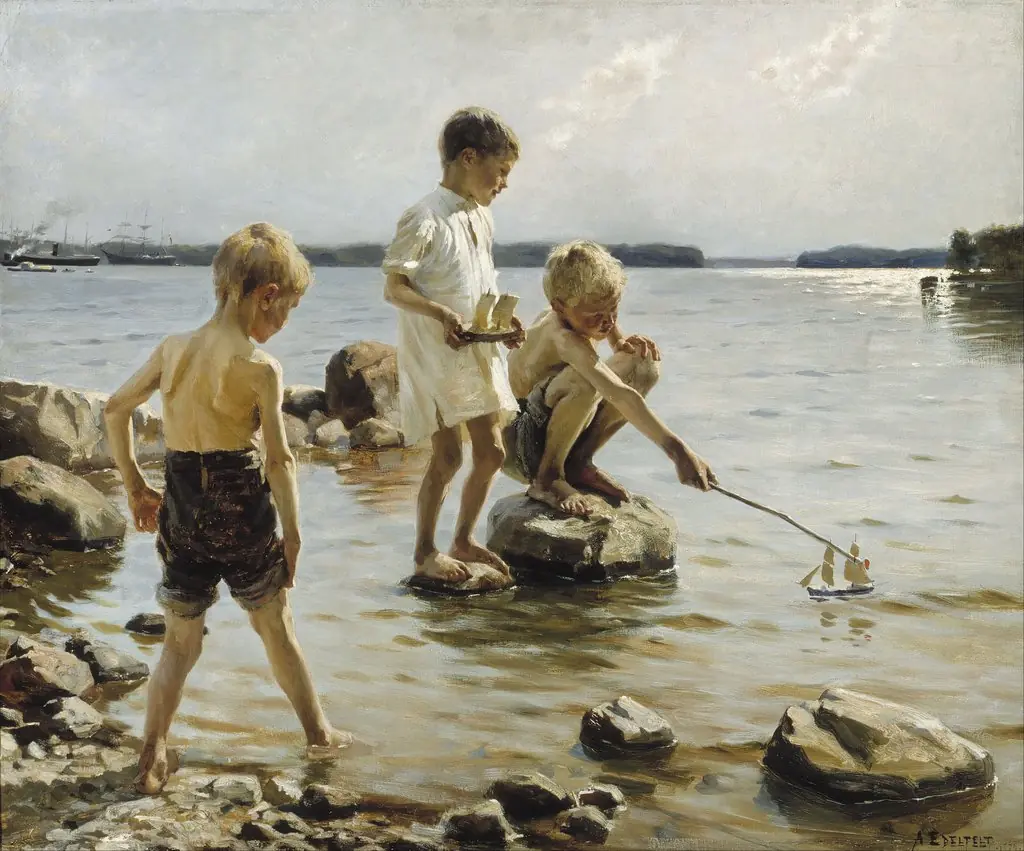 Boys Playing on the Shore
Frequently asked questions
What is Horizon?
Horizon is a subject in art. Most commonly, the horizon is the border between the surface of a celestial body and its sky when viewed from the perspective of an observer on or above the surface of the celestial body.
How many Horizon works does Artifact World Gallery have?
Artifact World Gallery holds 27 public-domain Horizon works, all free to view and download.
Who are the key Horizon artists?
Key Horizon artists in the collection include Thomas Chambers, Alfred Thompson Bricher and George Loring Brown.
Where can I see Horizon works?
Horizon works in the collection are held by National Gallery of Art, Brooklyn Museum and Metropolitan Museum of Art.