Artwork
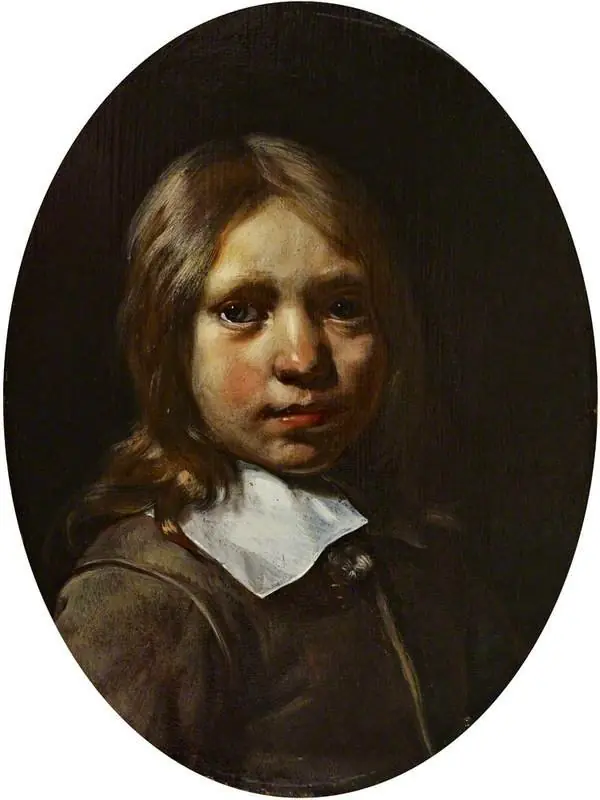
Head of a Young Boy
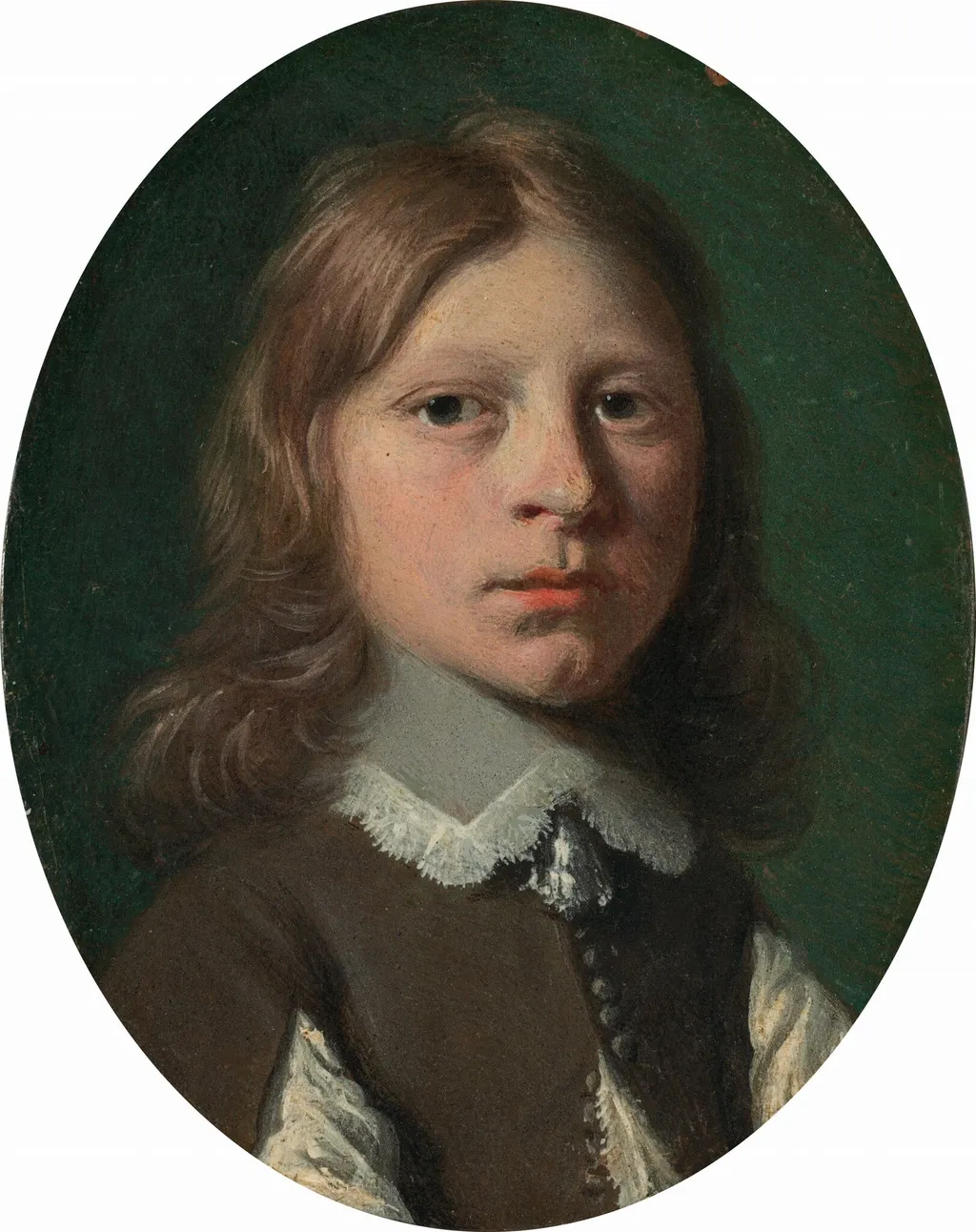
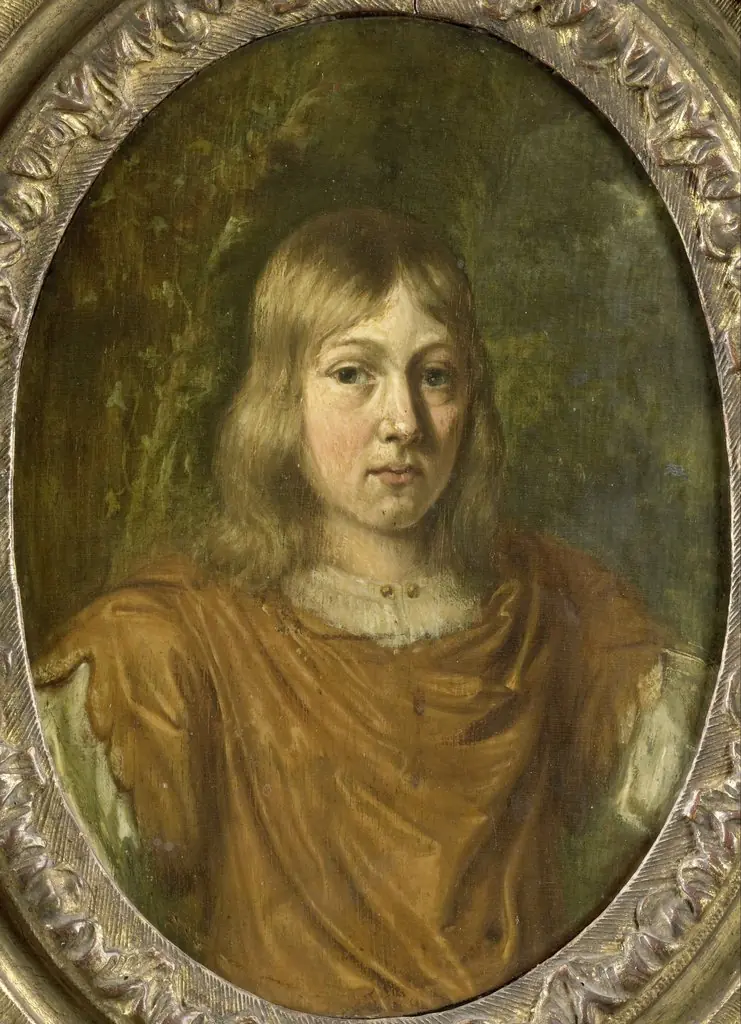
Head of a Young Boy is an oil painting by the Baroque artist Jan de Bray. It dates from 1650 and is held in the collection of the National Gallery of Art.
About this work
Technique & Style
The work is classified as a portrait and is held in the collection of the National Gallery of Art in Washington, D.
Head of a Young Boy is an oil on copper painting by Jan de Bray, dated 1650. The use of copper as a support, rather than canvas or panel, is characteristic of small-scale Dutch portraits of the period and allowed for a smooth, finely detailed surface finish. The work is classified as a portrait and is held in the collection of the National Gallery of Art in Washington, D.C., having entered the collection in 1995 as a gift.
The copper support and oil medium combination enabled Bray to render the boy's features with precise detail, a hallmark of mid-seventeenth-century Haarlem portraiture. The painting was produced in Haarlem, the artist's home city, in 1650.
History & Provenance
Head of a Young Boy is an oil on copper portrait by Jan de Bray, dated 1650 and produced in Haarlem. The earliest documented owner in its provenance chain is the London dealer Rafael Valls Limited. During the 1960s the painting was purchased by Maida and George Abrams of Newton, Massachusetts, who held it for roughly three decades before transferring it to the National Gallery of Art in Washington, D.C., as a gift in 1995.
The work has remained in that collection since the donation. No contemporary records of a commission or original patron have been identified, and the documented ownership history begins only with the London trade.
Overview
Jan de Bray's "Head of a Young Boy," an oil on copper painting from around 1650, exemplifies the artist's portraiture during the Dutch Golden Age. Active in Haarlem, de Bray was recognized for his ability to capture individual likenesses, often blending portraiture with history painting. This small, focused work showcases his characteristic approach to depicting human subjects with a direct and engaging presence.
Subject & Meaning
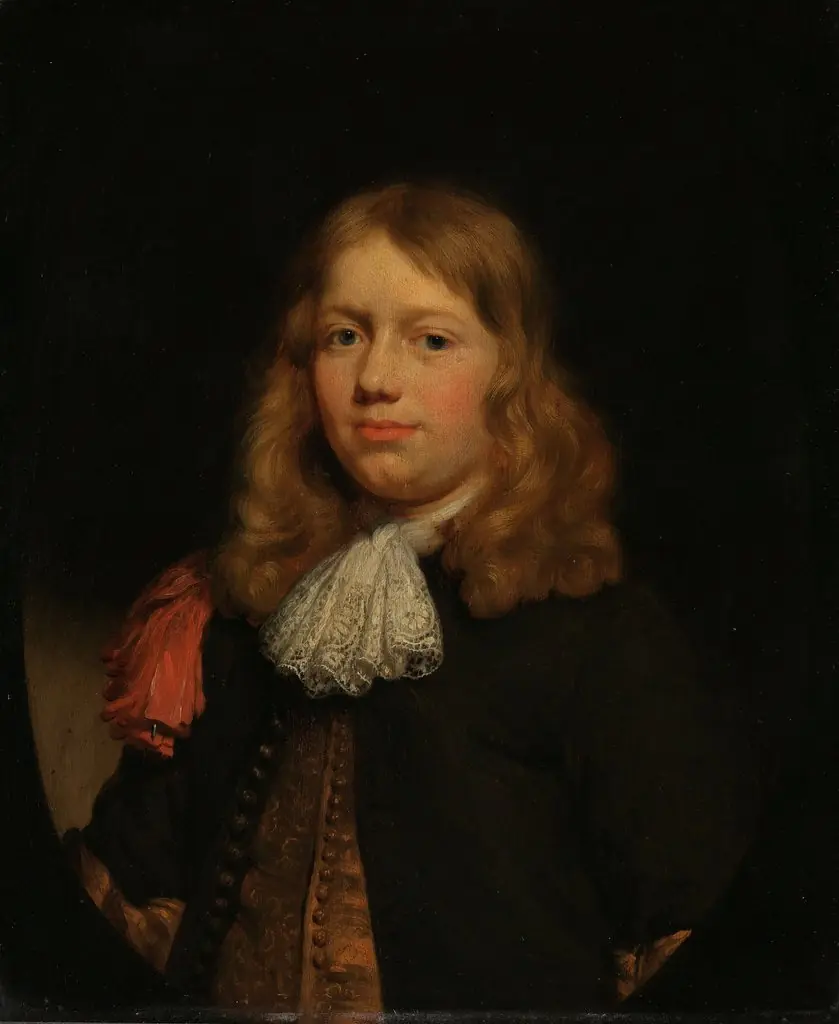
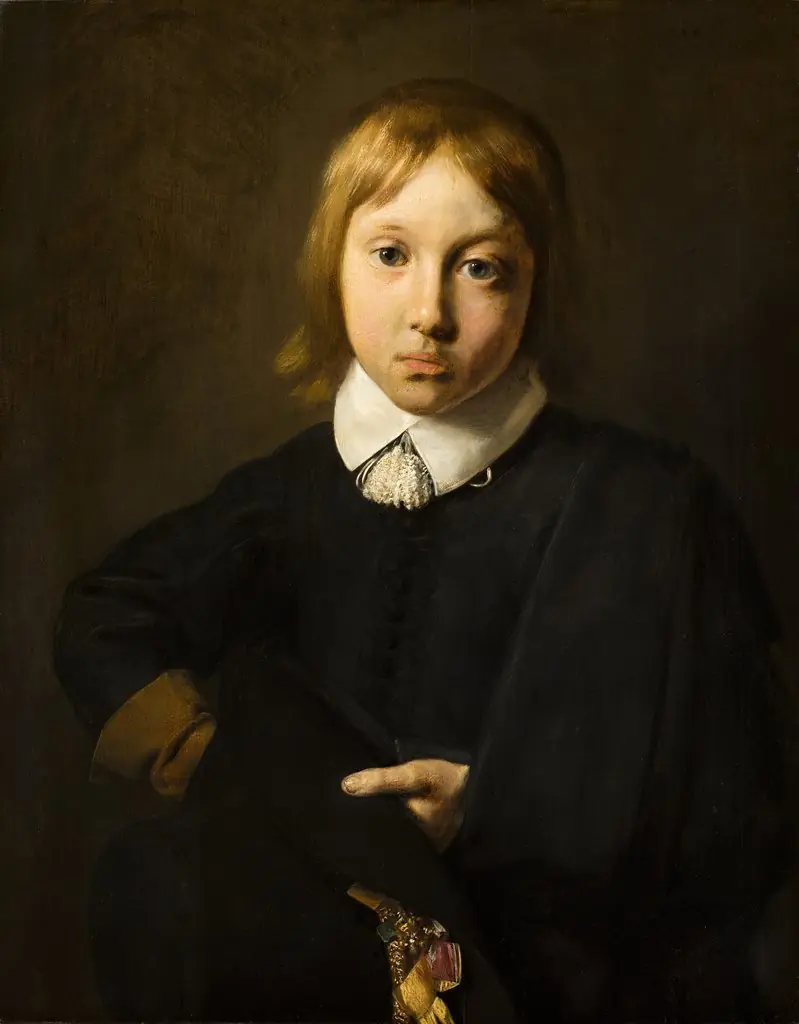
The painting presents a young boy with light brown hair and a contemplative expression, his gaze meeting the viewer. He is dressed in a dark garment featuring a white lace collar, which provides a subtle contrast. The artist intentionally used a plain, dark background to ensure the boy's face and serious demeanor are the primary focus, drawing attention to his individual character rather than elaborate surroundings.
Context
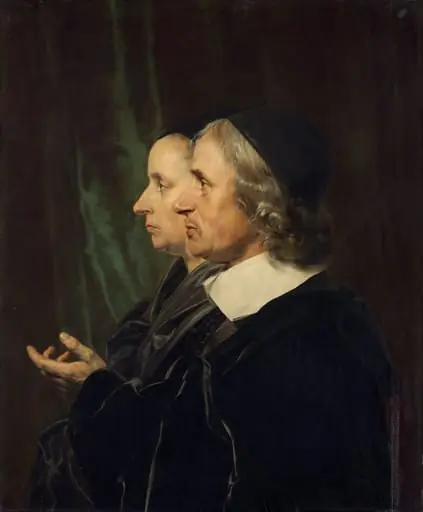
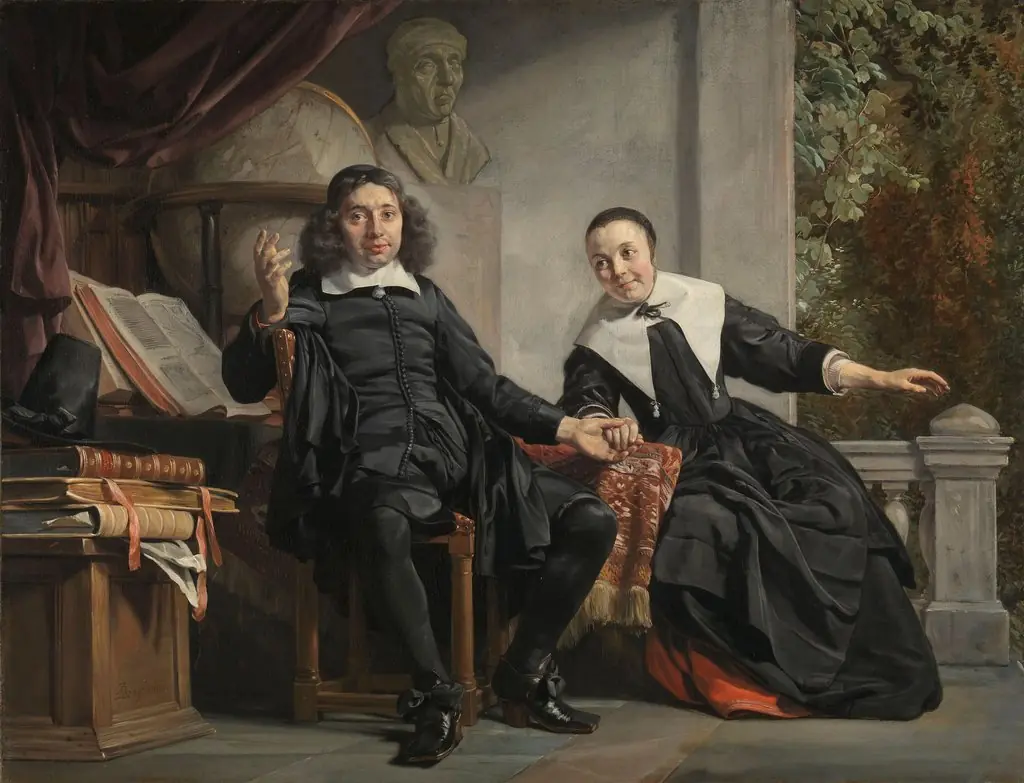
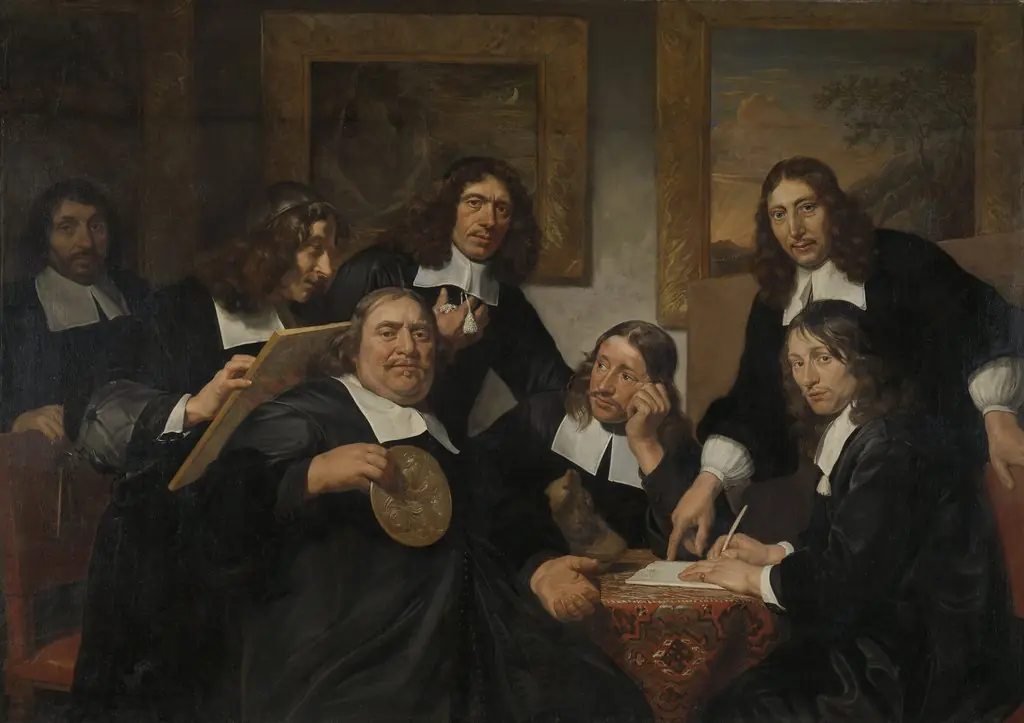
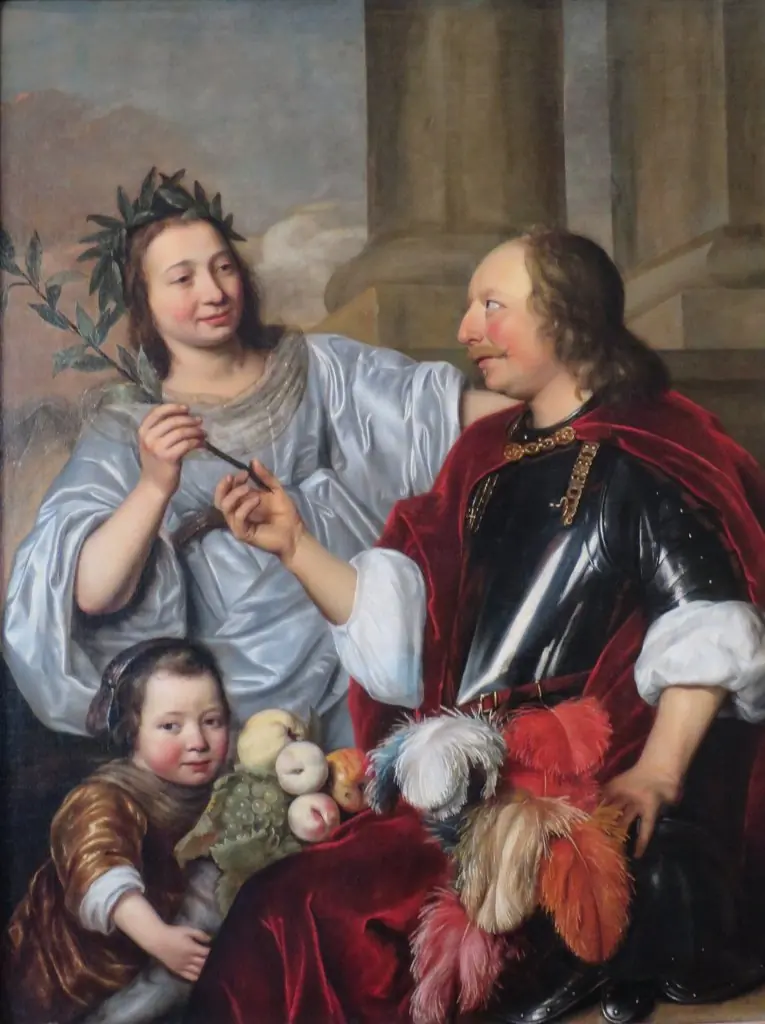
Jan de Bray was a significant figure in Haarlem's art scene during the Dutch Golden Age, a period marked by flourishing artistic production and cultural innovation. His artistic development was influenced by his father, Salomon de Bray, and by prominent contemporary portraitists like Bartholomeus van der Helst and Frans Hals. De Bray's work reflects the era's demand for both individual and group portraits, often imbued with narrative elements.
Own this work as a print
Artist & collection

Artist
Jan de Bray (c. 1627 – April 4, 1697) was a Dutch Golden Age painter. He lived and worked in Haarlem until the age of 60, when he went bankrupt and moved to Amsterdam. Jan de Bray was influenced by his father Salomon…