Artwork
Paintings of physicians by Jan Steen
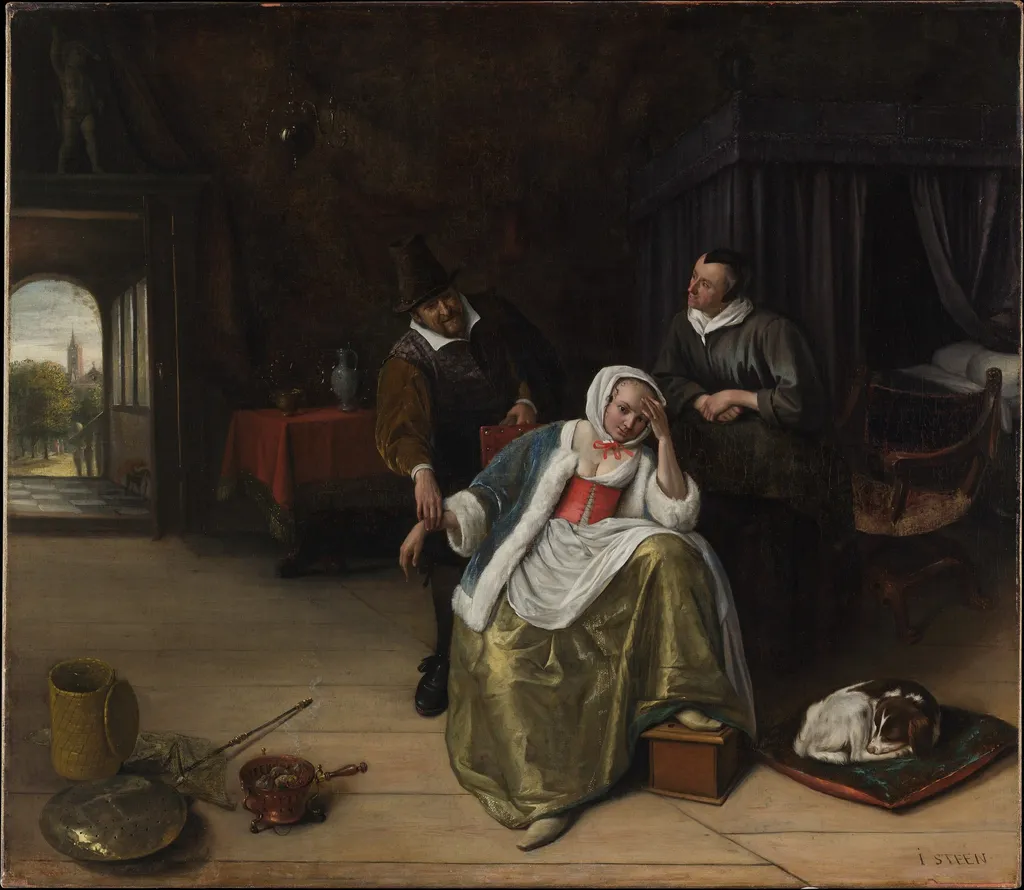
Paintings of physicians by Jan Steen is an oil painting by the Dutch Golden Age artist Jan Steen. It dates from 1660 and is held in the collection of the Metropolitan Museum of Art.
About this work
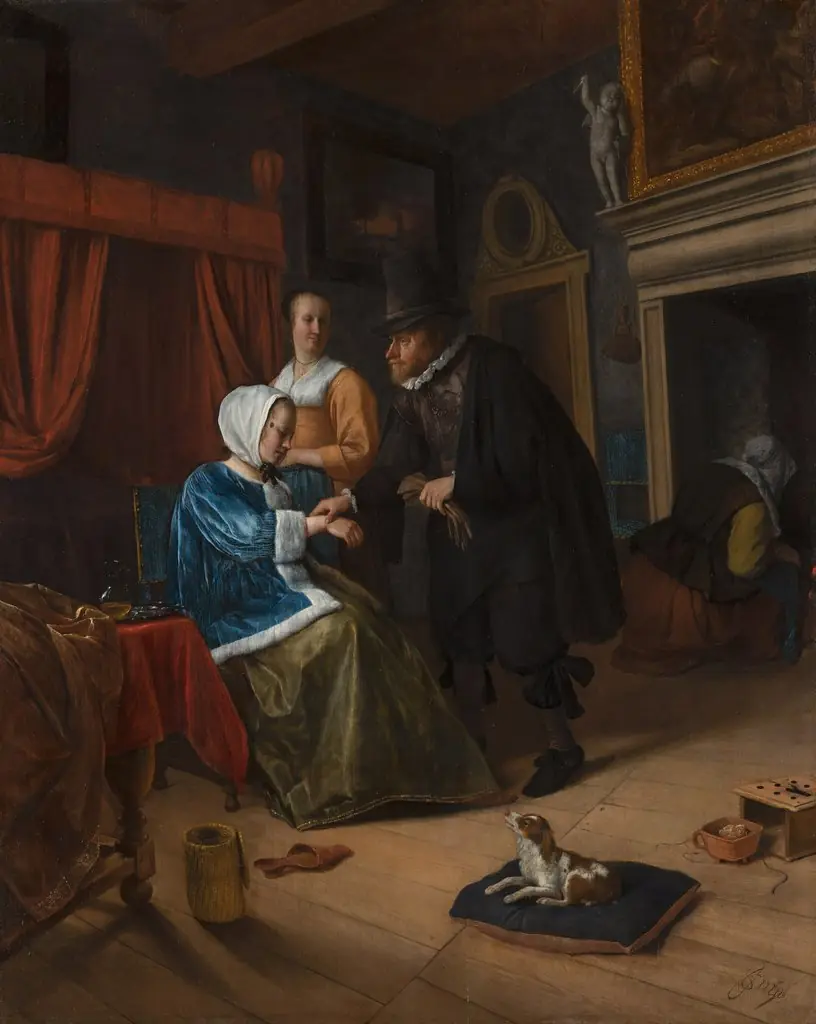
In a candlelit interior a young woman droops over a table while a comic quack in odd costume takes her pulse. Jan Steen painted the scene around 1660 in Leiden, whose medical school made doctors easy targets for satire. A Cupid over the door, a waiting bed, and two coupling dogs give away the real diagnosis: lovesickness, not illness.
Subject & Meaning
The work belongs to the 17th-century Dutch tradition of “doctor’s visit” paintings, which often humorously critique both quack physicians and lovelorn patients.
The subject is a young woman suffering from lovesickness, attended by a doctor and a maid-servant. Iconographic details, the doctor’s theatrical attire, a bed warmer, brazier, cupid statue, and copulating dogs in the background, imbue the scene with comedic and moralizing meaning. The work belongs to the 17th-century Dutch tradition of “doctor’s visit” paintings, which often humorously critique both quack physicians and lovelorn patients.
Two primary interpretations exist: the traditional view of lovesickness as a theatrical joke, and Laurinda Dixon’s reading of hysteria, linking the imagery to contemporary medical beliefs about women’s health. The painting thus functions as both a genre comedy and a moral reflection on female desire and folly.
Technique & Style
Executed in oil on canvas, The Lovesick Maiden (c. 1660) measures 86.4 × 99.1 cm. Steen employs a chiaroscuro effect: a soft light from the front-left illuminates the figures against an otherwise dark interior, with a secondary source through open doors. The composition is structured around a central grouping in the middle foreground, with the doctor, patient, and maid forming the focal point. The background reveals a dreamlike landscape, possibly reflecting the influence of Jan van Goyen, Steen’s father-in-law.
Steen’s handling is characteristic of Dutch genre painting, with detailed depiction of objects such as the brazier and dog, and a theatrical theatricality in the doctor's attire. No specific condition data is provided.
History & Provenance
Jan Steen painted this oil-on-canvas work around 1660. No commission or early ownership records are documented in the available sources. The painting later belonged to Helen Swift Neilson, who bequeathed it to the Metropolitan Museum of Art in 1945, where it entered the museum's collection and remains today.
Context
Critical reception of Jan Steen's physician paintings has centered on two competing interpretations. The traditional reading, advocated by Perry Chapman and echoed by Simon Schama, views works like The Lovesick Maiden as comedic genre scenes depicting lovesickness, part of a popular 17th-century Dutch tradition of 'doctor's visit' paintings produced by Steen and his Leiden contemporaries. In 1995, Laurinda Dixon proposed an alternative reading rooted in hysteria, arguing that the imagery engages with contemporary medical and moral beliefs about women.
Steen himself attended the University of Leiden, which produced renowned physicians, and archival research indicates these paintings were especially collected by Leiden-educated doctors who appreciated the inside joke. The work entered the Metropolitan Museum of Art in 1945 via the bequest of Helen Swift Neilson.
Overview
Jan Steen's oil-on-canvas genre painting, "The Lovesick Maiden," dates to approximately 1660. It depicts a domestic scene where a young woman, seemingly unwell, is attended by a physician and a maid. This work is a notable example of Steen's narrative style, combining detailed observation with a humorous undertone. The painting is housed in the collection of the Metropolitan Museum of Art.
Own this work as a print
Artist & collection
Artist
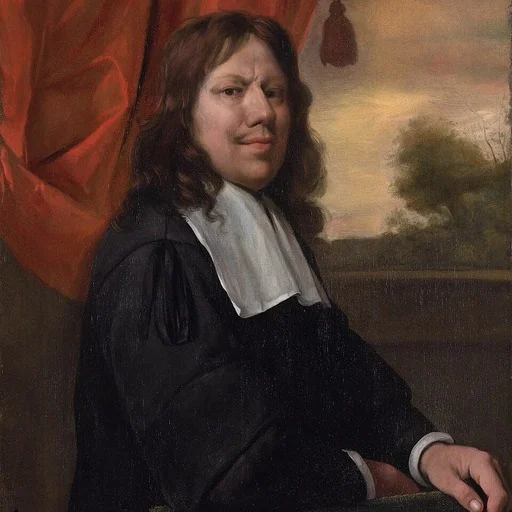
Jan Havickszoon Steen was a Dutch Golden Age painter, one of the leading genre painters of the 17th century.

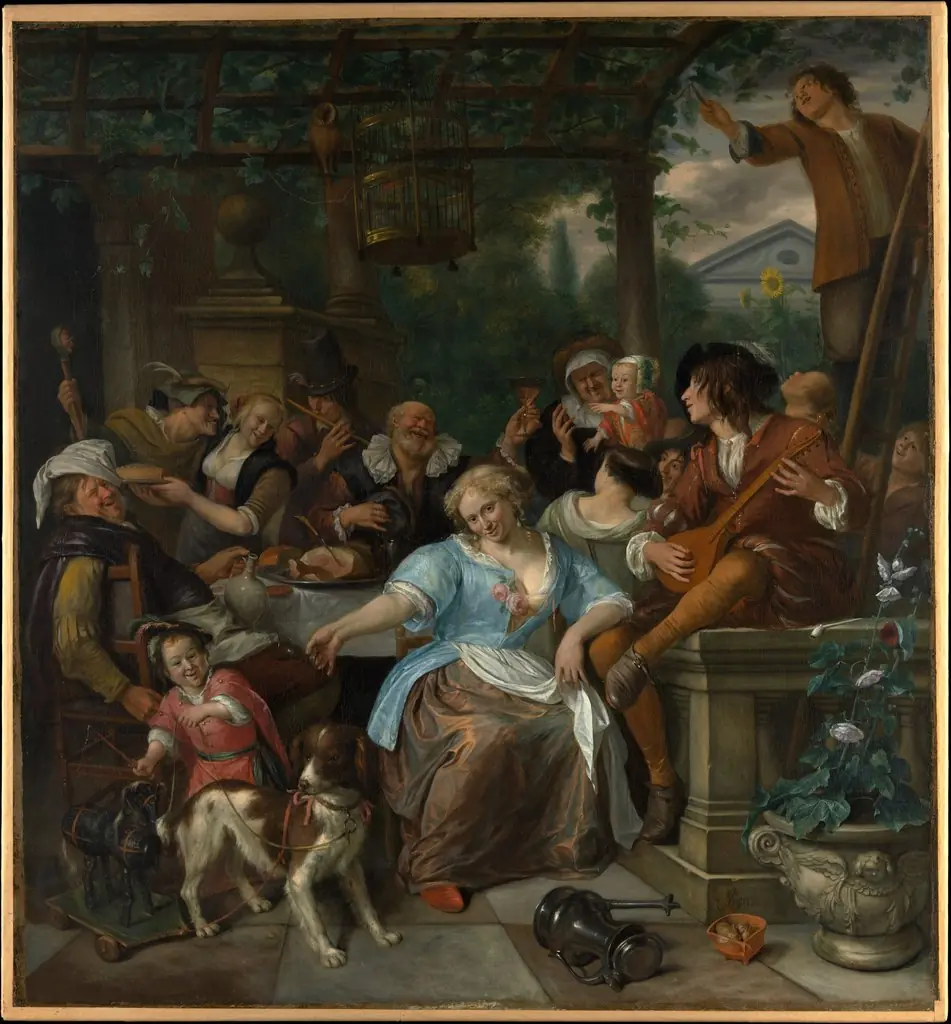
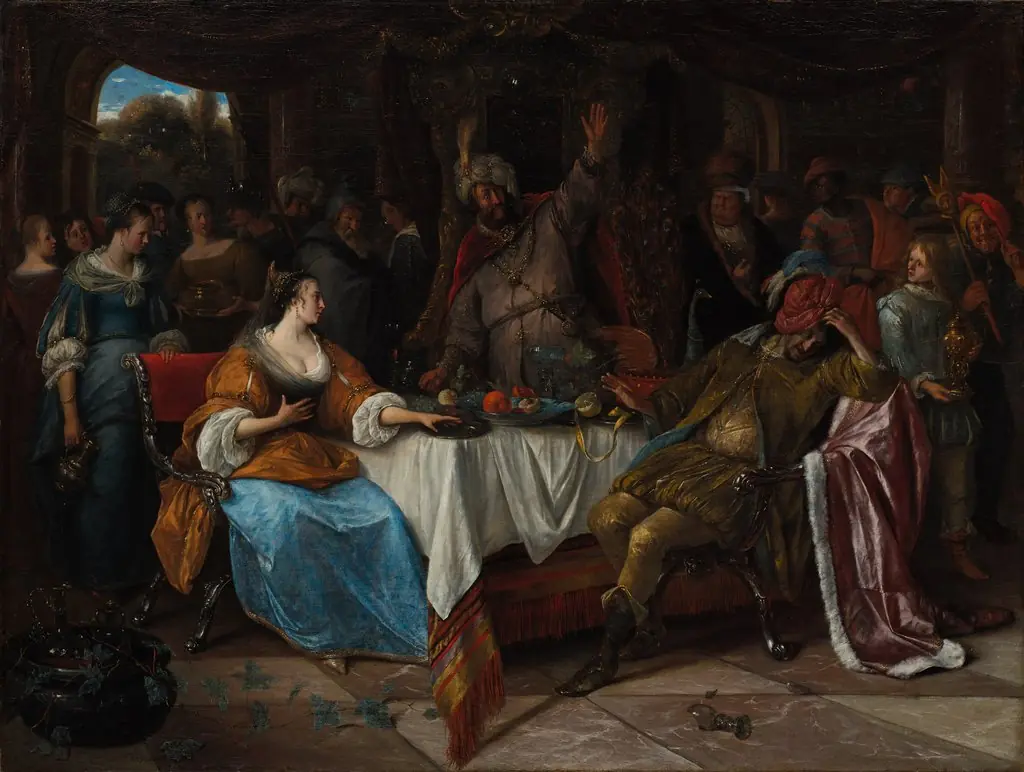
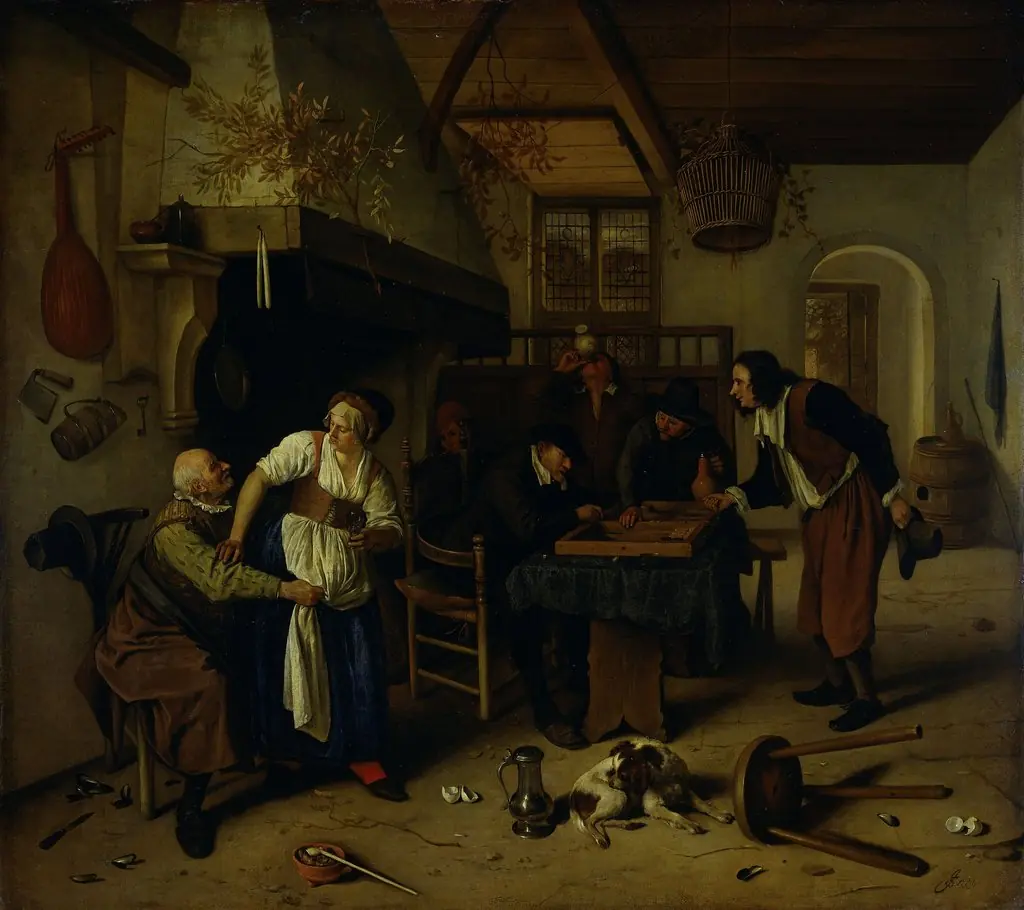
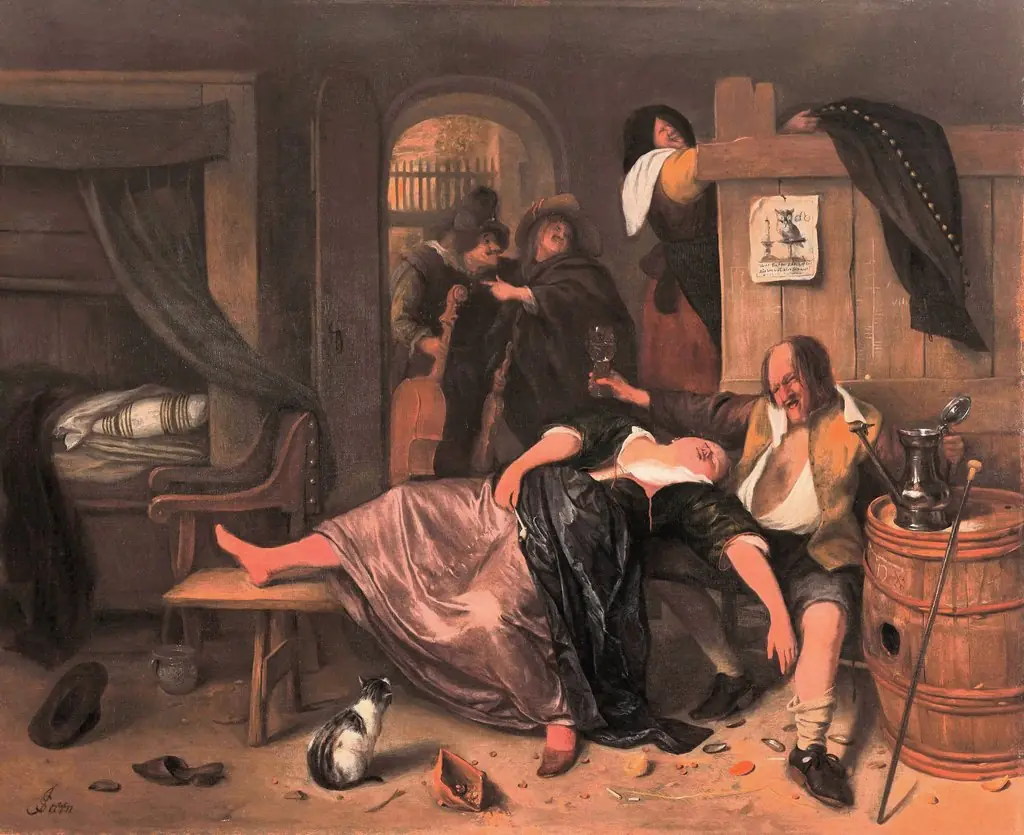
- The Doctor's Visit
 The Intruder
 The Sick Girl
 Prince William I after the failed Assassination Attempt by Jean Jaurequi in 1582, Nursed by Charlotte de Bourbon
 A Couple in an Interior with a Gypsy Fortune-Teller
 Lady at her Toilet
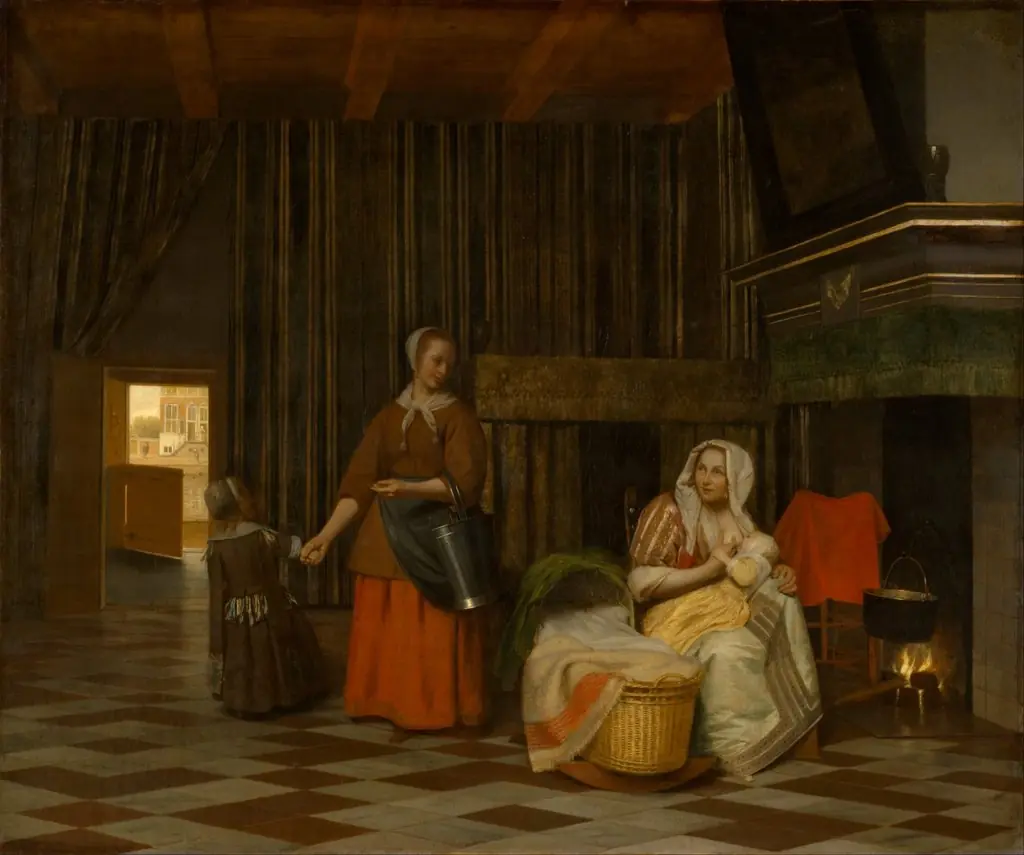 Nursing Mother, and Child with Serving Maid
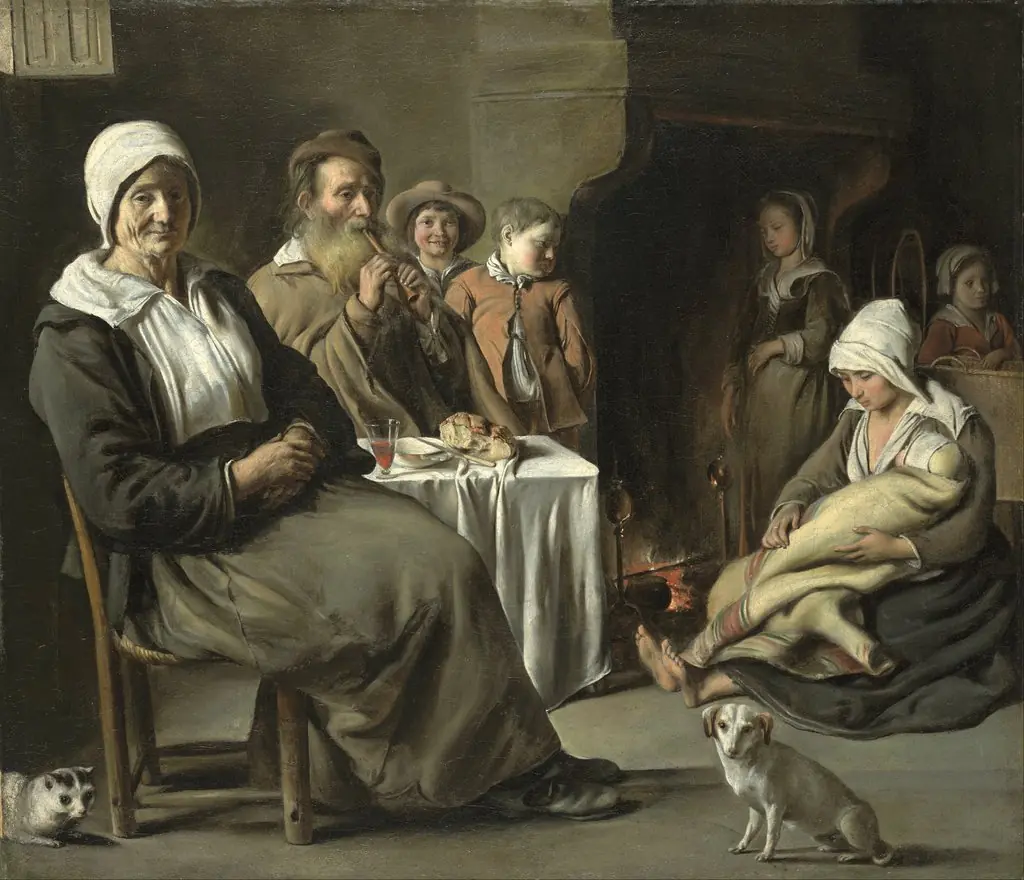 Peasant Interior with an Old Flute Player
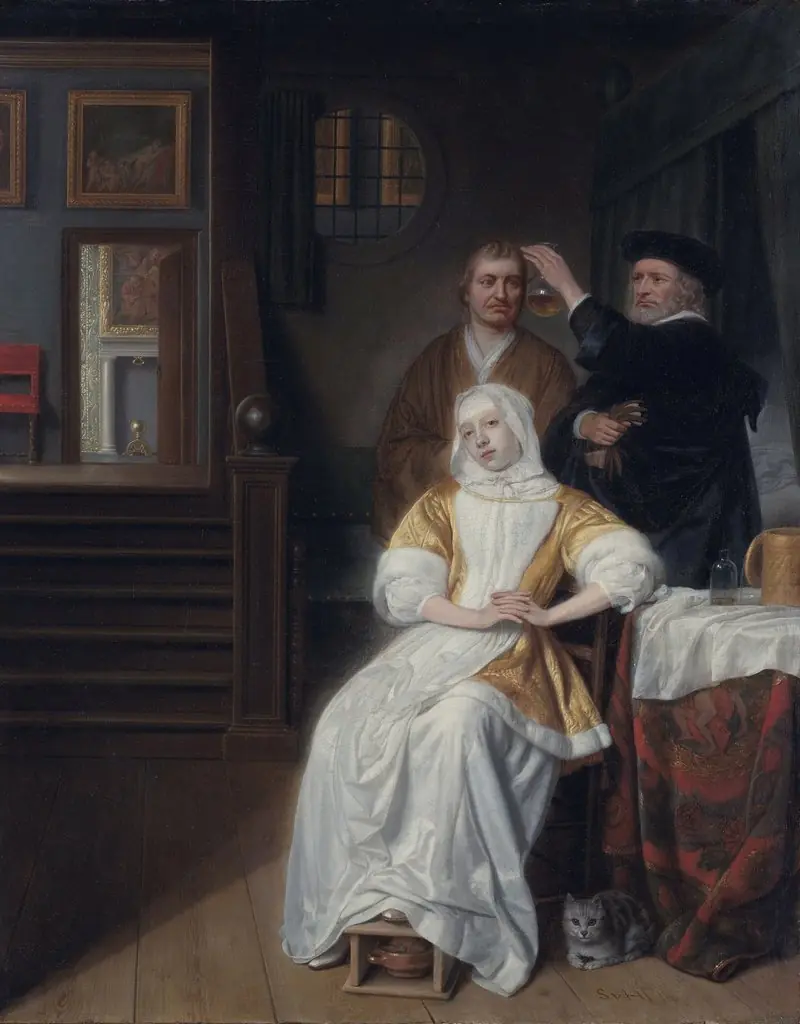 'The anemic lady'
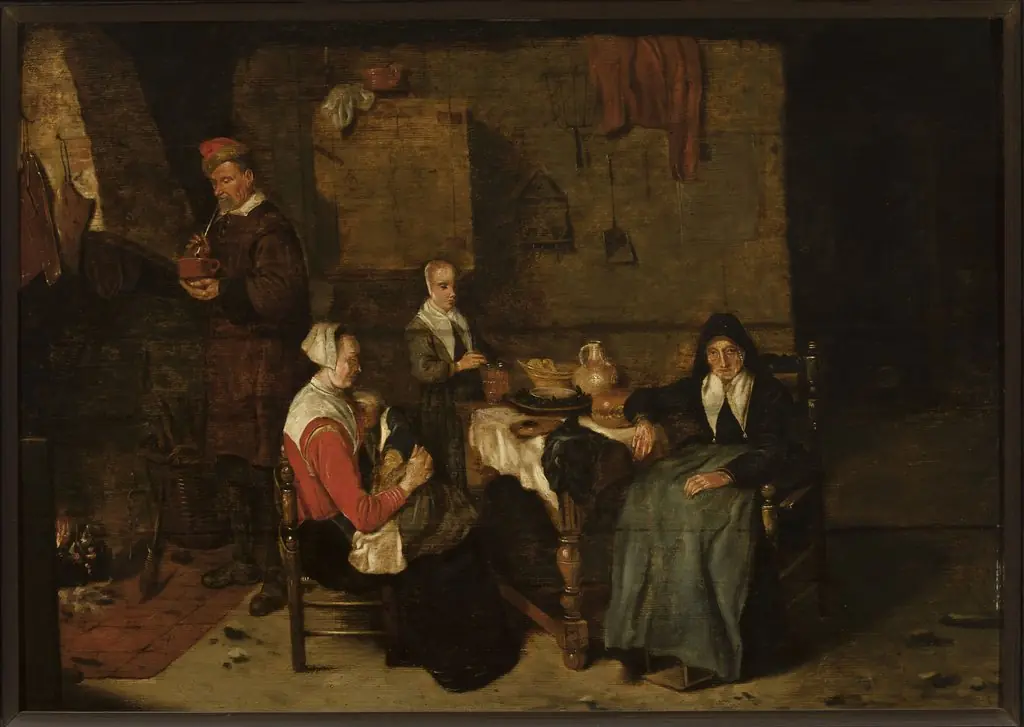 Family scene
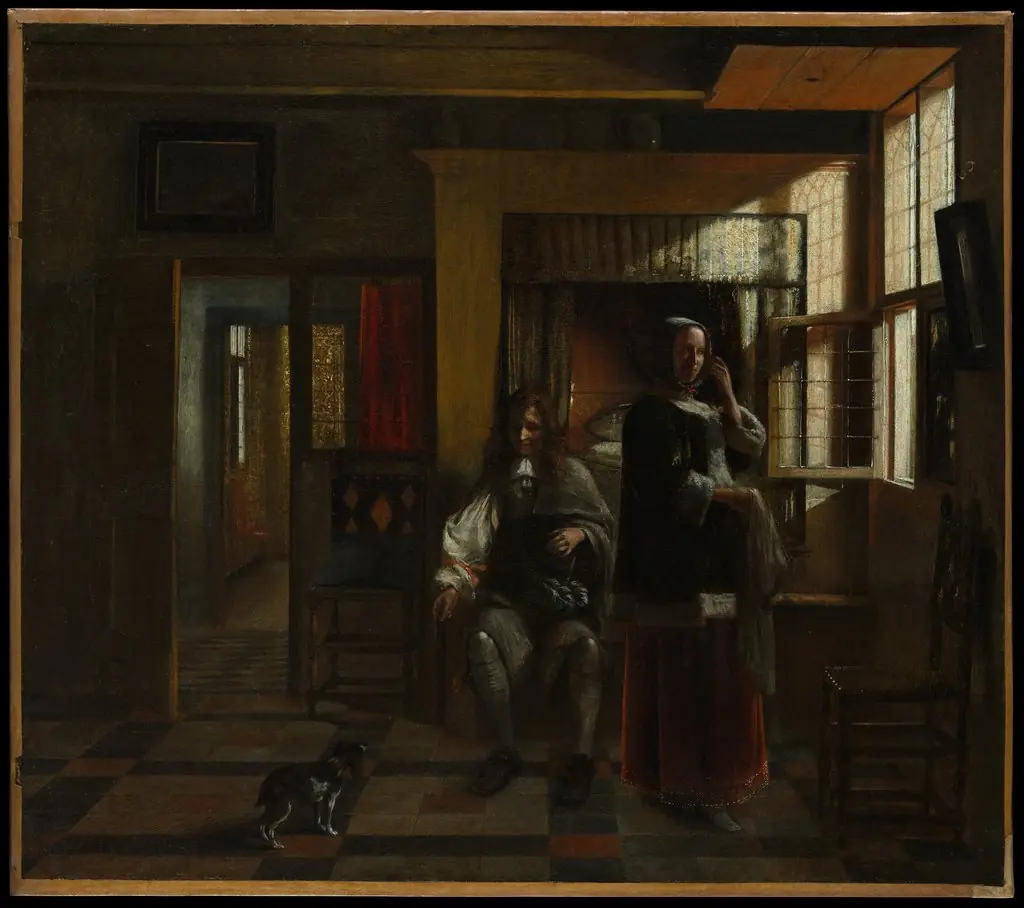 Interior with a Young Couple
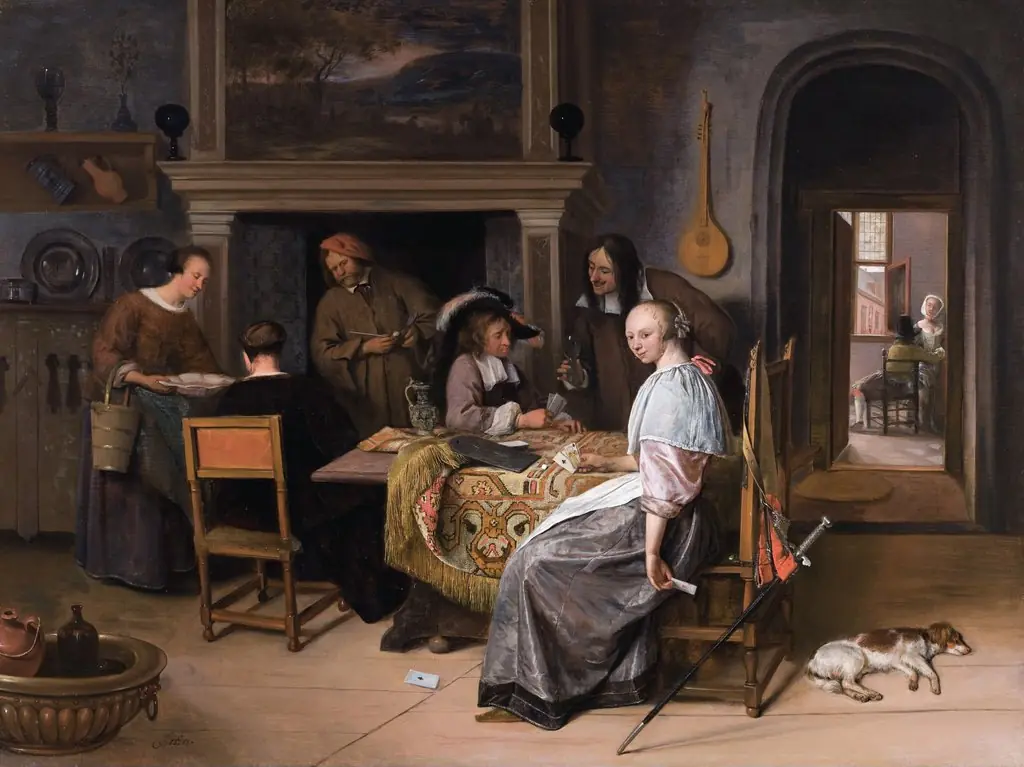 The Card Players in an Interior
 Studied in the Dutch Golden Age course