Artwork
Prince Regent Luitpold of Bavaria (1821–1912)
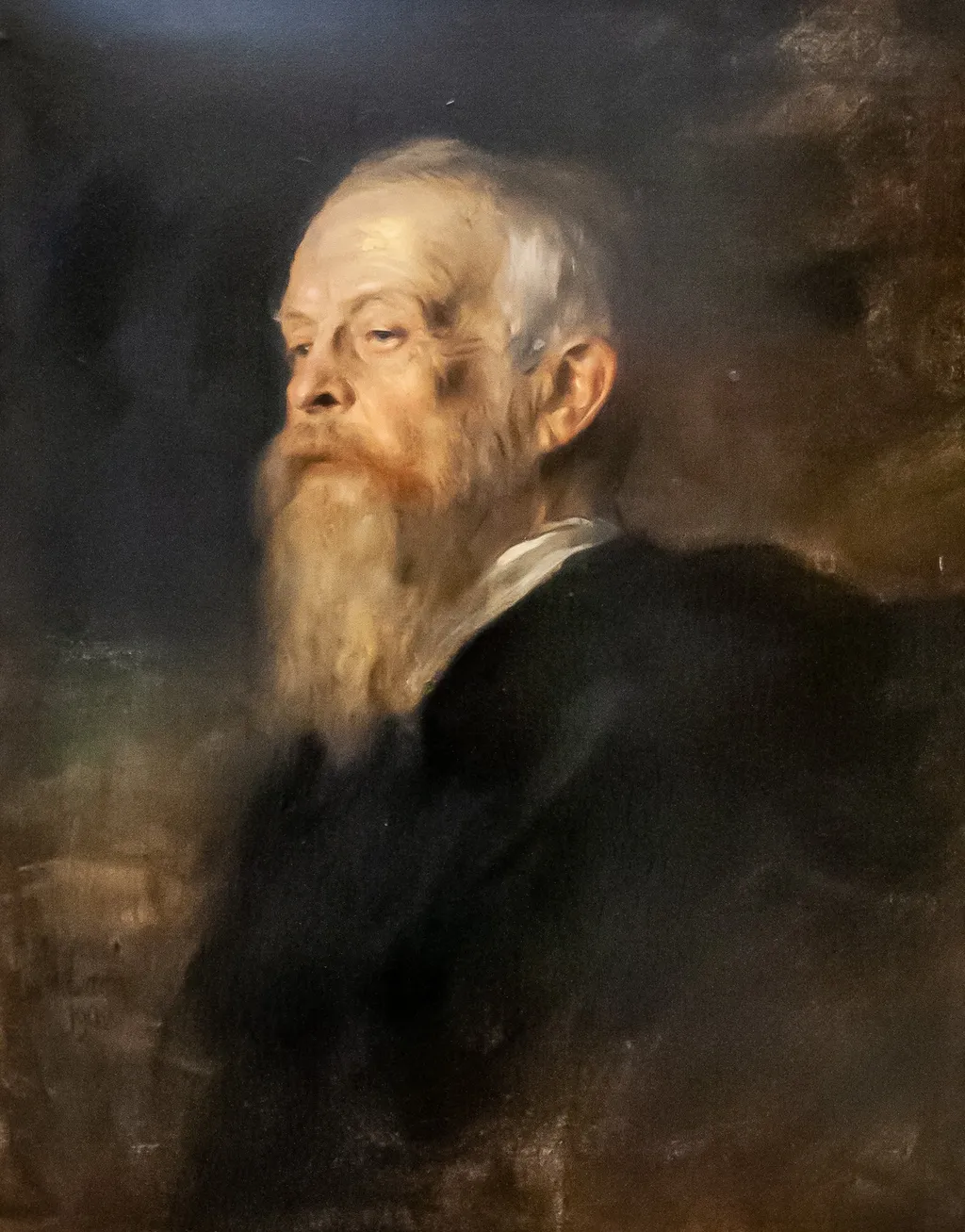
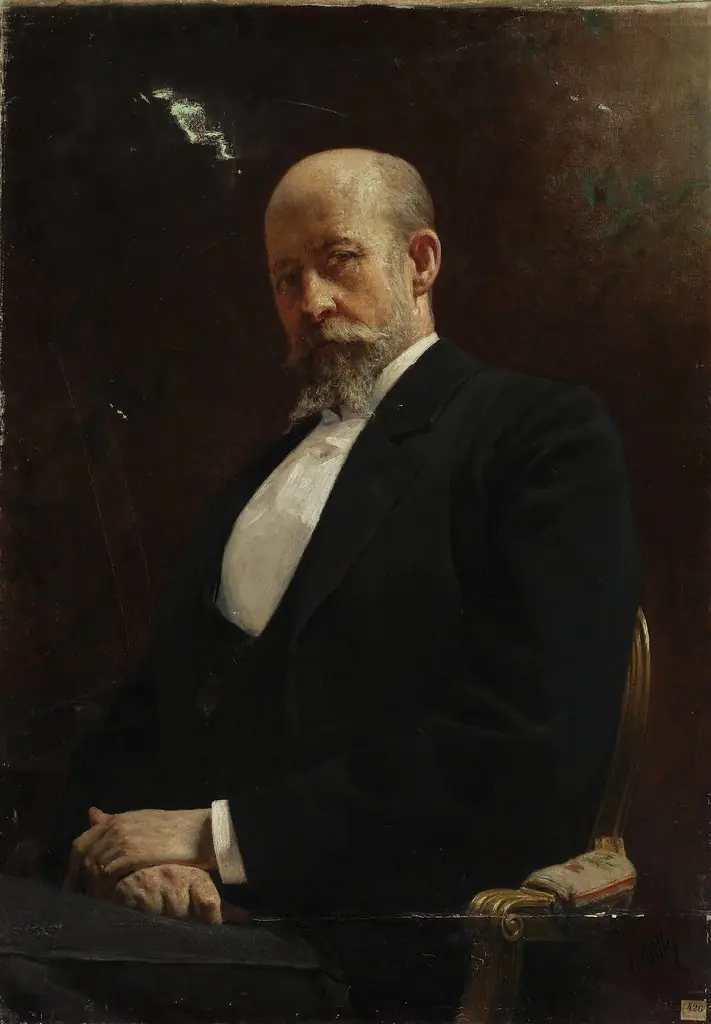
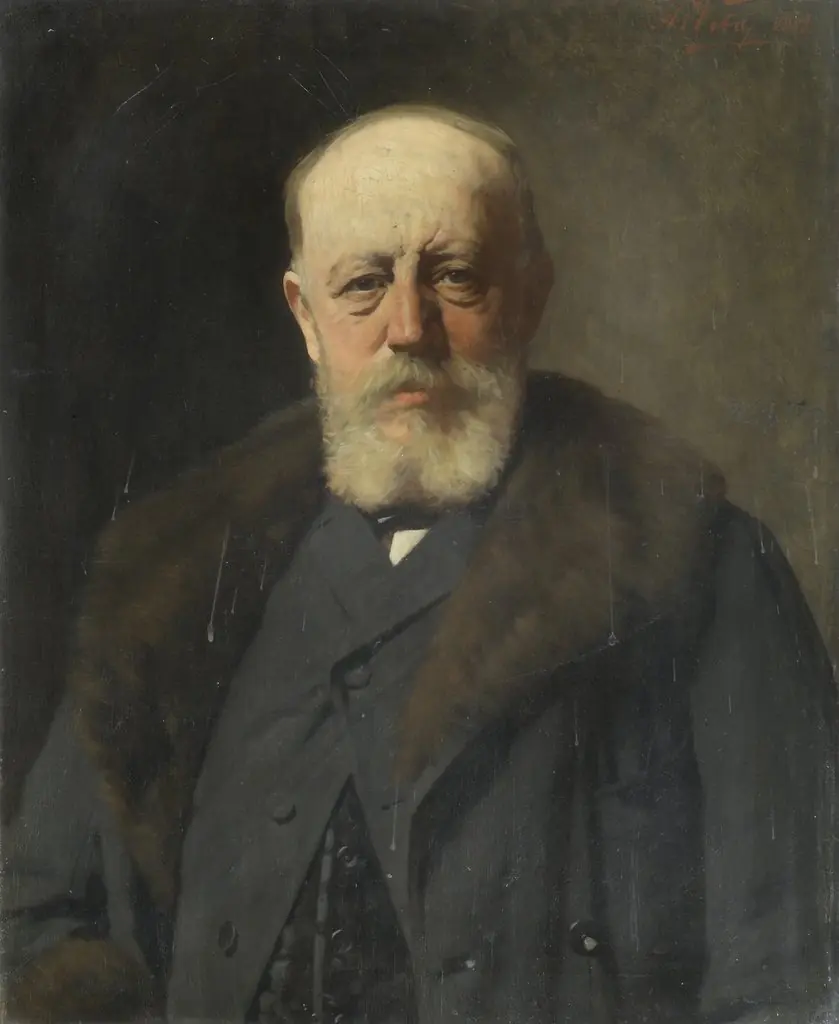
Prince Regent Luitpold of Bavaria (1821–1912) is an oil painting by the Impressionist artist Franz von Lenbach. It dates from 1902 and is held in the collection of the Metropolitan Museum of Art.
About this work
Subject & Meaning
The work is a formal portrait depicting Luitpold, Prince Regent of Bavaria, capturing the elderly statesman as the primary subject.
The work is a formal portrait depicting Luitpold, Prince Regent of Bavaria, capturing the elderly statesman as the primary subject. Created in 1902 by Franz von Lenbach, the painting presents the sitter simply as a prince and a man, focusing on his identity as the ruler of Bavaria rather than utilizing complex allegorical imagery. The composition serves to document the physical presence and status of the monarch during the final years of his life, establishing him as the central figure of the piece.
As a portrait genre work, its meaning is rooted in the direct representation of the historical figure, emphasizing his role and personhood without additional symbolic embellishment described in the available records.
Technique & Style
Executed in 1902, this portrait of Prince Regent Luitpold is an oil painting created by Franz von Lenbach. Distinctively, the artist applied the oil paint onto a cardboard support rather than a traditional canvas or wood panel. The work measures 76.2 cm in height and 61.5 cm in width.
As a formal portrait, the composition focuses on the depiction of the Bavarian ruler as a male figure. The use of cardboard as a ground for oil suggests a specific handling preference by Lenbach during this period, resulting in a work classified within the painting genre that emphasizes the subject's status through direct representation.
History & Provenance
Franz von Lenbach executed this oil portrait of Prince Regent Luitpold of Bavaria in 1902. The work was created using oil paint applied to a cardboard support, measuring approximately 76.2 by 61.5 centimeters. While specific details regarding the original commission or the immediate ownership chain following its completion are not provided in the available records, the painting is currently held in the collection of the Metropolitan Museum of Art.
The piece serves as a formal depiction of the Prince Regent, capturing his likeness during the final decade of his life.
The 1902 oil-on-cardboard portrait of Prince Regent Luitpold of Bavaria by Franz von Lenbach is held by the Metropolitan Museum of Art, where it forms part of the institution's collection. The work measures 76.2 by 61.5 centimeters. The sources do not provide a specific accession number or any documented exhibition history for this painting.
Overview
This oil painting, completed in 1902 by German artist Franz von Lenbach, presents a formal portrait of Luitpold, Prince Regent of Bavaria. Lenbach, recognized for his depictions of prominent individuals from European aristocracy and cultural circles, captured the regent in this work. The painting is presently part of the collection at The Metropolitan Museum of Art.
Context
Franz von Lenbach established a reputation for his ability to capture the likenesses of distinguished figures. His clientele frequently included members of European nobility and influential personalities in the arts. This portrait of Prince Regent Luitpold aligns with Lenbach's established practice of documenting significant individuals of his era, reflecting his role as a chronicler of contemporary society.
Own this work as a print
Artist & collection
Artist
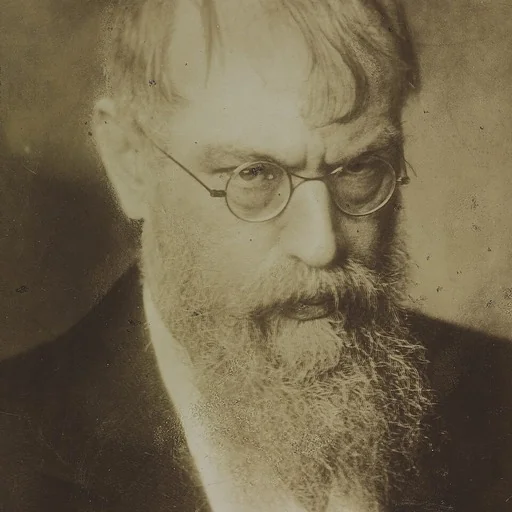
Franz Seraph Lenbach, after 1882, Ritter von Lenbach (13 December 1836 – 6 May 1904), was a German painter known primarily for his portraits of prominent personalities from the nobility, the arts, and industry.

- Portrait of Teodor Rygier, sculptor
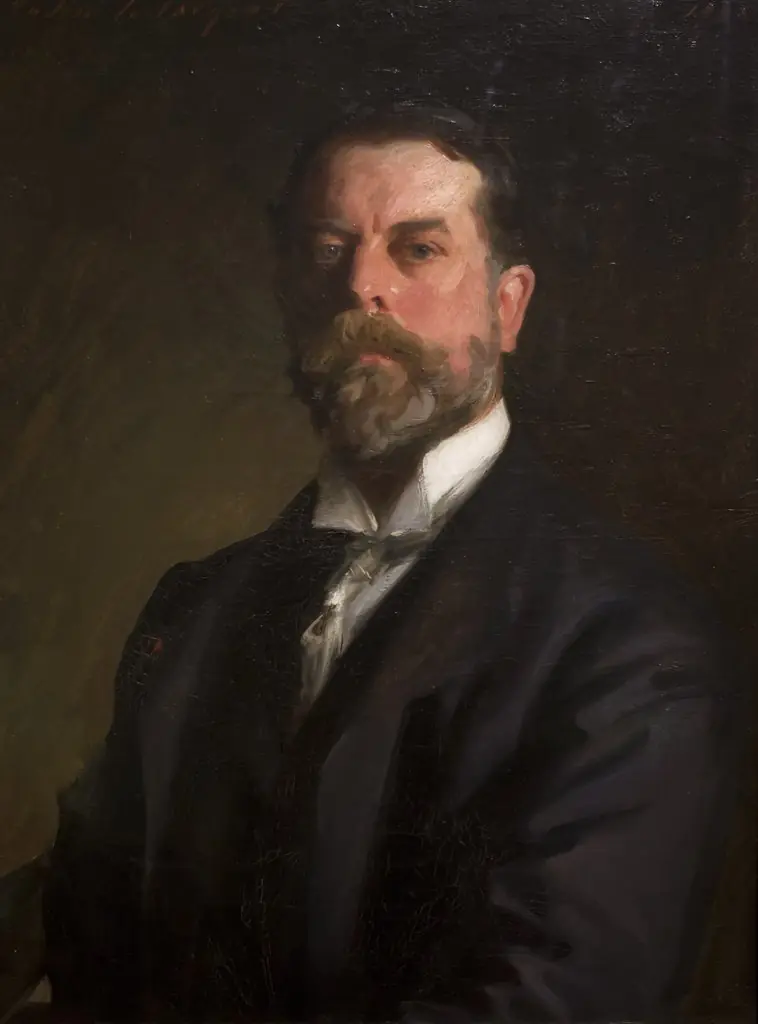 Self-portrait
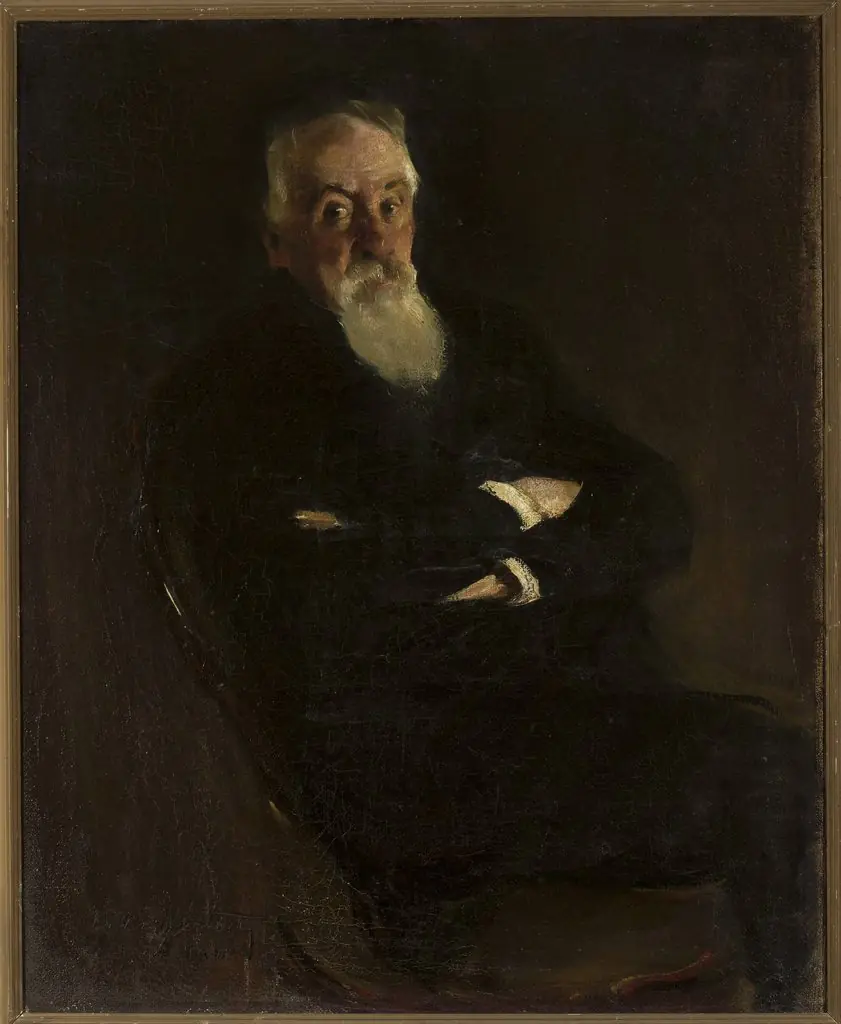 Portrait of Karol Berent
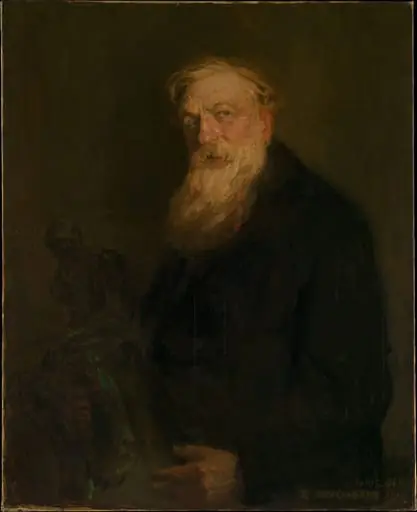 Auguste Rodin
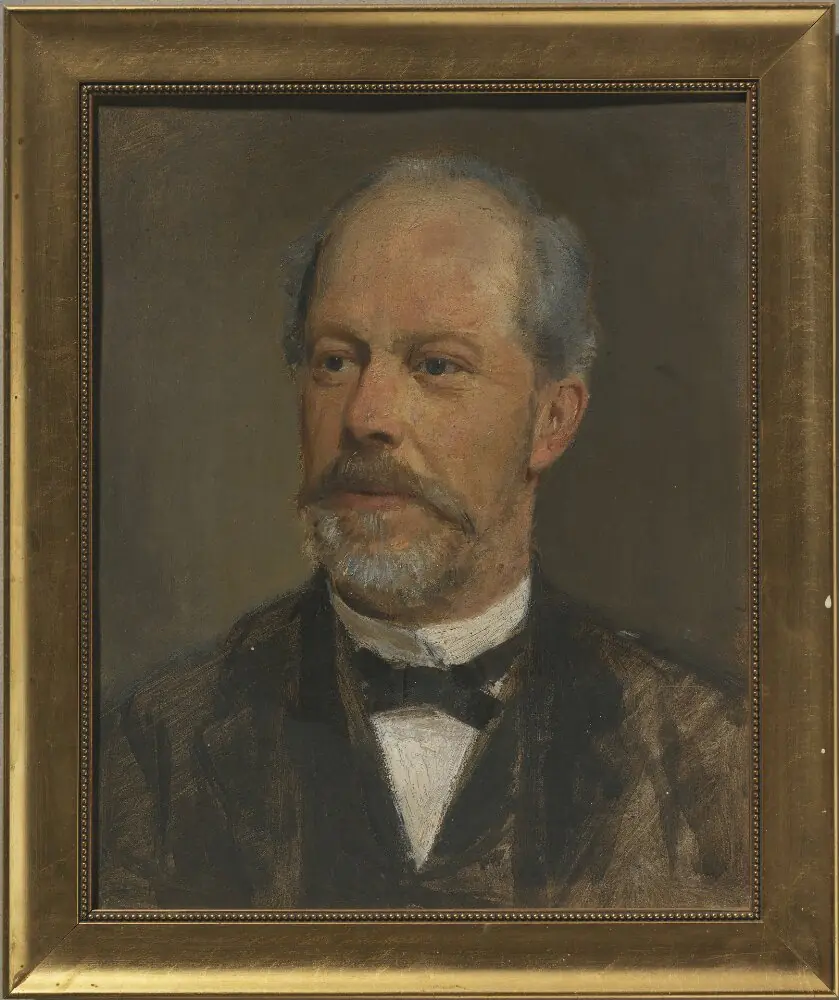 Gustaf Jakob Edelstam (1831-1892), jur.dr., landshövding i Kalmar län, hovrättsassessor, gift med Eva Carolina Gustava von Post
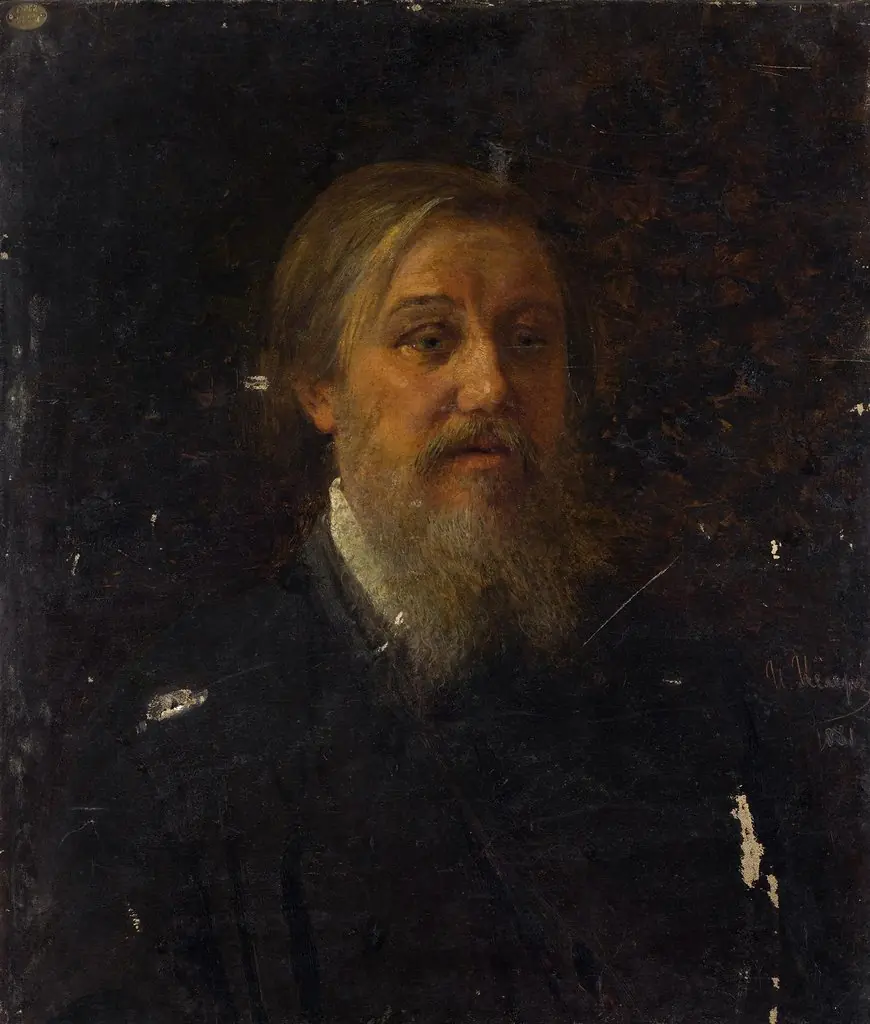 Portrait of an Unknown Man
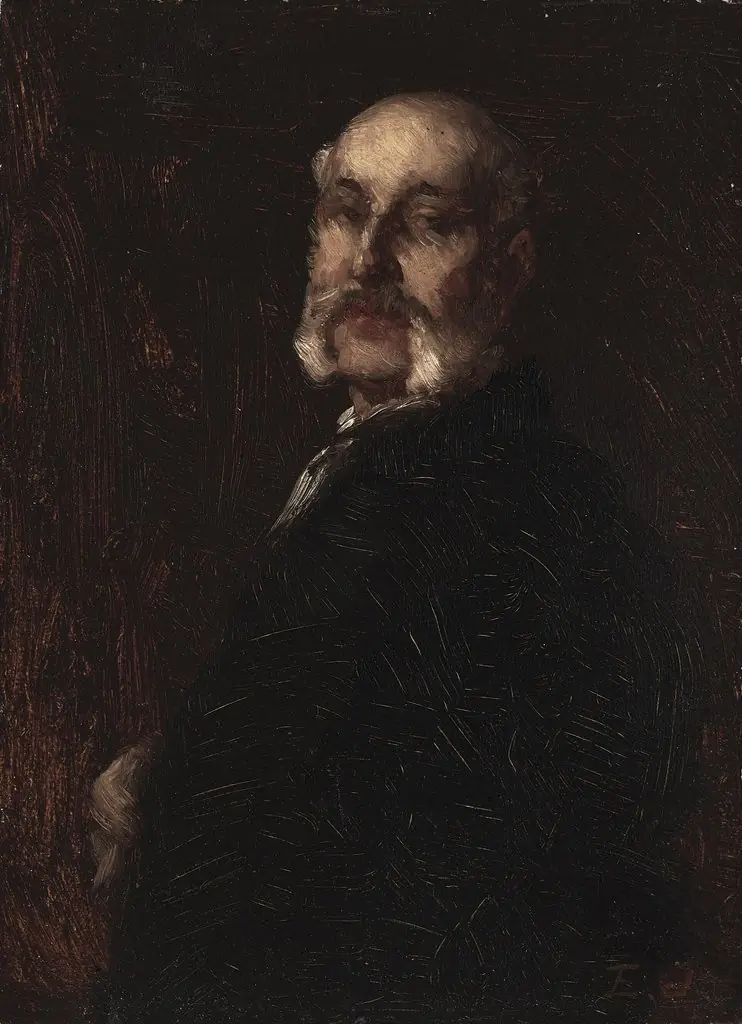 Portrait of Franklin H. Delano
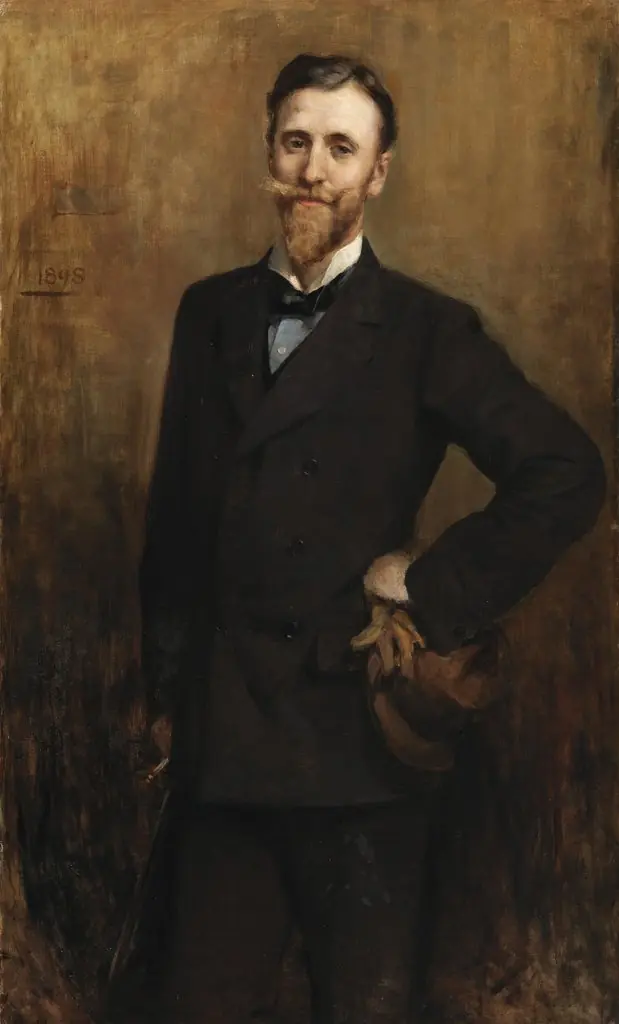 Portrait of T.P. Gill, Journalist, Secretary, Department of Agriculture and Technical Instruction
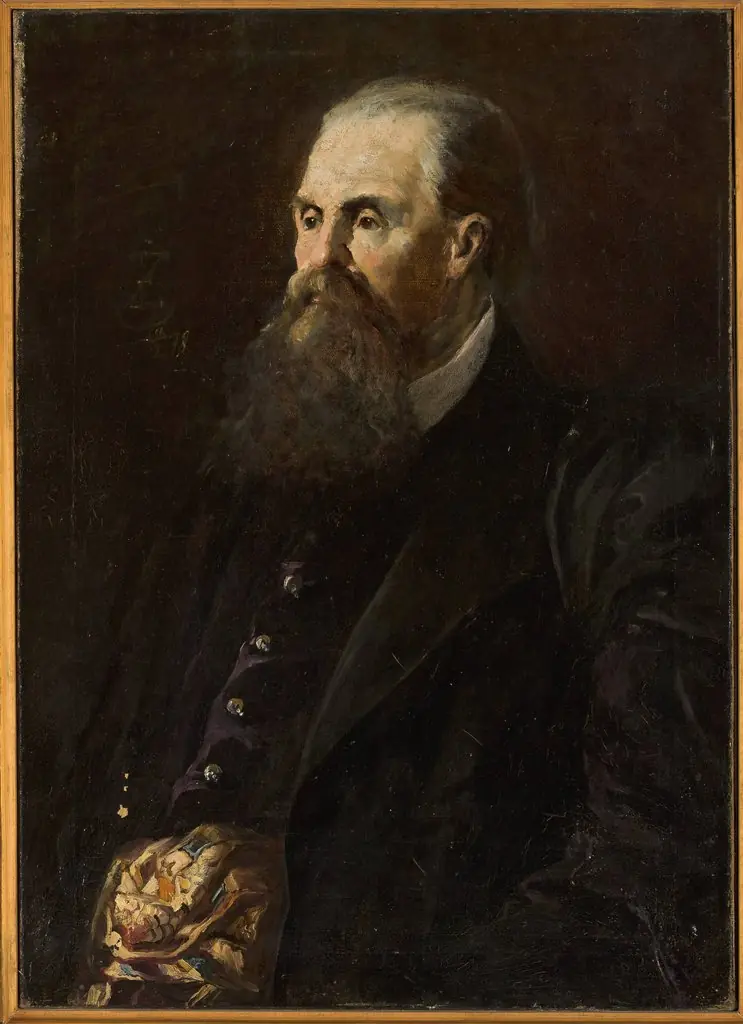 Portraif of a man – Mr. Zarewicz (?)
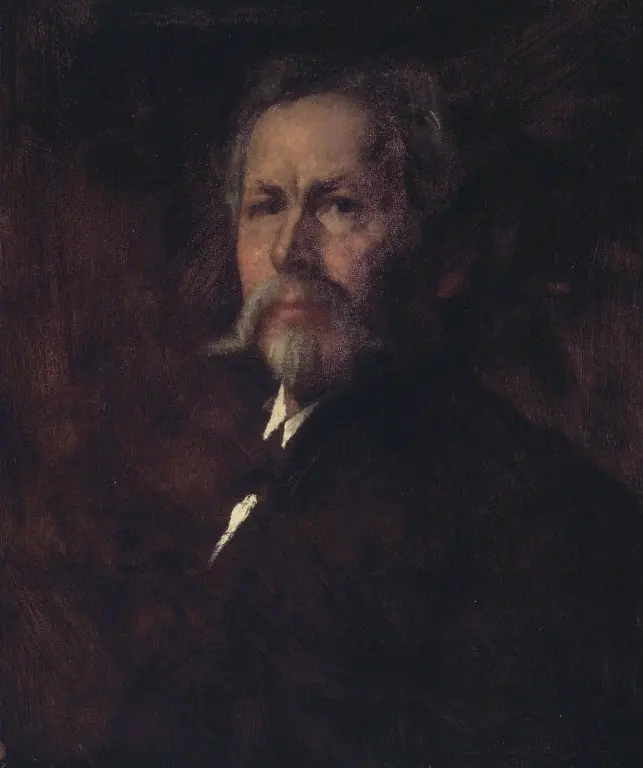 Self-portrait
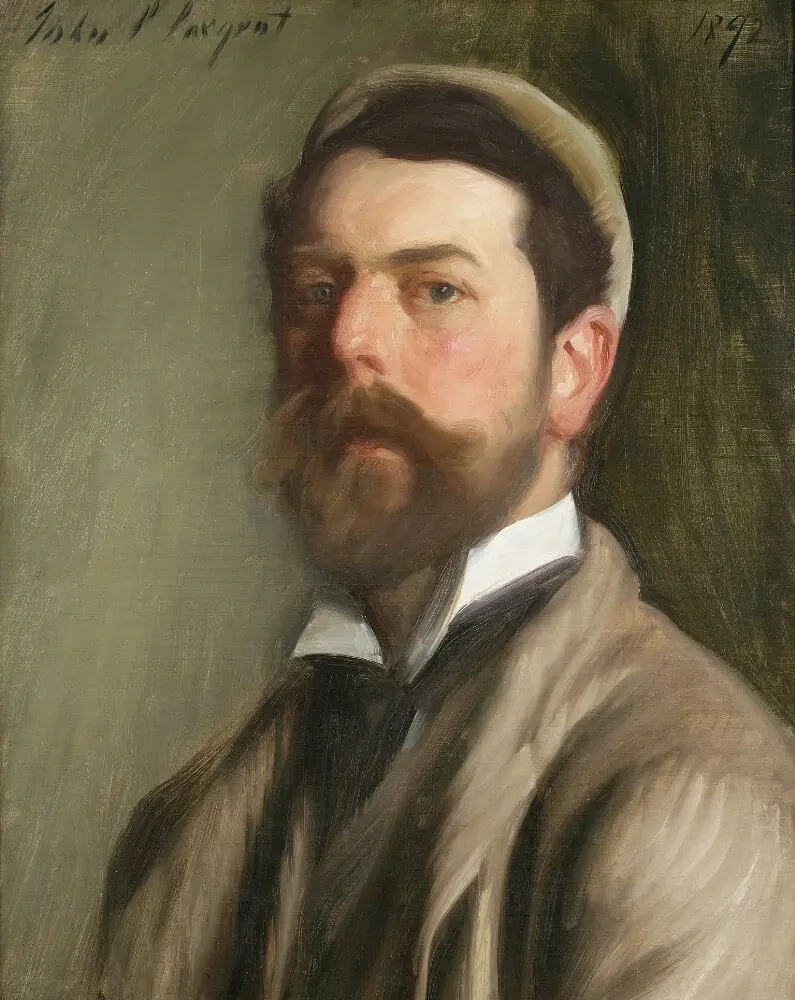 Self-Portrait
 Dr. Thaddäus Vita