Artwork
And the Sea Gave Up the Dead Which Were in It
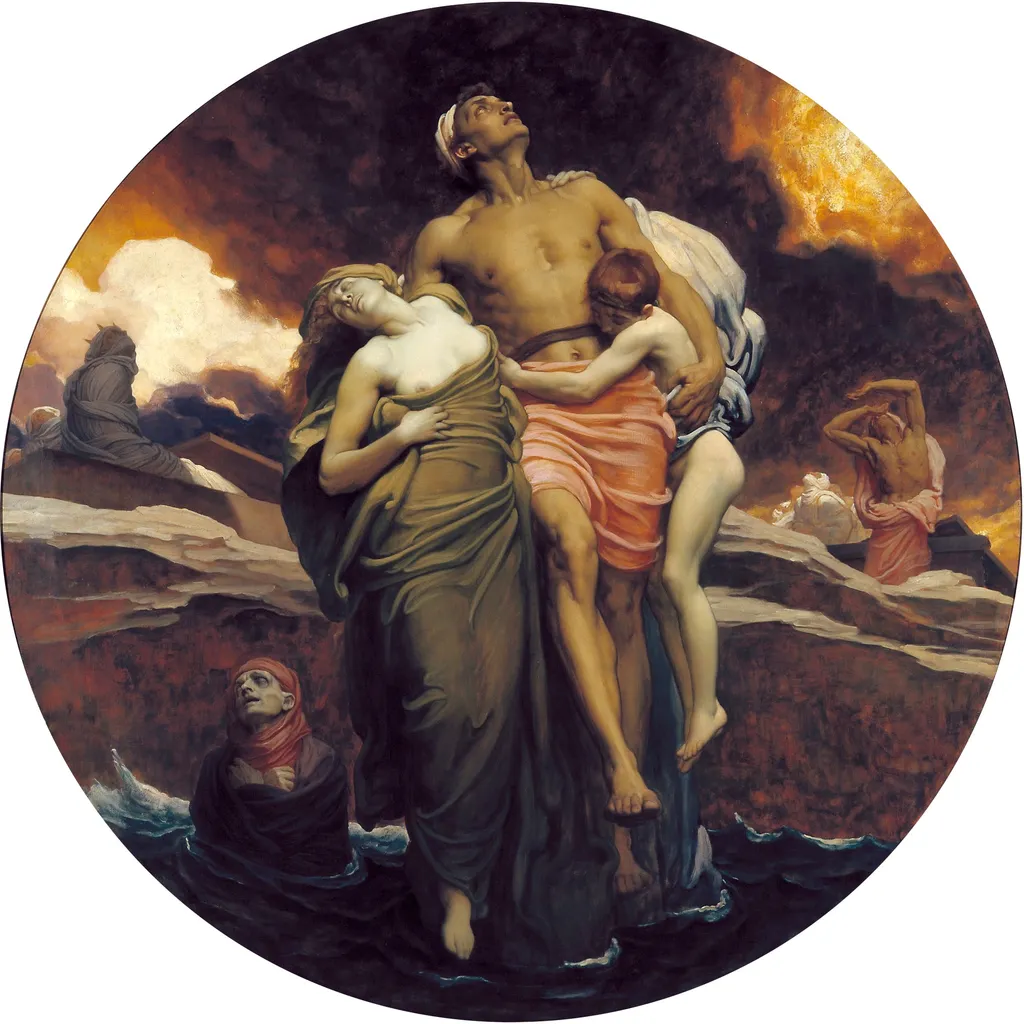
And the Sea Gave Up the Dead Which Were in It is an oil painting by the Pre-Raphaelite artist Frederic Leighton. It dates from 1800 and is held in the collection of the Tate.
About this work
Overview
Frederic Leighton’s oil on canvas, titled And the Sea Gave Up the Dead Which Were in It, presents a dramatic tableau of rescue and rebirth. Executed in 1800, the work now belongs to the collection of Tate Britain and is linked to the aesthetic concerns of the Pre‑Raphaelite movement.
Subject & Meaning
The composition centers on a shirtless male figure shielding a woman and child, all poised on a rocky outcrop above turbulent water. The protective gesture suggests a moment of resurrection, echoing biblical imagery of life emerging from the sea’s depths.
Technique & Style
Leighton employs a vivid palette, green, orange, and fiery sky tones, to heighten the scene’s energy. The figures are rendered with dynamic poses and meticulous detailing, creating a sense of movement that draws the viewer’s eye across the tumultuous backdrop.
History & Provenance
Since its creation, the painting has remained in the United Kingdom, ultimately entering the Tate Britain’s holdings where it is displayed alongside other 19th‑century works that explore mythic and religious themes.
Own this work as a print
Artist & collection

Artist
Frederic Leighton, 1st Baron Leighton, known as Sir Frederic Leighton between 1878 and 1896, was a British Victorian painter, draughtsman, and sculptor.

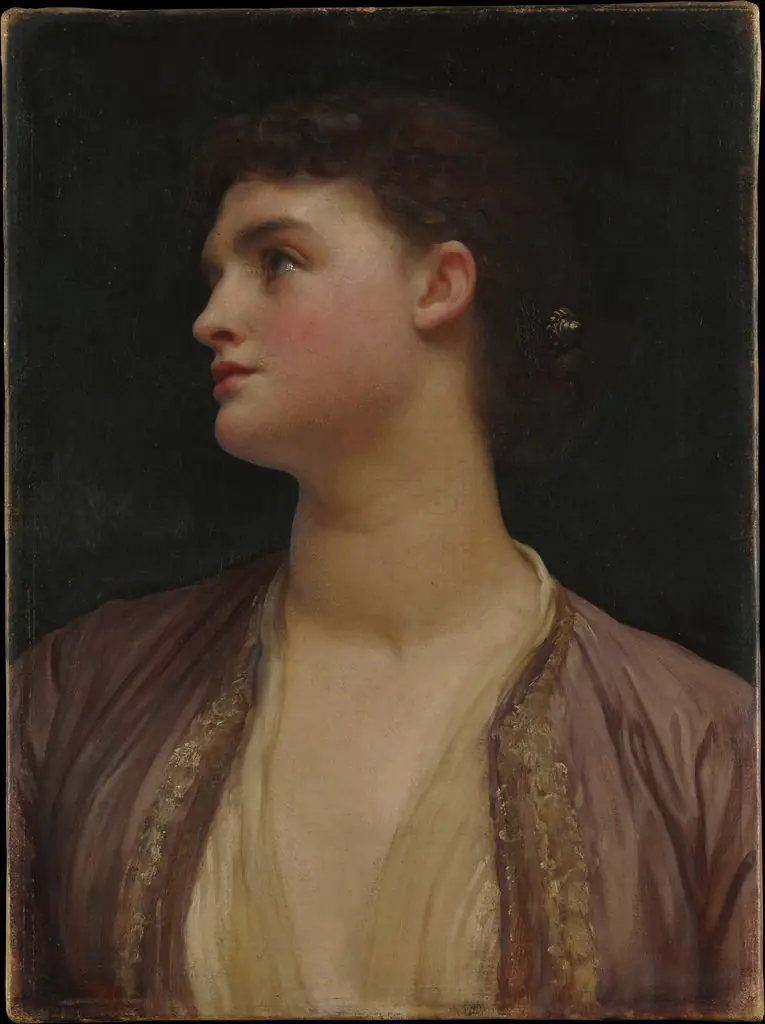 Lucia
Lucia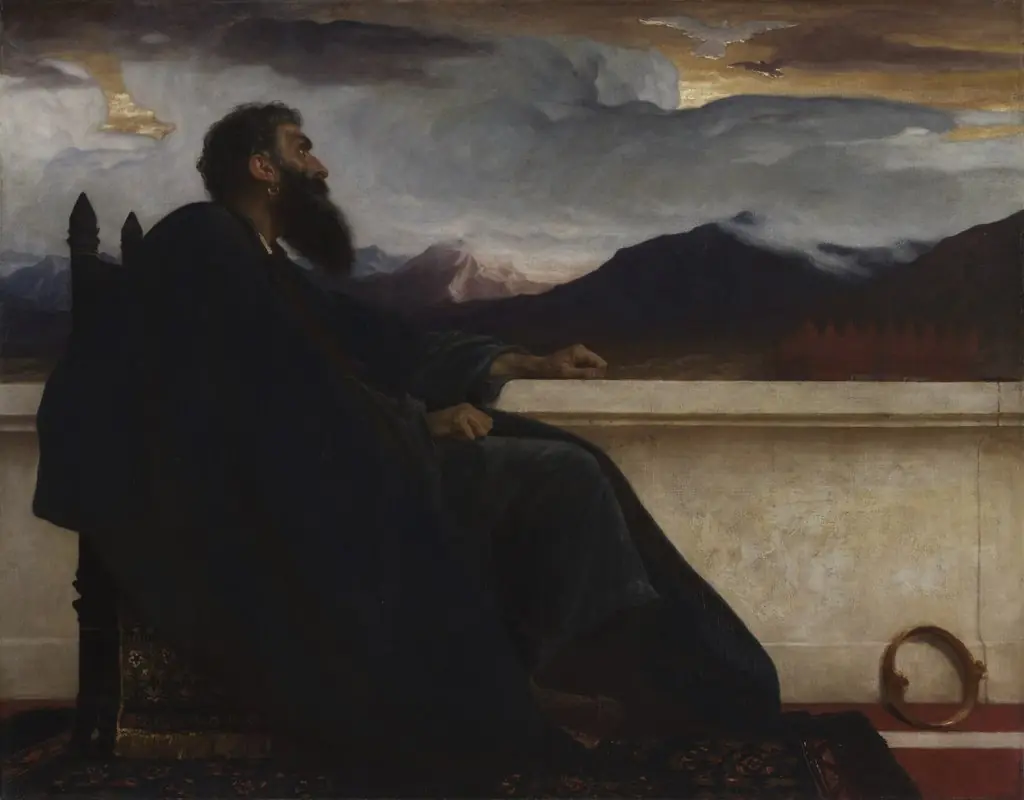 David: "Oh, that I had wings like a Dove! For then would I fly away, and be at rest." Psalm 55:6
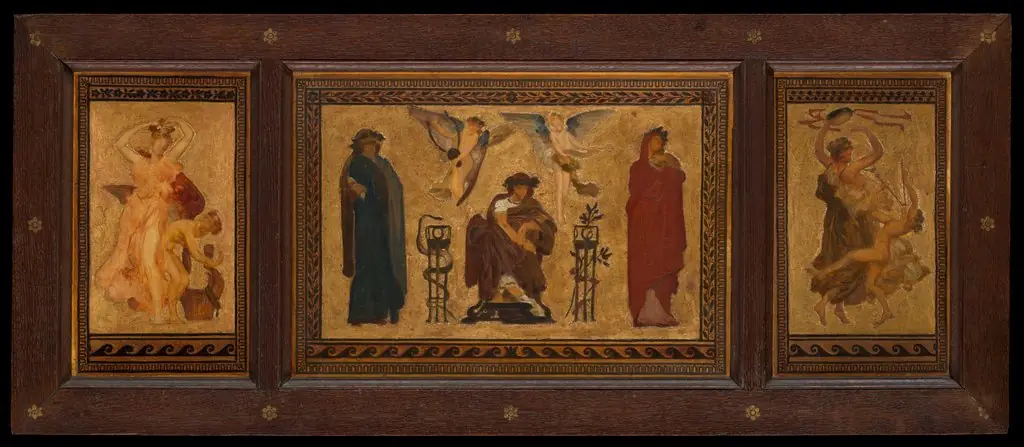 Study for the Ceiling of the Marquand Music Room
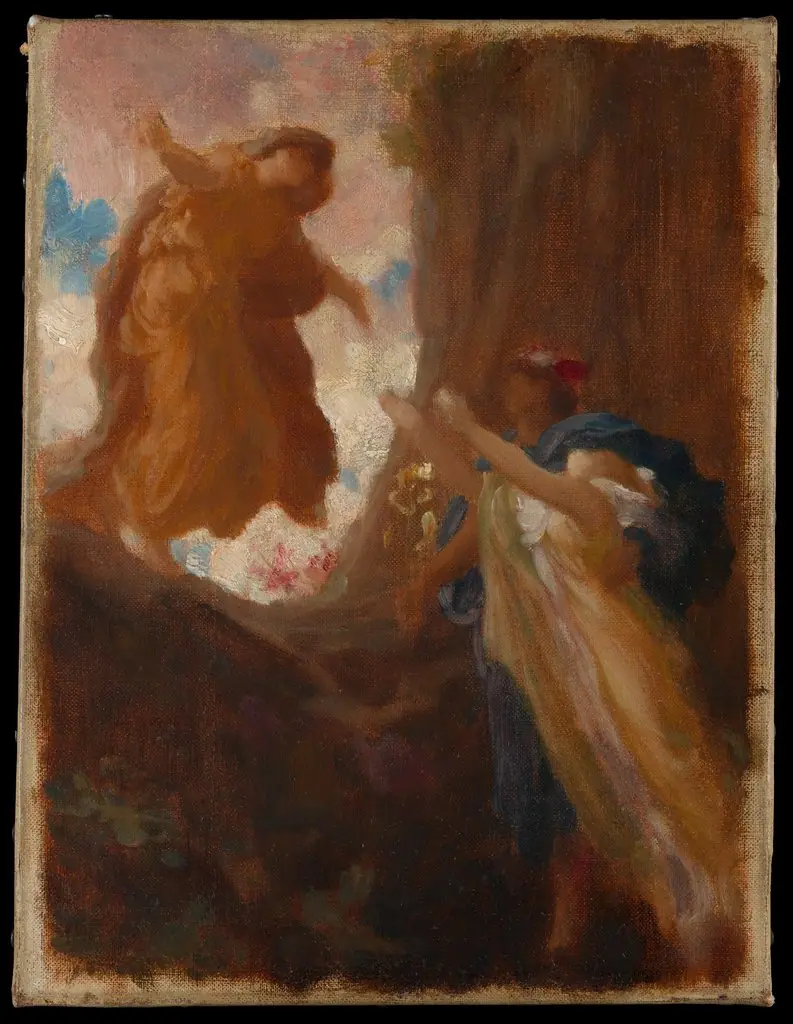 The Return of Persephone
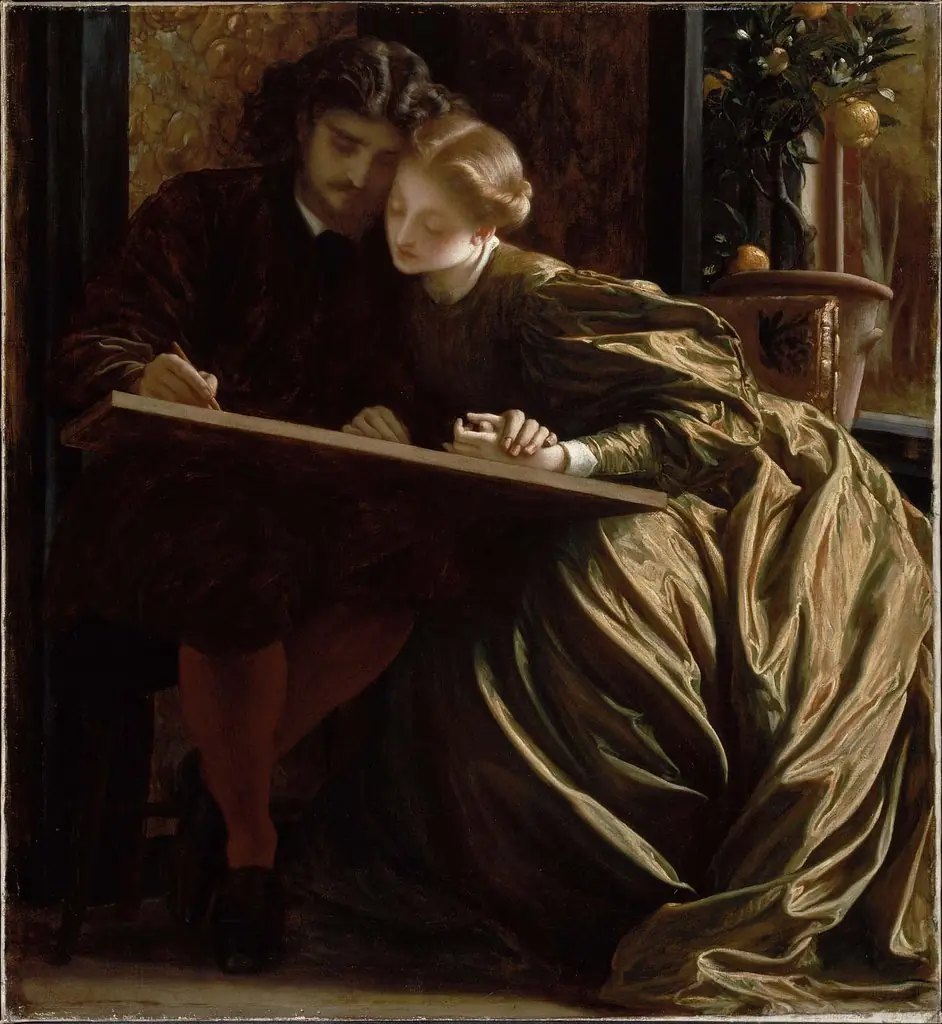 The Painter's Honeymoon
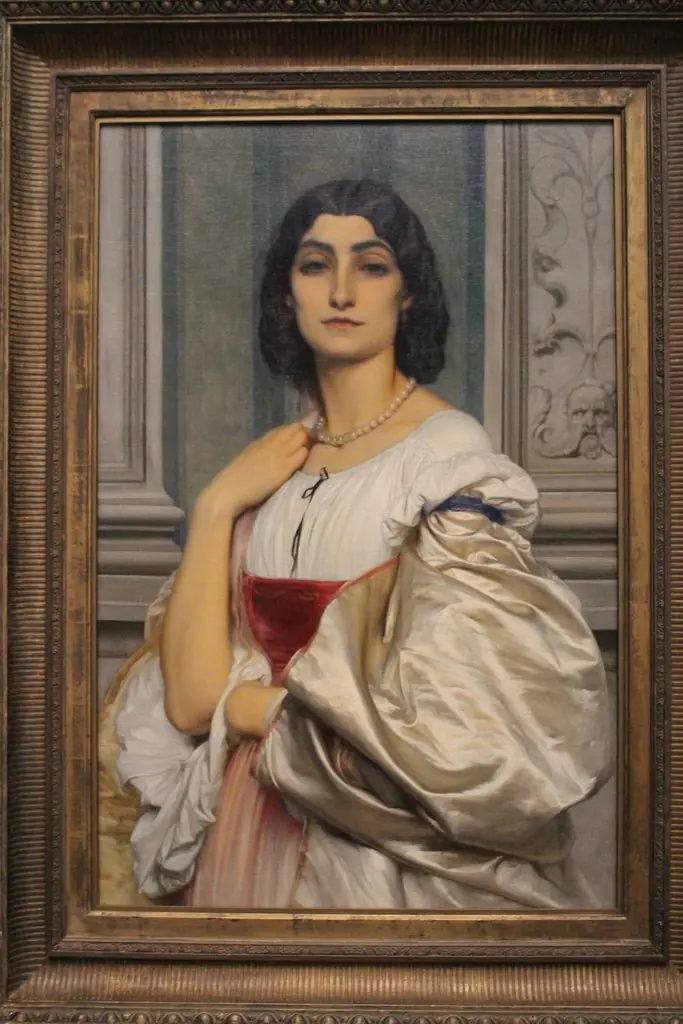 Portrait of a Roman Lady (La Nanna)
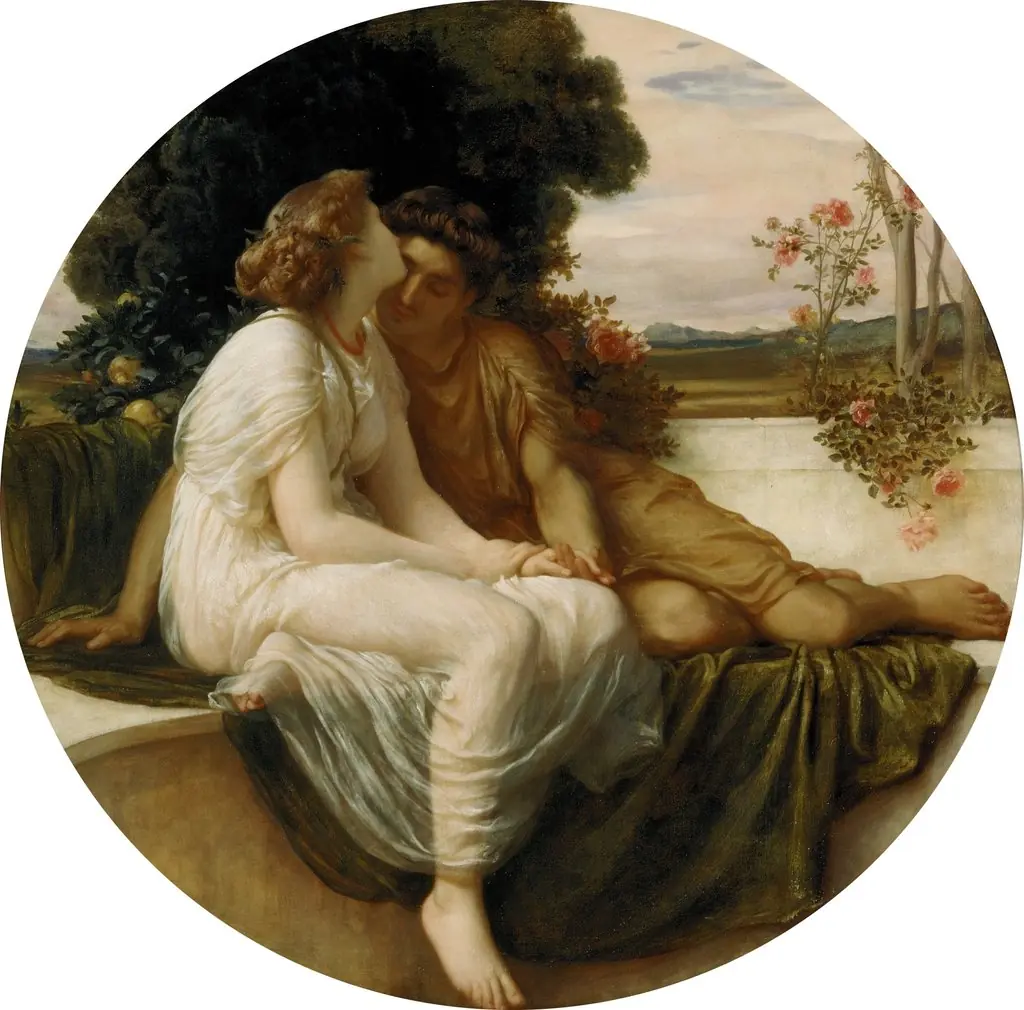 Acme and Septimius
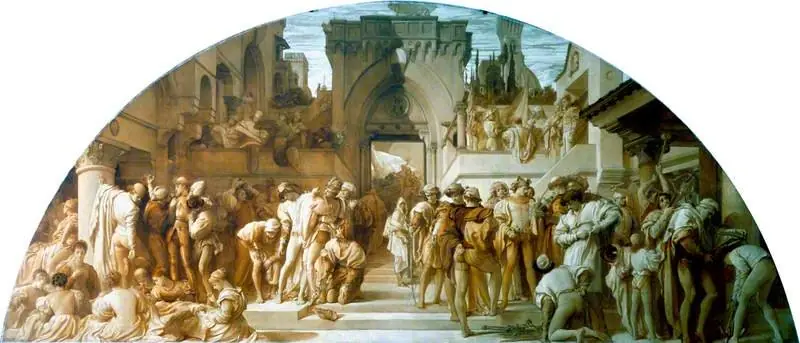 The Arts of Industry as Applied to War (cartoon for a wall painting in the Victoria and Albert Museum)
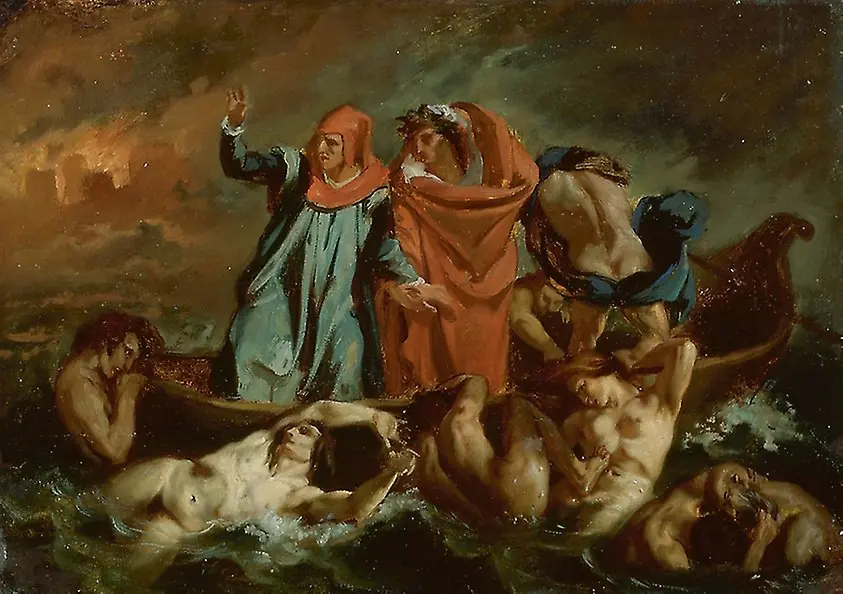
- Dante's Bark
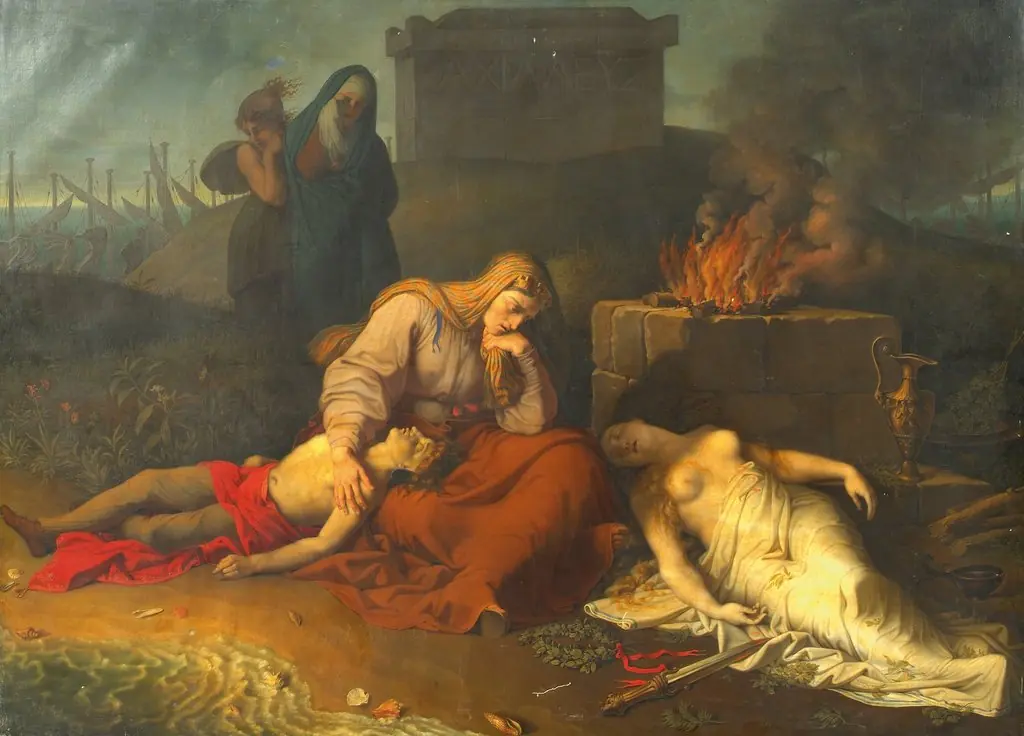 Hecabe mit den Leichnamen ihrer Kinder Polyxena und Polydoros am Grab des Achill
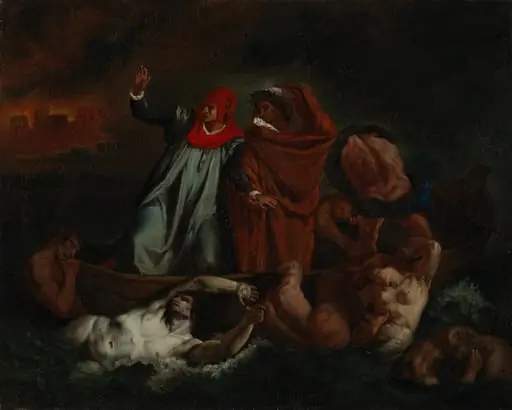 Dante ja Vergilius manalassa, kopio Eugene Delacroixin mukaan
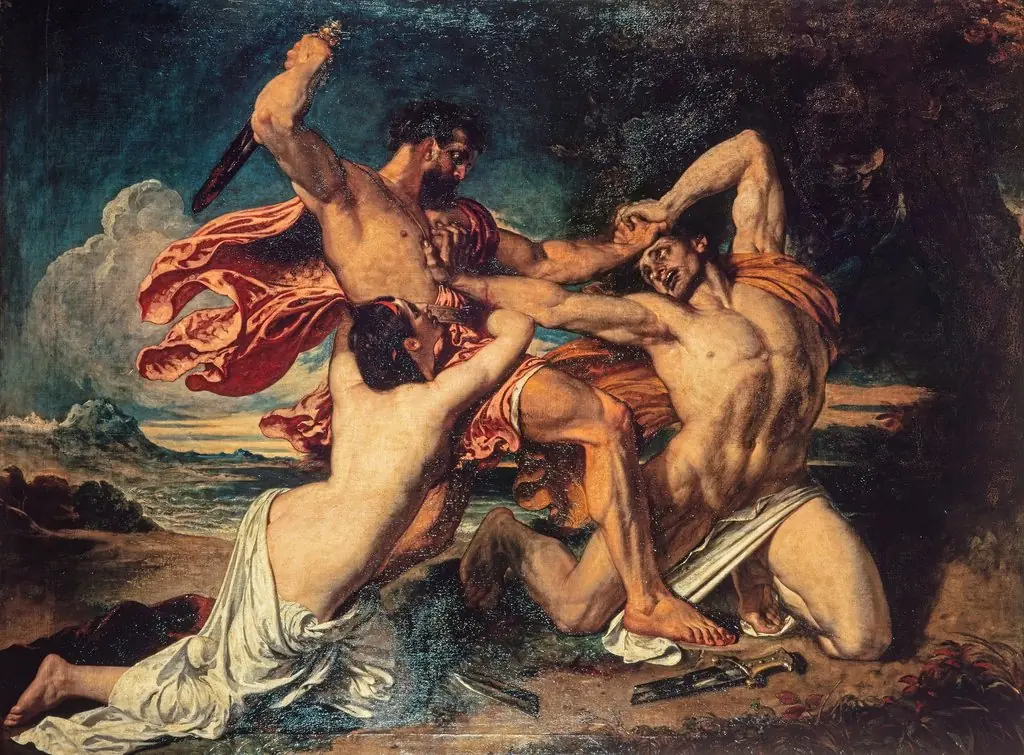 The Combat: Woman Pleading for the Vanquished
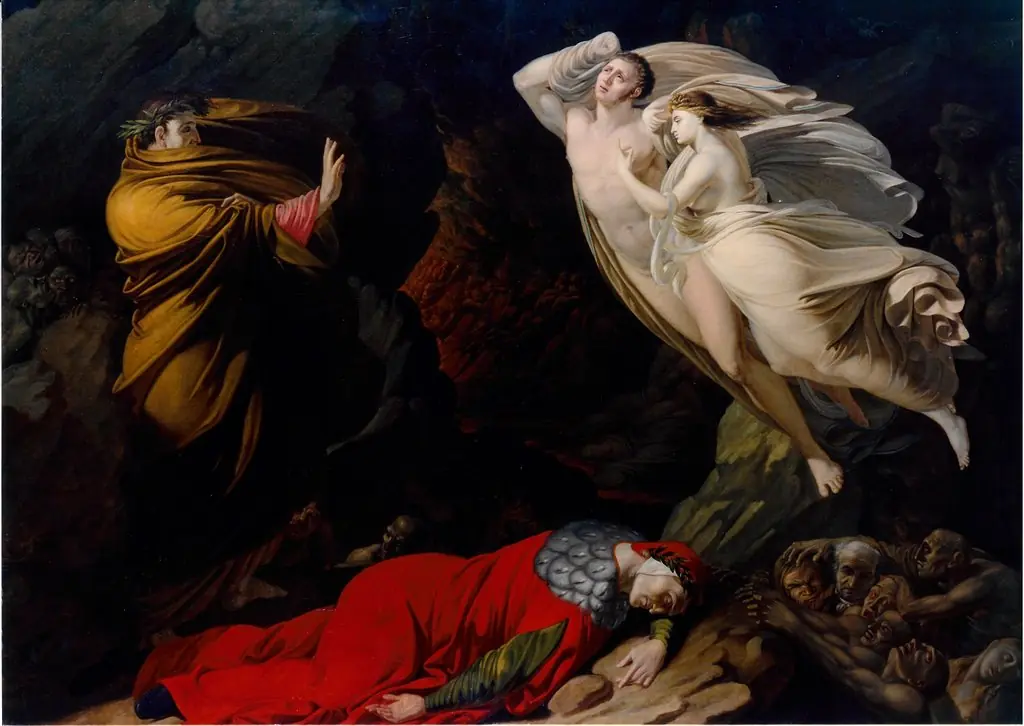 Paolo and Francesca da Rimini in Dante's hell
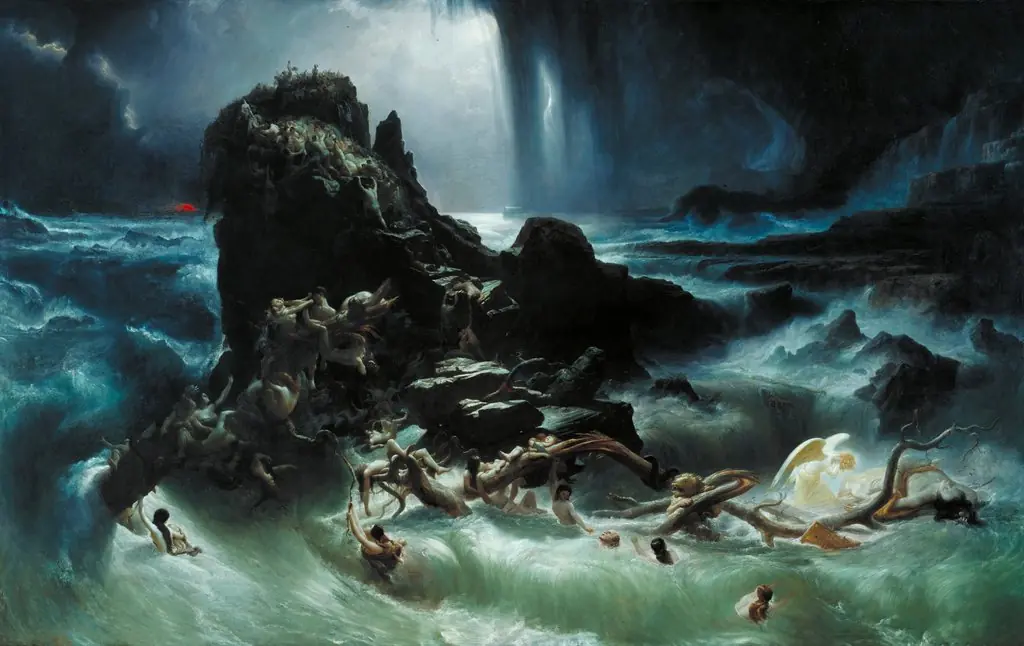 The Deluge
 Dante's Bark
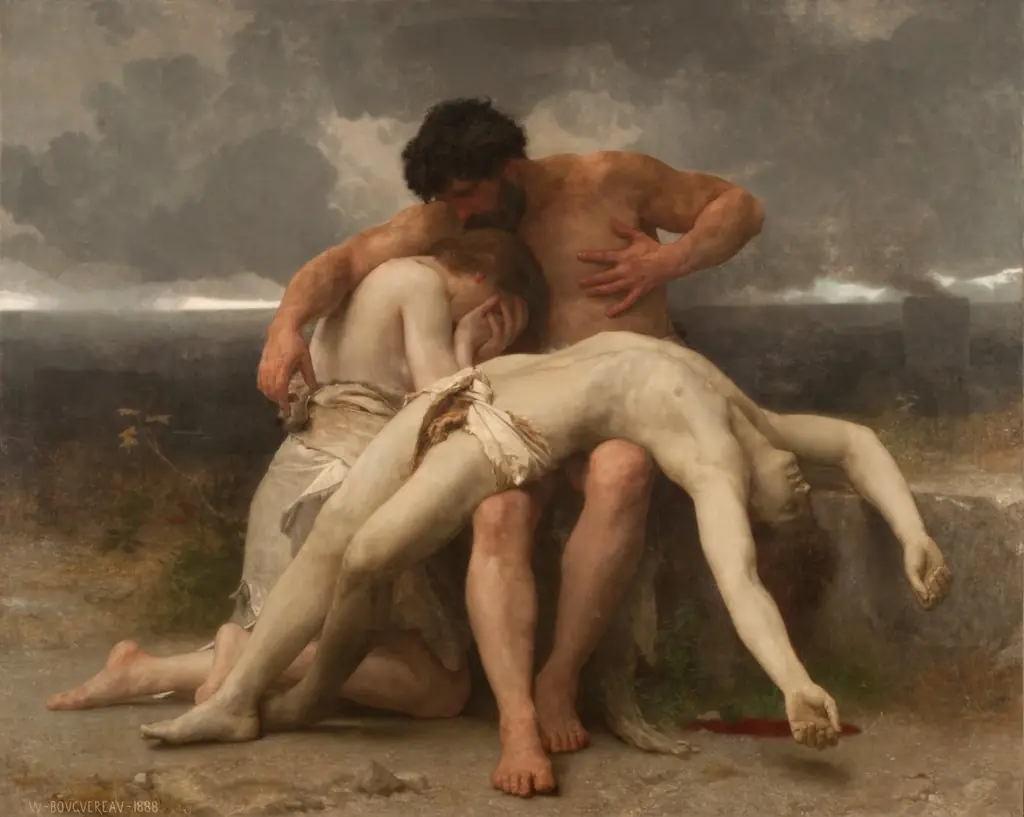 The First Mourning
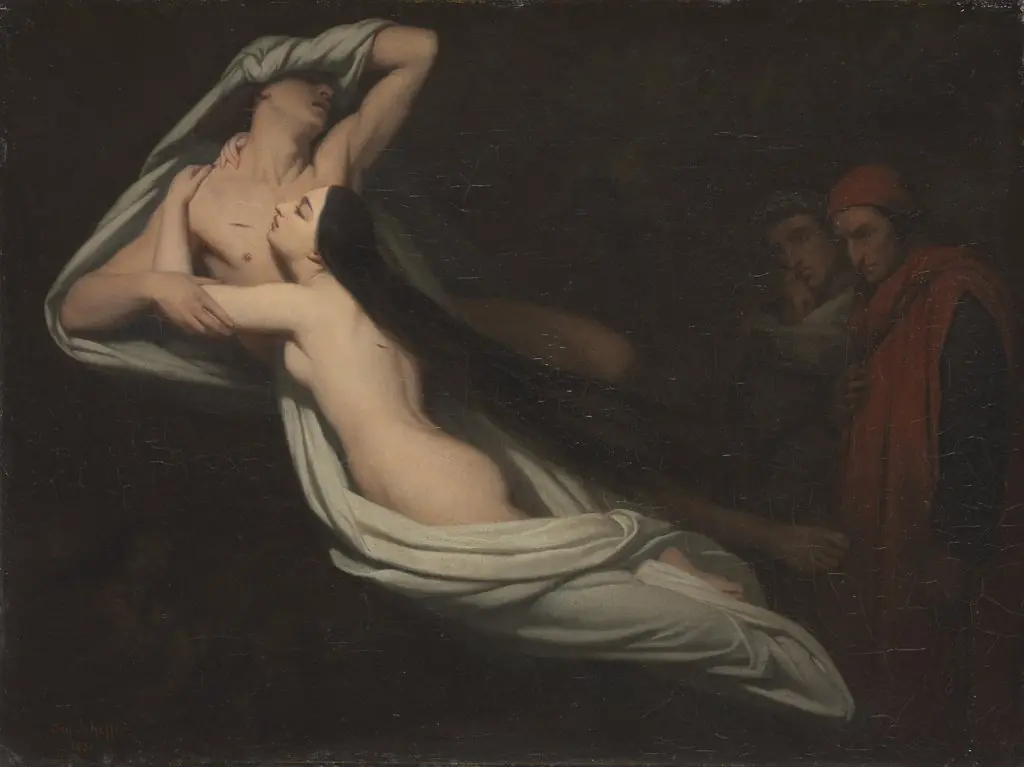 Dante and Virgil Meeting the Shades of Francesca da Rimini and Paolo
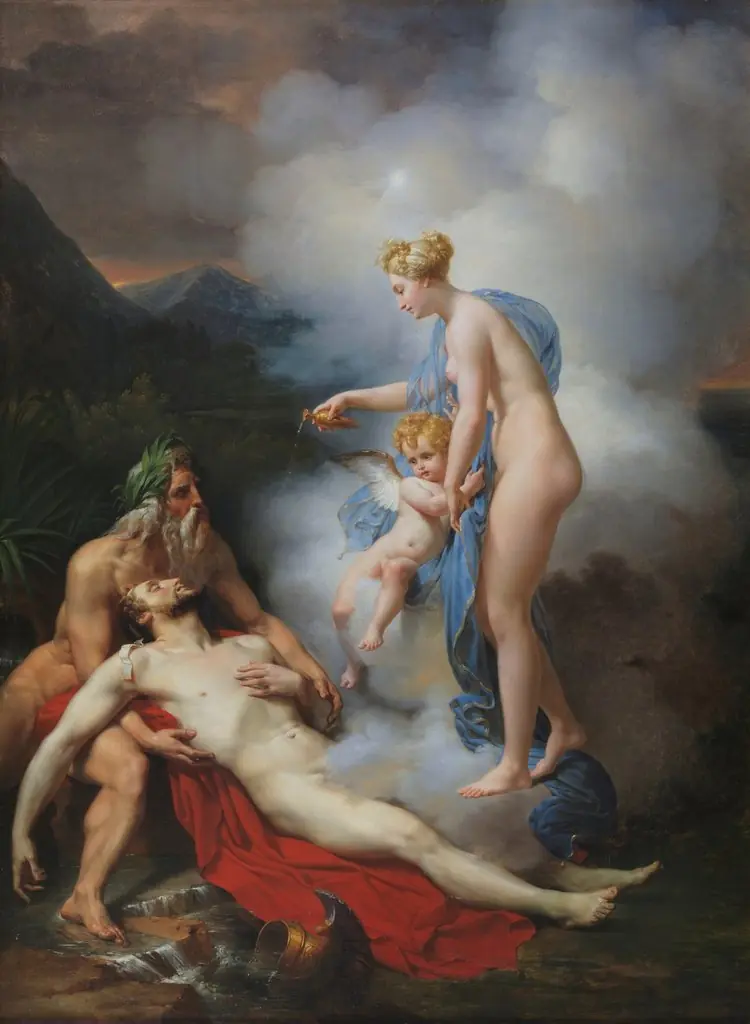 Aeneas Becomes a God
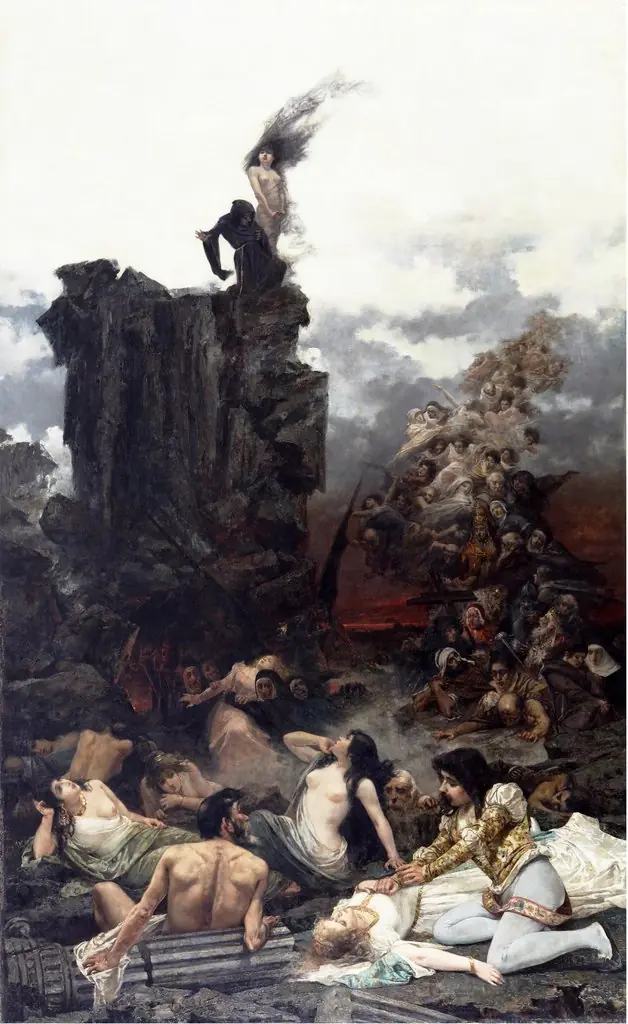 The vision of Fray Martín
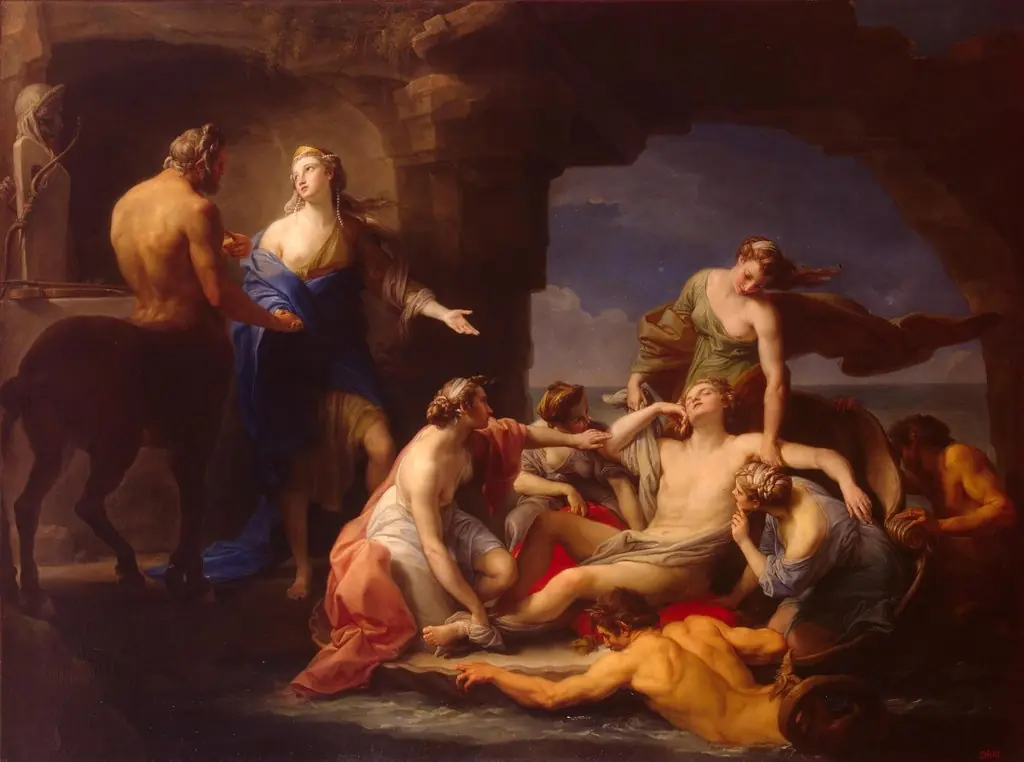 Thetis takes Achilles from the Centaur Chiron