Artwork
The Return of Persephone
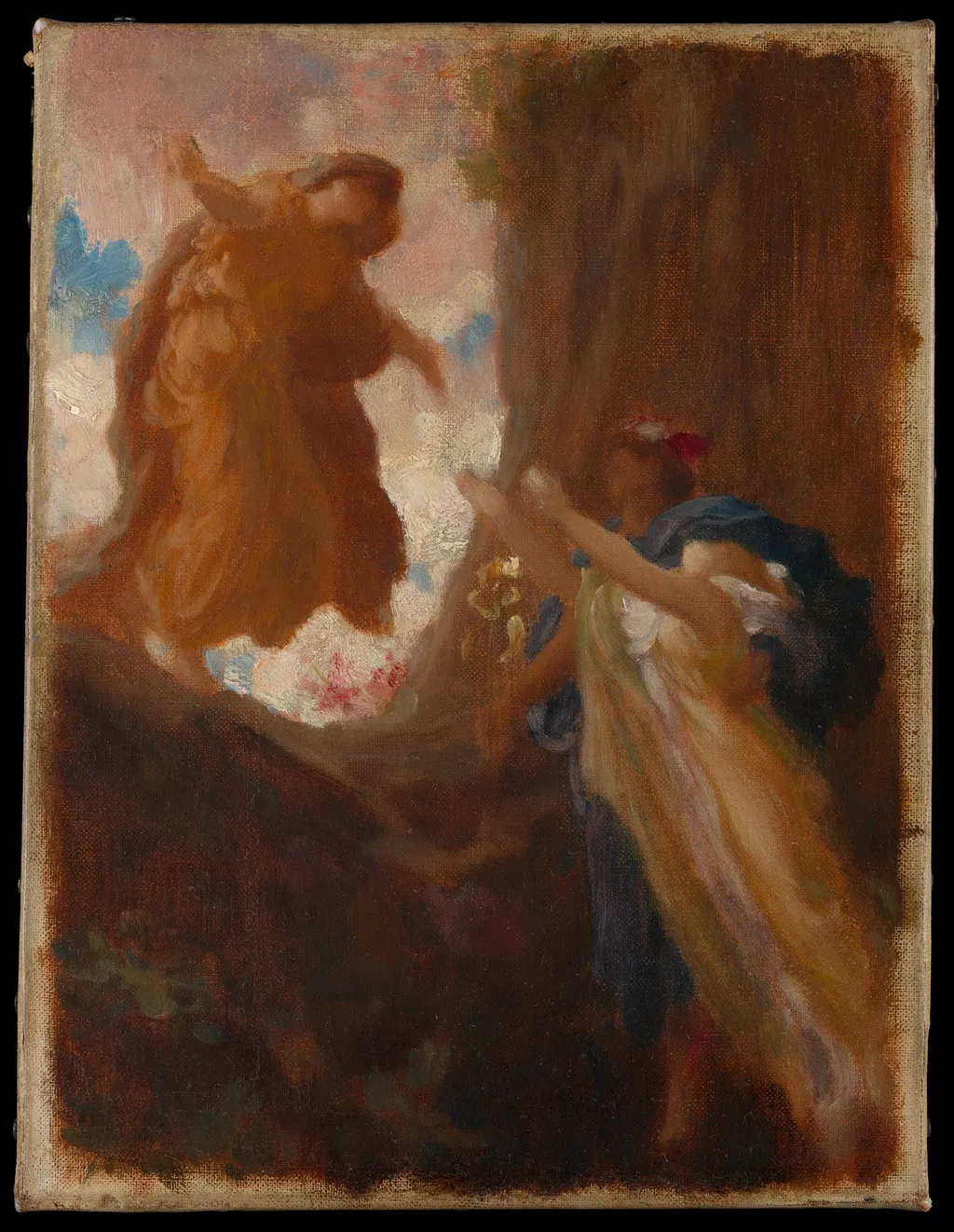
The Return of Persephone is an oil painting by the Aestheticist artist Frederic Leighton. It dates from 1896 and is held in the collection of the Metropolitan Museum of Art.
About this work
Technique & Style
Executed in 1890, The Return of Persephone is an oil painting applied to a canvas support. As a work classified within the painting tradition, it utilizes oil paint as its primary medium to render the figurative subject matter. The piece is currently held in the collection of the Metropolitan Museum of Art, where its material composition is recorded specifically as oil on canvas.
History & Provenance
No specific details regarding the original commission or intermediate ownership history prior to its museum acquisition are provided in the available records.
Frederic Leighton executed The Return of Persephone in 1890. Created as an oil painting on canvas, the work dates to the final years of the artist's life. The piece entered the collection of the Metropolitan Museum of Art in New York, where it was accessioned on January 1, 2021, under the inventory number 2021.10.1.
No specific details regarding the original commission or intermediate ownership history prior to its museum acquisition are provided in the available records.
The work is held by the Metropolitan Museum of Art in New York, where it is recorded with the accession number 2021.10.1.
It has been exhibited at the Metropolitan Museum of Art as part of the collection display following its acquisition in 2021.
Overview
Frederic Leighton’s oil on canvas, The Return of Persephone, dates from 1896 and is part of the collection at the Metropolitan Museum of Art. The work presents a dimly lit interior where two figures occupy the space, one cloaked in dark fabric and the other a pale, hair‑flowing presence. The overall atmosphere is quiet, with a muted palette that emphasizes contrast and stillness.
Subject & Meaning
The composition suggests a mythological encounter, likely referencing the moment when Persephone returns from the underworld. The darker figure, perhaps a messenger or a deity, reaches toward the luminous woman, whose pallor and flowing hair evoke the goddess’s ethereal nature. The restrained interaction and subdued lighting convey a sense of transition and the delicate balance between life and the realm below.
Own this work as a print
Artist & collection

Artist
Frederic Leighton, 1st Baron Leighton, known as Sir Frederic Leighton between 1878 and 1896, was a British Victorian painter, draughtsman, and sculptor.

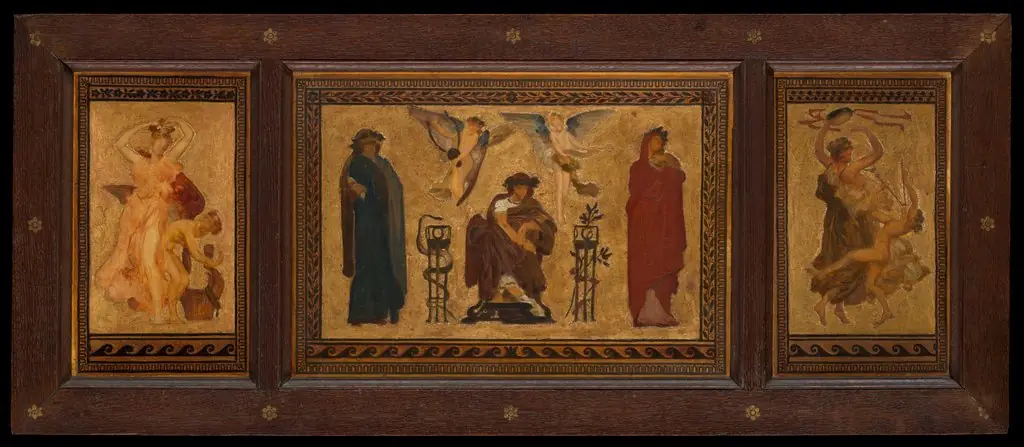
- Bacchanalia
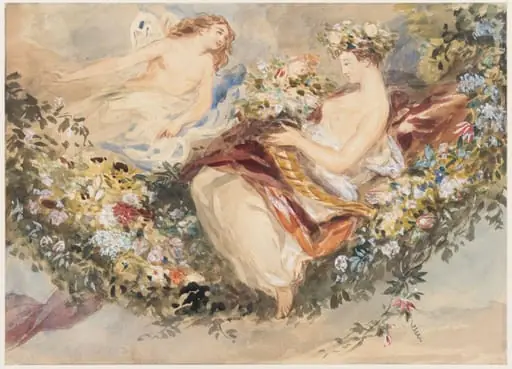 Flora and Zephyr
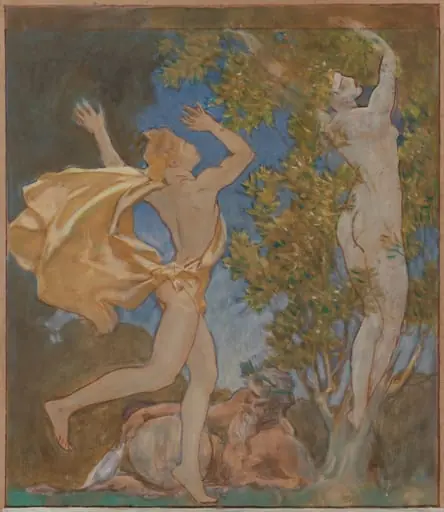 Apollo and Daphne
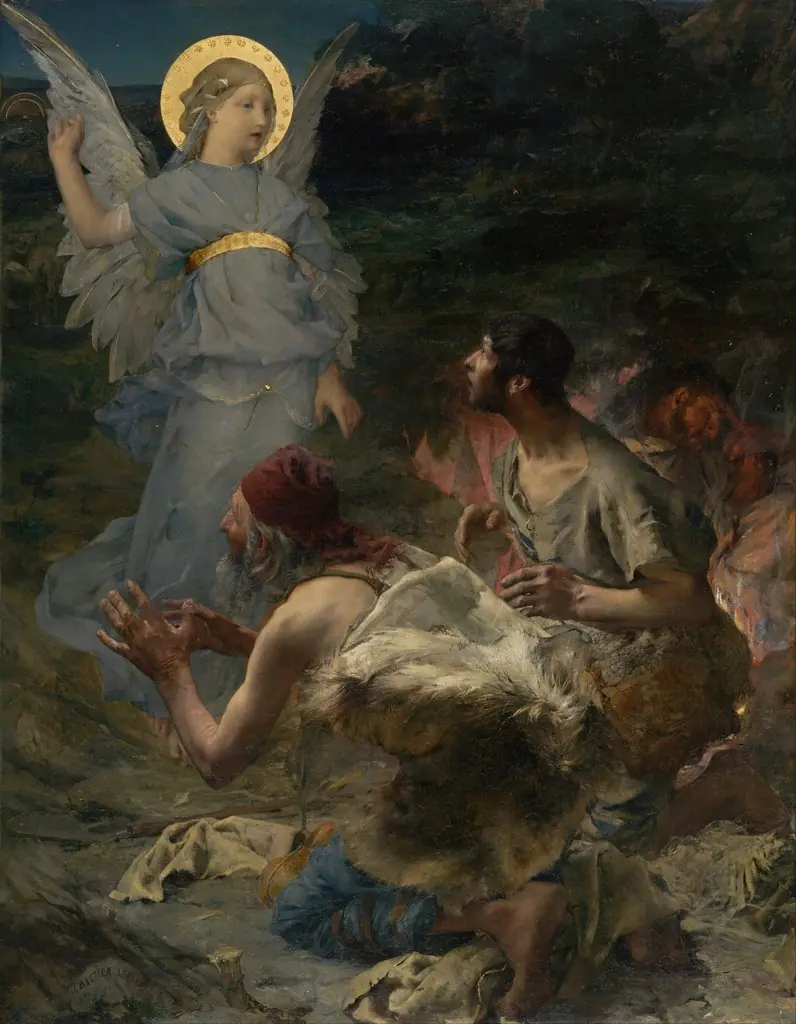 The Annunciation to the Shepherds
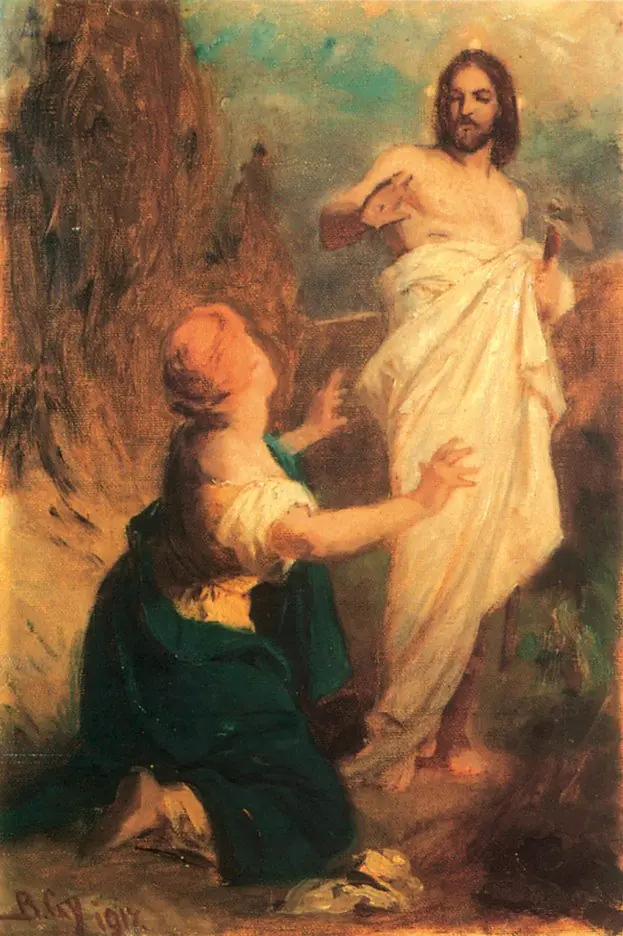 Noli me tangere
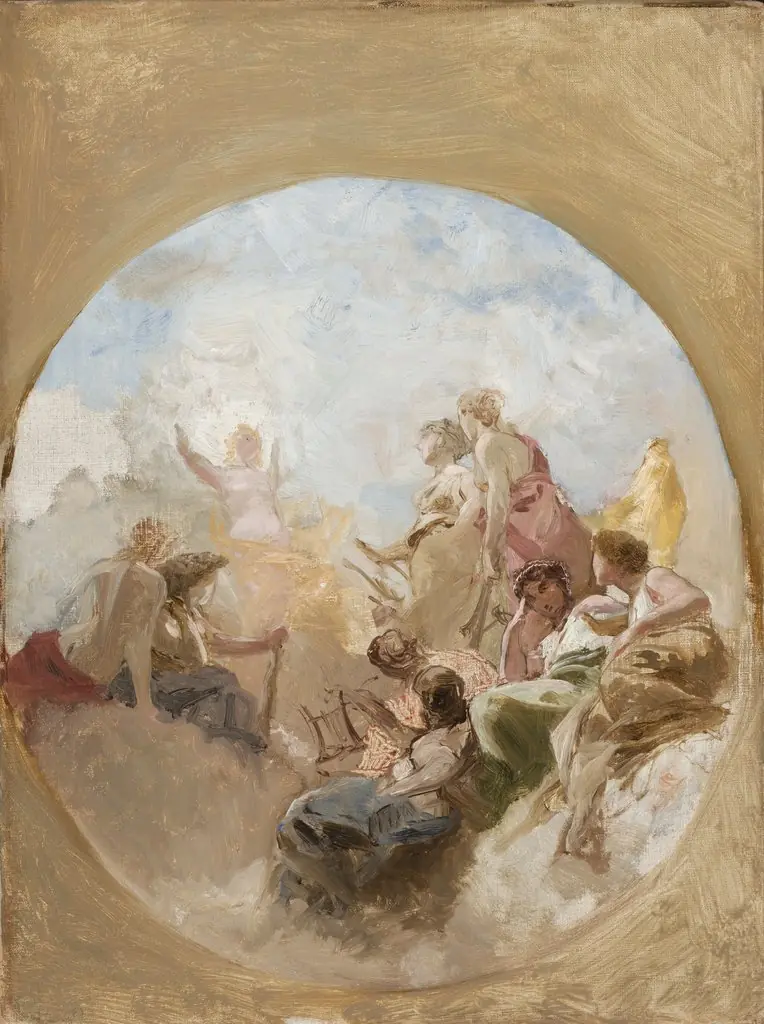 "Aurora" ("Goddess of the Dawn") – Sketch to a Plafon at the House of Jura Nieczajew-Malcew in Sanktt Petersburg
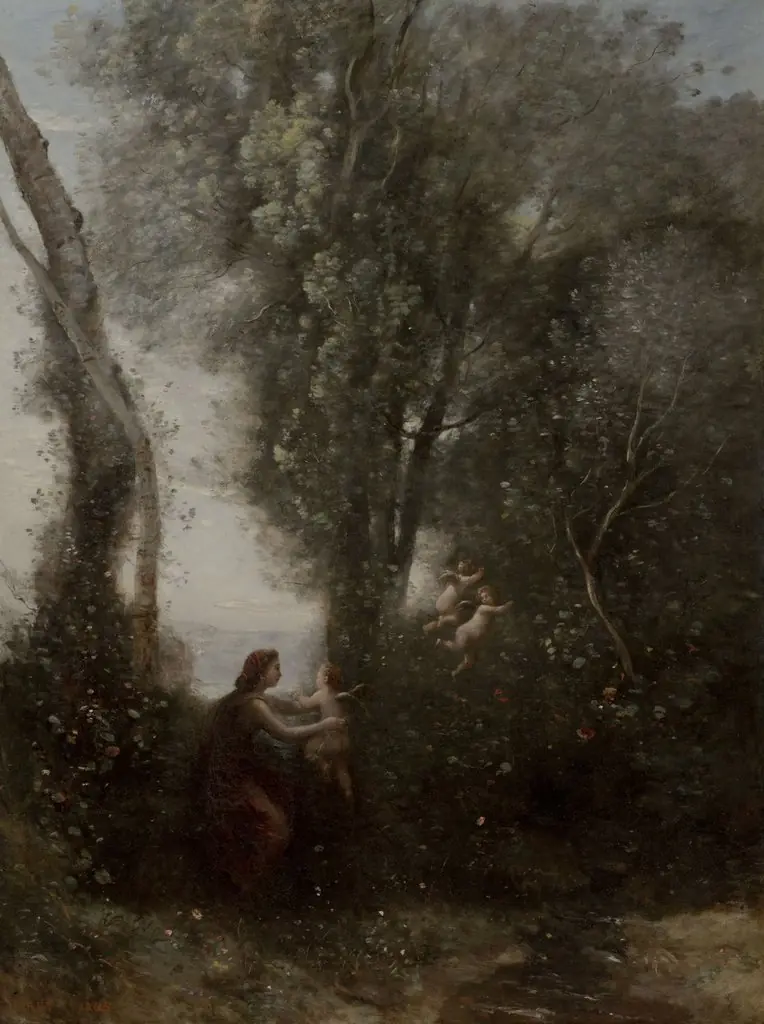 Morning
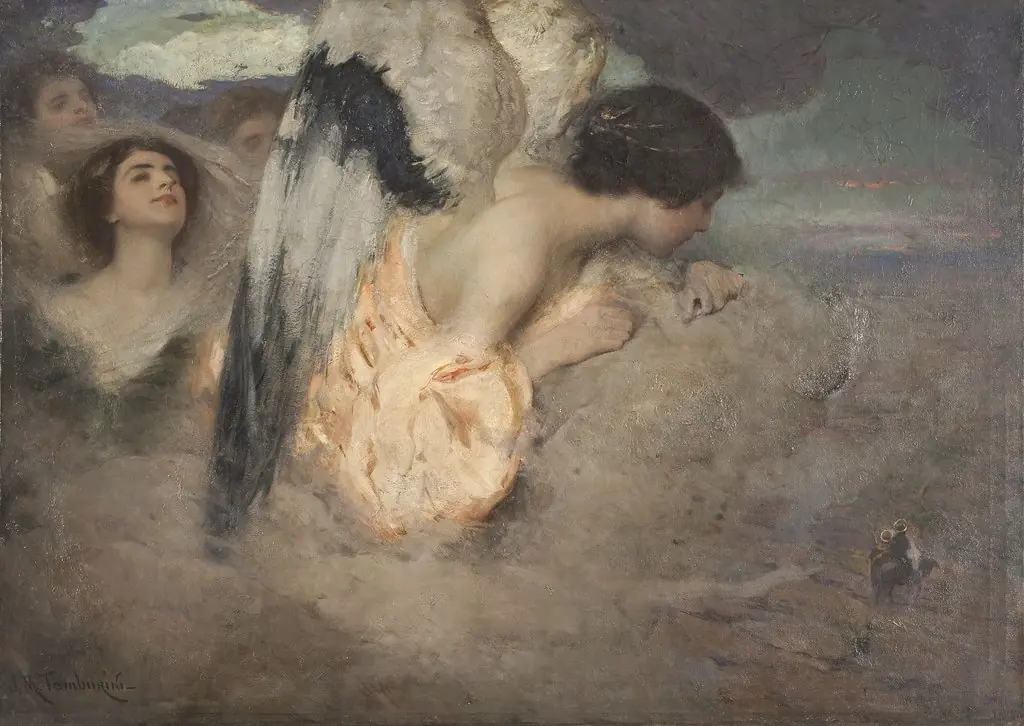 The Flight into Egypt
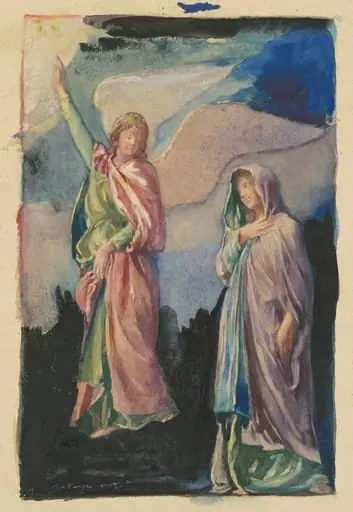 Study for "Faith" and "Hope"
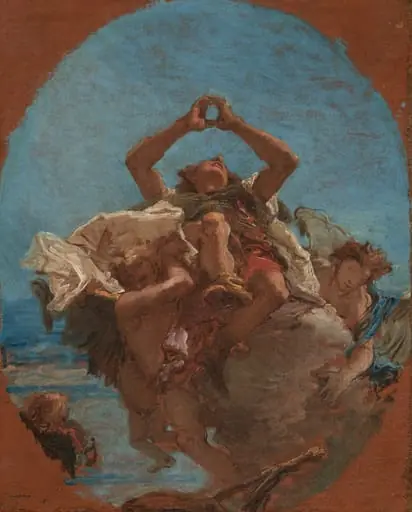 Saint Roch Carried to Heaven by Angels
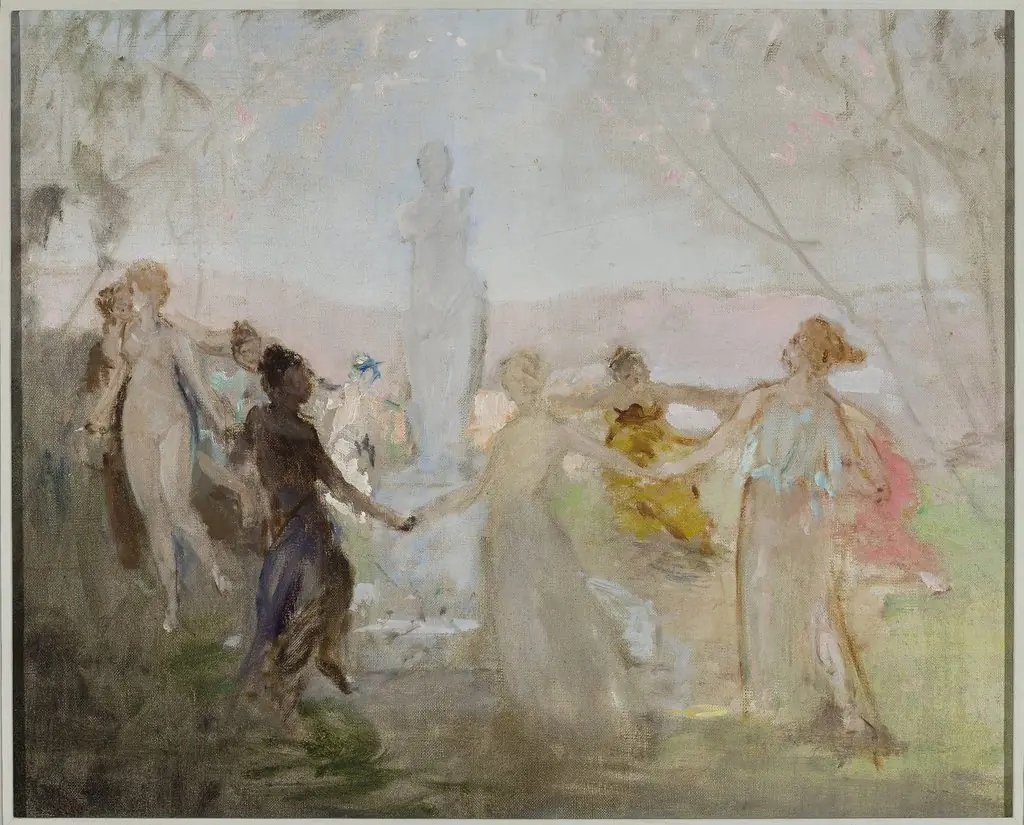 Sketch for the painting “Procession around the Venus de Milo statue”
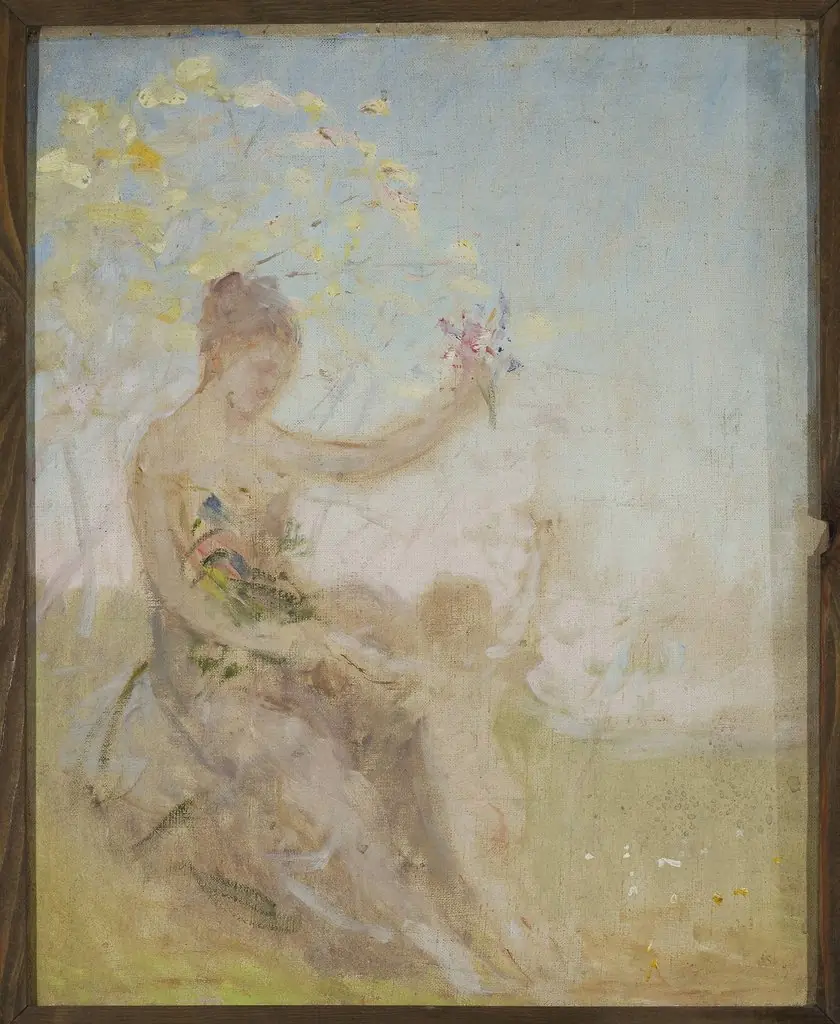 Sketch for the panel “Springtime” for the Bakhchi-Dere villa in Yalta