Museum
Tate

Image: Wikimedia Commons.
Tate is a museum in City of Westminster, United Kingdom. 74 works from its collection are in this catalog, including Joseph Mallord William Turner and Canaletto.
About Tate
Tate is an institution that houses, in a network of four art galleries, the United Kingdom's national collection of British art, and international modern and contemporary art. It is not a government institution, but its main sponsor is the UK Department for Culture, Media and Sport. It is often referred to as the Tate Museum. The name "Tate" is used also as the operating name for the corporate body, which was established by the Museums and Galleries Act 1992 as "The Board of Trustees of the Tate Gallery".
The gallery was founded in 1897 as the National Gallery of British Art.
Overview & Identity
Tate is a family of four art galleries located in London, Liverpool, and Cornwall, serving as the custodian of the United Kingdom's national collection of British art from 1500 to the present day, as well as international modern and contemporary art. The institution comprises Tate Britain and Tate Modern in London, Tate Liverpool, and Tate St Ives in Cornwall. Collectively, these sites house nearly 70,000 artworks, representing a vast spectrum of artistic production from the Elizabethan era to the current moment.
The Tate's mission encompasses the display, conservation, and research of these collections, making it a central pillar of the UK's cultural infrastructure and a major international destination for art.
History & Founding
The institution originated from the benefaction of Sir Henry Tate, a sugar refiner and industrialist who made his fortune in the 19th century. In 1889, Tate offered his personal collection of British nineteenth-century art to the nation and provided funding for the construction of a new gallery. The gallery at Millbank, originally named the National Gallery of British Art, opened to the public in 1897.
It was commonly referred to as the Tate Gallery. In 1932, the official name was changed to the Tate Gallery. A significant transformation occurred in 2000 when the modern art collection was moved to a new site, and the original Millbank gallery was renamed Tate Britain to focus exclusively on British art.
Building & Architecture
The original Tate Gallery building at Millbank was designed by architect Sidney Smith in a Neoclassical style. Over the decades, the site underwent six extensions, including the addition of seven new rooms in 1910 to display the Turner Bequest and the Duveen Sculpture Galleries, the first in England built specifically for sculpture. The most recent major extension at this site was the Clore Gallery, opened in 1987 to house the world's finest collection of works by J.M.W. Turner.
The Tate Modern, opened in 2000, is a converted former power station on the Bankside designed by Swiss architects Jacques Herzog and Pierre de Meuron. An extension known as the Switch House, also designed by Herzog and de Meuron, opened in 2016.
Collection Highlights & Notable Holdings
The Tate holds the national collection of British art from 1500, featuring exceptional works from the 18th and 19th centuries by artists such as Joshua Reynolds, Thomas Gainsborough, William Hogarth, George Stubbs, John Constable, and William Blake. The collection is particularly renowned for its Pre-Raphaelite works, including John Everett Millais's 'Ophelia', and the world's largest collection of works by J.M.W. Turner. The international modern and contemporary collection, housed primarily at Tate Modern, includes significant movements such as Cubism, Futurism, Abstract Expressionism, Dada, Surrealism, and Pop art.
Notable holdings include works by Pablo Picasso, Piet Mondrian, Mark Rothko, Louise Nevelson, and Thomas Struth, as well as the Seagram murals by Rothko.
Significance & Legacy
Tate is recognized globally for its pivotal role in shaping the public's understanding of British art history and modernism. The institution's expansion under directors like John Rothenstein and Nicholas Serota, particularly the opening of Tate Modern in 2000, transformed it into a leading international museum. The conversion of the Bankside Power Station into Tate Modern is cited as a landmark achievement in adaptive reuse architecture, revitalizing the Southwark area and setting a precedent for industrial heritage sites.
The museum's commitment to acquiring works by contemporary artists, including Stanley Spencer, Henry Moore, Francis Bacon, and Lucian Freud, has ensured its relevance in the ongoing narrative of art history.
What to see at Tate
Start with Salisbury Cathedral from the Meadows by John Constable.
See all highlights at Tate →Tate by the numbers
- Founded
- 1897
Works from Tate
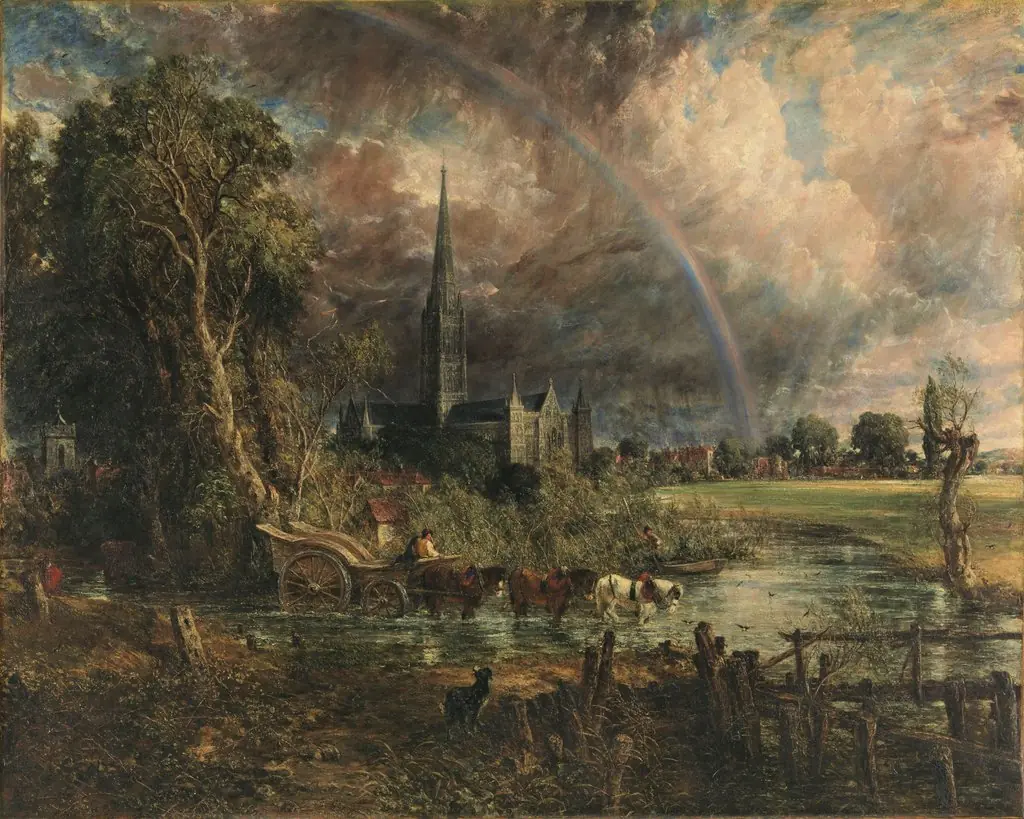 Salisbury Cathedral from the Meadows
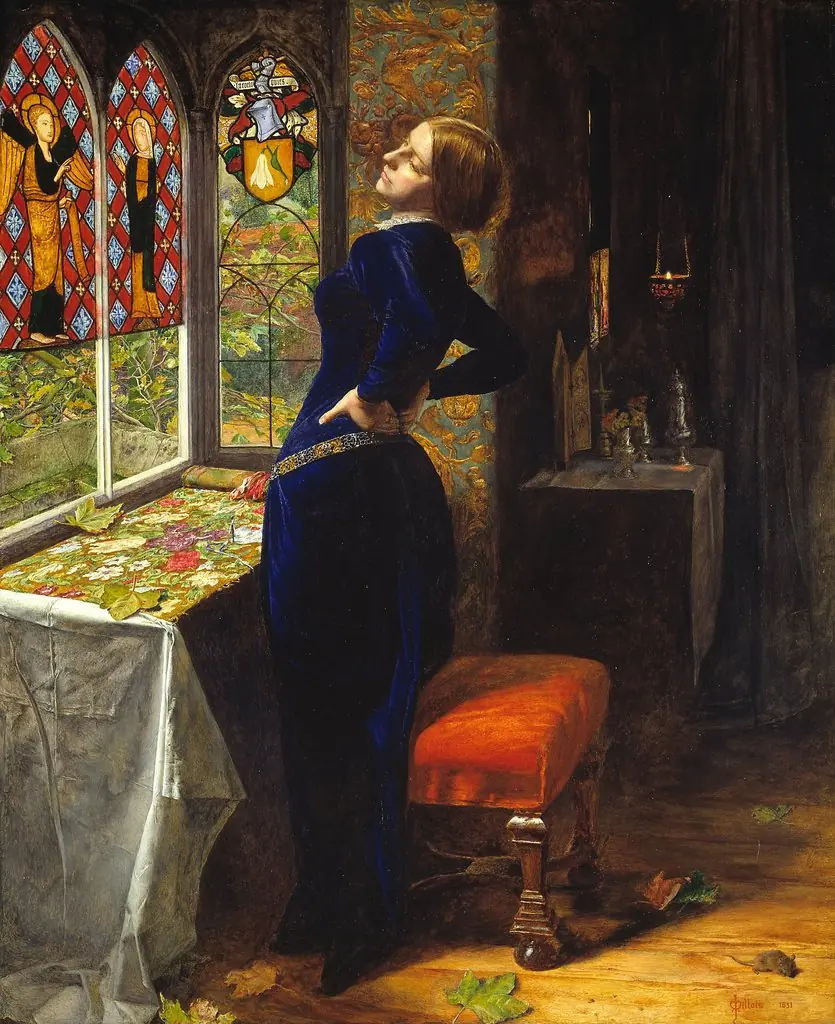 Mariana
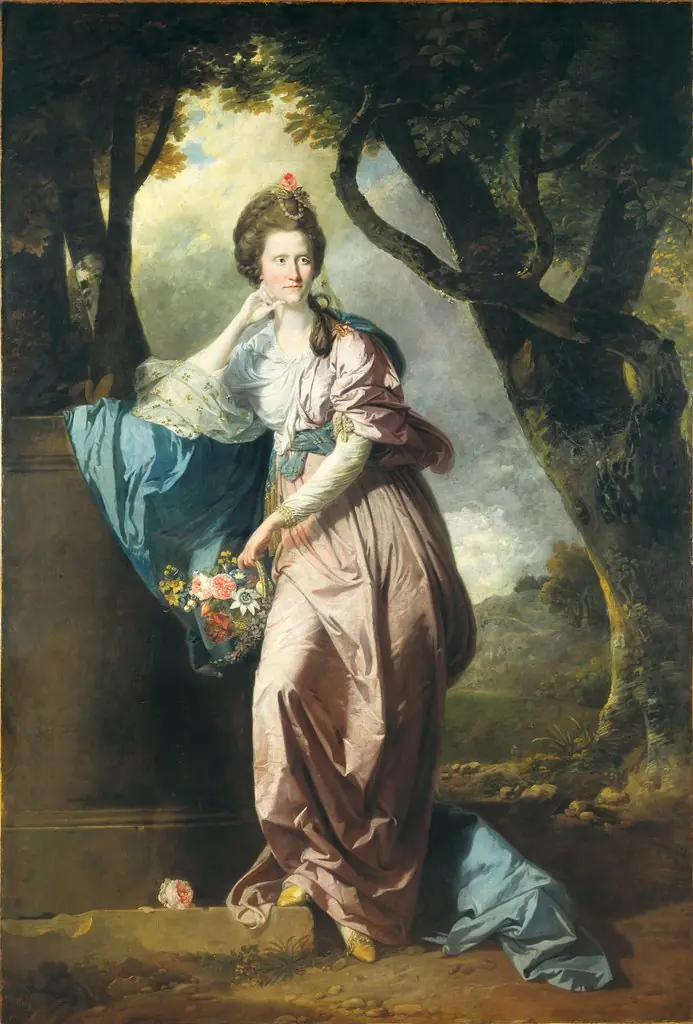 Mrs Woodhull
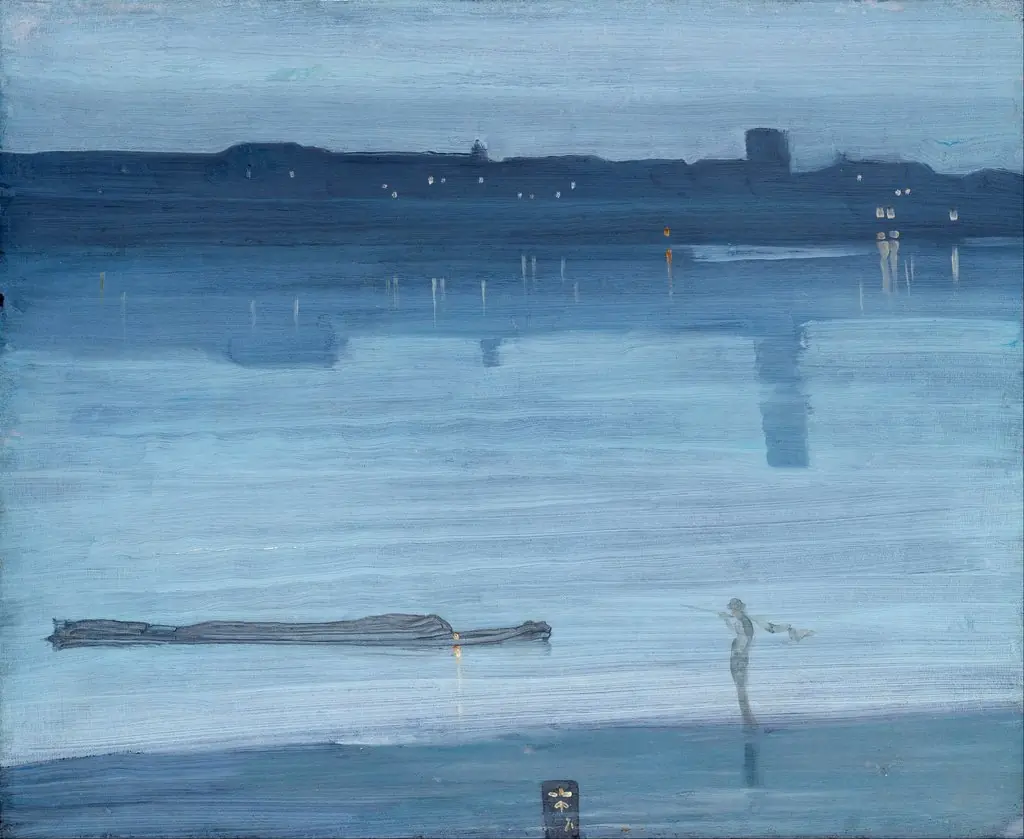 Nocturne: Blue and Silver – Chelsea
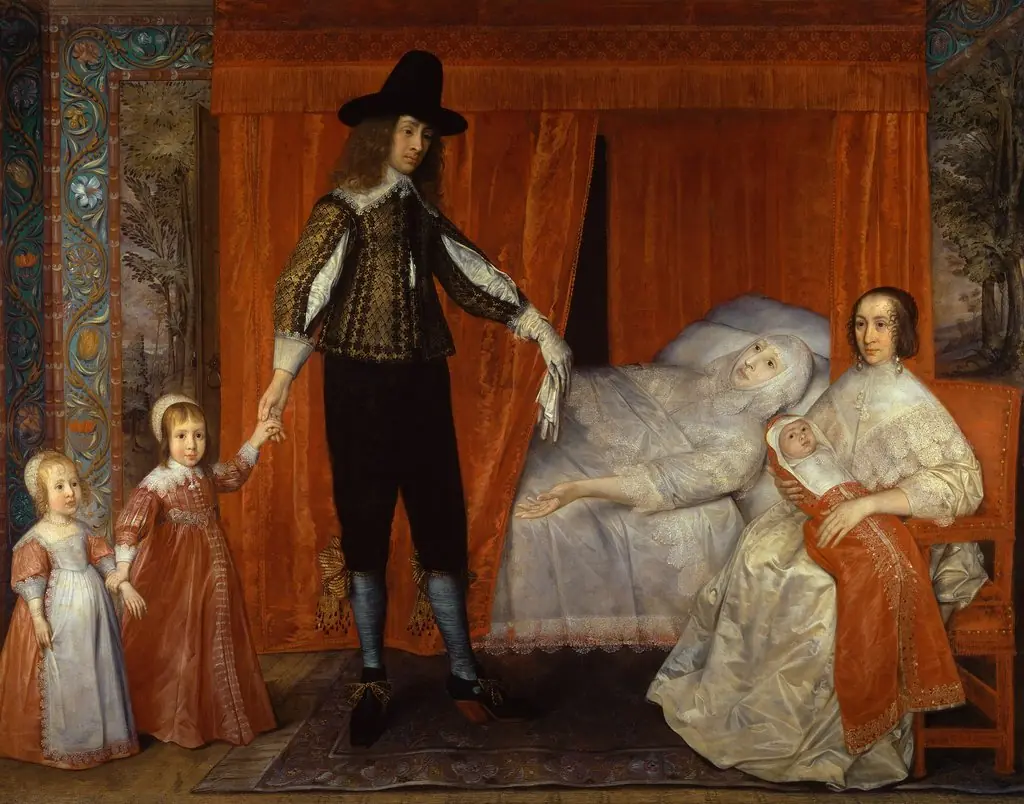 The Saltonstall Family
 Mrs Carl Meyer and her Children
 Lady Elizabeth Pope
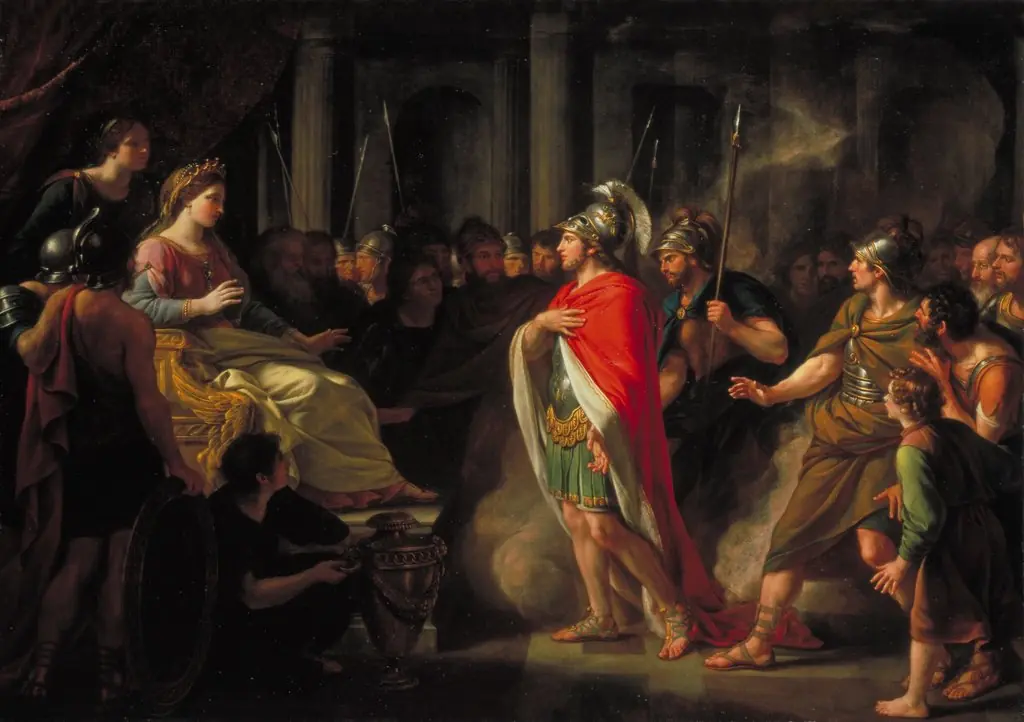 The Meeting of Dido and Aeneas
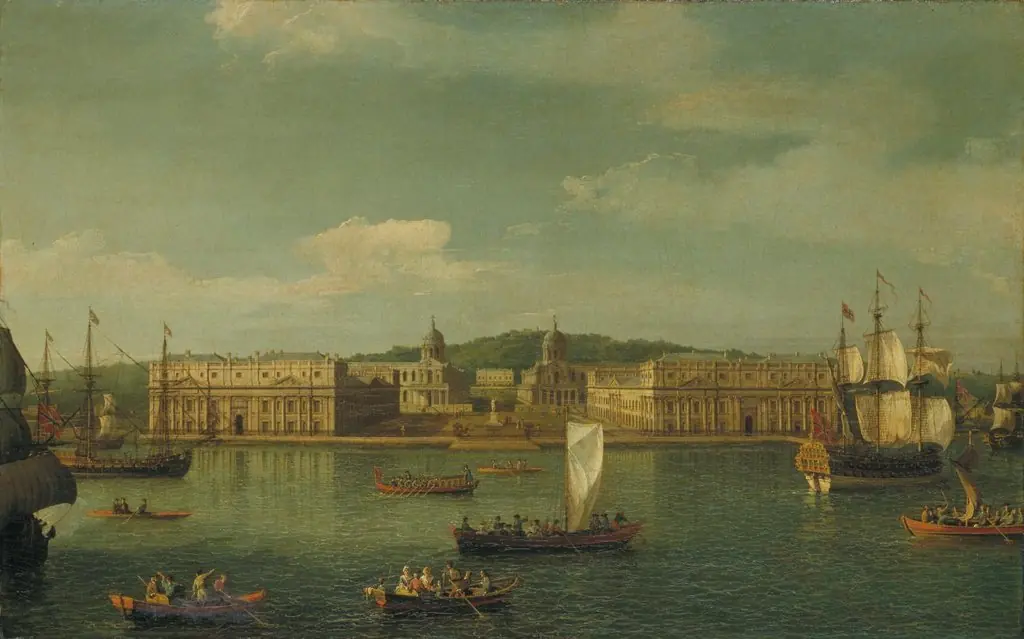 A View of Greenwich from the River
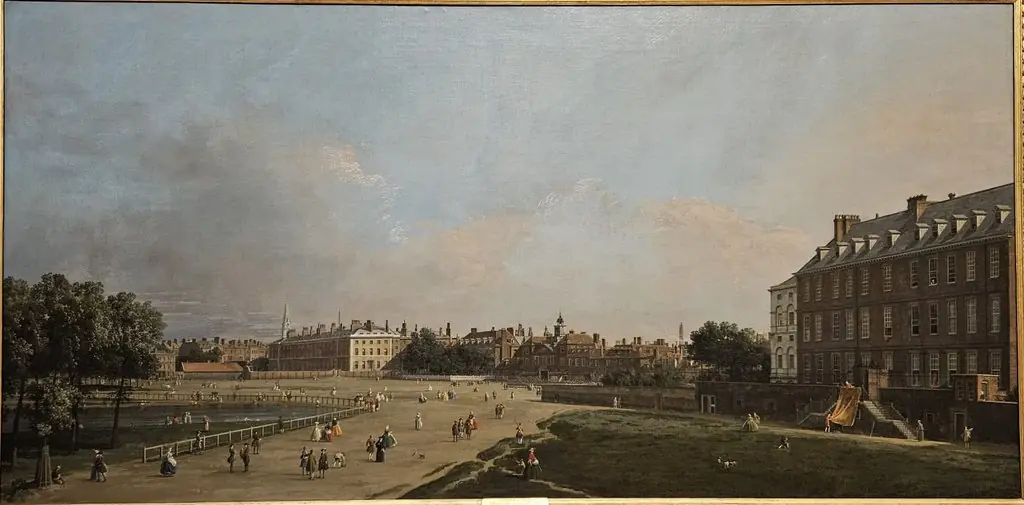 London: the Old Horse Guards from St James's Park
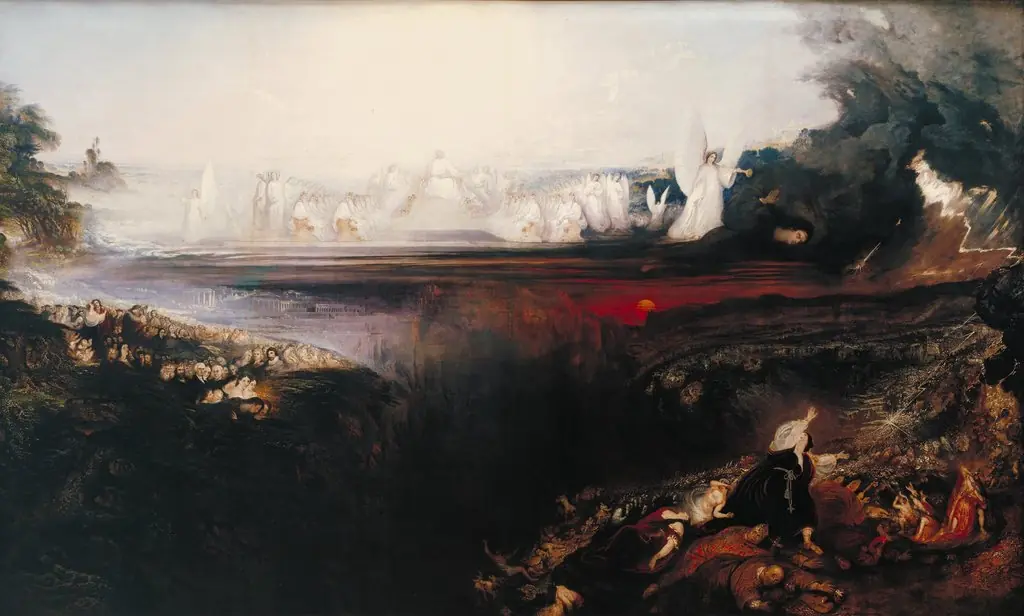 The Last Judgement
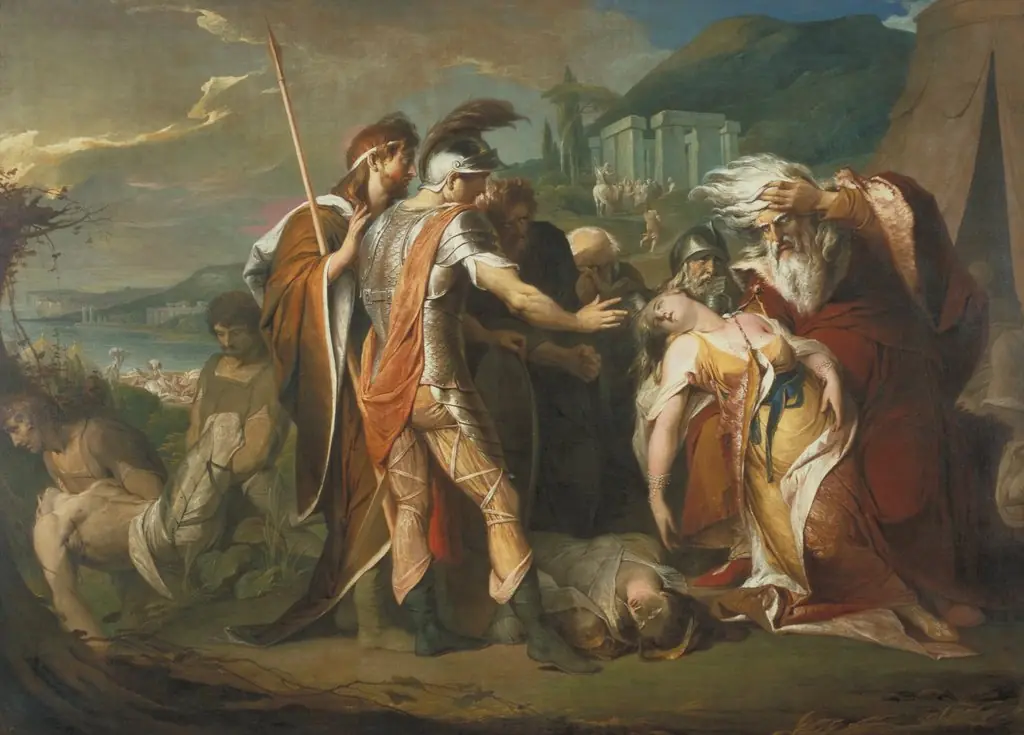 King Lear Weeping over the Dead Body of Cordelia
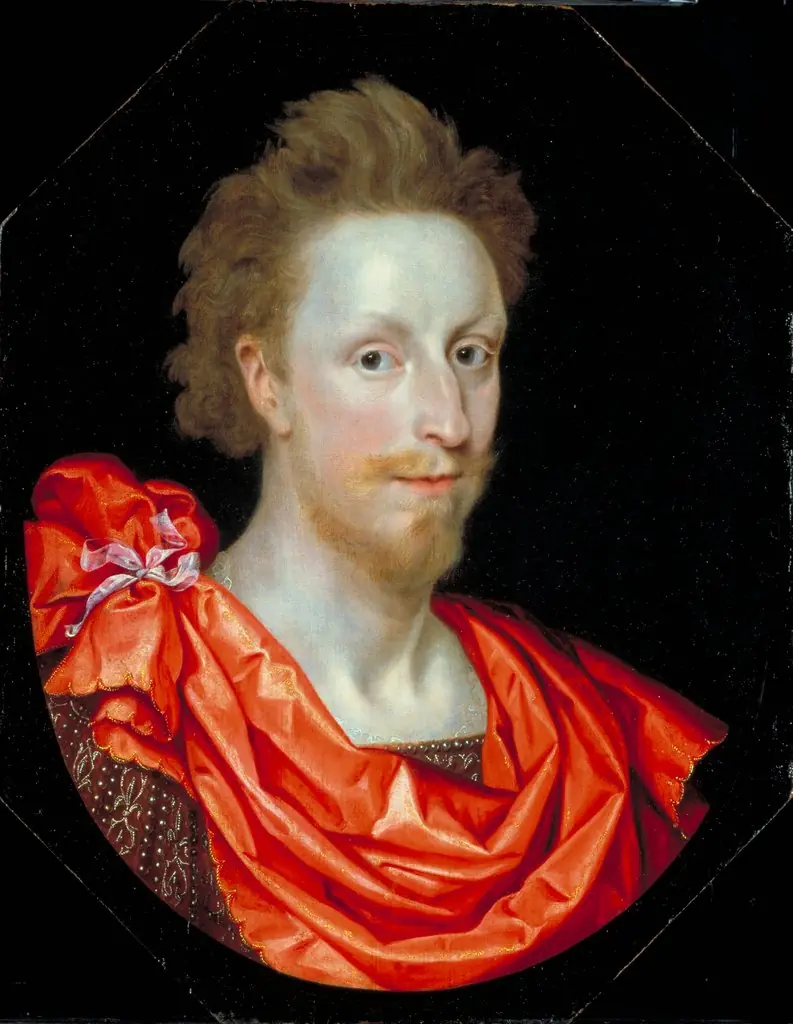 Man in Classical Dress, possibly Philip Herbert, 4th Earl of Pembroke
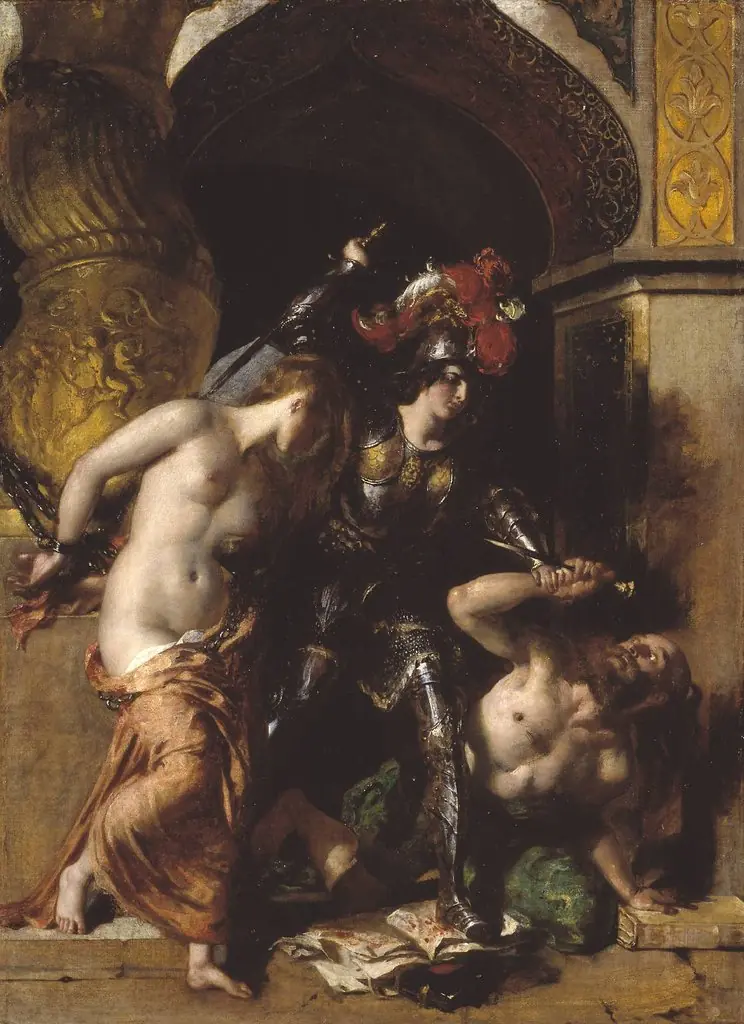 Britomart Redeems Faire Amoret
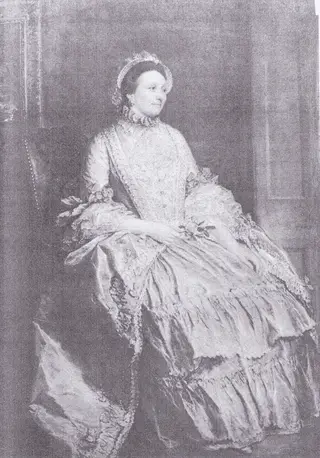 The Wife of William St Quintin
 Horse Devoured by a Lion
 Elijah and the Angel
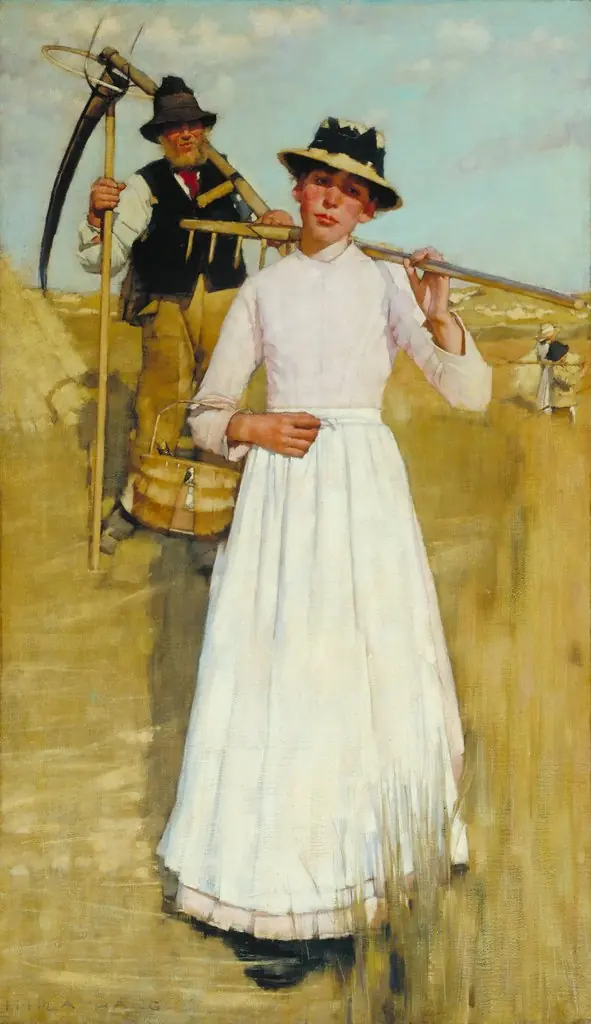 The Return of the Reapers
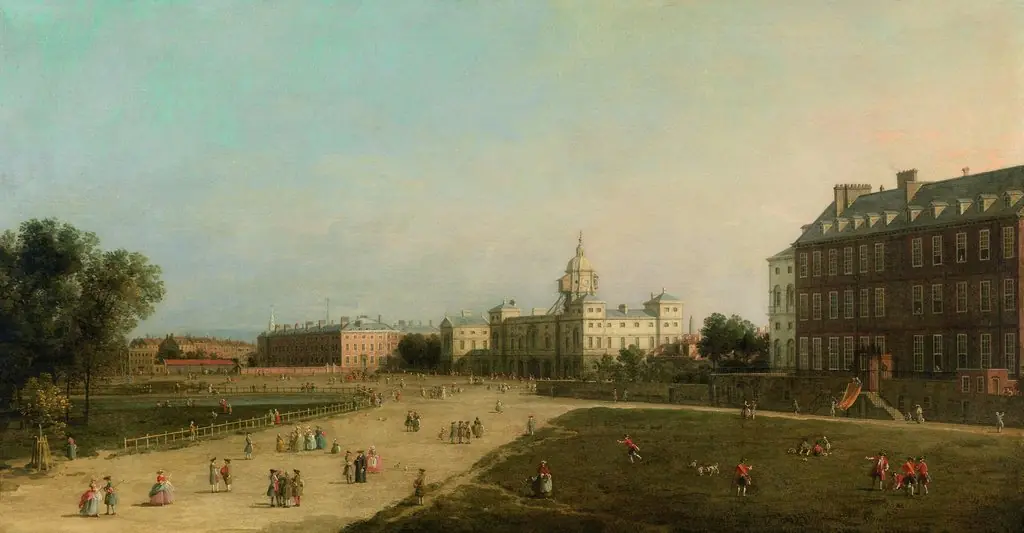 London: the New Horse Guards from St James's Park
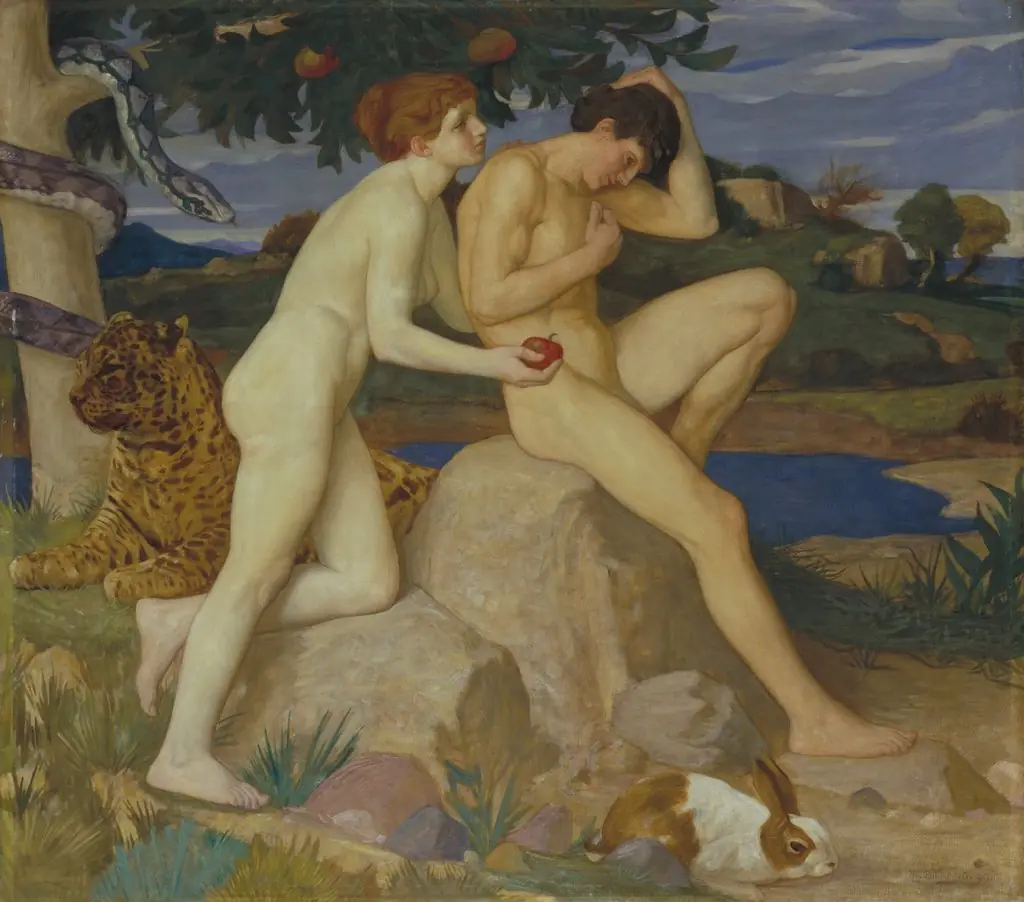 The Temptation
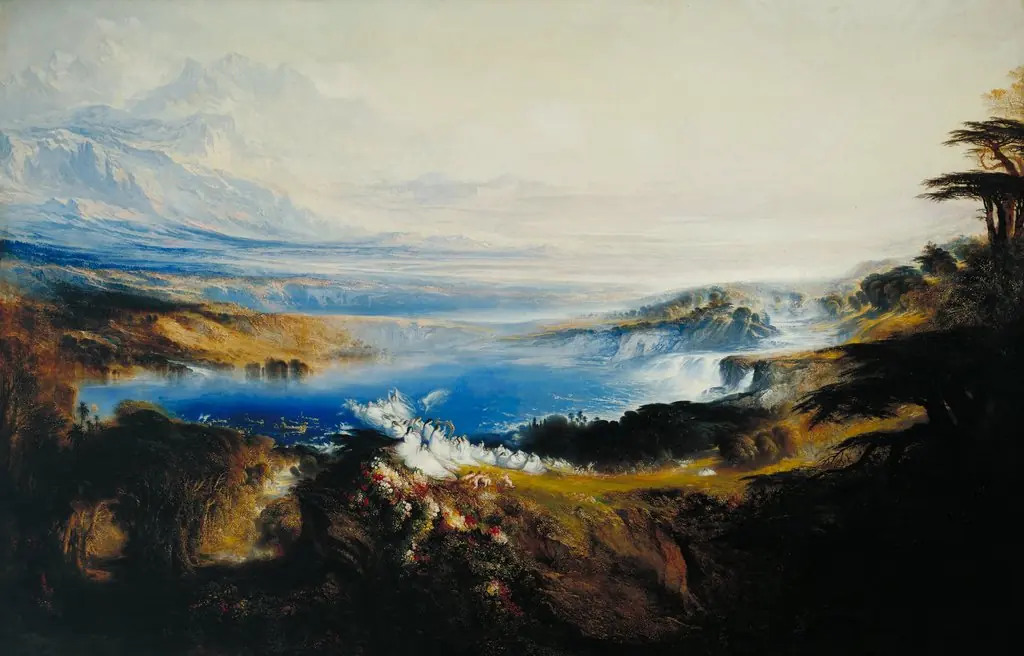 The Plains of Heaven
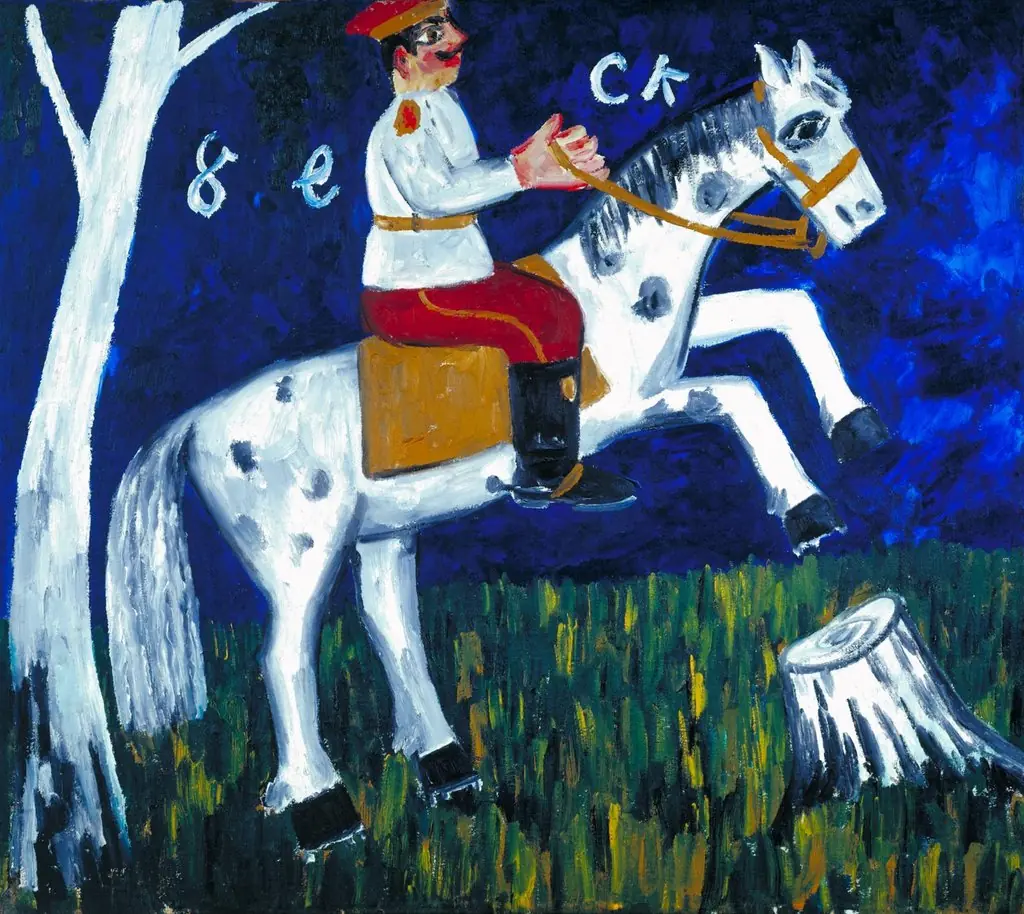 Soldier on a Horse
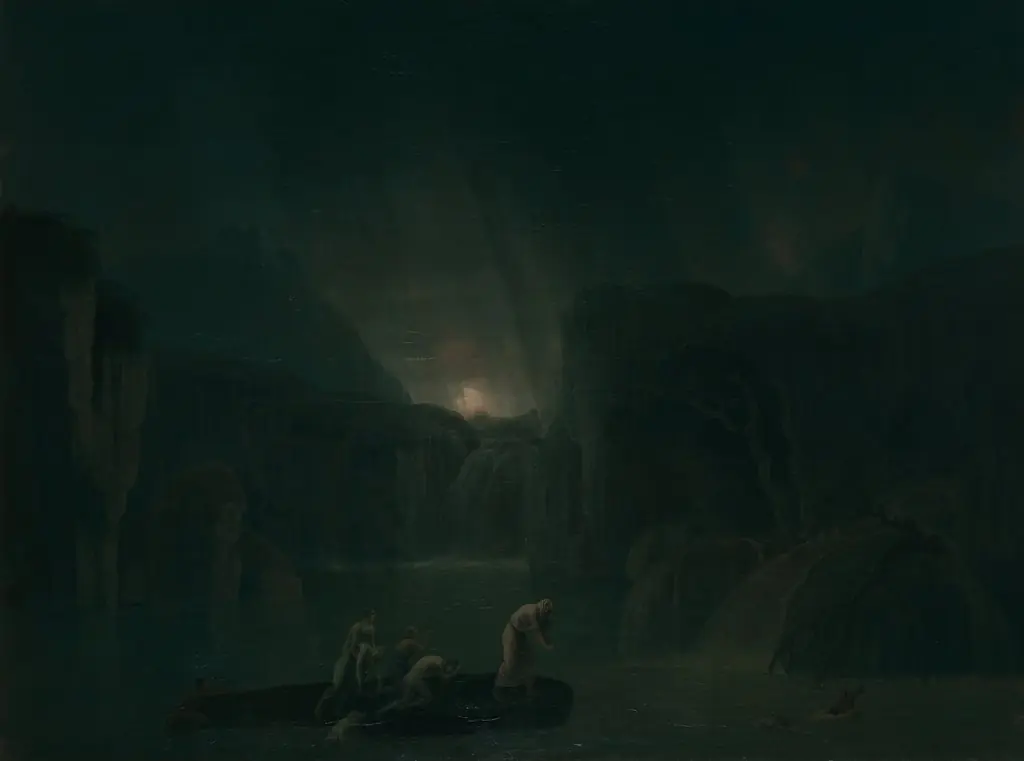 The Deluge
 Standing Female Nude
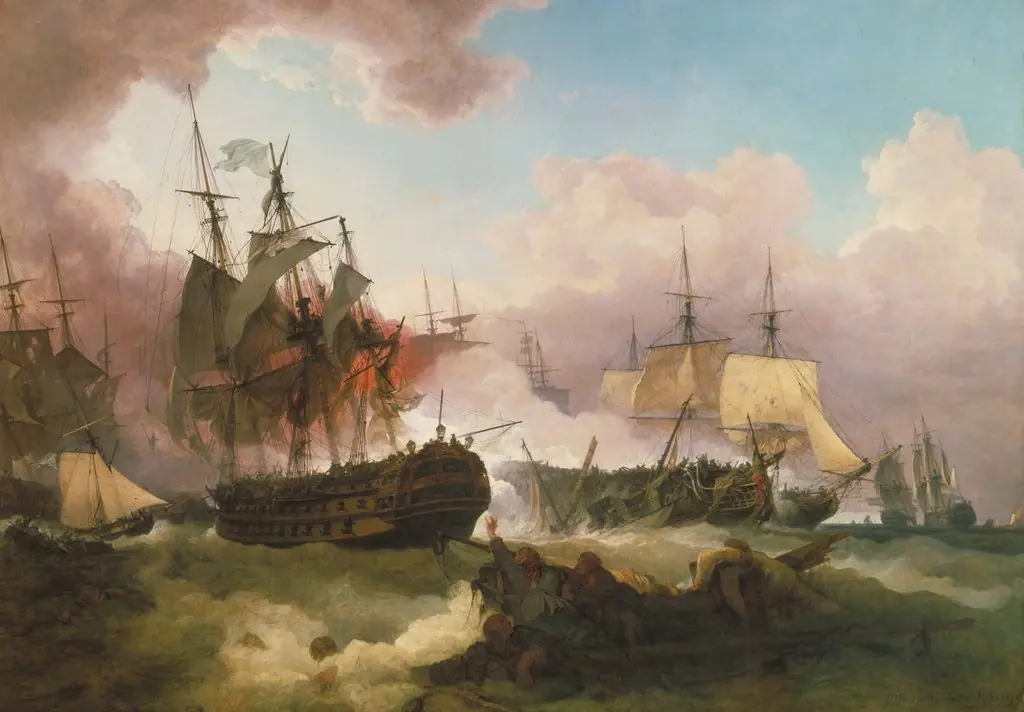 The Battle of Camperdown
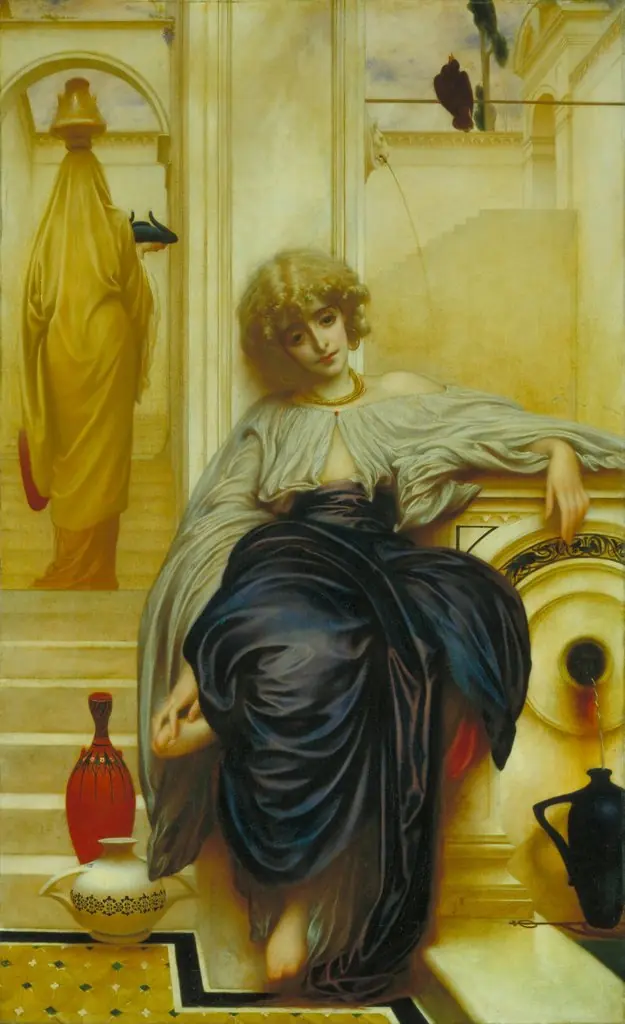 Lieder ohne Worte
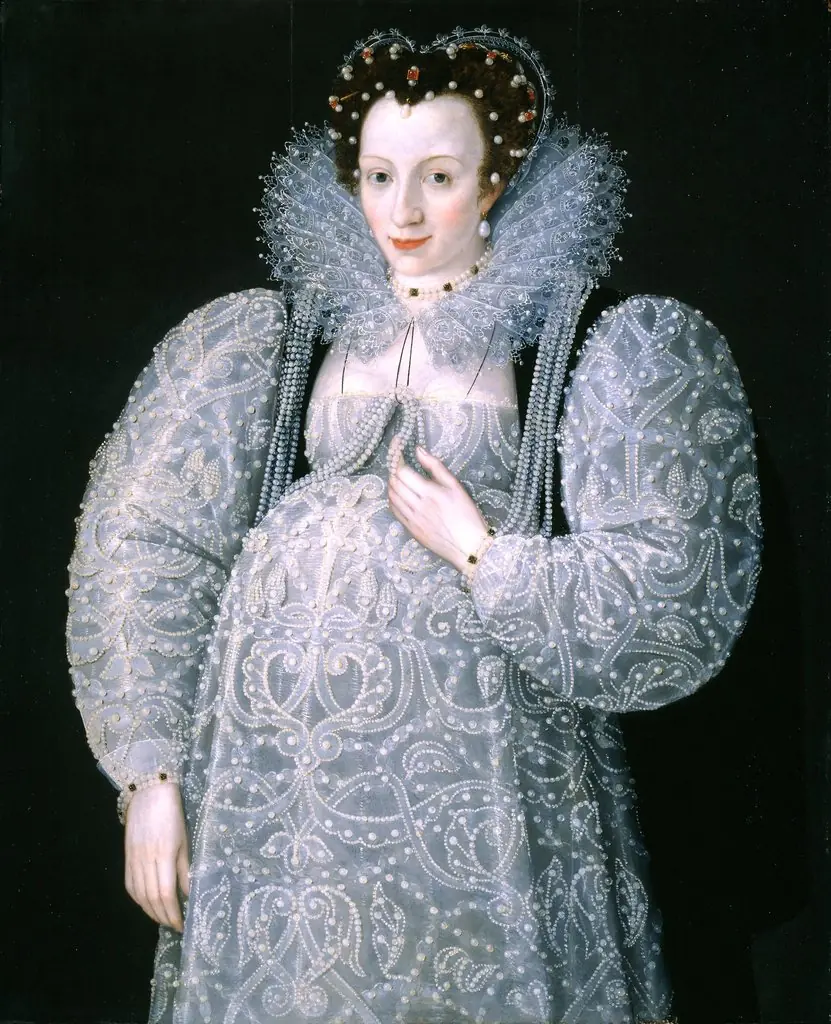 Unknown Lady
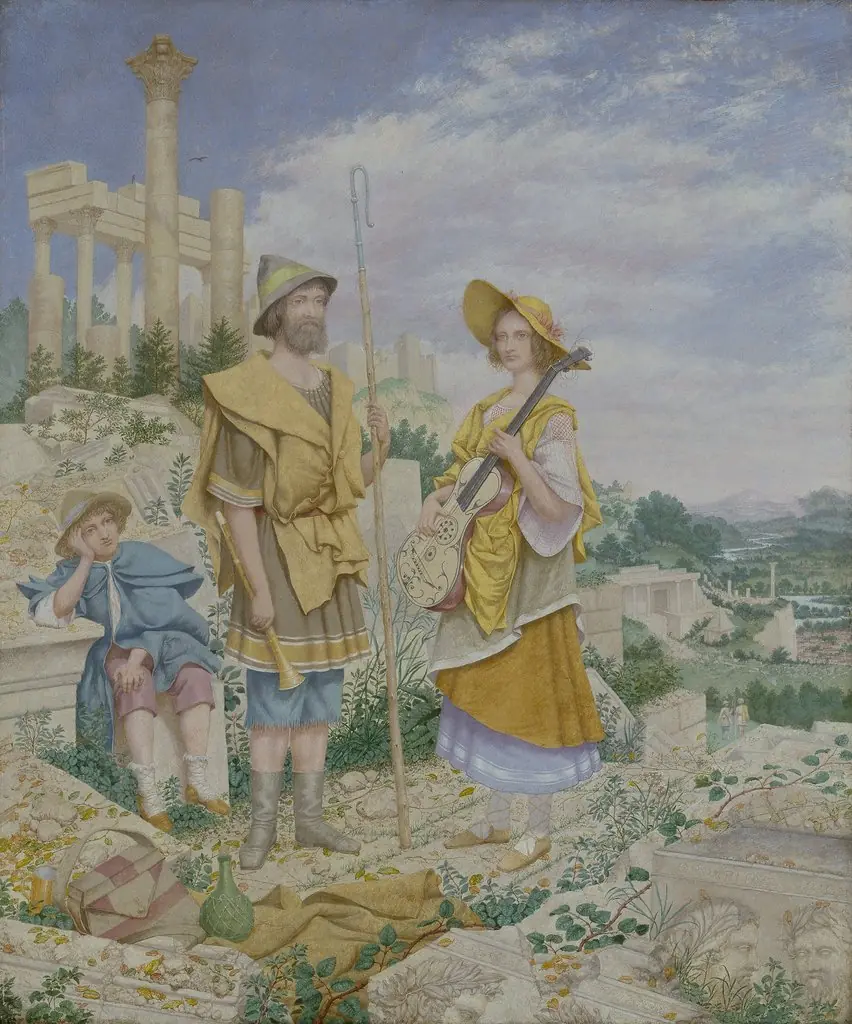 Wandering Musicians
 Volendam, Holland, from the Zuidende
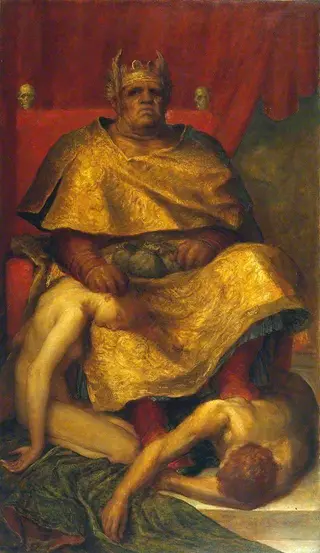 Mammon
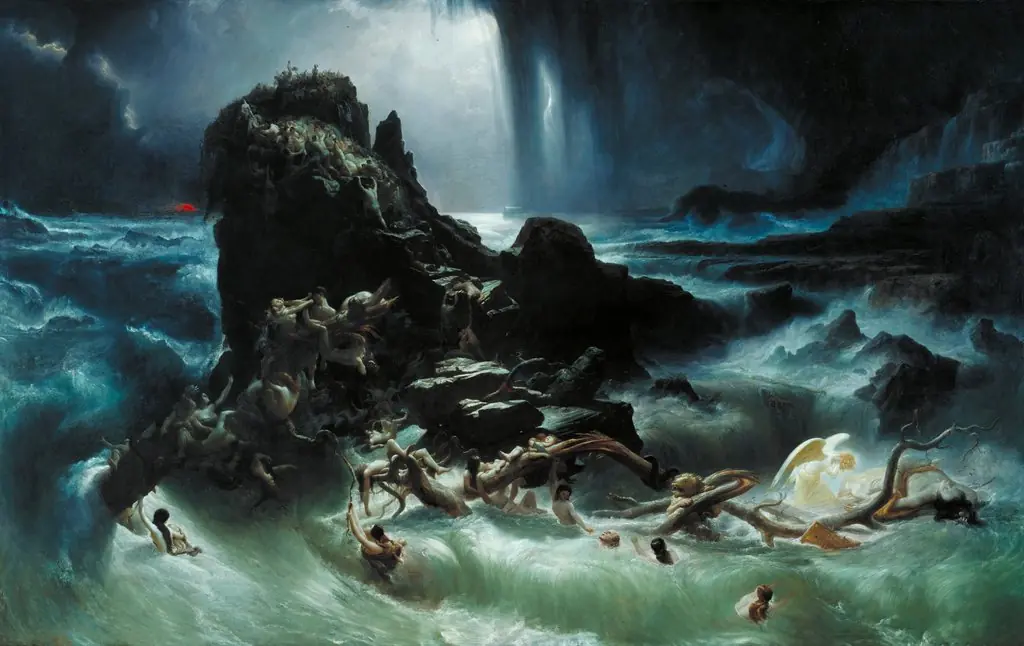 The Deluge
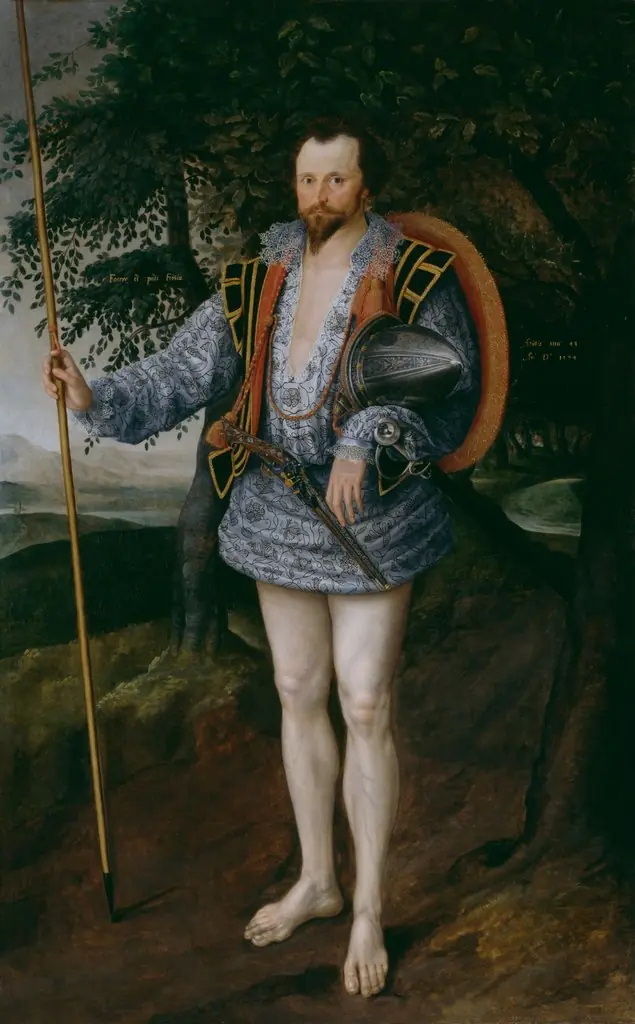 Portrait of Captain Thomas Lee
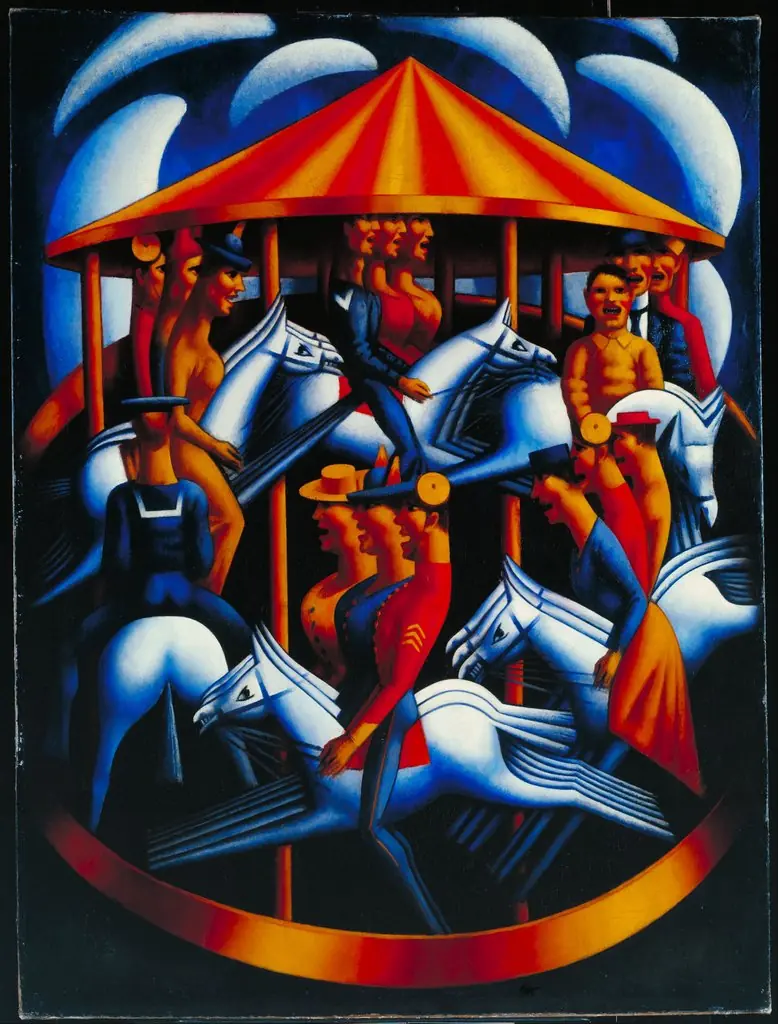 Merry-Go-Round
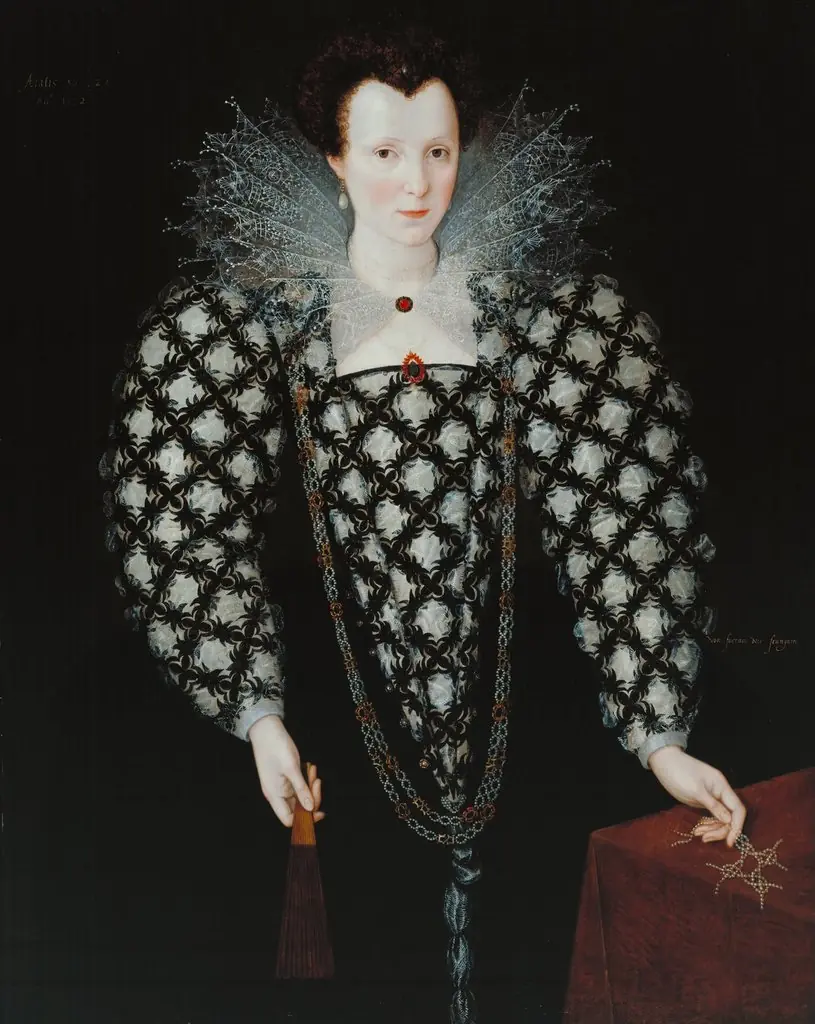 Mary Rogers, Lady Harington
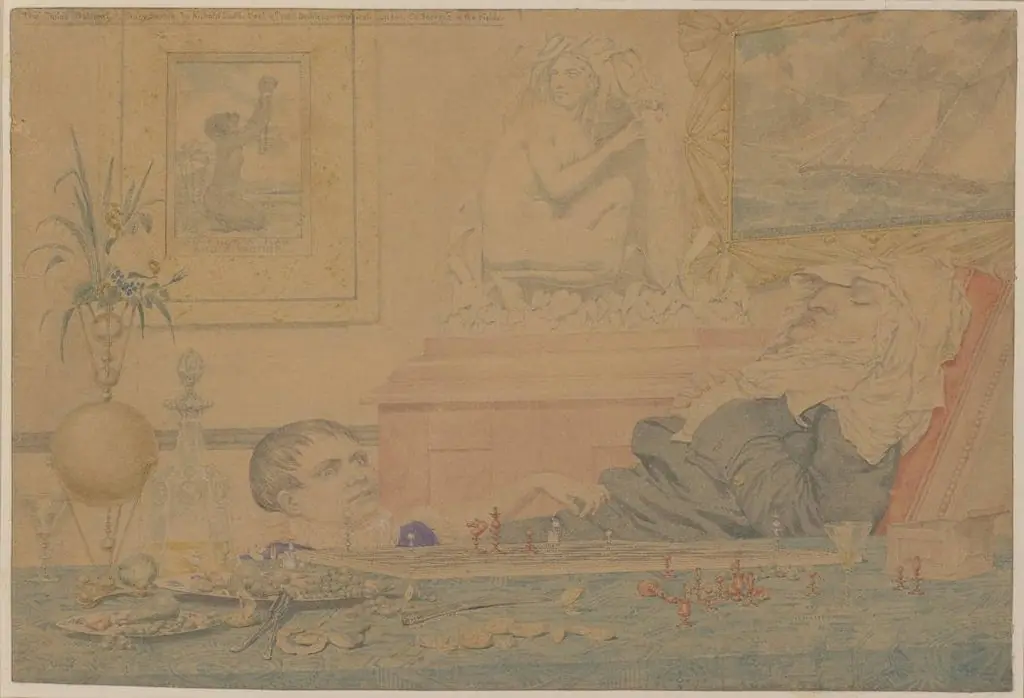 The Child’s Problem
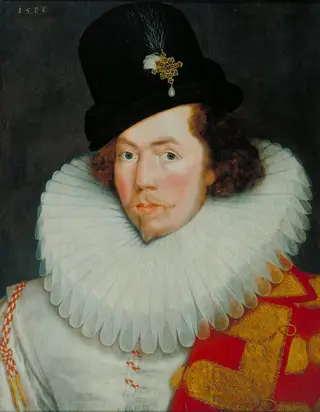 Sir Henry Unton
Plan your visit
Tate
- Website
- www.tate.org.uk
- Get Tickets
- Book on Tiqets
We may earn a commission from ticket bookings, at no extra cost to you.
What's on
Discover seven decades of joyful works by Argentinian artist Julio Le Parc, which turns visitors into active participants Tate Modern
11 Jun 2026 – 3 May 2027
We may earn a commission from ticket bookings, at no extra cost to you.