Artwork
Henry C. Ranney
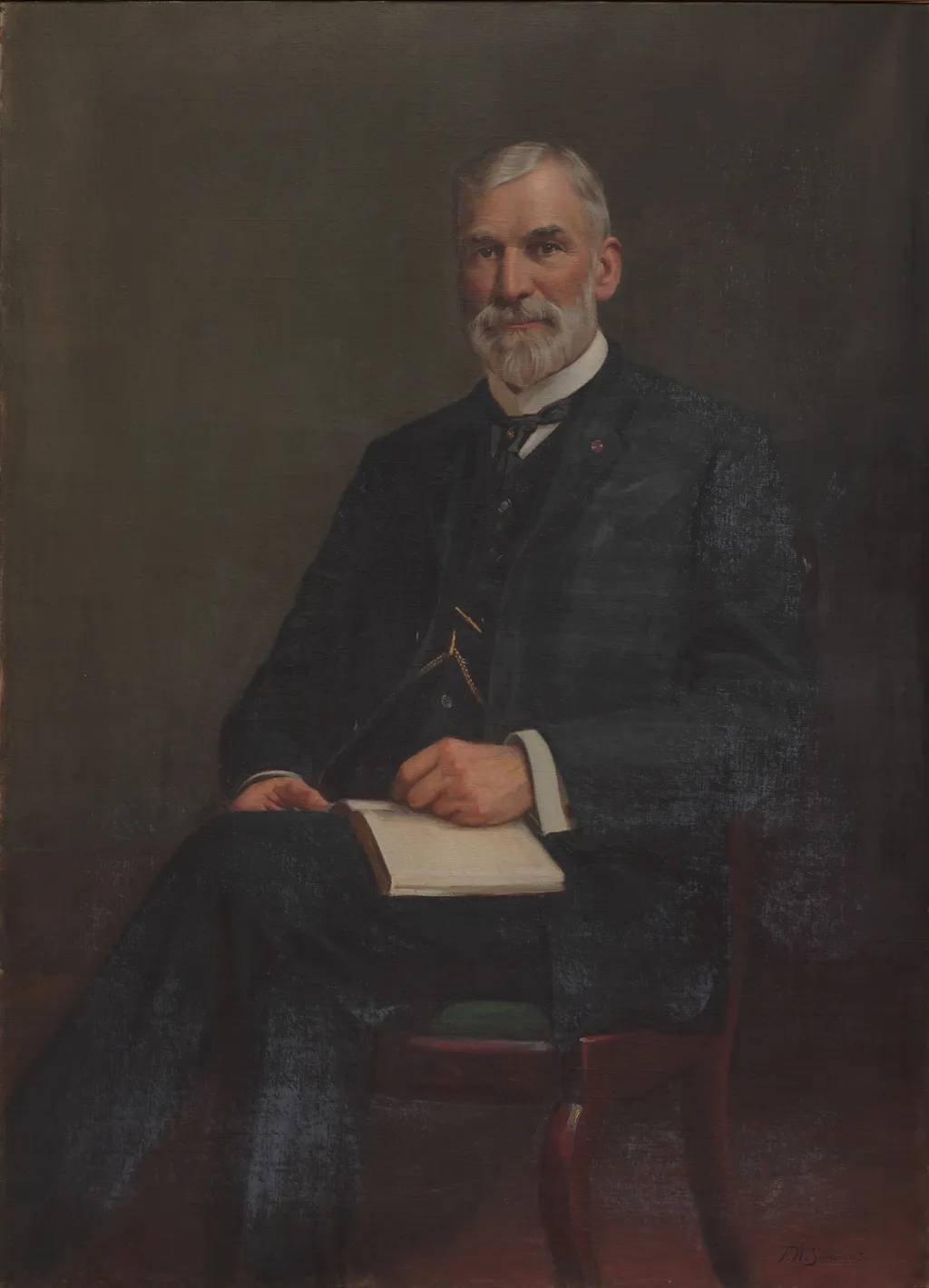
Henry C. Ranney is an oil painting by the American Impressionist artist Freeman Willis Simmons. It dates from 1913 and is held in the collection of the Cleveland Museum of Art.
About this work
Technique & Style
The medium and support are documented as oil paint on canvas, with no further details provided on handling, condition, or stylistic qualities.
Henry C. Ranney is an oil painting on canvas executed by Freeman Willis Simmons in 1913. The work is classified as a painting and measures 139.7 cm in height by 101.6 cm in width. It was produced in Cleveland and is held in the collection of the Cleveland Museum of Art.
The medium and support are documented as oil paint on canvas, with no further details provided on handling, condition, or stylistic qualities.
History & Provenance
The portrait of Henry C. Ranney by Freeman Willis Simmons was created in 1913, as indicated by the work’s internal documentation and the Cleveland Museum of Art’s records.
Ownership of the painting passed to the Cleveland Museum of Art in 1916, where it has remained in the institution’s collection. The painting is oil on canvas and measures 139.7 cm in height by 101.6 cm in width. The work is recorded as having been made in Cleveland, reflecting the artist’s activity in the city during the early 20th century.
The painting Henry C. Ranney by Freeman Willis Simmons is held in the collection of the Cleveland Museum of Art in Cleveland. Its accession number is 1916.898. The work, created in 1913, is executed in oil on canvas and measures 139.7 cm in height by 101.6 cm in width. No specific exhibition history is recorded in the provided sources.
Overview
Freeman Willis Simmons completed the oil painting titled Henry C. Ranney in 1913. The work is part of the collection of the Cleveland Museum of Art. It presents a single figure seated at a desk, rendered in a restrained palette that emphasizes the sitter’s attire and demeanor.
Subject & Meaning
The portrait depicts a man in a dark suit, white shirt, and crisp tie, holding an open book with one hand while a small lapel pin rests on his coat. His solemn expression and the poised placement of the hand suggest a professional role, likely within the legal or judicial sphere, conveying authority and contemplation.
Own this work as a print
Artist & collection

 Portret (Constantin Lahovari, fost președinte al societății Ileana?)
 Charles Martin Strick Humphreys
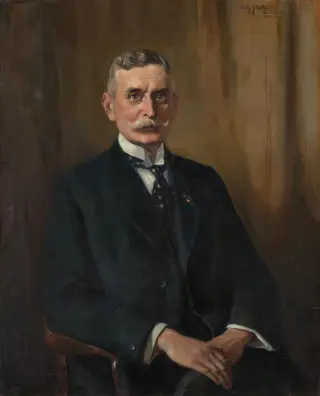 Jacob Christiaan Koningsberger (1867-1951). Chairman of the People's Council (1918-19)
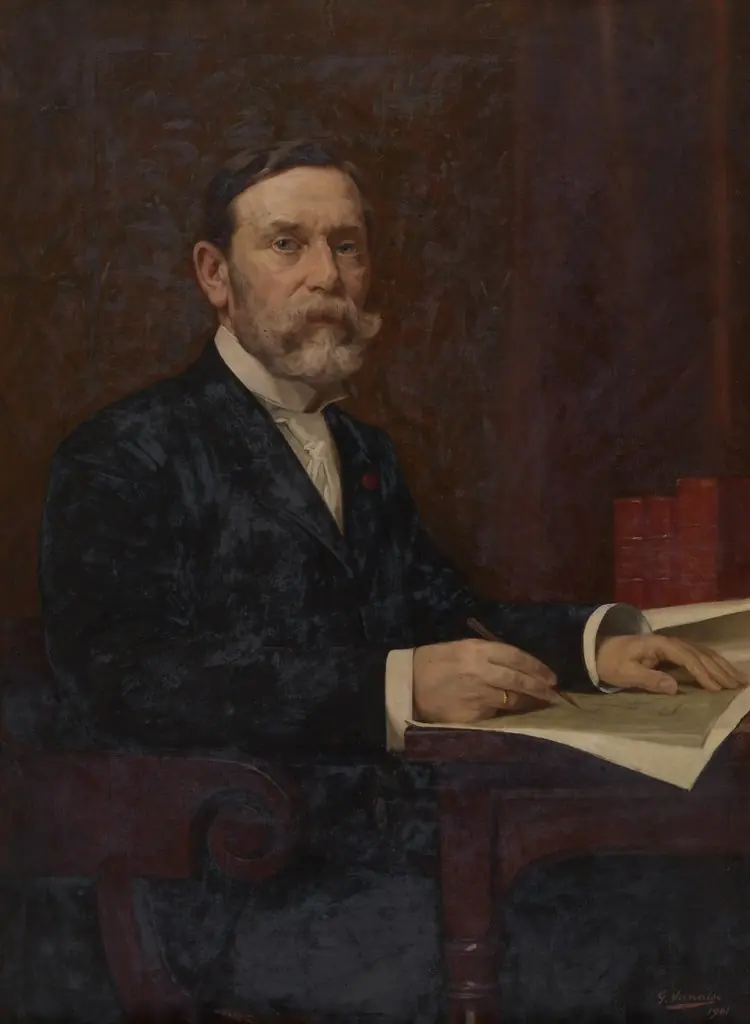 The Architect Leonard Blomme
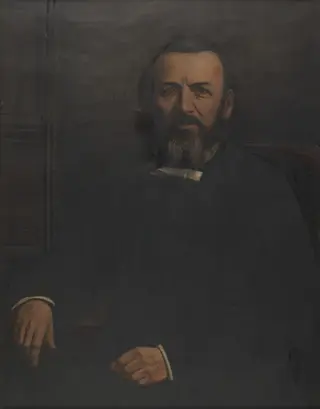 Reverend David Phillips
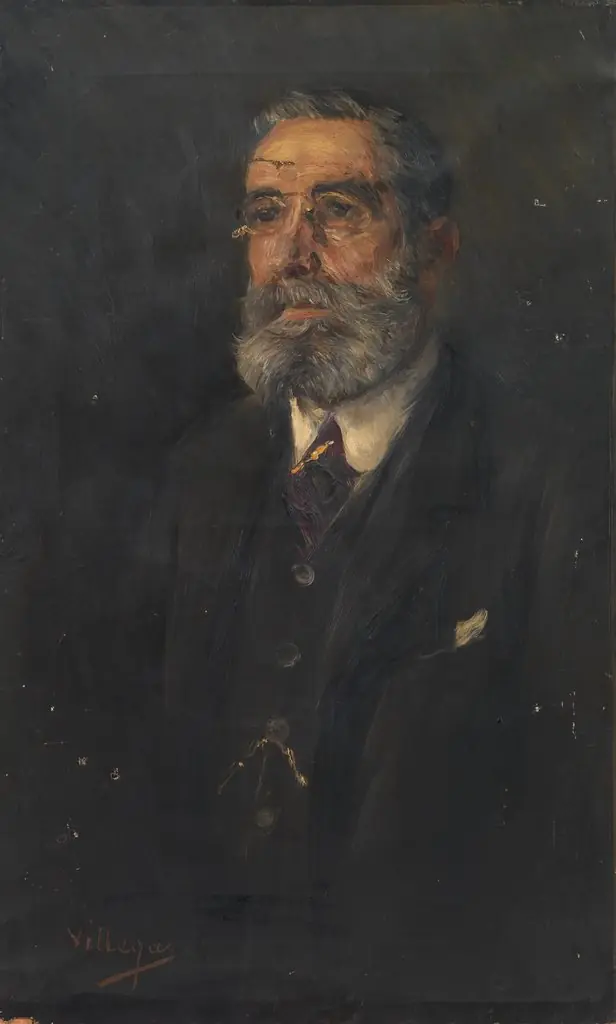 Gregorio Salcedo Viana
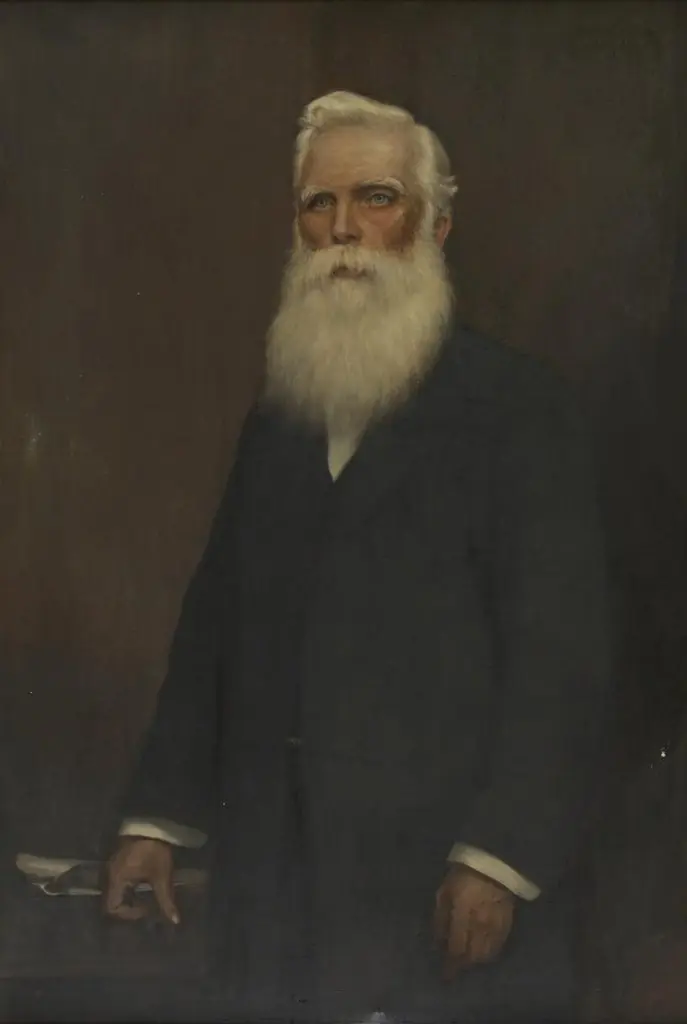 Rev. David Rowlands
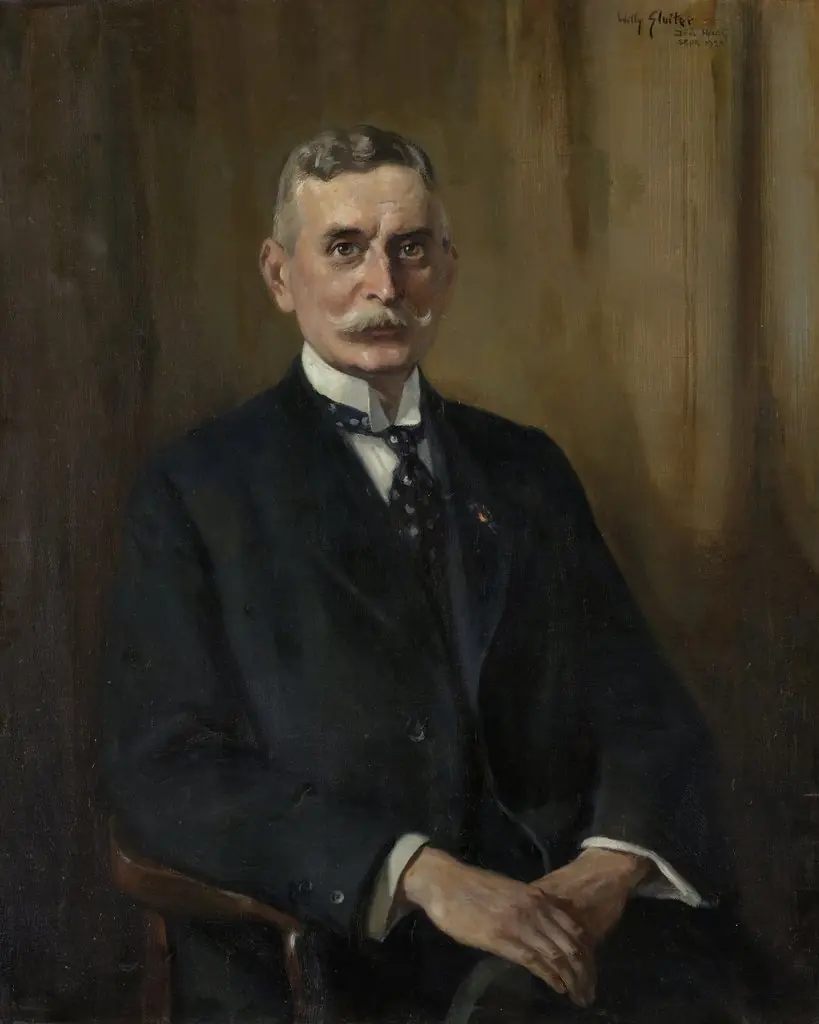 Jacob Christiaan Koningsberger (1867-1951). Chairman of the People's Council (1918-19)
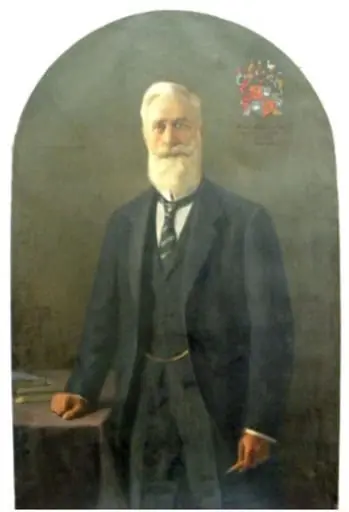 Szentkereszthy Béla
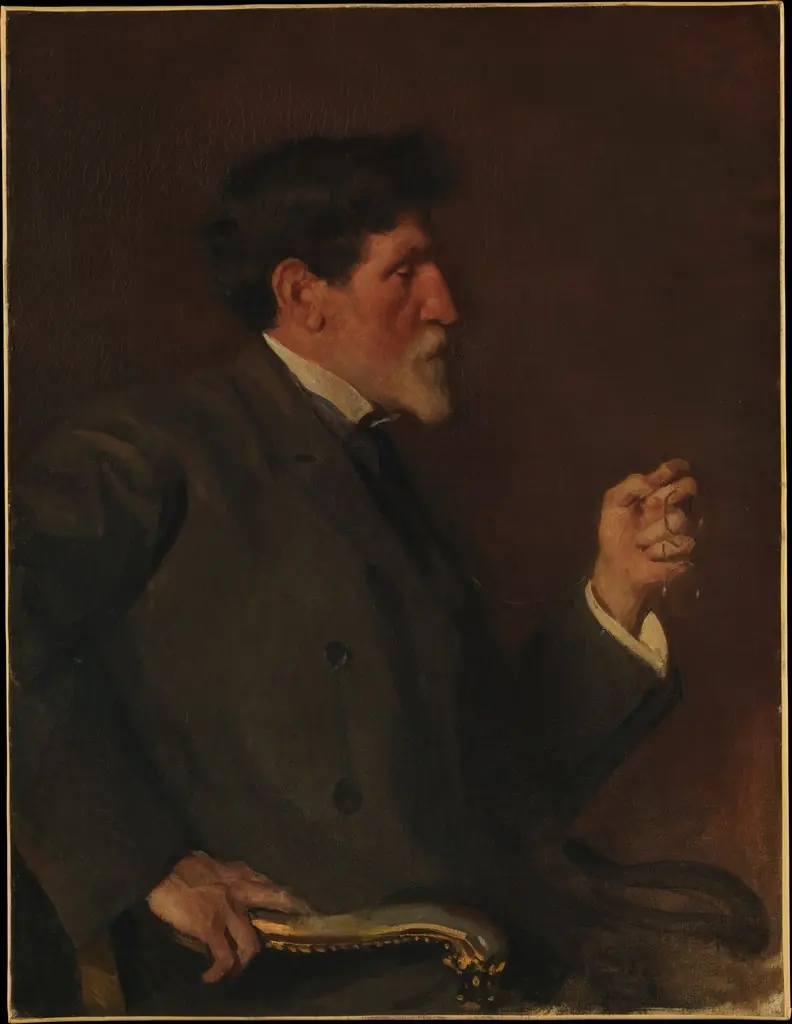 Portrait of Augustus Saint-Gaudens
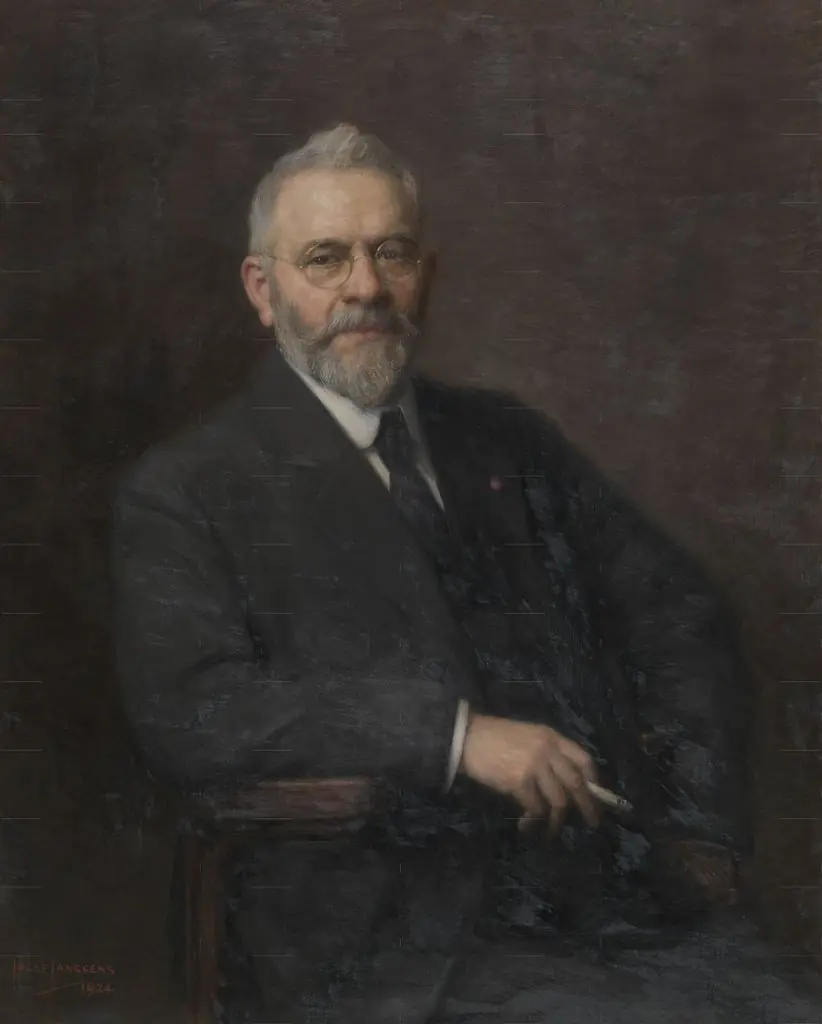 Portrait of the engraver Frans Lauwers
- Henry George