Artwork
Vignette for Title Page of Balthasar Cordier, Catena Patrum Graecorum in Sanctum Ioannem
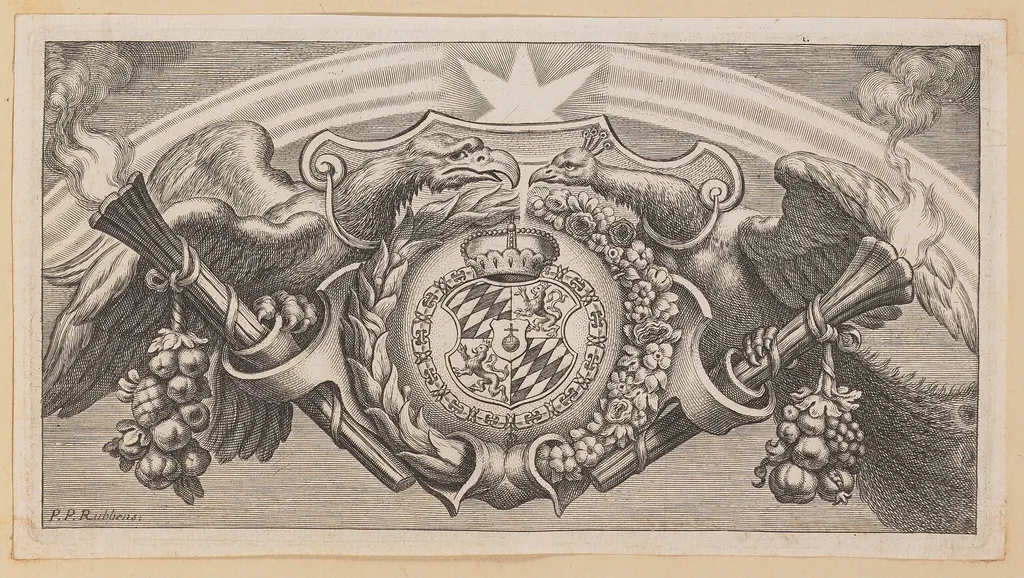
Vignette for Title Page of Balthasar Cordier, Catena Patrum Graecorum in Sanctum Ioannem is an ink print by the Baroque artist Cornelis Galle I. It dates from 1630 and is held in the collection of the National Gallery of Art. Cornelis Galle the Elder produced this title‑page vignette in 1630 as an engraving on laid paper.
About this work
Overview
Cornelis Galle the Elder produced this title‑page vignette in 1630 as an engraving on laid paper. The print functions as a decorative frontispiece for Balthasar Cordier’s Catena Patrum Graecorum in Sanctum Ioannem, presenting an elaborate heraldic composition that frames the book’s title.
Subject & Meaning
The central element is a shield bearing a cross and inscribed letters, flanked by two feather‑capped helmets. Beneath, a scroll‑like banner carries additional lettering. Surrounding the central devices are ornamental swirls, grape clusters, and foliage, typical of emblematic motifs that convey authority and scholarly prestige in early modern publications.
Technique & Style
Executed with fine, closely spaced lines, the engraving achieves a rich tonal range through cross‑hatching and stippling. The precision of the line work renders the heraldic details and vegetal ornamentation with clarity, reflecting the meticulous approach characteristic of Flemish printmaking in the early seventeenth century.
History & Provenance
Galle, trained by his father Philip Galle and later influenced by his time in Rome, created the vignette after returning to Antwerp, where he worked as both engraver and printseller. The print was likely issued as a proof for the first edition of Cordier’s work, circulating among scholars and collectors of patristic texts.
Context
The vignette exemplifies the collaborative nature of early modern book production, where engravers supplied ornamental frontispieces to complement theological texts. Its elaborate heraldic scheme aligns with contemporary practices in Flemish publishing, where visual authority reinforced the scholarly content of religious compilations.
Artist & collection

Artist
Cornelis Galle the Elder (1576 – 29 March 1650), a younger son of Philip Galle, was born at Antwerp in 1576, and was taught engraving by his father.

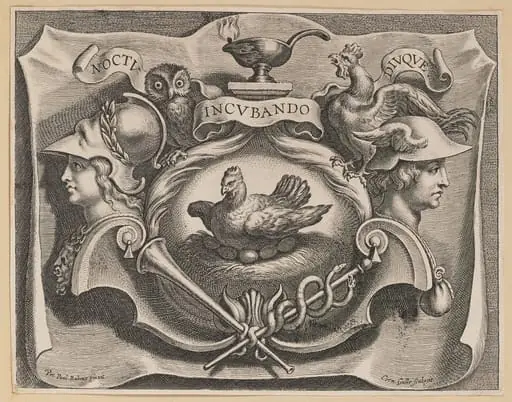 Vignette for the Title Page of Martinus Bonacina, Opera Omnia
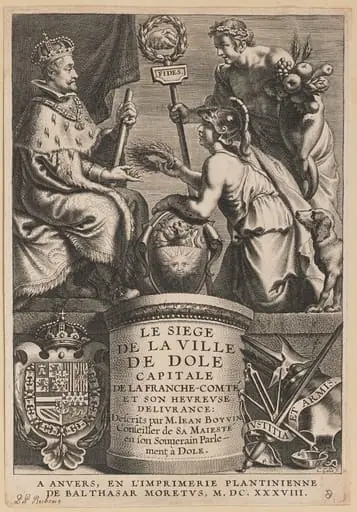 Title Page for Jean Boyvin, Le Siege de la Ville de Dole
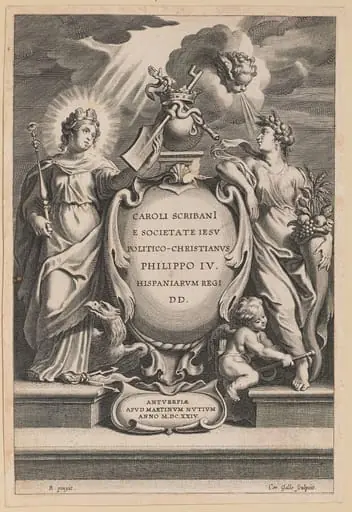 Title Page for Carolus Scribani, Politico-Christianus
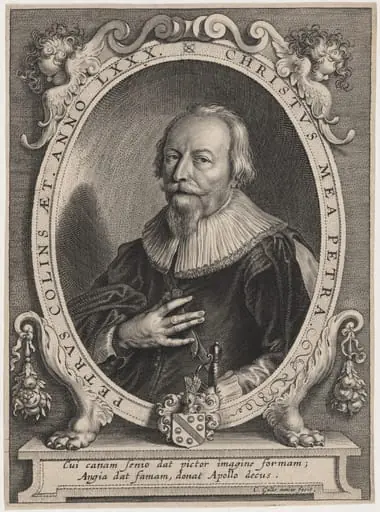 Petrus Collins
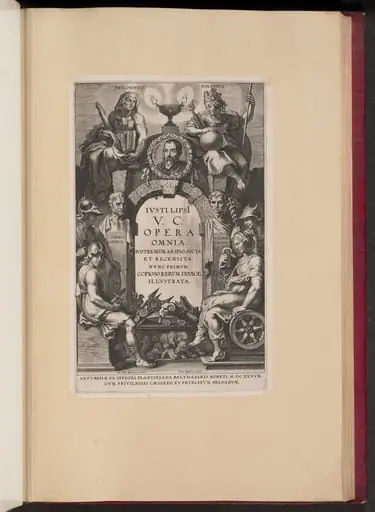 Title Page for Justus Lipsius, Opera Omnia, I
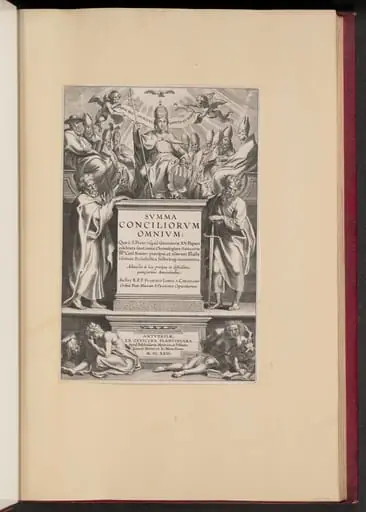 Title Page for F. Longo a Coriolano's "Svmma Conciliorvm Omnivm"
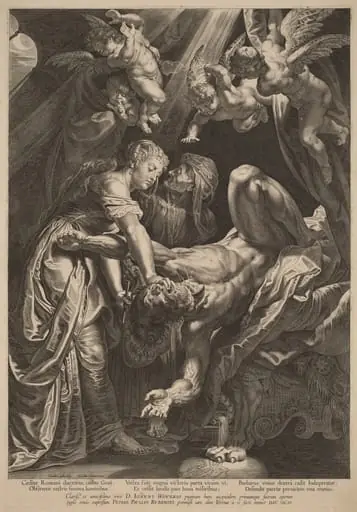 Judith Beheading Holofernes
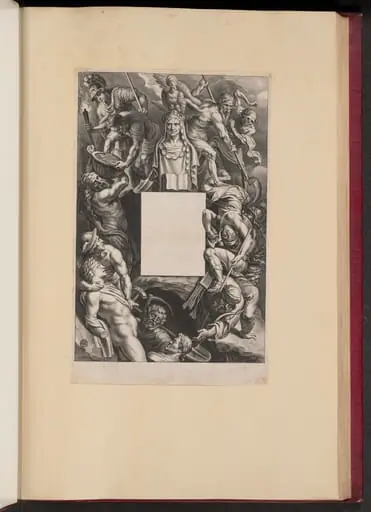 Title Page for Hubert Goltzius, Romanae et Graecae Antiqvitatis Monvmenta (Opera Omnia, I)
- Ornament Fillet
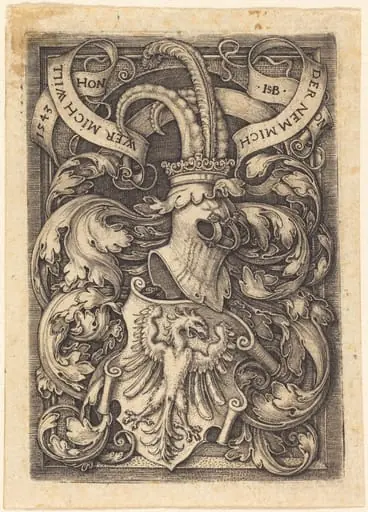 Coat of Arms with an Eagle
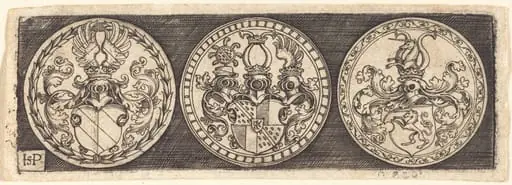 Three Medals with Coats of Arms
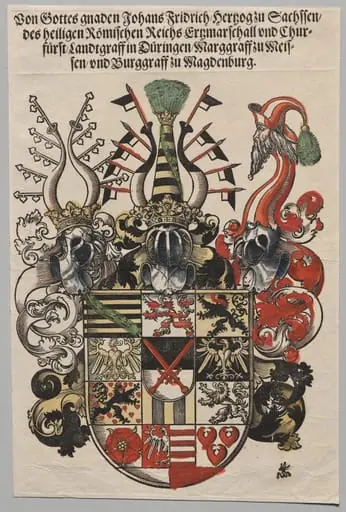 Coat of Arms of John Frederic, Elector of Saxony, called the Magnanimous
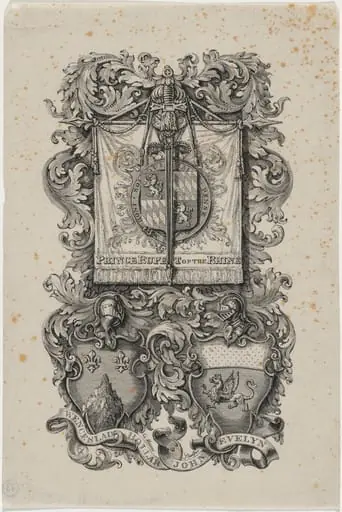 Coat of Arms of Prince Rupert, Hollar and Evelyn
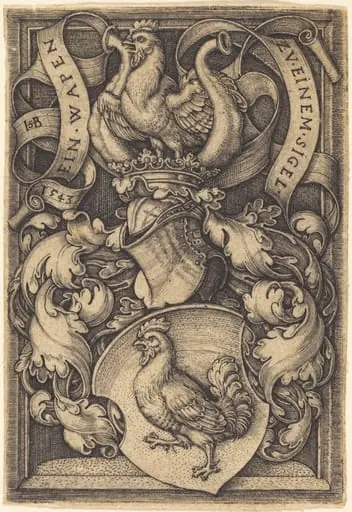 Coat of Arms with a Cock
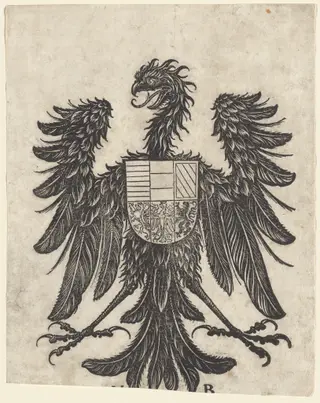 Coat of Arms with a Single Eagle
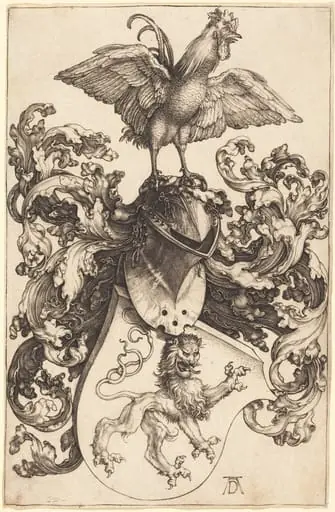 Coat of Arms with a Lion and a Cock
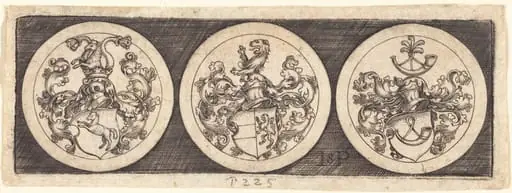 Three Medals with Coats of Arms
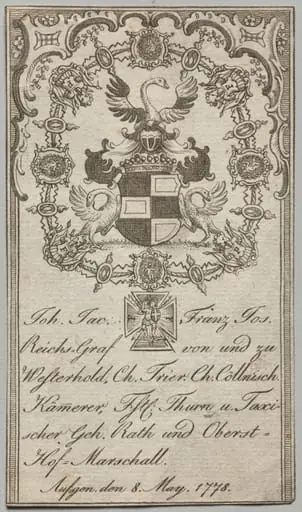 Bookplate: Johan. Jac. Franz-Joseph, Reichs-Graf von Westerhold
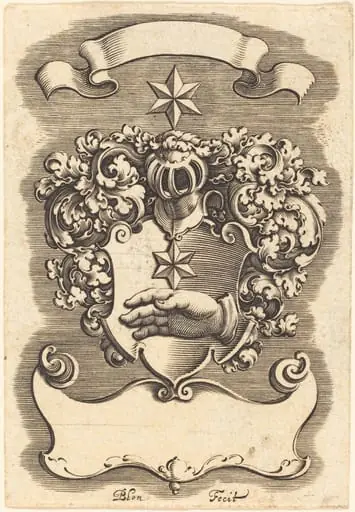 Crest
Crest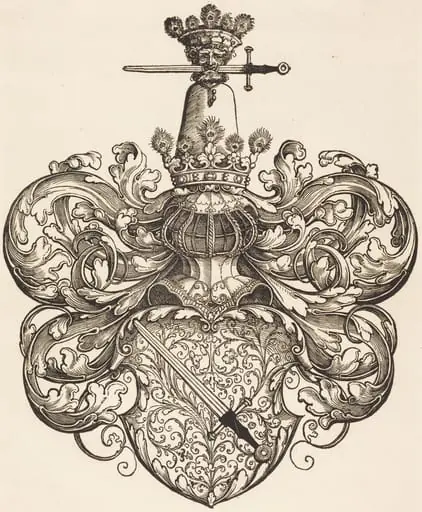 Coat of Arms of the Kress von Kressenstein Family