Subject
Eagle
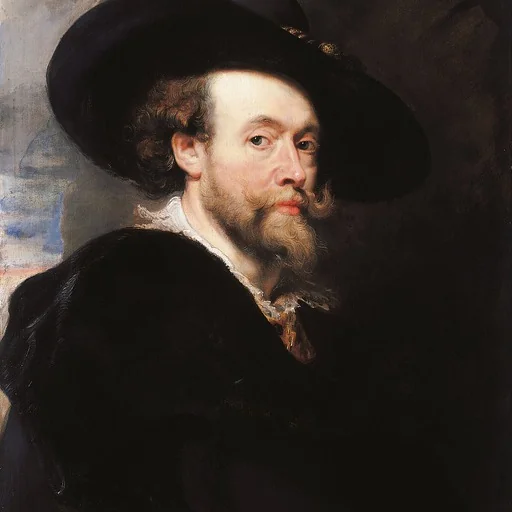
Eagle is a subject in art. The gallery holds 50 works in this subject in art, including works by Peter Paul Rubens, James Peale and Giovanni Battista Tiepolo.
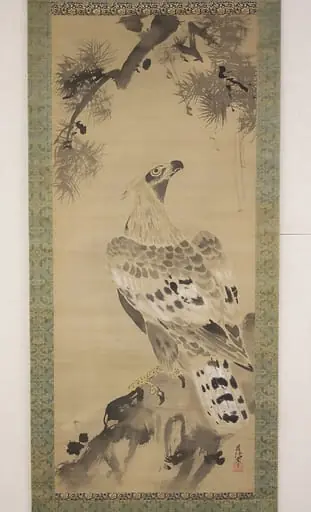
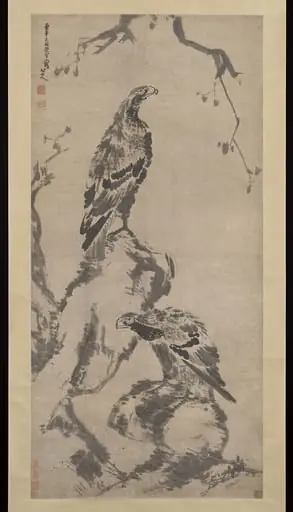
The eagle is among the oldest and most freighted of animal symbols in Western art, valued since antiquity as the king of birds—the creature believed to fly highest, stare into the sun, and carry the messages of heaven. In Greek and Roman myth it was the sacred bird of Zeus/Jupiter, bearing his thunderbolts and serving as his agent on earth; according to Ovid's Metamorphoses, Jupiter himself assumed the form of an eagle to abduct the youth Ganymede, a subject painters returned to for centuries. Rome made the bird an instrument of the state: the silver aquila was the standard of each legion, carried by an aquilifer, and its loss in battle counted as profound disgrace. This fusion of divine authority and imperial power fixed the eagle's core meaning—sovereignty, ascent, and triumph—for the art that followed.
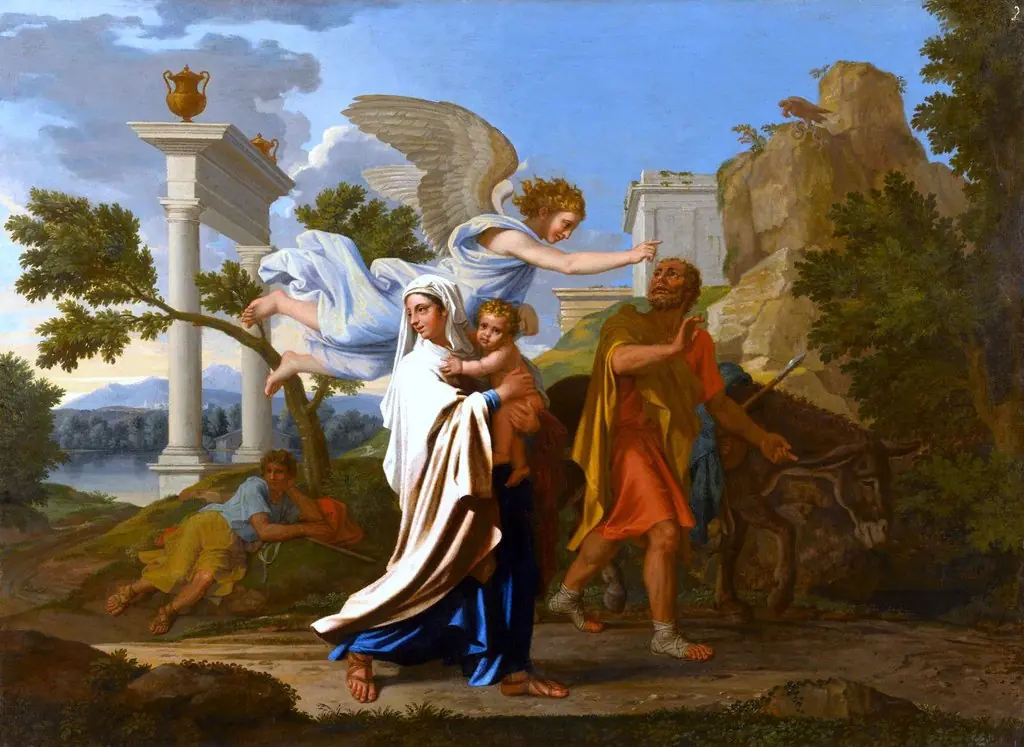
Early Christianity absorbed the motif and gave it new theology. The eagle became the emblem of Saint John the Evangelist, one of the four 'living creatures' of the tetramorph drawn from Revelation, signifying the soaring, visionary character of his Gospel; saints are routinely identified by the bird at their feet, as in Hans Baldung Grien's Saint John on Patmos in this collection. Renaissance and Baroque artists, meanwhile, revived the classical eagle as Jupiter's attribute, where it lends mythological scenes their charge of cosmic power—seen in Peter Paul Rubens's The Origin of the Milky Way and Jean-Baptiste Greuze's Aegina Visited by Jupiter, and famously in Rubens's vertiginous Rape of Ganymede.
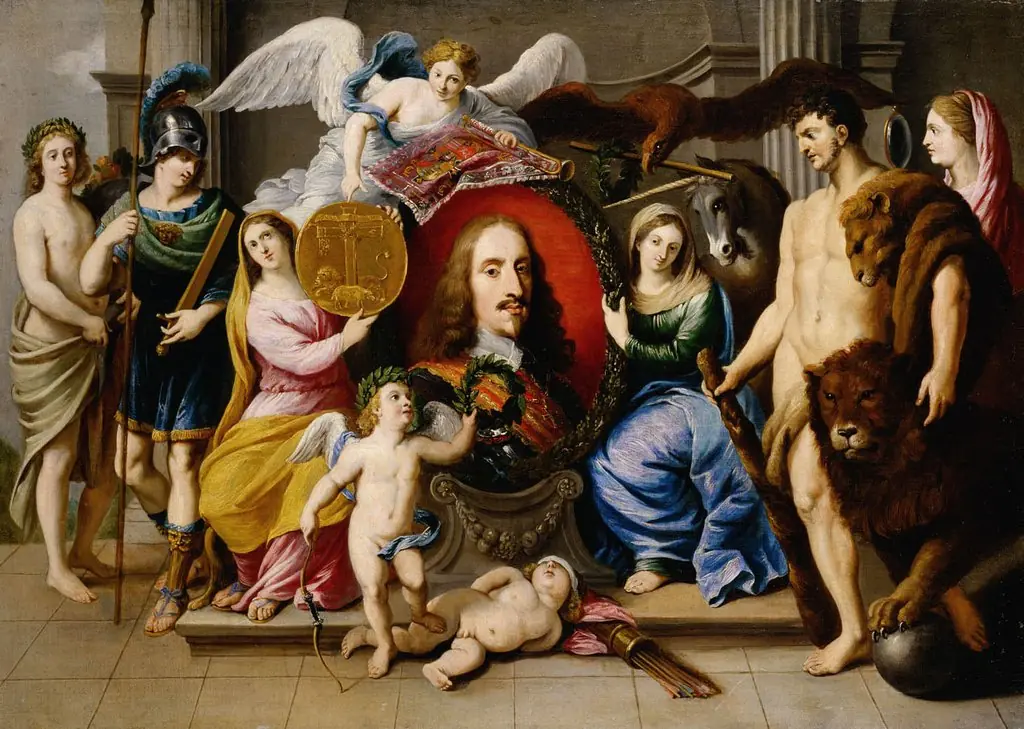
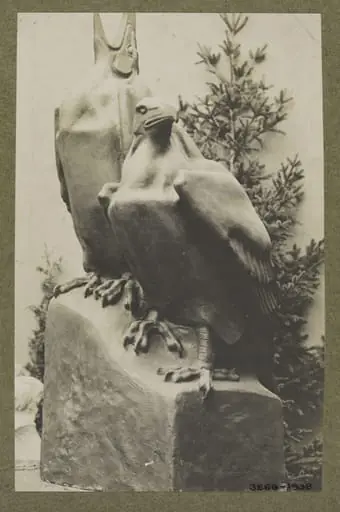
Visually the eagle is rendered for impact: hooked beak, fierce frontal eye, broad outstretched or mantled wings, and gripping talons that often clutch thunderbolts, laurel, or prey. Heraldry abstracted it into the displayed eagle and the double-headed eagle of Byzantium and the later Holy Roman and Russian empires, asserting dominion over east and west. Napoleon revived the Roman aquila for his imperial standards, knotting the bird once more to martial glory.
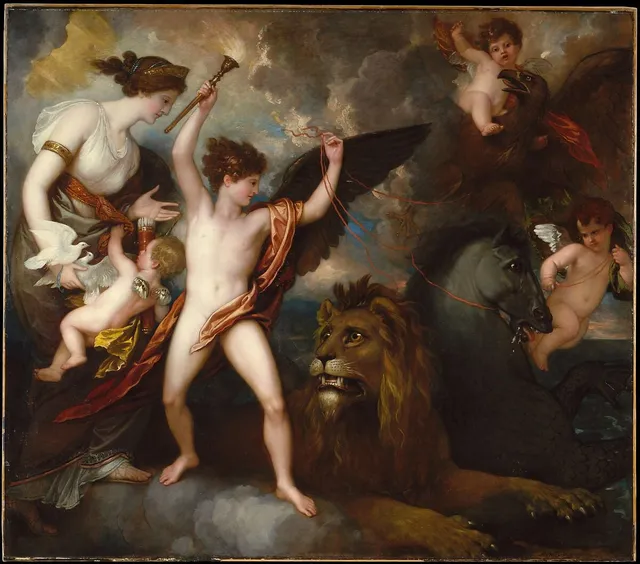
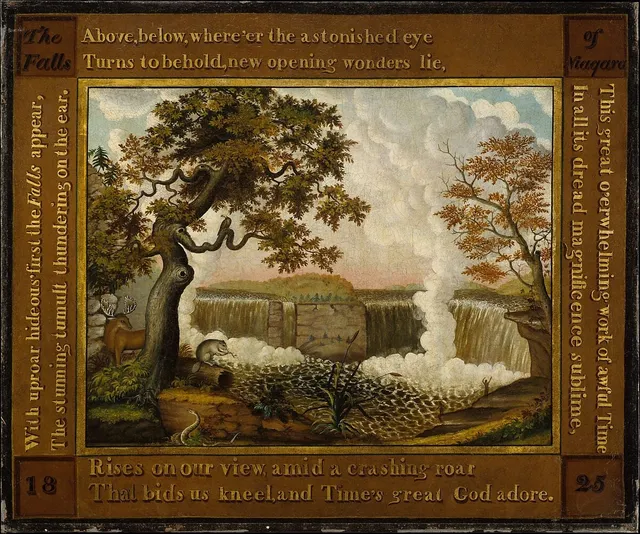
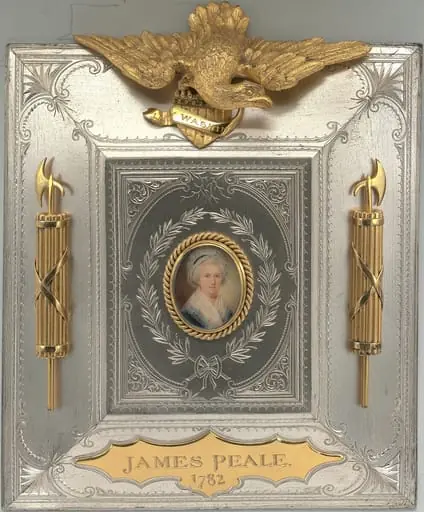
In the New World the eagle was nationalized. The 1782 Great Seal of the United States, finalized by Charles Thomson, placed the American bald eagle—clutching olive branch and arrows beneath 'E pluribus unum'—at the heart of the young republic's iconography. Folk and academic painters alike took it up: Edward Hicks's The Falls of Niagara (c. 1825) sets the eagle among moose, beaver, and rattlesnake as emblems of the New World, while the bird recurs in portraiture and allegory such as Benjamin West's Omnia Vincit Amor. From Jupiter's messenger to civic emblem, the eagle remains art's enduring shorthand for power, vision, and freedom.
Key artists


Works
 Martha Washington
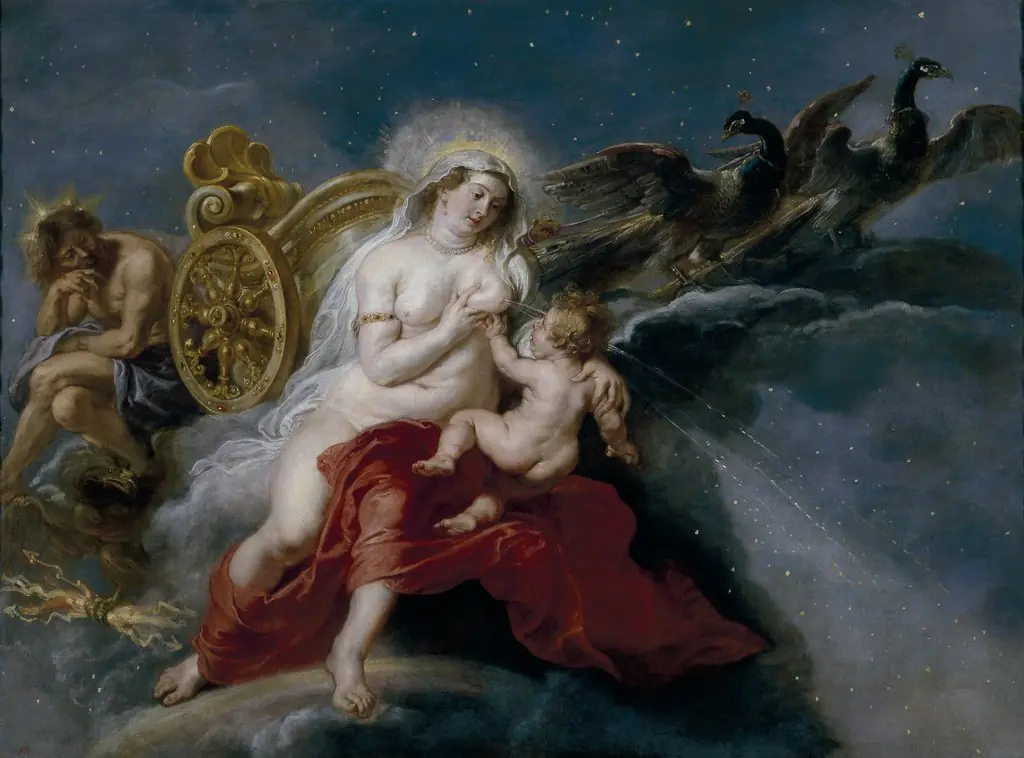 The Origin of the Milky Way
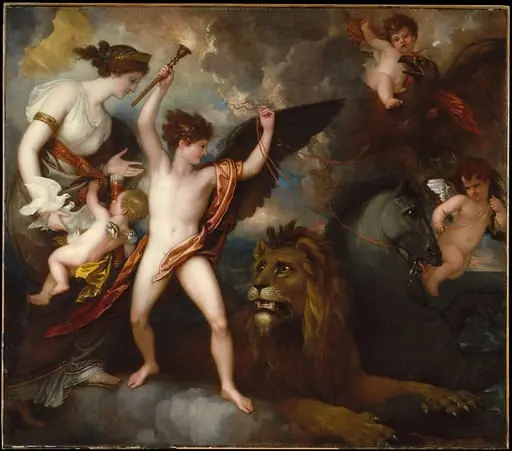 Omnia Vincit Amor, or The Power of Love in the Three Elements
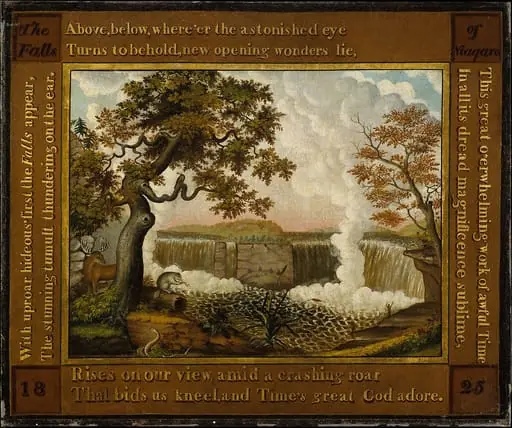 The Falls of Niagara
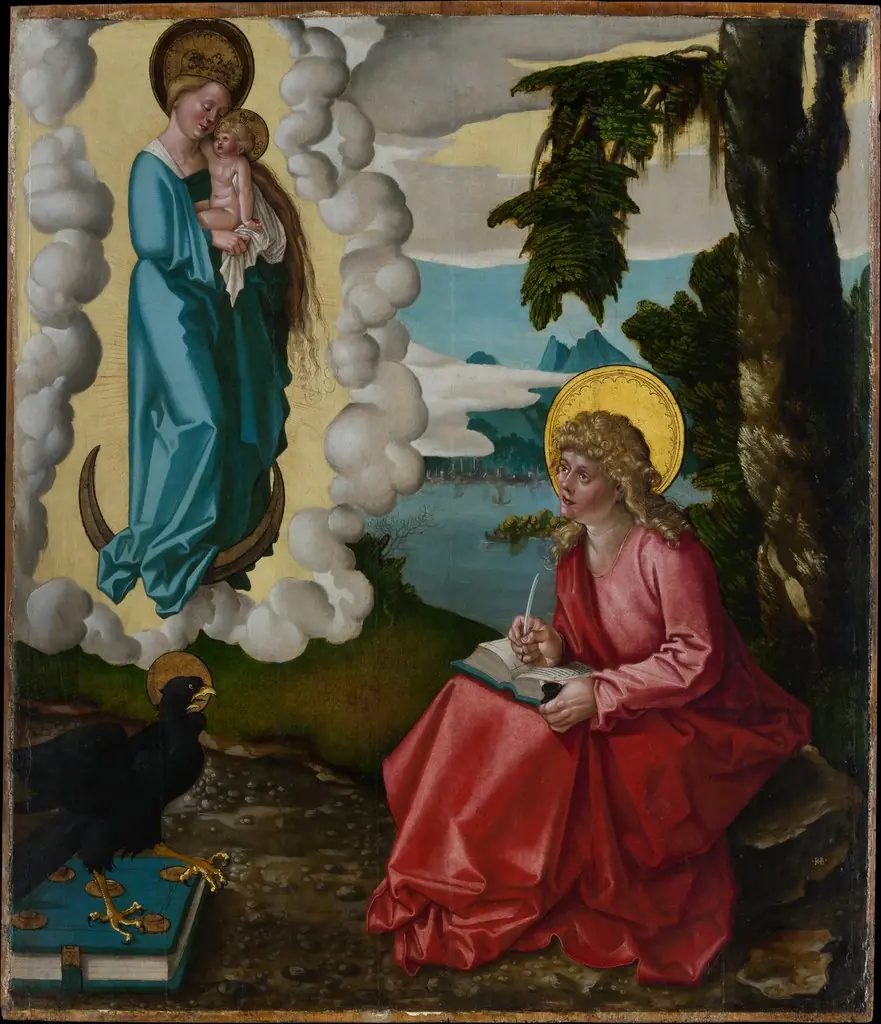 Saint John on Patmos
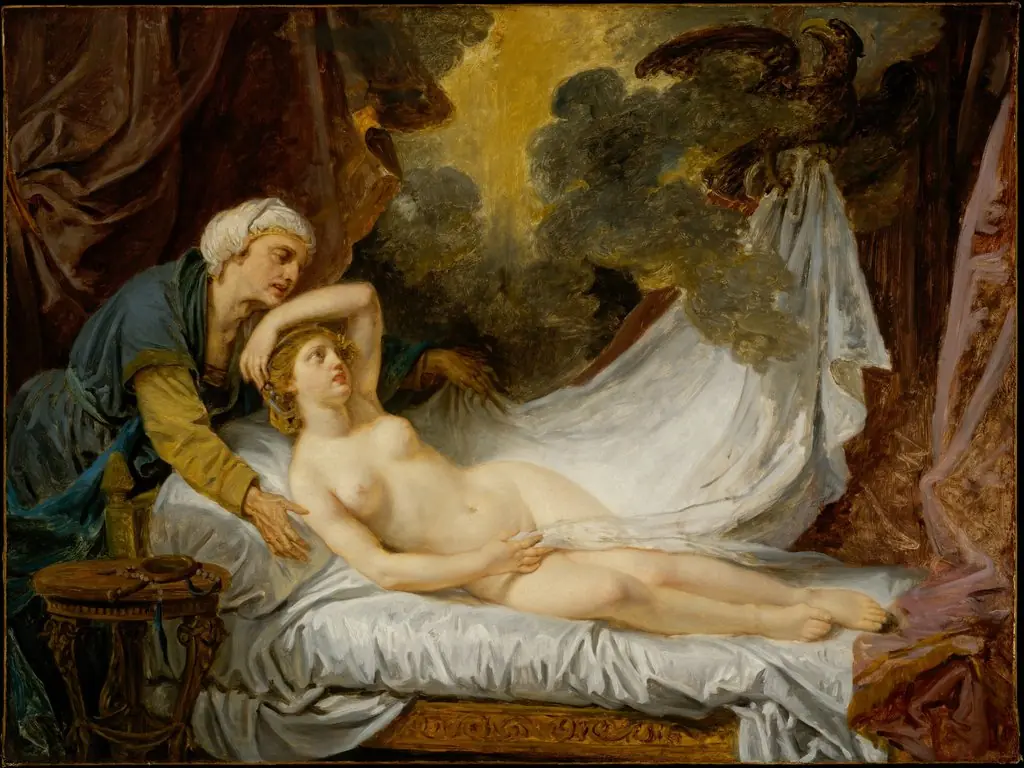 Aegina Visited by Jupiter
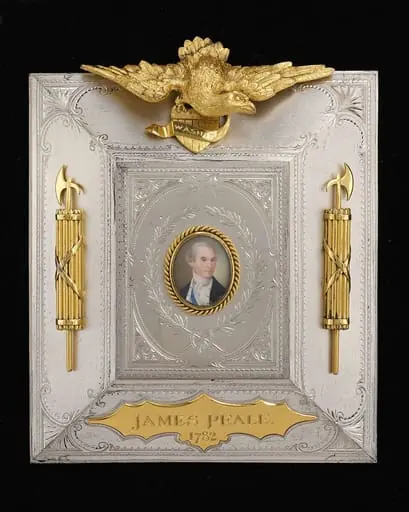 George Washington
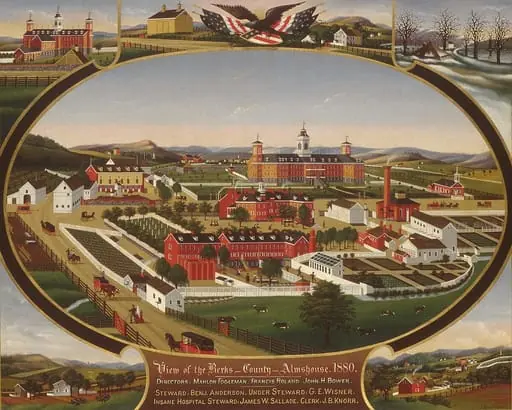 Berks County Almshouse, 1880
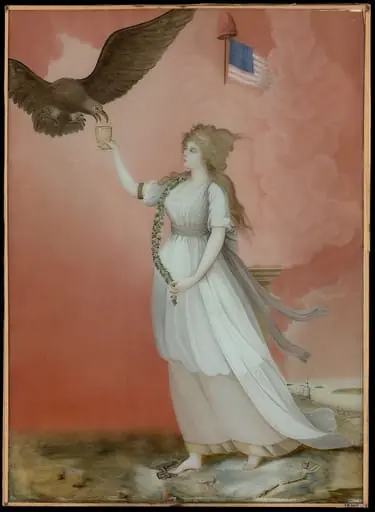 Liberty
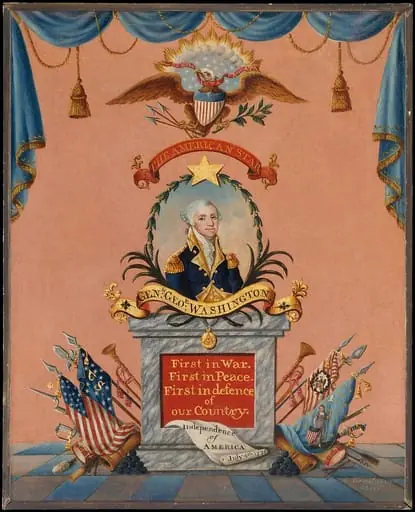 The American Star (George Washington)
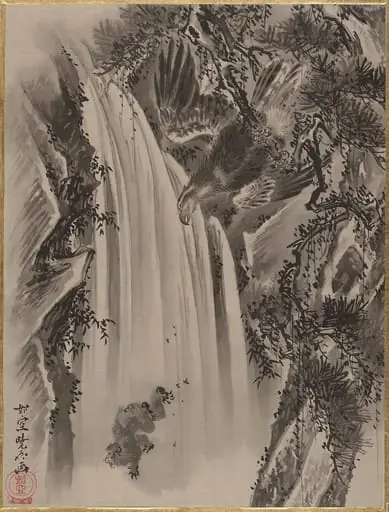 Untitled
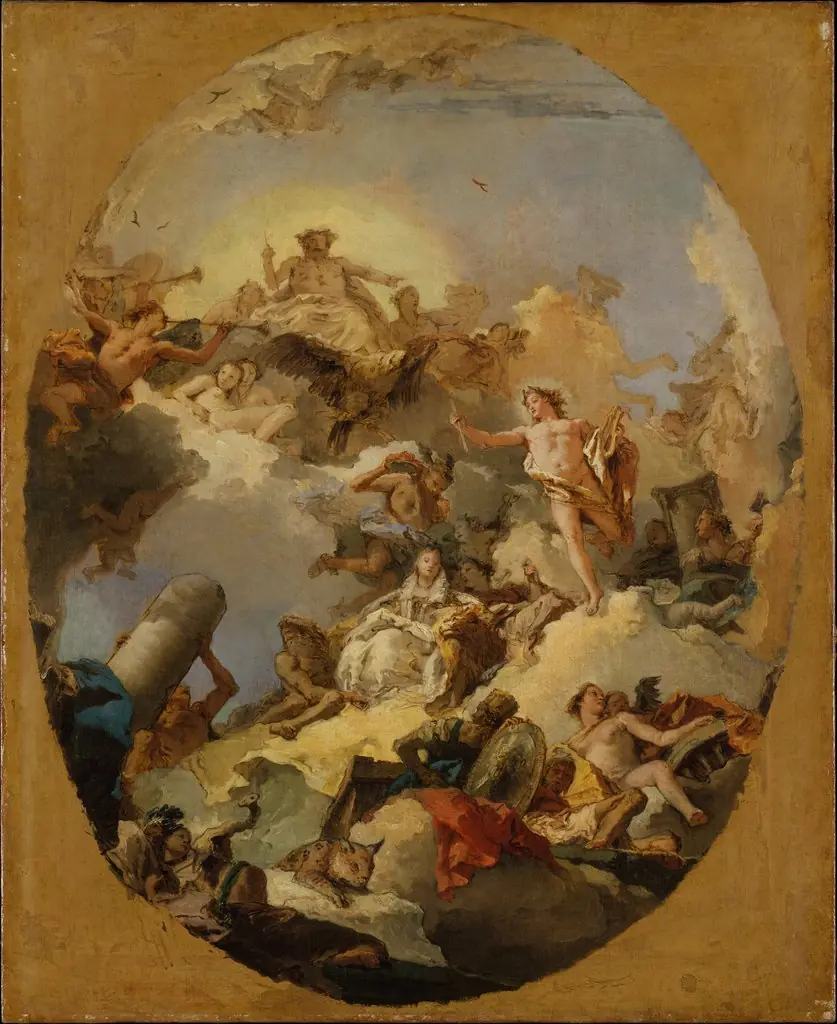 The Apotheosis of the Spanish Monarchy
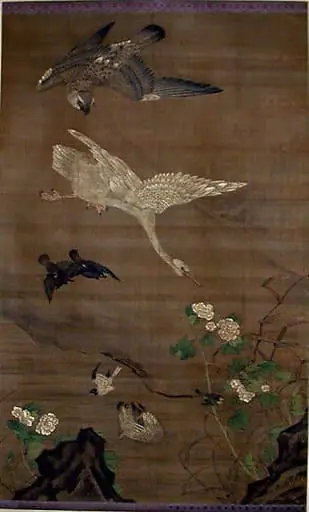 Untitled
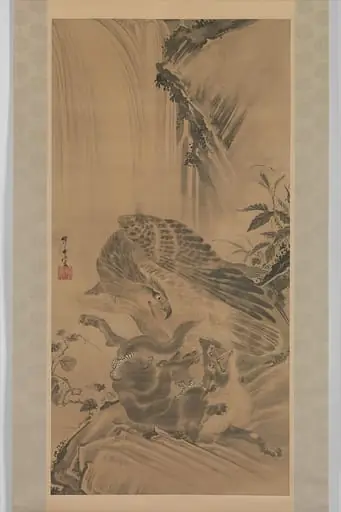 Untitled
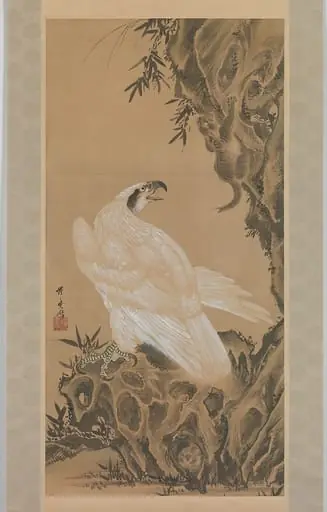 Untitled
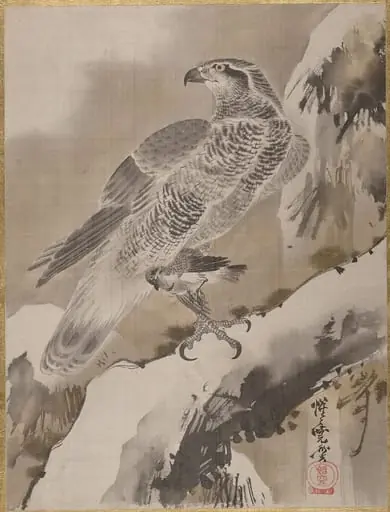 Untitled
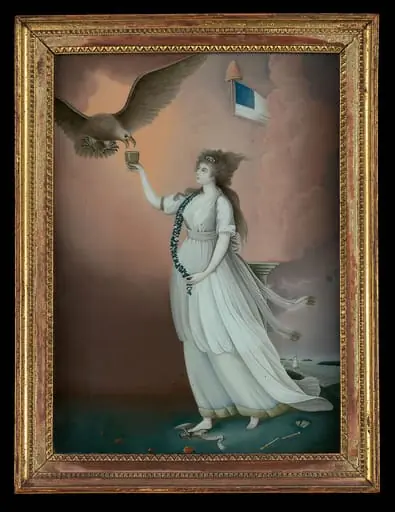 Liberty
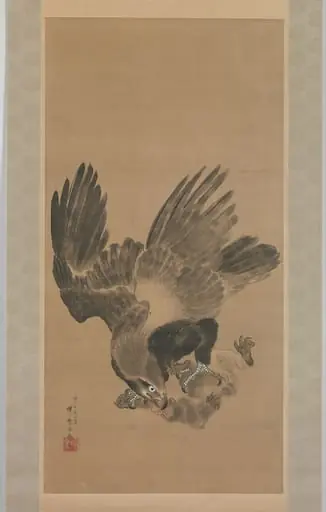 猿を襲う鷲図|Eagle Attacking a Monkey
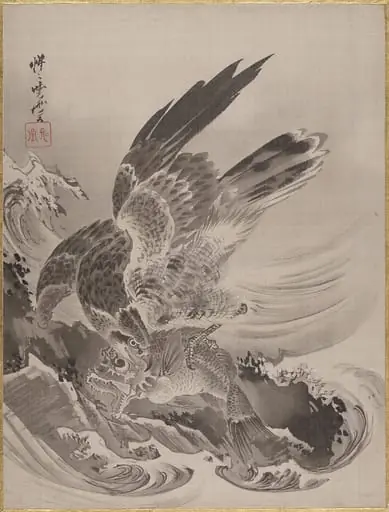 Untitled
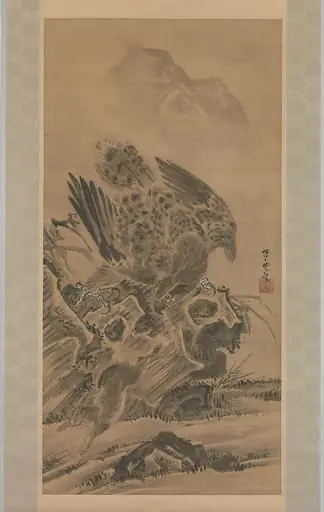 兎を追う鷲図|Eagle Pursuing Rabbit
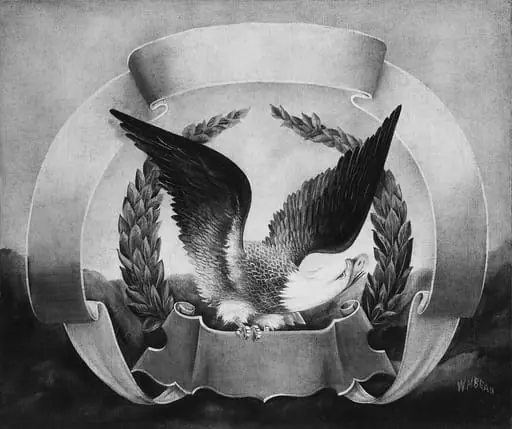 American Eagle on Red Scroll
 Untitled
 清 朱耷 (八大山人) 二鷹圖 軸|Two eagles
 The Flight into Egypt
 Allegory on Archduke Leopold Wilhelm (1614-1662)
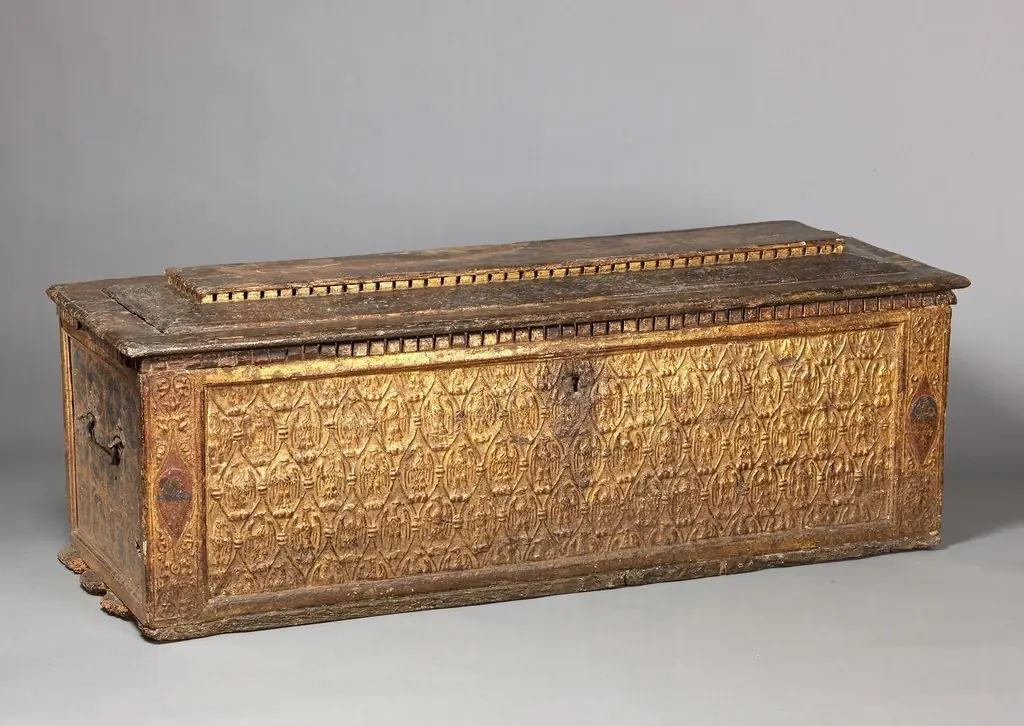 Cassone
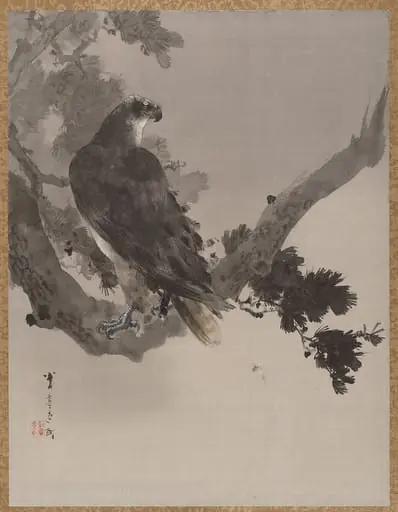 Untitled
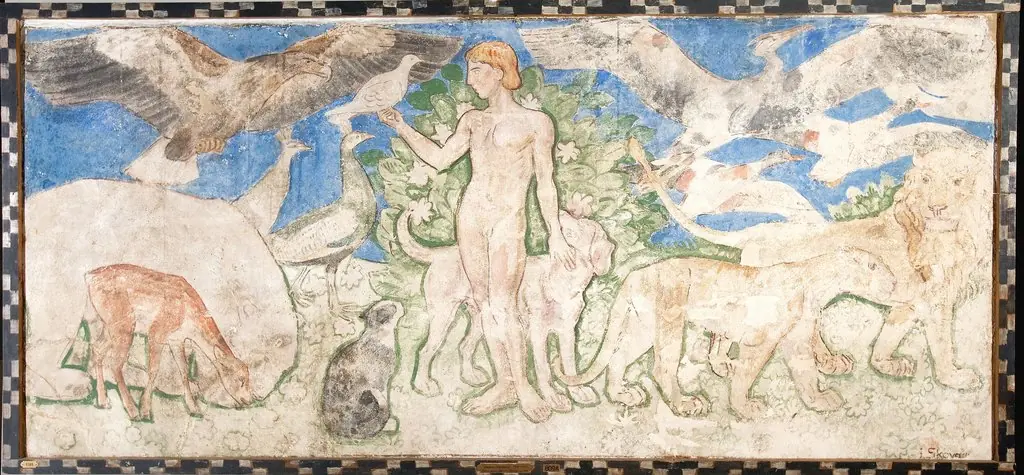 Adam Naming the Animals
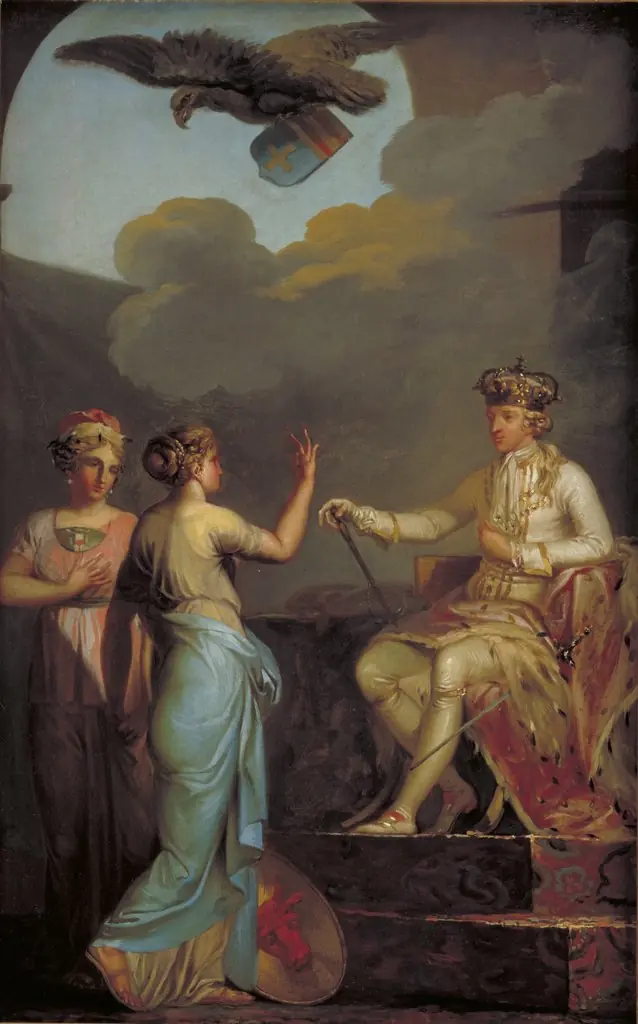 Christian VII Uniting the Ducal with the Royal Part of Holstein in 1767
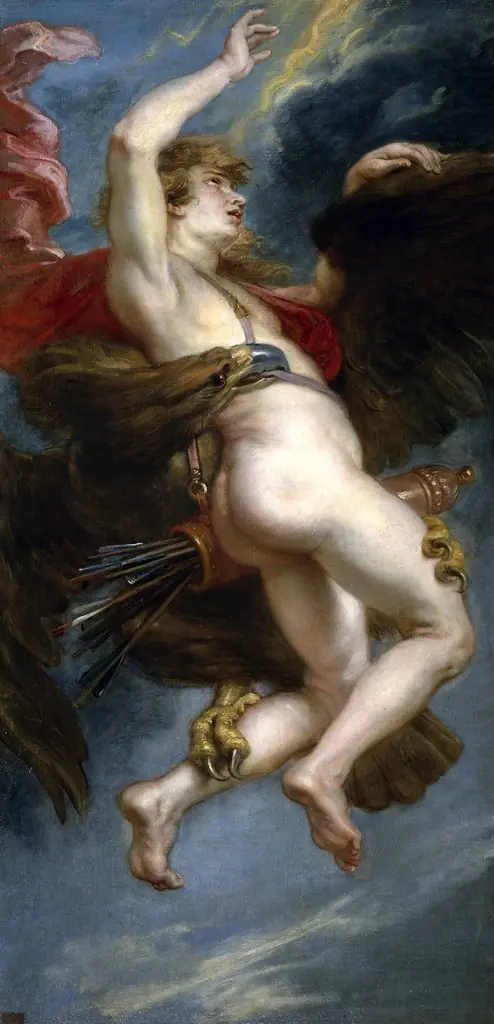 The Rape of Ganymede
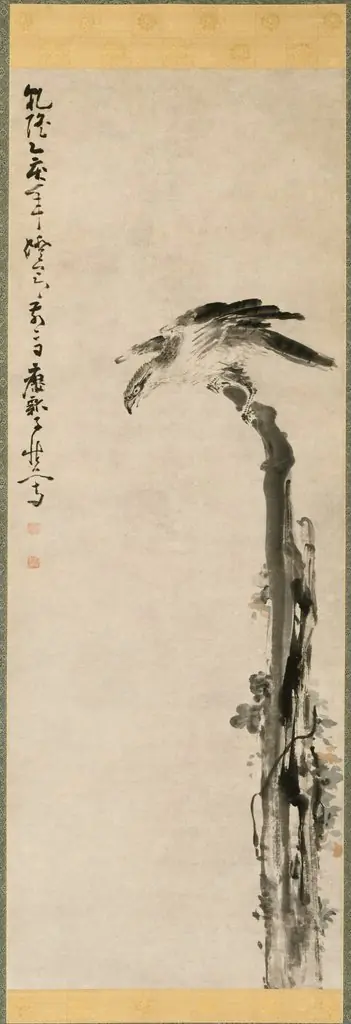 Eagle on a Tree Trunk
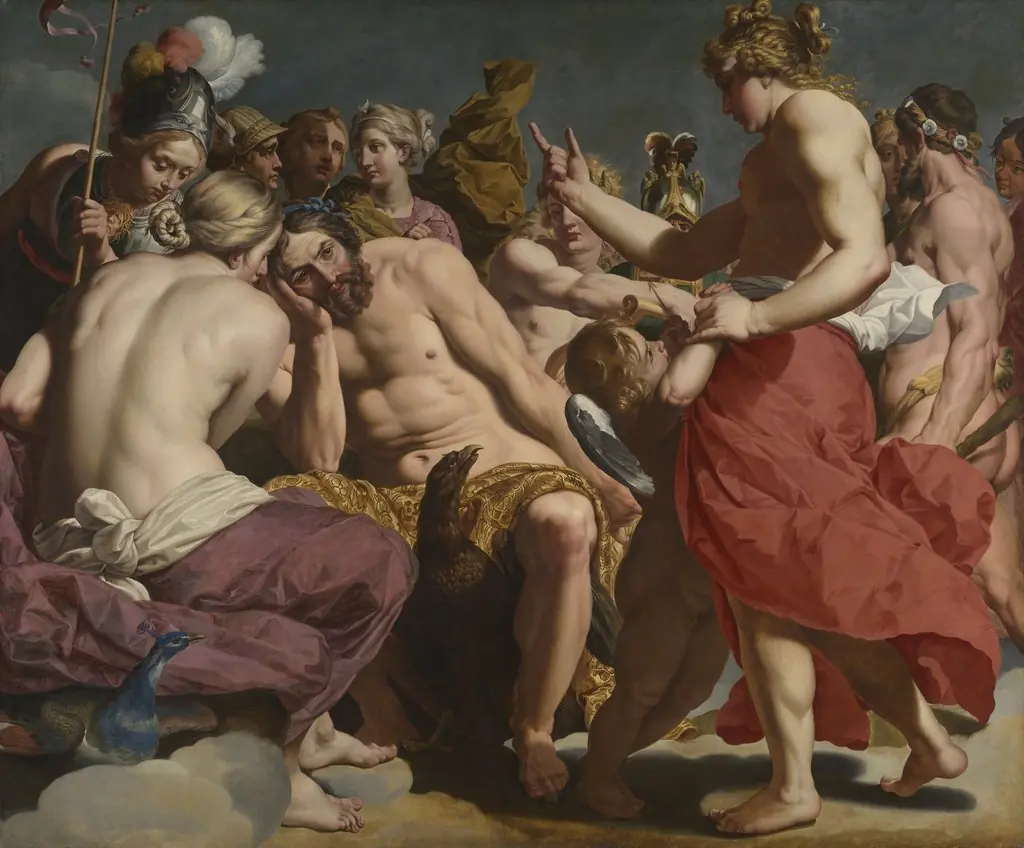 Jupiter Rebuked by Venus
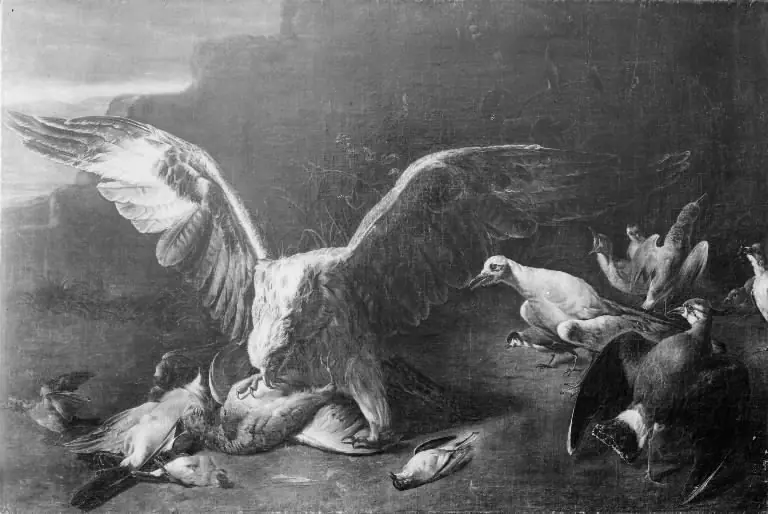 An Eagle among Small Birds
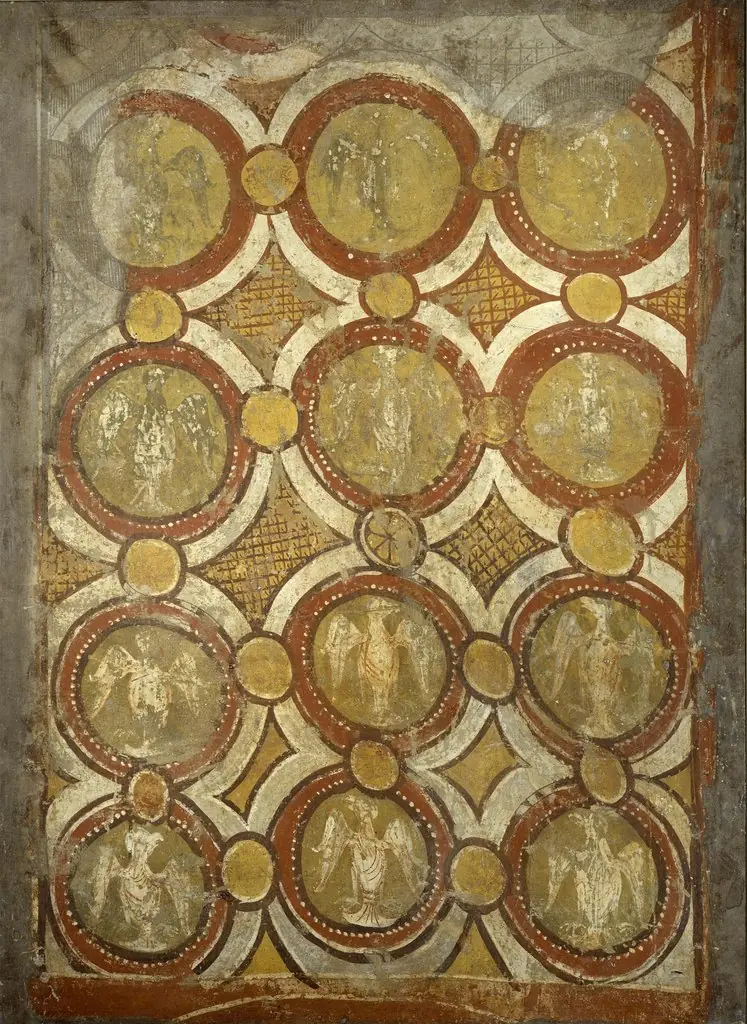 Decorative Panel with Eagles
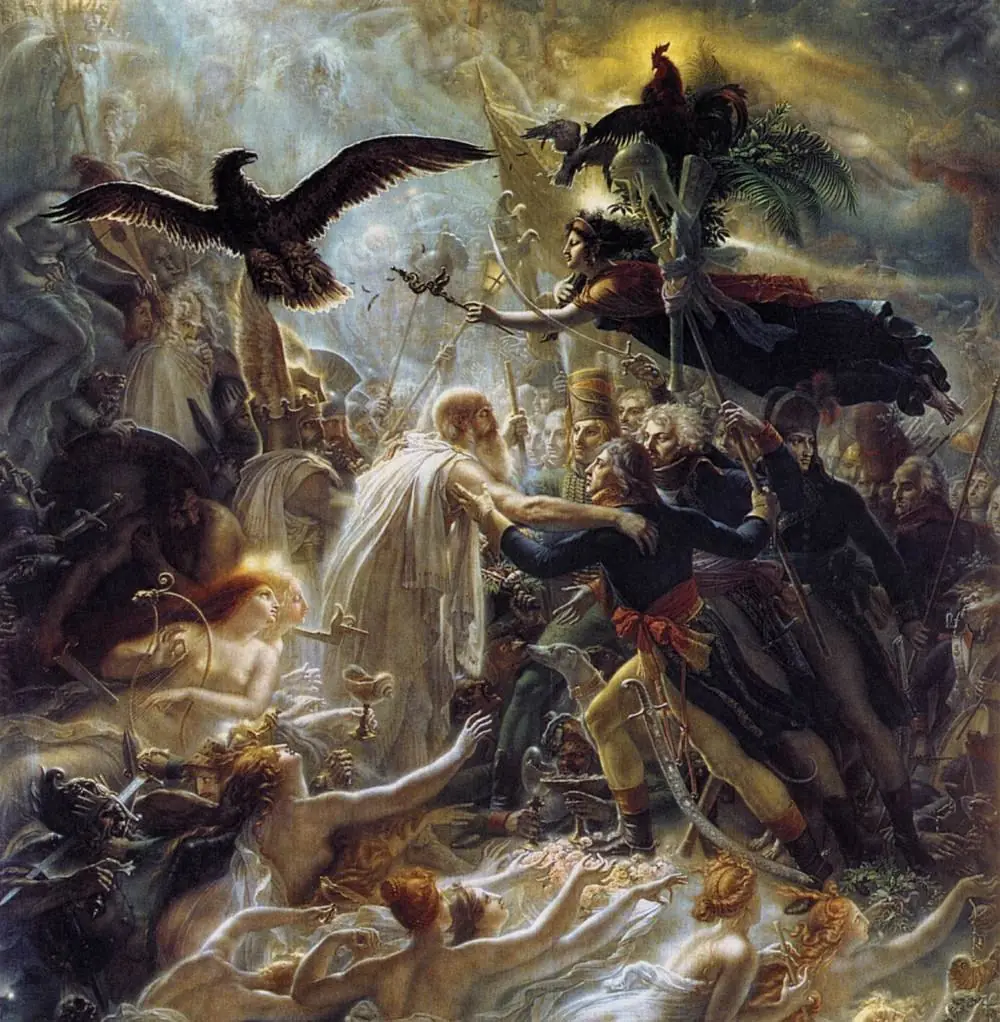 Apotheosis of the French Heroes that Died for the Fatherland during the War of Liberation
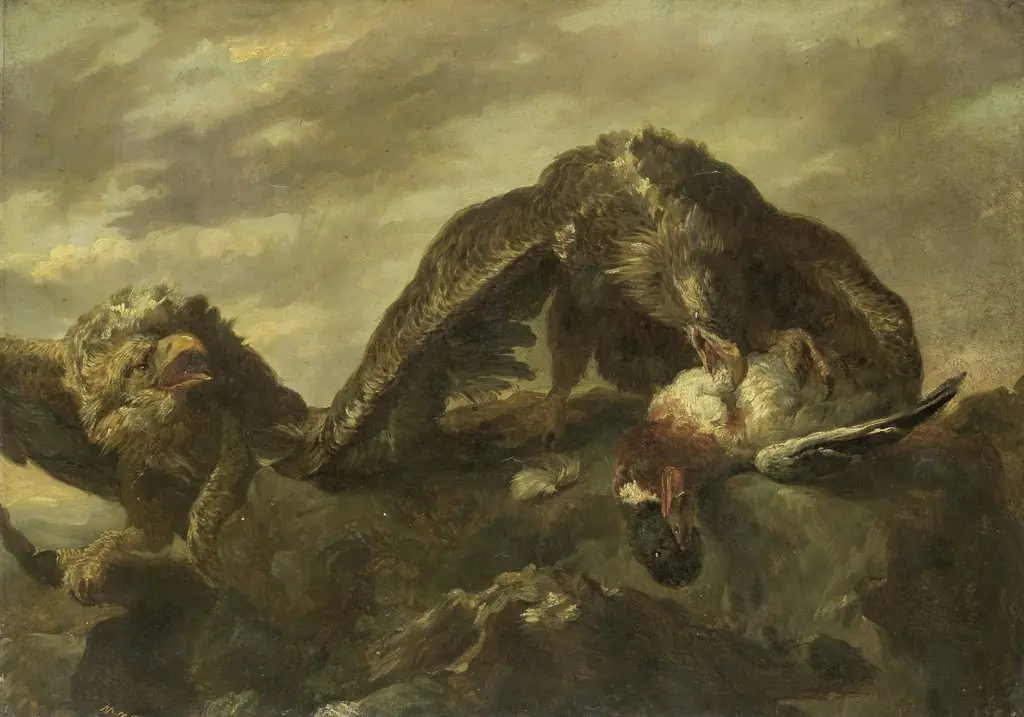 Eagles on Rocks
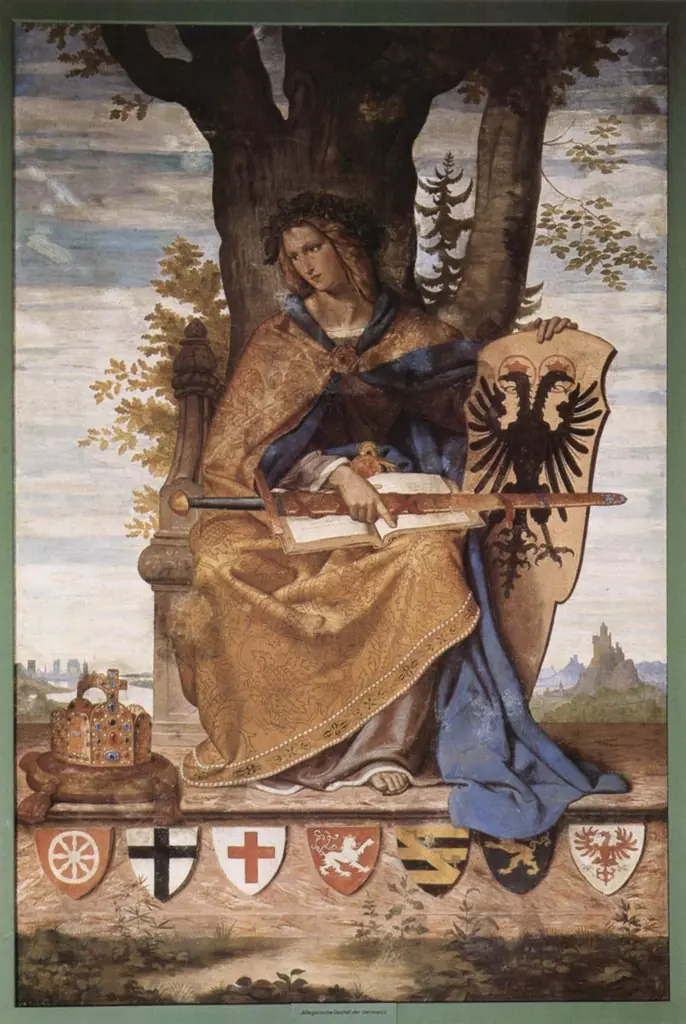 Germania
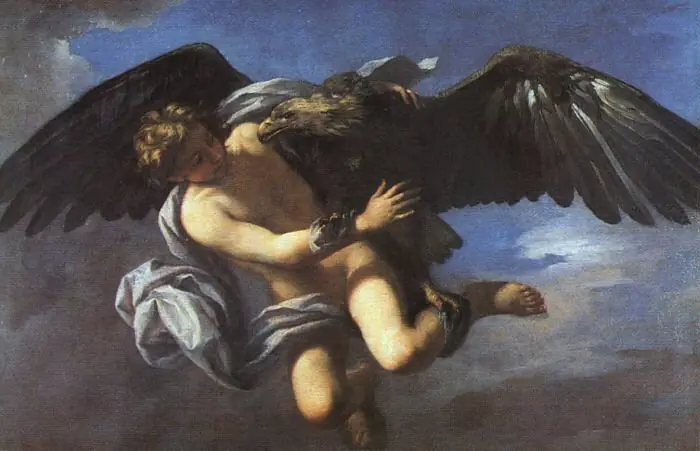 The Rape of Ganymede
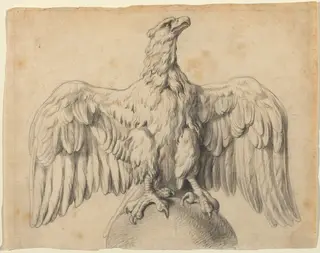 The Capitoline Eagle
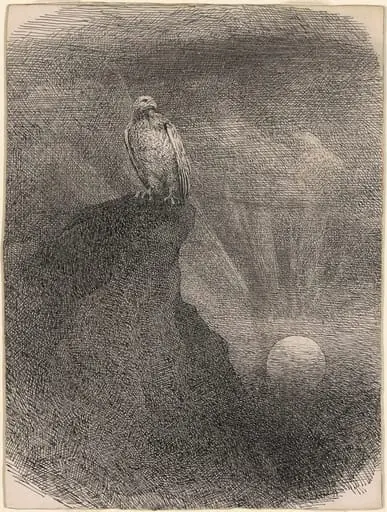 Genius
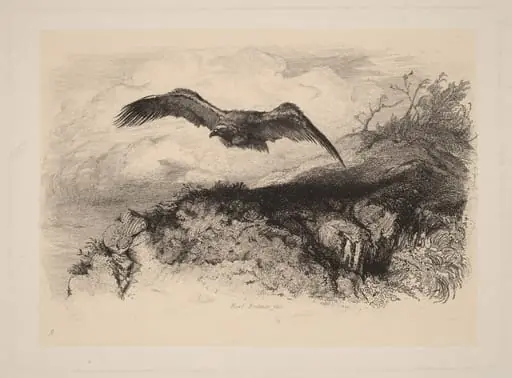 Aigle au vol
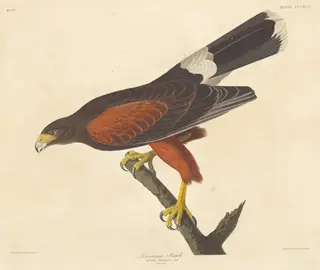 Louisiana Hawk
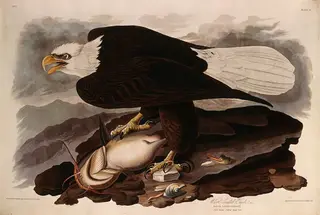 White-headed Eagle
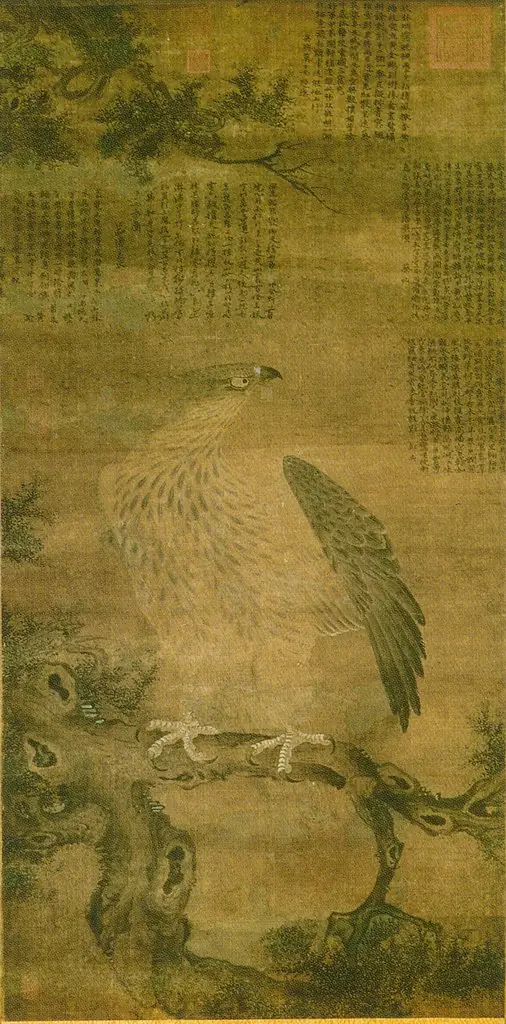 宋人畫鷹 軸
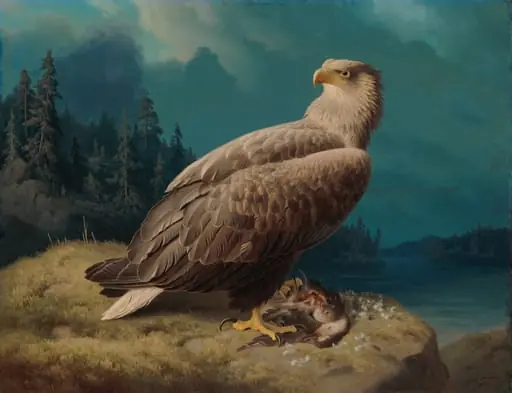 Vanha merikotka
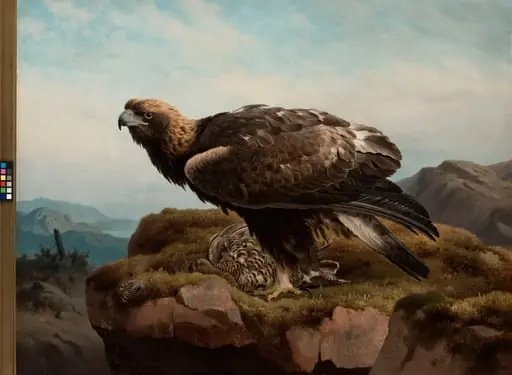 Kotka jyrkänteen reunalla
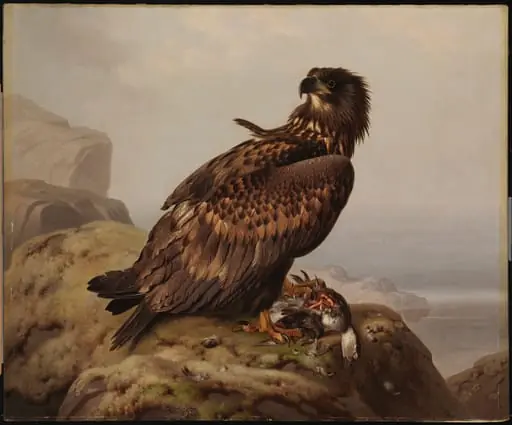 Merikotka saaliin kimpussa
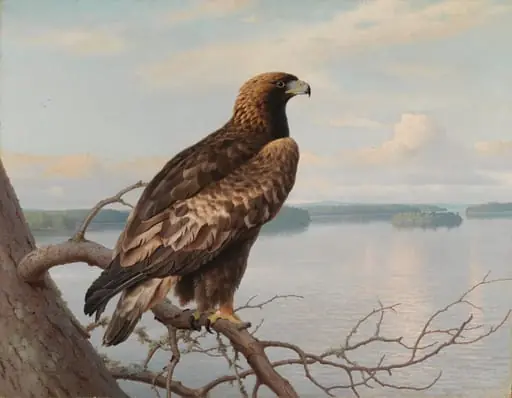 Kotka järven rannalla
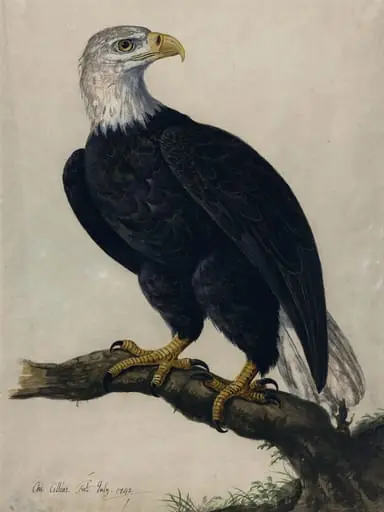 A White-headed Sea-eagle
 Untitled
Frequently asked questions
What is Eagle?
Eagle is the common name for certain large birds of prey within the family of the Accipitridae.
How many Eagle works does Artifact World Gallery have?
Artifact World Gallery holds 50 public-domain Eagle works, all free to view and download.
Who are the key Eagle artists?
Key Eagle artists in the collection include Peter Paul Rubens, James Peale and Giovanni Battista Tiepolo.
Where can I see Eagle works?
Eagle works in the collection are held by Metropolitan Museum of Art, National Gallery of Art and Finnish National Gallery.