Artwork
Olympy Iovis Simulacrum (The Statue of Jupiter at Olympia)
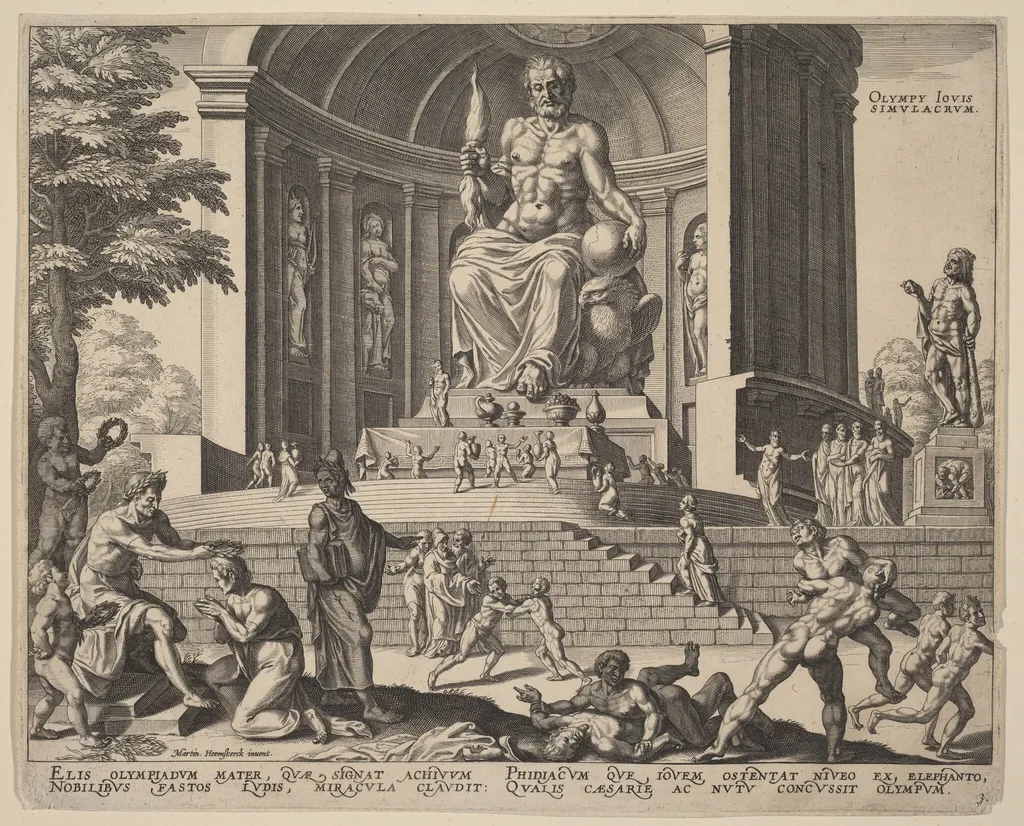
Olympy Iovis Simulacrum (The Statue of Jupiter at Olympia) is an ink print by the Renaissance artist Philip Galle. It dates from 1572 and is held in the collection of the National Gallery of Art.
- Inscription
- Inscribed:upper right in image: Olympy Iovis / Simulacrum; lower left in image: Martin Heemskerck invent.; along lower edge: ELIS OLYMPIADVM MATER, QVAE SIGNAT ACHIVVM / NOBILIBVS FASTOS LVDIS, MIRACVLA CLAVDID / PHIDIACVM QVE IOVEM OSTENTAT NIVEO EX, ELEPHANTO, / QVALIS CAESARIE AC NVTV CONCVSSIT OLYMPVM
About this work
Overview
Created as a reproductive print, it translates a now-lost classical sculpture into detailed black-and-white lines on laid paper.
Philip Galle’s 1572 engraving depicts the ancient Statue of Jupiter at Olympia, one of the Seven Wonders of the Ancient World. Created as a reproductive print, it translates a now-lost classical sculpture into detailed black-and-white lines on laid paper. Galle, a Dutch printmaker, specialized in disseminating images of antiquity through engraving, making ancient monuments accessible to a wider European audience beyond those who could travel to Greece.
Subject & Meaning
The engraving portrays Jupiter, identified by his beard and scepter, seated within a monumental temple. Surrounding figures, worshippers, attendants, and onlookers, emphasize the statue’s divine authority and the ritual space that housed it. The Latin title, 'Olympy Iovis Simulacrum,' anchors the image in classical tradition, reinforcing its role as a visual record of a revered cult statue, symbolizing both religious devotion and the cultural prestige of ancient Greece.
Technique & Style
Galle employed fine, precise lines typical of late Renaissance engraving, using a burin to incise details into a copper plate. The composition is densely packed with architectural elements, columns, pediments, and steps, and miniature human figures, all rendered in monochrome to mimic the tonal range of marble and stone. The lack of color and the sharp contrast between light and shadow reflect the printmaking conventions of the time, prioritizing clarity and structural accuracy over atmospheric effects.
History & Provenance
The original Statue of Jupiter, crafted by Phidias around 435 BCE, was destroyed in late antiquity. Galle’s engraving draws from earlier visual sources, possibly Roman copies or Renaissance reconstructions, rather than direct observation. As part of a broader 16th-century effort to catalog classical art, the print circulated among scholars and collectors, preserving the statue’s form in an era when physical access to ancient sites was limited and unreliable.
Context
In the late 1500s, European interest in classical antiquity surged, fueled by humanist scholarship and the rise of print culture. Galle’s work fits within a network of reproductive prints that documented sculptures, buildings, and artifacts from the ancient world. These images served educational and aesthetic purposes, shaping contemporary perceptions of antiquity and contributing to the revival of classical ideals in art and architecture across the continent.
Legacy
Though the original statue no longer exists, Galle’s engraving remains one of the most widely circulated visual records of its appearance. It influenced later reconstructions and illustrations of ancient temples, serving as a reference for artists and archaeologists. As a product of Renaissance printmaking, it exemplifies how mechanical reproduction helped preserve and transmit cultural memory across generations and borders.
Own this work as a print
Artist & collection
Artist
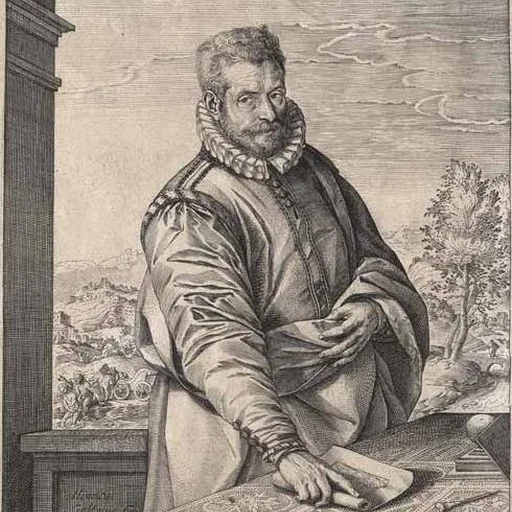
Philip (or Philips) Galle (1537 – March 1612) was a Dutch publisher, best known for publishing old master prints, which he also produced as designer and engraver. He is especially known for his reproductive engravings of paintings.

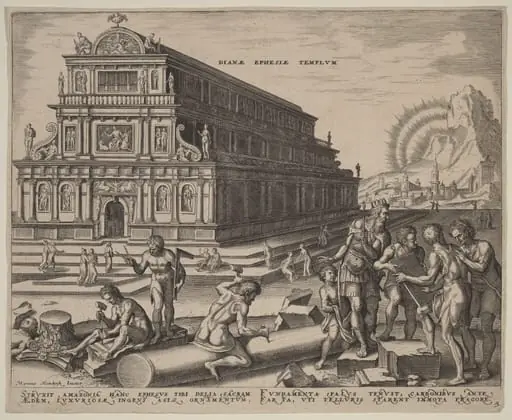 Dianae Ephesiae Templum (The Temple of Diana at Ephesus)
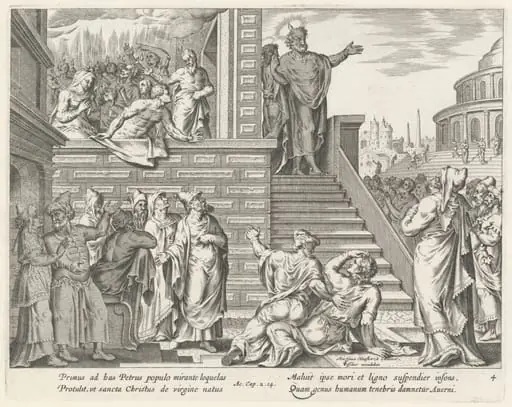 Saint Peter Speaks to the People about Christ
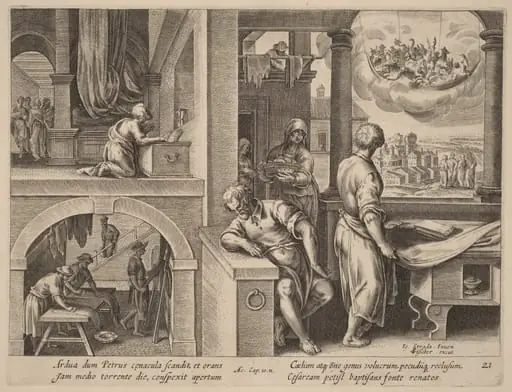 The Vision of Saint Peter
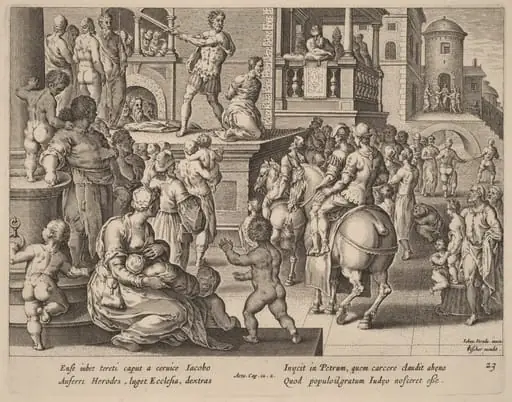 Beheading of Saint James
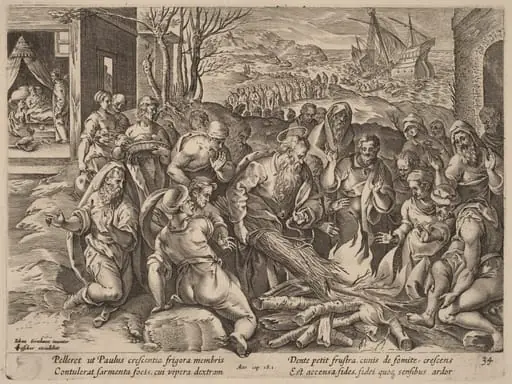 Saint Paul Shipwrecked on the Island of Melita
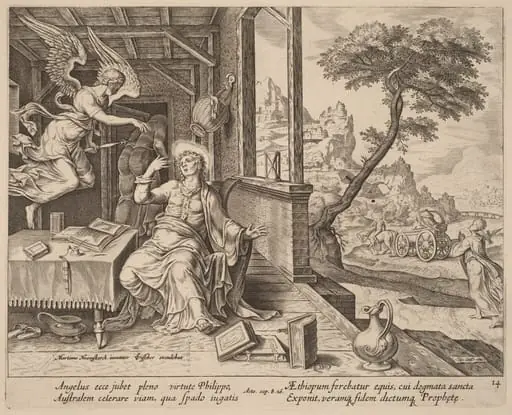 The Angel Orders Saint Philip to Accompany the Ethiopian Eunuch
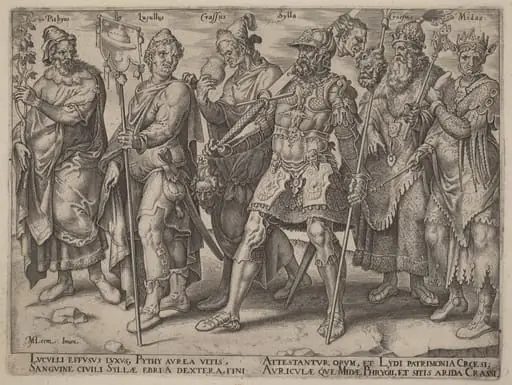 Notorious Examples of Wealth from Antiquity
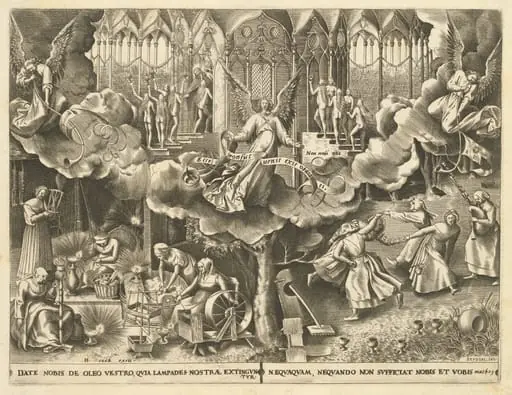 The Parable of the Wise and Foolish Virgins
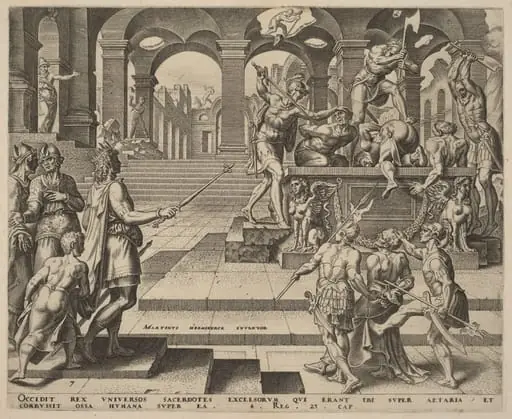
- The Slaughter of the Priests of Samaria
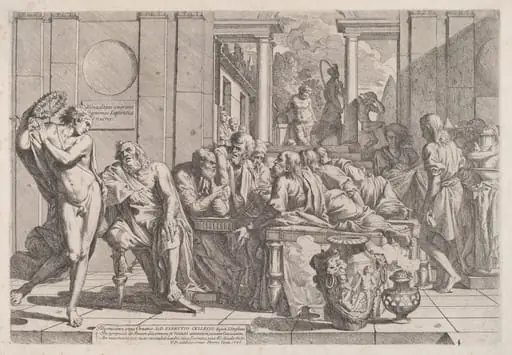 The Symposium
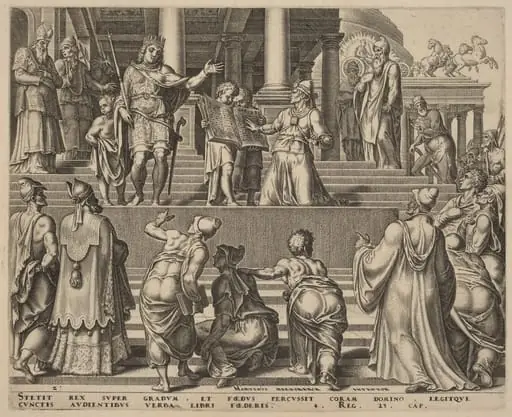 The Book of the Law Read before the People
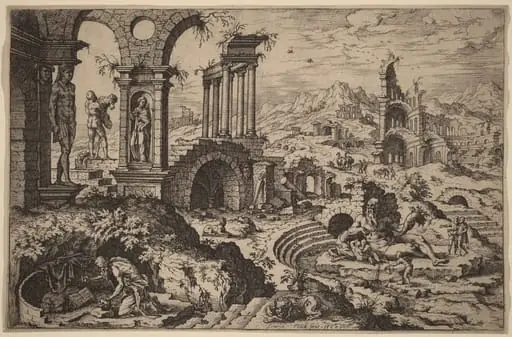 Saint Jerome in a Landscape with Ruins
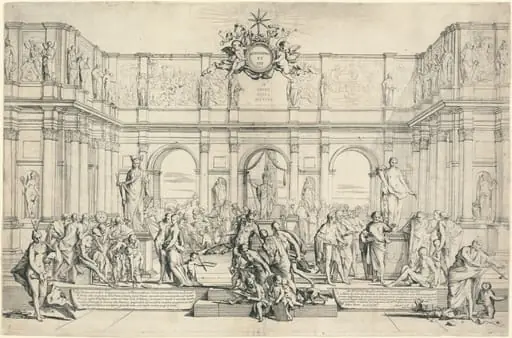 Il Liceo della Pittura
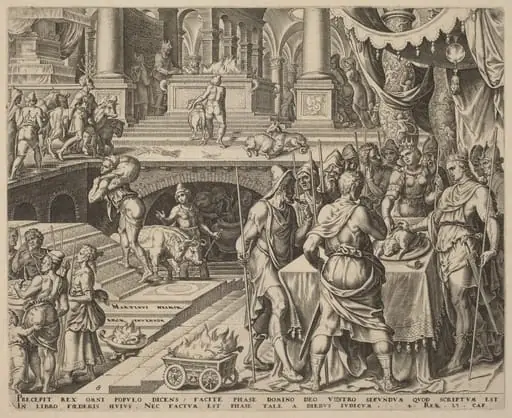 Josiah Celebrating Passover
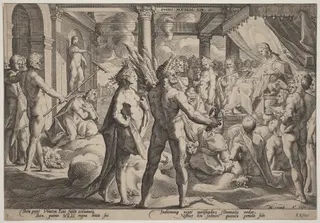 Phaeton Asking for the Chariot
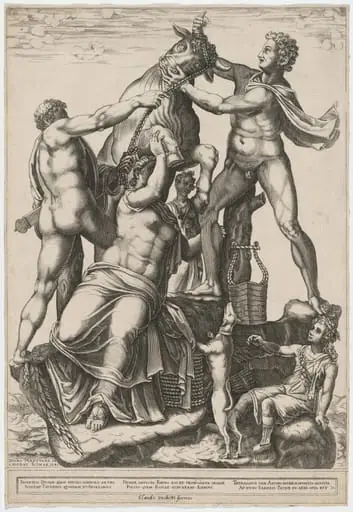 Amphion and Zethus Tying Dirce to a Wild Bull
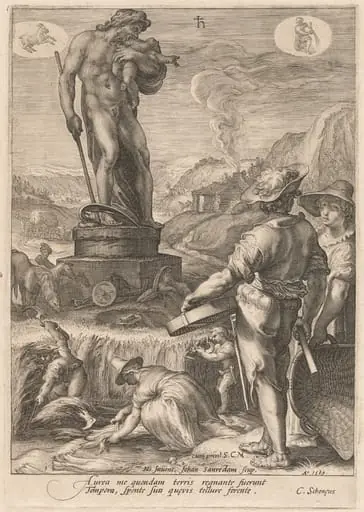 Saturn Presiding Over Agriculture
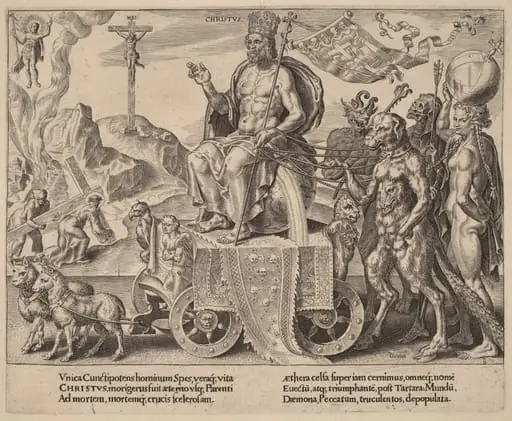 The Triumph of Christ
 The Martyrdom of Saint Lawrence
 Saint Peter Healing the Sick with His Shadow