Artwork
Les Festes du mois de Octobre (October: Saint Luke)
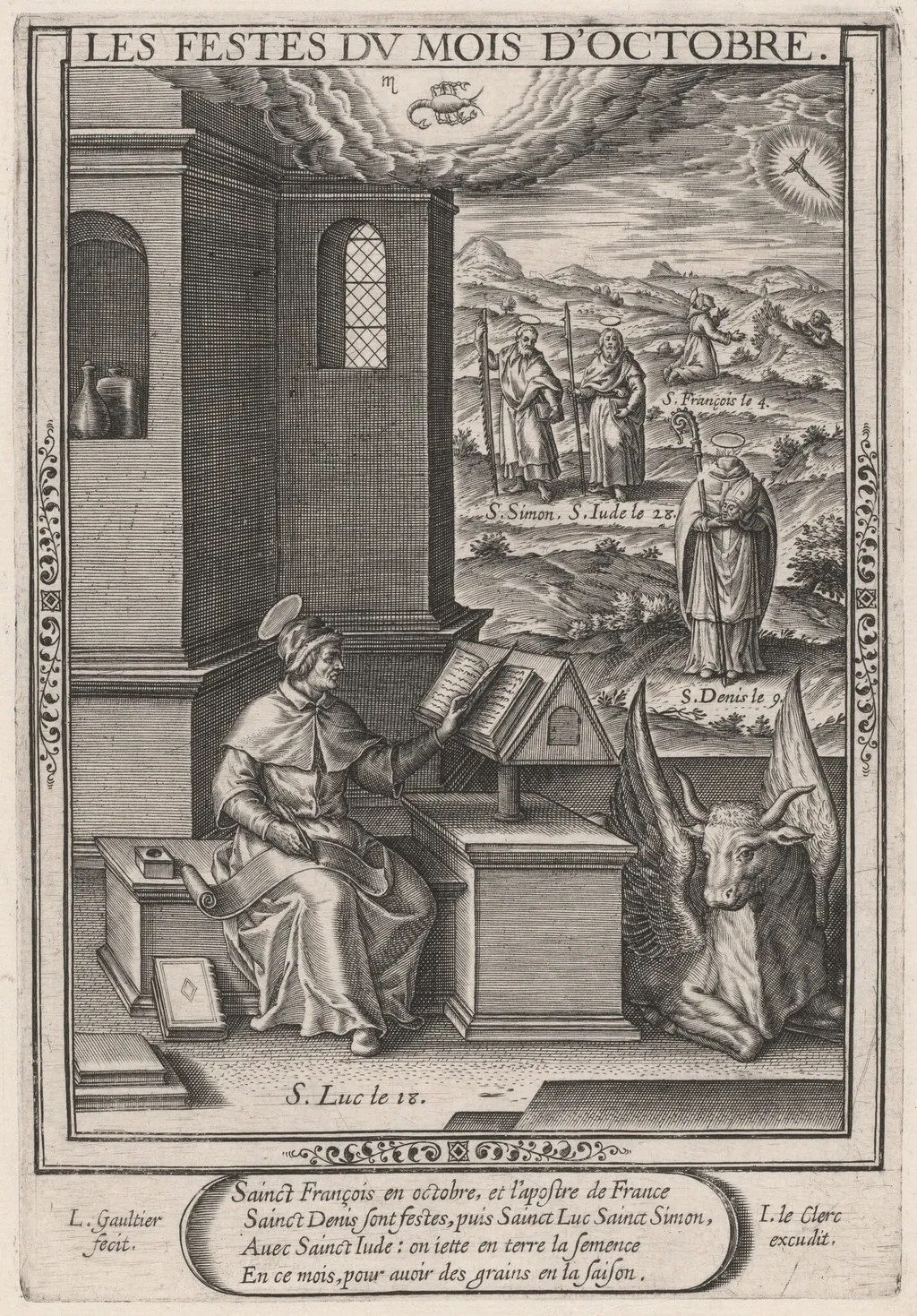
Les Festes du mois de Octobre (October: Saint Luke) is an ink print by the Baroque artist Léonard Gaultier. It dates from 1603 and is held in the collection of the National Gallery of Art.
- Inscription
- Inscribed:upper center in plate: Les Feste du Mois d'Octobre.; center in plate: S. François le 4./S. Simon, S. Jude le 28./S. Denic le 9./S. Luc le 18..; lower left in plate: L. Gaultier/sculpcit; lower center in plate: Sainct François en octobre, et l'apostre de France.../...En ce mois, pour avoir des grains en la saison.; lower right in plate: J. le Clerc/excudit.
About this work
Overview
Created in 1603 by Léonard Gaultier, this engraving is one of twelve monthly scenes depicting seasonal labor. Measuring 19 by 13.1 centimeters, it is executed on laid paper using fine linear techniques to render depth and texture. The work belongs to the Ailsa Mellon Bruce Fund collection and reflects the tradition of illustrating agricultural cycles in early modern Europe.
Subject & Meaning
The scene portrays the October grape harvest, associated with Saint Luke, the patron saint of artists and laborers. Figures carry heavy baskets of grapes under a strong sun, while others tread wine in large vats in the background. The imagery emphasizes communal effort and the rhythm of rural life, linking seasonal work with religious observance without overt symbolism.
Technique & Style
Gaultier employed meticulous cross-hatching to model form and create spatial depth on a small scale. The dense network of fine lines defines folds of clothing, the contours of barrels, and the play of light across figures and landscape. This method, typical of Northern European engraving, prioritizes precision over boldness, enhancing the scene’s realism without dramatic flair.
History & Provenance
The print was produced in France during the early 17th century as part of a series documenting monthly labors. It entered the collection through the Ailsa Mellon Bruce Fund, which acquired works of European graphic art for scholarly and public access. Its survival in good condition reflects its historical value as a record of agrarian customs and printmaking practice.
Context
This engraving belongs to a broader genre of calendar prints popular in Renaissance and Baroque Europe, often commissioned to illustrate the labors of the months. Such series served both educational and decorative purposes, reinforcing societal structures through visual narratives of work, season, and faith. Gaultier’s contribution aligns with contemporary trends in Northern print culture.
Legacy
Though not widely known today, Gaultier’s series contributes to the understanding of how early modern Europeans visualized time and labor. The print preserves details of rural life and craftsmanship, offering insight into the intersection of daily work and religious symbolism. It remains a quiet but valuable document in the history of printmaking and social history.
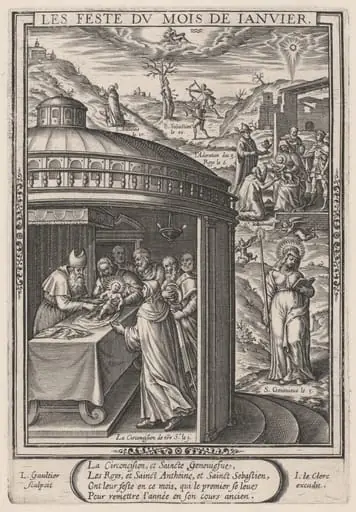
Own this work as a print
Artist & collection
Artist
Léonard Gaultier, or, as he sometimes signed himself, Galter, a French engraver, was born at Mainz about 1561, and died in Paris in 1641.

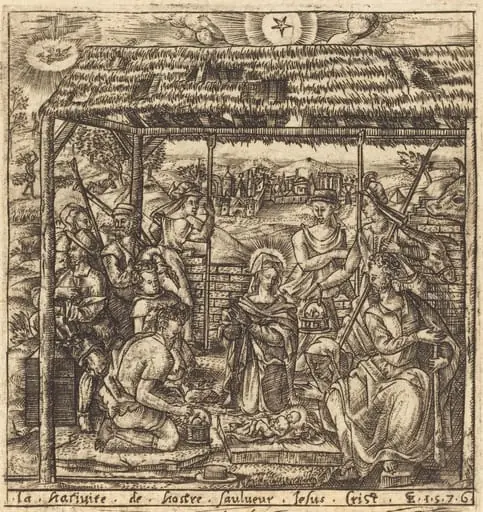
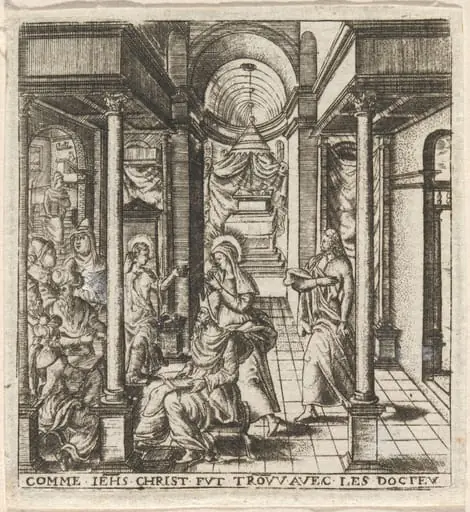
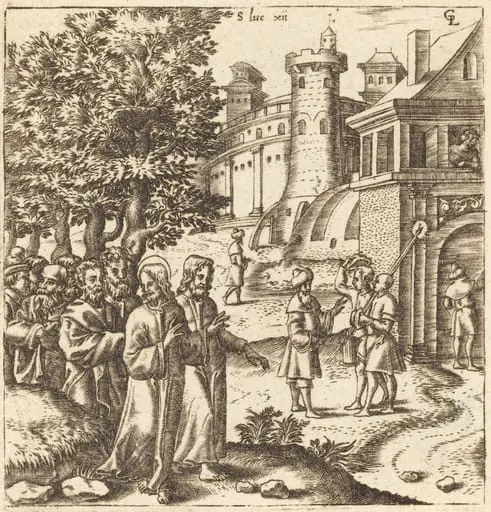
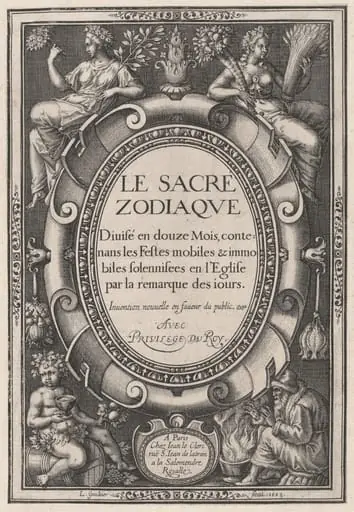
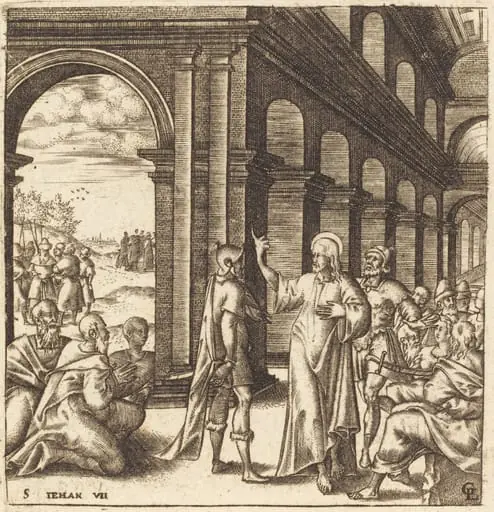

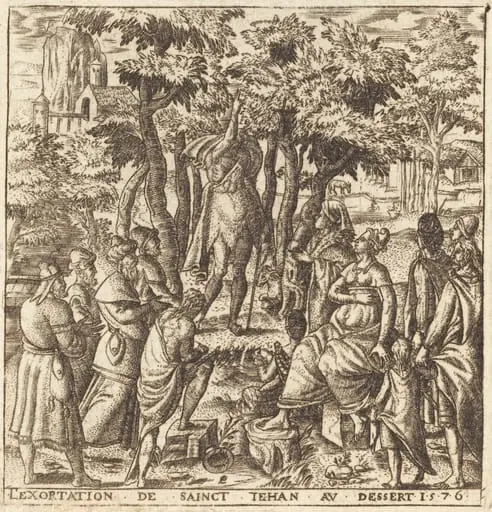
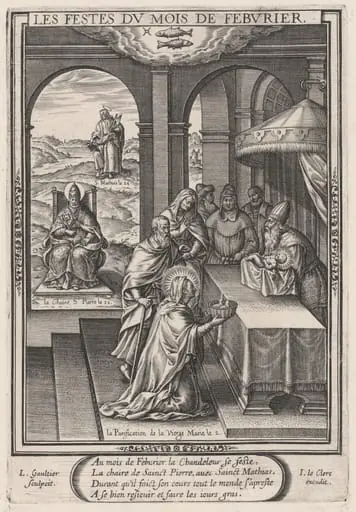 Les Festes du mois de Feburier (February: the Purification of the Virgin)
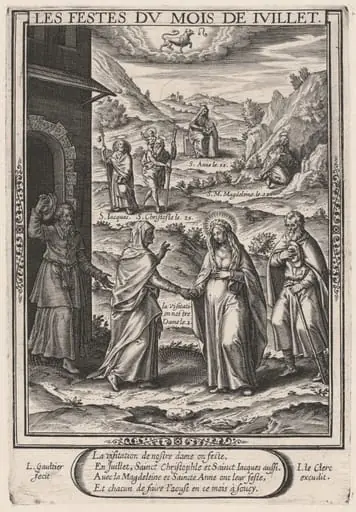 Les Festes du mois de Juillet (July: The Visitation)
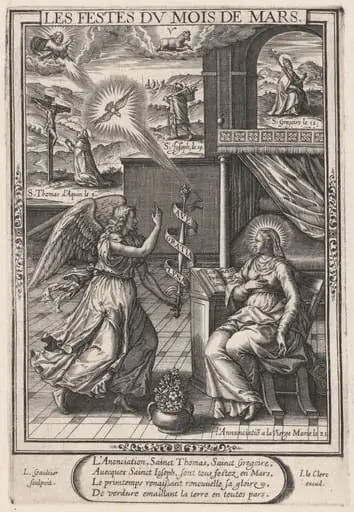 Les Festes du mois de Mars (March: The Annunciation)
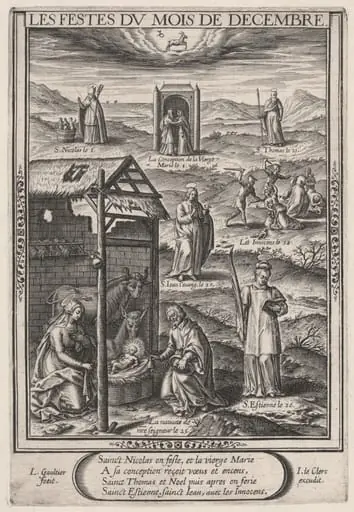 Les Festes du mois de Decembre (December: The Nativity)
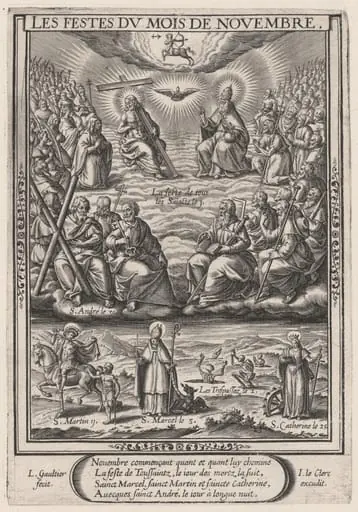 Les Festes du mois de November (November: All Saints)
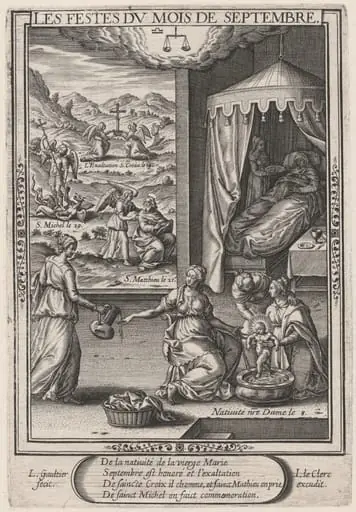 Les Festes du mois de Septembre (September: Birth of the Virgin)
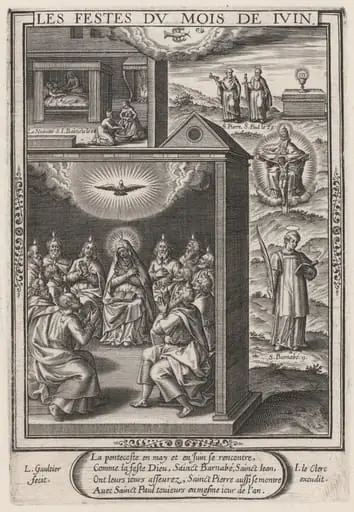 Les Festes du mois de Juin (June: The Pentecost)