Artwork
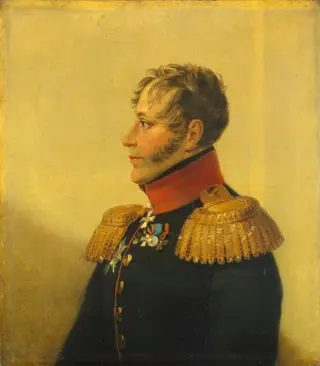
Portrait of Ye. F. Kankrin
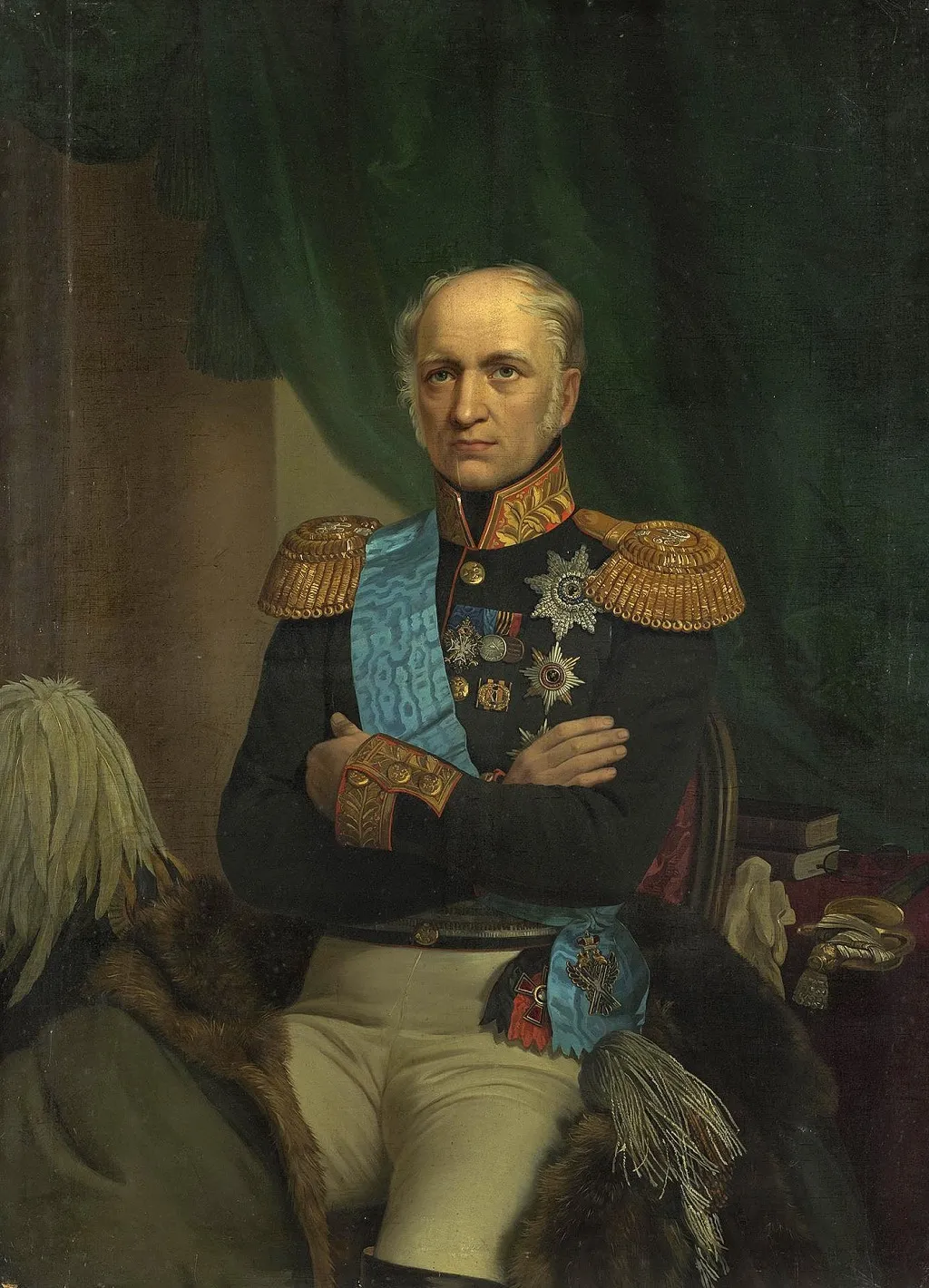
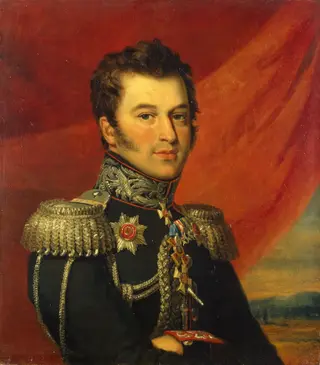
Portrait of Ye. F. Kankrin is an oil painting by the Realist artist Georg von Bothmann. It dates from 1872 and is held in the collection of the Hermitage Museum.
About this work
Subject & Meaning
The portrait depicts Yegor Frantsevich Kankrin, a man shown wearing a military uniform and regalia, as catalogued in the work's iconographic description.
The portrait depicts Yegor Frantsevich Kankrin, a man shown wearing a military uniform and regalia, as catalogued in the work's iconographic description. The inclusion of formal uniform and regalia signals his official status and rank, a conventional visual code in 19th-century Russian portraiture used to communicate authority, service to the state, and social standing. By rendering the sitter in the trappings of office rather than in private dress, the painting emphasizes his public role and the dignity of his position.
Painted in 1872 by Georg von Bothmann, the work belongs to the portrait genre and is held in the Hermitage Museum collection, framing Kankrin as a figure worthy of state-level commemoration.
Technique & Style
The painting is executed in oil on canvas, depicting a man in a military uniform with regalia, reflecting formal portrait conventions of the period. Its dimensions are 141 cm by 101 cm, and it belongs to the portrait genre within the broader classification of painting.
History & Provenance
The portrait of Ye. F. Kankrin was created by the artist Georg von Bothmann in 1872. Executed in oil paint on canvas, the work depicts a man in military uniform and regalia. It was produced in Russia and is currently held in the collection of the Hermitage Museum.
Overview
Georg von Bothmann’s oil portrait, executed in 1872, presents Ye. F. Kankrin in full military regalia. The work is part of the State Hermitage Museum’s collection and exemplifies late‑19th‑century portraiture of distinguished officials.
Context
Created during a period when Russian portraiture often celebrated state officials, the work aligns with contemporary conventions that highlighted rank through elaborate dress and symbolic accessories. Bothmann’s approach mirrors the academic traditions prevalent in St. Petersburg’s artistic circles of the 1870s.
Artist & collection

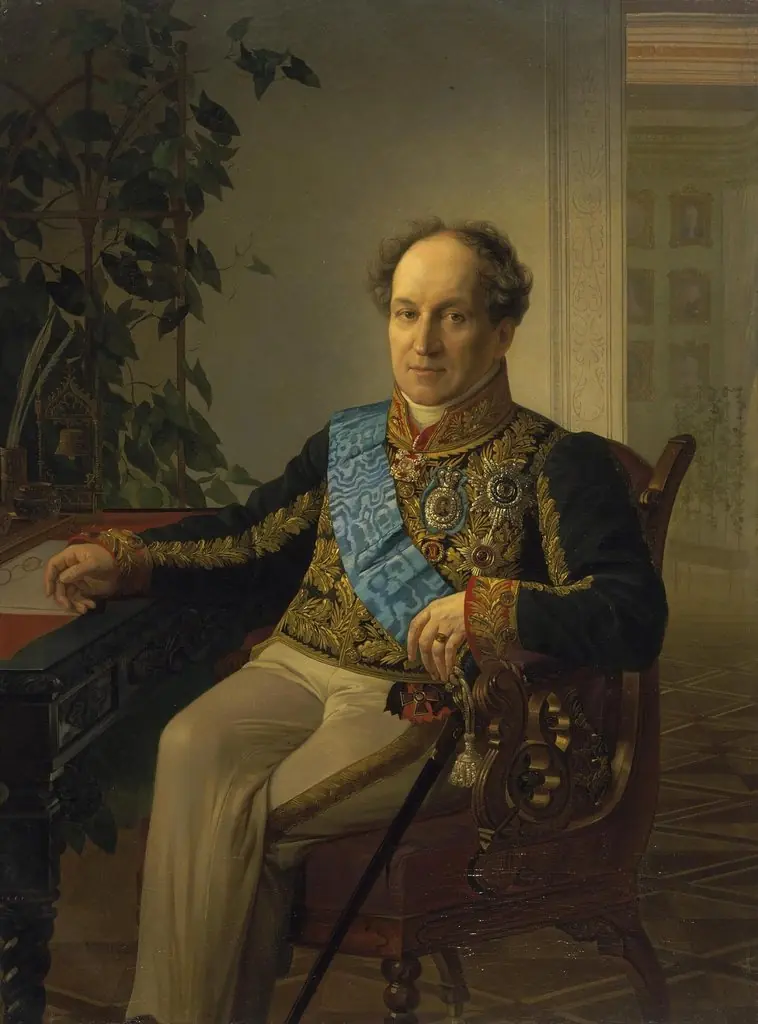 "Portrait of Prince A.N. Golitsyn" ( the fragmented copy of the portrait by K.P. Bryullov)
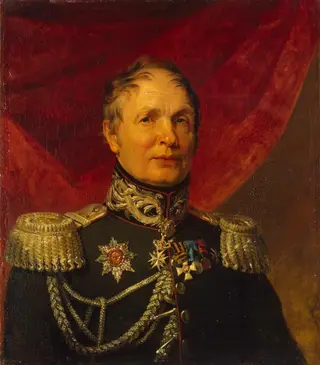 Portrait of Mikhail S. Vistitsky (1768-1832)
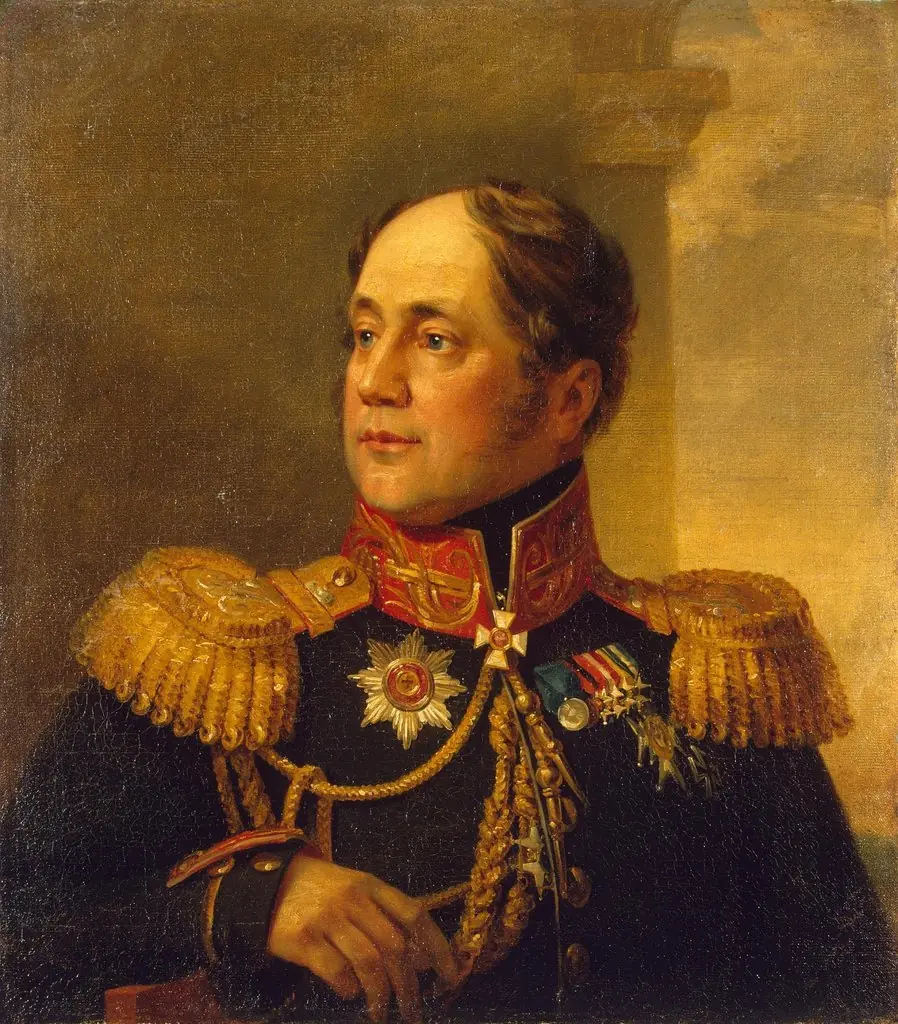 Portrait of Nikolai M. Sipyagin (1785-1828)
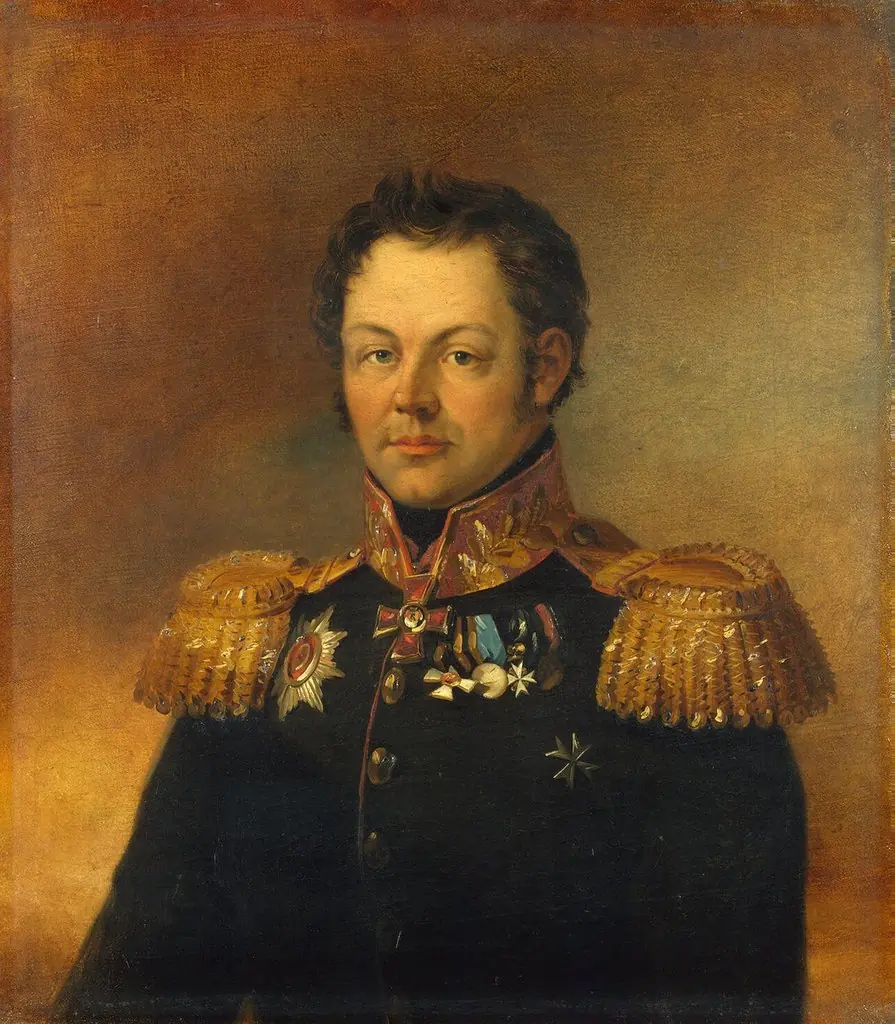 Portrait of Alexander E. Pyker (1776-1834)
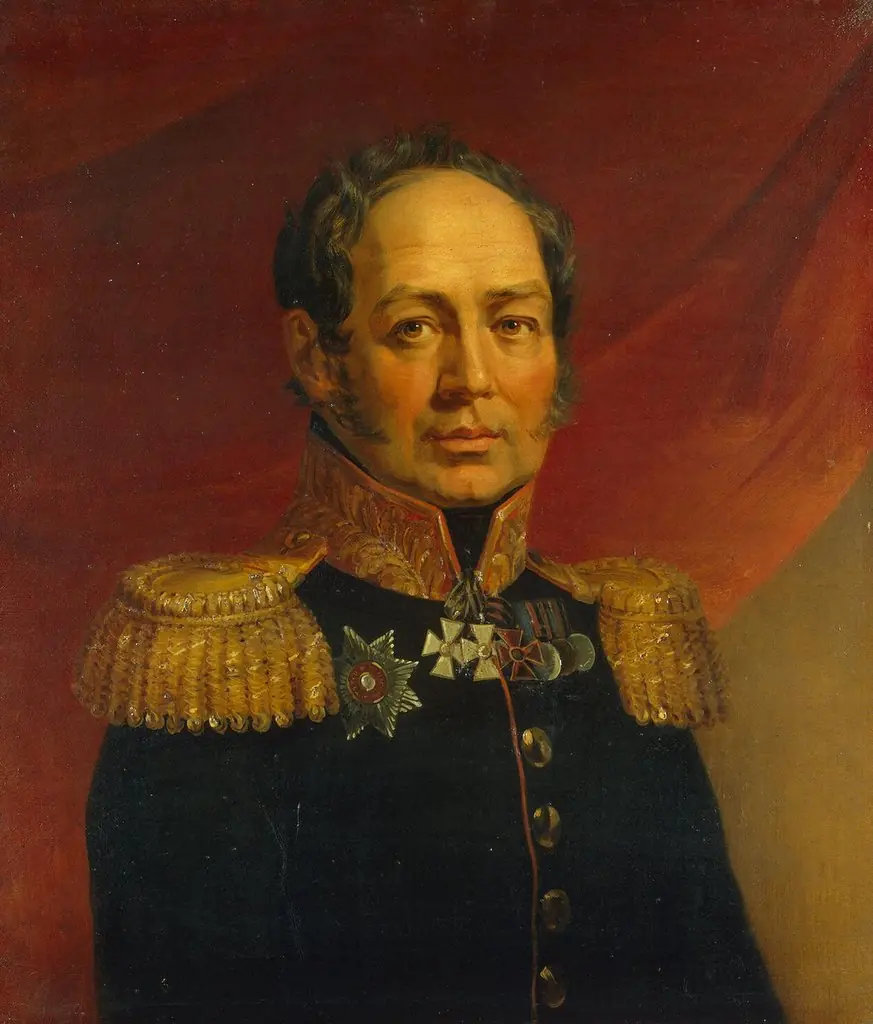 Portrait of Dmitry V. Lyalin (1772-1847/48)
 Portrait of General Stanisław Potocki
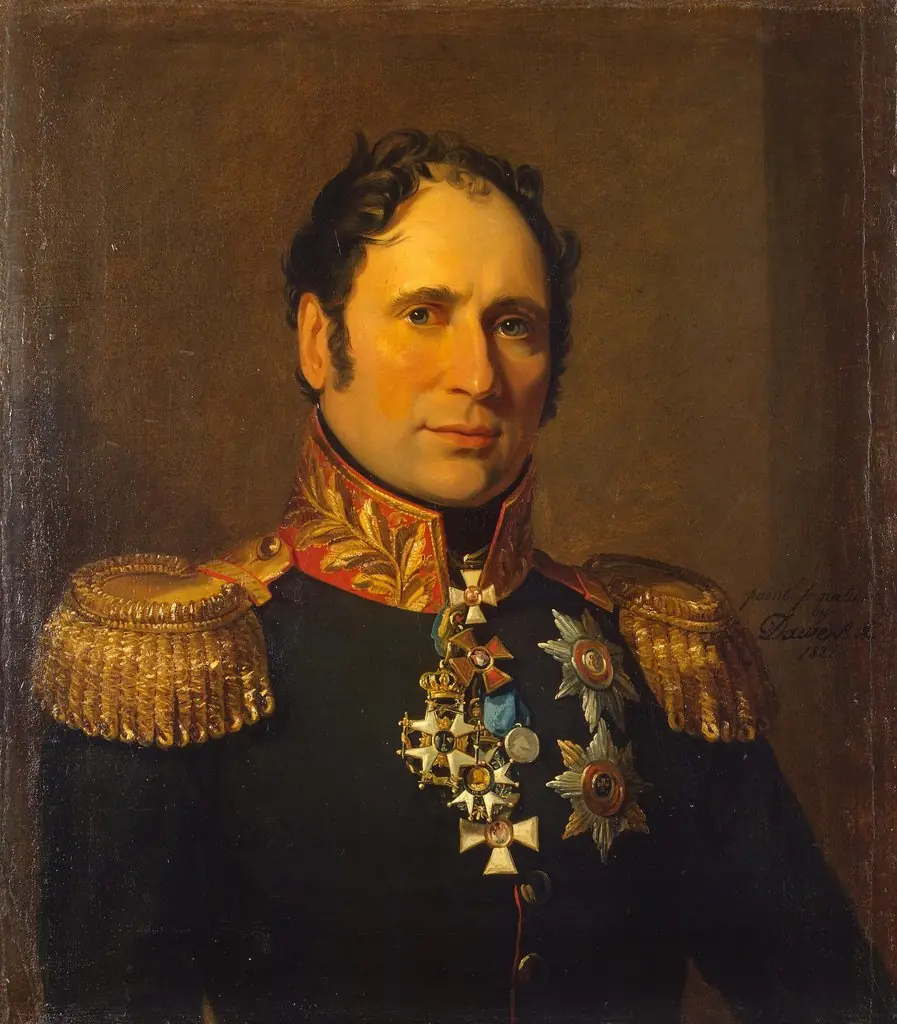 Portrait of Karl I. Oppermann (1765/66-1831)
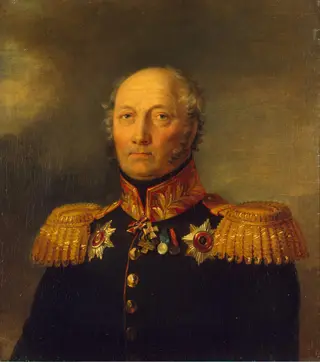 Portrait of Andrey S. Umanets (1762 - after 1828)
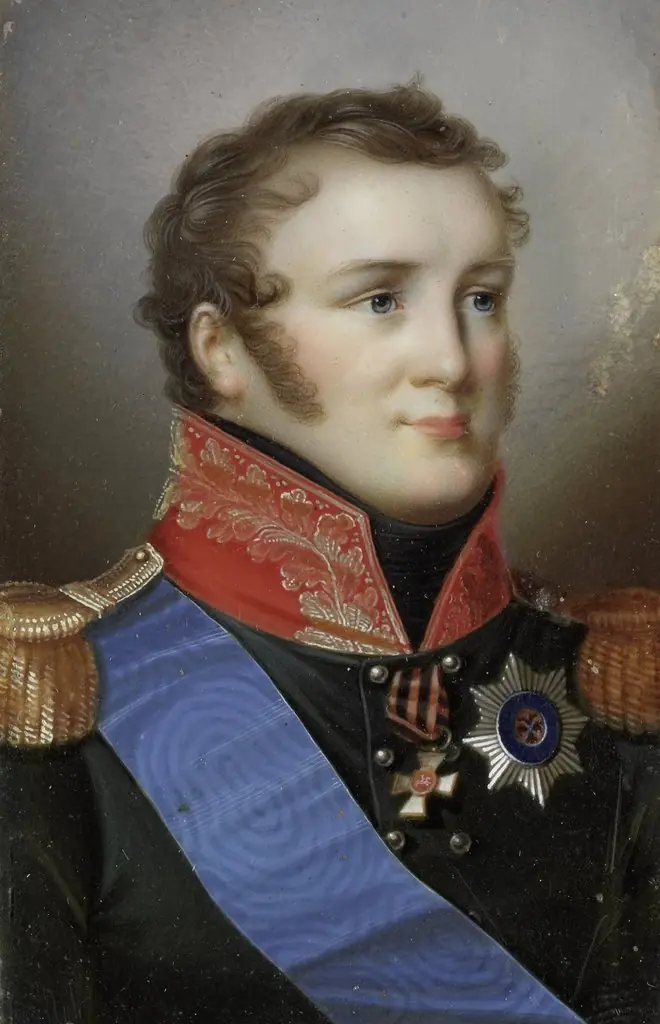 Portrait of Alexander I Romanov (1777-1825)
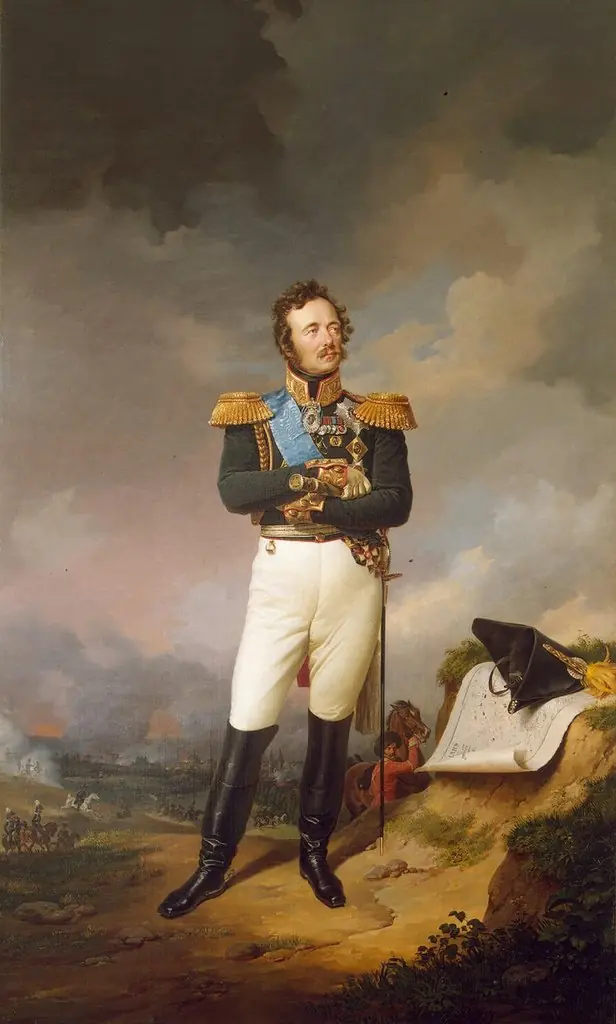 Portrait of Ivan Paskevich
 Portrait of Paisy S. Kaisarov (1783-1844)
- Portrait of Yegor A. Akhte (1772-1826)