Artwork
Self-Portrait
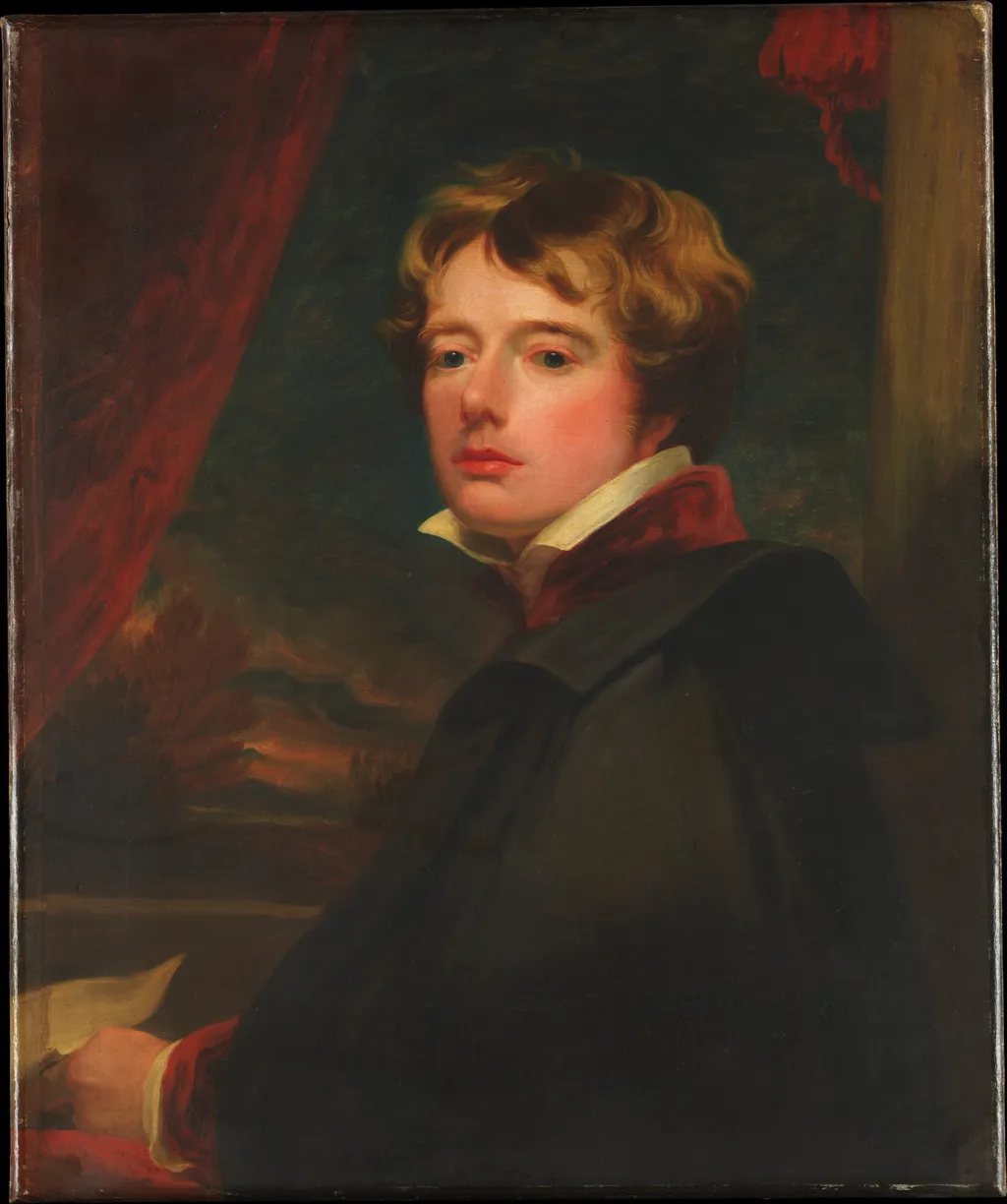
Self-Portrait is an oil painting by the British Romanticist artist George Henry Harlow. It dates from 1818 and is held in the collection of the Metropolitan Museum of Art.
About this work
Technique & Style
Executed in 1818, this self-portrait by George Henry Harlow is an oil painting on canvas. The work measures 76.2 cm in height and 63.5 cm in width. As a portrait genre piece, it depicts the artist himself as the primary subject.
The composition utilizes oil paint as the sole medium applied to a fabric support, characteristic of early nineteenth-century portraiture techniques.
History & Provenance
By the late 20th century, the painting entered the collection of the Metropolitan Museum of Art, where it remains part of their holdings.
George Henry Harlow painted Self-Portrait in 1818, as established by its inception date and consistent attribution across sources. The work was executed in oil on canvas, measuring 76.2 by 63.5 centimeters. No commissioning patron or early ownership records have been documented for this self-portrait.
By the late 20th century, the painting entered the collection of the Metropolitan Museum of Art, where it remains part of their holdings. The museum’s acquisition details, including the date and means of entry, are not specified in the available sources.
Overview
George Henry Harlow's Self-Portrait, painted in oil in 1818, offers a direct depiction of the artist himself. This painting serves as a personal record of Harlow's appearance and artistic presence during the early 19th century. The work is currently part of the collection at The Metropolitan Museum of Art, representing a significant example of self-portraiture from the period.
Subject & Meaning
The portrait presents a young man with short, wavy hair, dressed in a dark jacket over a white shirt with a distinct red collar. He holds a piece of paper in his right hand, while his left rests on a surface, suggesting a moment of contemplation or artistic engagement. The overall impression conveyed is one of introspection and a somewhat somber demeanor, inviting viewers to consider the artist's inner state.
Own this work as a print
Artist & collection

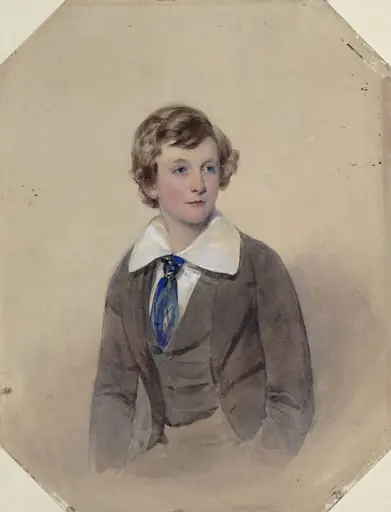
- Portrait of a Boy: The Artist's Son
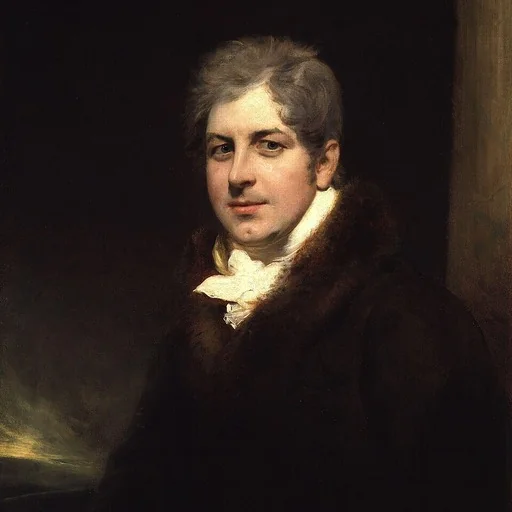
 James, Lord Ruthven
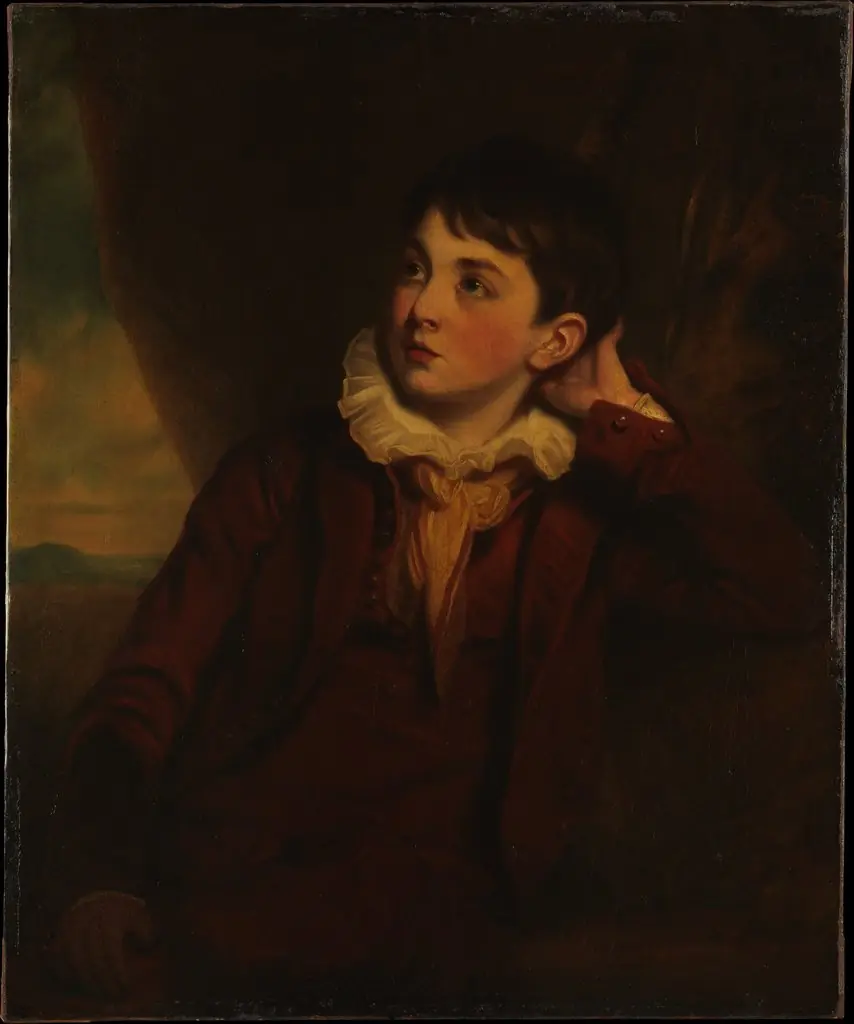 William Archer Shee (1810–1899), the Artist's Son
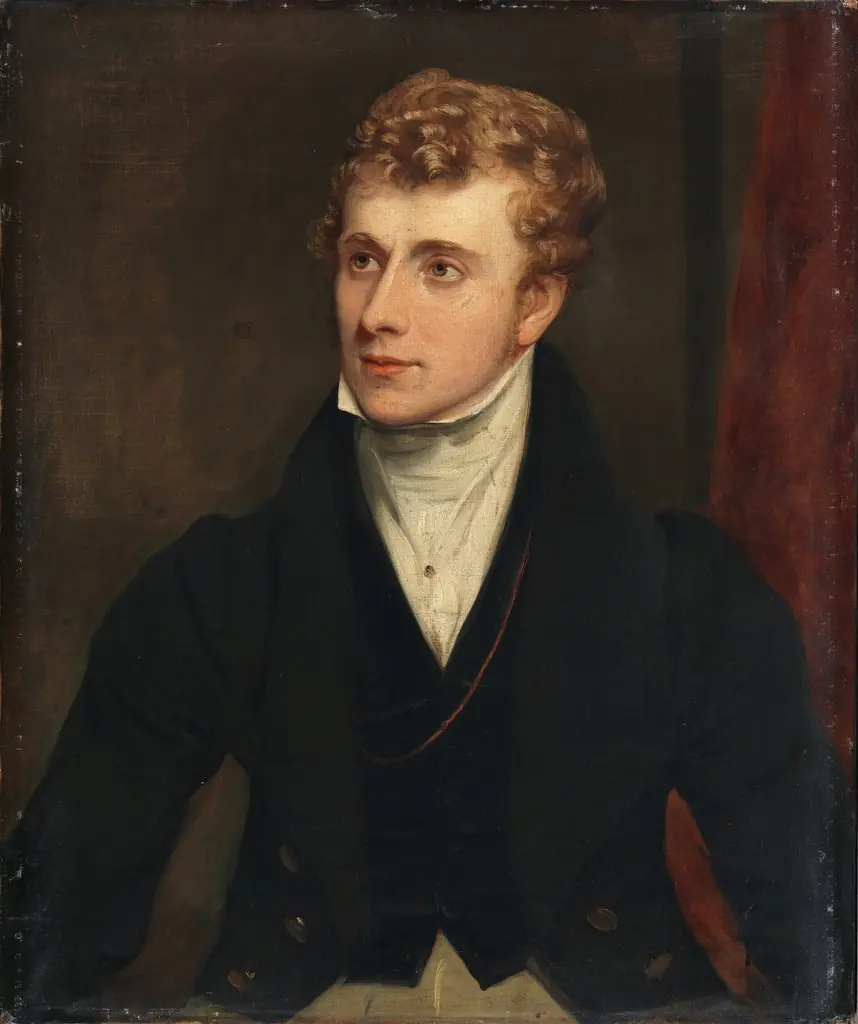 Portrait of Michael Banim (1796-1874), Author
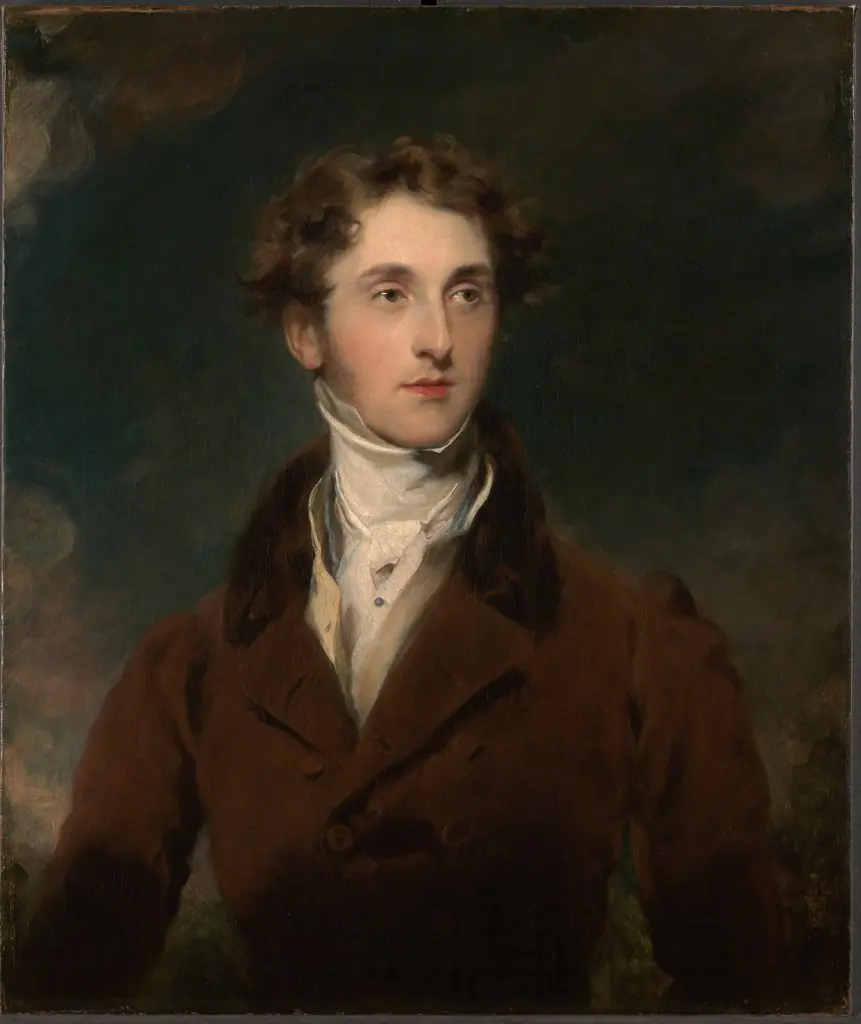 Portrait of Frederick H. Hemming
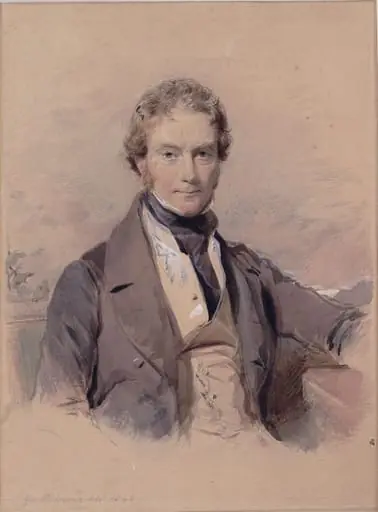
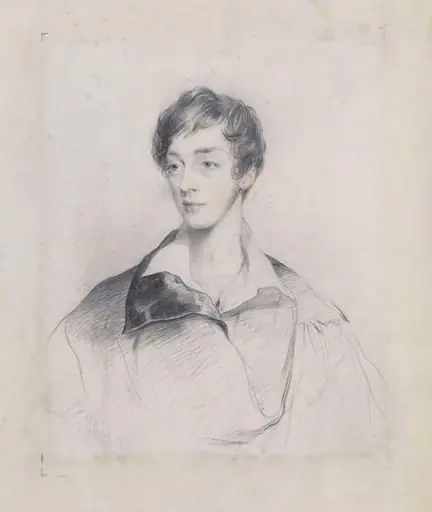 Sir Stephen Richard Glynne, 9th Bart, M.P.
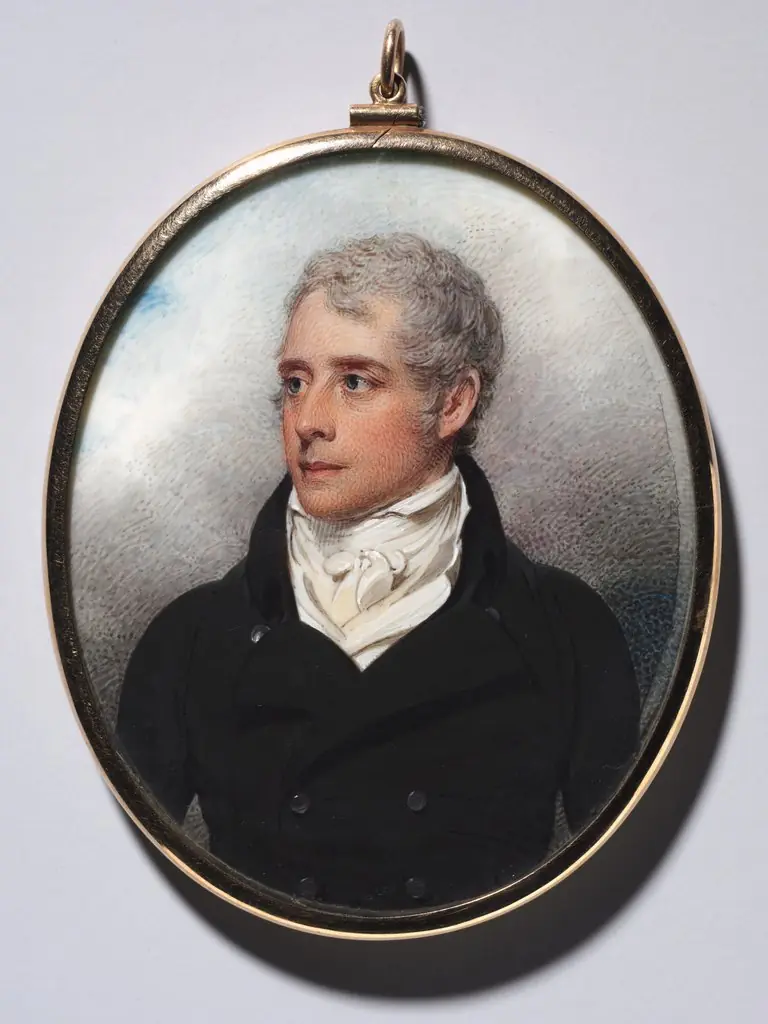 Portrait of Sandford Peacocke
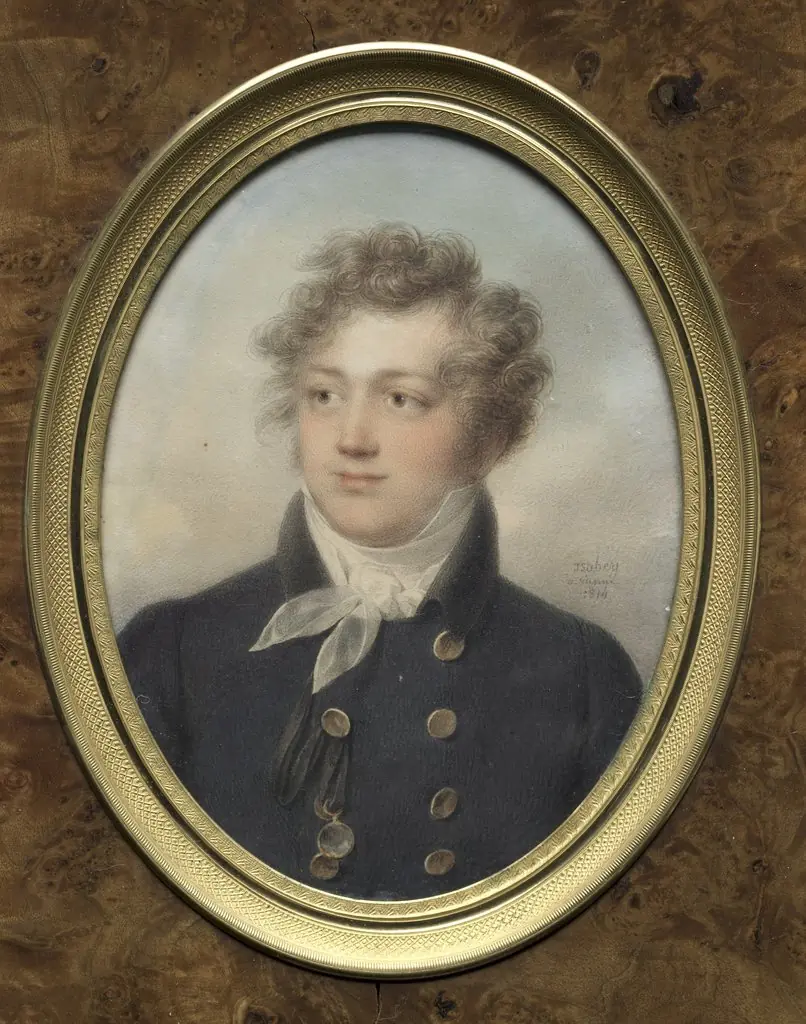 Portrait of a Man, possibly Alexander I, Emperor of Russia
 Wilkinson
 Portrait of a Man, possibly Alexander I, Emperor of Russia
 The Duke of Reichstadt
 H Beard Print Collection