Artwork
Landscape with a Plowed Field and a Village
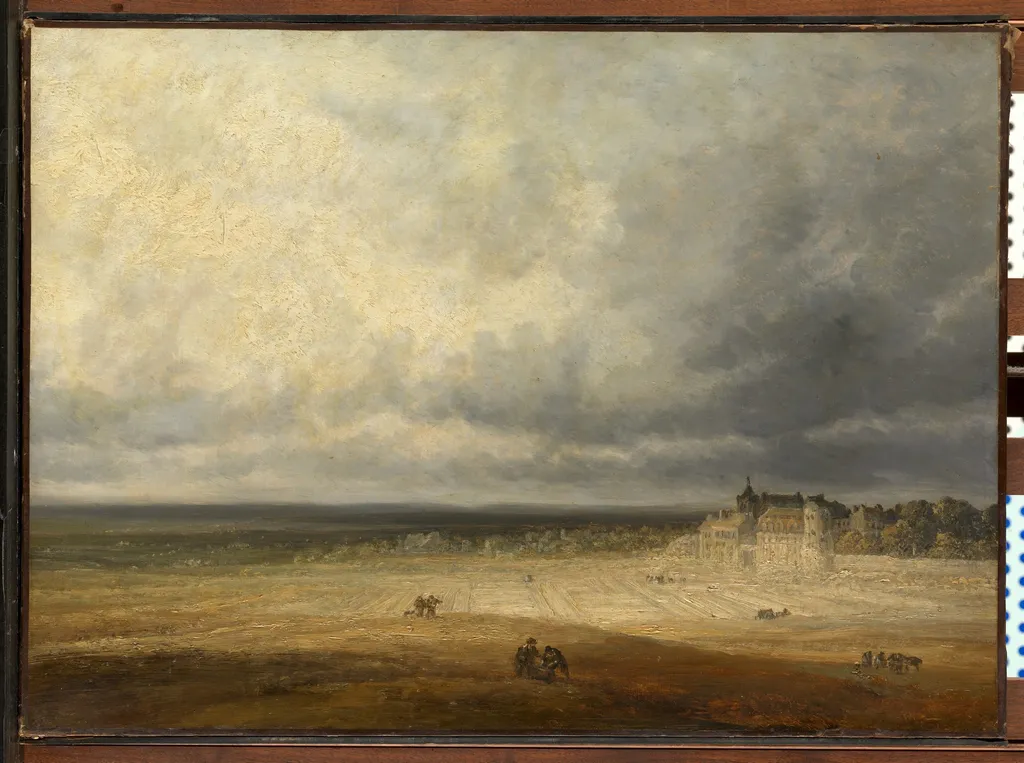
Landscape with a Plowed Field and a Village is an oil painting by the Barbizon school artist Georges Michel. It dates from 1835 and is held in the collection of the Metropolitan Museum of Art.
About this work
Technique & Style
Landscape with a Plowed Field and a Village is an oil painting executed on canvas, a medium consistent with Georges Michel's landscape practice of the period.
Landscape with a Plowed Field and a Village is an oil painting executed on canvas, a medium consistent with Georges Michel's landscape practice of the period. The work is relatively modest in scale, measuring 51.1 cm in height by 70.2 cm in width, with the broader horizontal format suited to its expansive rural subject.
Stylistically, the painting belongs to the landscape genre, depicting a plowed field and a village under open sky. Michel's handling is associated with a painterly approach that emphasizes atmospheric conditions and the tonal character of the French countryside, often through loose, expressive brushwork rather than tight finish. The composition pairs cultivated foreground terrain with a distant settlement, a pairing typical of his rural scenes.
History & Provenance
Georges Michel created the oil painting Landscape with a Plowed Field and a Village in 1835. The work, executed on canvas, measures 51.1 cm in height and 70.2 cm in width. It is currently held in the collection of the Metropolitan Museum of Art.
No further details regarding its commission, specific ownership history prior to the museum, or the circumstances of its creation are provided in the available records. The sources do not specify an accession number or the exact date of acquisition, and no exhibition records or loan histories appear in the provided documentation.
Overview
Georges Bernard Michel, a French painter active from the late 18th to mid-19th century, completed Landscape with a Plowed Field and a Village in 1835. This oil painting exemplifies his dedication to rural subjects, a characteristic that positioned him as an important forerunner to the Barbizon School. The work captures a broad agricultural vista under a dynamic sky, reflecting a growing interest in depicting unidealized natural settings. It is currently part of The Metropolitan Museum of Art's collection.
Subject & Meaning
The painting presents an expansive rural scene, dominated by a newly plowed field with visible furrows stretching into the distance. A small village, distinguished by its white structures, nestles quietly beneath a dramatic, cloud-filled sky. Scattered figures and animals populate the foreground and middle ground, engaged in daily activities or at rest, contributing to the depiction of an active yet tranquil agricultural environment.
Context
Created in 1835, this work by Georges Bernard Michel predates the formal establishment of the Barbizon School, yet it shares many of its core principles. Michel's consistent focus on depicting authentic rural scenery and his naturalistic style laid groundwork for the movement. The Barbizon artists, who emerged shortly after, similarly championed direct observation of nature and the portrayal of everyday country life, diverging from classical landscape conventions.
Own this work as a print
Artist & collection

Artist
Georges Bernard Michel (12 January 1763, Paris – 8 June 1843, Paris) was a French landscape painter. His works are considered to be a precursor of the Barbizon School.

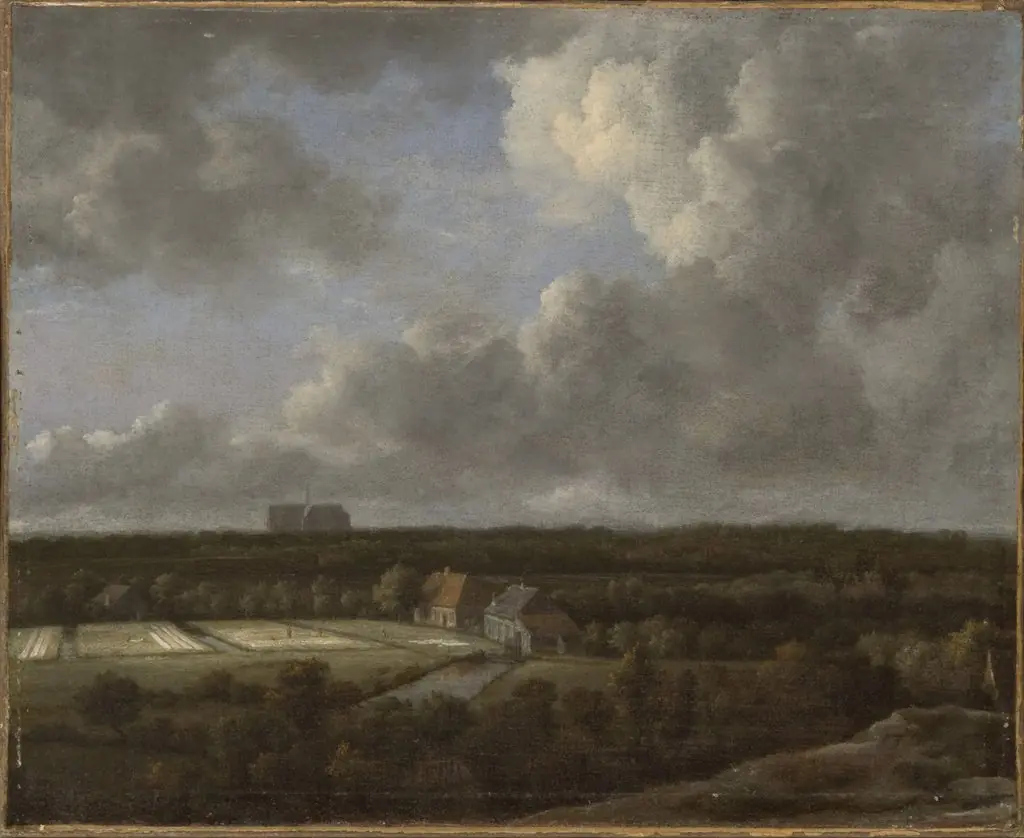 Bleaching Fields to the North-Northeast of Haarlem
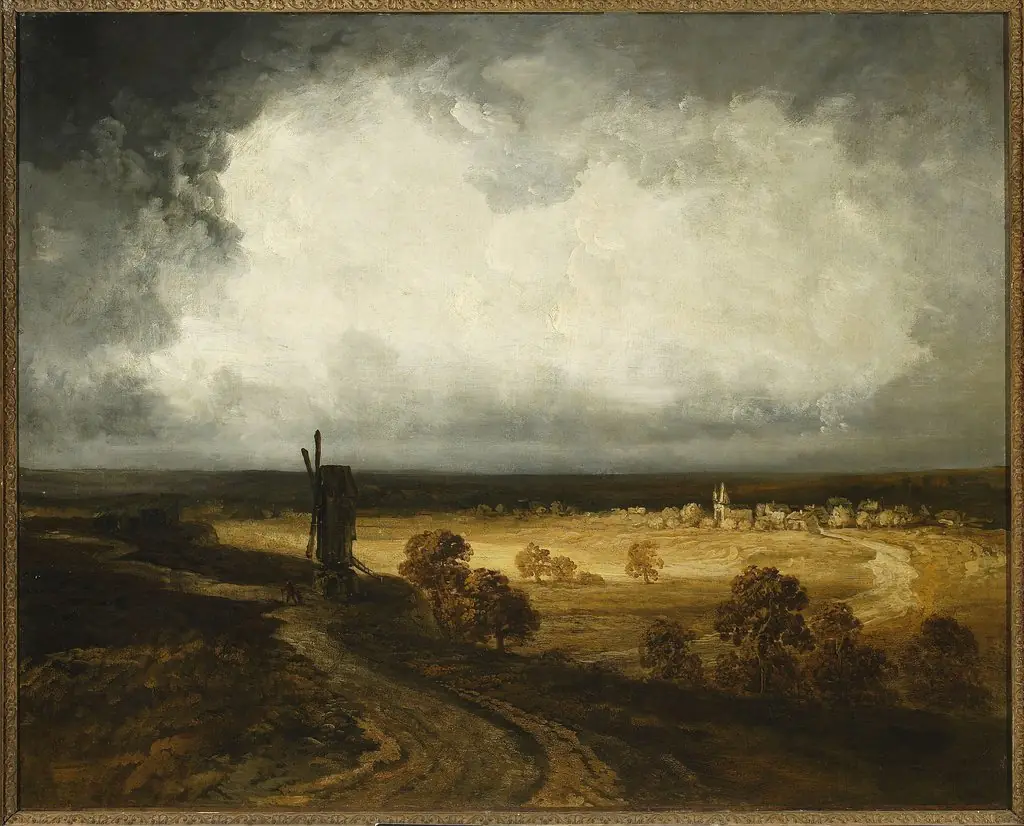 Windmills at Montmartre
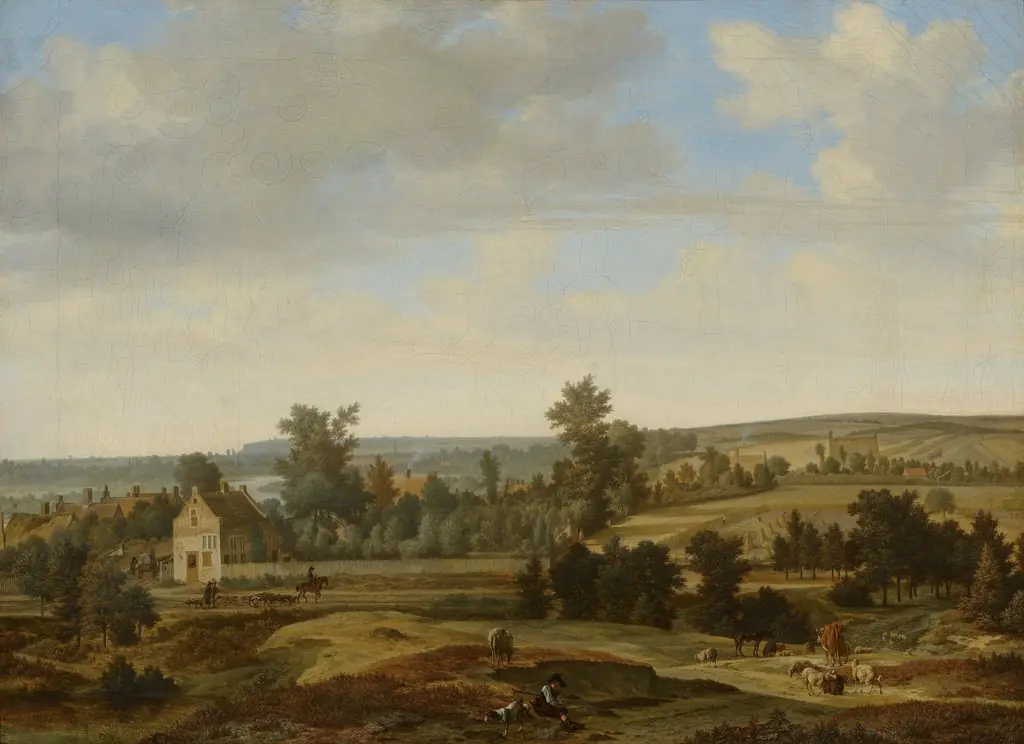 Panorama near Arnhem
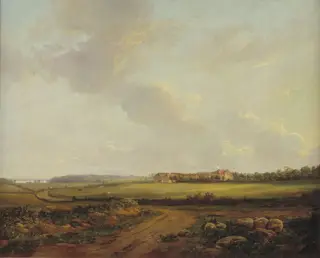 View of Engelholm at Præstø in Zealand
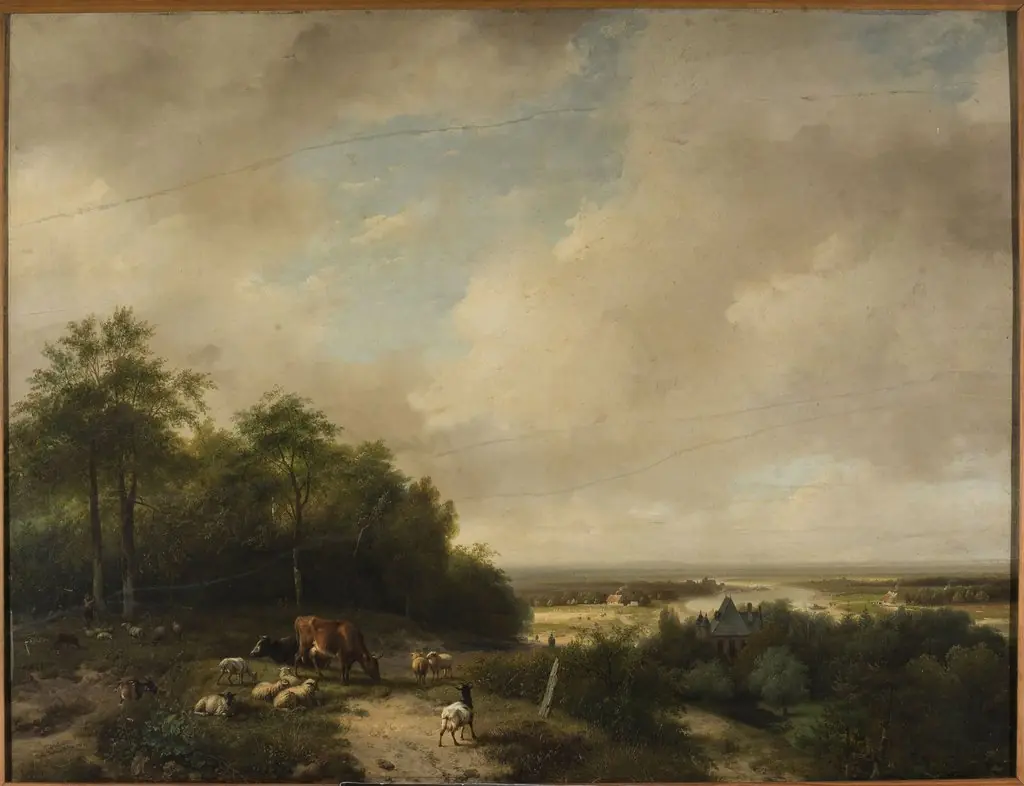 Landscape with a herd at the forest edge
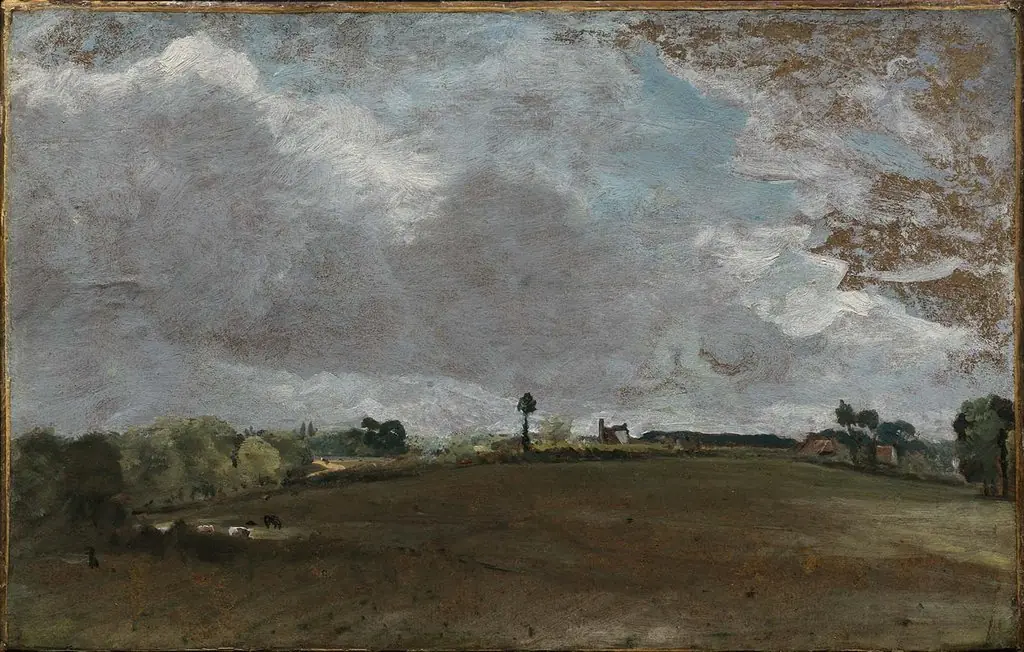 A Hilltop (His Native Village)
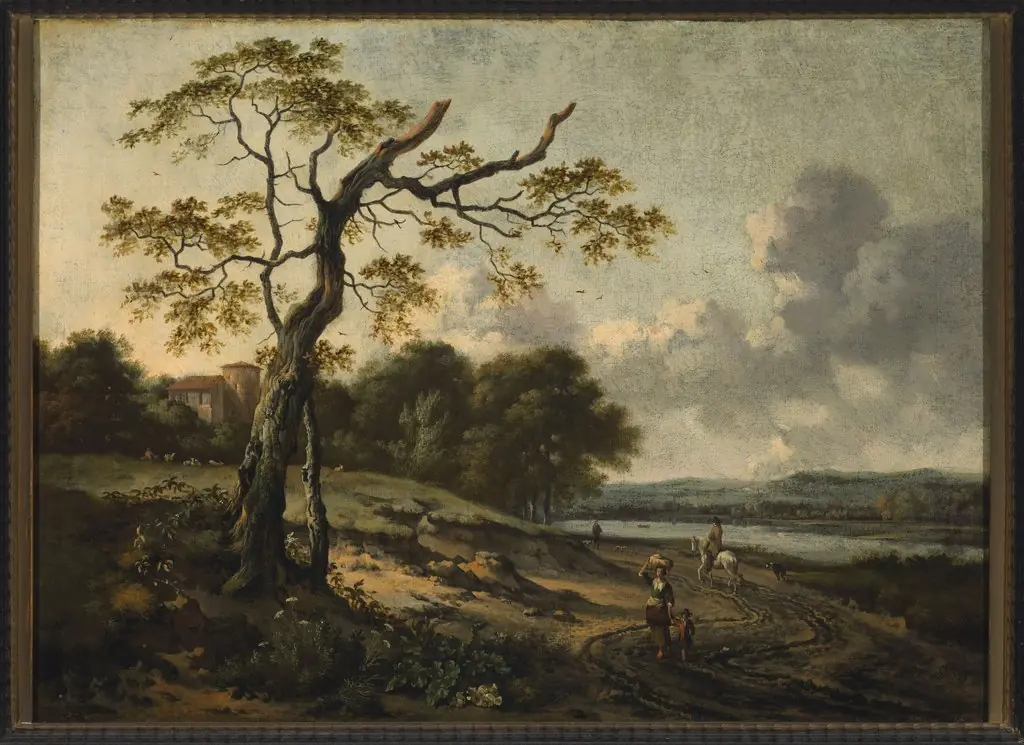 Landscape
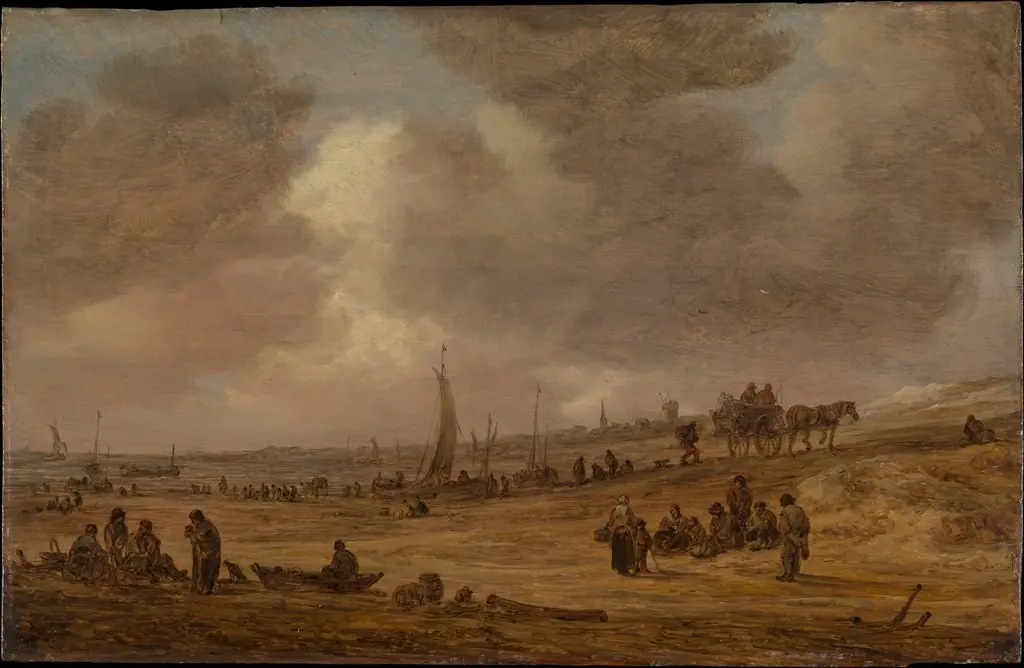 A Beach with Fishing Boats
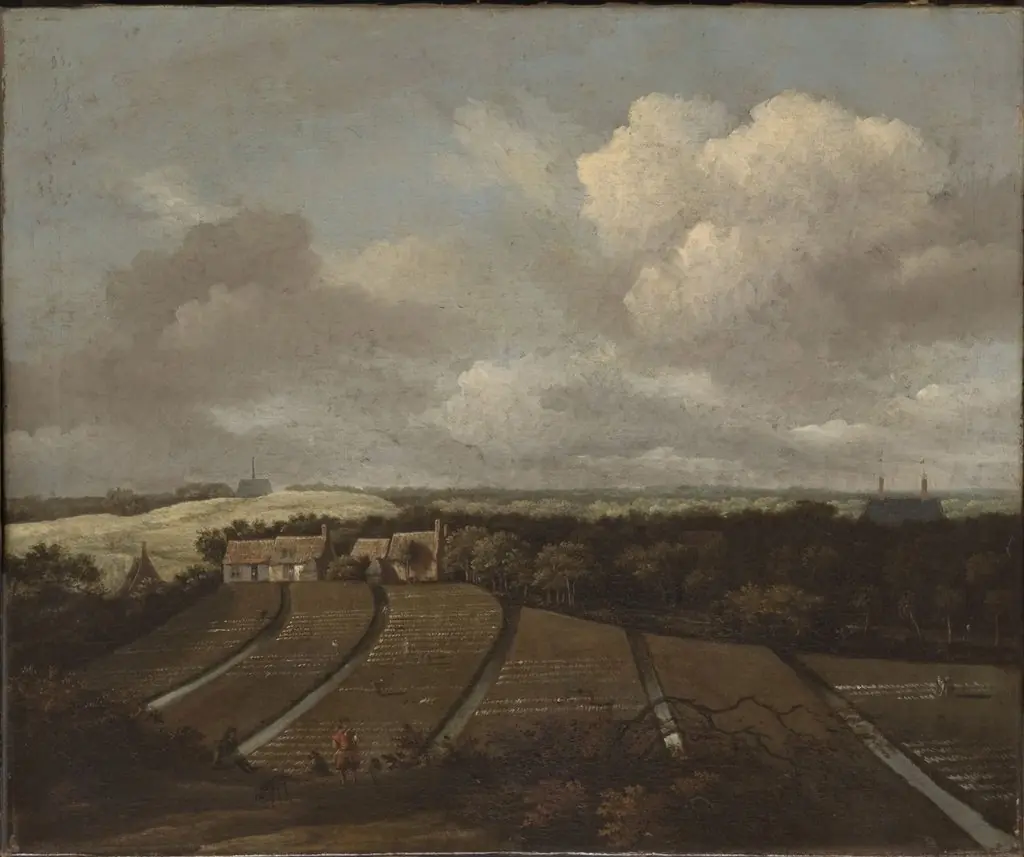 Dunes near Haarlem
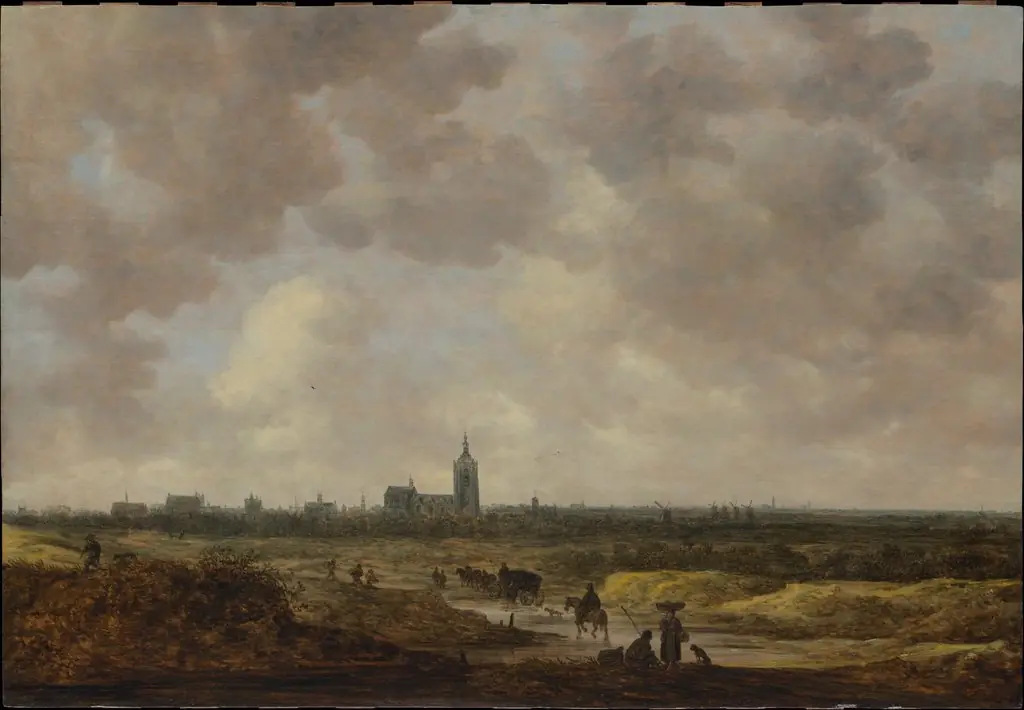 A View of The Hague from the Northwest
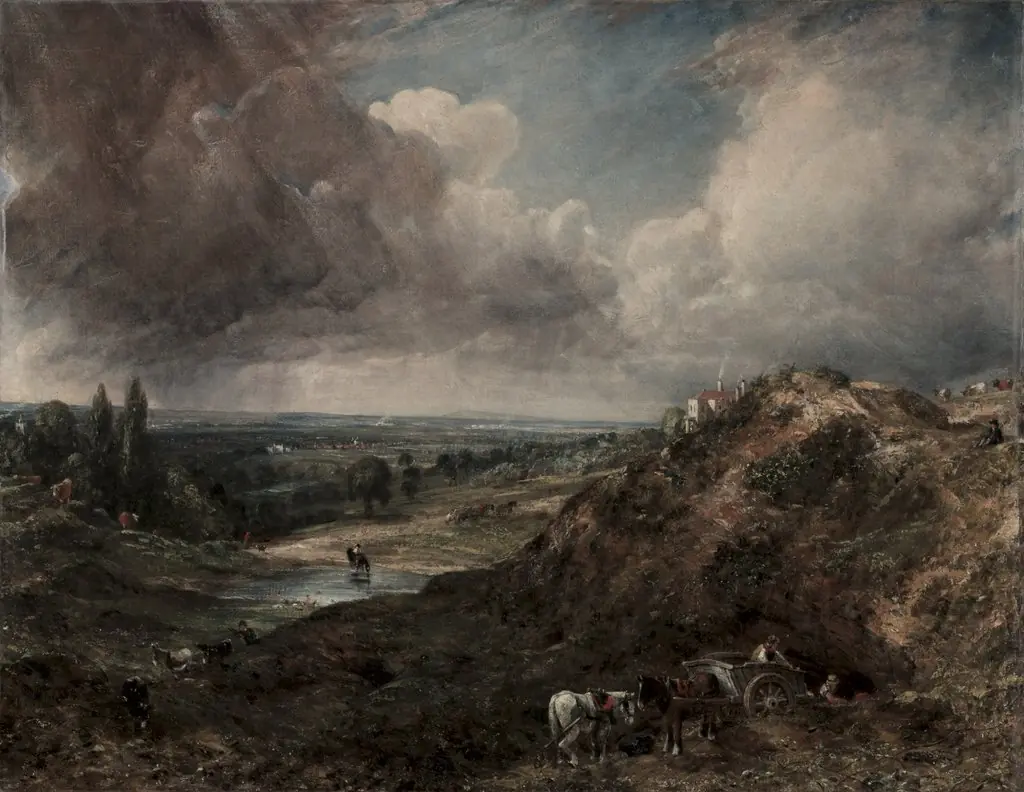 Branch Hill Pond, Hampstead
- Panoramic Landscape with a Village