Artwork
Allegory of riches
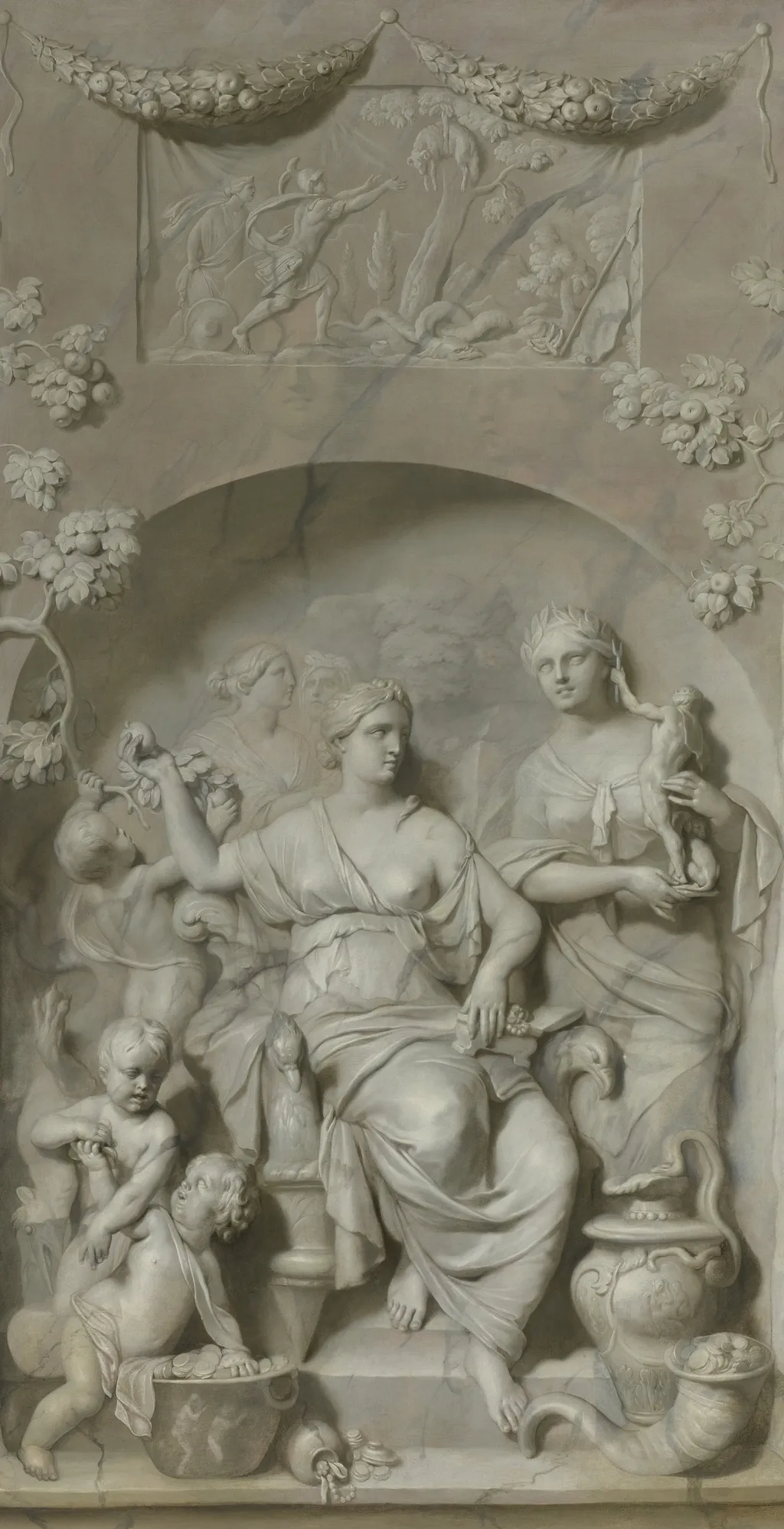
Allegory of riches is an oil painting by the Dutch Golden Age artist Gerard de Lairesse. It dates from 1690 and is held in the collection of the Rijksmuseum.
About this work
Technique & Style
Allegory of riches is an oil painting executed on canvas, measuring 288 cm by 153 cm, created in 1679 in the Northern Low Countries.
Allegory of riches is an oil painting executed on canvas, measuring 288 cm by 153 cm, created in 1679 in the Northern Low Countries. The work was commissioned by Philips de Flines and subsequently entered the collection of the Rijksmuseum, where it remains housed. Executed in the Baroque allegorical style, the composition features a female personification of wealth rendered in richly layered oil pigments, demonstrating Lairesse’s characteristic handling of chiaroscuro and meticulous surface finish.
The painting’s technique reflects the period’s emphasis on textural contrast and symbolic opulence, with fine brushwork defining the drapery and gilded attributes associated with riches. Its condition is stable, retaining original pigments without significant degradation, underscoring its significance as a mature example of Dutch Golden Age allegory.
History & Provenance
Allegory of riches was painted in 1679 by Gerard de Lairesse in the Northern Low Countries. The work was commissioned by Philips de Flines, who also remained its first owner. After staying in the Flines family collection, the painting eventually entered the holdings of the Rijksmuseum in Amsterdam, where it is now displayed as part of the museum’s allegorical paintings.
The canvas measures 288 cm in height and 153 cm in width and is executed in oil on canvas.
Gerard de Lairesse's Allegory of Riches is held in the collection of the Rijksmuseum in Amsterdam. The painting, created in 1679 on canvas, was originally commissioned by and owned by Philips de Flines before entering the museum's holdings. The work measures 288 cm in height and 153 cm in width.
The source material does not provide specific accession or inventory numbers for the piece, nor does it list any exhibition history.
Overview
Created in 1690 by Dutch painter and theorist Gerard de Lairesse, Allegory of Riches is an oil on canvas that exemplifies the classical leanings of the Dutch Golden Age. The work is part of the Rijksmuseum’s permanent collection and presents a complex allegorical scene that juxtaposes calm figures with turbulent surroundings.
Subject & Meaning
The composition centers on two seated women positioned on a rocky platform, surrounded by small children and foliage. One holds a basket of grapes, the other a vase of flowers, symbols traditionally linked to abundance and fertility. Above them a storm‑filled sky erupts with a chaotic crowd of people and animals, suggesting the instability that can accompany material wealth.
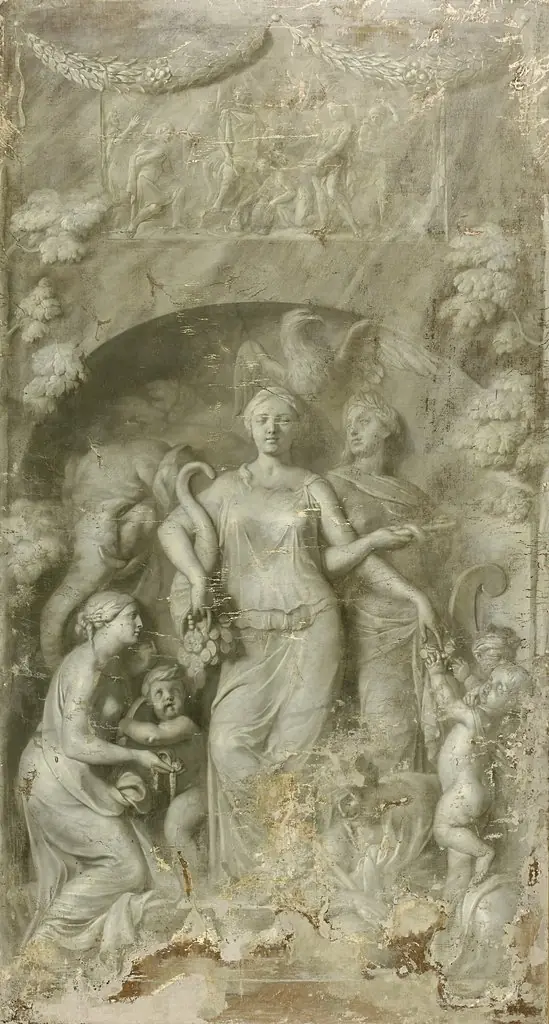
Artist & collection
Artist
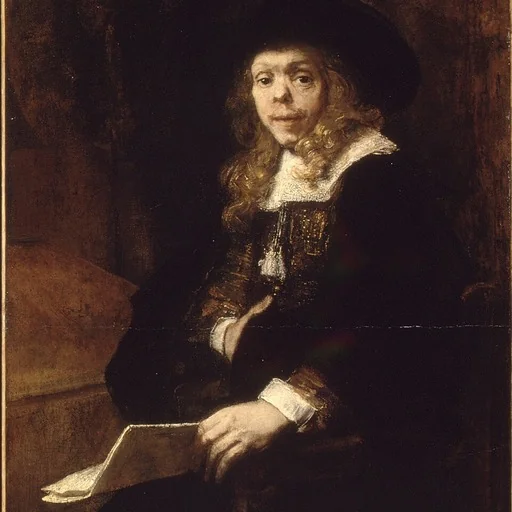
Gerard or Gérard (de) Lairesse (French pronunciation:; 11 September 1641 – June 1711) was a Dutch Golden Age painter and art theorist.

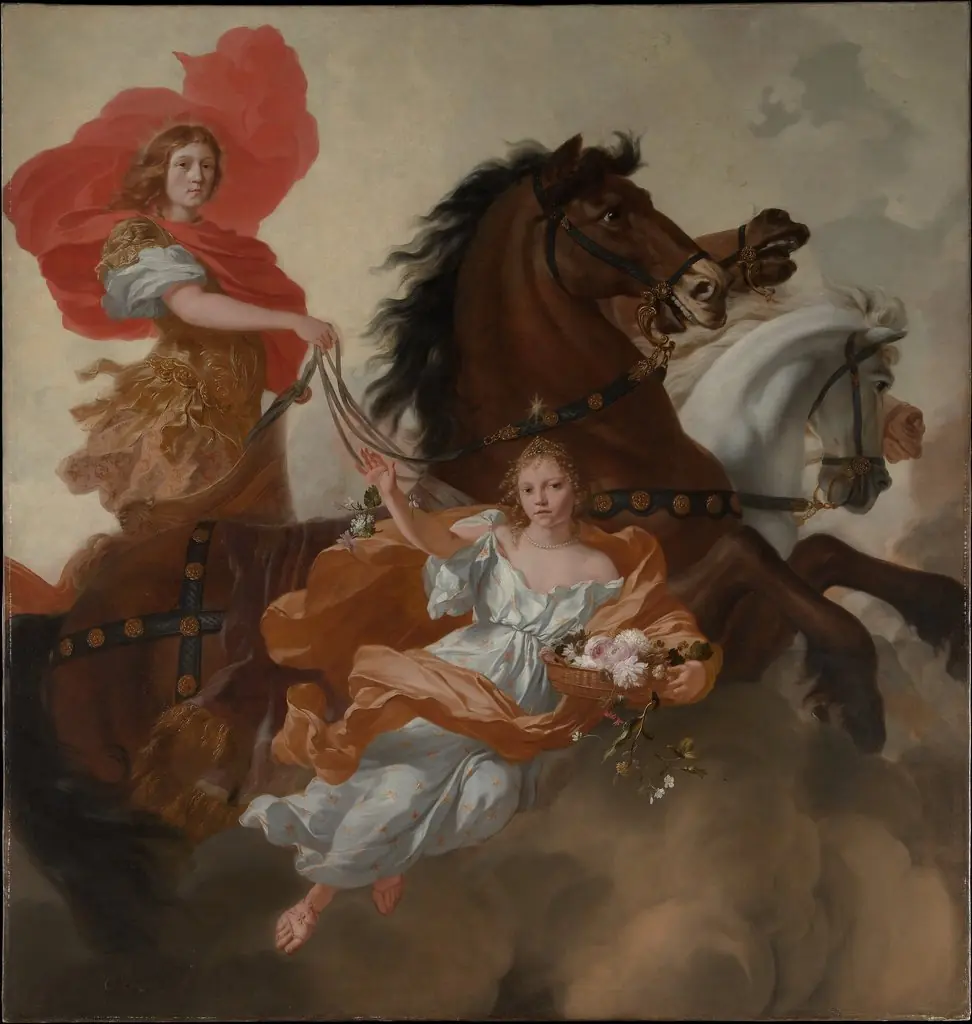
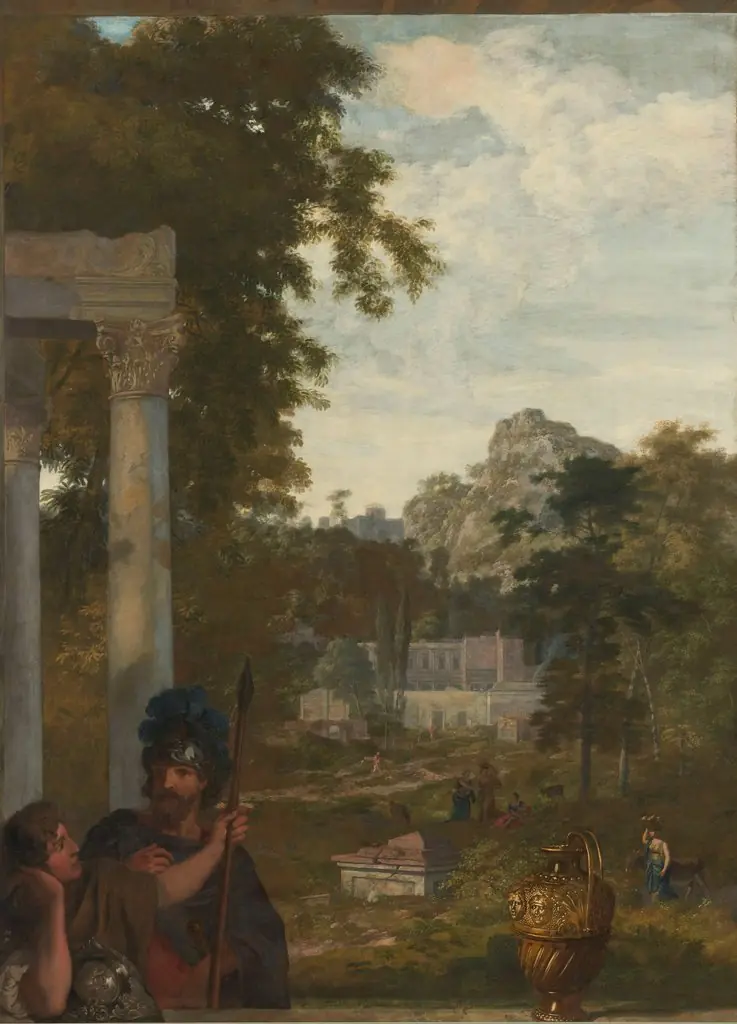
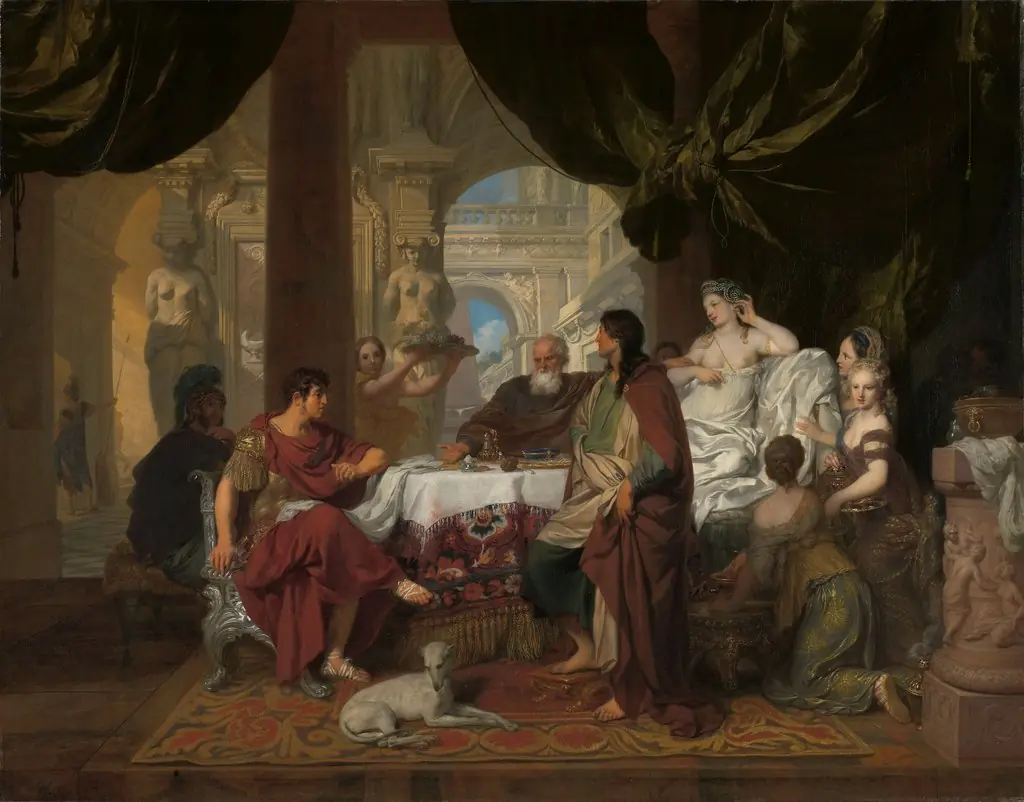
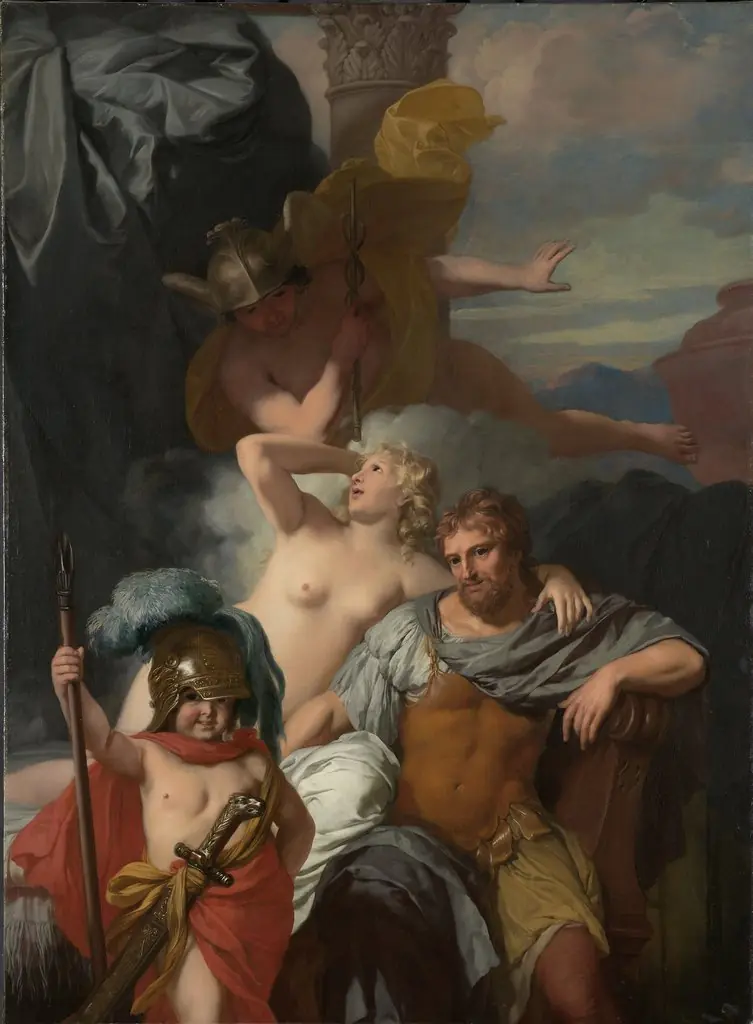
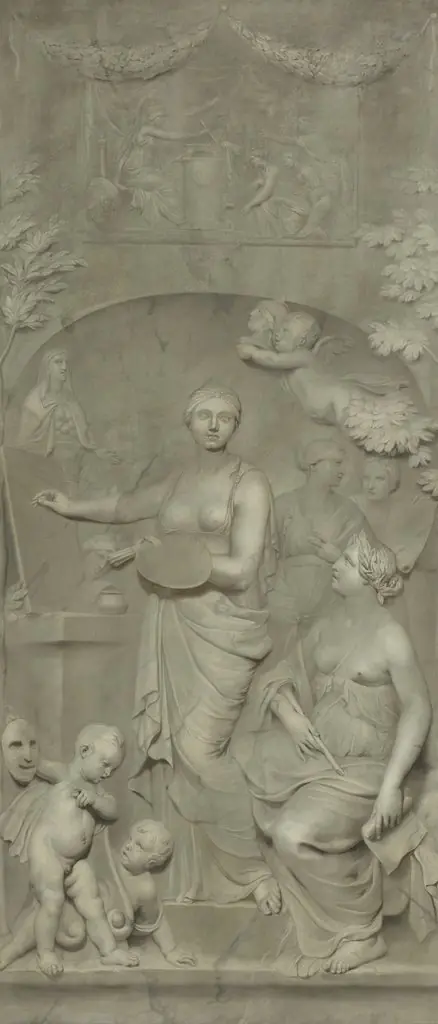 Allegory of the arts
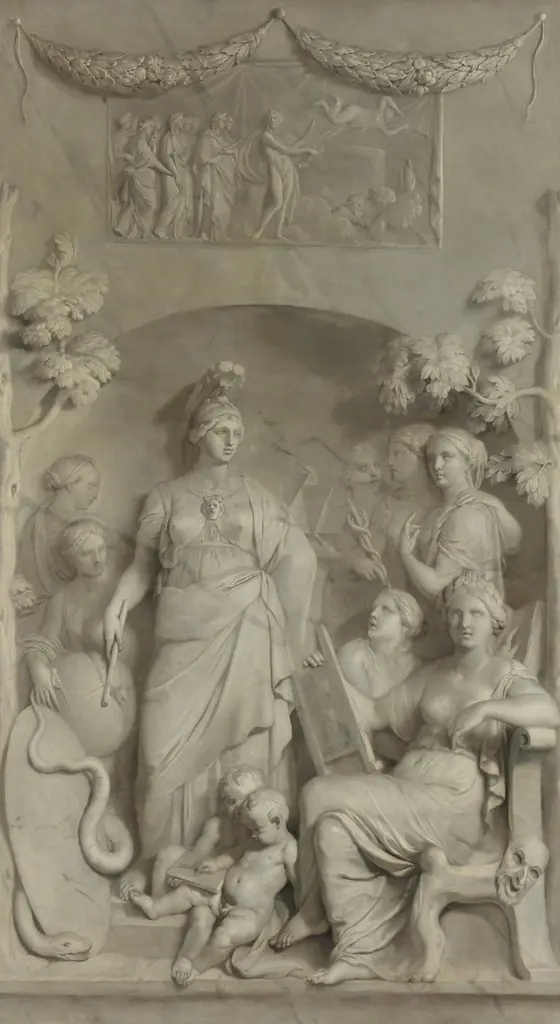 Allegory of the sciences
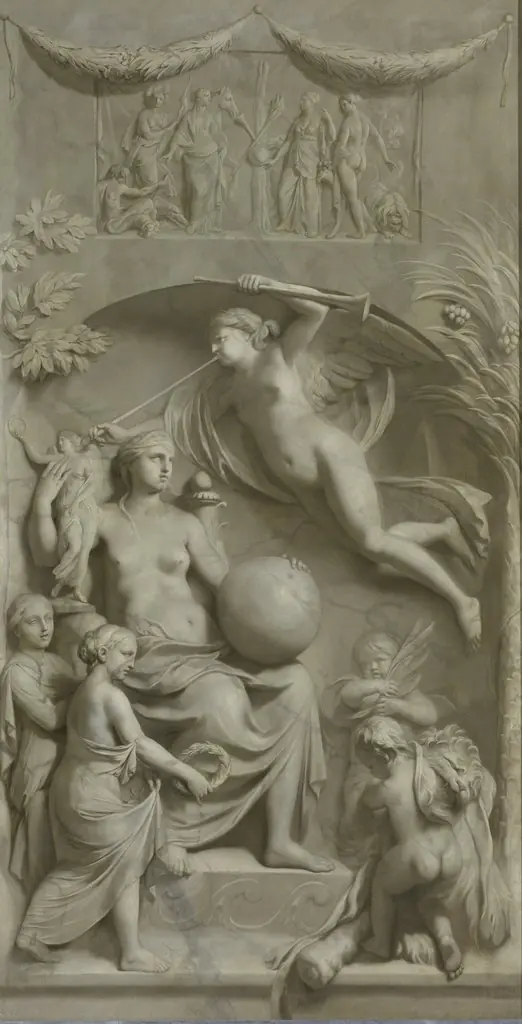 Allegory of fame
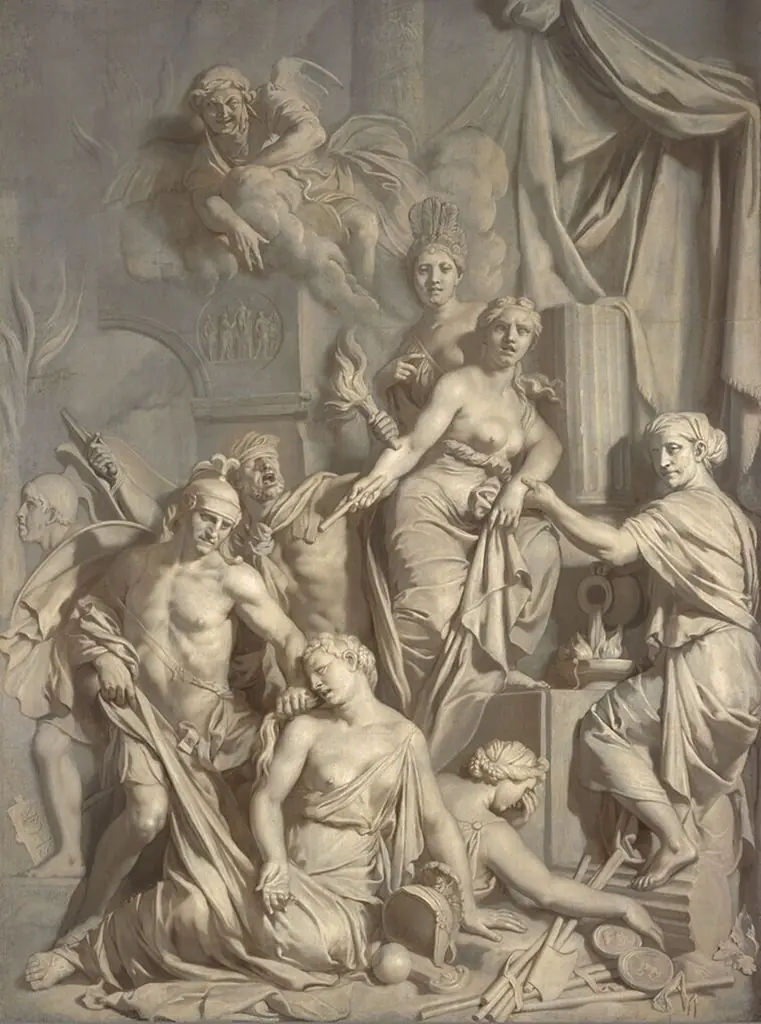 Rome from the Throne
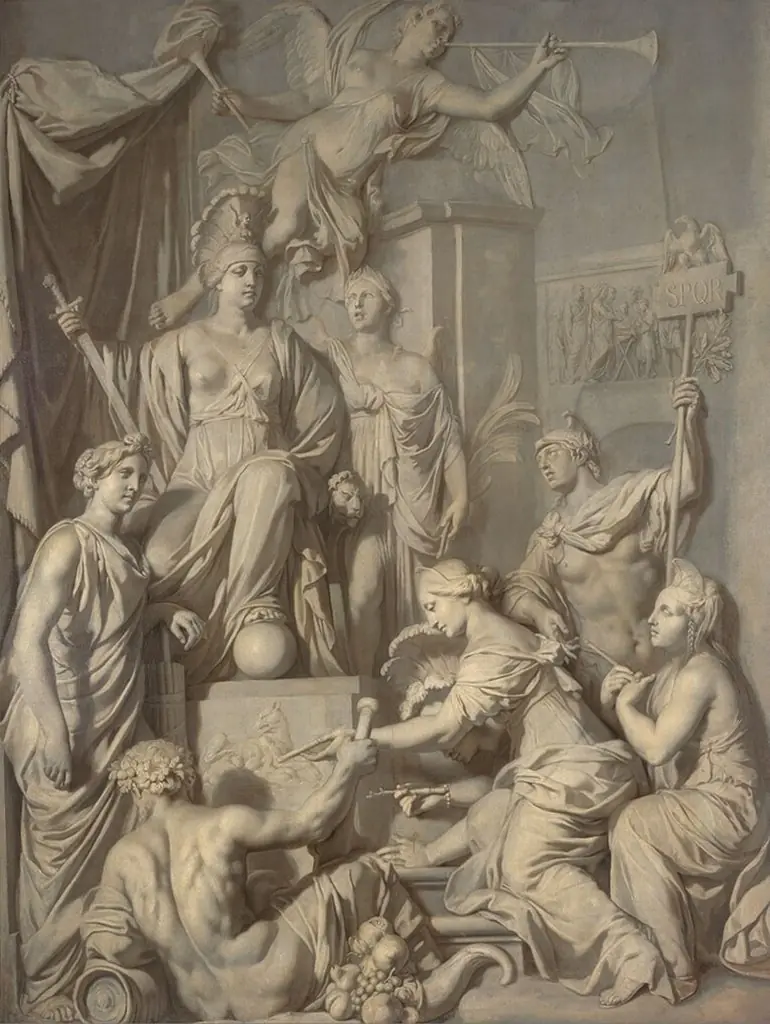 Rome Wearing the Crown
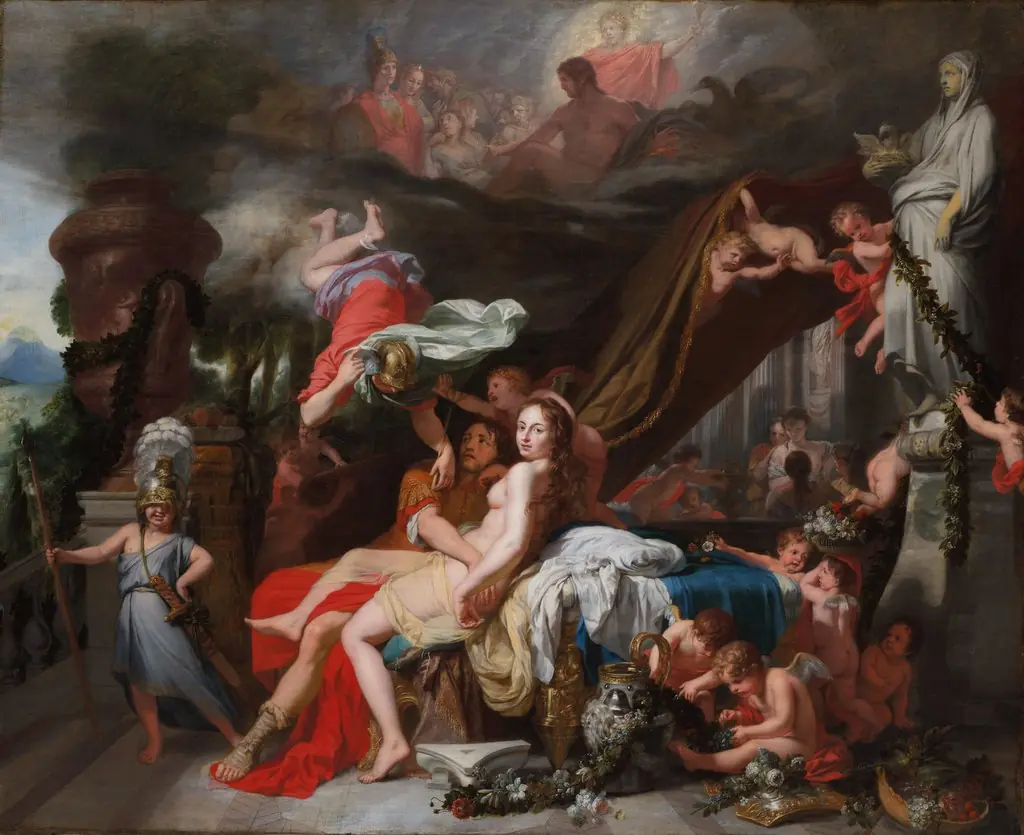
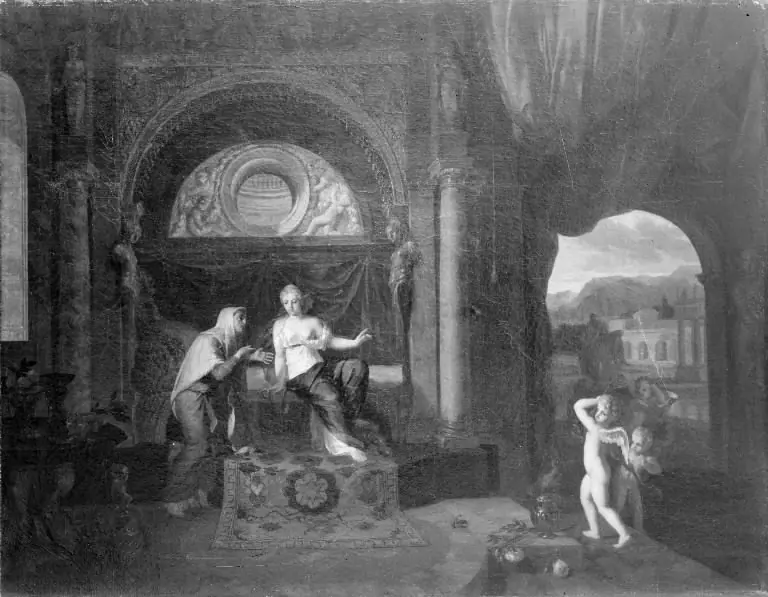
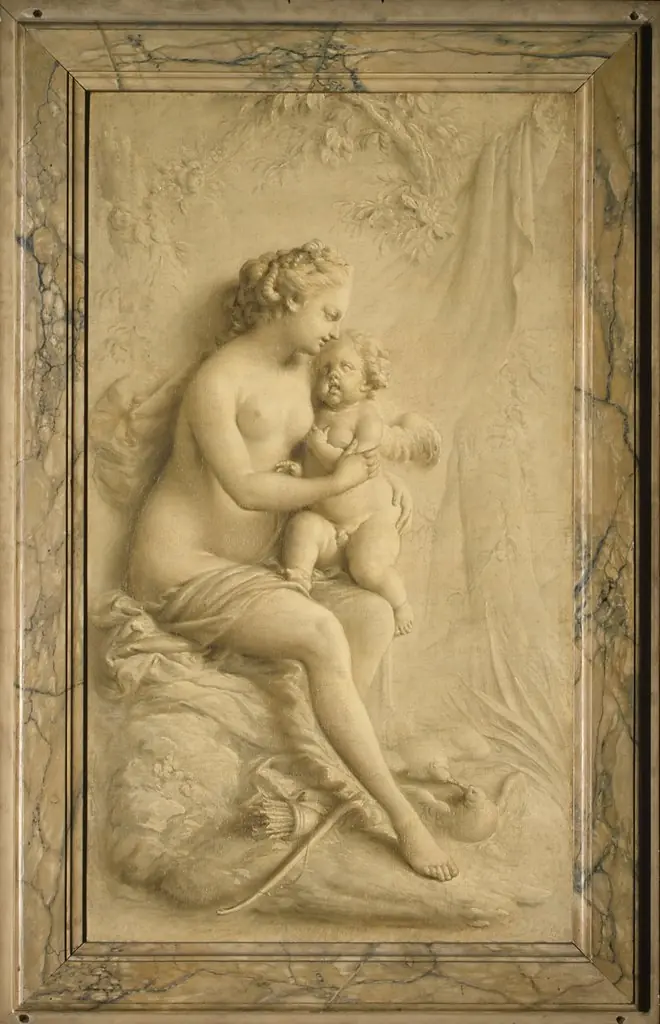 Venus and Cupid
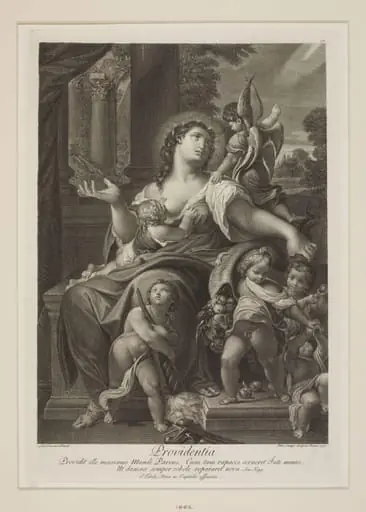 Providentia
 Bacchus og Ariadne sidder sammen i et landskab omgivne af amoriner, bacchantinder og satyrer
 Bacchus og Ariadne sidder sammen i et landskab omgivne af amoriner, bacchantinder og satyrer
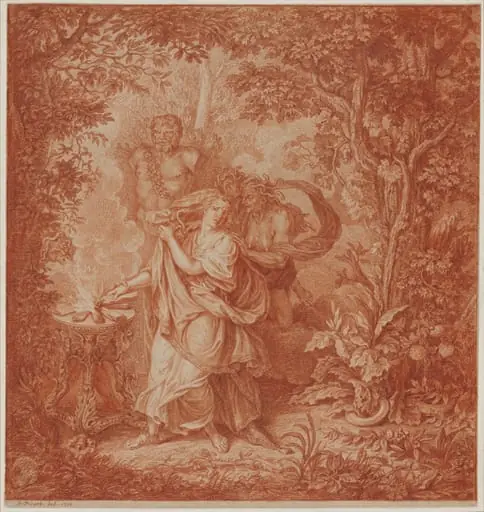 Althaea Putting the Fatal Log on the Fire
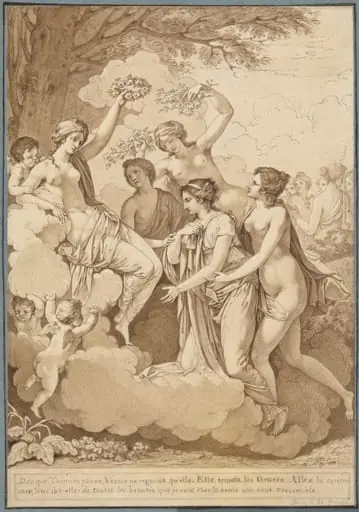 Venus and the Graces Crowning Thémire
- Allegory of charity