Artwork
Moses schlägt Wasser aus dem Felsen
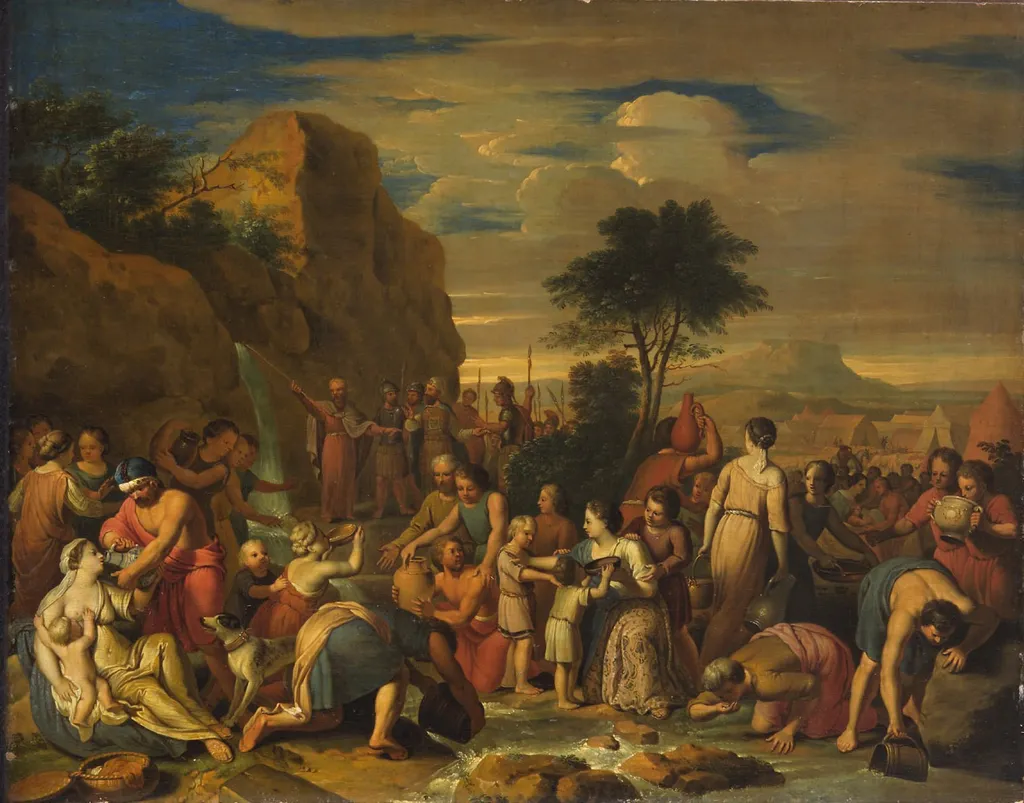
Moses schlägt Wasser aus dem Felsen is an unspecified painting by the Dutch Golden Age artist Gerard Hoet. It dates from 1698 and is held in the collection of the Kunsthistorisches Museum.
About this work
Overview
The composition centers on a dynamic, crowded gathering at the foot of a rugged cliff, illustrating the moment of divine intervention.
Gerard Hoet's 'Moses schlägt Wasser aus dem Felsen' (Moses Striking Water from the Rock), painted in 1698, depicts the biblical narrative from Exodus 17 where Moses provides water for the Israelites in the wilderness. The composition centers on a dynamic, crowded gathering at the foot of a rugged cliff, illustrating the moment of divine intervention. Hoet arranges the figures in a dense, horizontal band that emphasizes the scale of the multitude, contrasting their varied postures of kneeling, standing, and reaching with the static, imposing rock face.
The artist employs a palette of earthy tones punctuated by colorful, loose garments to distinguish the individuals within the throng. Central to the scene is a figure holding a green flag, likely signifying leadership or a specific tribal marker, while others carry jugs to collect the water or hold staffs and musical instruments, suggesting both the urgency of thirst and the subsequent celebration. This work exemplifies Hoet's mature style during his time as a prominent history painter in The Hague, characterized by his ability to orchestrate complex groupings and convey narrative clarity through detailed costume and expressive gesture.
The painting reflects the Dutch Golden Age's continued engagement with Old Testament subjects, rendered with a theatricality that bridges the gap between religious instruction and popular entertainment.
Subject & Meaning
The scene illustrates the Old Testament miracle in which Moses, obeying divine command, brings forth water for the thirsty Israelites. Central figures, including a man bearing a green flag, emphasize the narrative’s communal relief, while the presence of children, elders, and a dog underscores the collective nature of the deliverance.
Technique & Style
Hoet employs chiaroscuro to model forms, allowing light to illuminate faces and garments against deeper shadows, thereby creating a sense of volume. The figures are rendered in loose, colorful attire characteristic of the period, and the landscape features rolling hills, scattered trees, and a warm, cloud‑filled sky that recedes into atmospheric depth.
History & Provenance
Created near the close of the 17th century, the painting entered the Kunsthistorisches Museum’s holdings, where it remains on display. Its provenance traces back to the artist’s workshop in the Dutch Republic before being acquired by the Austrian imperial collection, reflecting the cross‑national appreciation of religious art during the era.
Context
The work aligns with the Baroque fascination for dramatic biblical scenes, combining narrative clarity with dynamic crowd composition. Hoet, known for his decorative frescoes and historical subjects, integrates theatrical lighting and a lively tableau, mirroring contemporary tastes for emotionally resonant religious imagery.
Artist & collection


 Diana and her Nymphs
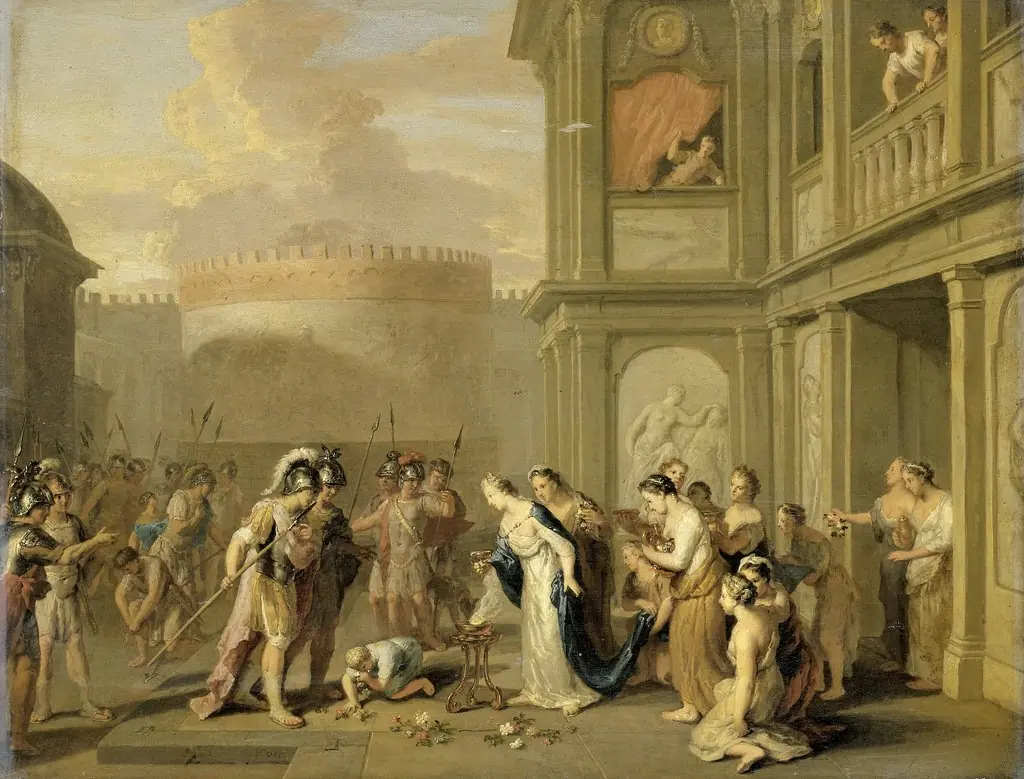 Queen Cleophis Offers Alexander the Great Wine after Conquering Massaga
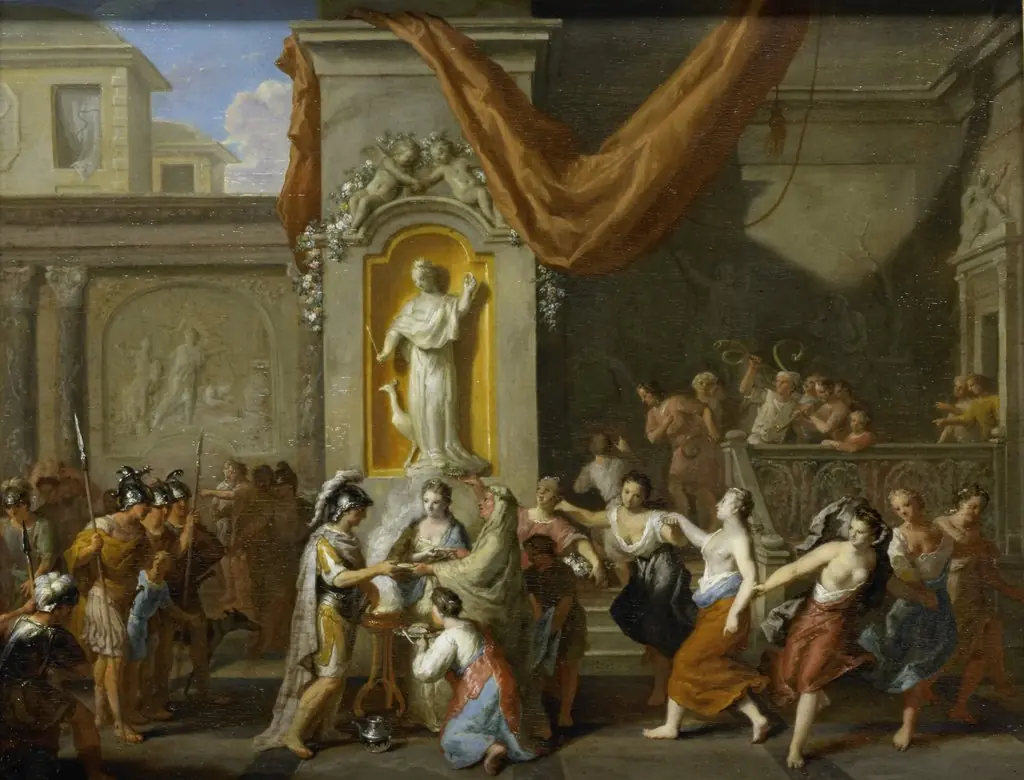 Marriage of Alexander the Great, King of Macedonia, with Roxana of Bacteriane
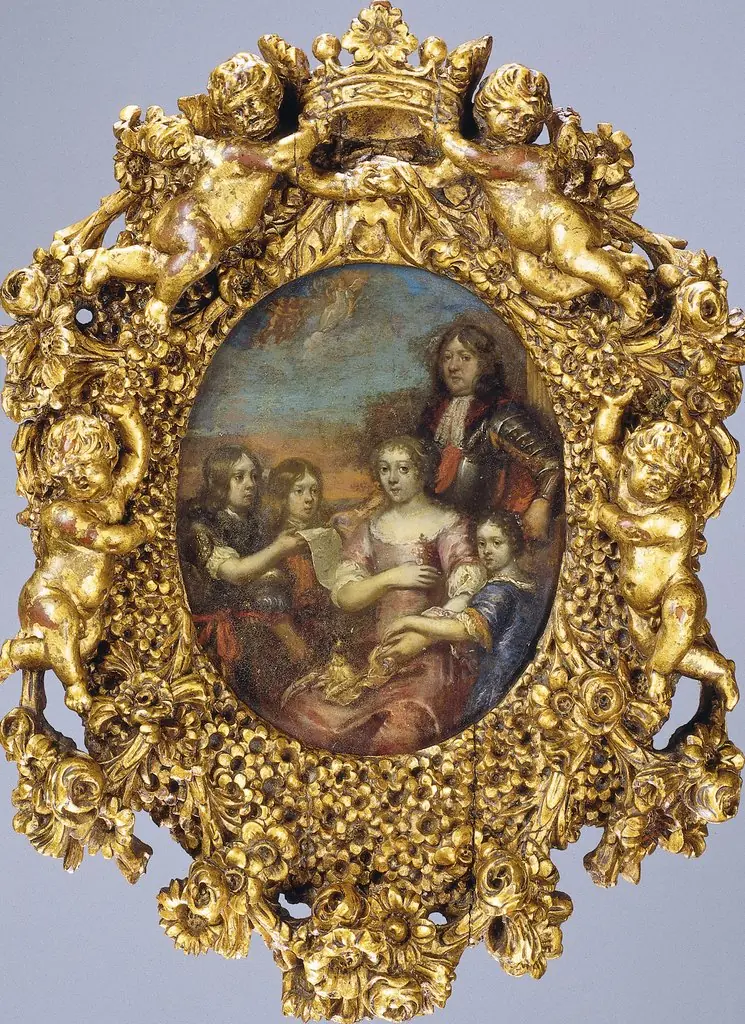 Family Portrait of Willem Hadriaan of Nassau, Lord of Odijk, with his Wife and Children
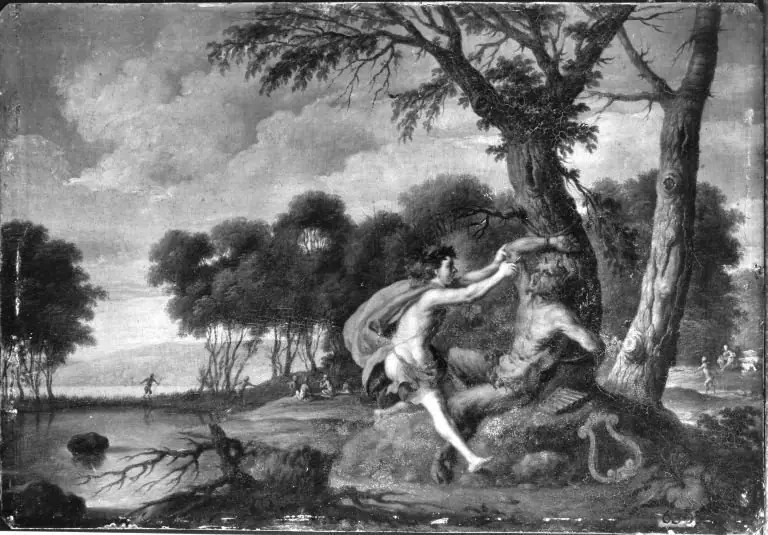 Schindung des Marsyas (?)
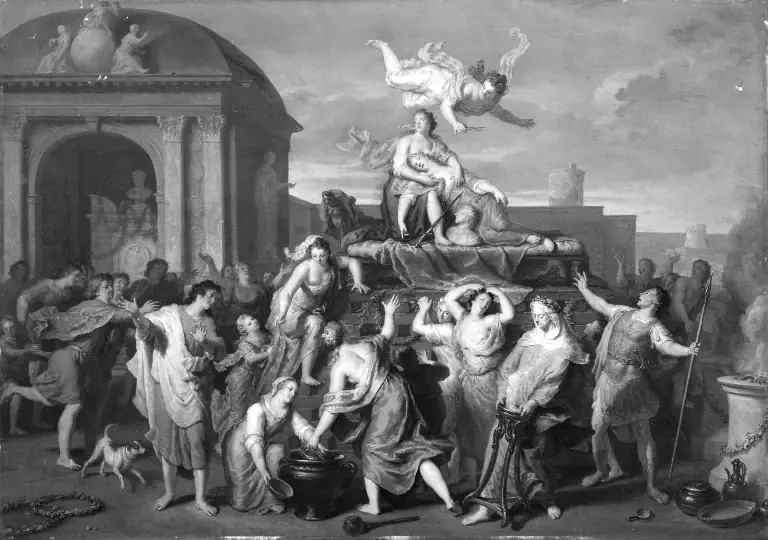 Death of Dido
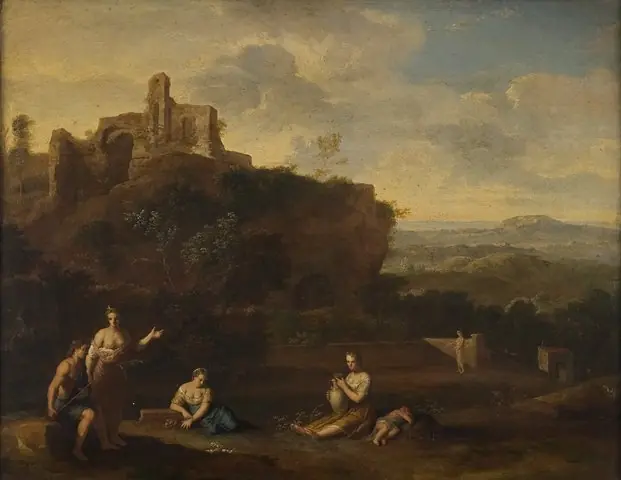 Idyllic Landscape with Fortress
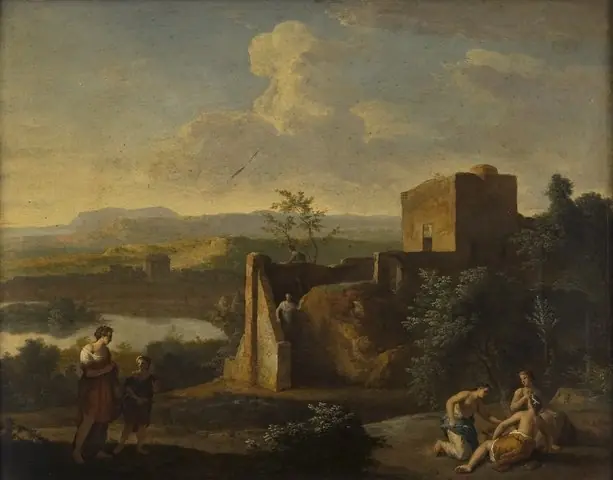 Idyllic Landscape with Watch-tower
- Jacob's Sons Show Him Joseph's Blood-Stained Robe
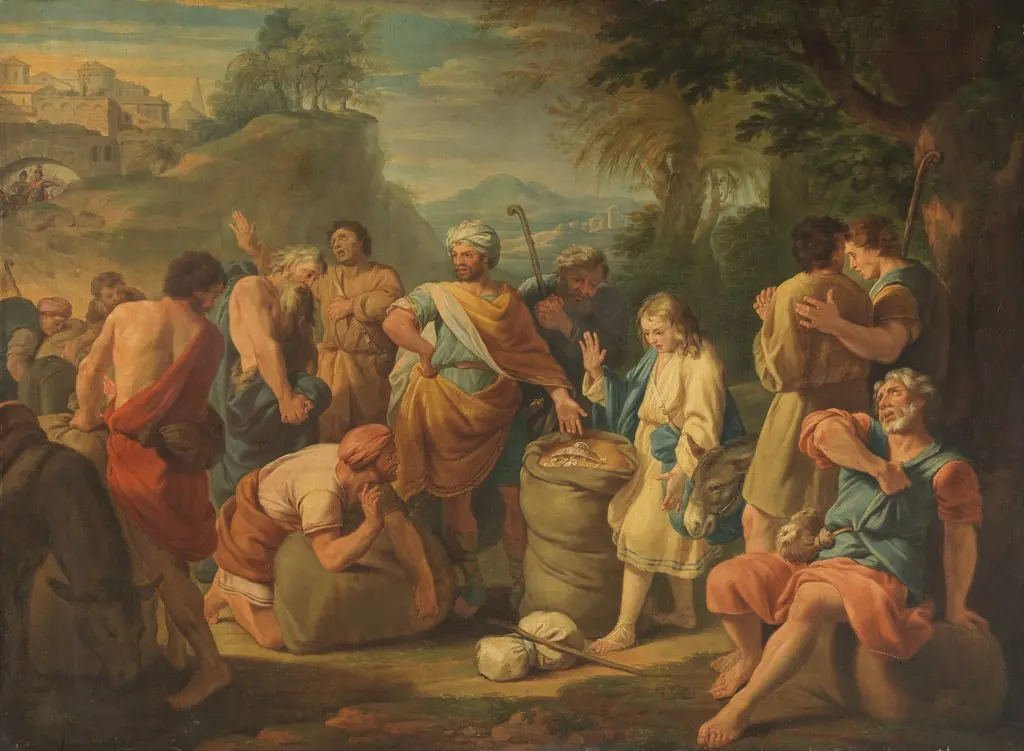 The Finding of the Money in Benjamin's Sack
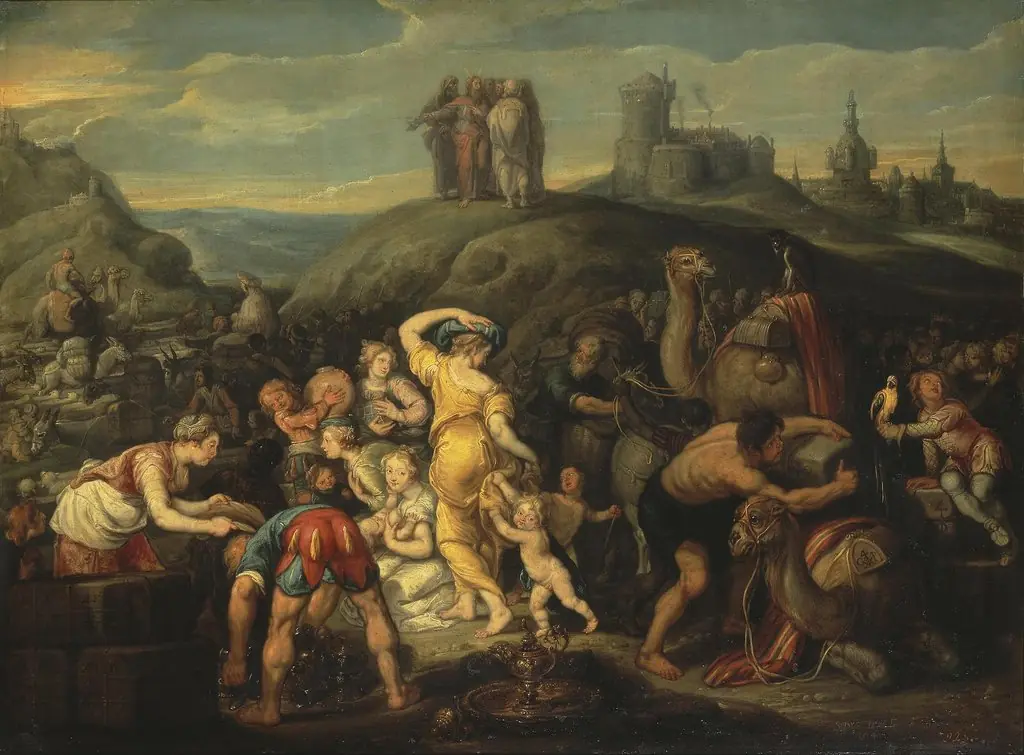 The Israelites after Crossing the Red Sea
 Saint John Baptizing in the River Jordan
 Saint John the Baptist Preaching
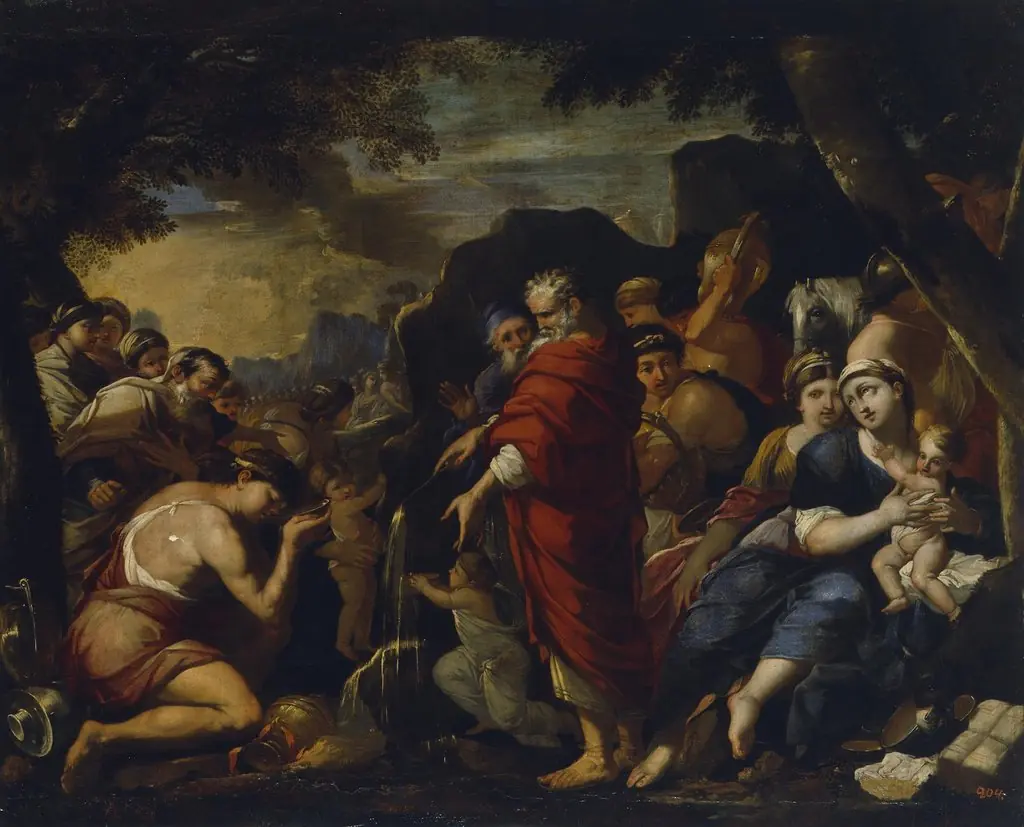 Moses Striking the Rock
 Ansicht des Campo Vaccino in Rom (Aufbruch der Israeliten aus Ägypten)
 Samuel and Saul
 Joseph's Brothers Find the Silver Goblet in Benjamin's Pack.
 Christ's Entry into Jerusalem
 Predication of Saint John the Baptist
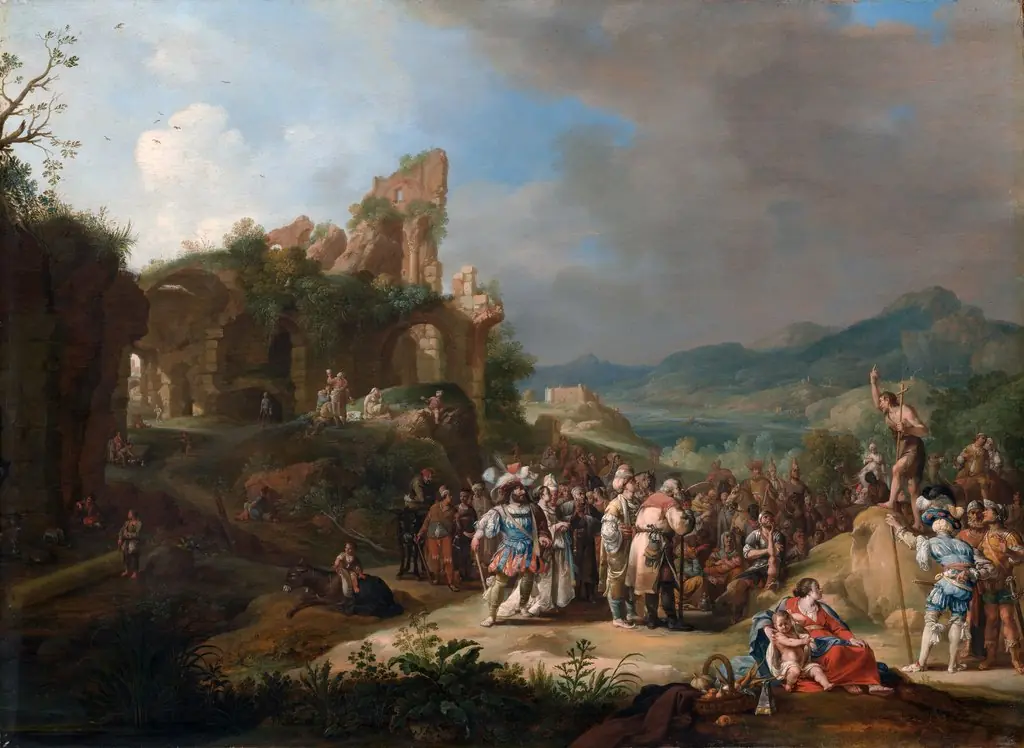 The Preaching of John the Baptist