Artwork
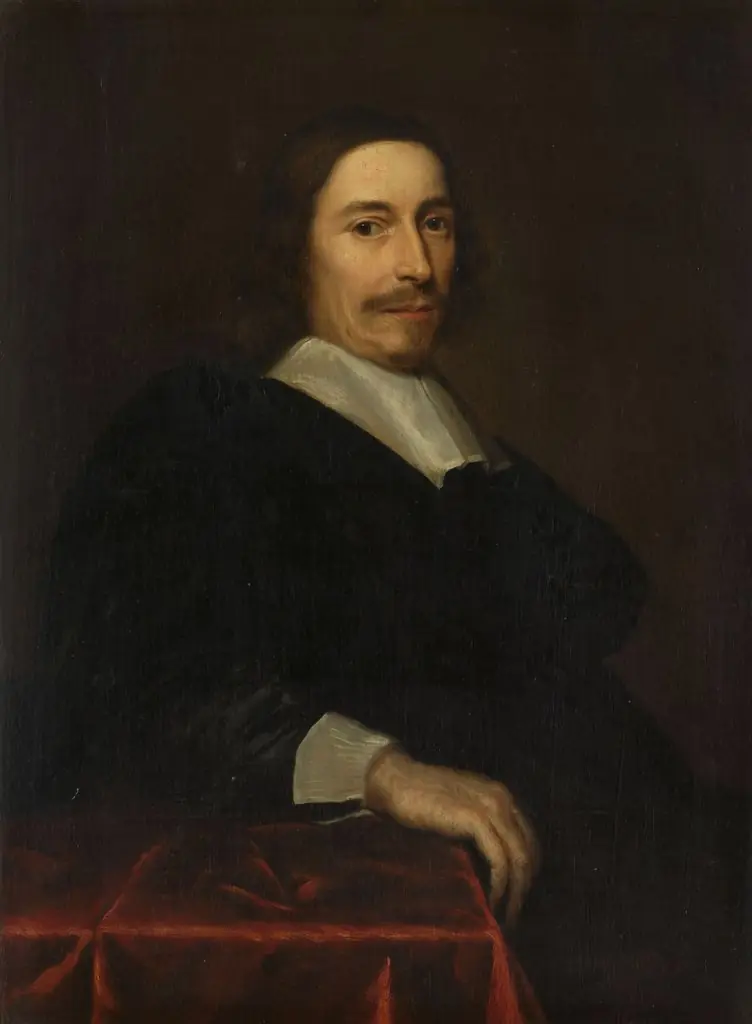
Portrait of a man
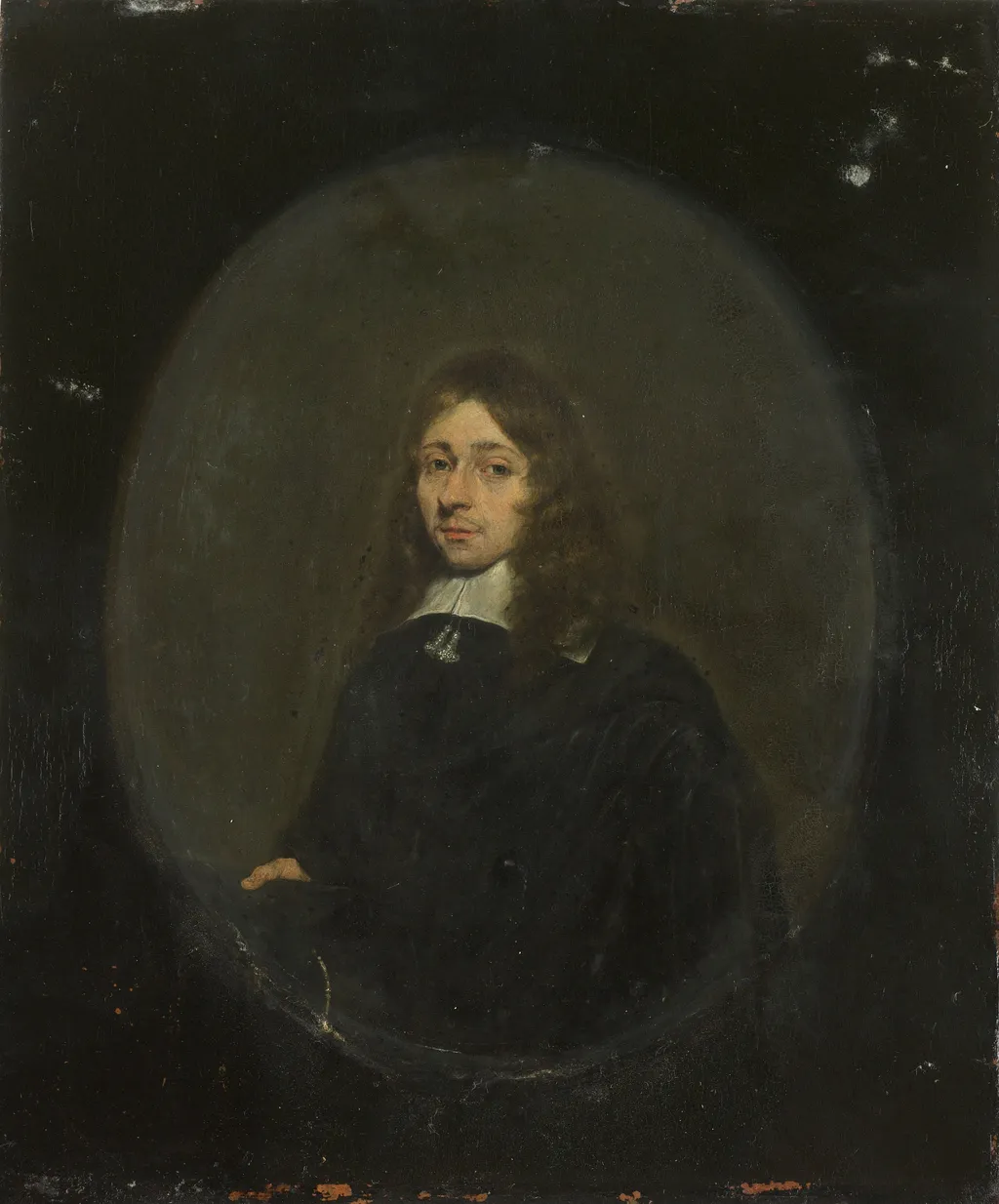
Portrait of a man is an oil painting by the Dutch Golden Age artist Gerard ter Borch. It dates from 1650 and is held in the collection of the Rijksmuseum.
About this work
Subject & Meaning
The work is a portrait of a man, identified as its main subject.
The work is a portrait of a man, identified as its main subject. Rendered in oil on copper, the small-scale format and refined surface treatment are characteristic of mid-seventeenth-century Dutch portrait practice, in which sitter likenesses were often produced as intimate keepsakes or demonstration pieces rather than large formal commissions.
The painting's iconography centers on the individualized depiction of an unnamed male sitter, consistent with ter Borch's broader body of portraiture, which frequently presented sitters in restrained, contemplative poses that emphasized character and social bearing over narrative embellishment. The absence of symbolic attributes in the available records suggests the image functions as a straightforward character study rather than an allegorical or emblematic composition.
Held in the collection of Leendert Dupper before entering institutional care, the portrait reflects the private ownership patterns typical of Dutch cabinet paintings, where such works circulated among collectors who valued their technical finish and portable dimensions.
Technique & Style
Gerard ter Borch executed this 1650 portrait using oil paint applied to a copper support. The work measures 35.5 cm in height and 29.5 cm in width, a format characteristic of the artist's refined small-scale portraits. The copper panel provides a smooth, rigid ground that facilitates the precise brushwork and luminous finish typical of ter Borch's style.
As a portrait of a man, the composition focuses on the formal depiction of the sitter, leveraging the medium's capacity for detailed rendering.
History & Provenance
Gerard ter Borch created the Portrait of a Man in 1650. The work is executed in oil paint on a copper support, measuring 35.5 cm in height and 29.5 cm in width. The painting depicts a man and is classified as a portrait.
Regarding ownership, the work was previously held by Leendert Dupper. Current institutional holdings include the Rijksmuseum and the Museum Boijmans Van Beuningen, with the Rijksmuseum listed as the specific location.
Portrait of a man by Gerard ter Borch is held in the Rijksmuseum. According to the available records, the painting is also associated with the collection of Museum Boijmans Van Beuningen, and was formerly owned by Leendert Dupper. The work is catalogued as a 1650 oil on copper portrait measuring 35.5 by 29.5 cm. No exhibition history is documented in the provided sources.
No exhibition history is documented in the provided sources.
Overview
Gerard ter Borch, a Dutch painter active in the mid‑17th century, executed a portrait of an unidentified gentleman around 1650 on a copper support. The work belongs to the Rijksmuseum’s collection and exemplifies the artist’s interest in quiet, domestic representation combined with careful observation of character.
Context
During the 1650s, ter Borch’s focus on intimate domestic scenes and nuanced character studies influenced peers, notably Johannes Vermeer, who adopted similar compositional restraint and light treatment. This portrait reflects the broader Dutch interest in realistic, psychologically attuned representation.
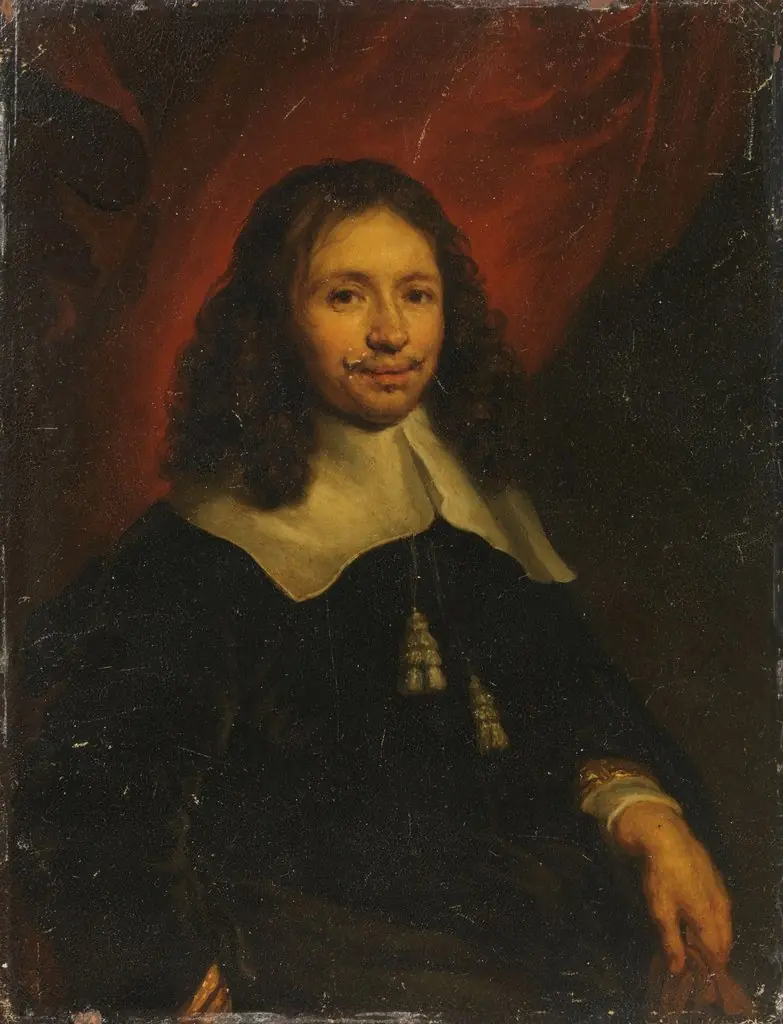
Own this work as a print
Artist & collection
Artist
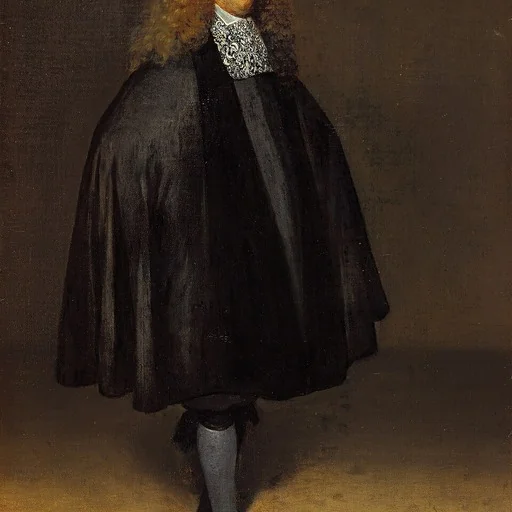
Gerard ter Borch (Dutch:; December 1617 – 8 December 1681), also known as Gerard Terburg (Dutch: ), was a Dutch Golden Age painter mainly of genre subjects.

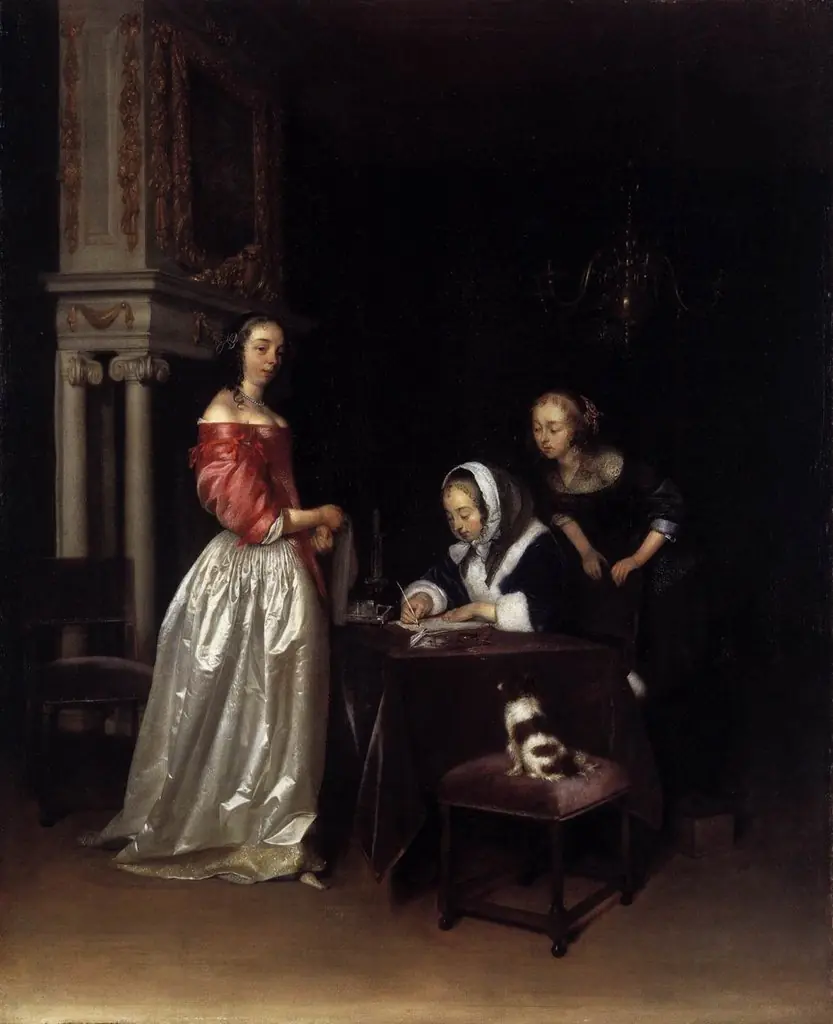
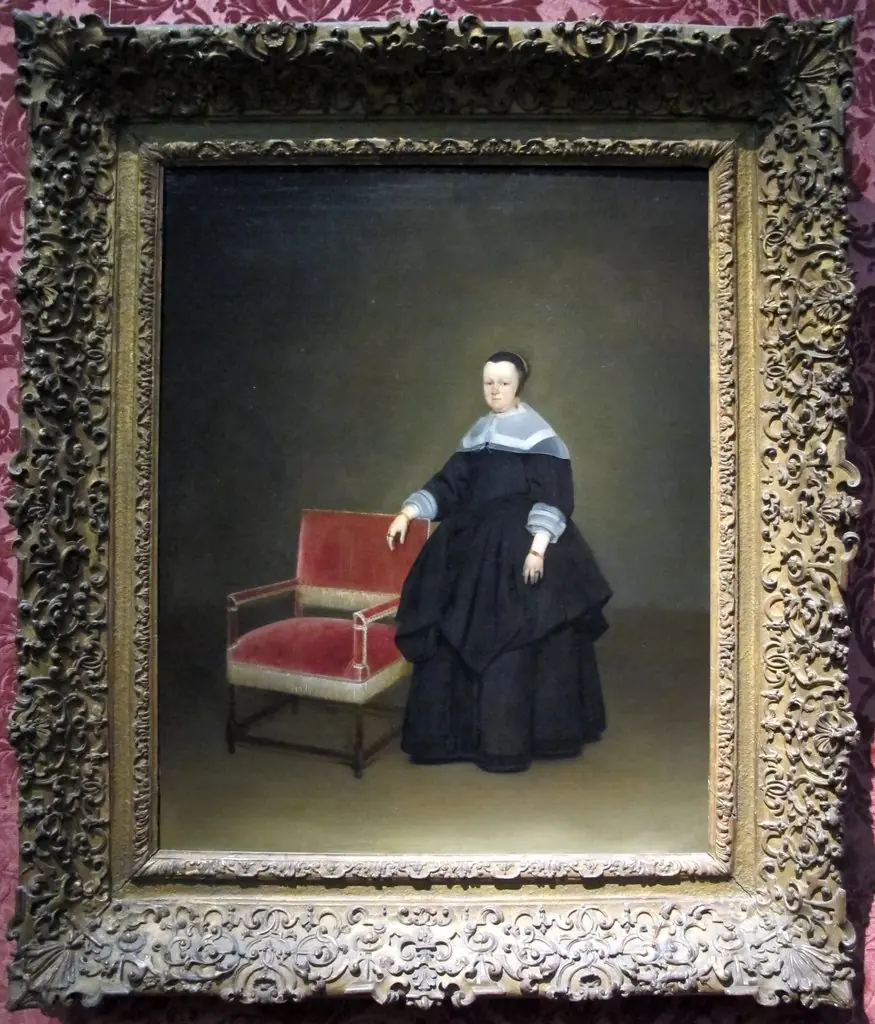
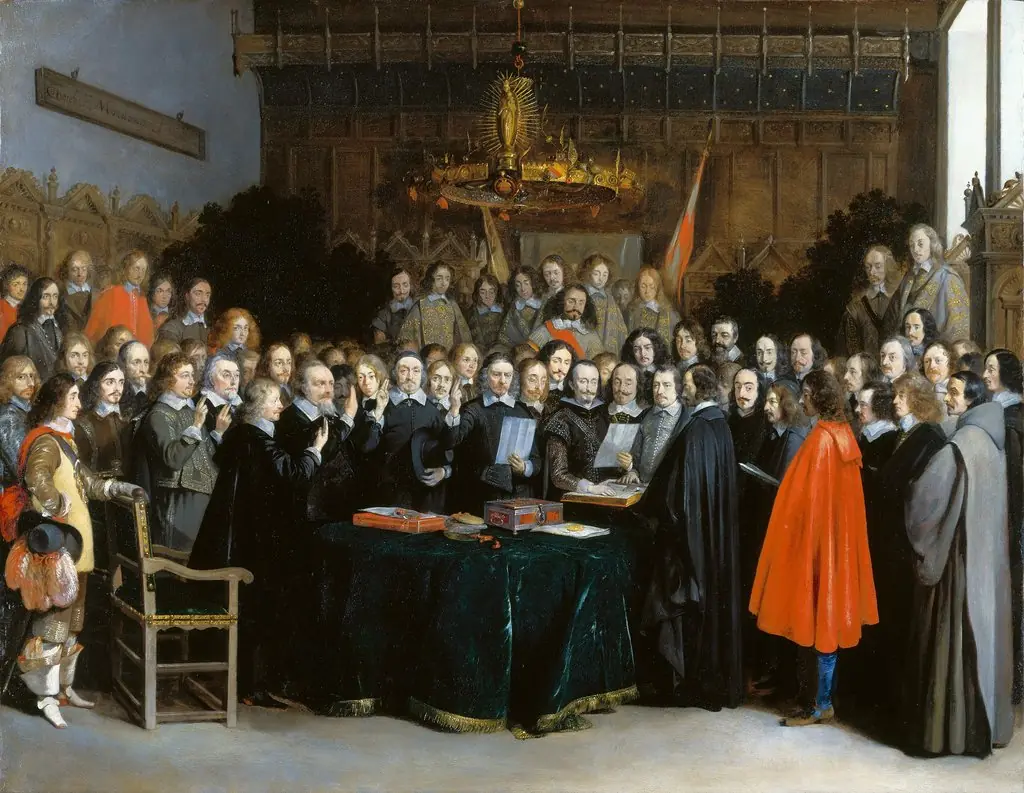
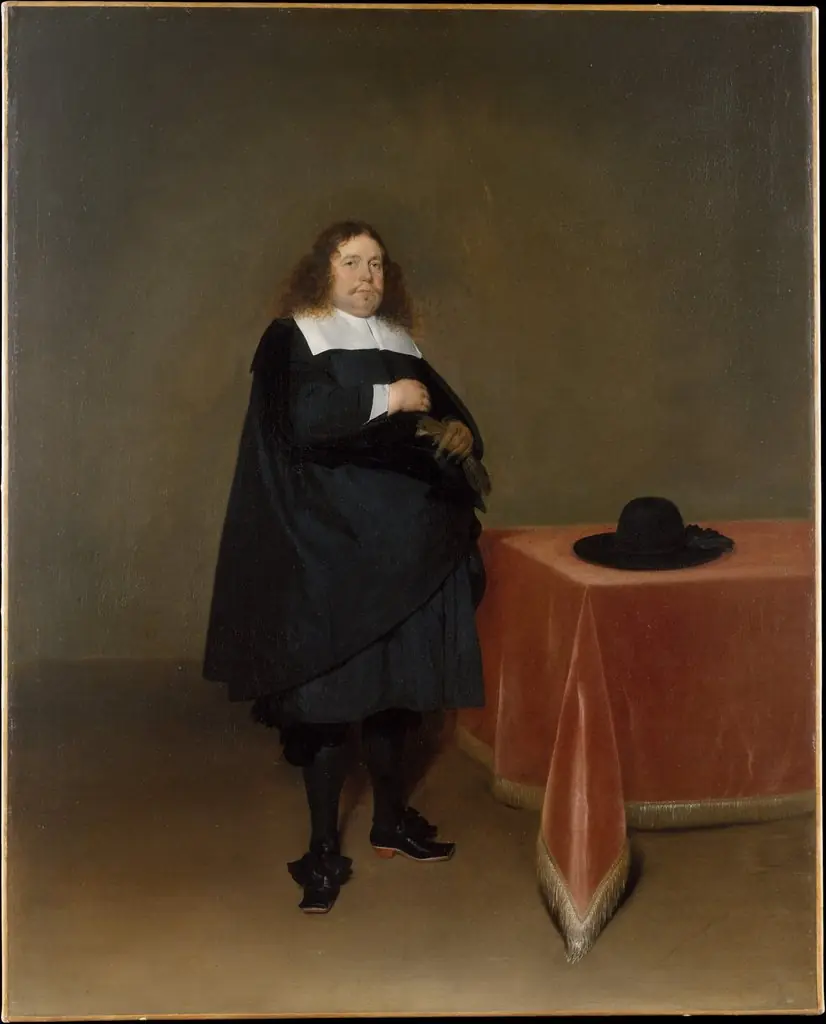
- Dionijs Wijnands (1628-73). Amsterdam merchant
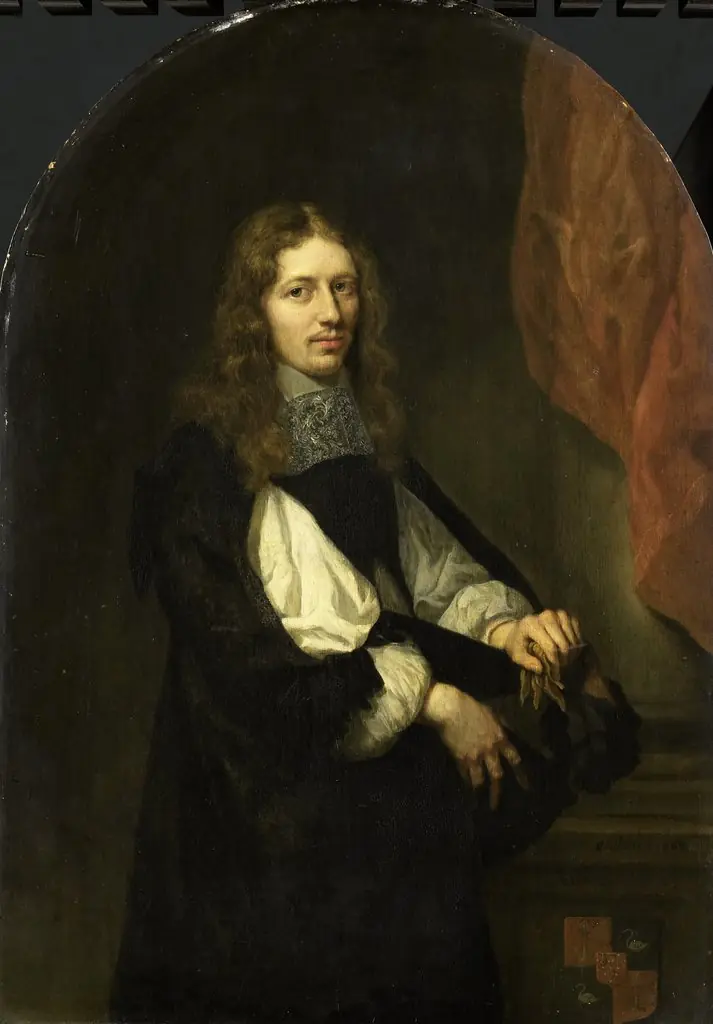 Portrait of Pieter de Graeff (1638-1707), lord of Zuid-Polsbroek, Purmerland, and Ilpendam. Alderman of Amsterdam
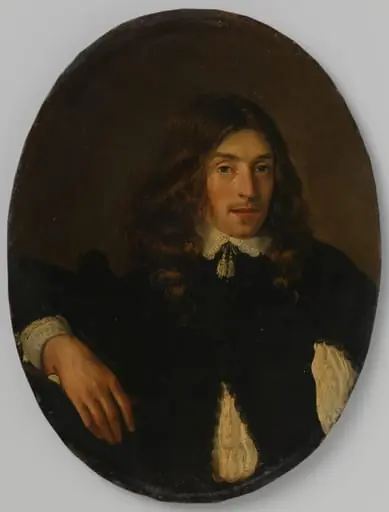 Portrait of a Young Man
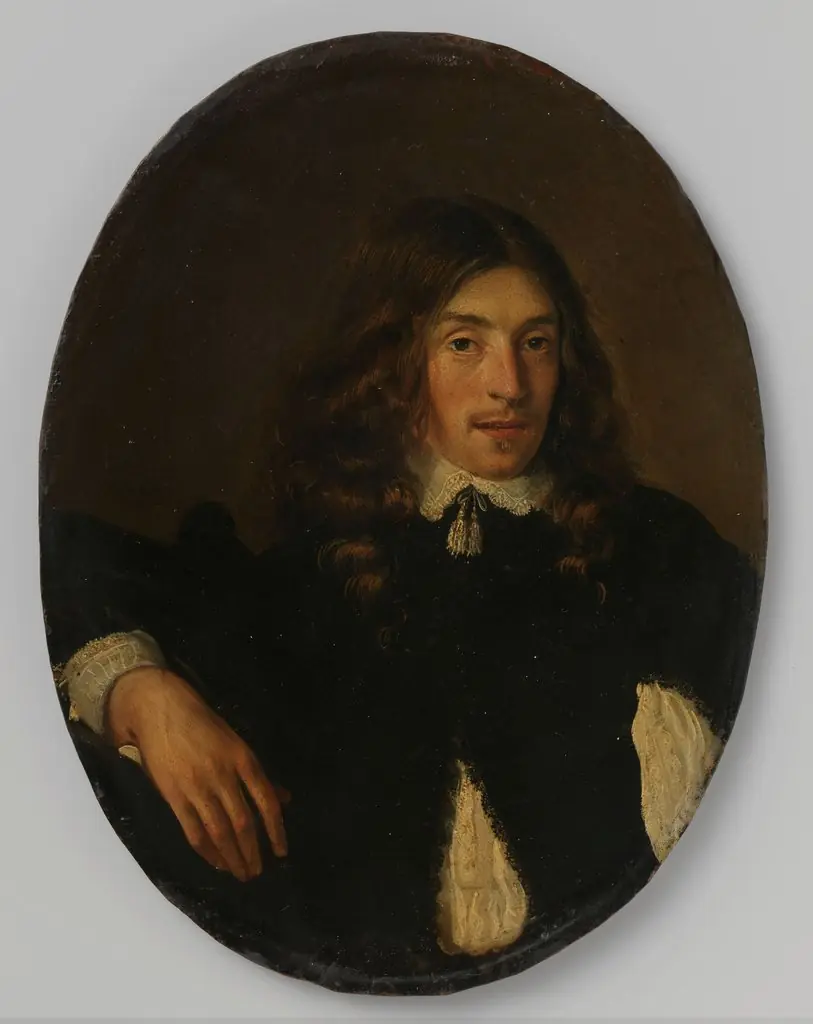 Portrait of a young man
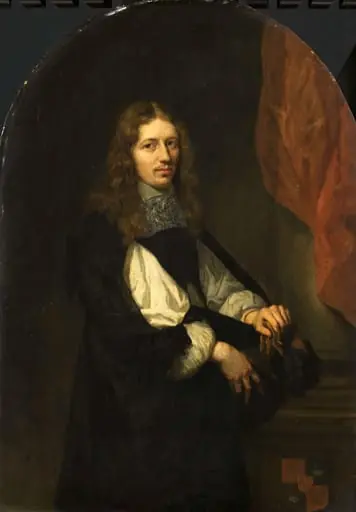 Portrait of Pieter de Graeff (1638-1707), lord of Zuid-Polsbroek, Purmerland, and Ilpendam. Alderman of Amsterdam
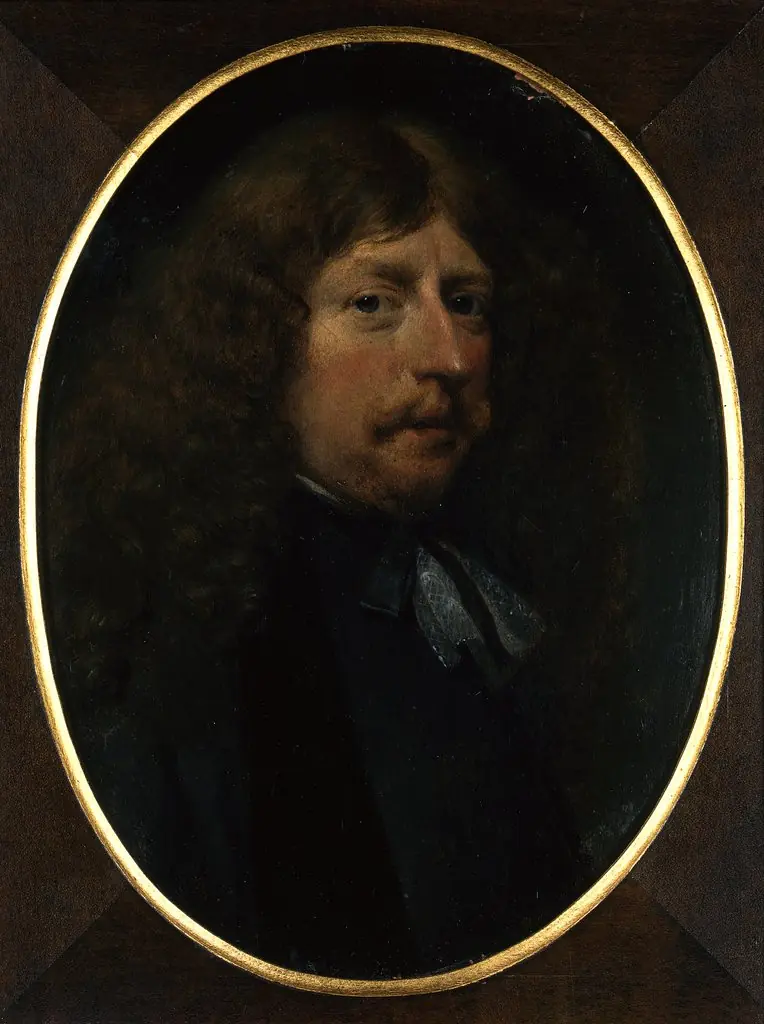 Self-portrait
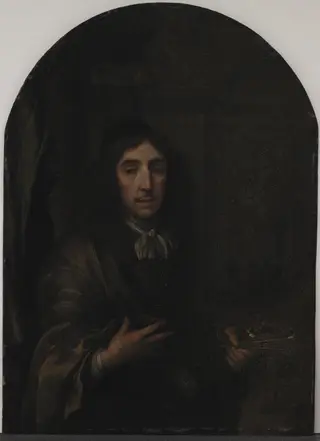 Portrait of a Painter
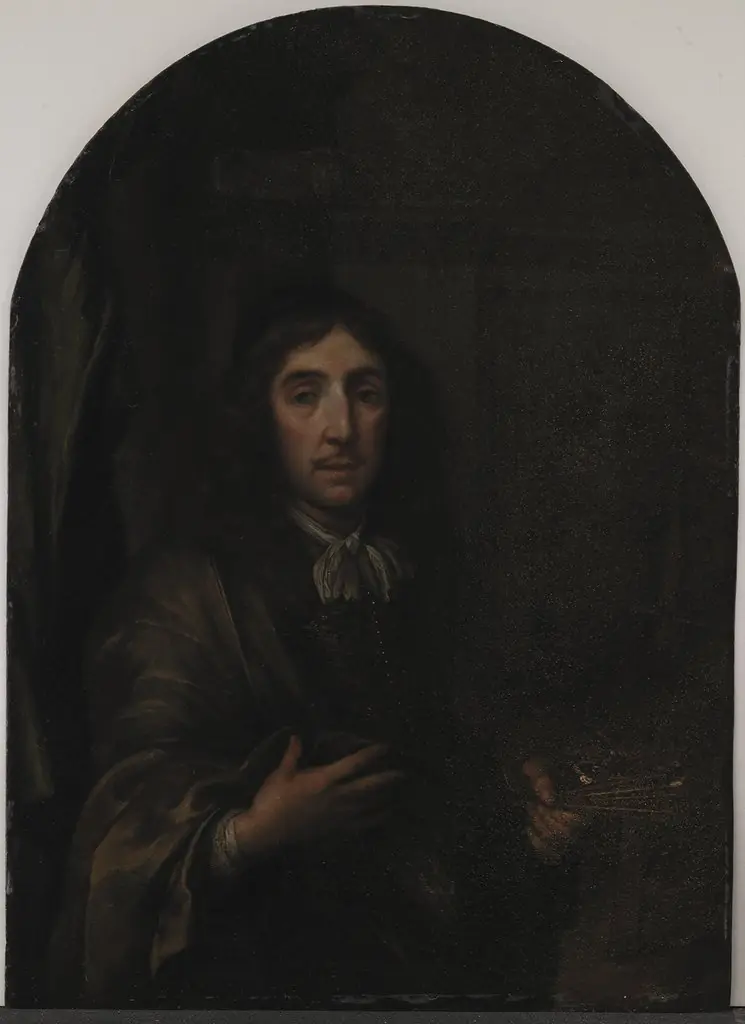 Portrait of a Painter
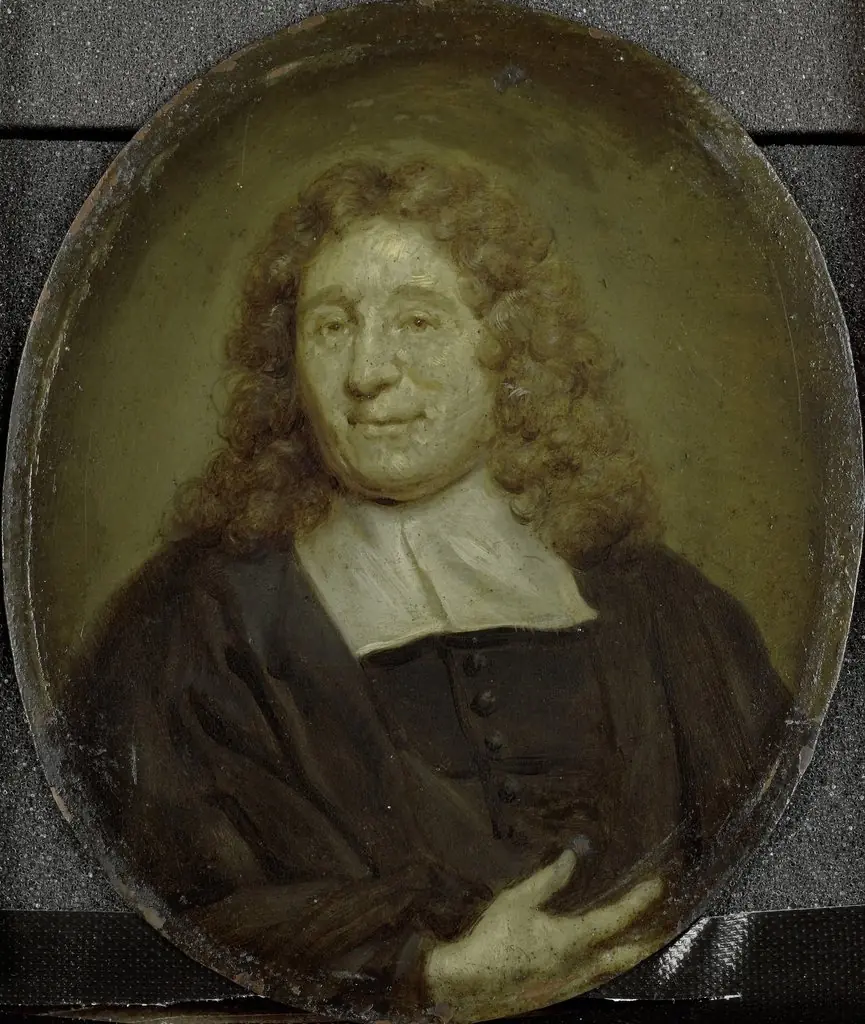 Portrait of Petrus Schaak, Clergyman and Scholar in Amsterdam
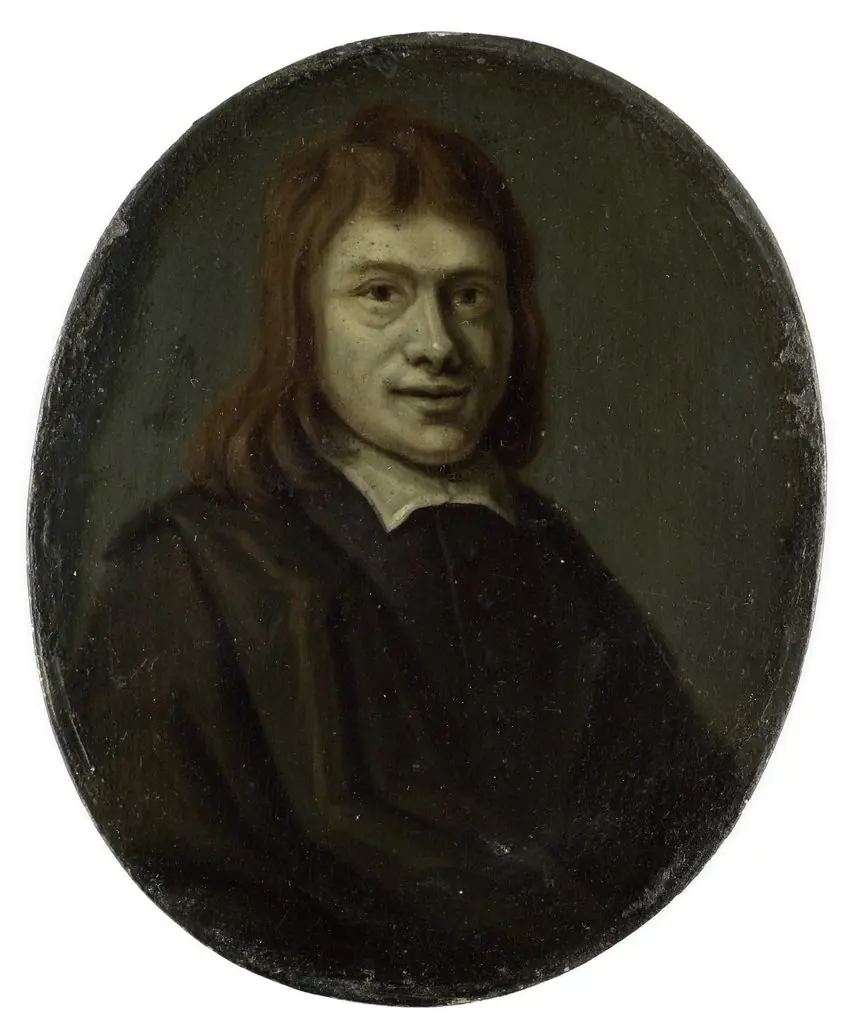 Portrait of Frans van Hoogstraten, Poet and Bookseller in Rotterdam and Dordrecht
 Jacob de Witt (1589-1674)
 François Leydecker (1626-88). Burgomaster of Tholen