Artwork
Portrait of an officer
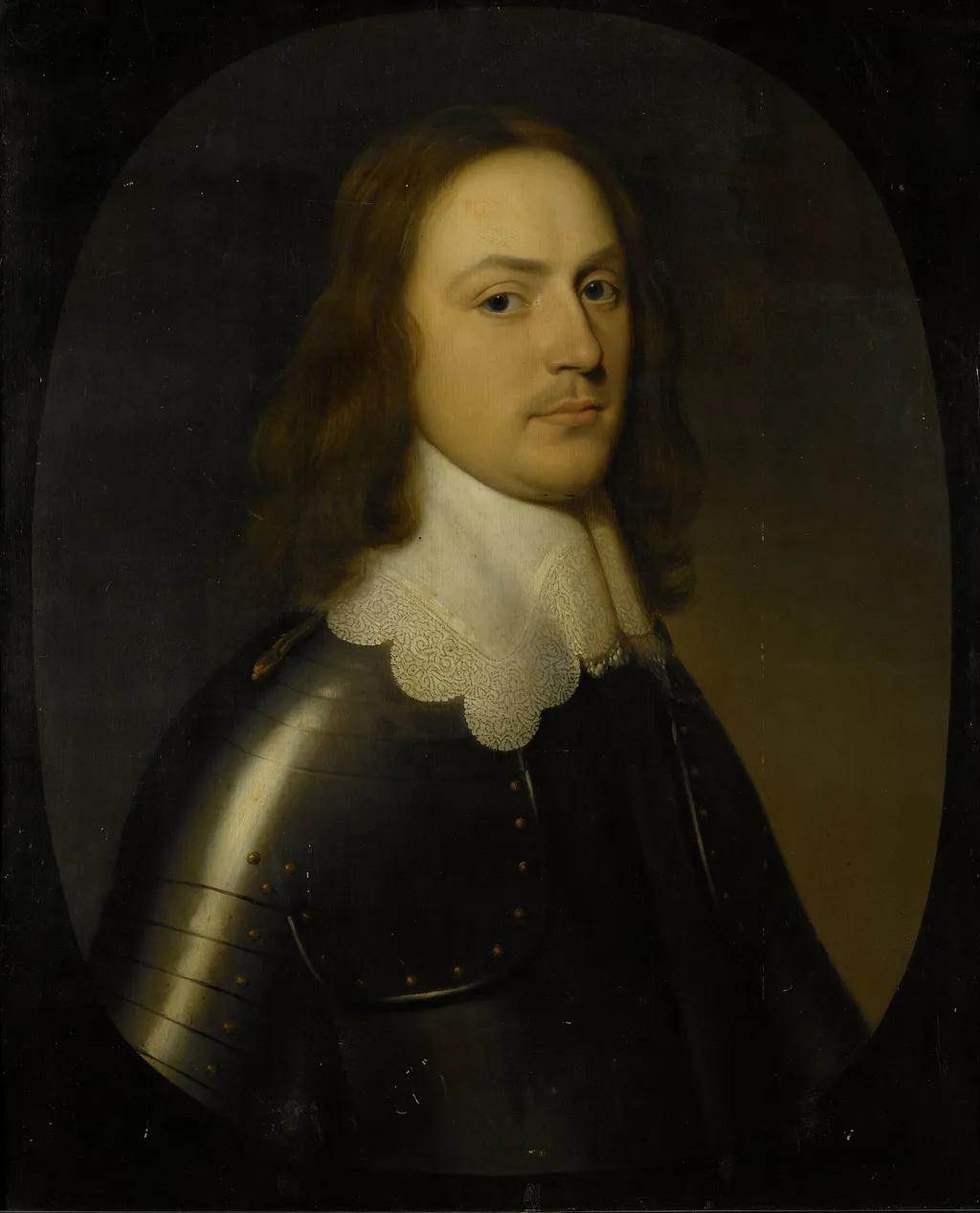
Portrait of an officer is an oil painting by the Dutch Golden Age artist Gerard van Honthorst. It dates from 1644 and is held in the collection of the Rijksmuseum.
About this work
Technique & Style
The work is executed in oil paint on a wooden panel, a technique typical of 17th-century Dutch portraiture that confers a smooth, luminous surface.
The work is executed in oil paint on a wooden panel, a technique typical of 17th-century Dutch portraiture that confers a smooth, luminous surface. The handling of light emphasizes the sitter’s uniform and the reflective quality of his medals, while the restrained palette of earth tones and subtle chiaroscuro underscores a formal, almost ceremonial presence. The composition balances a three-quarter view with a dark, neutral background, drawing attention to the officer’s insignia and the delicate rendering of fabric textures.
History & Provenance
The portrait of an officer was commissioned sometime before its execution and completed in 1644 by Gerard van Honthorst. It was painted in oil on panel and measures 74.5 cm in height by 60 cm in width. The work entered the collection of the Rijksmuseum and the National Art Gallery of the Netherlands, remaining in those institutions thereafter.
Portrait of an officer is an oil painting by Gerard van Honthorst created in 1644. It is part of the collection at the Rijksmuseum and the National Art Gallery of the Netherlands, where it is cataloged under the inventory number RKD12345. The work has been displayed in the exhibition Dutch Masters of the Golden Age at the Rijksmuseum in 2019 and featured in the traveling exhibition Baroque Portraits in European Art in 2022.
Overview
Gerard van Honthorst’s 1644 oil painting, titled Portrait of an Officer, presents a single figure in a starkly illuminated composition. The work belongs to the Dutch Golden Age and is currently housed in the Rijksmuseum’s collection. It exemplifies the artist’s reputation for dramatic lighting and careful rendering of texture, hallmarks of his mature portraiture.
Subject & Meaning
The canvas depicts a uniformed military officer, identifiable by his black coat, white lace collar, and a metal gauntlet protecting his left forearm. His long, curled hair and solemn gaze convey a sense of authority and restraint, suggesting a formal representation intended to emphasize rank and personal dignity rather than narrative action.
Context
The work belongs to a broader movement in 17th‑century Dutch art that favored individualized, realistic portraiture over mythological subjects. Van Honthorst’s experience in Italy, particularly his engagement with Caravaggio’s dramatic lighting, informed his approach and positioned him as a key figure in translating Italian Baroque techniques to Dutch secular portraiture.
Own this work as a print
Artist & collection
Artist
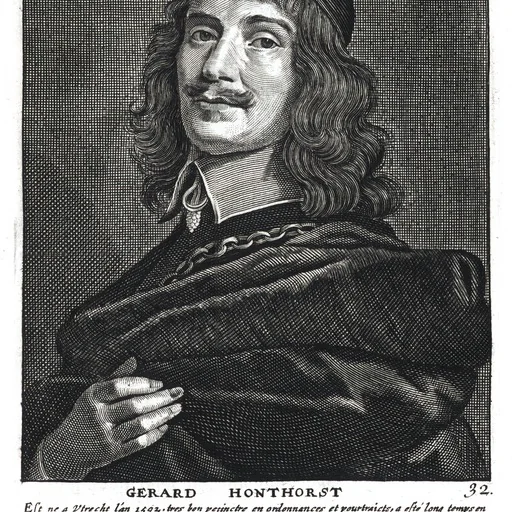
Gerard "Gerrit" van Honthorst (4 November 1592 – 27 April 1656) was a Dutch Golden Age painter who became known for his depiction of artificially lit scenes, eventually receiving the Italian nickname Gherardo delle Notti ("Gerard of the…

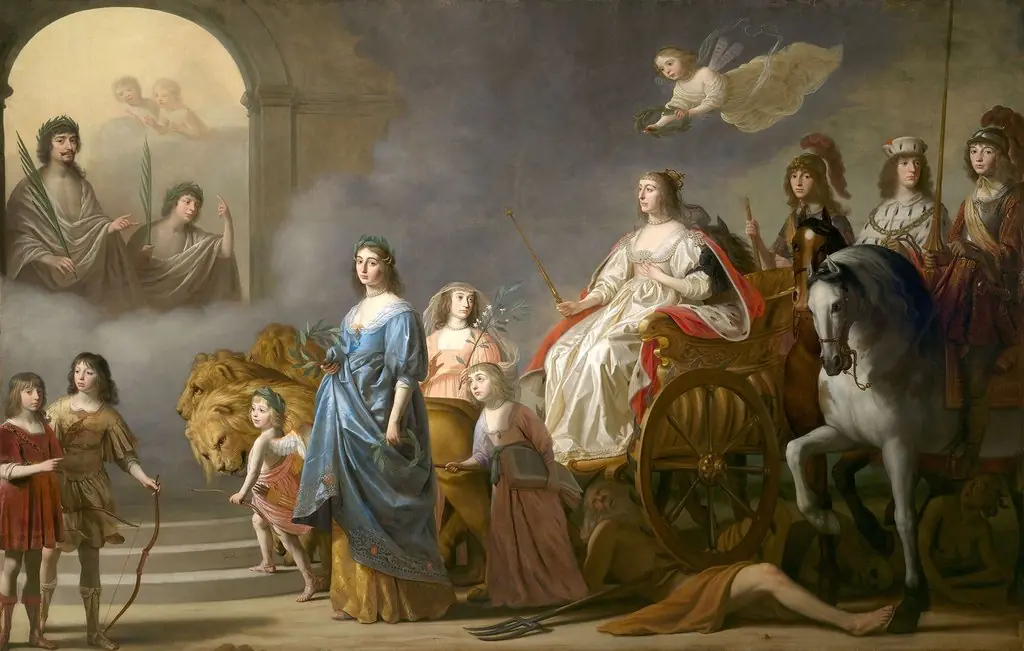 The Triumph of the Winter Queen: Allegory of the Just
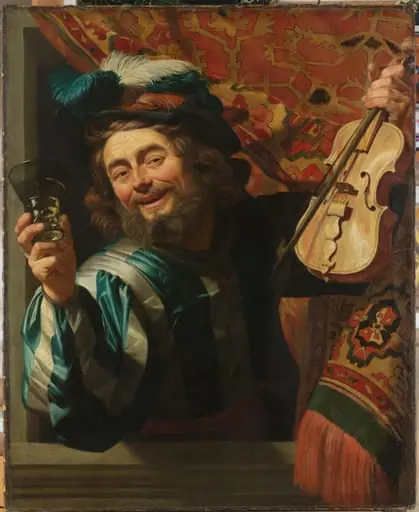 Een vrolijke vioolspeler
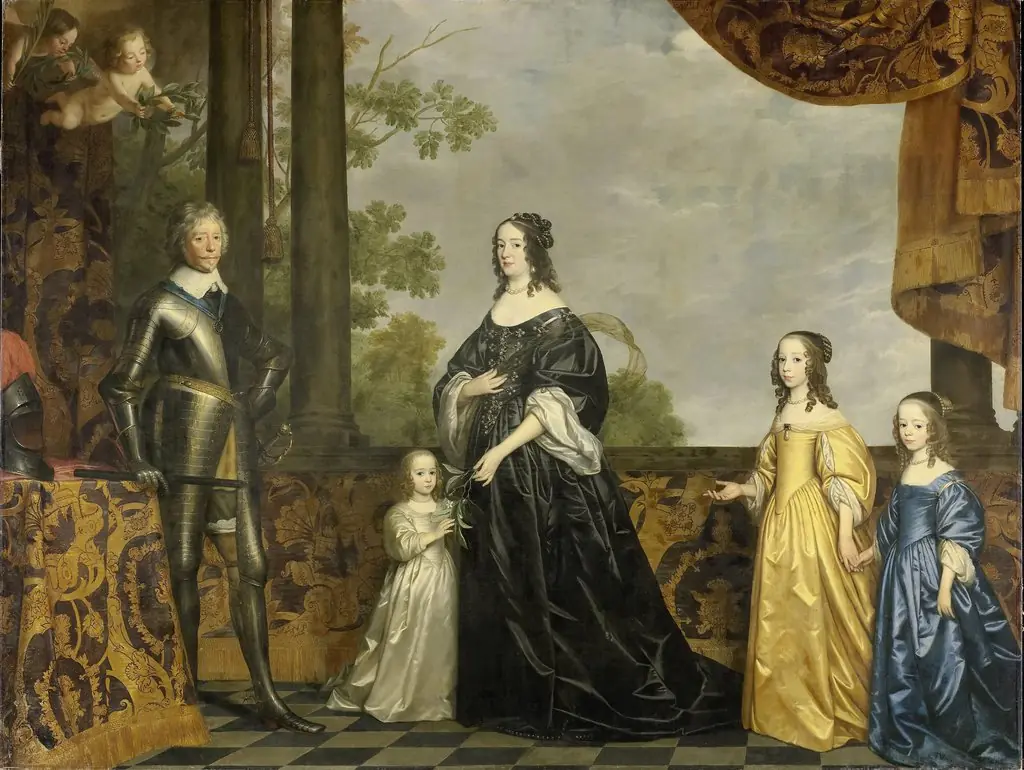 Frederik Hendrik (1584-1647), Prince of Orange, his wife Amalia van Solms (1602-75) and their three youngest daughters, Albertina Agnes (1634-96), Henrietta Catharina (1637-1708) and Maria (1642-88)
 The Concert
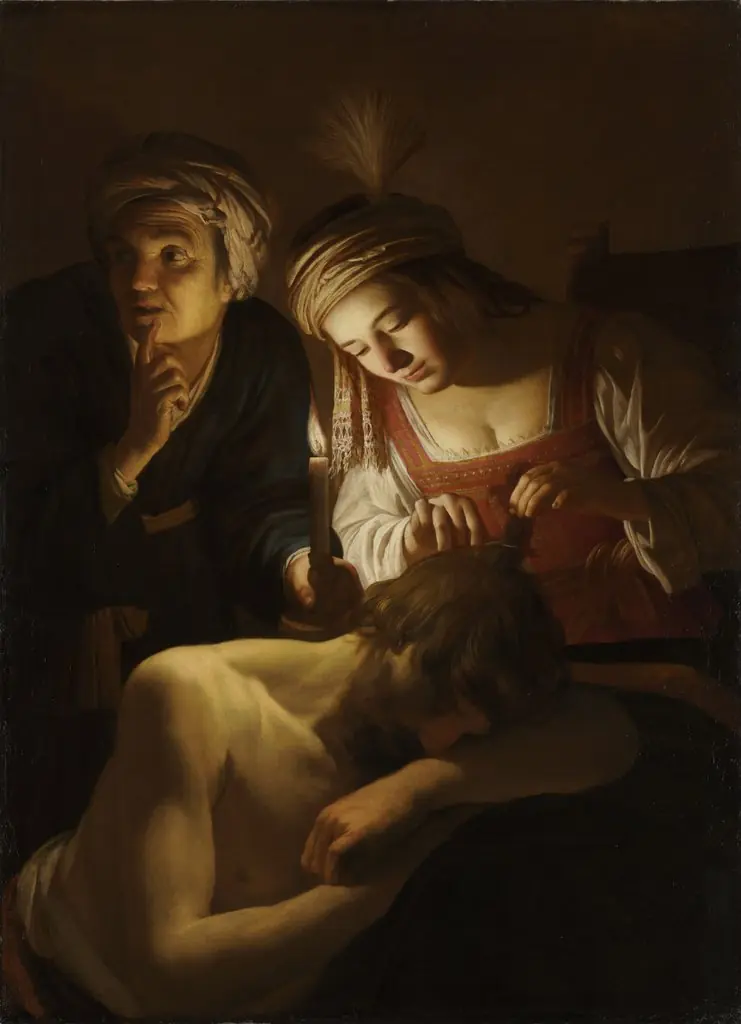 Samson and Delilah
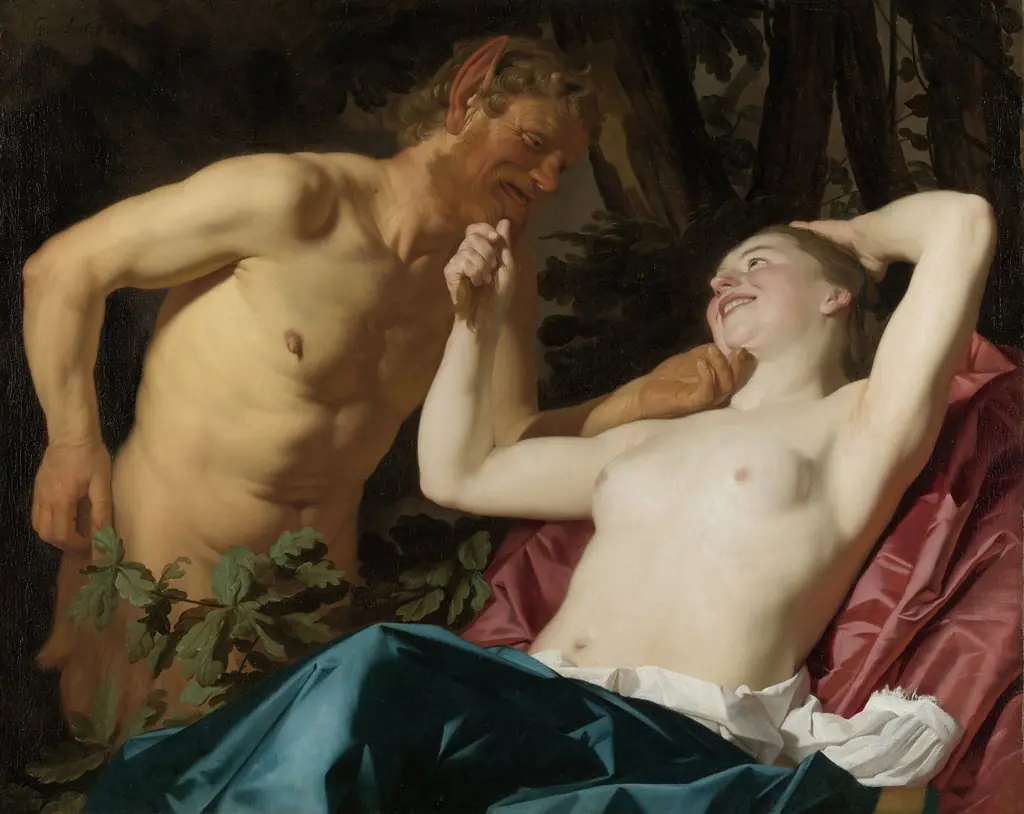 Satyr and Nymph
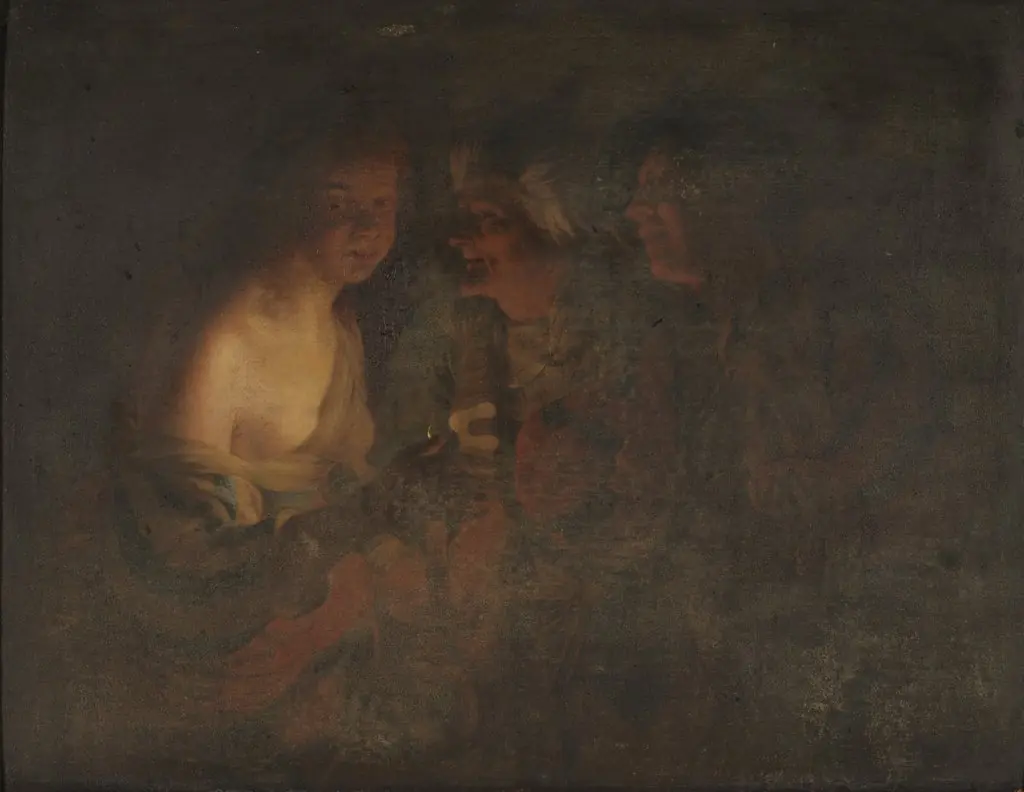 Young Woman with a Candlestick, Old Woman and a Violin Player
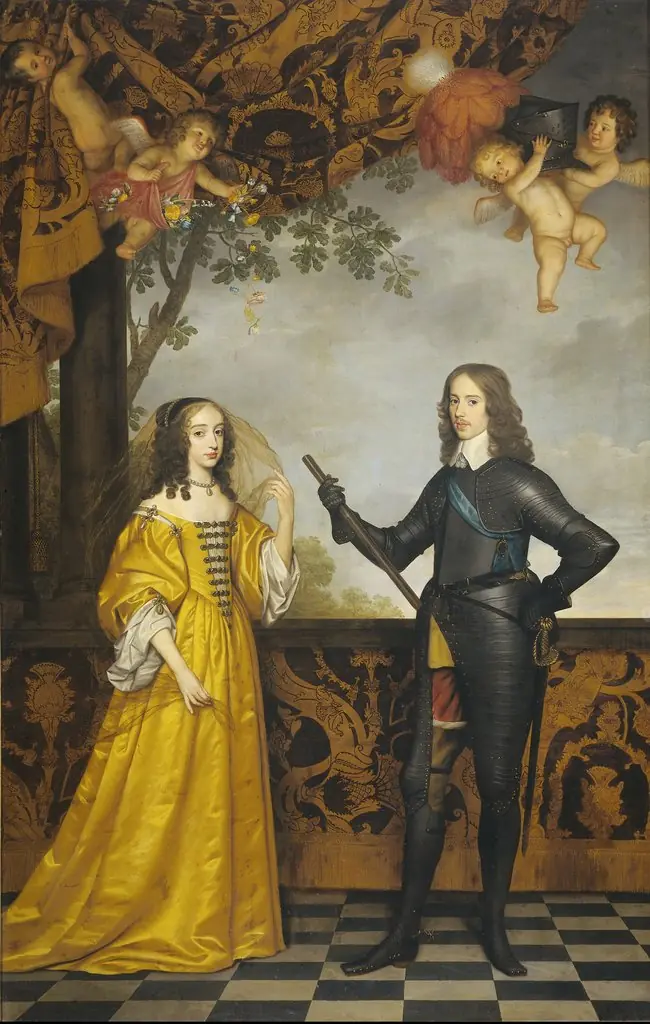 Willem II (1626-50), Prince of Orange, and his wife Maria Stuart (1631-60)
- A military officer
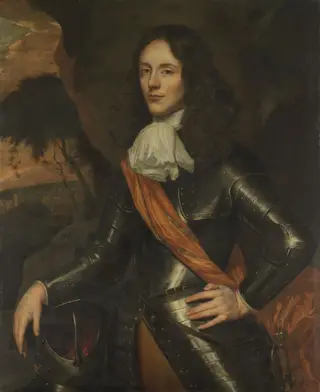 Portrait of James, 4th Lord Cranstoun (in or after 1643-85/88)
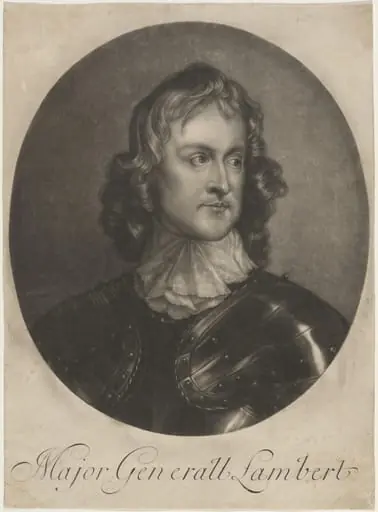 John Lambert, Parliamentary General
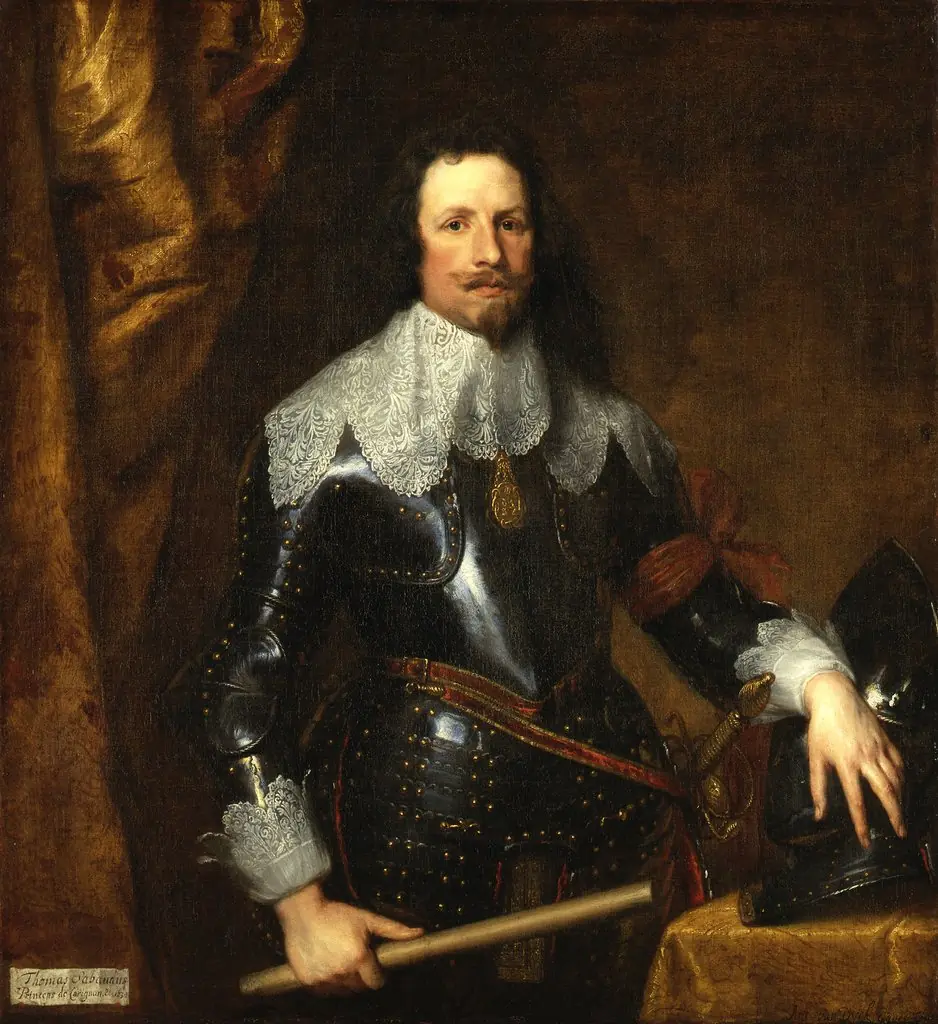 Portrait of Tomaso di Savoia-Carignano
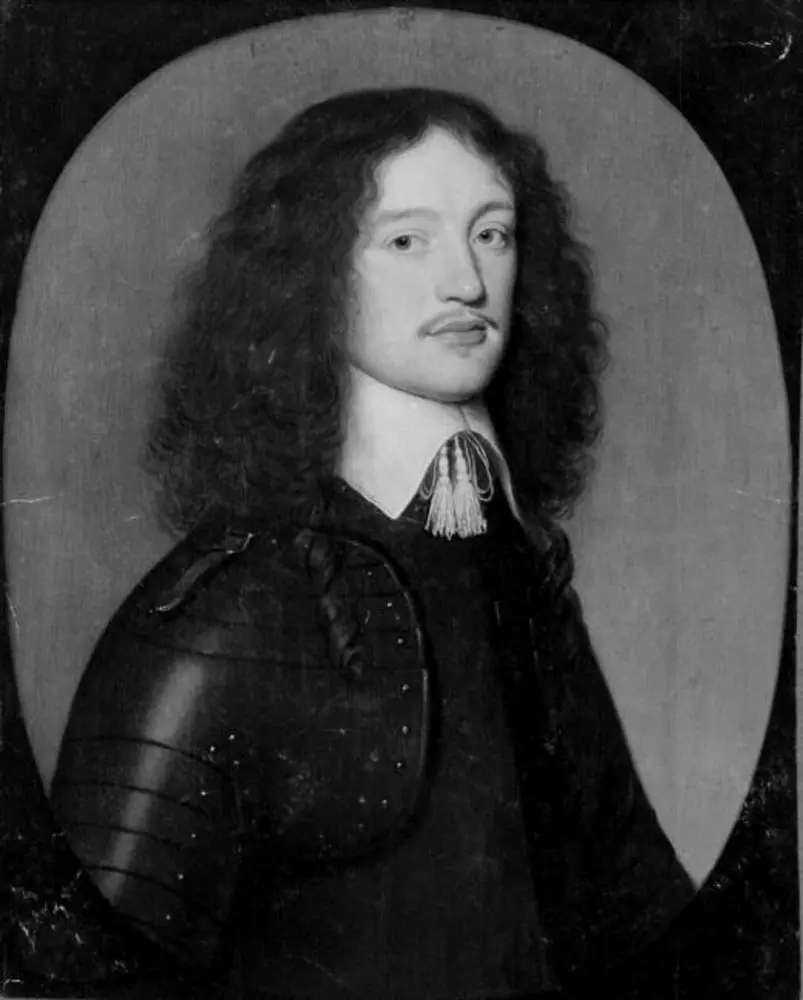 Portrait of an unknown man
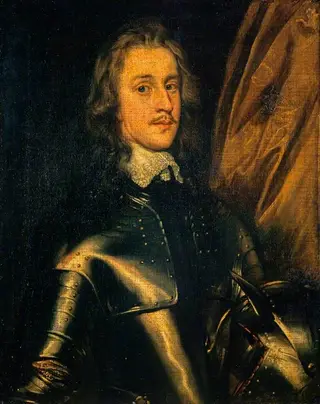 Portrait of a Young Man
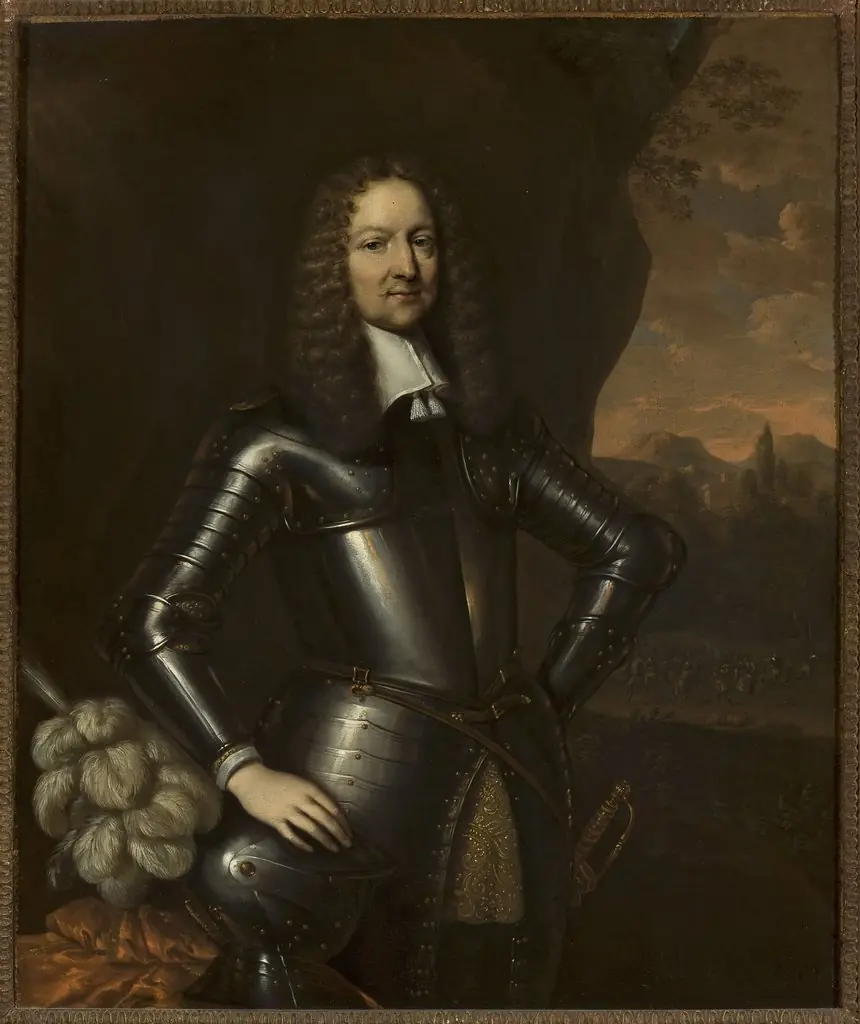 Portrait of Kronprinz Wilhelm Heinrich zu Brandenburg
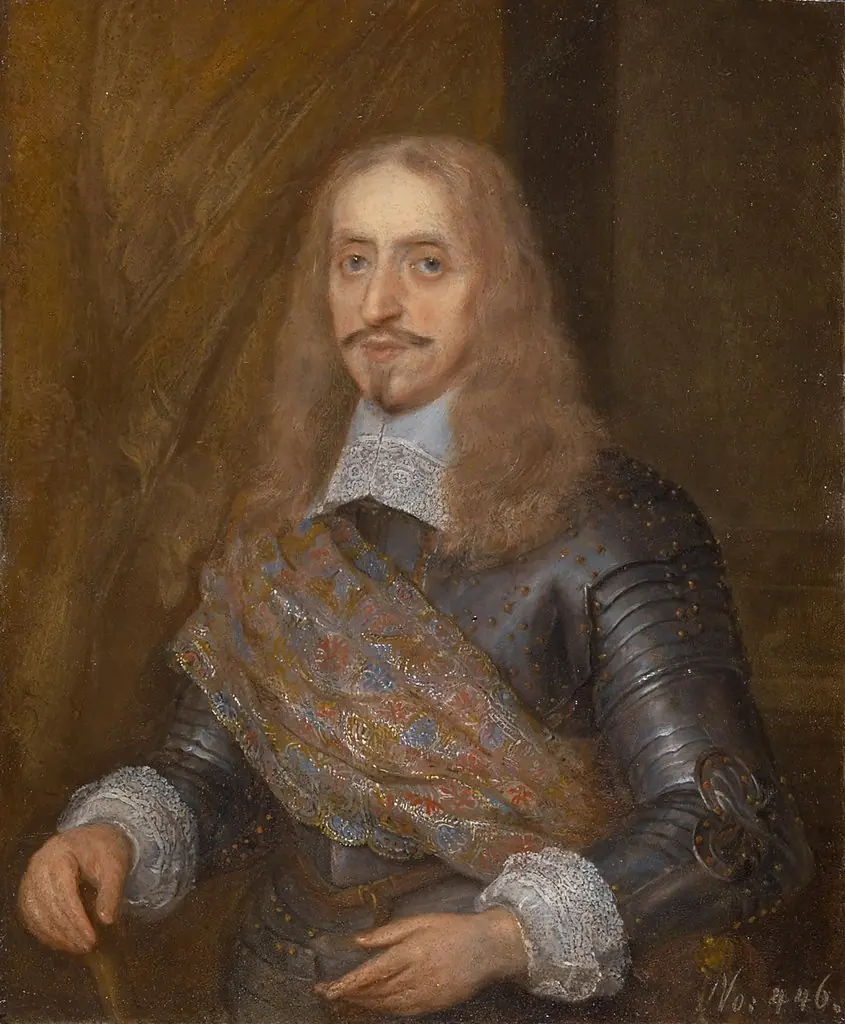 Leopold Wilhelm, geboren 1614, Bischof v. Passau u. Straßburg 1625, v. Halberstadt 1628, v. Olmütz 1637, v. Breslau 1655, Hoch- und Deutschmeister 1642, Statthalter d. Niederlande 1646-56, gestorben 1
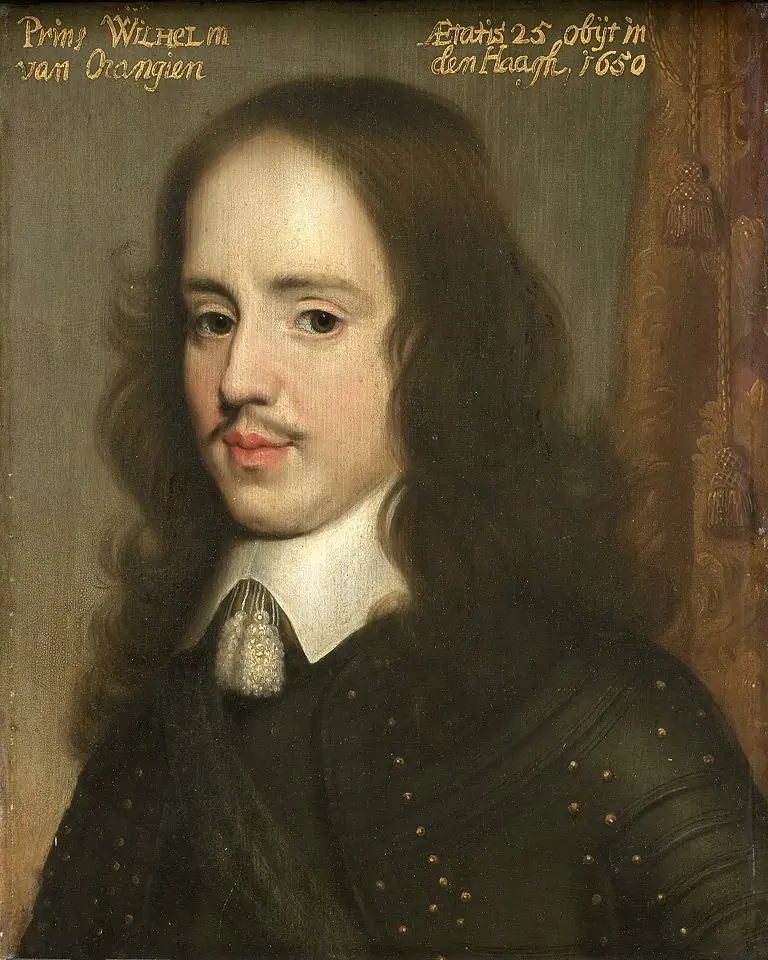 Portrait of Willem II (1626-50), Prince of Orange
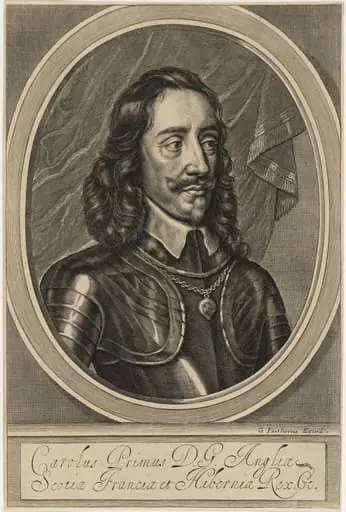 Charles I
 Sir Bevil Grenville (1596-1643)
 Portrait of Stadholder Willem Frederik (1613- 1664)