Artwork
Portrait of Tomaso di Savoia-Carignano
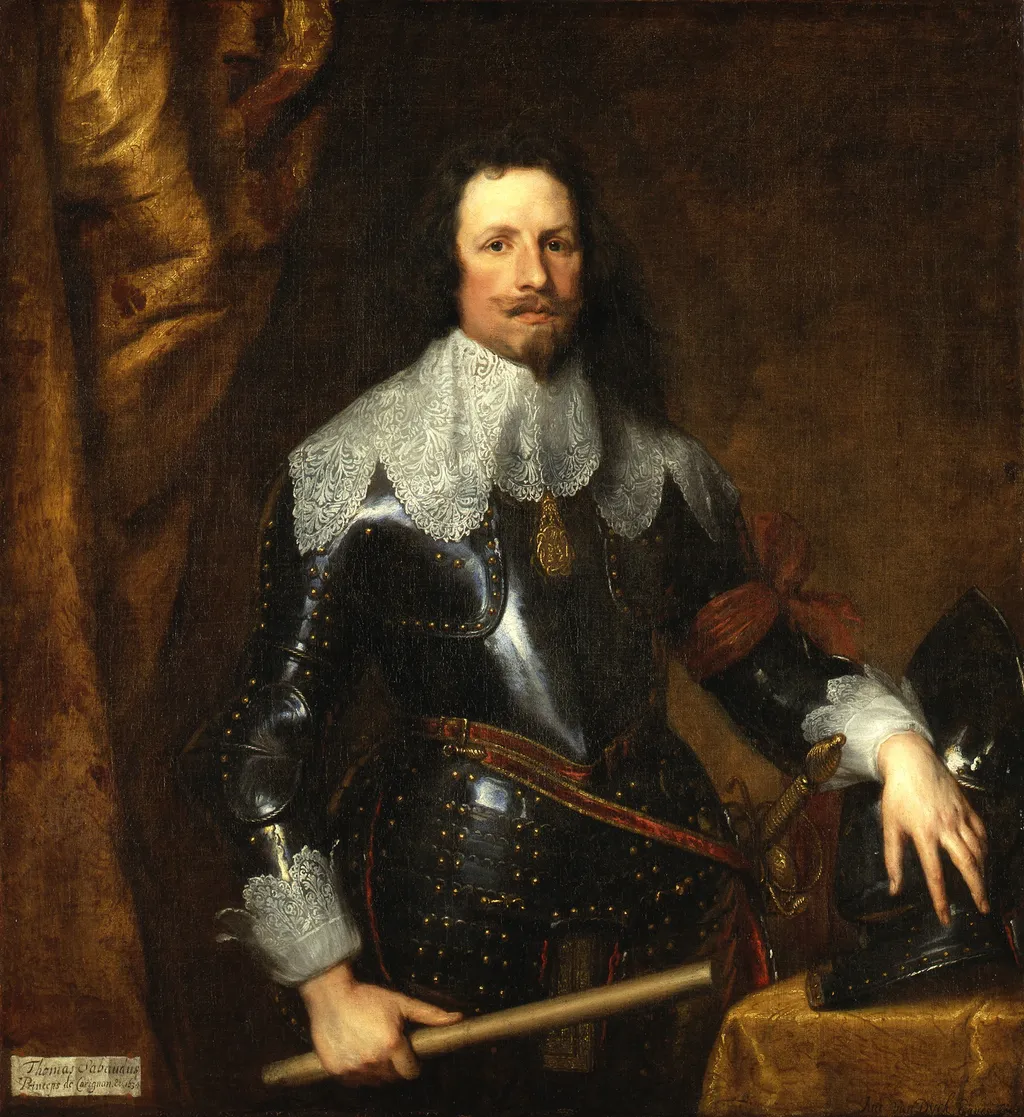
Portrait of Tomaso di Savoia-Carignano is an oil painting by the Flemish Baroque painting artist Anthony van Dyck. It dates from 1634 and is held in the collection of the Gemäldegalerie Berlin.
About this work
Overview
The Portrait of Tomaso di Savoia-Carignano is an oil-on-canvas painting by Anthony van Dyck, dated 1634.
The Portrait of Tomaso di Savoia-Carignano is an oil-on-canvas painting by Anthony van Dyck, dated 1634. Measuring 112 by 103 cm, the work depicts Tommaso Francesco, 1st Prince of Carignano, a member of the House of Savoy and military commander in the Spanish service. The painting is held in the collection of the Gemäldegalerie in Berlin. It represents a significant example of van Dyck's aristocratic portraiture from his brief return to the Spanish Netherlands, blending psychological penetration with the formal requirements of princely representation.
Subject & Meaning
The subject, Tommaso Francesco of Savoy (1596-1656), was the fifth son of Charles Emmanuel I, Duke of Savoy, and founder of the Savoy-Carignano branch, which later produced kings of Sardinia and Italy. He served as interim governor of the Spanish Netherlands following the death of Infanta Isabella Clara vignana in 1633, and as commander-in-chief of Habsburg-allied forces during the Thirty Years' War. In the portrait, he appears in polished dark armor with gold rivets, a wide white lace collar, and lace cuffs, with a red and gold sash across his torso. His right hand grips a baton of command, while his left hand rests on a helmet placed on a table draped with gold fabric. Behind him, dark brown drapery with gold embroidery hangs against a deep brown, shadowy background. The armor, baton, and helmet function as clear markers of military authority and noble status, while the red and gold sash likely alludes to the Supreme Order of the Most Holy Annunciation, conferred upon him in 1616. The three-quarter-length format, with the figure standing and turning toward the viewer, conveys both dignity and active engagement, suggesting a ruler ready to exercise power.
Technique & Style
The painting is executed in oil on canvas, measuring 112 cm in height and 103 cm in width. Van Dyck's handling demonstrates the characteristic refinement of his mature style: the brushwork is smooth and precise in the face and lace, with broader, more painterly treatment in the drapery and background. Light falls strongly on the face, collar, and hands, leaving much of the armor and background in shadow, a technique that creates dramatic focus and psychological intensity. The palette is dominated by browns, blacks, golds, and whites, with the red and gold sash providing a strategic accent. The surface shows fine craquelure throughout, consistent with its age. A small inscribed cartouche appears in the lower left corner, and a signature is visible in the lower right. The overall effect combines the elegance and natural vitality van Dyck had developed through his study of Venetian masters, particularly Titian, with the fluid brushwork inherited from his early training with Rubens.
History & Provenance
The portrait was painted in 1634, during van Dyck's brief return to the Spanish Netherlands from England, where he had been serving as principal court painter to Charles I. This period coincided with Tommaso Francesco's service as interim governor of the Spanish Netherlands. The painting is now in the Gemäldegalerie, Berlin, though the accession number is not specified in the available sources. The work relates to van Dyck's broader project of creating portraits of eminent figures, some of which were reproduced as engravings to promote the artist's prestige and generate income. An engraving by Paulus Pontius after van Dyck, depicting the same subject in a similar three-quarter-length pose with armor, baton, and helmet, survives in the collection of the Victoria and Albert Museum and the Galleria Sabauda in Turin, attesting to the circulation and influence of this portrait type.
Context
Van Dyck's 1634 sojourn in the Spanish Netherlands occurred at a pivotal moment in both his career and European politics. Having established himself as Charles I's principal court painter in England, his return to the continent allowed him to secure patronage among the Habsburg-affiliated nobility. Tommaso Francesco's position as interim governor and military commander made him a strategically important subject, representing the intersection of Savoyard, Spanish, and Habsburg interests. The portrait belongs to a broader corpus of van Dyck's aristocratic portraiture that blends the grandeur of his Genoese period with the more intimate psychological penetration of his English works. Scholarship has noted van Dyck's synthesis of Rubensian dynamism with Venetian colorism, particularly the influence of Titian's loose handling and subtle illumination. The existence of multiple engraved reproductions indicates the portrait's role in disseminating both the sitter's image and the artist's reputation across European courts.
Legacy
The Portrait of Tomaso di Savoia-Carignano occupies an important place within van Dyck's oeuvre as a representative example of his ability to adapt the conventions of aristocratic portraiture to individual character. The work's influence is attested by the early engraving by Paulus Pontius, which circulated the image beyond the original painting's immediate audience. As a document of the Savoy-Carignano lineage, the portrait contributed to the visual construction of dynastic identity for a branch of the House of Savoy that would eventually rule unified Italy. The painting's residence in the Gemäldegalerie ensures its continued accessibility for study of van Dyck's portraiture and of seventeenth-century European court culture more broadly. Within art historical scholarship, the work figures in discussions of van Dyck's international career, his negotiation of multiple patronage networks, and his contribution to the genre of martial aristocratic portraiture that combined actual likeness with symbolic attributes of power.
Own this work as a print
Artist & collection
Artist
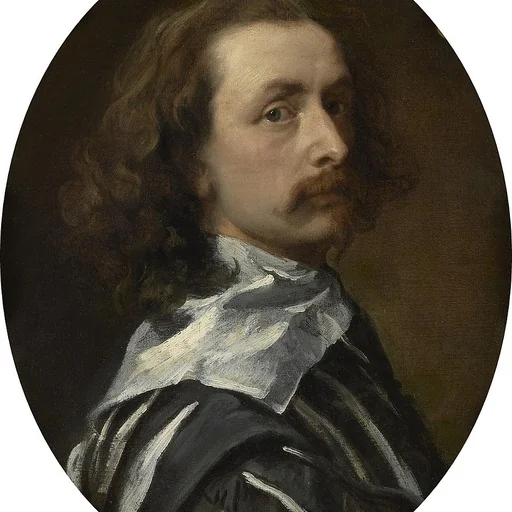
Sir Anthony van Dyck (; Dutch: Antoon van Dijck; 22 March 1599 – 9 December 1641) was a Flemish Baroque artist, who became the leading court painter in England after success in the Spanish Netherlands and Italy.

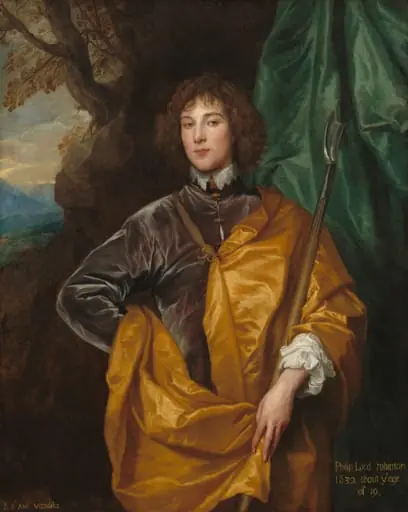
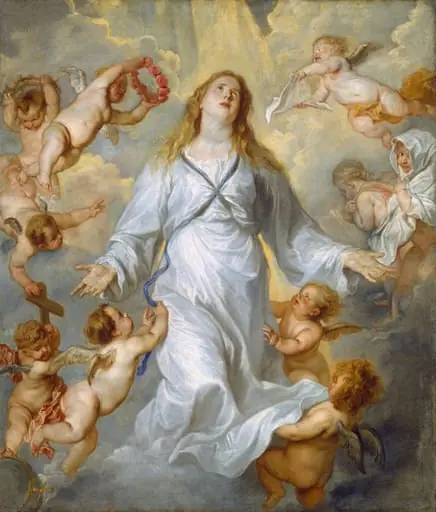
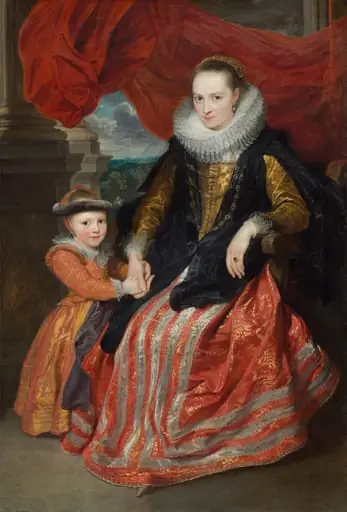
- Portrait of Frederik Hendrik (1584-1647), prince of Orange
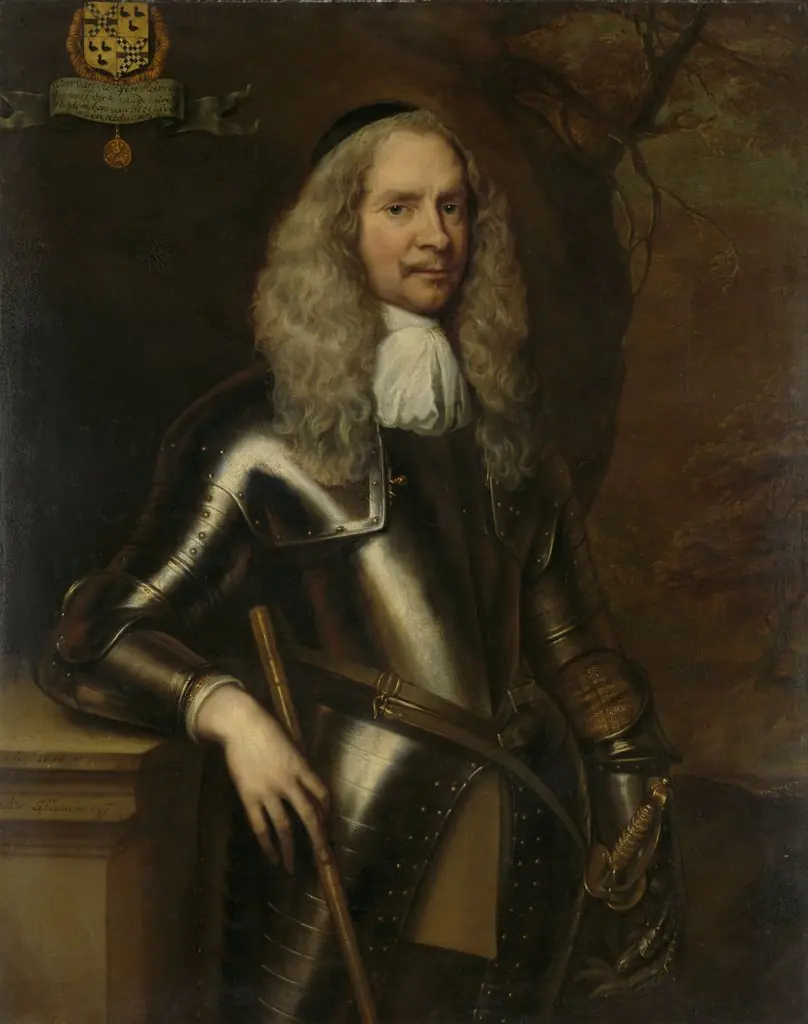 Cornelis van Aerssen (1600-62), lord of Sommelsdijk. Colonel of cavalry
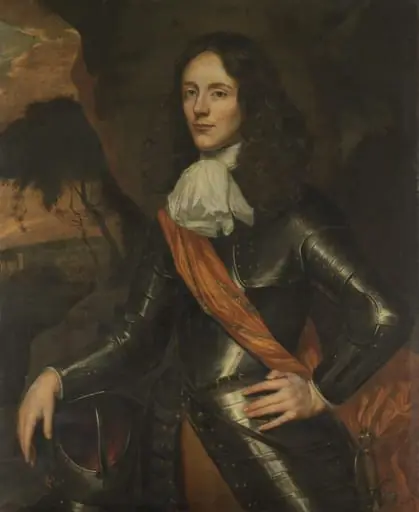 Portrait of James, 4th Lord Cranstoun (in or after 1643-85/88)
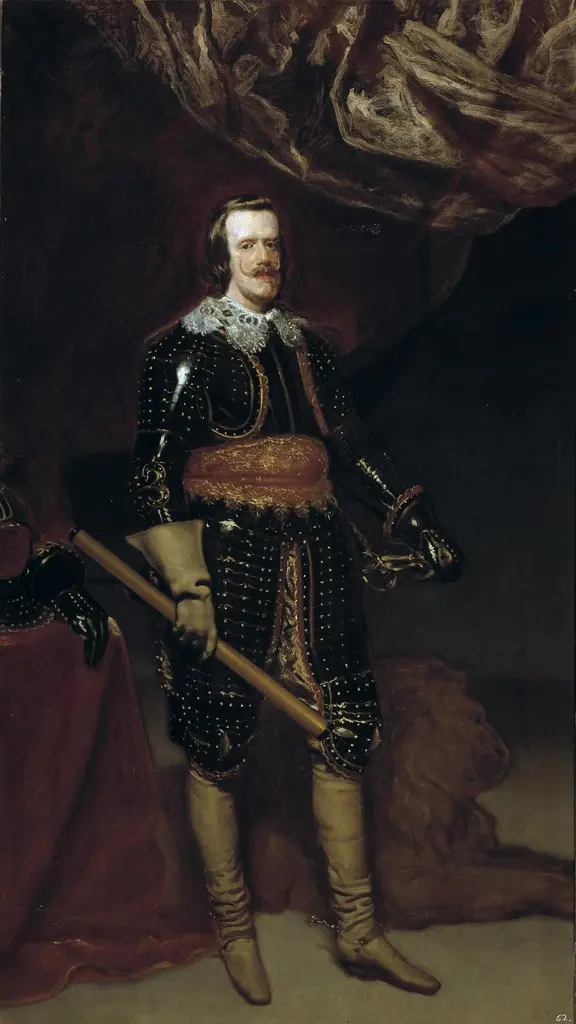 Philip IV in Armour, with a Lion at his Feet
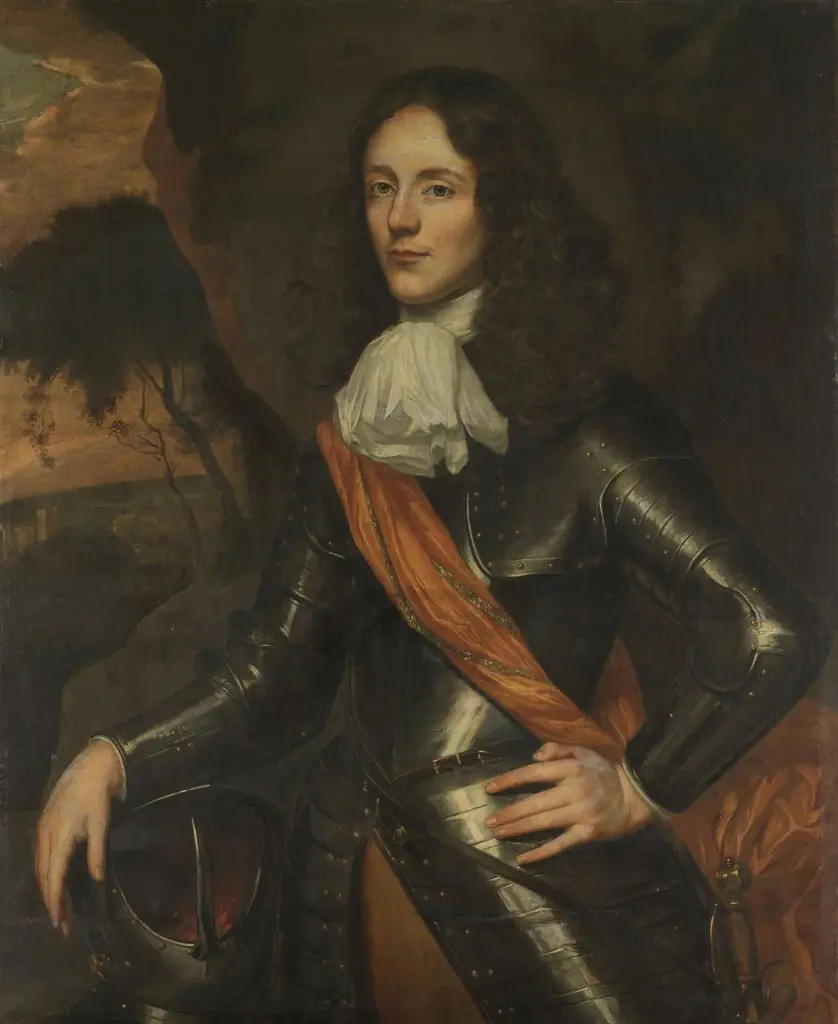 A military officer
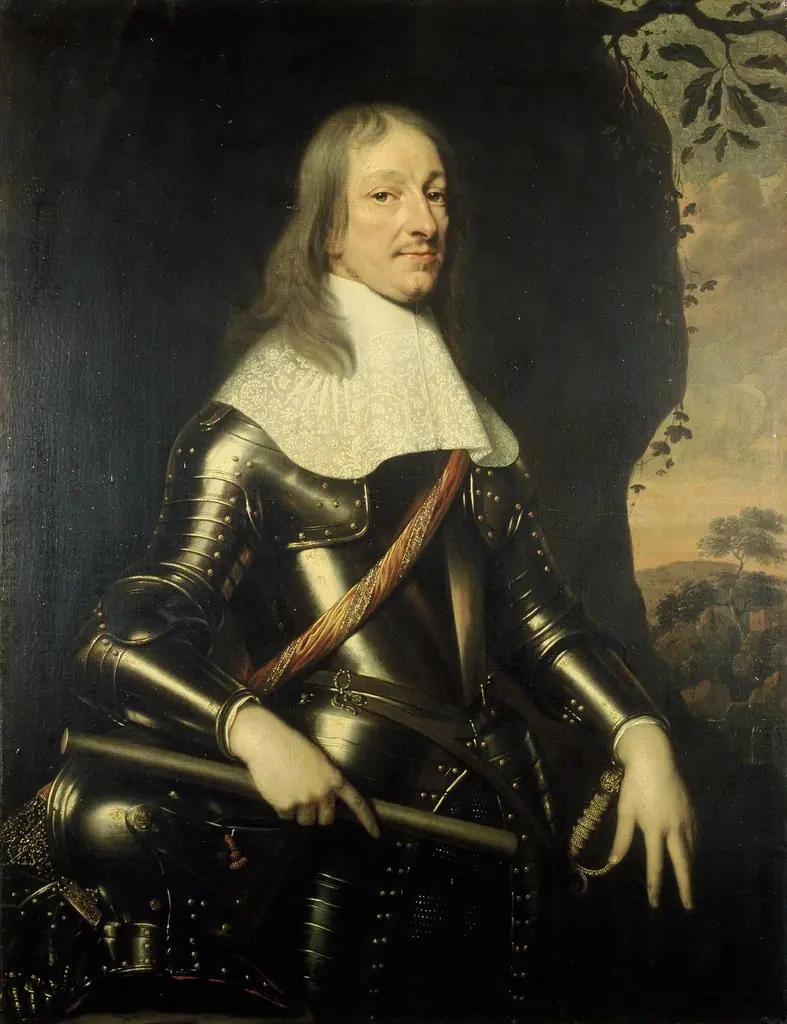 Portrait of Stadholder Willem Frederik (1613- 1664)
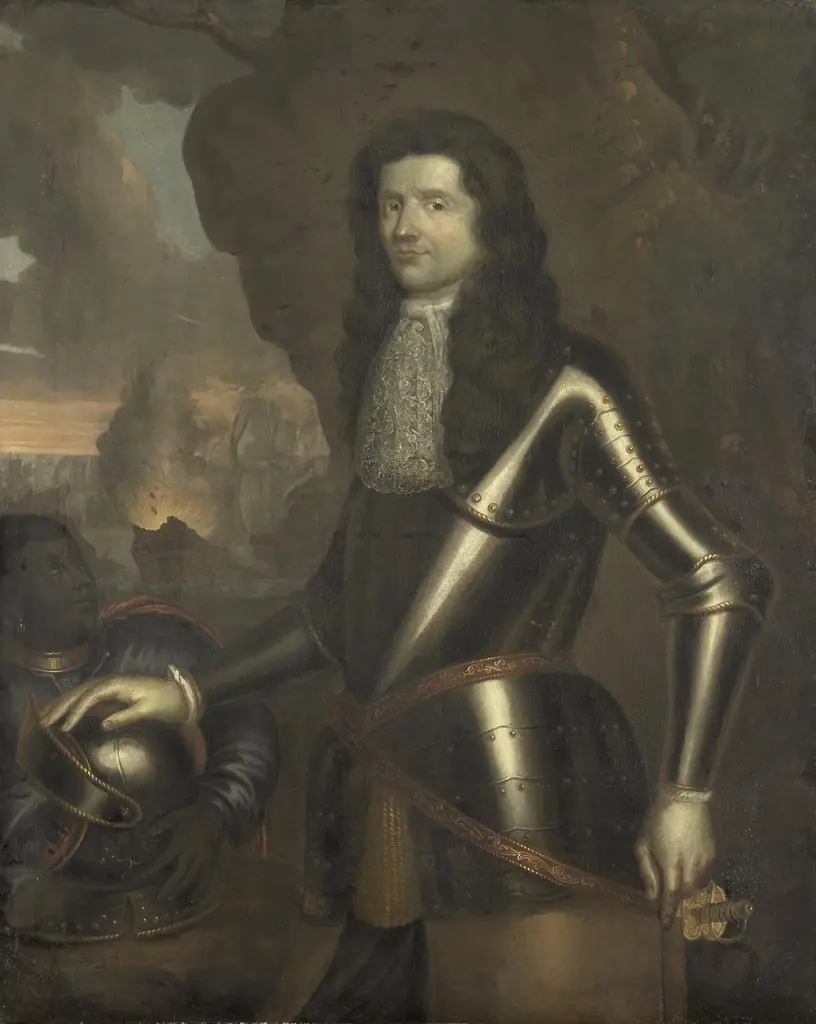 Portrait of an Admiral, probably Willem van Ewijck
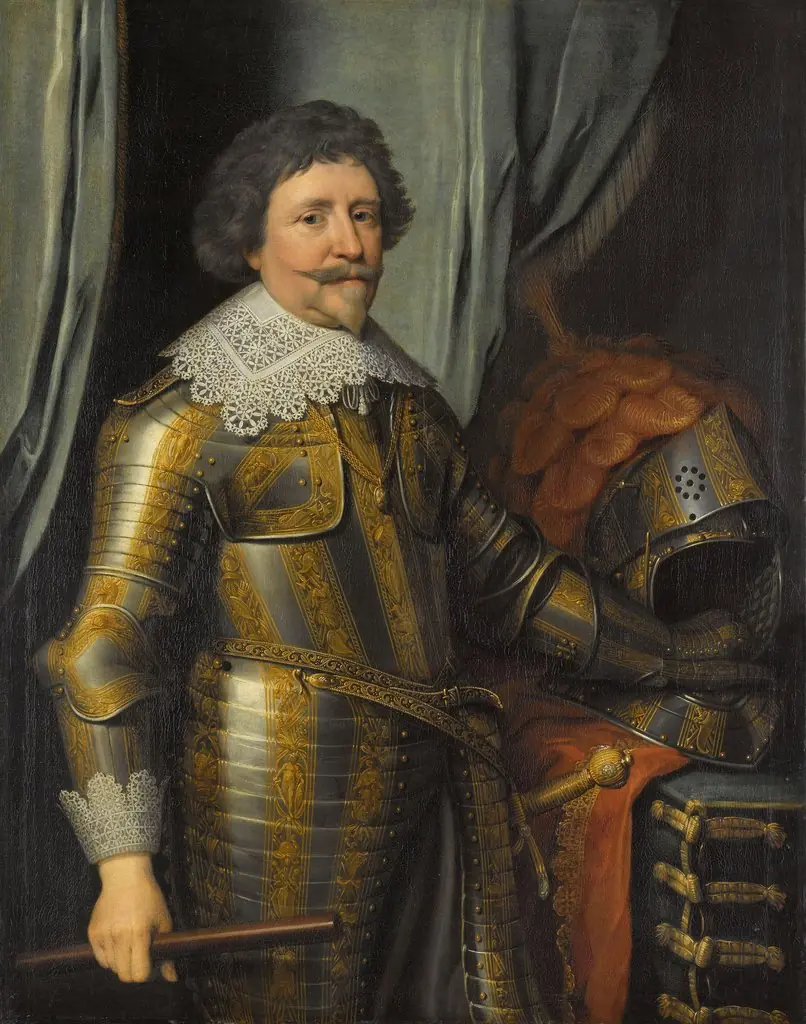 Portrait of Frederick Henry, Prince of Orange
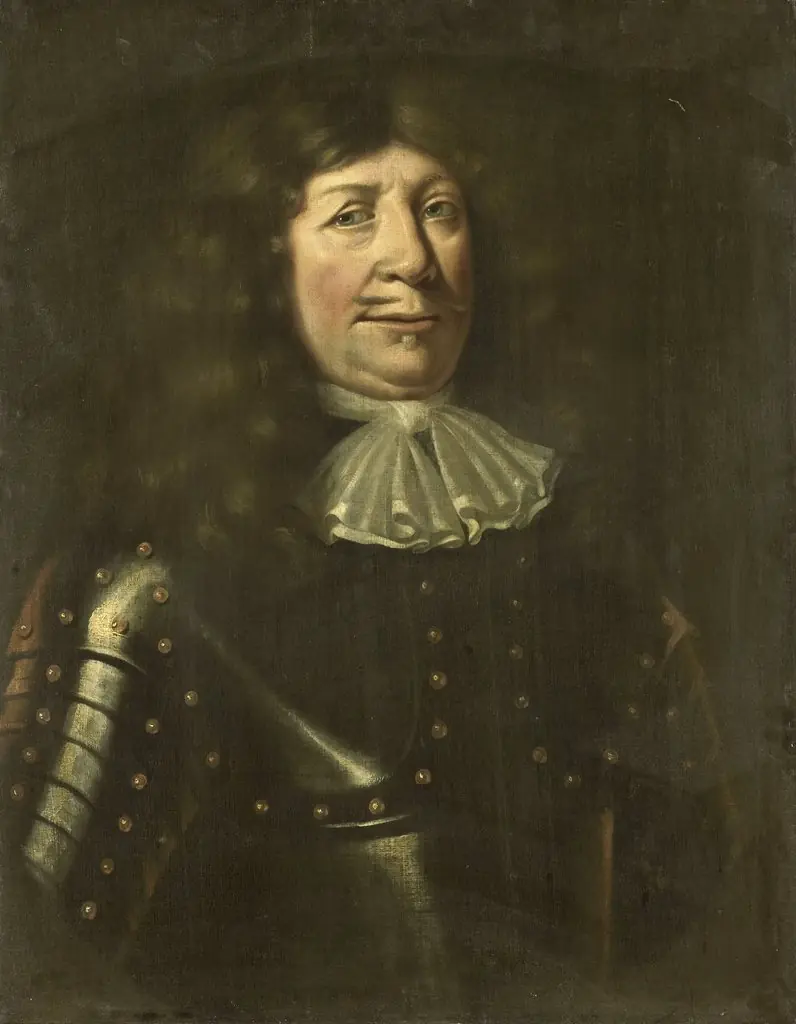 Portrait of Carel Rabenhaupt, Lieutenant-General
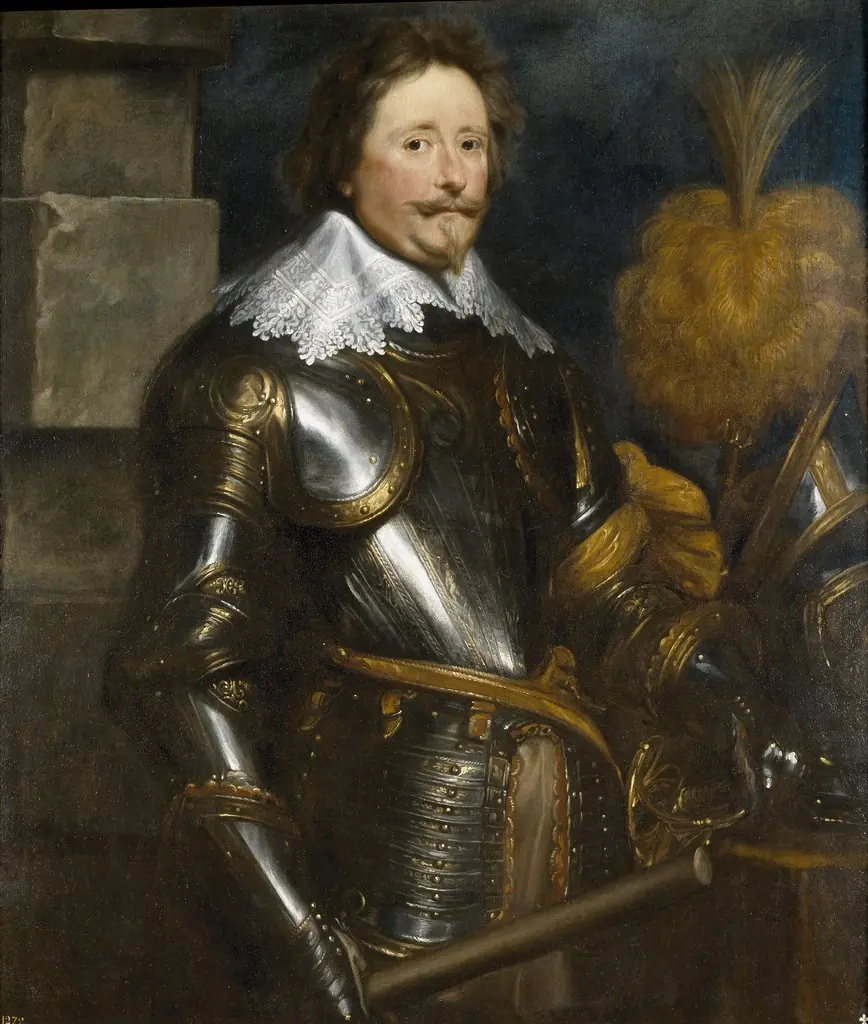 Portrait of Frederick Henry, Prince of Orange
 Portrait of Prince Willem II (1626-1650)
 Portrait of an officer