Artwork
Christus and the woman in adultery
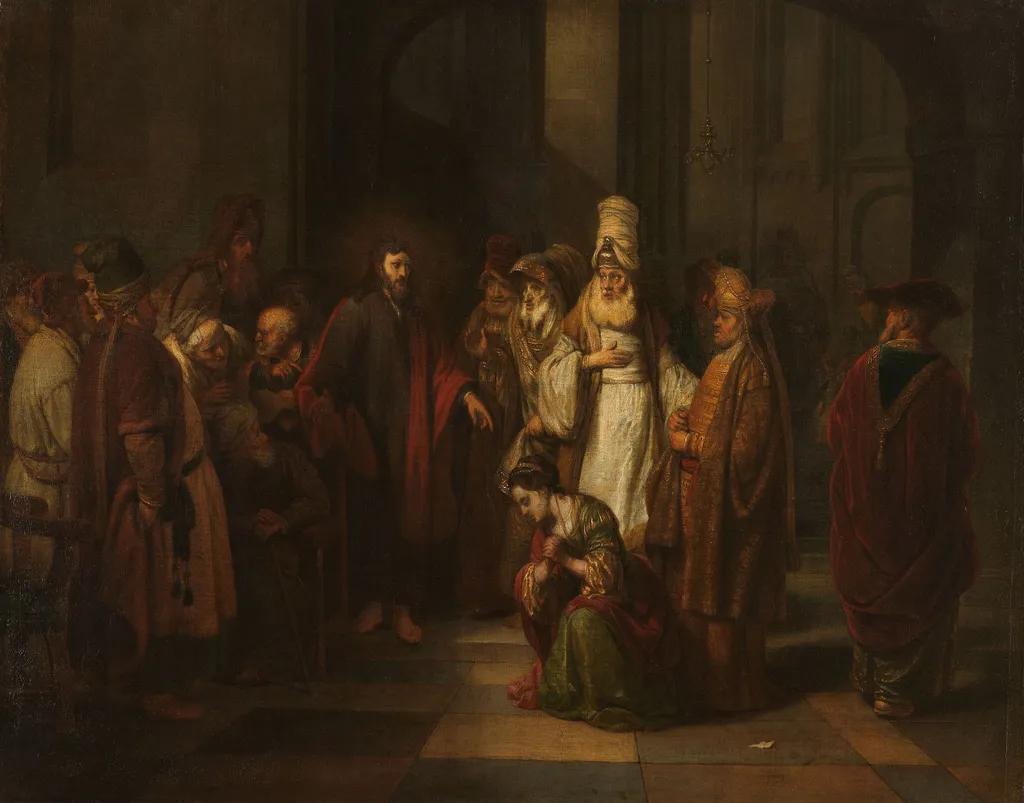
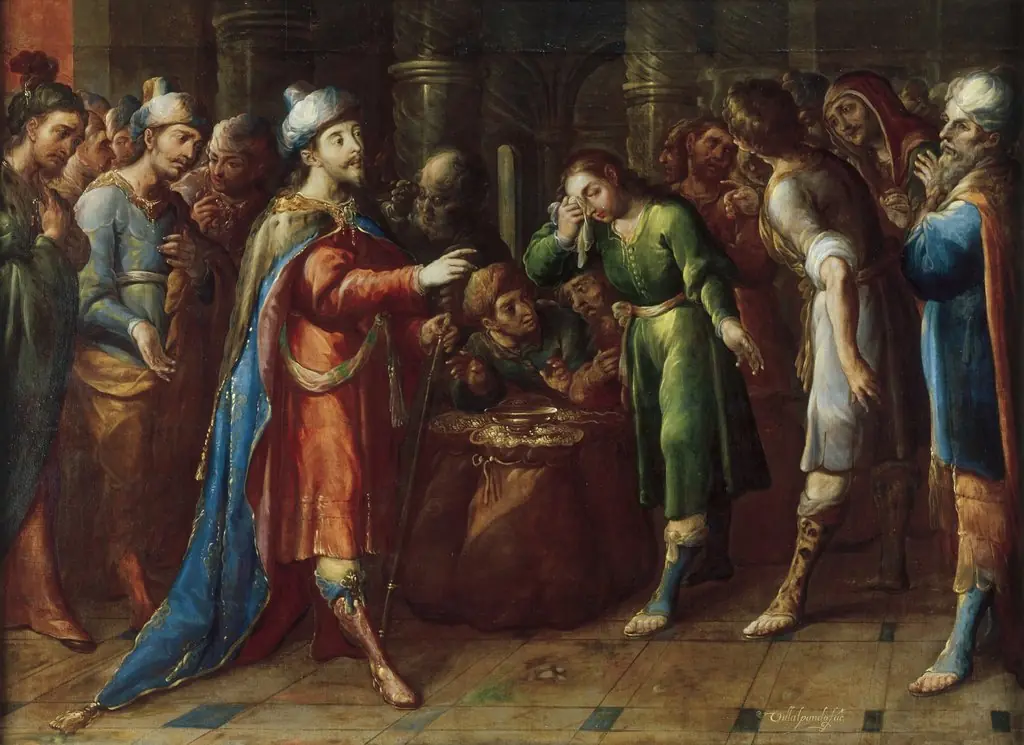
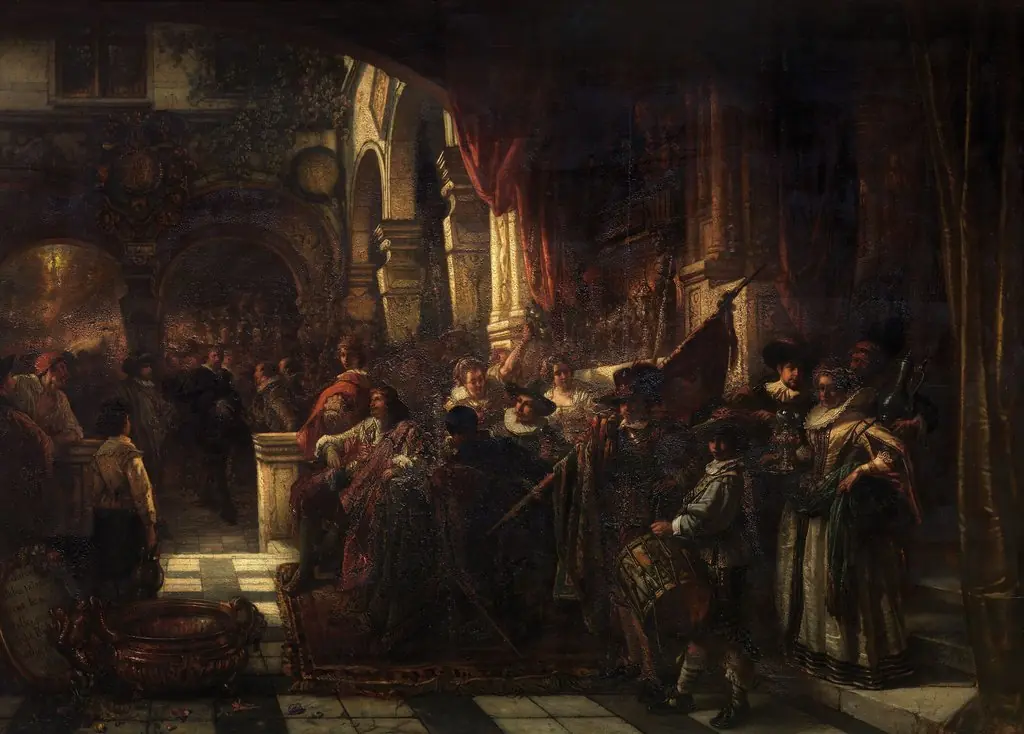
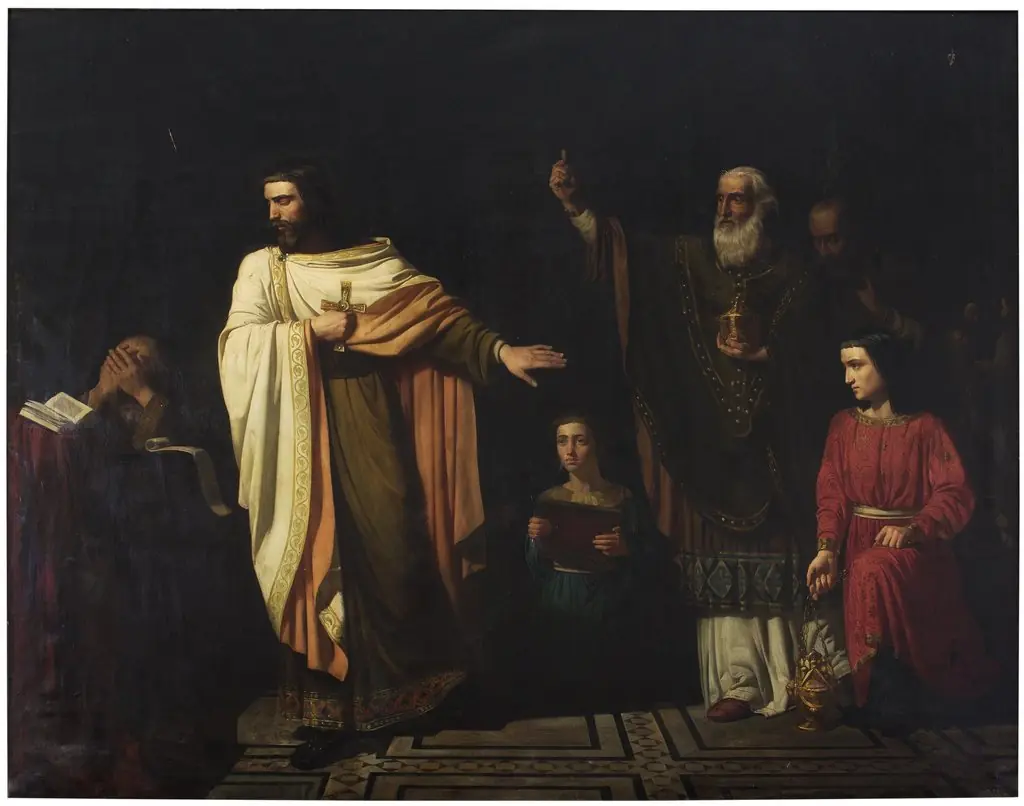
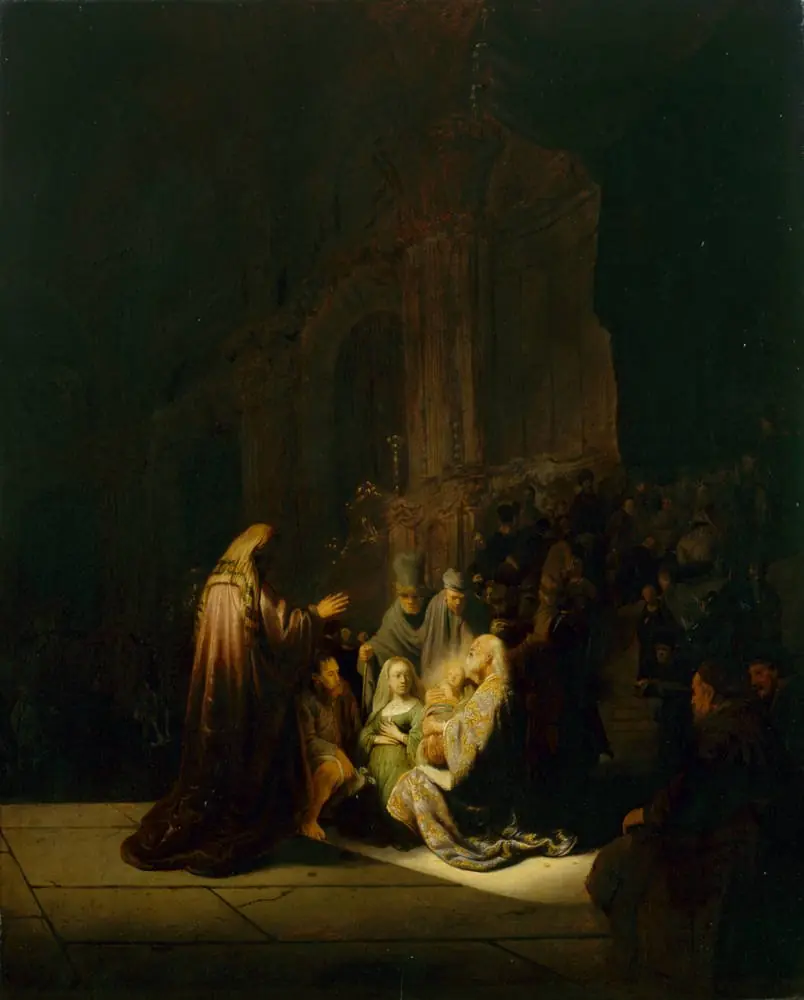
Christus and the woman in adultery is an oil painting by the Dutch Golden Age artist Gerbrand van den Eeckhout. It dates from 1650 and is held in the collection of the Rijksmuseum.
About this work
Subject & Meaning
The work's primary subject is this specific religious episode, focusing on the interaction between Christ and the accused woman.
Gerbrand van den Eeckhout's 1650 oil painting illustrates the biblical narrative of Jesus and the woman taken in adultery. The work's primary subject is this specific religious episode, focusing on the interaction between Christ and the accused woman. As a piece of religious art, the composition serves as a visual representation of this scriptural event, emphasizing the central figures of Jesus and the woman within the scene.
Technique & Style
Created in 1650 by Gerbrand van den Eeckhout, this religious painting is executed in oil paint on a canvas support. The work measures 66 cm in height and 82 cm in width. Stylistically, the composition focuses on the biblical narrative of Jesus and the woman taken in adultery, adhering to the conventions of Dutch Golden Age religious art.
The application of oil medium on woven fabric allows for the detailed rendering of figures and drapery characteristic of the period.
History & Provenance
Gerbrand van den Eeckhout executed this religious painting depicting Jesus and the woman taken in adultery in 1650. The work was created using oil paint on canvas and measures 66 by 82 centimeters. Historical records indicate that the piece was once owned by Christian Josi.
Today, the artwork is held within the collections of the Rijksmuseum, the Cultural Heritage Agency of the Netherlands, and the Rembrandt House Museum.
The painting is held at the Rijksmuseum and also part of the collection at the Rembrandt House Museum. It is cataloged under the inventory number SK-A-1650. Exhibition history includes display in the Rijksmuseum’s exhibition 'Rembrandt and the Woman Taken in Adultery' in 2019.
Overview
Gerbrand van den Eeckhout, a pupil of Rembrandt active in the mid‑seventeenth century, painted the biblical episode of Christ and the woman taken in adultery in oil around 1650. The work is part of the Rijksmuseum’s collection and exemplifies the Dutch Golden Age’s interest in narrative religious subjects.
Context
The subject derives from the Gospel of John, where Jesus challenges the law of Moses against stoning the woman, encapsulating themes of compassion and hypocrisy. In the Dutch Republic, such moralizing scenes were popular for their didactic potential and alignment with Protestant sensibilities.
Own this work as a print
Artist & collection
Artist
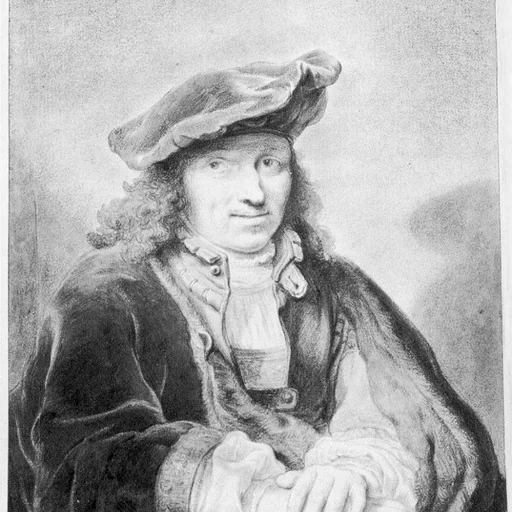
Gerbrand van den Eeckhout (19 August 1621 – 29 September 1674) was a Dutch Golden Age painter and a favourite student of Rembrandt. He was also an etcher, an amateur poet, a collector and an adviser on art.