Artwork
The Last Supper
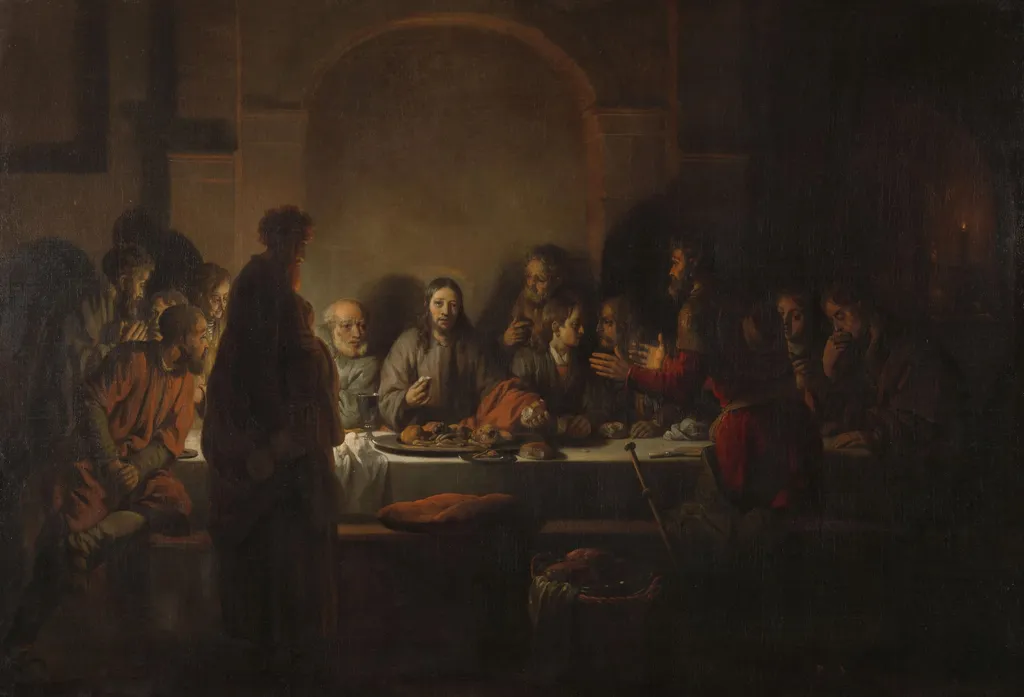
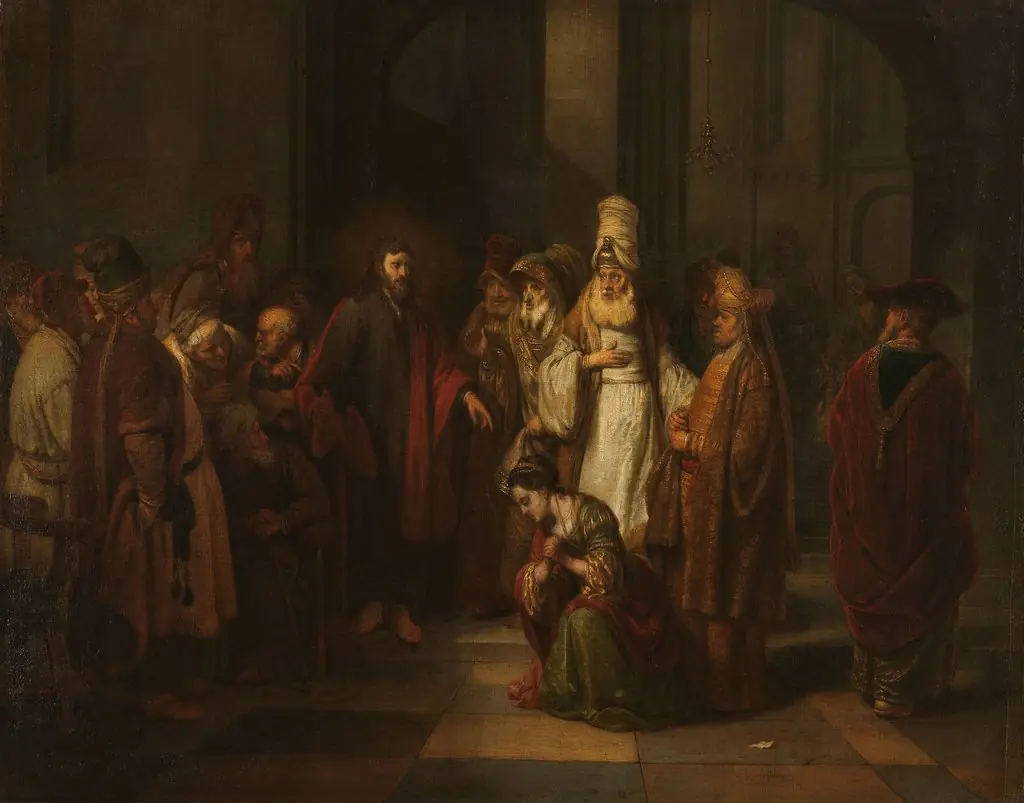
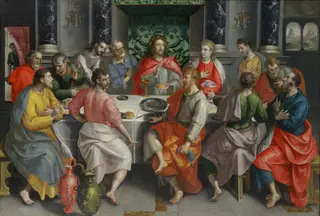
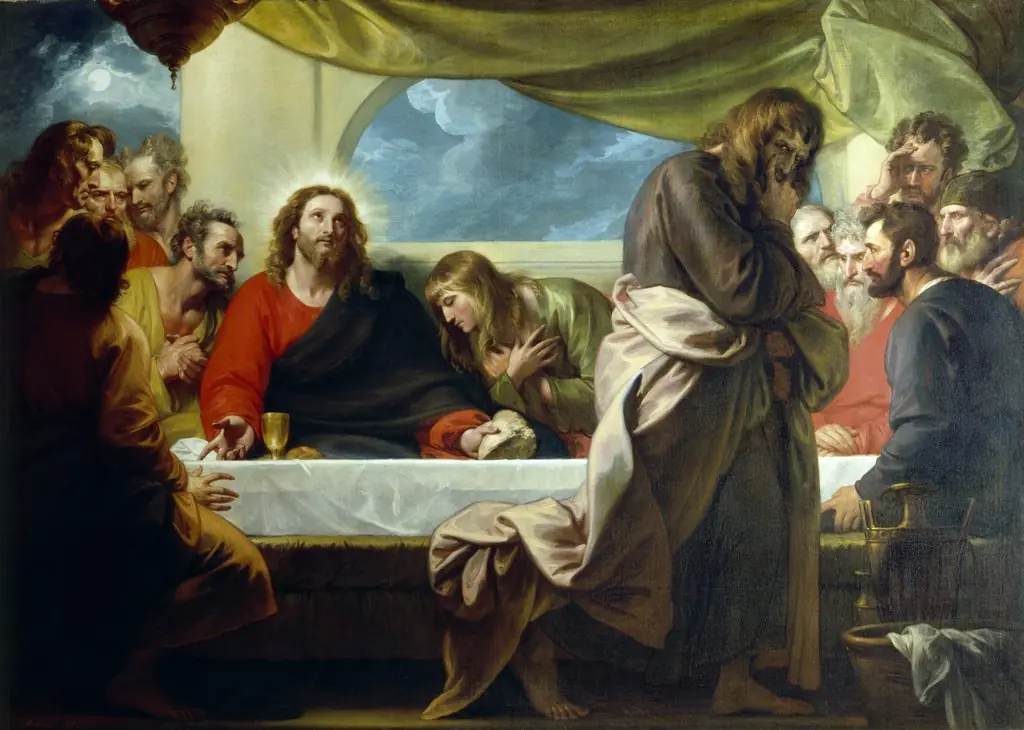
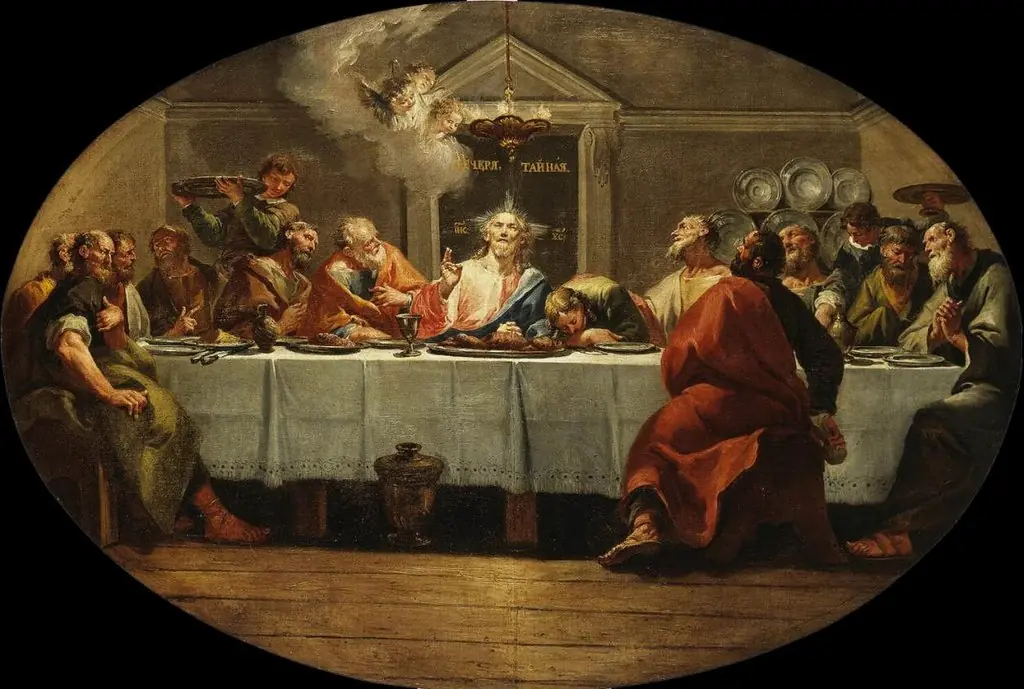
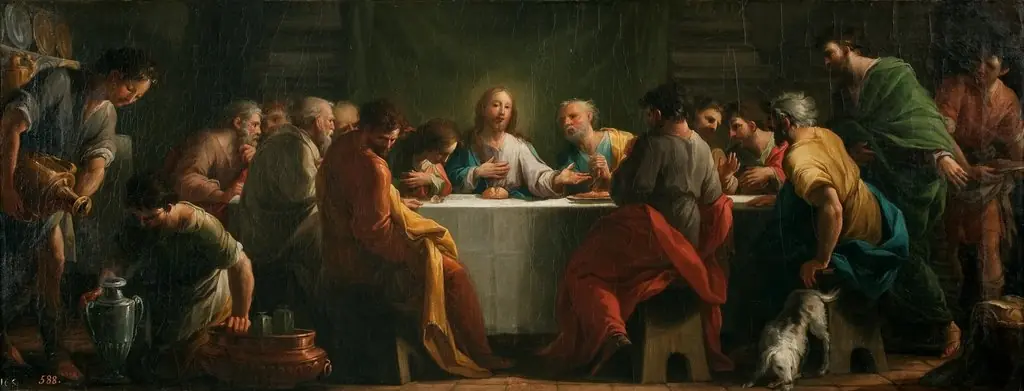
The Last Supper is an unspecified painting by the Baroque artist Gerbrand van den Eeckhout. It dates from 1664 and is held in the collection of the Rijksmuseum.
About this work
History & Provenance
The catalogue entry does not publish an explicit inventory or accession number, and no prior exhibition history is documented in the sources.
The Last Supper, a painting by Gerbrand van den Eeckhout, was completed in 1664. Eeckhout was a favored pupil of Rembrandt, active in Amsterdam during the seventeenth century, and the work aligns with his mature style and his focus on biblical narratives. It is held in the collection of the Rijksmuseum in Amsterdam among its Dutch Golden Age paintings.
While specific details regarding the original commission or patron are not provided in the available records, the work dates to a productive period in the artist's career. The catalogue entry does not publish an explicit inventory or accession number, and no prior exhibition history is documented in the sources.
Overview
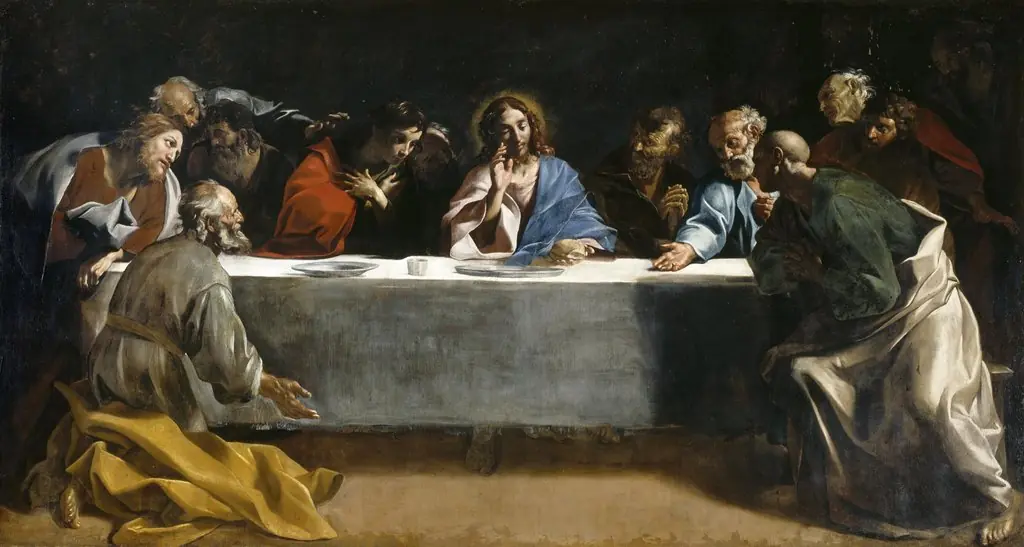
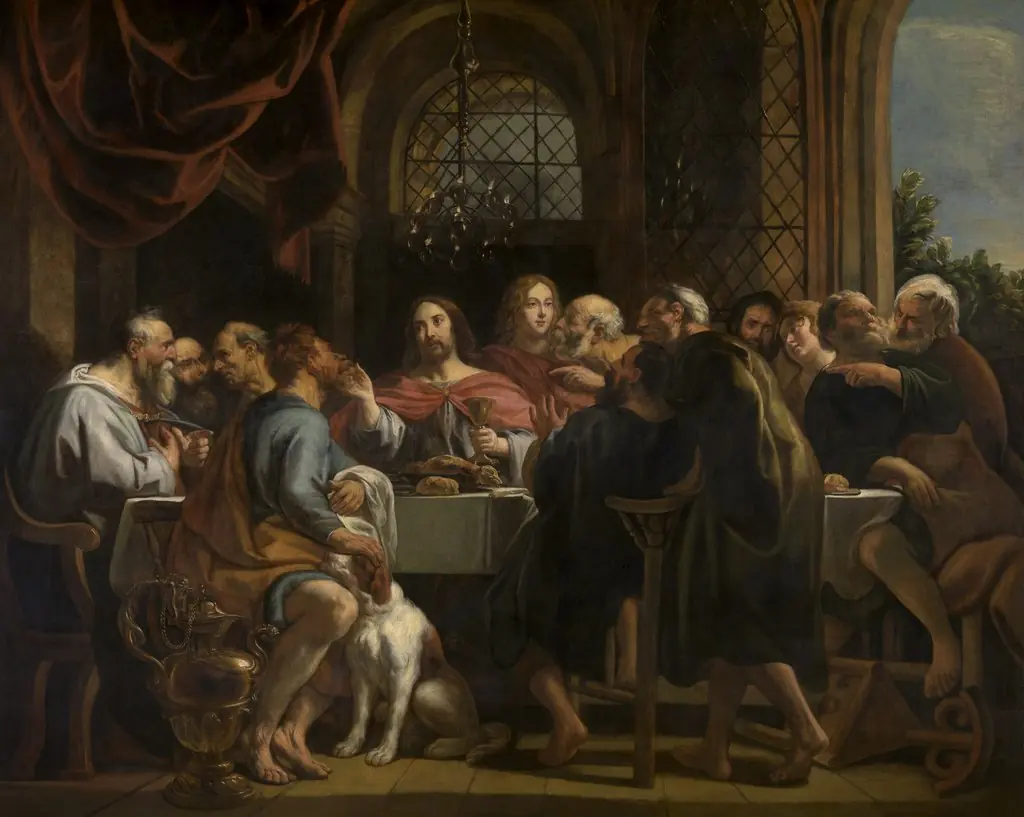
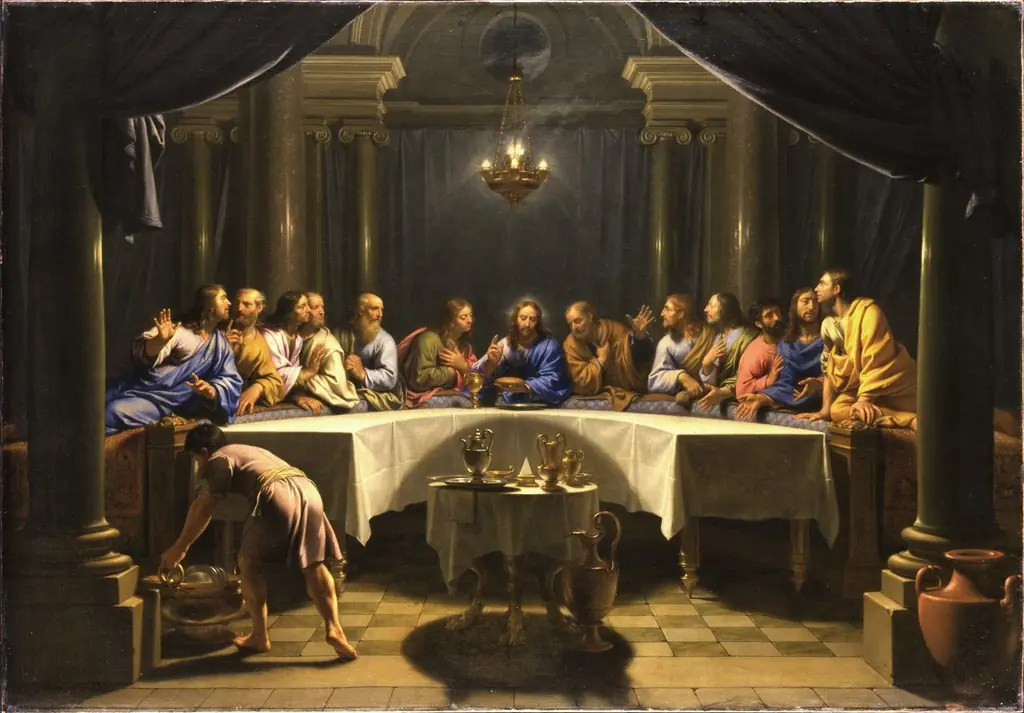
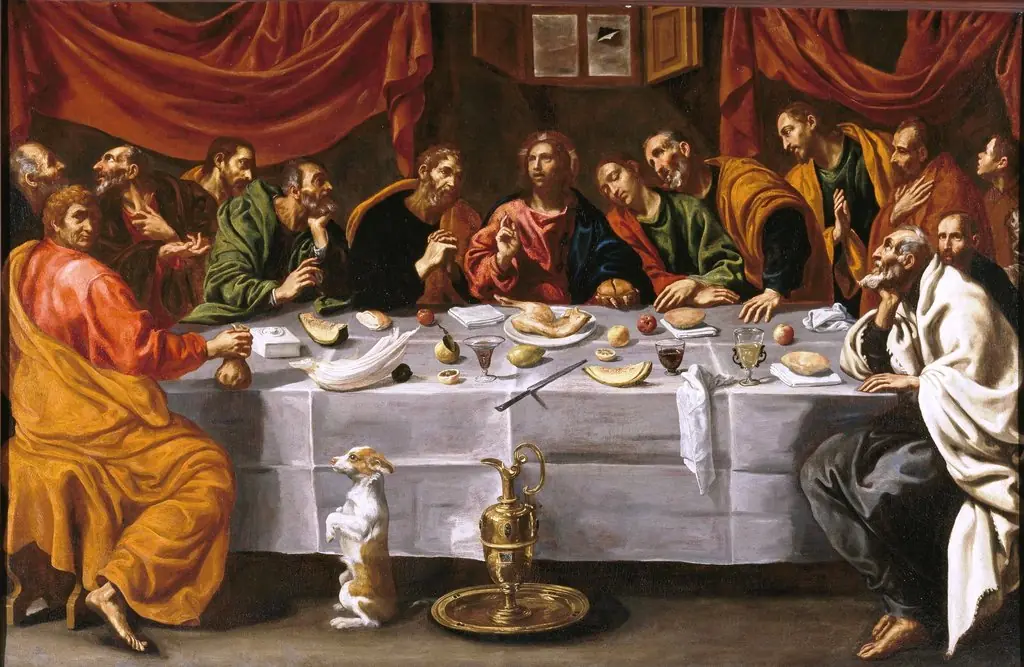
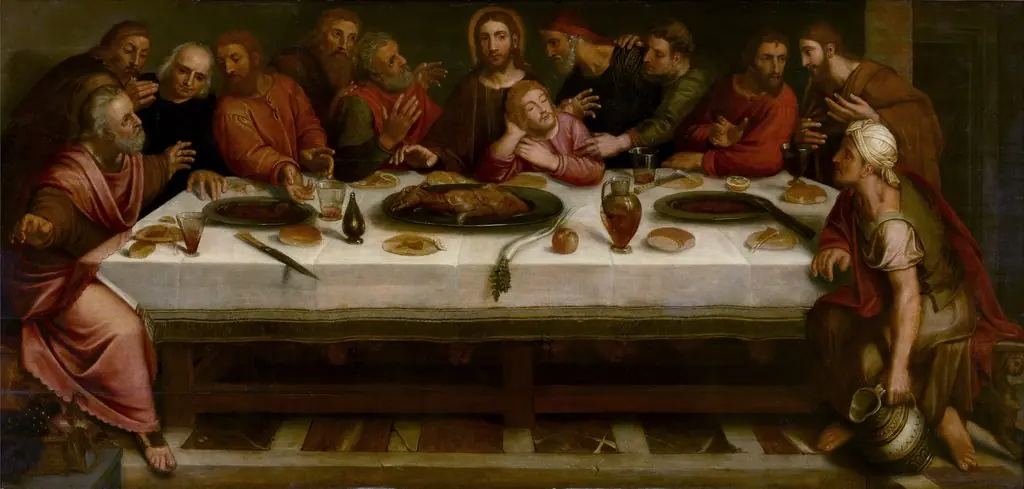
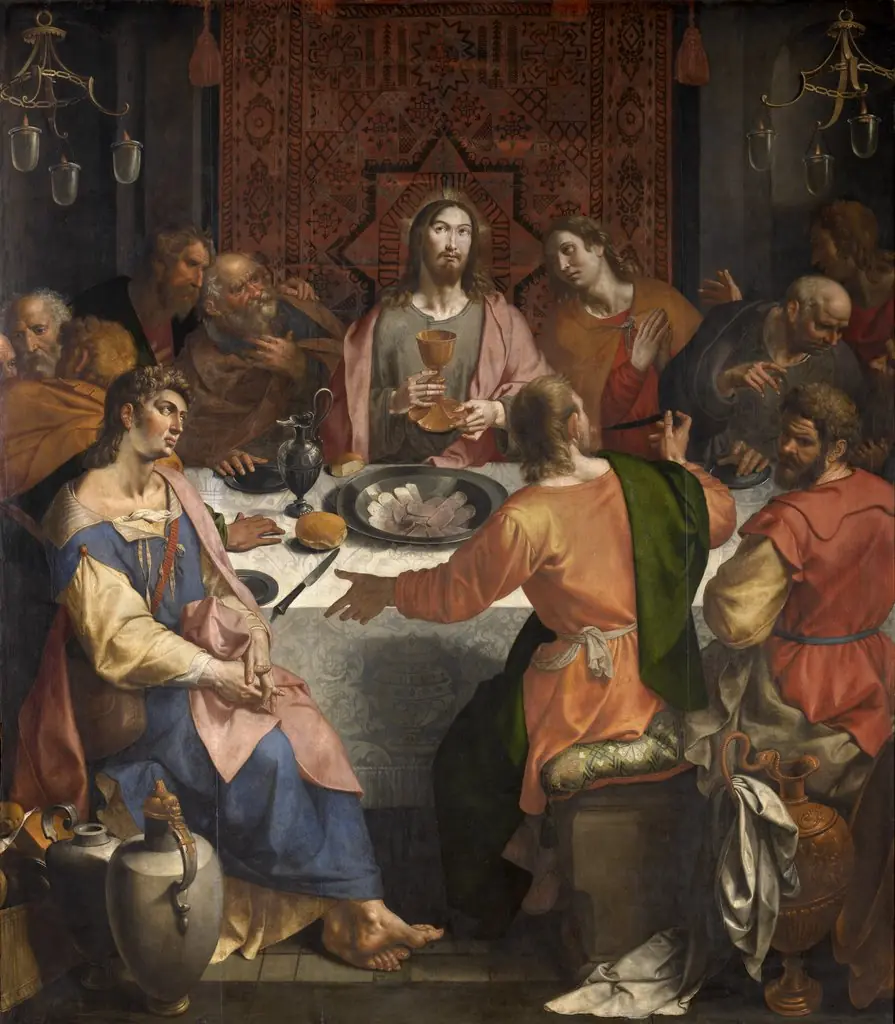
Gerbrand van den Eeckhout's The Last Supper, painted in 1664, depicts the biblical scene of Jesus and his twelve disciples gathered around a long table in a dimly lit interior. Illuminated primarily by candlelight, the composition emphasizes the intimacy of the moment, with figures engaged in quiet conversation or gazing toward the central figure of Christ. The artist employs a restrained palette and soft chiaroscuro, techniques characteristic of his training under Rembrandt, to create a mood of solemnity rather than dramatic action.
This work reflects Eeckhout's mature style, moving away from the more theatrical interpretations of the subject common in earlier periods toward a more naturalistic and psychologically nuanced approach. As a Dutch Golden Age painter, Eeckhout was known for his versatility, but this religious scene stands as a significant example of his ability to adapt Rembrandtesque lighting and composition to traditional biblical narratives. The painting captures the quiet tension preceding the betrayal, focusing on human interaction and emotional resonance within a domestic setting.
Subject & Meaning
The artwork portrays the biblical event of the Last Supper, a pivotal moment in Christian scripture. It specifically emphasizes a period of tranquility preceding significant developments. The disciples' varied interactions and gazes contribute to the scene's contemplative nature, suggesting an awareness of the impending events without overt drama. This quiet introspection sets the stage for the narrative's unfolding.
Technique & Style
The artist employs dramatic chiaroscuro, utilizing the glow of candles to define the figures and their surroundings, a characteristic often found in Baroque painting. This lighting technique enhances the scene's intimacy and focuses attention on the central figures. The composition and emotional tenor align with stylistic elements prevalent during the Baroque period, emphasizing depth and emotional resonance.
Own this work as a print
Artist & collection
Artist
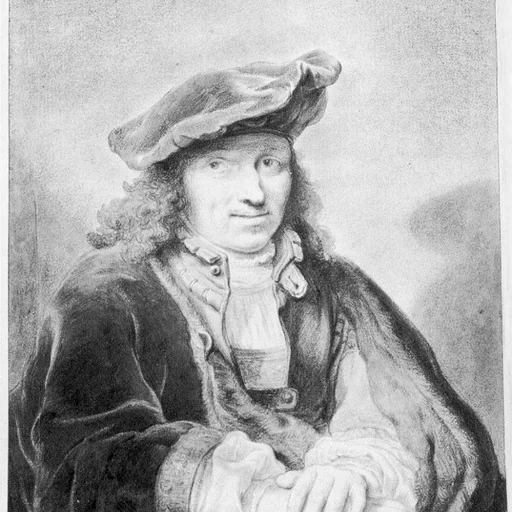
Gerbrand van den Eeckhout (19 August 1621 – 29 September 1674) was a Dutch Golden Age painter and a favourite student of Rembrandt. He was also an etcher, an amateur poet, a collector and an adviser on art.