Artwork
George Heathcote
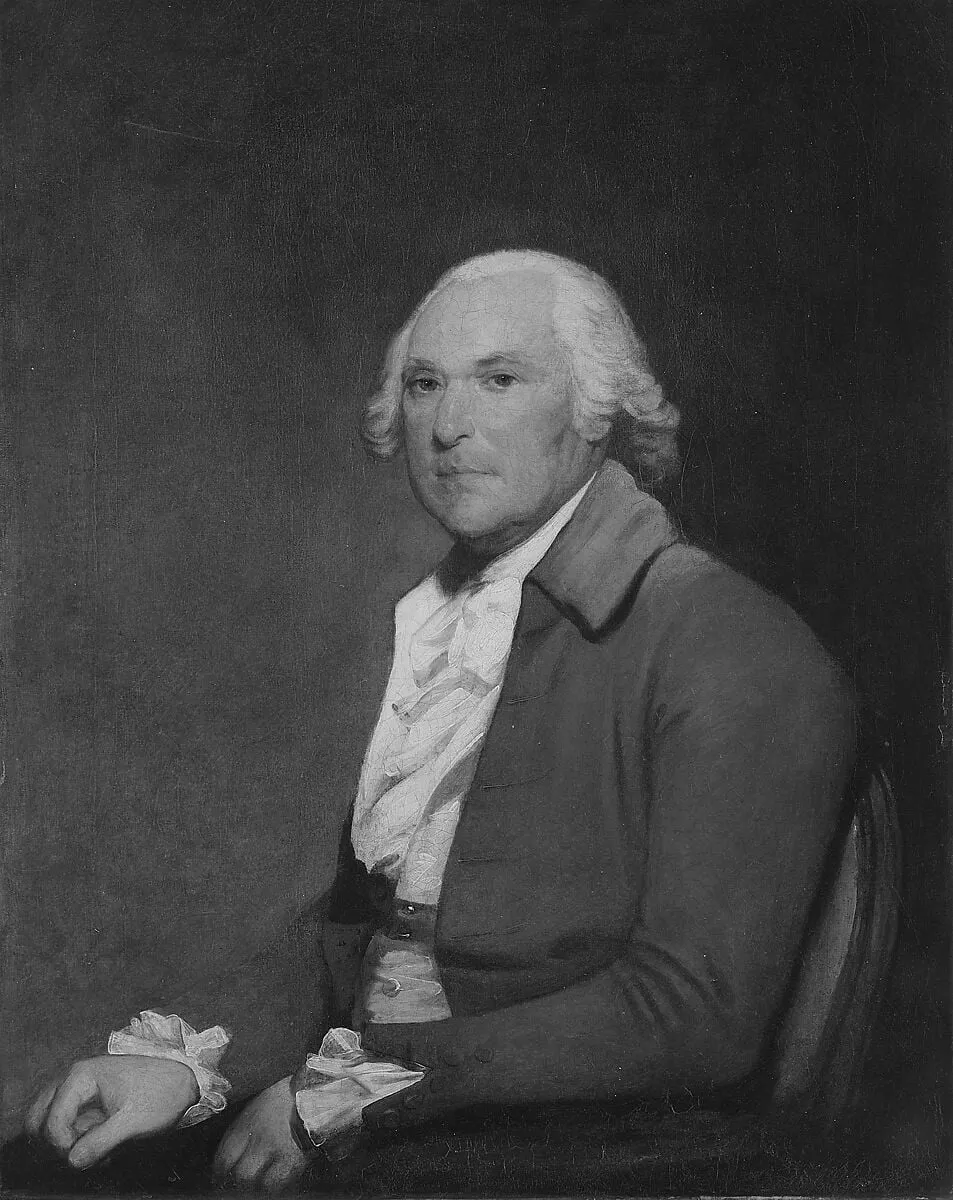
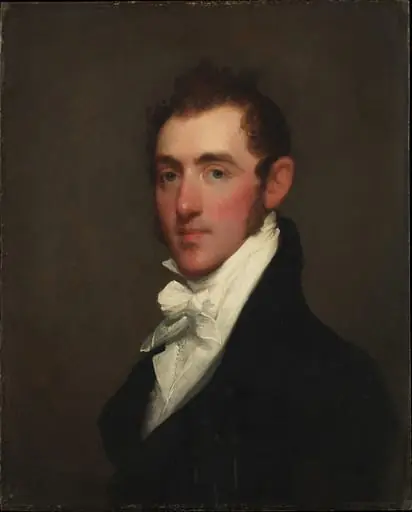
George Heathcote is an oil painting by the American Impressionist artist Gilbert Stuart. It dates from 1785 and is held in the collection of the Metropolitan Museum of Art.
About this work
Subject & Meaning
As a straightforward likeness rather than an allegorical or narrative composition, the work represents Heathcote himself as its sole subject.
The painting is a portrait of George Heathcote, an individual man, executed by Gilbert Stuart in 1785. As a straightforward likeness rather than an allegorical or narrative composition, the work represents Heathcote himself as its sole subject. The portrait genre situates the piece within the tradition of personal commemoration, capturing the sitter's likeness through oil on canvas.
No symbolic attributes, emblems, or iconographic elements beyond the act of portraiture itself are documented in the available sources, and the work's meaning centers on the visual identification of the named individual rather than on broader thematic or symbolic content.
Technique & Style
George Heathcote is an oil-on-canvas portrait executed by Gilbert Stuart in 1785. The work depicts a male subject and is classified within the genre of portraiture. Physically, the painting measures 91.4 centimeters in height and 71.1 centimeters in width.
As a standard oil painting from the late 18th century, the medium consists of oil paint applied to a canvas support. The piece is currently held in the collection of the Metropolitan Museum of Art, where it is displayed in The American Wing. The formal qualities align with Stuart's portraiture style of the period, focusing on the representation of the sitter, George Heathcote.
History & Provenance
The painting titled 'George Heathcote' was executed by Gilbert Stuart in 1785 as an oil-on-canvas portrait. It was created to depict the sitter George Heathcote, a subject of Stuart's early American portraiture. The work entered the collection of the Metropolitan Museum of Art, where it has been part of The American Wing since its acquisition, and is presently housed at the museum's location in New York.
Its creation reflects the transitional period of American portraiture in the late 18th century, and its provenance is documented through the museum's records and the artwork's entry in the Wikidata repository.
The portrait of George Heathcote by Gilbert Stuart, painted in 1785, is held by the Metropolitan Museum of Art, where it forms part of the institution's American Wing collection. The work is catalogued as an oil on canvas. While the sources confirm its present-day location within the Metropolitan Museum of Art, they do not provide a specific accession number or inventory designation, nor do they document any prior exhibition history for the painting.
Overview
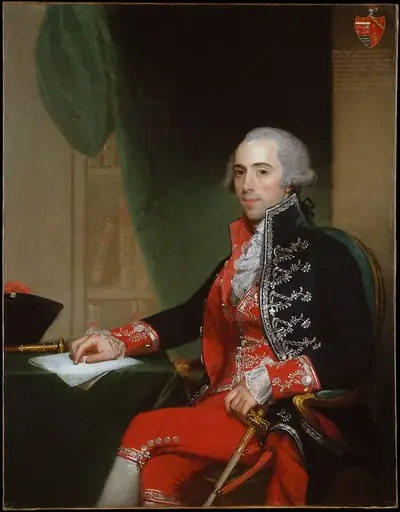
This oil on canvas painting, titled George Heathcote, presents a seated male figure, the eponymous subject. The artist rendered Heathcote with a serious expression and in period attire, emphasizing his individual presence. Subtle color choices contribute to an overall sense of tranquility within the composition, making the figure the central focus of the work.
Context
While specific historical details about George Heathcote or the painting's commission are not provided, its presence in The American Wing suggests its significance within the narrative of American art. The portrait reflects a common practice of documenting prominent individuals through painted likenesses during its era, contributing to the visual record of its time.
Artist & collection

Artist
Gilbert Stuart (né Stewart; December 3, 1755 – July 9, 1828) was an American painter born in the Rhode Island Colony who is widely considered one of America's foremost portraitists.

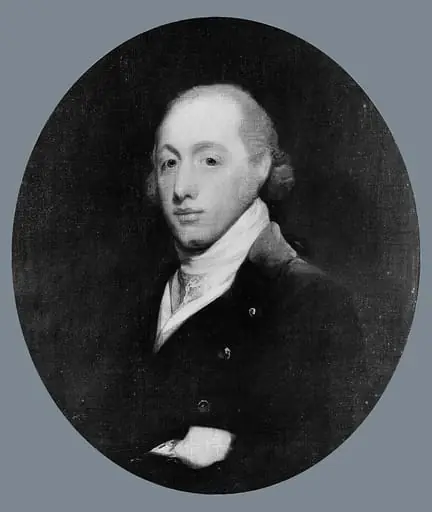
- Benjamin West
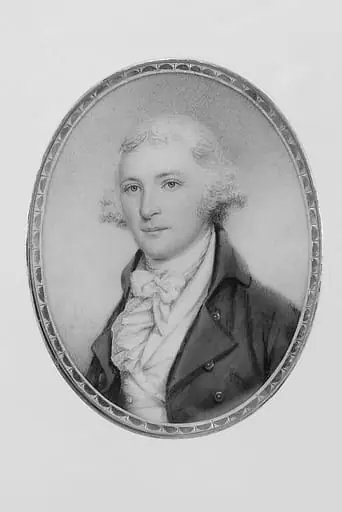 William Jonas Keen
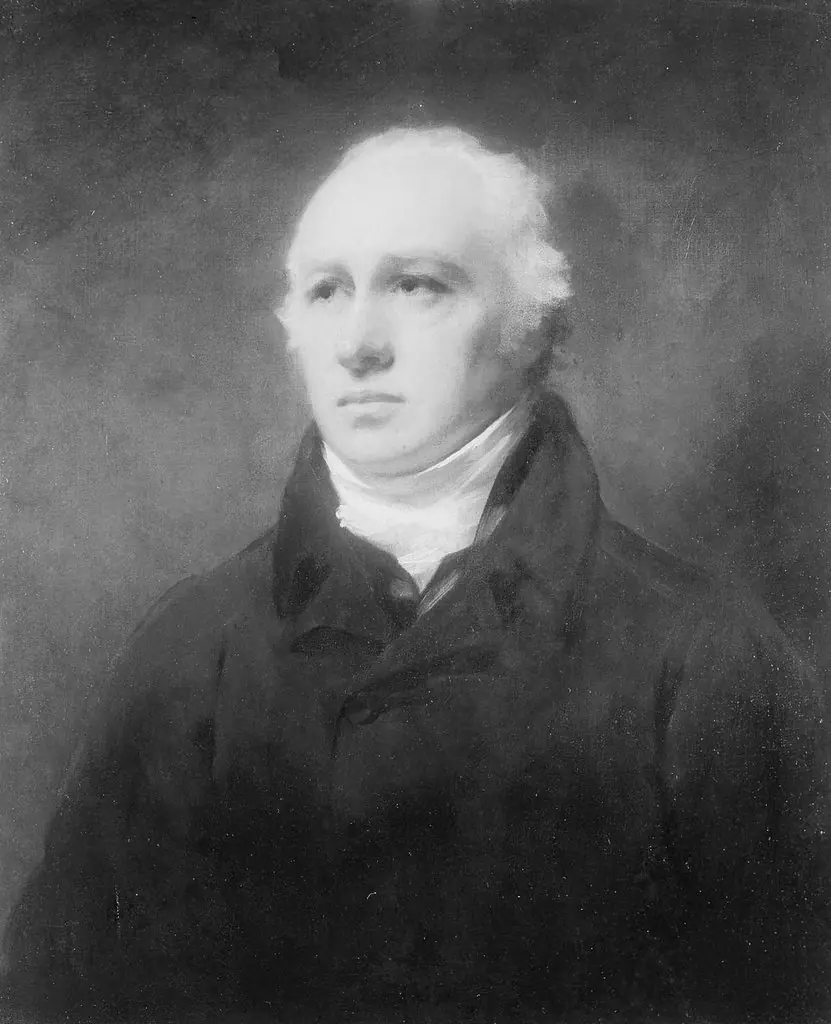 The Right Honorable Charles Hope
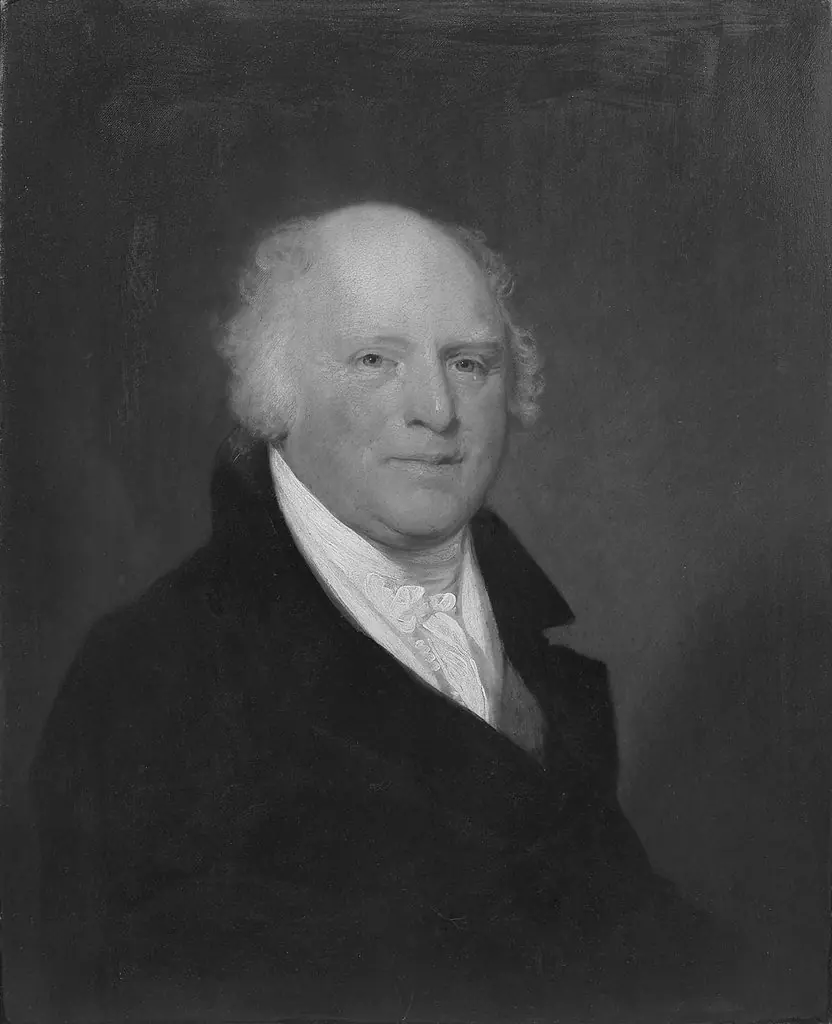 Aaron Davis
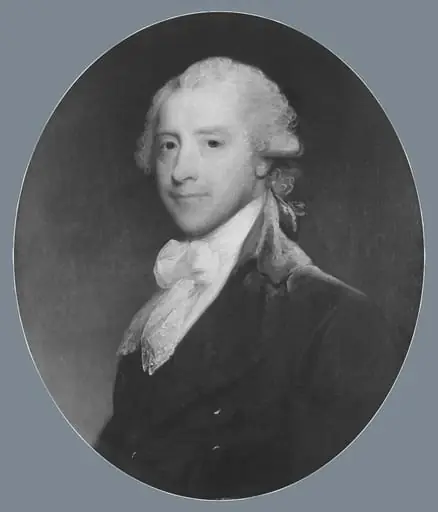 William Kerin Constable
 Unidentified Man
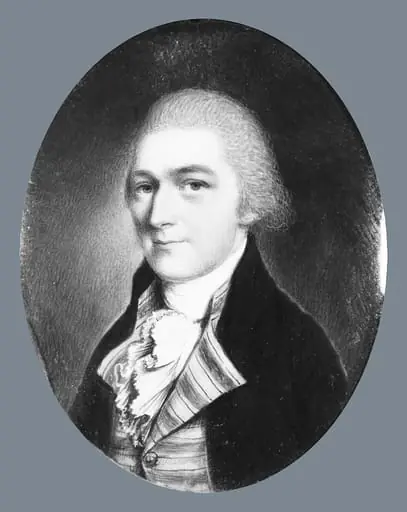 Major Greene, B.A.
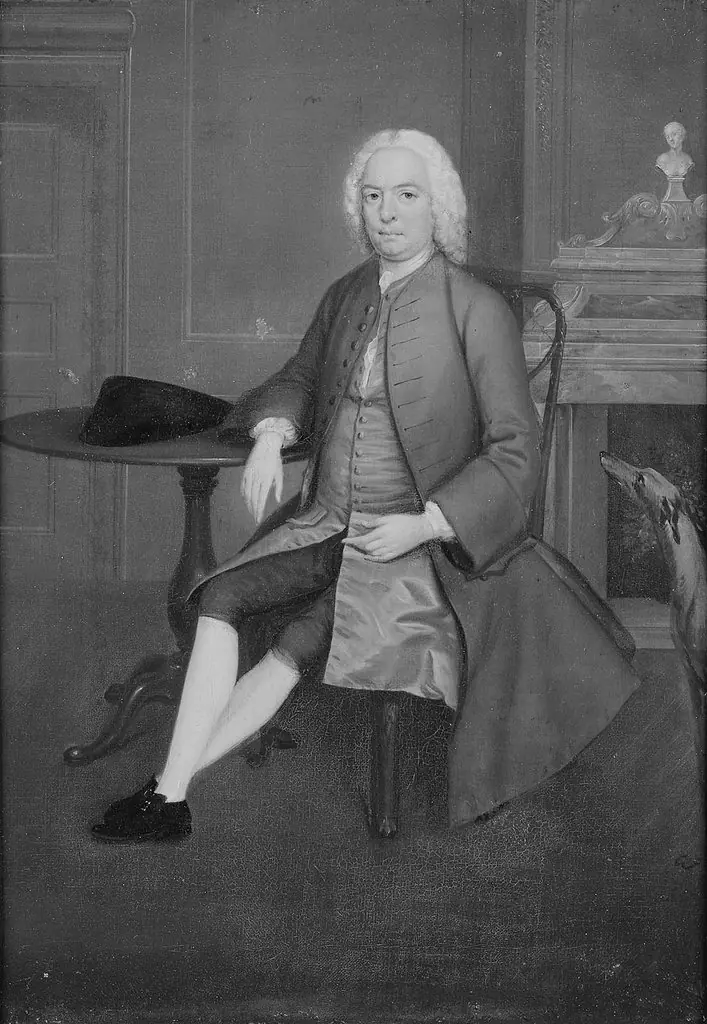 Portrait of a Man Seated beside a Table
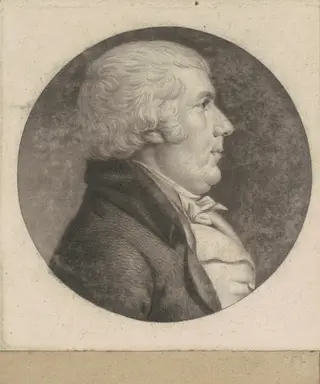 James Riddle
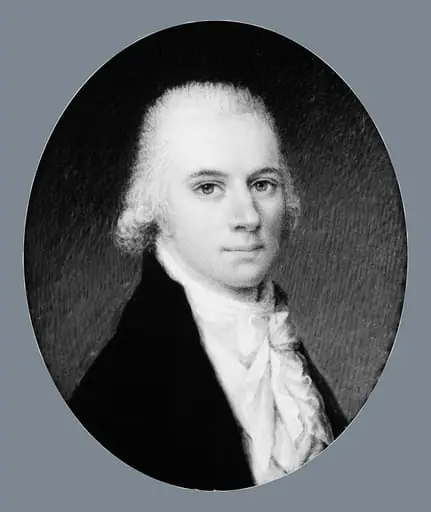 John Henry Remsen
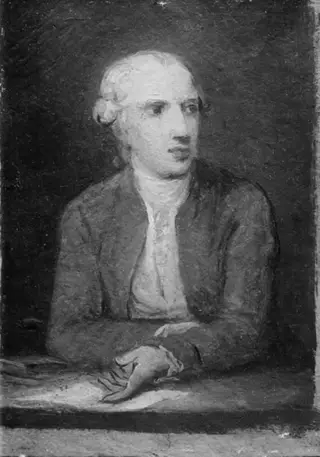 Portrait of a Man. Probably a study for the portrait (1785) of the sculptor C. F. Stanley in the Royal Academy of Fine Arts in Copenhagen
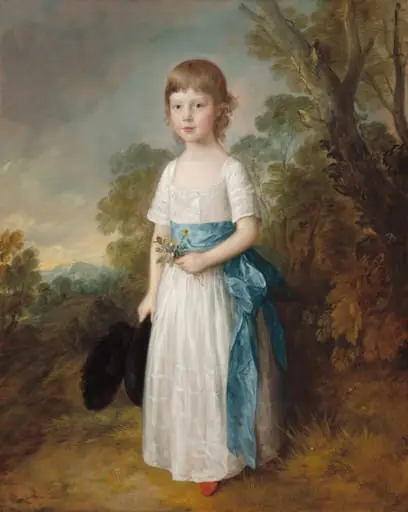 Master John Heathcote